As global energy demands continue to rise, the urgency for sustainable solutions has never been greater. The International Energy Agency (IEA) reports that energy efficiency improvements could account for one-third of needed emissions reductions by 2030. Buyers seeking effective solutions are now turning their attention to "The Energy Saver" innovations that promise substantial savings and reduced carbon footprints.
Emerging trends show that nearly 70% of consumers prioritize energy-efficient products when making purchasing decisions. Companies that invest in these solutions not only save costs but also bolster their brand reputation. However, not all products labeled as energy savers deliver the promised results. This discrepancy raises questions about transparency in marketing and the actual benefits of these systems.
While many solutions are available, buyers must critically assess their options. Understanding the specific needs of different markets is essential. The Energy Saver segment is diverse, with products ranging from smart thermostats to energy-efficient appliances. Buyers should look for verified certifications and user testimonials to guide their investments. Reflecting on these aspects ensures informed decisions that align with their sustainability goals.
In 2026, global buyers face increasing energy demands. Innovative energy saver solutions are crucial. Smart technologies will dominate the market. These solutions help reduce costs and environmental impact. Buyers must navigate this evolving landscape carefully.
Home energy management systems offer real-time monitoring. These tools empower individuals to track energy consumption efficiently. However, some consumers may find technology integration challenging. Not everyone is tech-savvy, which can hinder adoption.
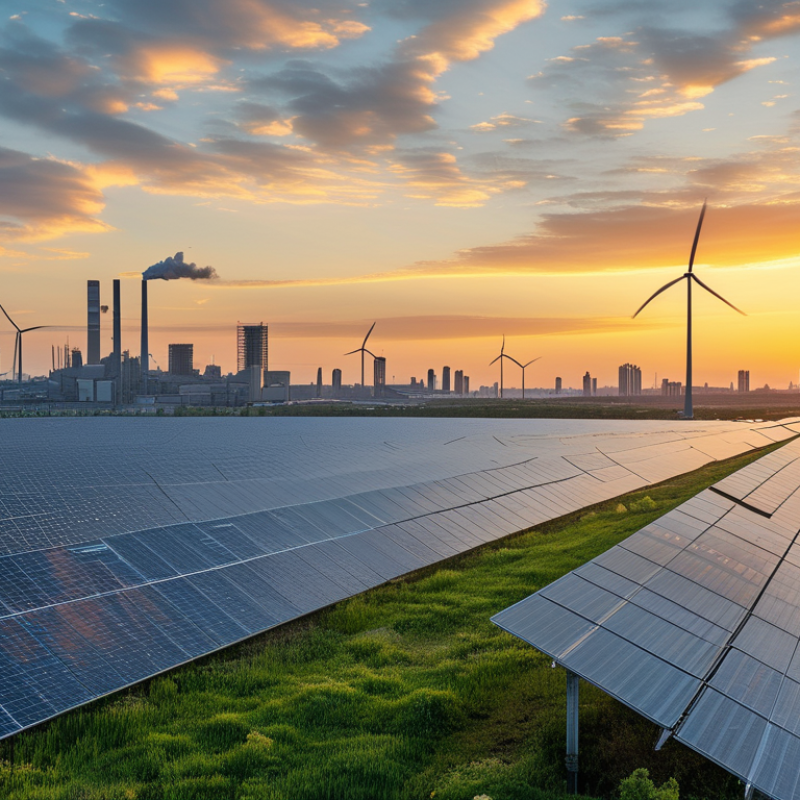
Renewable energy options are gaining traction among buyers. Solar panels and wind turbines are now more accessible. Yet, initial installation costs can deter some. Additionally, the reliability of energy sources varies by region. Buyers need to research local conditions. This quest for efficiency requires collaboration between consumers and experts.
In 2026, innovative technologies are reshaping energy efficiency worldwide. Smart grids enhance utility management. They allow real-time monitoring of energy use. This leads to significant reductions in wastage. Data analytics plays a huge role. It predicts energy demand accurately, optimizing distribution.
Another breakthrough is in energy storage. Advanced battery technology stores excess power from renewable sources. This addresses the intermittent nature of wind and solar energy. These improvements are essential for a sustainable future. However, challenges remain. The production of these batteries raises environmental concerns. Recycling and disposal processes need improvements.
Furthermore, building designs are evolving. Smart building technology integrates automated systems. They manage lighting, heating, and cooling based on necessity. While effective, not all designs are user-friendly. Some systems can be overly complex for everyday users. Balancing efficiency with practicality is crucial. Energy-saving solutions should be accessible to everyone, not just to tech-savvy individuals.
When it comes to energy-saving solutions, the cost-effectiveness is crucial for global buyers. Evaluating options requires careful consideration. Consumers must analyze both upfront costs and long-term savings. A design that promises energy efficiency may come with a higher initial investment. This is where the potential savings can be crucial for decision-making.
Tips: Consider the potential return on investment. Calculate energy savings over time against installation costs. Doing so can reveal hidden benefits.
Awareness of energy consumption habits is vital. Small changes in daily routines can lead to significant savings. For example, switching off lights in unused rooms adds up over months. Choosing smart appliances could also help. However, it's essential to assess their performance and reliability before making a purchase. Trust in data from unbiased sources can guide consumers.
Tips: Review product ratings and user experiences. Avoid selections based solely on price. A low-cost alternative may not always be the best in the long run.
Energy consumption patterns are changing rapidly. Sustainable practices are becoming crucial for reducing global energy usage. Simple actions, like using energy-efficient appliances, can minimize electricity usage. Homeowners are increasingly turning to renewable sources, such as solar panels. These changes can significantly impact energy expenditure over time.
Adopting these practices is not without challenges. The initial costs of transitioning to sustainable energy can be high. Some people may feel overwhelmed by the complexity of new technologies. Community education is essential in overcoming these hurdles. Programs that raise awareness can empower individuals to make informed choices. Governments and organizations must collaborate to promote effective solutions.
The ongoing shift toward sustainability means everyone has a role to play. Individuals can contribute by being conscious of their energy use. Reflection on daily habits can yield surprising results. Even small changes, like unplugging devices, can lead to energy savings. Each step, no matter how minor, creates a collective impact on global energy consumption.
Energy conservation is more crucial than ever. The global demand for energy continues to escalate, creating an urgent need for efficient solutions. Emerging trends show a shift towards smart technologies. These innovations help reduce consumption while enhancing user comfort. Data analytics plays a key role in identifying energy-saving opportunities. For instance, smart meters provide real-time insights into usage patterns. This information aids in formulating better consumption strategies.
Moreover, eco-friendly materials are gaining traction in construction and manufacturing. Builders are opting for sustainable resources that minimize energy loss. Insulation improvements are vital to this approach. They keep homes warm in winter and cool in summer, reducing dependency on heating and cooling systems. However, the upfront costs can deter many from adopting these solutions.
Furthermore, public awareness campaigns influence consumer behavior. Education on energy-efficient practices leads to more conscious choices. Yet, not all initiatives have the desired impact. Some people require more motivation to change habits. This gap highlights the need for ongoing dialogue and targeted incentives. Addressing these challenges is essential for a sustainable energy future.
: Energy saver solutions help reduce costs and environmental impact through innovative technologies and practices.
It allows individuals to track energy consumption efficiently, leading to more informed decisions about usage.
Not everyone is tech-savvy, which can hinder the adoption of smart energy solutions.
Yes, but initial installation costs can be high and vary based on local conditions.
Analyze upfront costs against potential long-term savings from energy efficiency improvements.
Simple actions, like turning off lights in unused rooms, can accumulate significant savings over time.
Trusting unbiased sources and reviews helps ensure that purchases yield the expected benefits.
It influences behavior; education can promote conscious choices but may require ongoing efforts and incentives.
They help minimize energy loss, yet the initial costs can be a barrier for many consumers.
Smart meters provide real-time insights into energy usage, helping consumers form better consumption strategies.
In 2026, "The Energy Saver" solutions are set to revolutionize the way global buyers approach energy efficiency. This comprehensive overview discusses innovative technologies that are transforming energy-saving practices, offering consumers a diverse range of effective options. By evaluating the cost-effectiveness of these solutions, buyers can make informed decisions that align with both their budget and sustainability goals.
Additionally, the article highlights sustainable practices and their significant impact on global energy consumption, showcasing how conscious consumer choices can drive substantial change. Looking ahead, future trends in energy conservation strategies emphasize the necessity for international markets to adapt and innovate, ensuring that "The Energy Saver" remains at the forefront of the global energy landscape.

Kingflex