Choosing the right heat proof sheet can be a daunting task. With various materials and specifications available, it's easy to feel overwhelmed. A heat proof sheet is essential for many applications, from baking to crafting. Understanding the specific needs of your project will guide you in making the best choice.
Different heat proof sheets come with unique properties. Some are designed for high-temperature resistance, while others may offer durability and flexibility. It’s important to consider factors like size, thickness, and heat resistance limit. These details can impact the effectiveness of the sheet during use.
Researching product reviews and expert recommendations can enhance your decision-making process. Look for materials that have stood the test of time. A reliable heat proof sheet can prevent costly mistakes and enhance your projects. However, not every product will suit your needs, so thorough evaluation is necessary. Balancing quality, price, and usability is key for a successful selection.
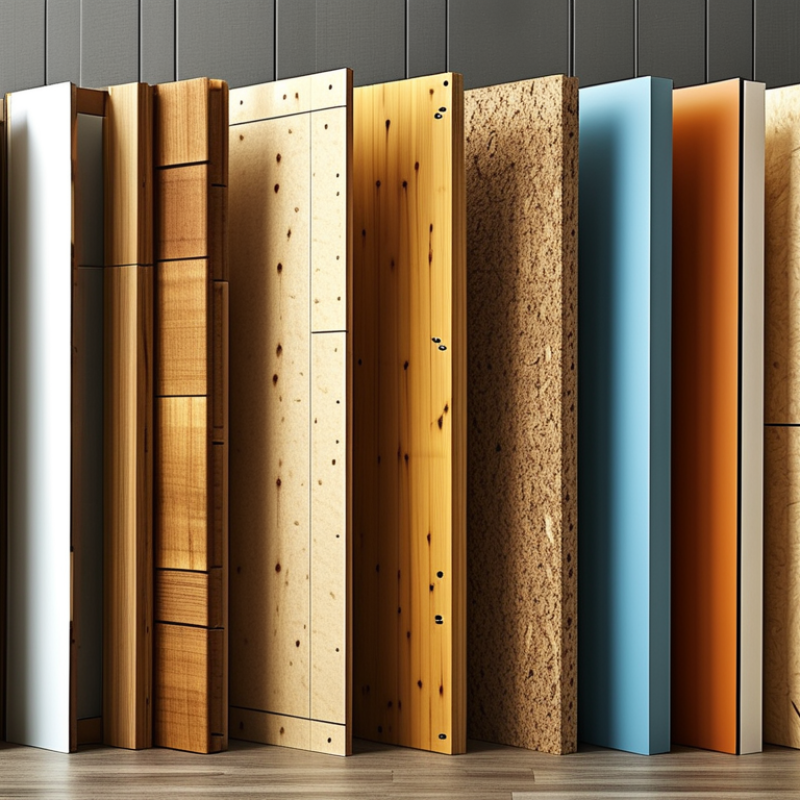
When selecting heat proof sheets, understanding their types and materials is crucial. Various materials can withstand high temperatures, offering different levels of durability and resistance. Common materials include silicone-coated fabrics, fiberglass, and PTFE. Silicone coatings provide flexibility and are easy to clean, while fiberglass offers excellent thermal resistance but can be more prone to wear over time.
Different types of heat proof sheets cater to various needs. For instance, industrial applications often require heavy-duty options, whereas home bakers may prefer lightweight versions. The environment also matters. Sheets exposed to grease or steam need more resilient materials. It’s important to consider what heat sources you will use, as not all materials handle direct flames effectively.
Assessing your own usage can reveal gaps in your understanding. Do you often struggle with peeling or degradation? This may indicate a need to explore different options. Each material has its strengths and weaknesses, and finding the perfect match can be a trial-and-error process, reflecting your specific requirements. Investing time in research can lead to more informed selections.
Choosing the right heat proof sheet requires careful consideration of several factors. First, the material is crucial. Options range from silicone to fiberglass, each with unique heat resistance levels. Evaluate your specific needs. For example, baking sheets may need to withstand high temperatures, while grilling mats should handle direct flame.
Thickness can impact durability and insulation. Thicker sheets typically offer better heat protection, but they can be heavier and less versatile. Do you need flexibility for your cooking method? Consider the intended use. A heat proof sheet for outdoor grilling may differ in style and specification from one meant for home baking.
Surface texture is another consideration. A non-stick surface can simplify cleanup, while a rougher texture may enhance gripping for various cooking tasks. Reflect on how often you cook and the types of food you prepare. Many users overlook these details, leading to dissatisfaction with their choice. With careful thought, you can find a heat proof sheet that meets your specific requirements.
This chart illustrates the various factors that consumers consider when choosing heat proof sheets, along with their relative importance based on a survey of 100 users.
When selecting a heat proof sheet, understanding heat resistance ratings is crucial. These ratings indicate how well a sheet can withstand high temperatures without degrading. Look for materials specified for specific temperature ranges. This ensures the sheet can handle the demands of your project. Different materials have various thresholds, often measured in degrees Celsius or Fahrenheit.
It's essential to assess the specifications beyond just temperature ratings. Consider the thermal conductivity and durability. Some sheets resist thermal shock better than others. This is important in applications where sudden temperature changes occur.
Pay attention to user reviews and expert guidelines when choosing. Personal experiences can provide insights into how materials perform in real-world scenarios. Although some sheets may have excellent ratings, they might not meet your specific needs. Reflect on your unique requirements before making a final decision.
| Material | Max Temperature (°C) | Thickness (mm) | Applications | Heat Resistance Rating |
|---|---|---|---|---|
| Silicone | 300 | 1.5 | Baking, Cooking, Grilling | Excellent |
| PTFE (Teflon) | 260 | 0.5 | Non-stick Cookware, Baking Sheets | Very Good |
| Fiberglass | 550 | 3.0 | Insulation, Molds | Outstanding |
| Nomex Paper | 200 | 0.25 | Electrical Insulation | Good |
| Ceramic Fiber | 1260 | 5.0 | High-Temperature Applications, Fireproofing | Exceptional |
When selecting heat proof sheets, price and quality should be top priorities. Different brands offer varying levels of durability and heat resistance. It's crucial to compare options before making a decision. Many consumers find that spending a little more upfront saves money in the long run. Worth it, right?
**Tips:** Always check reviews for feedback. Consider how often you'll use it. You may need something versatile.
Look for brands with solid reputations but don’t shy away from newer options. Often, lesser-known brands can surprise you with quality. Cross-reference prices online before purchasing. You may find better deals on specific platforms or during promotions.
**Tips:** Compare the thickness ratings. A thicker sheet usually withstands higher temperatures. Remember, not all heat proof sheets are made equal.
To maintain the longevity of heat proof sheets, regular cleaning is essential. Wipe the surface with a damp cloth to remove dust and residue. Use mild detergents for tougher stains, but avoid abrasive cleaners. These can scratch or damage the material, reducing its effectiveness over time. Ensure all surfaces are thoroughly dried after cleaning to prevent any moisture absorption.
Store heat proof sheets in a cool, dry place. Avoid stacking heavy objects on top of them. This can lead to deformation. Regularly inspect your sheets for any signs of wear or damage. If you notice any significant wear, consider replacing them to ensure safety. Small tears can be patched, but ongoing issues require more attention.
Fundamentally, it’s about being mindful. You may forget to clean regularly or check for damage. Having a routine can help. Still, life gets busy, and we might neglect these tasks. Learning from these oversights is essential. They help you care for your heat proof sheets and prolong their life.
: Common materials include silicone and fiberglass. Each has different heat resistance levels.
Thickness affects durability and insulation. Thicker sheets usually provide better heat protection.
A non-stick surface simplifies cleanup. A rough texture may offer better grip while cooking.
Consider if you need flexibility or if the sheet suits outdoor grilling versus home baking.
Ratings show how well a sheet withstands high temperatures. Ensure the sheet matches your temperature needs.
Thermal conductivity indicates how quickly heat travels through the material. Some sheets resist shock better than others.
User reviews offer real-world insights. They can highlight how well materials perform in practice.
Overlooking specific needs might result in mismatched product performance. Reflect carefully on your cooking habits.
It's vital to balance both. Excellent ratings don't guarantee a sheet meets your particular requirements.
Assess its flexibility for various cooking methods. Consider the sheet's intended use for best results.
When choosing the best heat proof sheet for your needs, it is essential to understand the different types and materials available. Heat proof sheets are designed to withstand extreme temperatures, making them suitable for various applications. Factors to consider include the specific heat resistance ratings and specifications that meet your requirements, as well as evaluating the durability and maintenance needs for longevity.
Comparing prices and brands can help you find a heat proof sheet that fits within your budget while ensuring quality. Proper maintenance, such as regular cleaning and inspection, will extend the life of your heat proof sheet, allowing it to perform effectively over time. By carefully considering these aspects, you can select the ideal heat proof sheet that meets your unique needs and ensures safety in high-temperature environments.

Kingflex