What is Foam Pipe Covers and How Do They Work?

Time:2026-09-03 Author:Sienna
0%

Foam Pipe Covers are essential in the insulation industry, serving as protective wraps for pipes in various settings. According to a report by the Insulation Manufacturers Association, effective insulation can reduce energy costs by up to 30%. This statistic highlights the financial benefits of using Foam Pipe Covers for both residential and commercial properties. Industry expert Dr. Emily Franklin notes, "The right insulation not only saves energy but also enhances comfort and safety."

These covers are designed to minimize heat loss and prevent condensation on pipes. When pipes are insulated properly, they can maintain desired temperatures more efficiently. This is particularly important in climates with extreme weather conditions. Users have reported that Foam Pipe Covers maintain the integrity of their plumbing systems, even during the coldest months.

Despite these advantages, improper installation or selection can lead to inadequate protection. It's vital for consumers to choose high-quality materials and ensure proper fit. Many companies have reported that investing in Foam Pipe Covers leads to long-term savings, but education on proper usage remains a challenge.
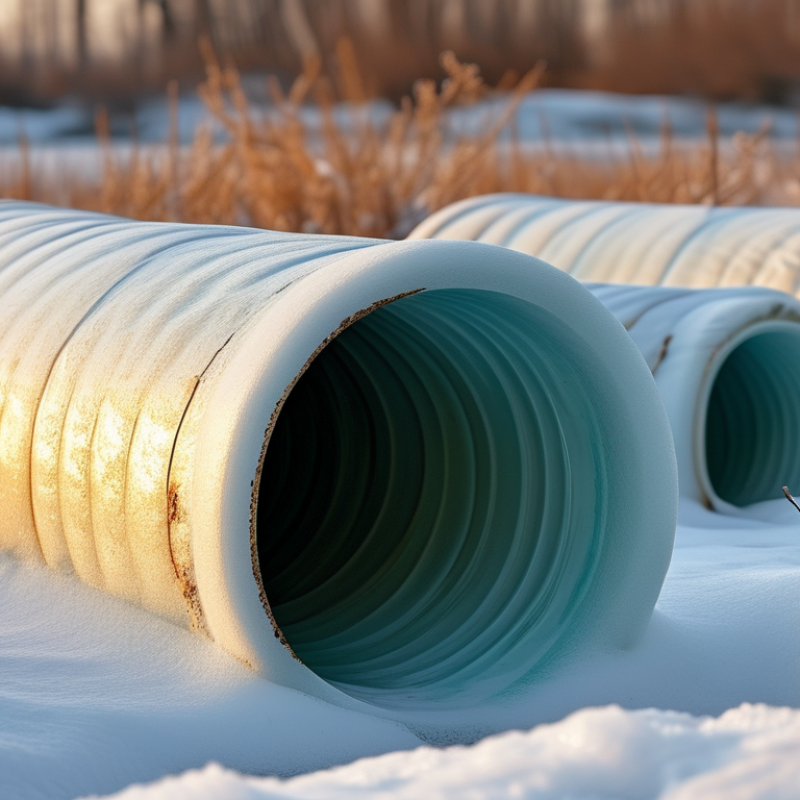
What is Foam Pipe Covers and How Do They Work?

What is Foam Pipe Covers?

Foam pipe covers are insulation materials designed to wrap around pipes. They provide thermal protection that retains heat in hot water pipes and reduces heat loss. This is crucial in many industries, especially in heating systems and process piping. Reports indicate that well-insulated pipes can improve energy efficiency by up to 30%.

The composition of foam pipe covers typically includes materials like polyethylene or rubber. These materials offer excellent insulation properties. They can withstand various temperatures without degrading. The design allows for easy installation, and they fit snugly around different pipe diameters. Studies show that improper insulation can lead to significant energy waste, which underlines the importance of using high-quality foam covers.

While foam pipe covers are effective, they require regular inspection. Over time, wear and tear may reduce their efficiency. Business owners must ensure that insulation remains intact to maximize energy savings. Learning the requirements for proper installation and maintenance is essential. This can help prevent unnecessary costs due to system inefficiencies. By being proactive, industries can maintain optimal performance in their piping systems.

Types of Foam Pipe Covers Available in the Market

Foam pipe covers are essential for insulation in various settings. They come in different types, each suited for specific applications. The most common types include tubular foam and closed-cell foam options. Tubular foam is often used for straight pipes, providing a snug fit for effective insulation. Closed-cell foam, on the other hand, offers greater resistance to moisture, making it ideal for outdoor installations.

Another type is self-adhesive foam, which simplifies the installation process. This variety can be easily wrapped around pipes without additional materials. For very high or low temperatures, specialized foams are also available. These are designed to withstand extreme conditions, ensuring that thermal efficiency is maintained.

The choice of foam pipe cover can impact energy efficiency. Selecting the right type is crucial for long-term performance. However, improper installation can lead to gaps, which reduce insulation effectiveness. Always check for complete coverage. It's a small detail but tremendously significant for achieving the desired results.

How Foam Pipe Covers Provide Insulation

Foam pipe covers are essential for maintaining temperature efficiency in both heating and cooling systems. These covers, made from materials like polyethylene or neoprene, insulate pipes and reduce energy loss. According to industry reports, proper insulation can improve energy efficiency by up to 30%. This reduction is crucial for both commercial and residential buildings, potentially translating to significant cost savings on energy bills.

How do foam pipe covers provide insulation? They create a thermal barrier around the pipes, minimizing heat transfer. This means they can keep hot water hot and cold water cold, enhancing the overall efficiency of HVAC systems. Studies indicate that uninsulated pipes can lose 20-40% of their energy, emphasizing the importance of using foam covers.

Proper installation is key to maximizing insulation benefits. Ensure the foam fits snugly against the pipe surface. Gaps can lead to heat loss. It's also important to check for wear and tear. Over time, foam can degrade, which diminishes its insulating properties. Regular inspections can help identify issues early on and prolong the effectiveness of your insulation. Effective insulation is not just a choice; it is a necessity for sustainable energy use.

Installation Process for Foam Pipe Covers

The installation of foam pipe covers requires careful attention to detail. First, measure the pipe circumference and length accurately. Use a tape measure for precision. Foam pipe covers come in various sizes, so selecting the right fit is crucial. A snug fit ensures maximum insulation efficiency.

Next, clean the pipes thoroughly. Remove any dust, debris, or grease. This step enhances adhesion and ensures the foam maintains its integrity. After cleaning, cut the foam covers to the desired lengths. It's important to use a sharp utility knife for clean edges. A rough cut may lead to gaps that reduce insulation effectiveness.

Once the covers are cut, peel off any protective backing if applicable. Position the foam around the pipe and press firmly. Ensure there are no air pockets trapped underneath. If excess seams are present, consider using adhesive tape for added security. Proper sealing enhances the thermal performance of the foam covers. After installation, check for any visible gaps. These areas may need further attention to improve insulation outcomes.

What is Foam Pipe Covers and How Do They Work? - Installation Process for Foam Pipe Covers

Dimension Value
Material Polyethylene Foam
Thickness 1 inch (25 mm)
Temperature Range -50°F to 200°F (-45°C to 93°C)
Installation Method Adhesive Application
Applications Plumbing, HVAC, Refrigeration
Benefits Energy Efficiency, Noise Reduction, Condensation Control
Maintenance Check for Damage Annually

Benefits of Using Foam Pipe Covers in Various Applications

Foam pipe covers are versatile insulation solutions. They are primarily used to protect pipes from temperature fluctuations. In various applications, these covers offer numerous benefits that can enhance efficiency and safety.

One significant advantage is energy conservation. Foam pipe covers reduce heat loss or gain. This helps in maintaining the desired temperature of the fluids within the pipes. As a result, heating or cooling systems work less, saving energy costs. In industrial settings, this can lead to substantial cost savings.

Another benefit is protection against condensation. When pipes are insulated with foam covers, moisture is less likely to form on their surface. This minimizes the risk of mold growth and related health issues. Proper insulation can ultimately prolong the lifespan of piping systems.

Tips for installation include ensuring a snug fit. Gaps can lead to energy loss. Make sure to check for tears or damage regularly. Also, consider the environment when selecting materials. Some foams may perform better in extreme conditions than others. Be aware that even minor imperfections can affect performance, so careful adjustments during installation are crucial.

Benefits of Using Foam Pipe Covers

FAQS

: What types of foam pipe covers are available?

: There are several types, such as tubular foam and closed-cell foam. Tubular foam fits straight pipes well.

Why is closed-cell foam popular for outdoor use?

Closed-cell foam resists moisture, making it ideal for outdoor installations. It enhances durability in various conditions.

How does self-adhesive foam work?

This type simplifies installation. It can be wrapped around pipes easily, requiring no additional materials.

What is the impact of foam pipe covers on energy efficiency?

The right covers reduce heat loss or gain. This leads to savings on energy costs over time.

How can improper installation affect insulation?

Gaps in installation reduce effectiveness. Ensure full coverage to avoid energy loss and improve performance.

What extra precautions should be taken during installation?

Check for tears or damage regularly. A snug fit is essential for maintaining insulation efficiency.

Why is it important to consider the environment when selecting foam?

Some foams work better in extreme conditions. Awareness of performance in actual environments is critical.

Can foam covers help with condensation issues?

Yes, they minimize moisture on pipes, reducing mold risks. Proper insulation supports healthier environments.

What temperatures can specialized foams withstand?

Specialized foams are available for very high or low temperatures, ensuring thermal efficiency is maintained.

Are there any downsides to using foam pipe covers?

Minor imperfections during installation can affect overall performance. Reflection on the installation process is crucial.

Conclusion

Foam Pipe Covers are protective insulation materials designed to envelop pipes, offering both thermal protection and energy efficiency. These covers come in various types, catering to different applications and environments, ensuring that pipes maintain their intended temperature, whether hot or cold. By using Foam Pipe Covers, users can effectively minimize heat loss or gain, which not only conserves energy but also prevents potential damage from freezing or overheating.

The installation process for Foam Pipe Covers is generally straightforward, making them accessible for both professional and DIY projects. Their benefits extend across multiple applications, from residential plumbing to industrial piping systems, providing significant cost savings and enhancing overall system performance. In summary, Foam Pipe Covers are an essential component for effective insulation, helping to optimize energy use and maintain the integrity of piping systems.


Sienna

Sienna

Sienna is a skilled marketing professional with a deep expertise in our company’s core products and services. With a passion for innovation and detail, she plays a pivotal role in crafting insightful blog posts that not only highlight the unique features of our offerings but also provide valuable......