When considering energy efficiency in buildings, understanding various insulation types is crucial. Insulation significantly impacts energy consumption. According to the U.S. Department of Energy, proper insulation can reduce heating and cooling costs by up to 20%. With rising energy prices and environmental concerns, selecting the right insulation type is more important than ever.
There are diverse insulation types available, each with unique benefits and drawbacks. For instance, fiberglass insulation is popular for its cost-effectiveness but can lose efficiency over time if not installed correctly. On the other hand, spray foam insulation provides excellent air sealing but requires professional installation, which can be costly. Homeowners may overlook these nuances, leading to higher energy bills and comfort issues.
Furthermore, the choice of insulation influences indoor air quality and overall comfort. Some materials may emit volatile organic compounds (VOCs), while others are more eco-friendly. Awareness of these factors can drive informed decisions. Ultimately, knowledge of insulation types is essential for creating sustainable and energy-efficient living spaces. It is worth reflecting on whether current insulation choices align with long-term goals for efficiency and health.
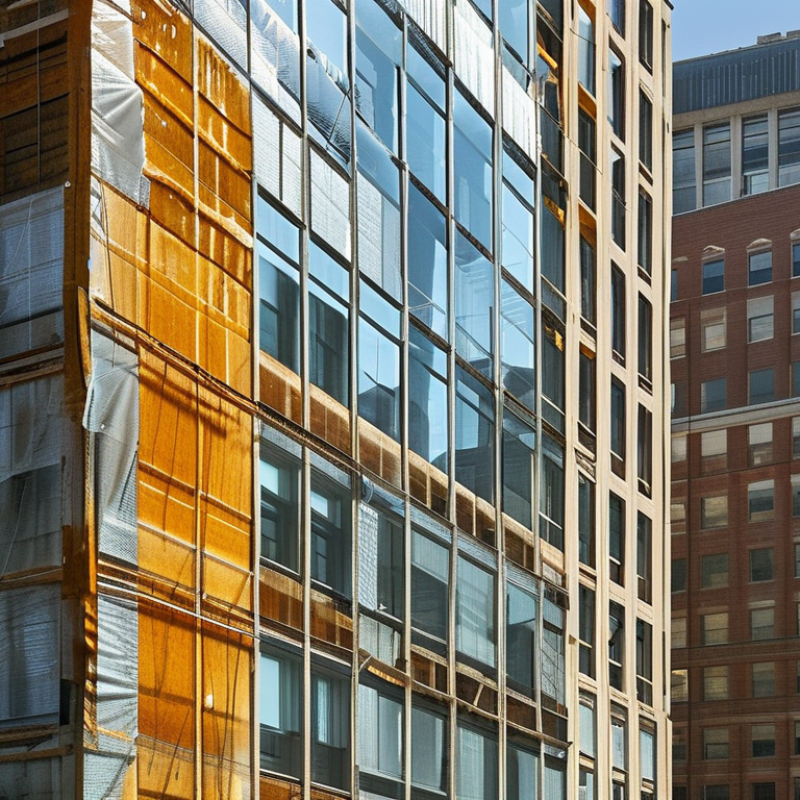
Understanding the Importance of Insulation in Building Design
Insulation plays a crucial role in building design. It helps maintain a consistent indoor temperature. This is vital for energy efficiency and comfort. Proper insulation can reduce heating and cooling costs significantly. It also helps in minimizing the demand for energy from HVAC systems. When a building is well-insulated, it can stay warm in winter and cool in summer.
Many people overlook the different types of insulation available. Each type has its own benefits and drawbacks. For instance, fiberglass is popular due to its affordability and effectiveness. However, it can be challenging to install. Foam insulation provides excellent air sealing but may be pricier. Understanding these differences allows for better decision-making.
Tips for choosing insulation include assessing the climate. Cooler areas may require more effective insulation. Another consideration is the R-value, which indicates insulation effectiveness. Ensure it meets the building codes of your region. Additionally, think about the long-term impact. Investing in quality insulation can pay off through energy savings. It is essential to research and consult with professionals when making decisions.
Top 10 Insulation Types You Need to Know About
Overview of Different Types of Insulation Materials
When exploring insulation types, you'll discover a variety of materials to choose from. Each type offers distinct benefits and drawbacks. Fiberglass is one of the most common insulation types. It's affordable and has a good thermal resistance. However, it can irritate skin and lungs if not handled properly.
Foam board insulation is another popular choice. It's excellent for insulating exterior walls and is moisture resistant. Yet, installation can be challenging; it requires precise cutting and fitting. Blown-in cellulose is also noteworthy. It’s made from recycled paper, making it eco-friendly. Still, it may settle over time, reducing its effectiveness.
For efficient insulation, consider this: always check for air leaks before installation. Ensuring a tight seal improves overall performance. Additionally, remember to evaluate your local climate when selecting materials. What works well in a cold area may not suit a hot climate. Balance cost and energy savings for the best value in the long run.
Comparative Analysis of Natural vs. Synthetic Insulation
When considering insulation, natural and synthetic materials offer distinct advantages and challenges. Natural insulation includes options like wool, cotton, and cellulose. These materials excel in sustainability and often provide excellent thermal performance. Wool, for example, is biodegradable and regulates moisture. However, natural fibers can be vulnerable to pests and may absorb moisture, leading to potential mold issues.
Synthetic insulation materials, such as fiberglass and foam, are widely used due to their reliability and effectiveness. They are typically resistant to moisture and pests, making them a safer choice in various environments. However, their production involves significant energy use and chemical processes that raise environmental concerns. The longevity of synthetic materials can be impressive, but their disposal can result in long-term ecological impacts.
The choice between natural and synthetic insulation depends on factors such as budget, environmental impact, and specific insulating needs. While synthetic options may provide immediate benefits, the long-term effects on health and the environment warrant careful consideration. Ultimately, examining both types allows homeowners to make informed decisions that balance efficiency with sustainability.
Top 10 Insulation Types You Need to Know About
| Insulation Type |
Material Category |
R-Value (per inch) |
Sustainability |
Cost per Square Foot |
| Fiberglass Insulation |
Synthetic |
2.9 - 4.3 |
Moderate |
$0.50 - $1.00 |
| Foam Board Insulation |
Synthetic |
3.8 - 5.0 |
Moderate |
$1.00 - $2.00 |
| Spray Foam Insulation |
Synthetic |
6.5 - 7.0 |
Low |
$1.50 - $3.00 |
| Cellulose Insulation |
Natural |
3.2 - 3.8 |
High |
$0.70 - $1.50 |
| Mineral Wool Insulation |
Natural |
3.0 - 4.2 |
Moderate |
$0.75 - $1.40 |
| Cotton (Denim) Insulation |
Natural |
3.5 - 4.0 |
High |
$1.00 - $2.50 |
| HempInsulation |
Natural |
3.0 - 4.0 |
Very High |
$1.50 - $3.00 |
| Polystyrene Insulation |
Synthetic |
4.0 - 5.0 |
Moderate |
$1.00 - $2.00 |
| Reflective or Radiant Barrier Insulation |
Synthetic |
Variable |
Low |
$0.90 - $1.80 |
Key Factors to Consider When Choosing Insulation Type
Choosing the right insulation type is crucial for energy efficiency. When selecting insulation, consider the R-value, which measures thermal resistance. A higher R-value indicates better insulating properties. According to the U.S. Department of Energy, recommended R-values range from R-30 to R-60 for attics, depending on your geographical location. This factor directly impacts heating and cooling costs.
Moisture control is another important consideration. Certain materials, like fiberglass, resist moisture well, while others, like cellulose, can absorb it. This absorption can lead to mold growth and reduce insulation effectiveness. A report from the Journal of Building Physics highlights that moisture-related issues can decrease insulation performance by nearly 30%. Make sure to evaluate your home’s moisture levels.
Finally, installation method affects insulation performance. Proper installation ensures that there are no gaps, which can lead to air leaks. A well-sealed home can reduce energy costs by up to 20%, as indicated by Energy Star findings. However, improper installation can create cold spots and decrease efficiency. Ultimately, thorough research and professional advice are essential in making an informed insulation choice.
Future Trends in Insulation Technology and Materials
The future of insulation technology is poised for significant transformation. In recent years, sustainable materials have gained traction, driven by increasing concerns about climate change. Reports indicate that the demand for eco-friendly insulation materials will rise by over 5% annually through 2030. Bio-based and recycled materials are becoming more prominent, as they offer excellent thermal performance with a lower environmental impact.
Innovative materials such as aerogels and vacuum insulation panels are at the forefront. These substances provide exceptional insulation while utilizing minimal space. However, they remain costly and require further development to improve accessibility. The rise of smart insulation, which adapts to environmental changes, is another intriguing trend. These materials can optimize energy efficiency in homes and buildings, but widespread application remains limited due to technological hurdles.
The industry faces challenges, too. Many insulation materials are non-eco-friendly and contribute to global warming. A lack of standardized testing metrics hinders the evaluation of newer materials. Efforts to establish guidelines are essential for improving reliability and user confidence. As we navigate these emerging trends, collaboration between scientists, manufacturers, and regulatory bodies will be crucial for future advancements.
FAQS
: Common types include fiberglass, foam board, and blown-in cellulose. Each has unique benefits and drawbacks.
Fiberglass is affordable and effective, but it can irritate skin and lungs if not handled carefully.
Foam board is moisture resistant and great for exterior walls. Installation can be challenging, needing precise cuts.
Blown-in cellulose is eco-friendly and made from recycled paper. However, it may settle over time, reducing effectiveness.
Sealing air leaks is crucial. It significantly improves overall insulation performance and energy efficiency.
Insulation needs vary with climate. Materials effective in cold areas may not work as well in hot regions.
Natural materials like wool and cotton are sustainable and often perform well thermally. They can absorb moisture and attract pests.
Synthetic options like fiberglass are reliable and moisture-resistant. Their production raises some environmental concerns, though.
Expect to see more sustainable materials and innovations like aerogels and smart insulation. Costs and accessibility are concerns.
Many materials are non-eco-friendly, and there's a lack of standardized testing for newer options. Collaboration is needed for progress.
Conclusion
Understanding insulation is crucial for effective building design, as it significantly impacts energy efficiency and comfort. The article explores various insulation types, delving into natural and synthetic materials, highlighting their distinct advantages and environmental considerations. It emphasizes the importance of selecting the right insulation type based on factors such as climate, building design, and budget.
Additionally, the article discusses future trends in insulation technology, suggesting a shift towards more sustainable options that align with environmental goals. By comparing different insulation types and considering key factors in selection, readers can make informed decisions that enhance both the functionality and eco-friendliness of their buildings. The insights provided equip readers with the knowledge necessary to navigate the evolving landscape of insulation materials effectively.

 Kingflex