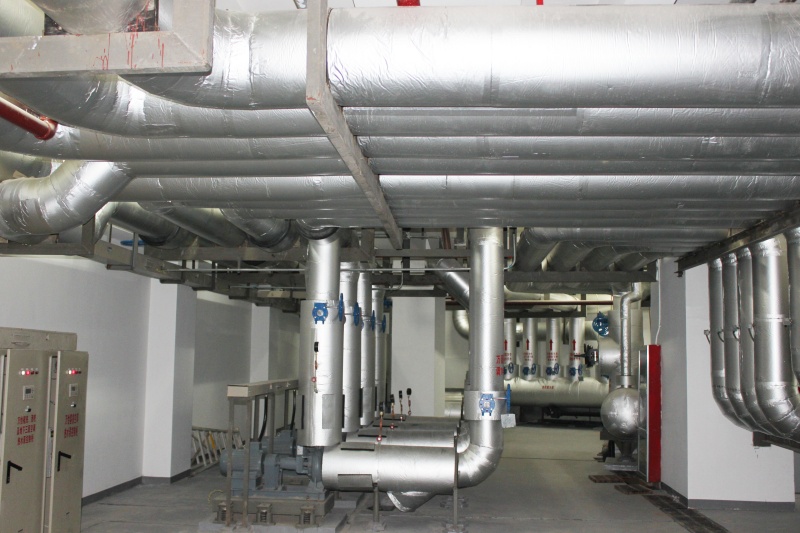
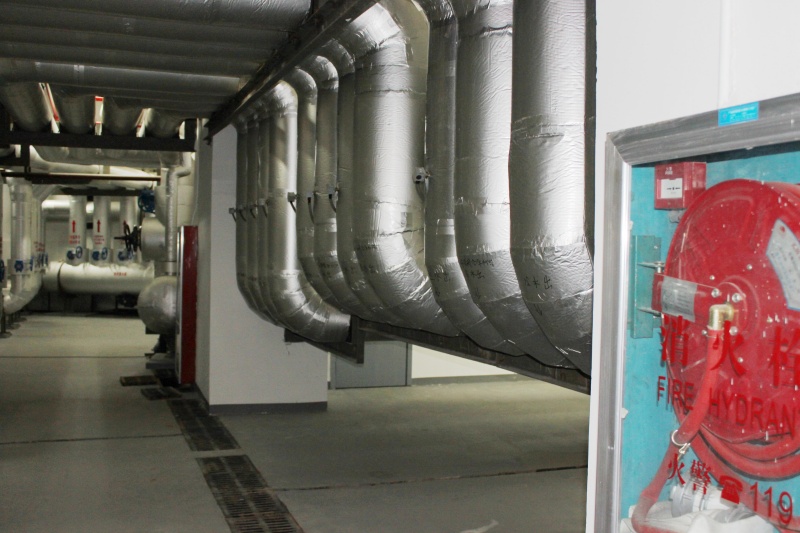
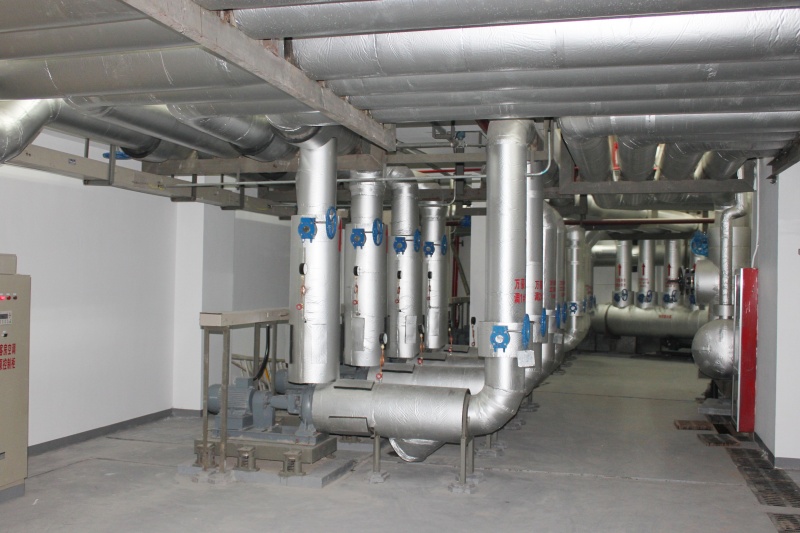
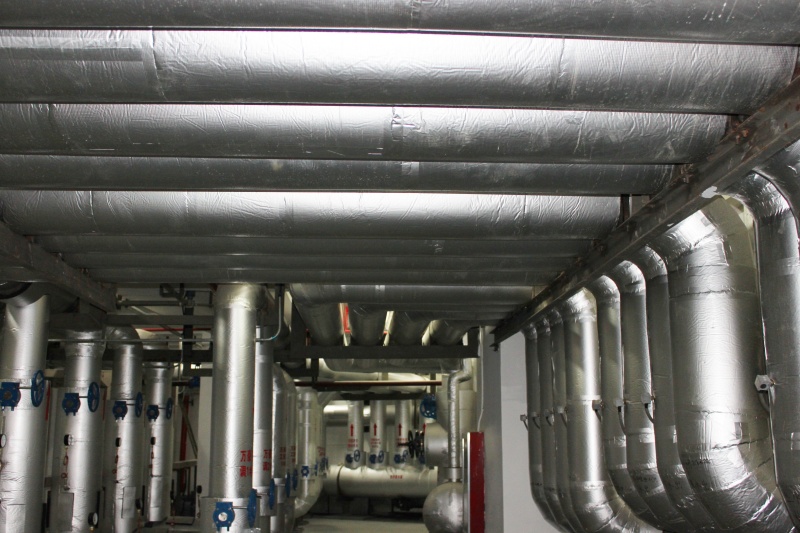
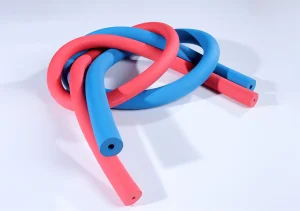
China Insulation 1000 Sq Ft Suppliers & Quotes

Industrial Elastomeric Foam & High-Performance Thermal Solutions for HVAC, Cryogenic Pipelines, and Commercial Building Projects Globally.

Whitepaper & Market Study

The Physics of Thermal Efficiency & The 1000 Sq Ft Project Metric

In modern engineering and commercial construction, calculating insulation materials using a 1,000 Square Feet (Sq Ft) baseline serves as a fundamental benchmark. Standardized sizing allows HVAC engineers, commercial developers, and quantity surveyors to perform scalable thermodynamic evaluations, material yield optimization, and precise cost-benefit mapping. Whether insulating a data center mechanical bay, a cold storage facility, or extensive multi-zone HVAC pipe networks, a 1,000 Sq Ft physical footprint requires specialized material configurations to maintain strict environmental parameters.

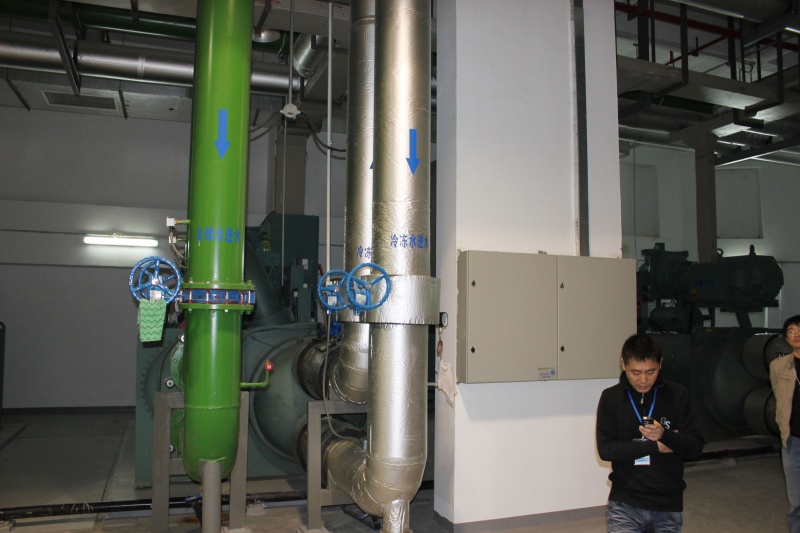
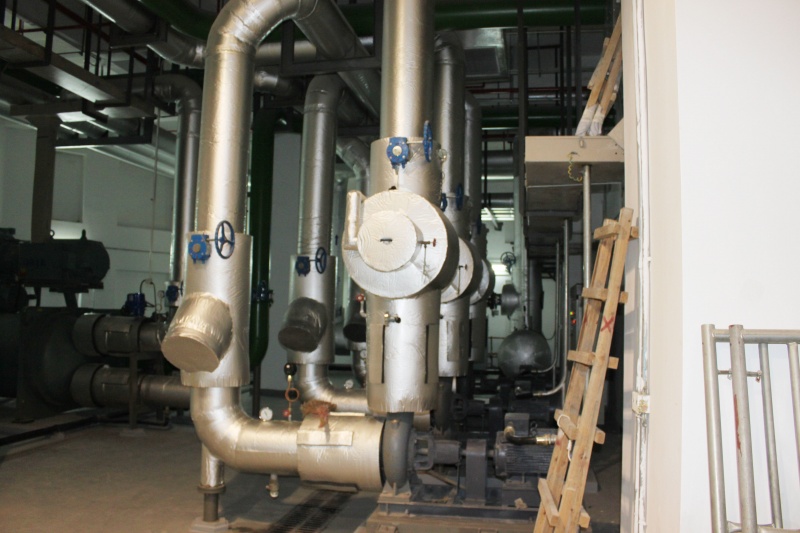
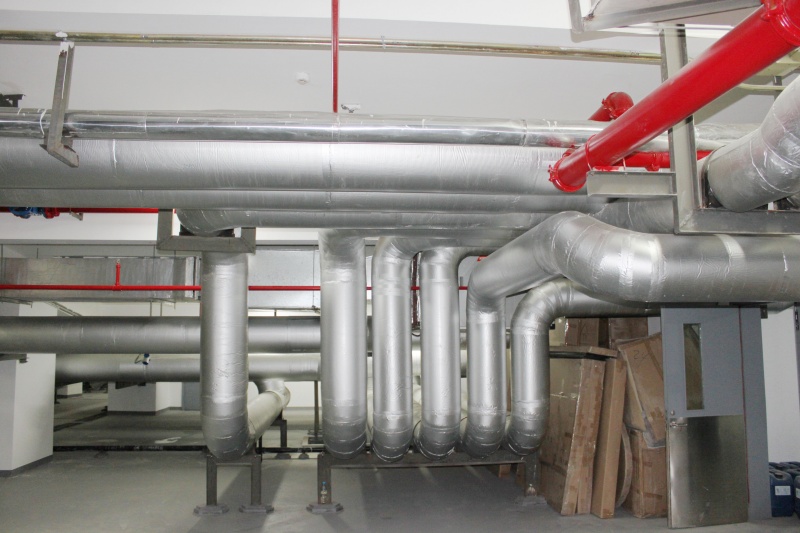
Selecting the appropriate material thickness, density, and structure directly impacts a building's thermal resistance (R-value), water vapor permeability, and fire retardant rating. For instance, in high-humidity zones, utilizing closed-cell elastomeric rubber foam prevents condensation and corrosion under insulation (CUI), ensuring the structural integrity of steel pipe networks and air handling units. By establishing modular estimations per 1,000 Sq Ft, developers can achieve a clear understanding of logistics, total volume displacement, and raw material requirements from Chinese suppliers.

Global Commercial & Industrial Status

The global demand for high-grade elastomeric insulation is undergoing significant expansion, driven by stringent energy efficiency directives (such as the EU Energy Performance of Buildings Directive and ASHRAE Standard 90.1 in the US). In industrial and commercial projects, the modular calculation of 1,000 Sq Ft is commonly deployed to size thermal envelopes for chilled water pipelines, cleanroom ducts, and petrochemical processing systems.

China, led by advanced industrial hubs such as Dacheng in Hebei Province, has established itself as the premier global manufacturer of green building insulation. The integration of high-automation manufacturing processes allows Chinese suppliers to deliver large-volume orders at competitive price points. Today, NBR/PVC elastomeric rubber foam sheets and tubes are exported globally, servicing high-profile construction projects across the Middle East, Southeast Asia, Europe, and North America, ensuring that projects demanding multi-million square feet of thermal barriers are delivered on time.

>98%
Closed Cell Rate
600K m³
Annual Capacity
66+
Export Nations
40+ Yrs
Group Heritage

Technical Analysis of NBR/PVC Elastomeric Rubber Foam

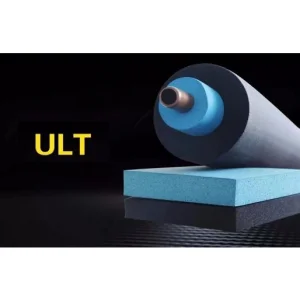
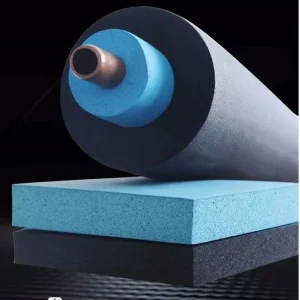
Kingflex elastomeric rubber foam is a synthetic compound utilizing a high-grade Nitrile Butadiene Rubber (NBR) and Polyvinyl Chloride (PVC) blend. This specific composition creates an incredibly flexible, closed-cell matrix. The thermal conductivity (λ) remains exceptionally low (typically ≤ 0.034 W/m·K at 0°C), while the high resistance to moisture diffusion (μ ≥ 10,000) eliminates the need for additional external vapor barriers in most indoor applications. This structural design mitigates moisture accumulation, which degrades traditional fibrous materials like rock wool and fiberglass.

Technical Parameters NBR/PVC Elastomeric Foam Traditional Rock Wool
Material Structure Closed-cell elastomeric foam (>98%) Fibrous, open porous structure
Thermal Conductivity (λ) ≤ 0.034 W/m·K (at 0°C) ≤ 0.040 W/m·K (at 25°C)
Water Vapor Resistance (μ) ≥ 10,000 (Built-in vapor barrier) Low (Requires external vapor barrier)
Service Temperature Range -40°C to +105°C (Up to -200°C with Cryogenic systems) -120°C to +650°C
Fire Performance Class 0 / Class 1 (BS 476), V-0 (UL94) Non-combustible (Class A1)

Technology Roadmap & Future Outlook

As smart cities and zero-carbon buildings become global construction standards, the insulation industry is transitioning toward eco-friendly and smart insulation systems. Future roadmaps outline the development of bio-based elastomeric compounds that minimize relying on fossil fuels during chemical synthesis. Furthermore, the integration of reflective nano-coatings and phase change materials (PCMs) within the NBR matrix aims to enhance real-time heat capacity, allowing insulation systems to actively buffer temperature swings.

For industrial applications, the integration of IoT-enabled moisture and temperature sensors underneath the insulation cladding (smart CUI monitoring) is gaining traction. This allows facility operators to track pipe health across large industrial complexes without removing the protective insulation layer, securing long-term operational integrity and minimizing repair down-time.

Corporate Profile

Kingflex Insulation Co., Ltd. is a leading professional manufacturing and trading combo for thermal insulation products.

Located in Dacheng, China—the globally recognized capital of green-building materials—our facility integrates research, development, production, and international logistics under a single entity focused on energy-saving environmental solutions.

R&D Excellence

With 8 dedicated senior R&D engineers, Kingflex is continuously improving cell structures, fire safety formulations, and cryogenic performance limits.

Production Capacity

Operating 5 fully automated assembly lines, our facility outputs over 600,000 cubic meters of high-density rubber foam and rock wool annually.

Our Manufacturing Heritage & R&D Facility

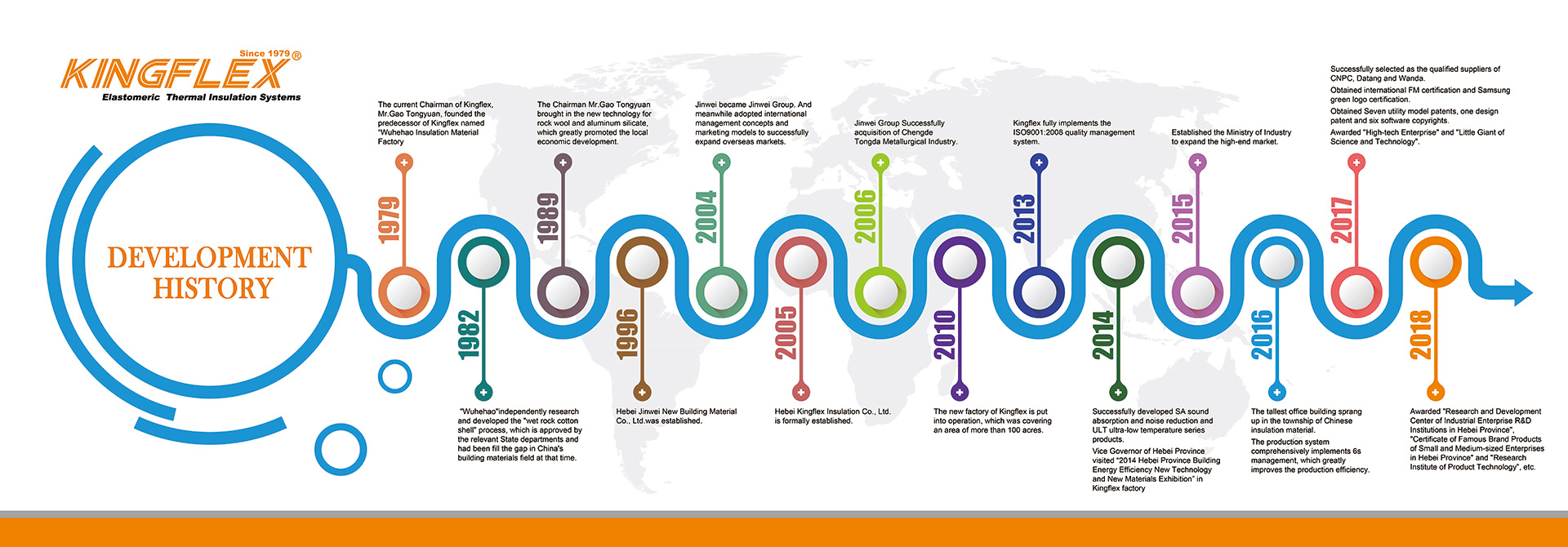
Established under the Jinwei Group with a history spanning over 40 years, Kingflex stands as a pioneer in northern China's insulation industry.
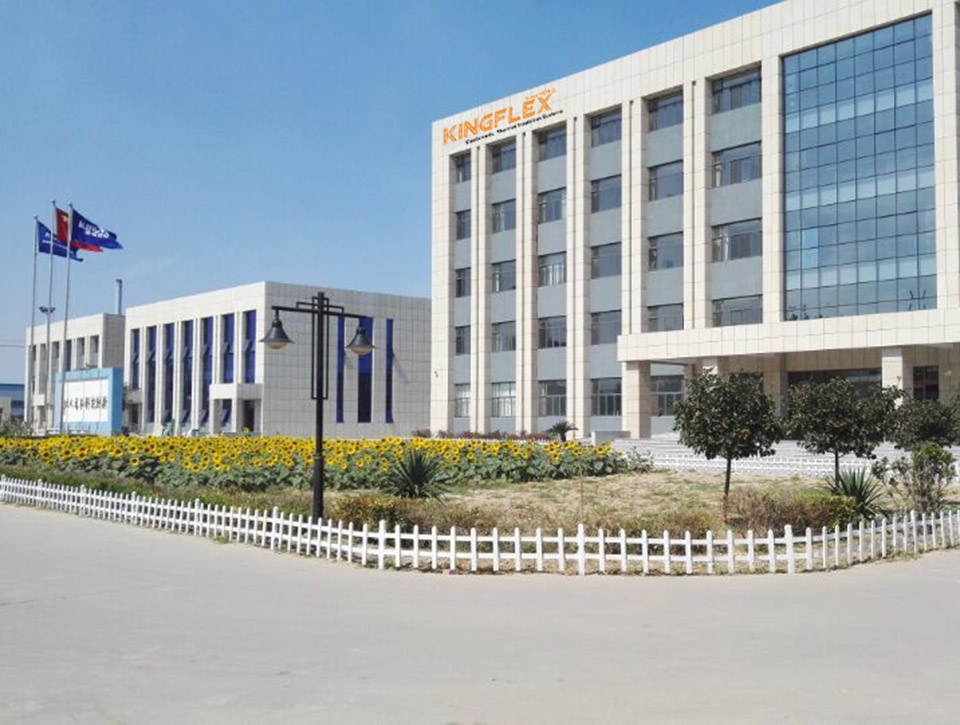
Kingflex Head Office and R&D Base
R&D Headquarters - Dacheng, China
Advanced Production Line
Automated Production Assembly
Kingflex Technical and Sales Team
Technical Engineering & Export Division

Our organization takes energy saving and carbon emission reduction as its core mission. We provide a full package of insulation solutions—ranging from initial engineering consultation, material R&D, product fabrication, on-site installation guidance, to post-sales thermal audits. Backed by the Jinwei Group (founded in 1979, which pioneered thermal insulation manufacturing north of the Yangtze River), our team of 230 factory professionals, 8 R&D engineers, and 6 international trade specialists ensures exceptional execution for global customers.
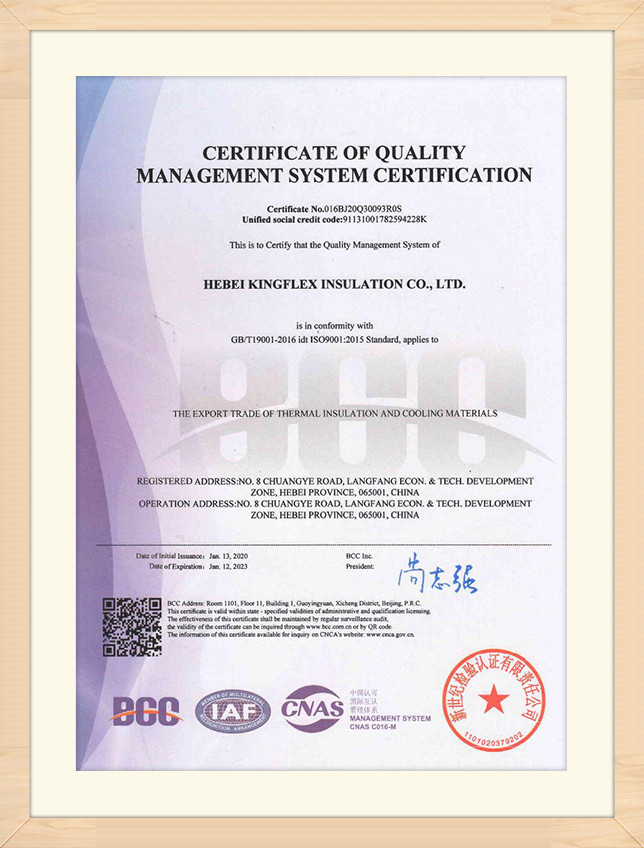
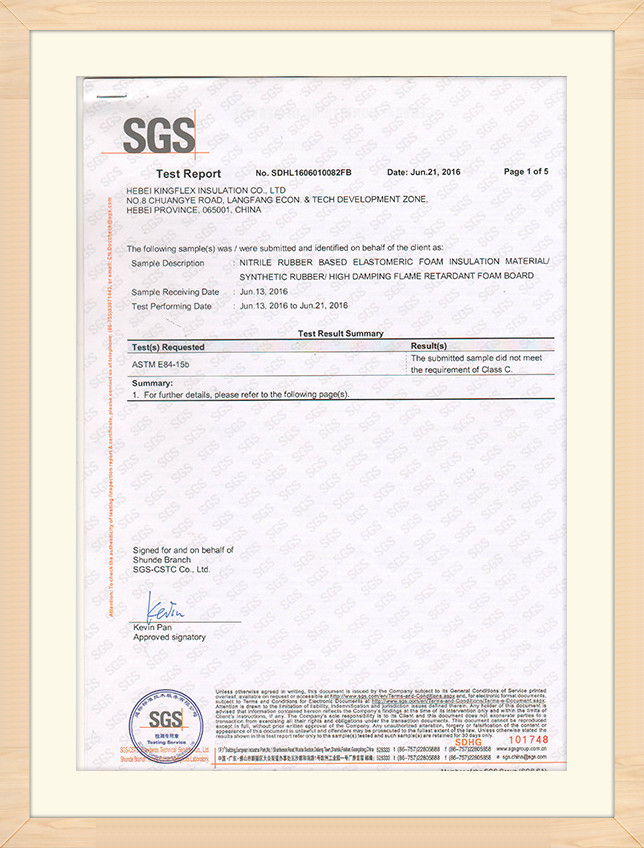
International Certifications & QA compliance

BS 476 Quality Certificate
BS 476 Fire Test Compliance
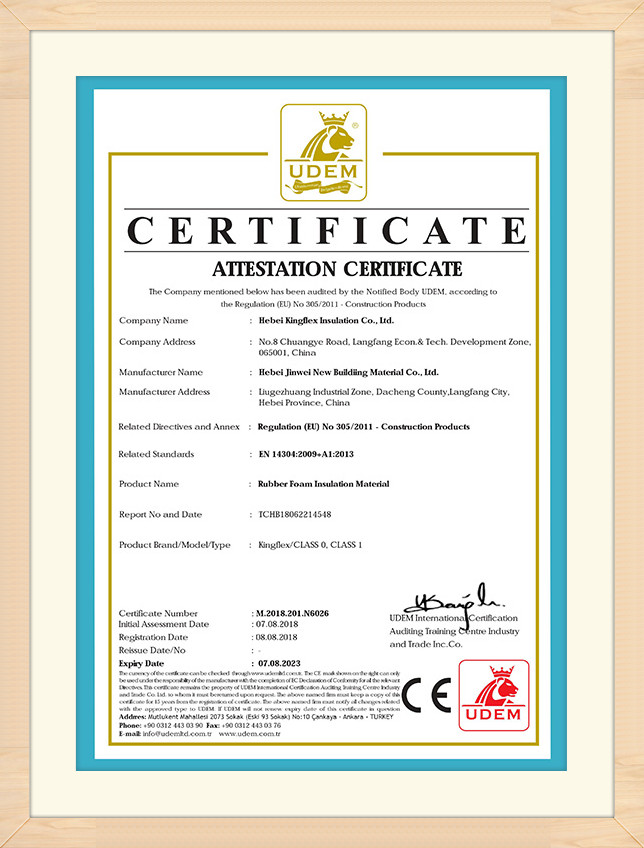
CE Mark Certification
CE Mark Certification (EU)
ISO 9001 and ISO 14001 Quality System Certificate
ISO Quality Control System
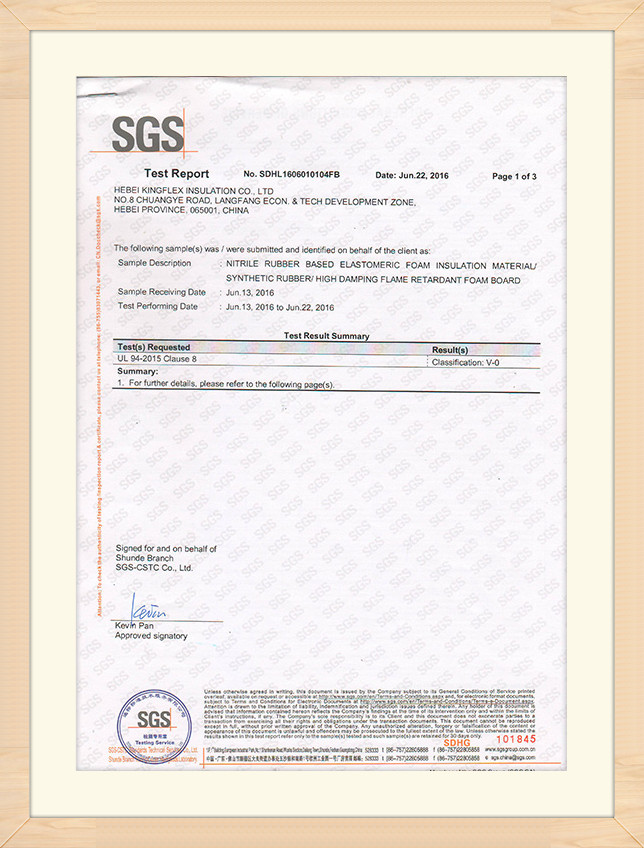
ASTM standard testing and UL certifications
UL94 & ASTM Thermal Validation

Verified Customer Partnerships & Project Approvals

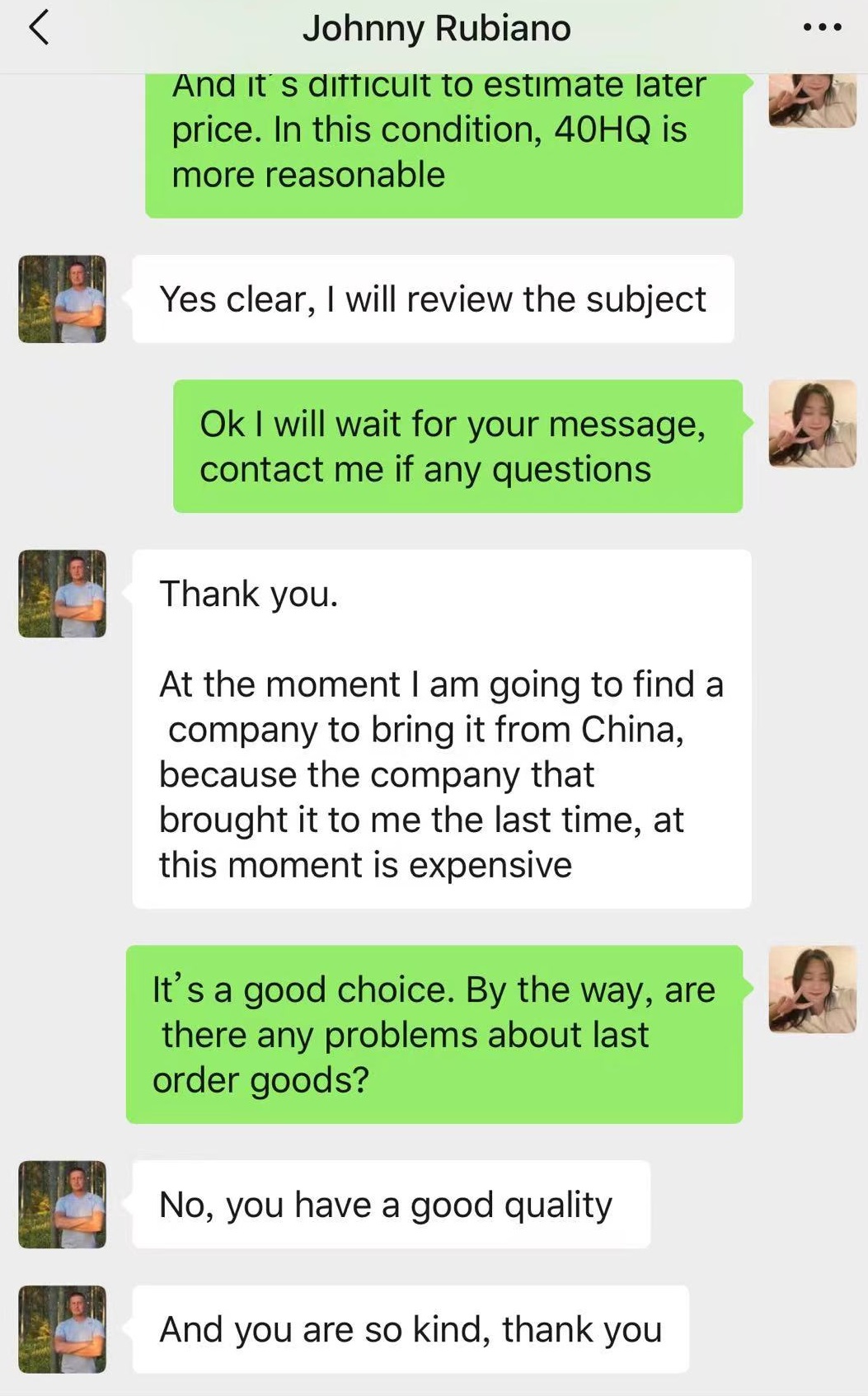
Client Feedback Chat Screenshot 1
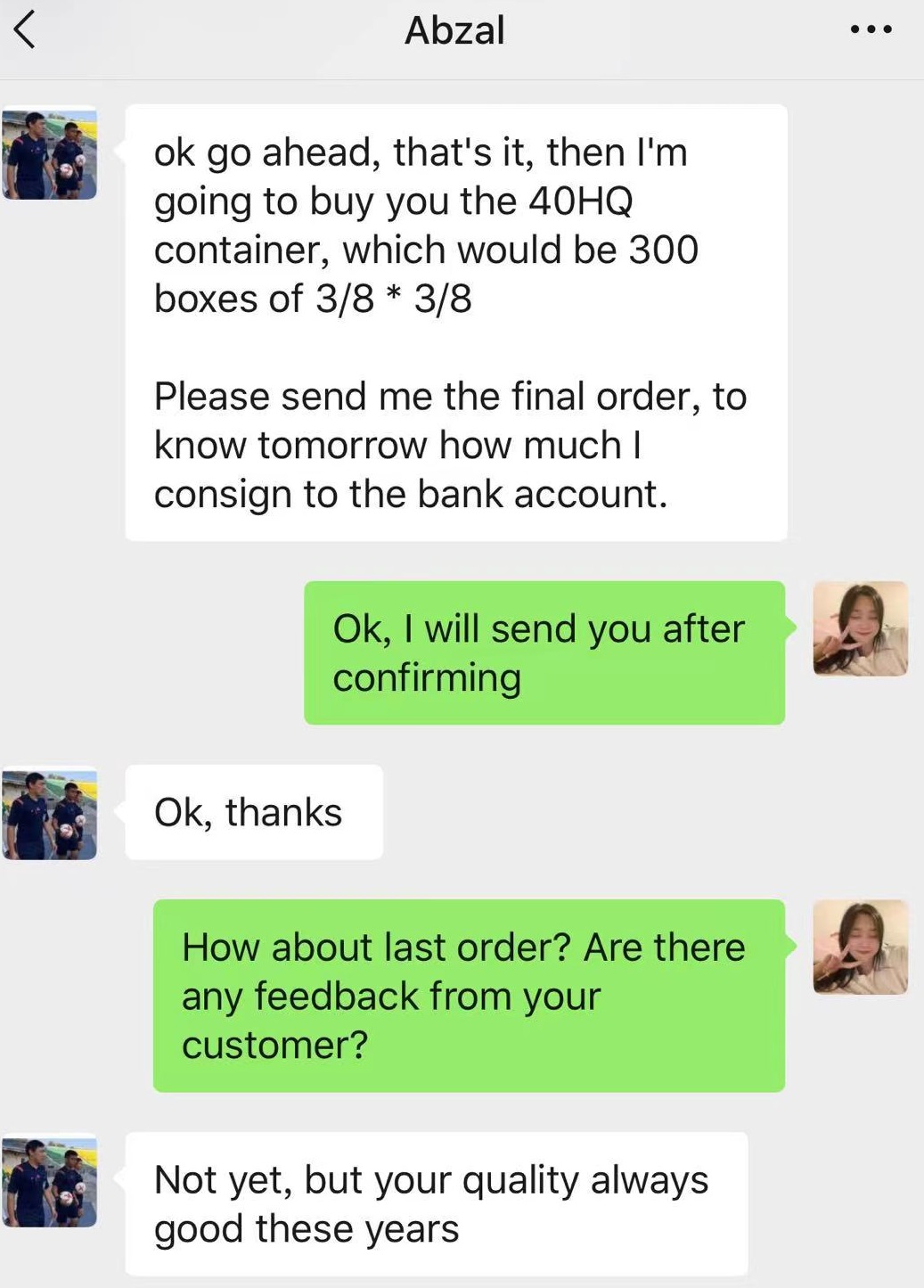
Client Feedback Chat Screenshot 2
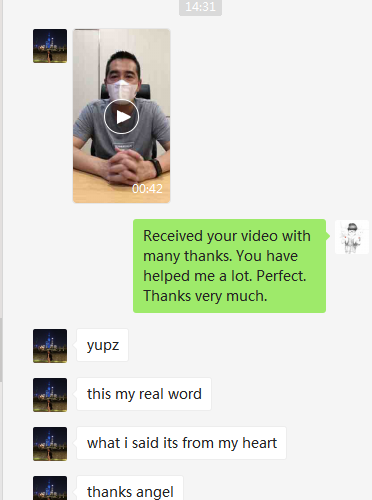
Client Feedback Chat Screenshot 3
Client Feedback Chat Screenshot 4
Client Feedback Chat Screenshot 5

Product Line Specifications & Core Applications

Detailed performance parameters for elastomeric rubber foam sheets and pipeline systems designed to optimize modular projects.
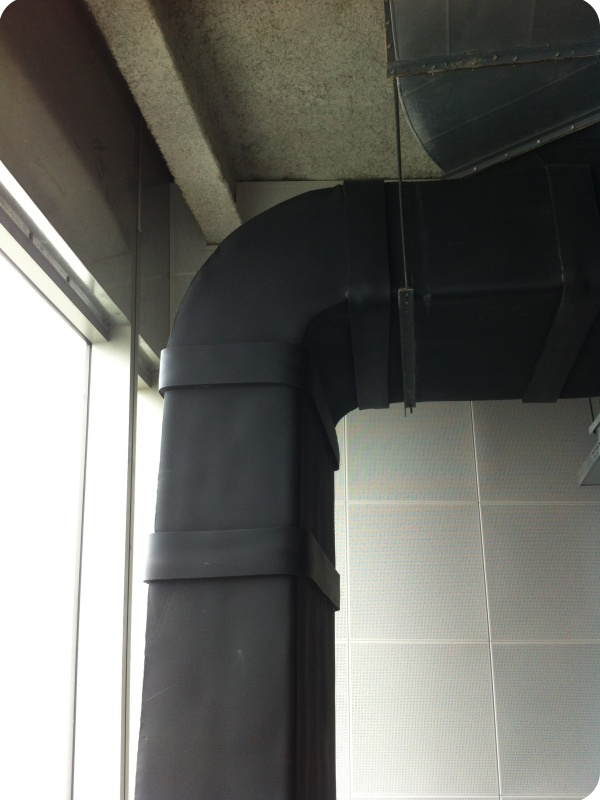
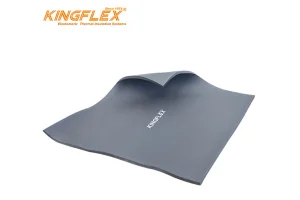
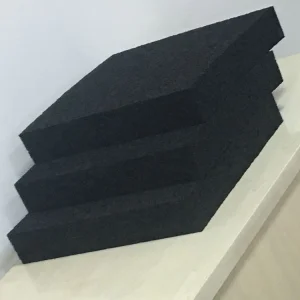
Black Rubber Foam Insulation Sheet Roll Details 1 Black Rubber Foam Insulation Sheet Roll Details 2 Black Rubber Foam Insulation Sheet Roll Details 3 Black Rubber Foam Insulation Sheet Roll Details 4

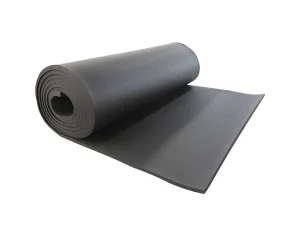
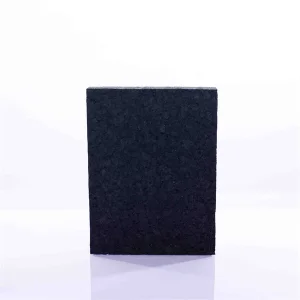
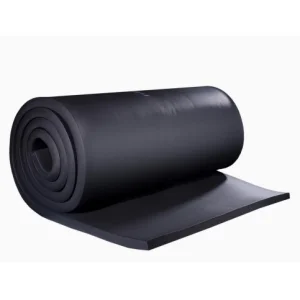
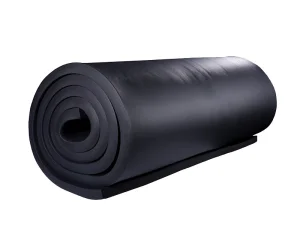
Black Rubber Foam Insulation Sheet Roll

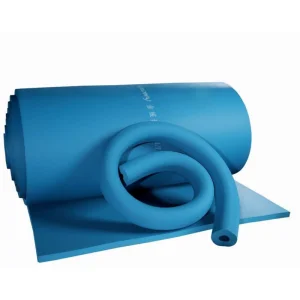
Designed for large flat surfaces, mechanical equipment housings, oversized air ducts, and industrial vessels. Offers simple installation and reliable seam sealing.

  • Material Formulation: Closed-cell NBR/PVC blend.
  • Available Thicknesses: 6mm to 50mm.
  • Foam Density range: 40 to 55 kg/m³.
  • Operational Temperature Limits: -40℃ to +105℃.
  • Key Advantage: Even foaming structure with over 98% closed cells, ensuring stable long-term low thermal conductivity and >80% compression resilience.

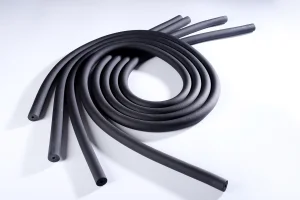
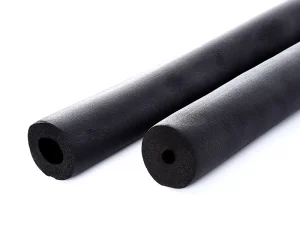
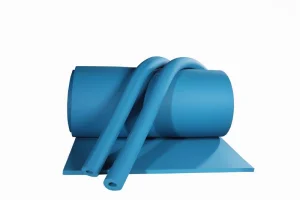
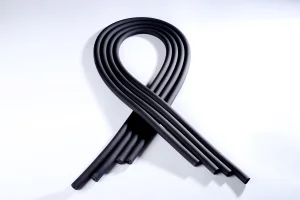
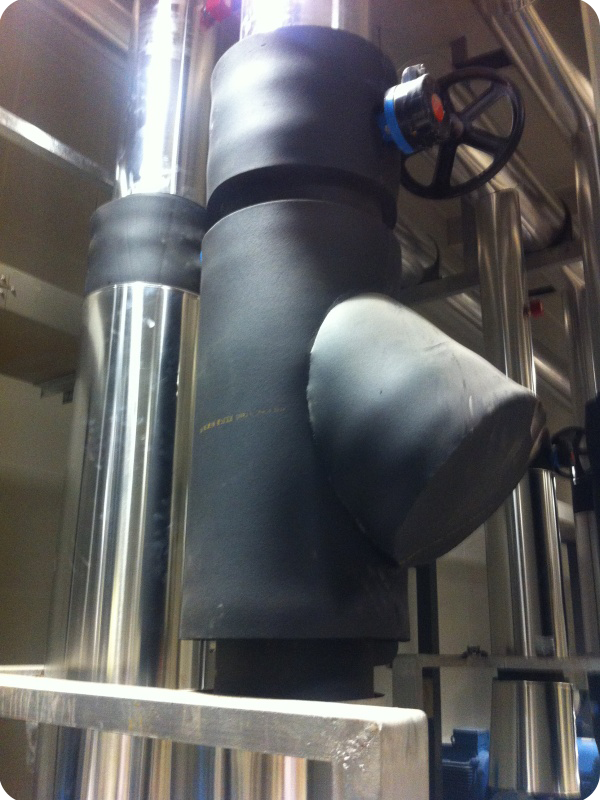
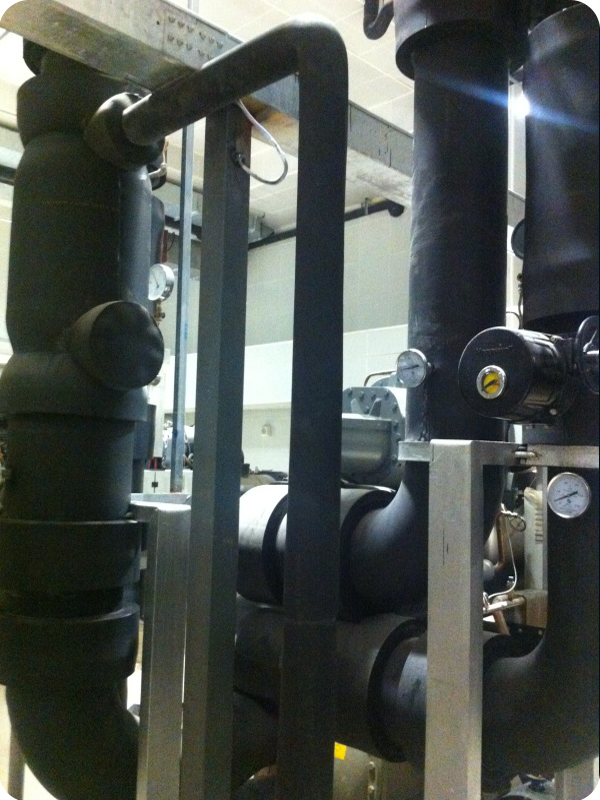
Black Rubber Foam Insulation Pipe

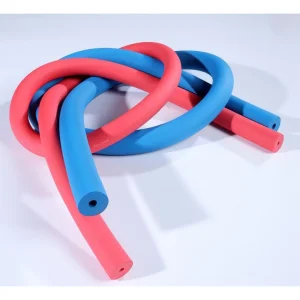
Ideally suited for HVAC pipelines, hot and cold water pipes, solar water heating systems, and chemical processing lines to prevent pipe cracking and heat loss.
  • Material Formulation: High-Performance NBR/PVC compound.
  • Insulation Wall Thickness: 9mm to 40mm.
  • Inner Diameters (ID): 6mm to 114mm.
  • Operational Temperature Limits: -40℃ to +105℃.
  • Key Advantage: Factory-sprayed inside lining for easy sliding onto pipelines. Prevents structural surface freezing, heat gain, and condensation issues.
Black Rubber Foam Insulation Pipe 1 Black Rubber Foam Insulation Pipe 2 Black Rubber Foam Insulation Pipe 3 Black Rubber Foam Insulation Pipe 4

Production Facility, Warehousing, & Project Shipments

Production Line Operations
Continuous Foam Extrusion Line
Raw Material Mixing Process
Precision Raw Material Mixing
Standard Testing Equipment
R&D Lab Testing Environment
High Capacity Warehousing
Finished Products Storage
Packaging Line
Auto-Packaging System
Tube Packing Station
Flexible Tubes Sorting and Boxing
Logistics Loadings
Export Logistics Hub
Global Container Shipment
Direct Container Boarding
Project Site Application 1
HVAC Duct Installation Site
Project Site Application 2
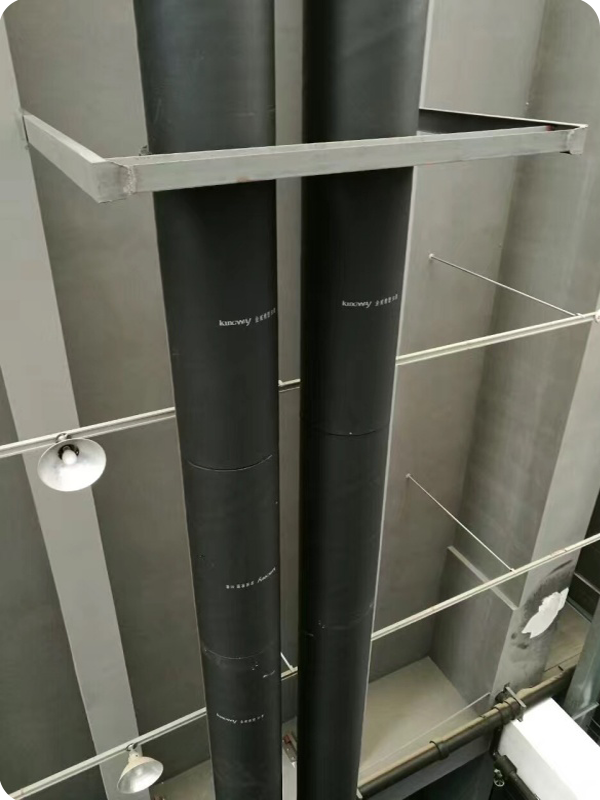
Industrial Steam Pipe Cladding
Project Site Application 3
Underground Chilled Water Pipes
Project Site Application 4
Cleanroom Pipeline Integration

Frequently Asked Questions

Expert answers regarding installation, material selection, certification, and project customization.

Q1: What is elastomeric rubber foam insulation used for?
A1: It is mainly used for HVAC ducts, air conditioning pipes, building thermal insulation, industrial pipeline cold insulation, and sound insulation.
Q2: Is Kingflex rubber foam insulation fire resistant?
A2: Yes, our rubber foam insulation is fire retardant, meeting BS 476 (Class 0 and Class 1), UL94 V-0, and ASTM flammability safety standards for building and industrial projects.
Q3: What is the difference between rubber foam and rock wool insulation?
A3: Rubber foam is flexible, closed-cell, and moisture-resistant, making it ideal for HVAC condensation control and cold pipelines. Rock wool is a fibrous, non-combustible material with high temperature resistance, suitable for high-heat industrial furnace and steam lines.
Q4: Do you provide customized insulation products?
A4: Yes, we provide OEM services. We can customize density, wall thickness, inner diameter, colored outer coatings, and foil backings based on specific project blueprints.
Q5: What certifications do your products have?
A5: Our products are certified under BS 476, CE, REACH, ROHS, UL94, and ASTM, ensuring compliance with global environmental and safety standards.
Q6: Does Kingflex products have traceability?
A6: Yes. Every batch of Kingflex products is marked with barcode tracking from raw material intake to final curing and shipping, ensuring full transparency.
Q7: What thickness of Rubber foam insulation sheet roll can you produce?
A7: We can produce sheet rolls ranging from 6mm to 50mm thickness to match various thermal barrier requirements.
Q8: What is the service life of rubber plastic pipe and board?
A8: Under normal indoor operating conditions and proper installation, the functional service life is 10 to 15 years.
Q9: How do I calculate the quantities needed for a 1,000 Sq Ft insulation project?
A9: The exact volume depends on the surface geometry. For flat walls or large square ducts, a 1,000 Sq Ft physical area equates to 1,000 Sq Ft of sheet roll plus a 5-10% allowance for joints and overlaps. For pipes, you must convert the linear feet and outer diameters of the pipelines to equivalent square footage. Our technical support team provides custom bill-of-materials (BOM) estimates based on your CAD drawings.
Q10: Why is elastomeric foam preferred over fiberglass for chilled water lines?
A10: Fiberglass has an open fibrous structure that can absorb ambient moisture if the vapor barrier is punctured, leading to condensation, mold, and CUI. Elastomeric NBR foam has a closed-cell structure that acts as a built-in vapor barrier, preventing moisture ingress even if the outer surface is scuffed.

Optimize Your Project Budget Today

Direct supply from Dacheng, China. Contact our engineering team for customized thickness layouts, thermal calculations, and factory-direct volume quotes.

Request Bulk Quote