2026 Top Sheet Insulation Trends for Global Buyers?

Time:2026-08-09 Author:Madeline
0%

In the ever-evolving world of construction, the demand for effective thermal management continues to rise. Sheet insulation plays a crucial role in enhancing energy efficiency in buildings. As we approach 2026, global buyers should be aware of the emerging trends shaping this essential material.

Recent advancements in sheet insulation technology promise improved performance and sustainability. Manufacturers are exploring innovative materials, blending traditional substances with cutting-edge composites. This shift aims to reduce carbon footprints while ensuring better thermal resistance. However, one must assess whether these innovations compromise reliability for the sake of novelty.

Despite positive trends, challenges persist. Variability in insulation standards across regions creates confusion for buyers. Moreover, not all products deliver on their promises of improved efficiency. Careful research is vital to navigate this competitive landscape. Understanding these trends benefits global buyers and leads to more informed purchasing decisions in the coming years.
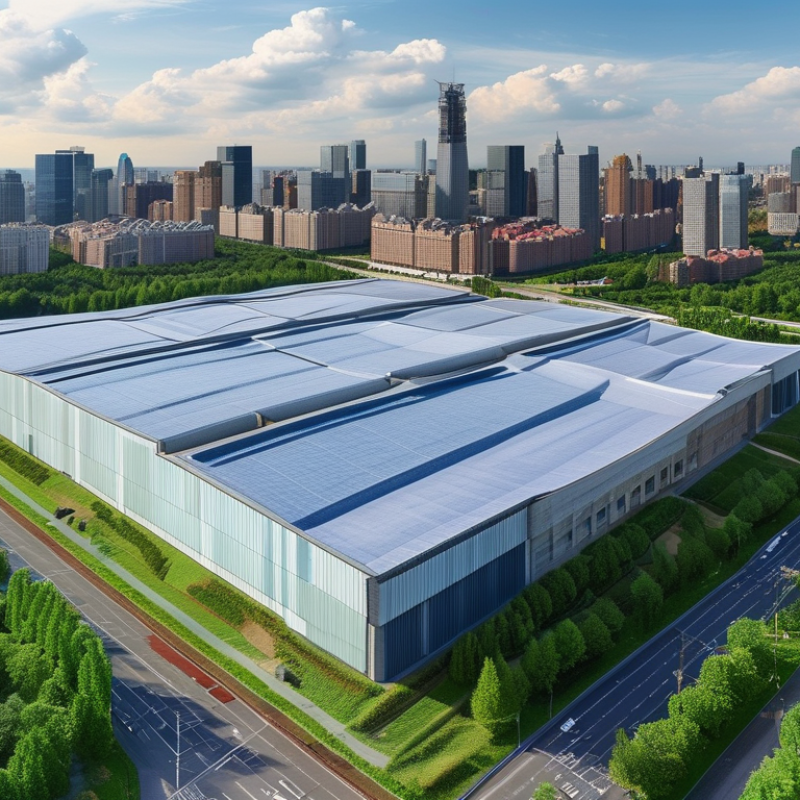
2026 Top Sheet Insulation Trends for Global Buyers?

Emerging Innovations in Top Sheet Insulation Materials for 2026

In 2026, the demand for top sheet insulation materials is set to witness remarkable innovations. Emerging trends focus on enhancing energy efficiency and sustainability. These materials are now being designed with recycled content, which offers better thermal performance while reducing environmental impact. This shift is driven by the need for homes and buildings to meet stricter energy regulations.

Some new materials utilize advanced composites, combining various elements to improve durability and insulation properties. One promising innovation involves aerogel-infused panels, which provide superior insulation without added bulk. These panels can drastically cut heating and cooling costs. Additionally, product designs are evolving towards modular systems, allowing for easier installation and customization.

However, challenges remain in the market. The balance between cost and performance can be difficult to achieve. Manufacturers must navigate complex supply chains for sourcing materials that meet sustainability goals. Buyers should stay informed about durability and long-term efficacy. Unforeseen issues may arise as new products are integrated into existing structures. It's crucial to evaluate the practicality of these innovations before widespread adoption.

2026 Top Sheet Insulation Trends for Global Buyers

Insulation Type Thermal Resistance (R-value) Sustainability Rating Cost per Square Meter (USD) Market Growth Rate (%)
Polyurethane Foam 6.0 B 12.50 4.5
Extruded Polystyrene (XPS) 5.0 C 10.00 3.0
Fiberglass Insulation 3.5 A 8.00 2.0
Cellulose Insulation 3.2 A+ 7.50 5.0
Reflective Insulation 2.0 B 9.00 2.5

Environmental Sustainability Trends Impacting Sheet Insulation Choices

The trend toward environmental sustainability is shaping sheet insulation choices across the globe. Data from the International Energy Agency (IEA) indicates that buildings are responsible for approximately 36% of global energy use. This creates a pressing need for effective insulation solutions. Buyers are now prioritizing materials with lower environmental impact for building projects.

Modern consumers are increasingly aware of the carbon footprints associated with insulation materials. Reports suggest that products made from recycled materials or those that contribute to lower greenhouse gas emissions are gaining traction. The use of bio-based insulation materials, such as cellulose and sheep wool, reflects this shift. However, there are challenges due to availability and cost, which may deter some buyers.

Moreover, regulatory pressures are influencing purchasing decisions. Recent legislation in several countries mandates improved energy efficiency in buildings. This enhances demand for high-performance sheet insulation. However, the variety of options can lead to confusion among consumers. They often struggle to find reliable, eco-friendly products that meet stringent performance standards. Understanding the balance between sustainability and functional performance remains an ongoing challenge for buyers in the insulation market.

Technological Advances Enhancing Performance of Insulation Solutions

As the construction industry evolves, insulation solutions are becoming more advanced. In 2026, various technological innovations will enhance their effectiveness. One key area is the development of smart insulation materials that can adapt to changing temperatures. These materials will optimize energy efficiency and maintain indoor comfort.

Emerging trends also include the use of recycled materials in insulation production. This approach not only reduces waste but also offers a sustainable option for builders and homeowners. While the performance of these eco-friendly products improves, challenges remain. Manufacturers must ensure that these materials meet necessary safety and energy standards.

Tips: When selecting insulation, consider the R-value for thermal resistance. A higher R-value can lead to significant energy savings. Also, assess installation methods. Improper installation can negate performance benefits. Attention to detail during installation can further enhance insulation performance. Ultimately, informed choices based on technology and sustainability will lead to better building performance in the years to come.

Market Demand Shifts: Consumer Preferences and Global Buying Behavior

The insulation market is evolving. Changing consumer preferences reflect a growing awareness of sustainability and energy efficiency. Buyers today prioritize products that not only insulate but also minimize environmental impact.

Many consumers now seek materials with lower carbon footprints. They often prefer natural fibers or recycled materials. Energy efficiency ratings are crucial in the decision-making process. Buyers find themselves drawn to products that promise long-term savings on energy bills.

Despite these trends, some consumers remain uninformed. They may overlook essential technical specifications. Others may place aesthetics over performance. As buyers educate themselves, the market may face challenges in balancing innovation with accessibility. Understanding these preferences is key for suppliers to adapt successfully.

Regulatory Changes Influencing Top Sheet Insulation Industry Standards

The top sheet insulation industry is undergoing significant changes due to regulatory adjustments. New standards focus on energy efficiency and environmental impact. These regulations are designed to reduce energy consumption in buildings. They encourage manufacturers to improve the thermal performance of insulation products. Compliance with these standards is essential for global buyers.

Understanding the implications of these regulations is critical. For businesses, staying informed is key. Ensure your products meet the latest guidelines. Seek certifications that enhance credibility. Buyers should look for suppliers who prioritize compliance in their manufacturing processes.

Tips: Research local laws on insulation regulations. Regularly review updates from industry bodies. Engage with experts to gain insights into evolving standards. Investing time in understanding these aspects can save costs in the long run.

FAQS

: What are the main innovations in insulation materials for 2026?

: Innovations focus on energy efficiency and sustainability, using recycled content for better thermal performance.

How do aerogel-infused panels benefit insulation?

They provide superior insulation without bulk, effectively cutting heating and cooling costs.

What is driving the demand for sustainable insulation materials?

Stricter energy regulations and awareness of environmental impacts are key drivers for sustainable choices.

What challenges do manufacturers face in producing new insulation materials?

Balancing cost and performance is challenging, along with managing complex supply chains for sustainable materials.

Why are consumers choosing recycled materials in insulation?

These materials have lower environmental impacts and help reduce overall carbon footprints.

What should buyers consider when choosing insulation materials?

Durability, long-term effectiveness, and regulatory compliance should be evaluated closely.

How does legislation affect insulation material choices?

New laws mandate better energy efficiency, increasing demand for high-performance products.

Why might eco-friendly options be confusing for consumers?

The variety of available materials can create confusion regarding performance standards and reliability.

What role do bio-based materials play in insulation?

Products like cellulose and sheep wool are popular but face availability and cost barriers.

Are there risks with new insulation innovations?

Yes, unforeseen issues may arise when integrating new products, requiring careful evaluation before use.

Conclusion

The article "2026 Top Sheet Insulation Trends for Global Buyers" explores the evolving landscape of sheet insulation materials, particularly focusing on emerging innovations set to reshape the industry. Key trends include a growing emphasis on environmental sustainability, as consumers increasingly favor products that minimize ecological impact. Technological advancements are also playing a crucial role, enhancing the performance metrics of insulation solutions and meeting the diverse requirements of modern consumers.

Furthermore, shifts in market demand reflect changing consumer preferences and global buying behavior, driving manufacturers to adapt to these new dynamics. Additionally, regulatory changes are influencing the standards within the top sheet insulation industry, encouraging improved safety and efficiency. Collectively, these factors indicate a transformative year ahead for sheet insulation, highlighting the intersection of innovation, sustainability, and market responsiveness.

Madeline

Madeline

Madeline is a dedicated marketing professional with a wealth of expertise in our company's core offerings. With a keen understanding of the industry, she brings a unique perspective to her role, consistently delivering high-quality content that highlights the superior aspects of our products. As......