Engineered insulation solutions tailored to extreme thermal performance standards.

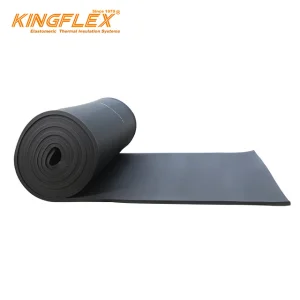
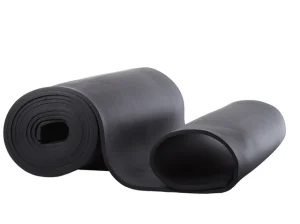
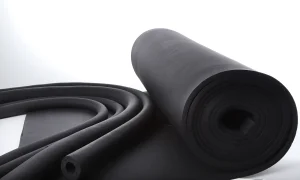
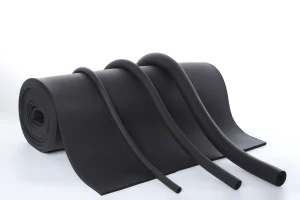
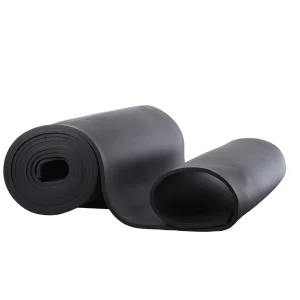
An in-depth technical analysis of rubber foam sheet rolls in thermal management, condensation prevention, and lifecycle cost-efficiency.
In the current global industrial environment, energy cost volatility and strict decarbonization mandates (such as the EU Green Deal and ASHRAE 90.1 energy standards) have elevated the role of thermal insulation from basic facility protection to a key metric in operational efficiency. Procurement officers, MEP engineers, and contractors are tasked with sourcing insulation materials that offer reliable performance, longevity, and safety compliance.
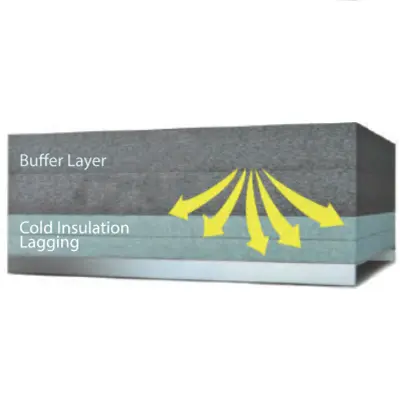
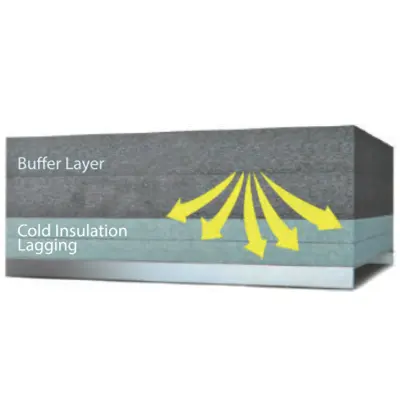
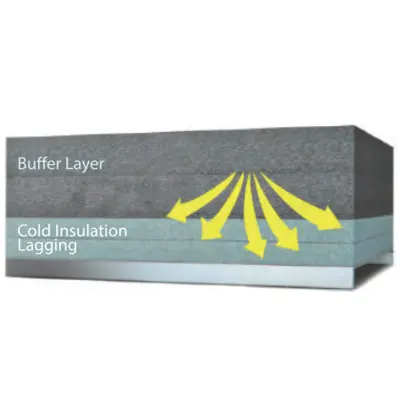
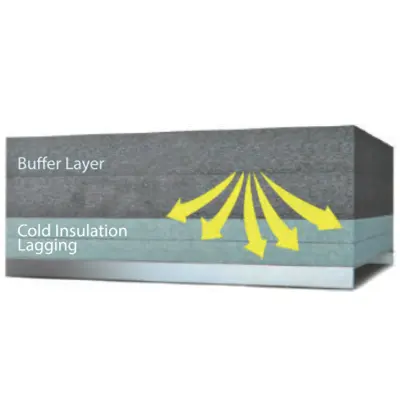
Among these materials, rubber foam insulation sheet rolls (primarily based on NBR/PVC elastomeric blends) are widely used for HVAC systems, cryogenic piping, and process equipment. The closed-cell structure of elastomeric foam acts as a thermal barrier and a vapor barrier, helping to prevent moisture intrusion and corrosion under insulation (CUI).
Thermal management challenges vary across different industrial and commercial sectors. Kingflex specializes in custom elastomeric foam formulations tailored to these distinct requirements:
The performance of rubber foam insulation relies on its microcellular structure. Kingflex closed-cell elastomeric foam features a cell wall layout where over 98% of cells are fully closed. This structure yields several key advantages:
| Physical Property | Standard Value Range (NBR/PVC) | Engineering Significance |
|---|---|---|
| Thermal Conductivity (λ) | ≤ 0.034 W/(m·K) at 0°C | Limits heat loss/gain, allowing for thinner insulation profiles. | Water Vapor Permeability Factor (μ) | ≥ 10,000 | Provides high resistance to moisture vapor transmission without separate barriers. |
| Operational Temperature Range | -50°C to +105°C (standard range) | Suitable for dual-temperature systems (chilled water to low-pressure steam). |
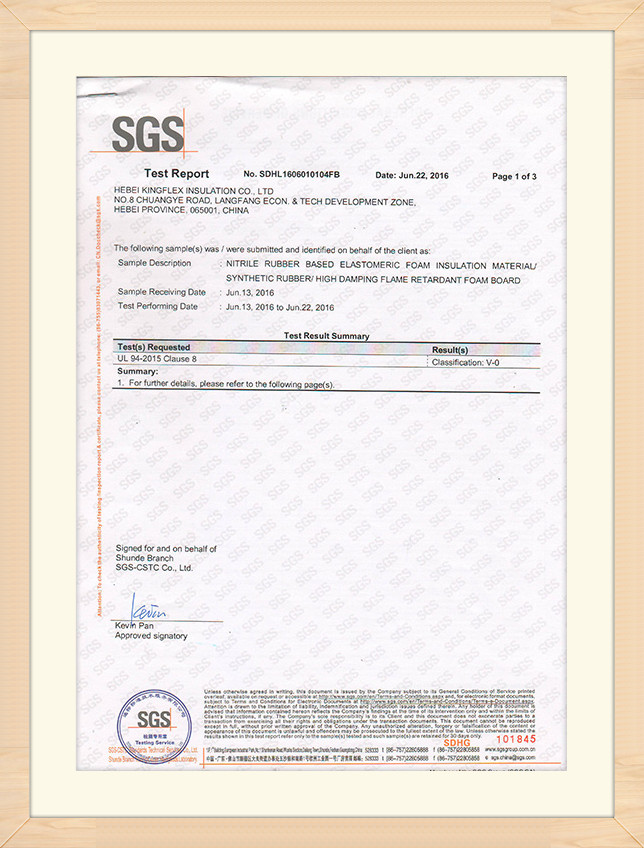
| Fire Performance | BS 476 Class 0, UL 94 V-0, DIN 4102 B1 | Helps restrict flame spread and reduce smoke generation in structures. |
| Density Range | 40 - 55 kg/m³ | Balances structural strength, flexibility, and optimized air encapsulation. |
The moisture resistance factor (μ) is critical for chilled piping. When air hits cold pipes, it can condense. If moisture enters the insulation, its thermal conductivity increases (water is approximately 24 times more conductive than air). The high μ-value of Kingflex elastomeric foam helps keep moisture out, maintaining thermal performance over time.
Our research and development efforts focus on several upcoming trends in elastomeric foam technology:
1. Halogen-Free Flame Retardants: Developing formulations that meet flame-safety criteria (like BS 476 Class 0) without using halogens, minimizing toxic gas releases during fire events.
2. Bio-Based Elastomers: Integrating bio-sourced monomers into the NBR matrix to reduce the material's carbon footprint while preserving its physical properties.
3. Integrated Aluminum Cladding: Bonding reinforced aluminum foil directly to the elastomeric sheet roll during extrusion to enhance vapor barrier performance, UV resistance, and mechanical protection in outdoor installations.
Founded under the Jinwei Group (which has a heritage dating back to 1979 as the first manufacturer of thermal insulation materials north of the Yangtze River), Kingflex has grown into a specialized manufacturer and trading combination for thermal insulation products.
Located in Dacheng, China—a hub for green building materials—our operations focus on energy-saving, environmentally conscious manufacturing. We provide thermal insulation, cold insulation, and noise reduction solutions through consultation, R&D, manufacturing, installation guidance, and after-sales support.
With 5 automated assembly lines yielding an annual capacity of over 600,000 cubic meters, Kingflex is a designated production enterprise for the Ministry of Energy, the Ministry of Electric Power, and the Ministry of Chemical Industry in China.
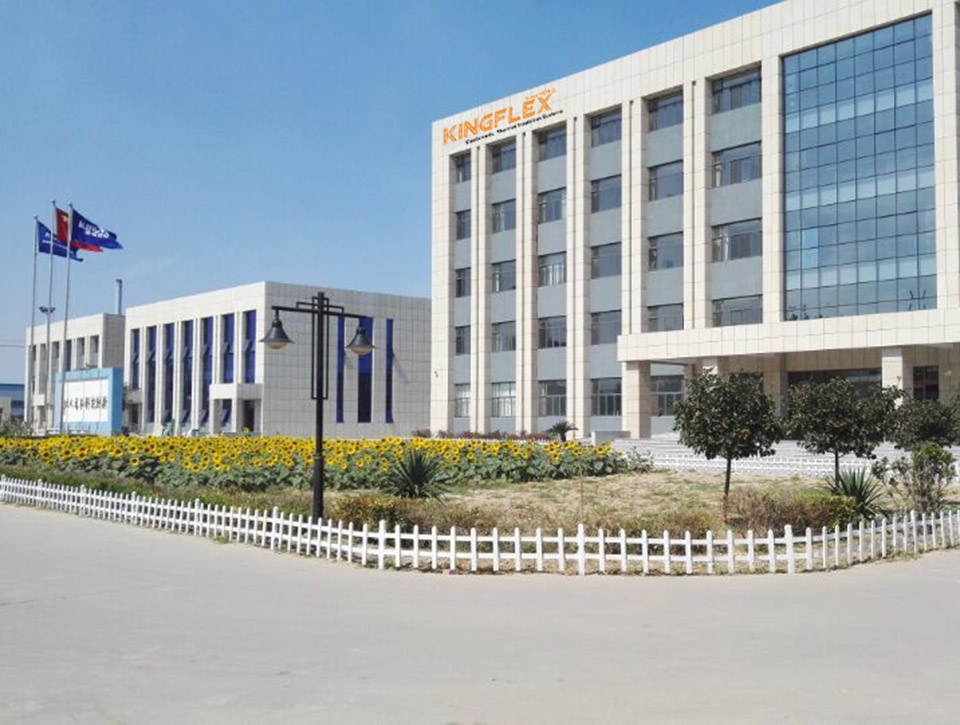
Our operation is supported by a dedicated team of professionals, including 8 R&D engineers focused on elastomeric polymers, 6 international sales specialists, and 230 manufacturing staff.
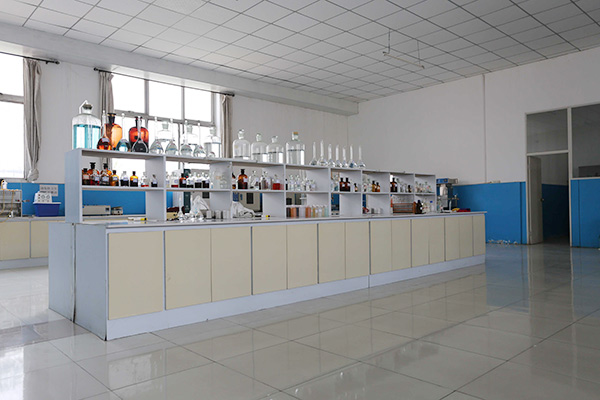
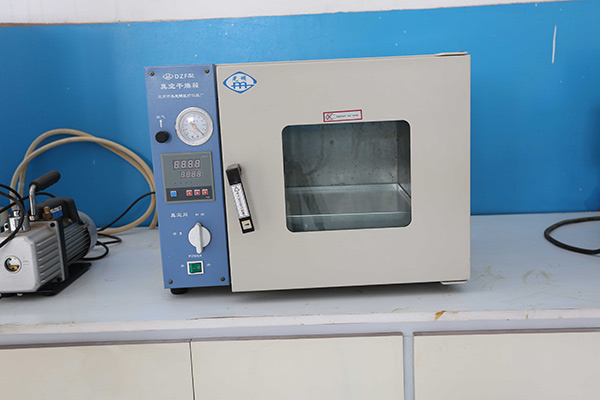
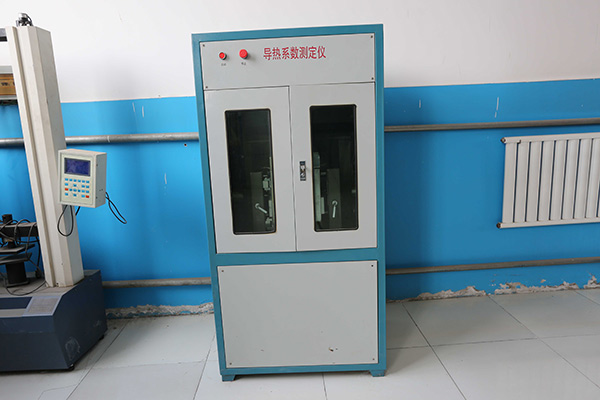
Quality control is managed through our on-site laboratories, which test batches for thermal conductivity, water vapor diffusion resistance, and flame propagation behavior. This systematic approach ensures product consistency from raw material mixing through curing and foaming.

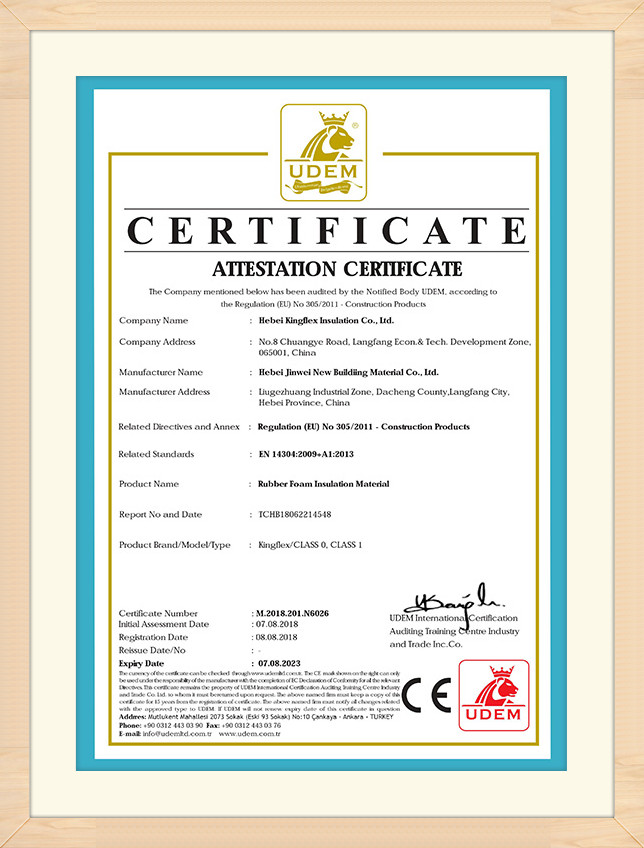
Our elastomeric rubber foam sheets and tubes are tested to comply with international standards, helping projects meet regional building codes and safety requirements.
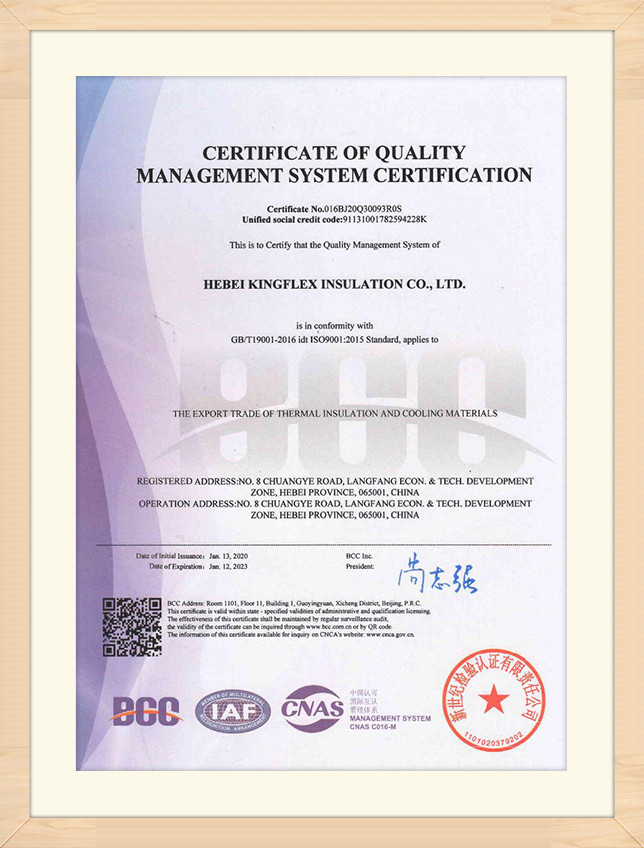
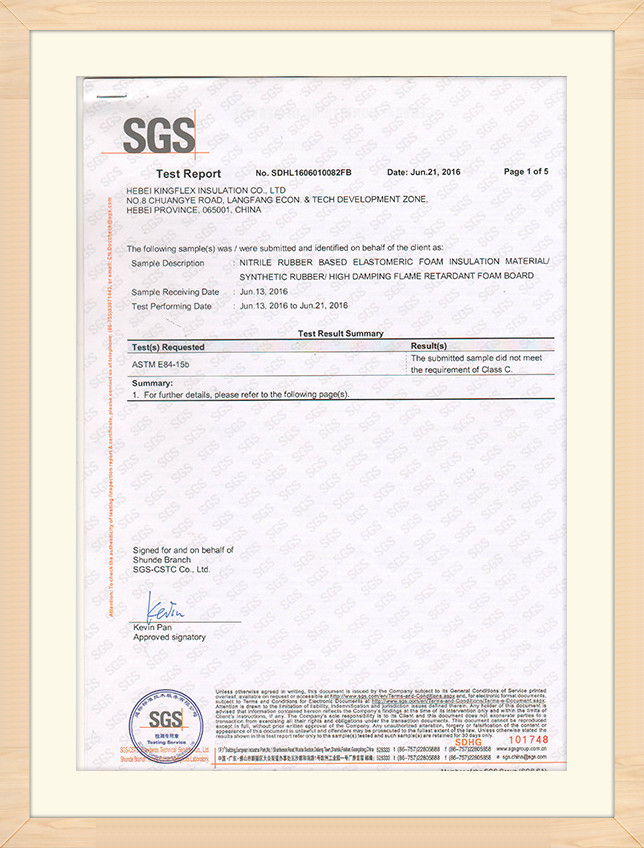
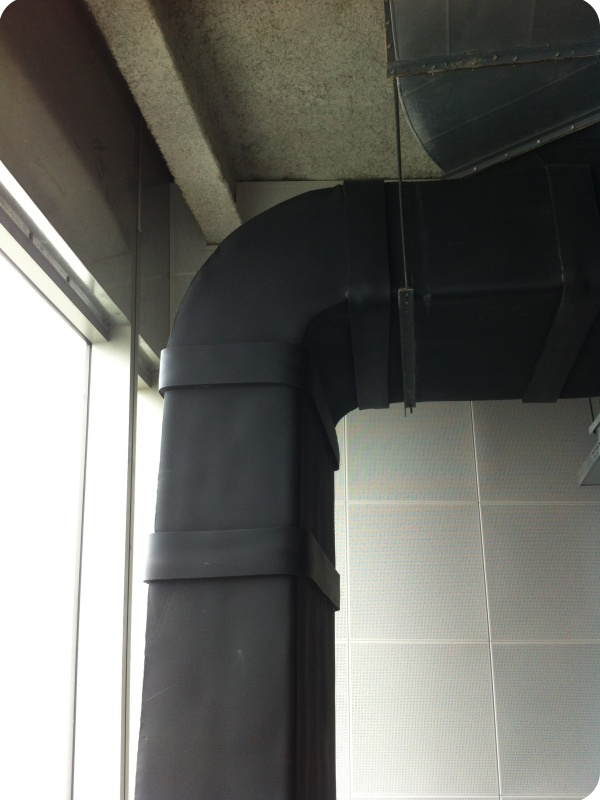
Direct from factory options for diverse HVAC duct and industrial pipe insulation requirements.
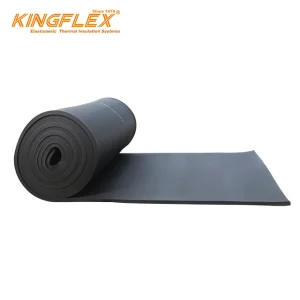
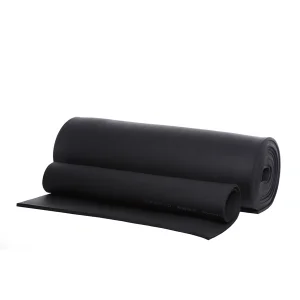
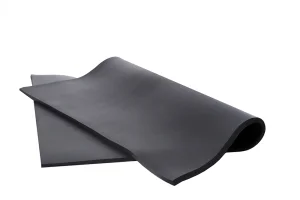
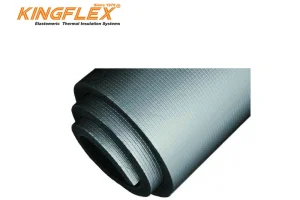
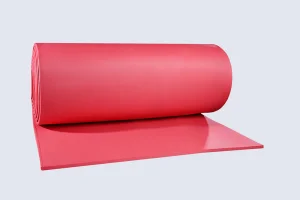
Our elastomeric sheet rolls are designed for large-diameter pipes, duct systems, and irregular equipment surfaces where pre-formed pipes are not practical.
| Material Matrix | NBR/PVC Elastomeric Blend |
| Available Thicknesses | 6mm, 9mm, 13mm, 15mm, 19mm, 25mm, 32mm, 40mm, 50mm |
| Density Class | 40 - 55 kg/m³ |
| Working Limits | -40°C to +105°C |
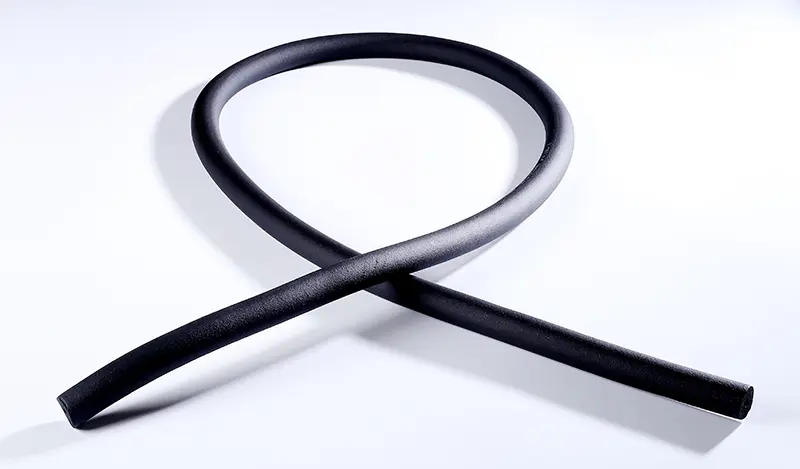
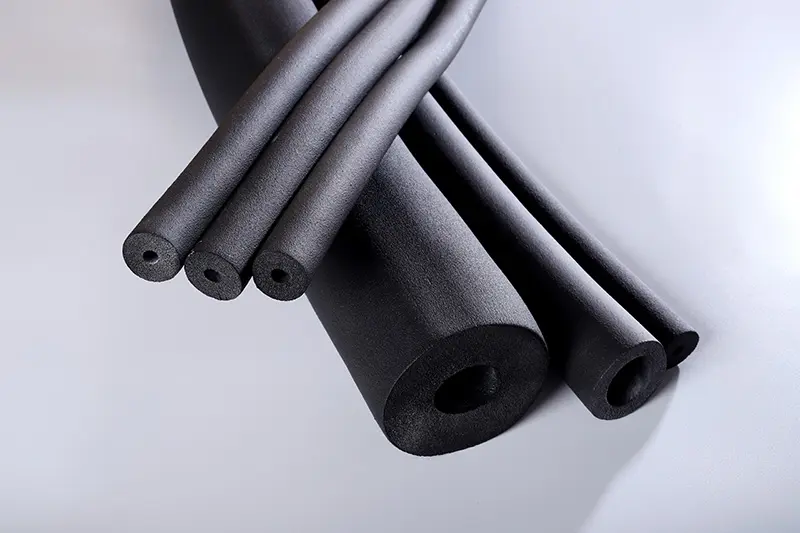
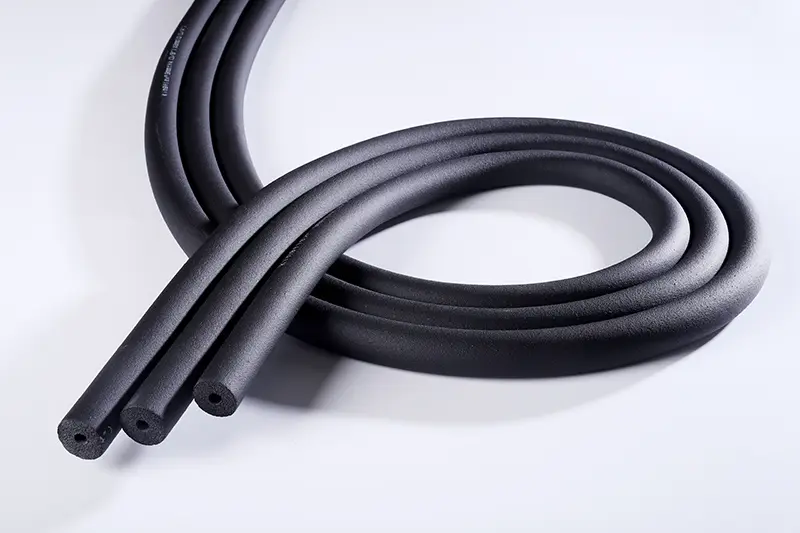
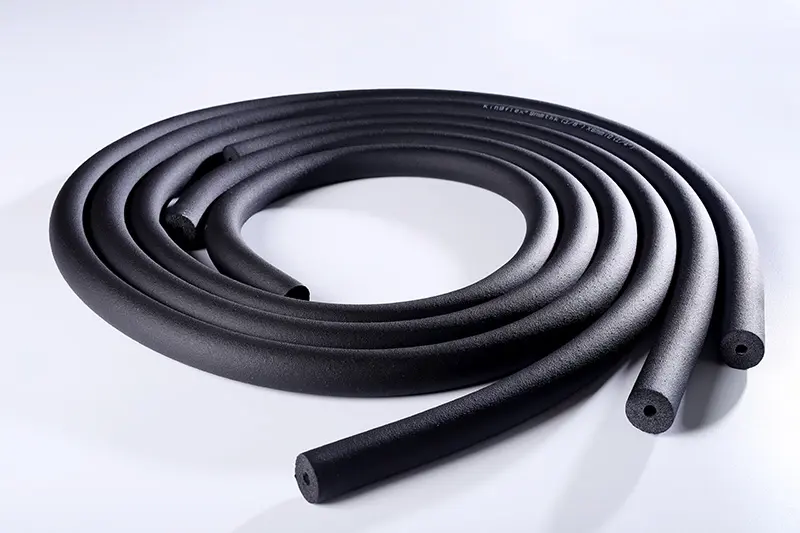
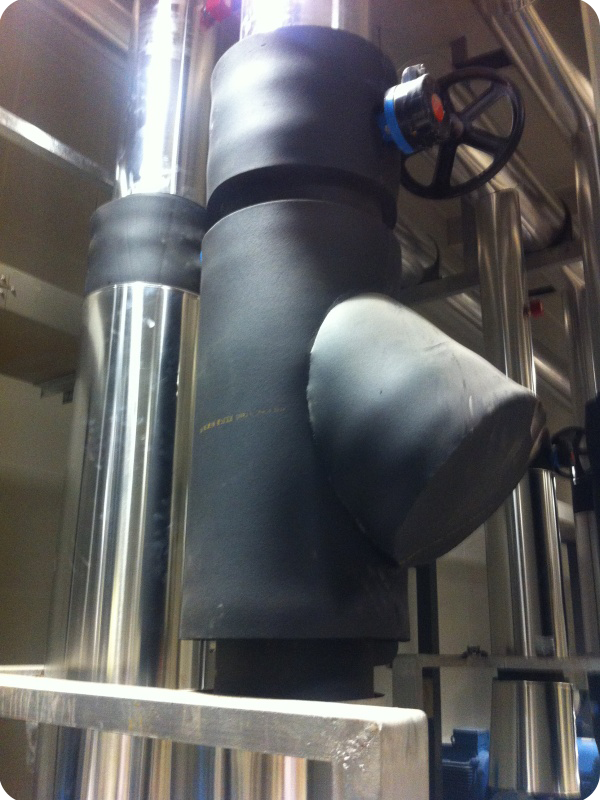
Pre-formed elastomeric tubes designed to fit standard copper and steel pipe sizes, helping to reduce on-site installation time.
| Material Matrix | NBR/PVC Closed-cell Elastomer |
| Inner Diameters (ID) | 6mm to 114mm |
| Wall Thicknesses | 9mm, 13mm, 19mm, 25mm, 32mm, 40mm |
| Density Class | 40 - 55 kg/m³ |
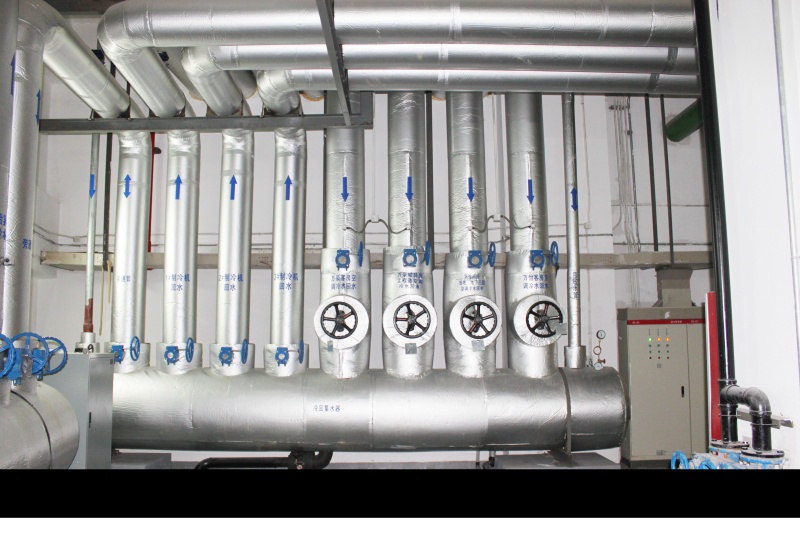
Visual overview of our factory floor, R&D processes, and field applications worldwide.

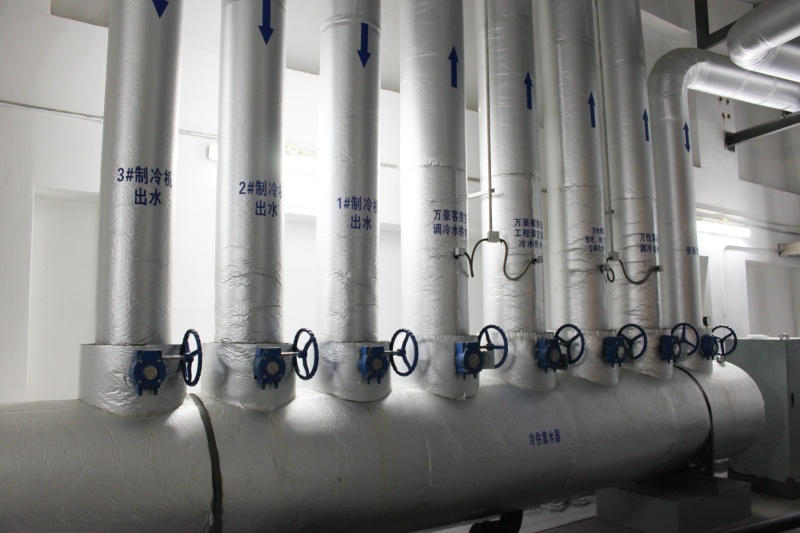
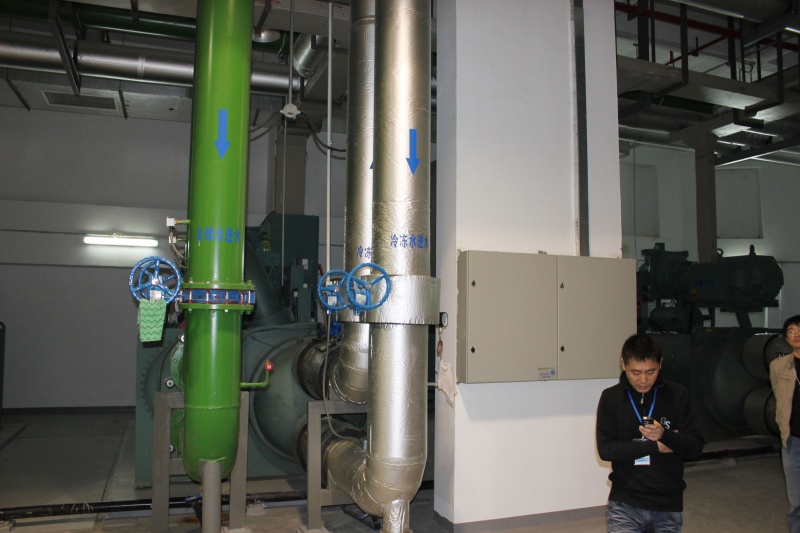
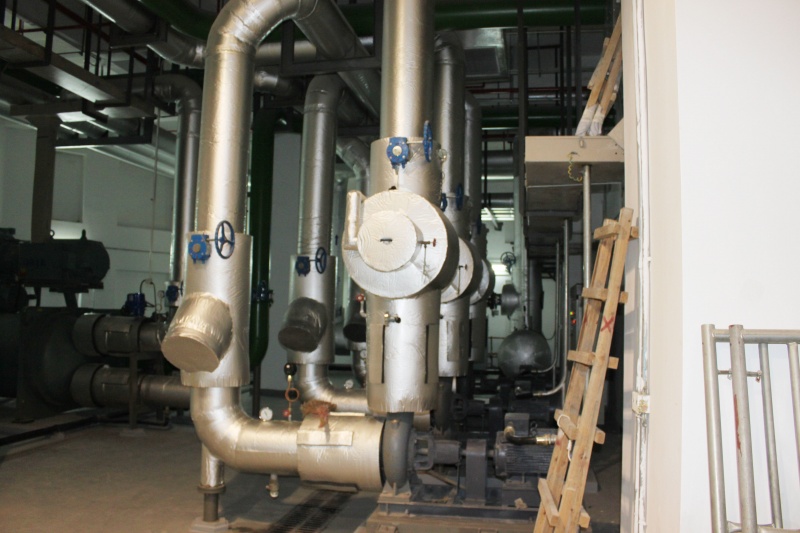
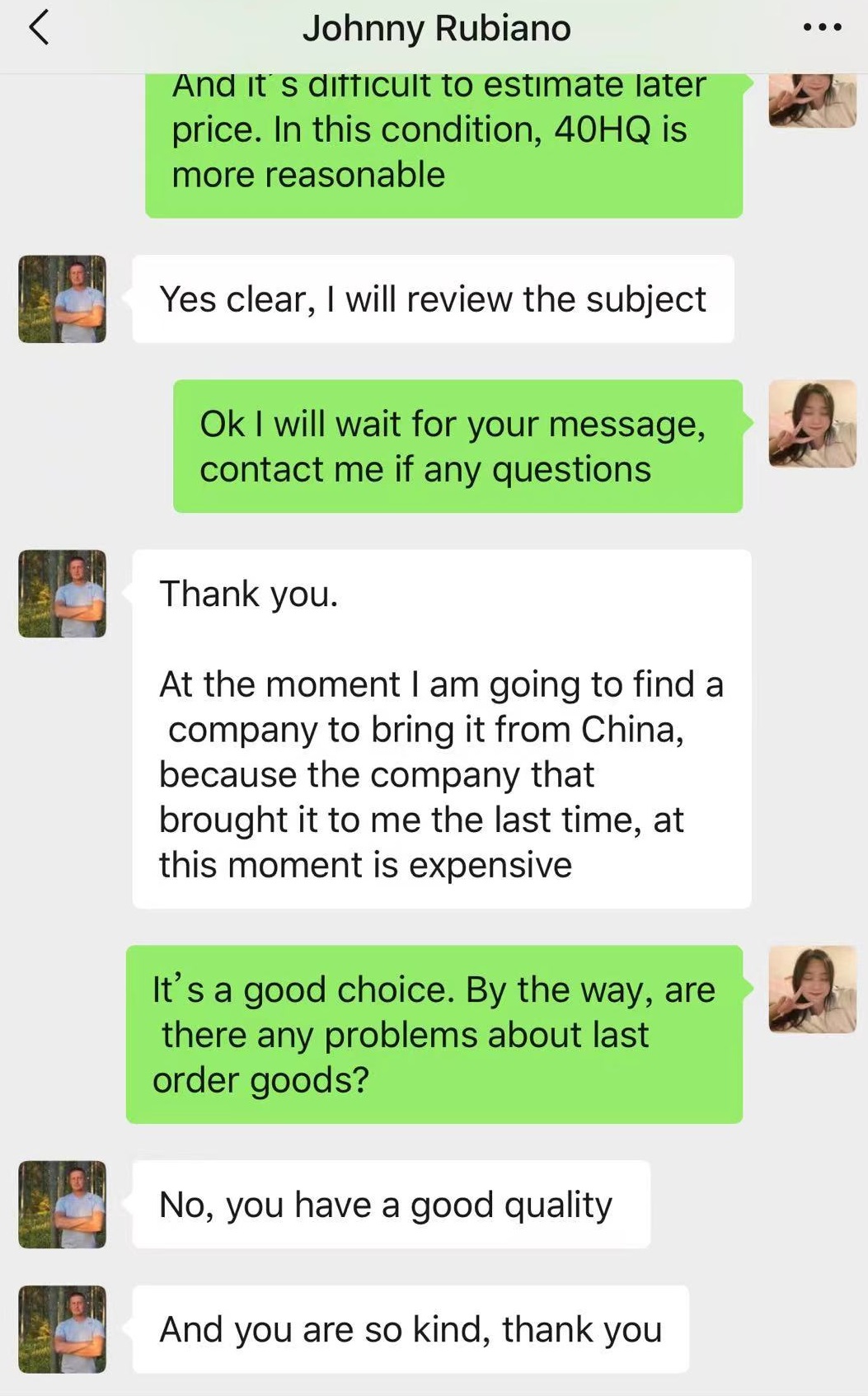
Transparency, fast responses, and traceability are key parts of our customer service.
We work with international clients across diverse time zones. Every order is tracked from raw material batching to final packing, helping to ensure compliance with project specifications.
Our sales and engineering teams assist clients with shipping options, customized packaging sizes for container layouts, and document preparation for customs clearance.

Answers to technical questions frequently asked by engineers and procurement specialists.
It is primarily used for insulating HVAC ducts, air conditioning lines, chilled water pipes, building structures, and industrial pipelines. It helps control heat transfer, prevent condensation on cold surfaces, and reduce structural sound transmission.
Yes. Our rubber foam insulation includes fire-retardant additives to meet international fire standards, including BS 476 Class 0, DIN 4102 B1, and UL 94 standards, which limits fire risk and smoke emission.
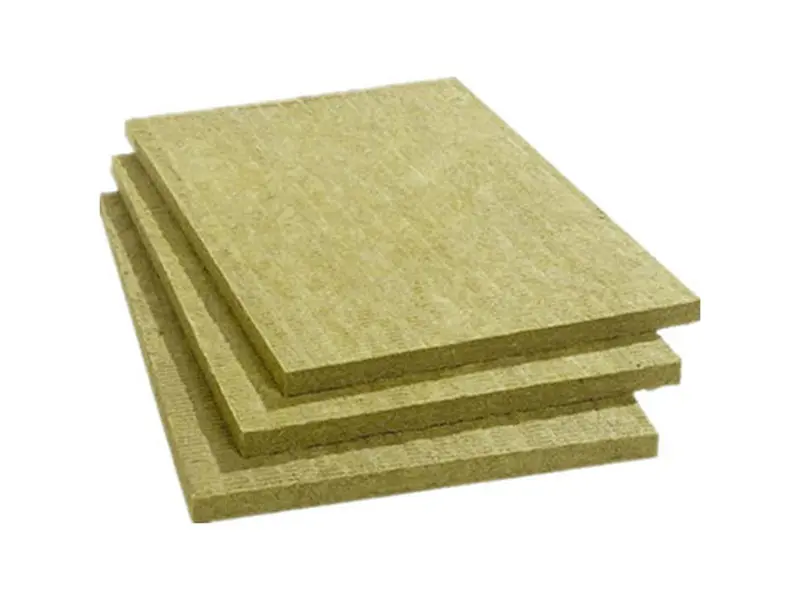
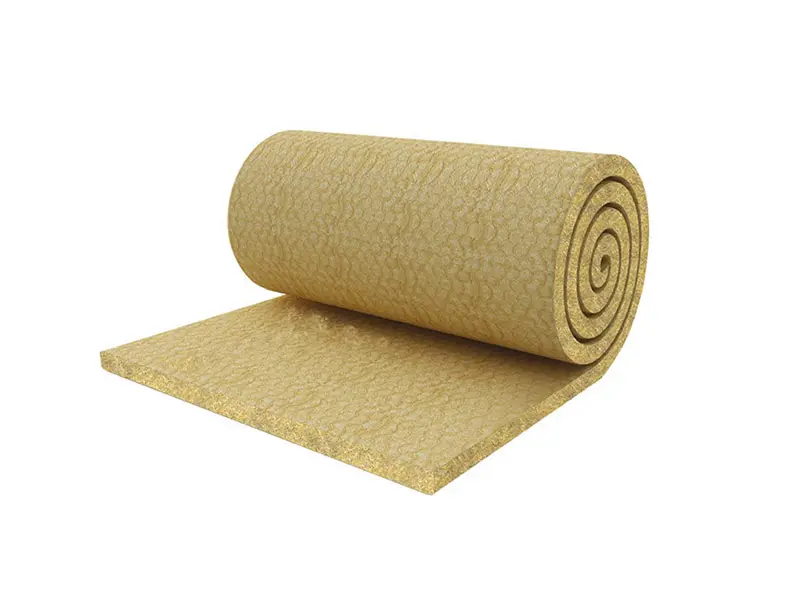
Rubber foam has a flexible, closed-cell structure that resists water vapor, making it suitable for cold systems and outdoor condensation control. Rock wool is a fibrous mineral insulation that resists higher temperatures, commonly used for high-temperature industrial pipelines and hot steam systems.
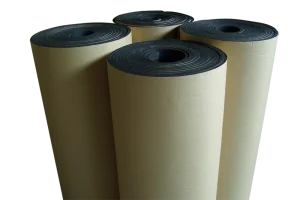
Yes, we provide OEM services, allowing customization of sheet roll thicknesses, adhesive backings, foil lamination, and roll widths to match specific project parameters.
Our materials are certified under BS 476, CE, REACH, RoHS, UL 94, and ASTM testing methods. These certifications verify fire safety, toxic element restrictions, and physical performance compliance for global installation.
Yes. Every production run has a traceable batch code printed on the packaging, linking to records of raw material batches, quality inspection results, and manufacturing dates.
We manufacture sheet rolls in thicknesses ranging from 6mm up to 50mm, accommodating a variety of thermal and acoustic specification needs.
In standard indoor conditions with proper installation, Kingflex materials typically have a service life of 10 to 15 years, during which they maintain consistent insulation and moisture barrier performance.
Complete your insulation system design with matching accessories, tubes, and specialized rolls.
Pre-engineered solutions designed for standard engineering designs and retrofits.
 Kingflex