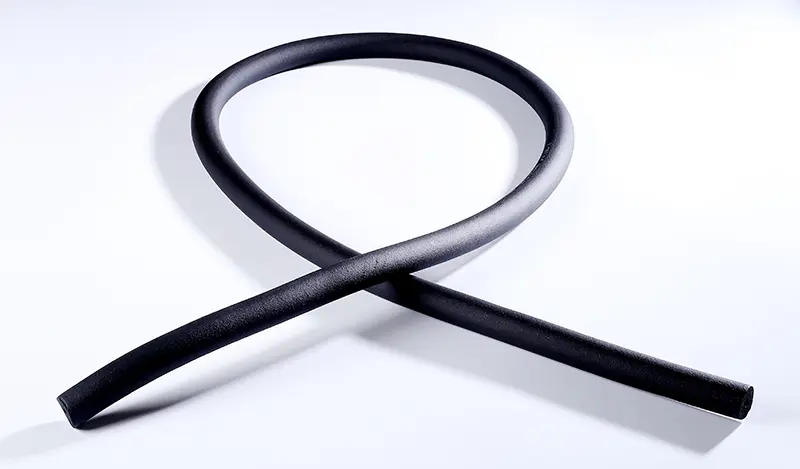
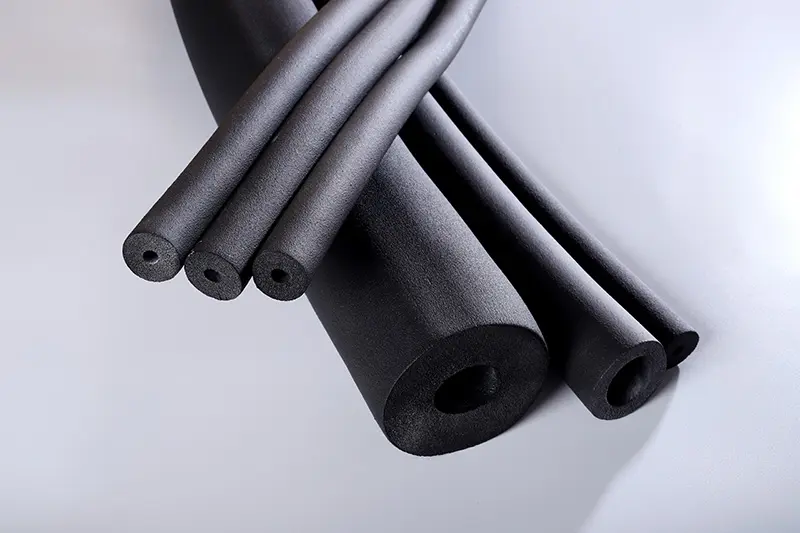
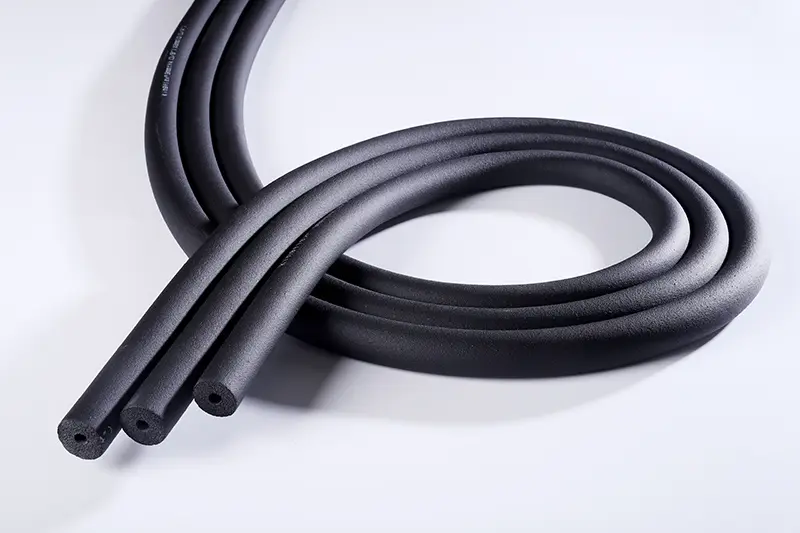
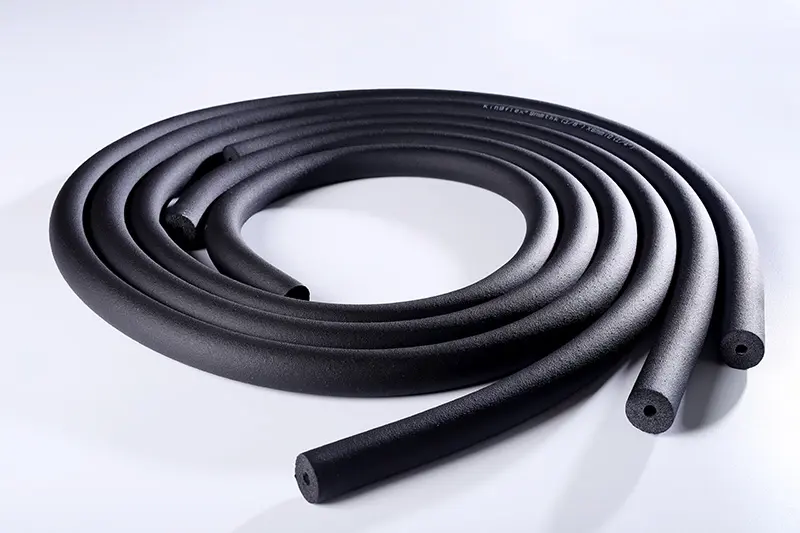
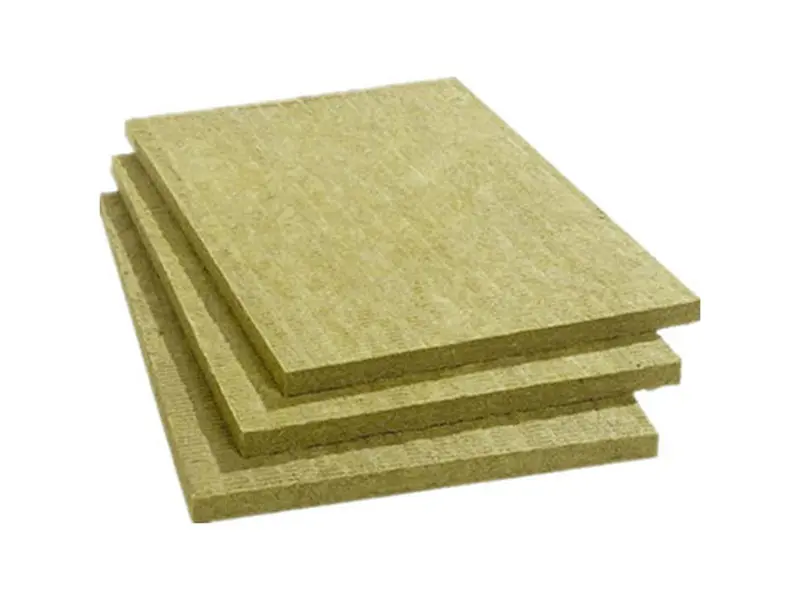
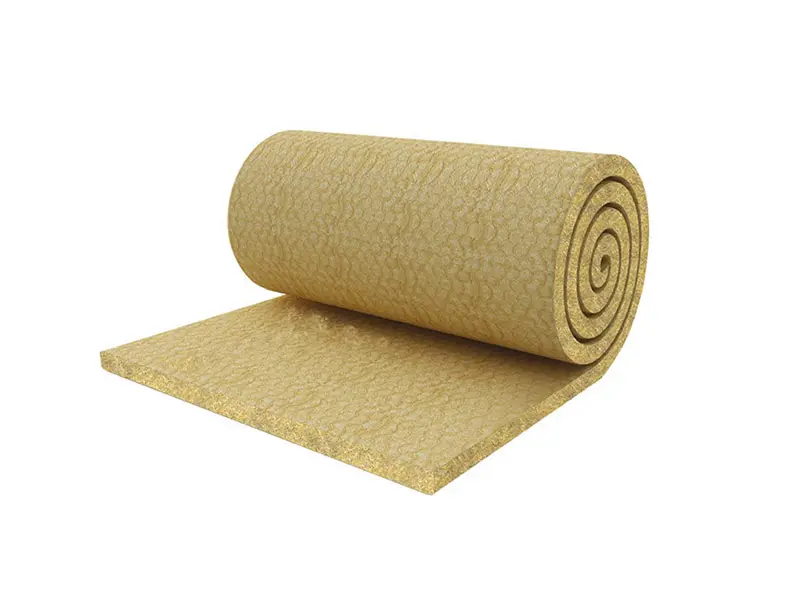
Modern building codes and strict industrial environments demand insulation materials that perform multiple duties simultaneously. Foremost among these duties are sound wave mitigation (acoustic absorption) and heat flux barriers (thermal insulation). To achieve this twin objective, industrial design relies on the structural properties of advanced elastomers like NBR/PVC blends.
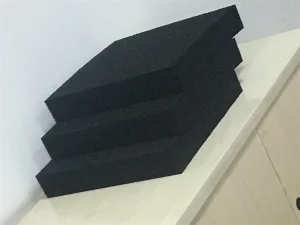
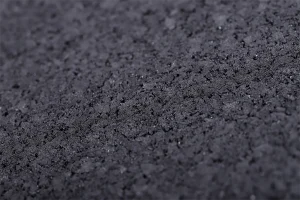
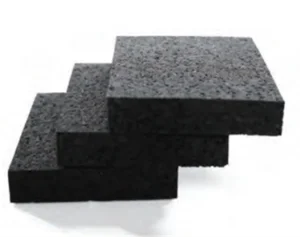
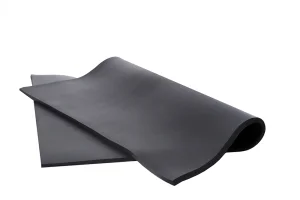
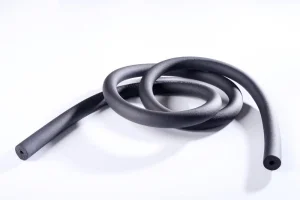
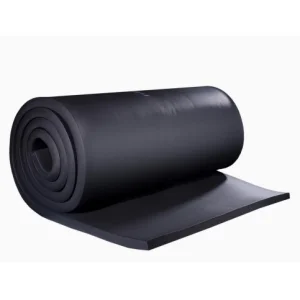
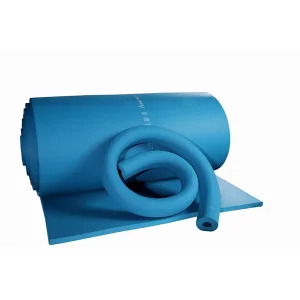
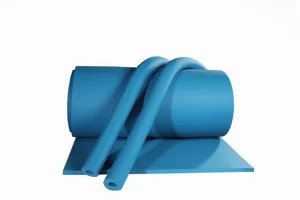
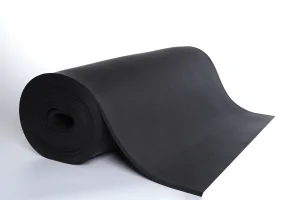
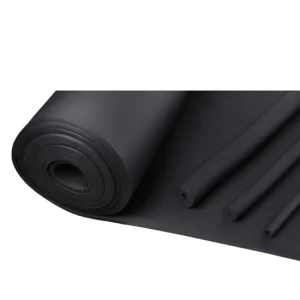
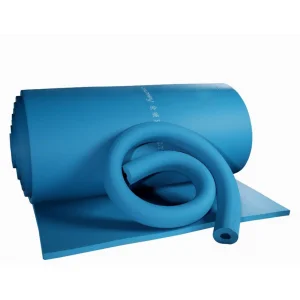
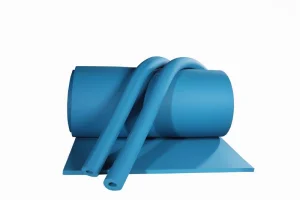
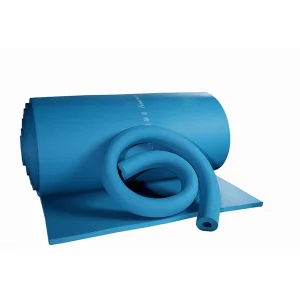
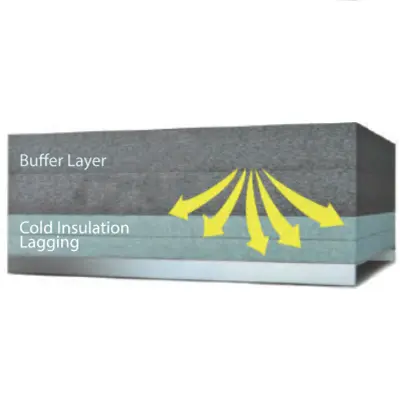
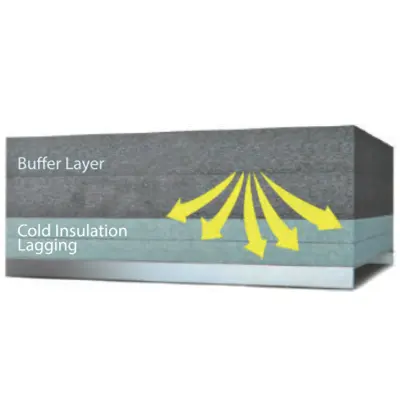
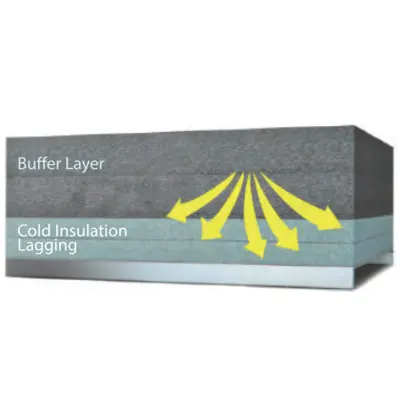
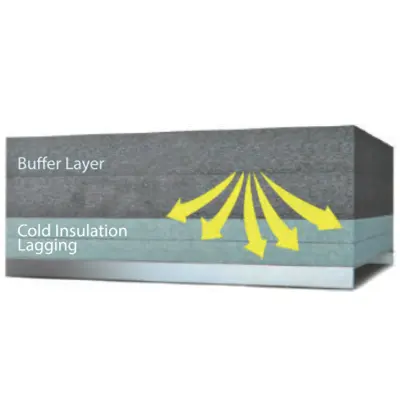
Closed-cell elastomeric foams, such as our standard Kingflex NBR/PVC rolls, trap air in discrete micro-voids. This structure yields incredibly low thermal conductivity (λ ≤ 0.034 W/(m·K) at 0°C) and prevents water vapor ingress, making it the perfect choice for anti-condensation in HVAC and cryogenic setups. On the other hand, open-cell engineered elastomeric structures allow sound waves to enter the material, where they undergo multiple reflections along the cell walls, converting kinetic sound energy into harmless thermal energy. Selecting the appropriate structural topology dictates whether a system is optimized for thermal preservation, noise cancellation, or structural vibration damping.
Acoustic performance is defined by the Noise Reduction Coefficient (NRC) and Sound Transmission Class (STC). While standard thermal insulation materials do little to disrupt acoustic pressure, open-cell nitrile rubber formulations exhibit high NRC values (typically >0.70 depending on thickness). This makes them indispensable in HVAC duct linings and mechanical engine bay enclosures where high-frequency blower noise and structural hums must be minimized at the source.
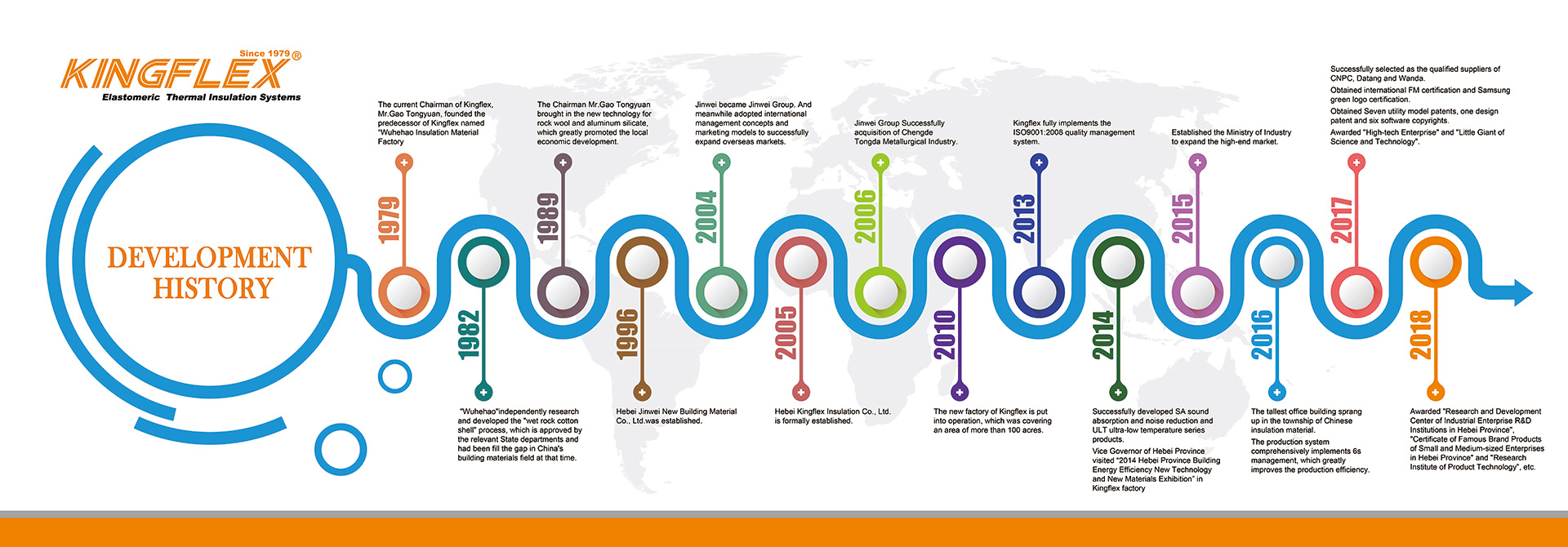
Kingflex Insulation Co., Ltd. operates as a premium manufacturing and trading combo, providing high-end industrial insulation systems globally. Established by the renowned Jinwei Group, which possesses a proud history spanning over 40 years since its founding in 1979, Kingflex has grown to become the first manufacturer of thermal insulation materials north of the Yangtze River. Today, we stand as an energy-saving, environmentally friendly enterprise focusing on the R&D, manufacture, and distribution of premium elastomers.
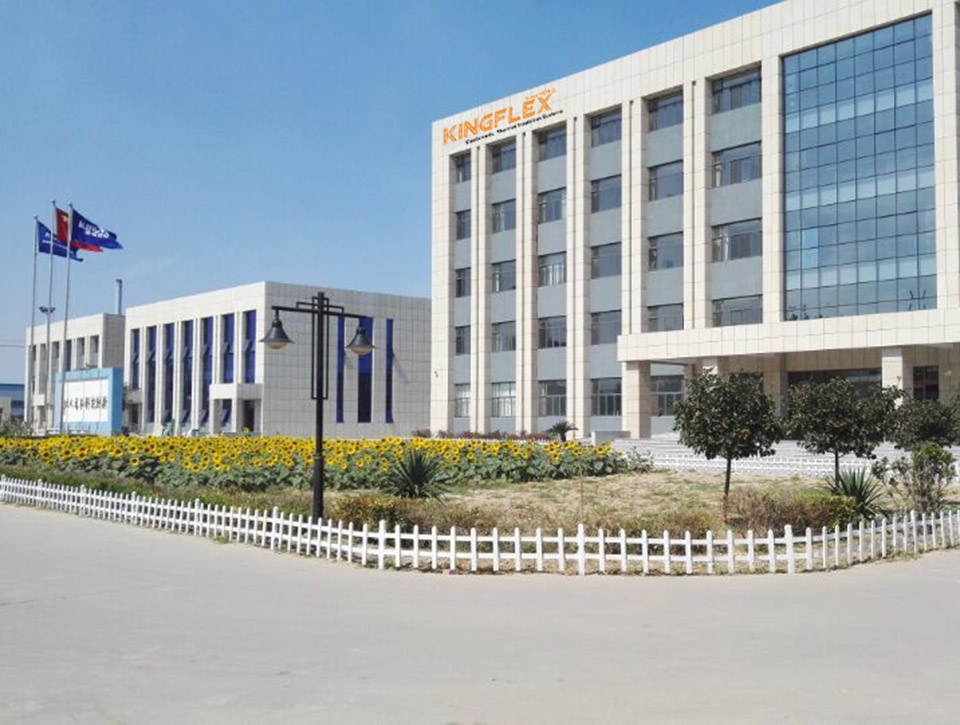
Our centralized manufacturing base is situated in Dacheng, China—the globally recognized capital of green building materials. This allows us to access rich domestic raw material supplies while keeping production carbon footprints remarkably low.
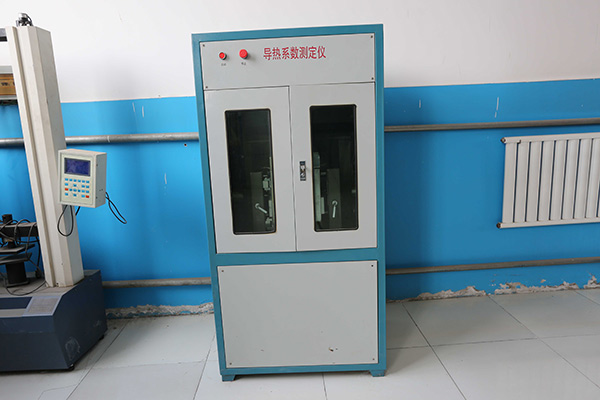
Our dedicated R&D division is staffed by 8 professional engineers, supported by 230 skilled production technicians, and is equipped to test material chemistry, thermal expansion, fire behavior, and sound attenuation coefficients.

Backed by 6 international sales specialists, Kingflex provides end-to-end consulting, customization (OEM/ODM), logistics coordination, and post-sale technical field training to projects across all continents.
In the global procurement landscape, procuring sound absorption and elastomeric thermal insulation materials from leading Chinese manufacturers is a strategic decision that goes beyond cost reduction. The integration of advanced automation, supply chain stability, and raw material access positions Chinese factories at the cutting edge of the global insulation market.
The manufacturing cluster in Dacheng, China, offers a self-sustaining ecosystem of NBR (Nitrile Butadiene Rubber) polymers, PVC inputs, foaming agents, and flame-retardant chemical suppliers. This cluster minimises raw material transport times and costs, insulating global buyers from logistics bottlenecks and price shocks.
By operating 5 massive, fully automatic extrusion and foaming lines, Kingflex eliminates manual variation. Real-time infrared thickness detectors and temperature-controlled curing tunnels guarantee uniform density distribution (40-55 kg/m³) and consistent cellular structures across millions of cubic meters.
Located in northern China, our facility enjoys proximity to Tier-1 deep-water ports like Tianjin and Qingdao. This facilitates rapid shipping schedules, lower inland freight costs, and the capability to execute massive industrial orders under flexible incoterms (FOB, CIF, DDP, CFR).
As the construction and HVAC industries transition toward net-zero targets, the demand for green building certified insulation products has surged. The global market is rapidly shifting from traditional glass wool and rock wool (which can release irritating micro-fibers) to clean, zero-fiber elastomeric rubber foams. Key regulatory frameworks like Europe’s REACH and RoHS, along with green building ratings (LEED, BREEAM), are driving the adoption of halogen-free, low-VOC (Volatile Organic Compounds) materials. Chinese factories are at the forefront of this trend, modifying polymer blends to ensure products are both highly functional and environmentally compliant.
Enterprise procurement directors must align product specifications with localized applications, ensuring local building regulations and technical requirements are fully met.
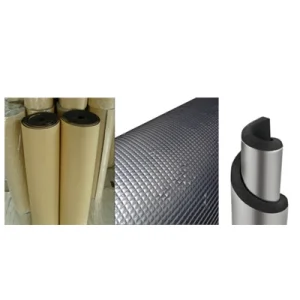
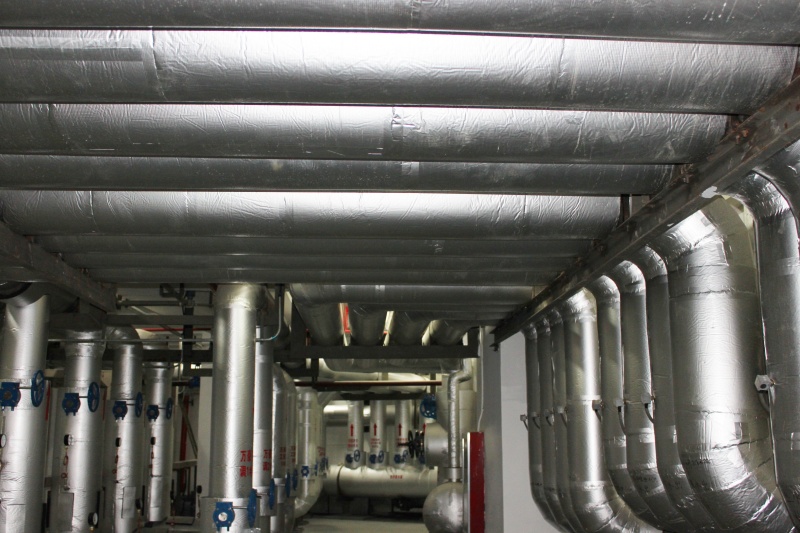
In high-density commercial complexes, ventilation noise and air conditioning condensation are primary concerns. Class 0 fire-rated NBR foam sheet rolls with self-adhesive facings are applied directly onto rectangular air ducts, absorbing mechanical blower noise and isolating thermal transfer.
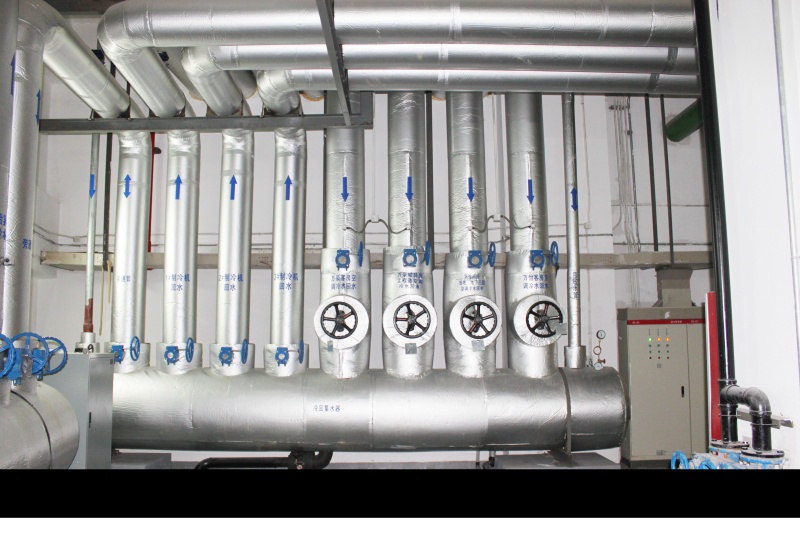
For Liquefied Natural Gas (LNG) pipelines and petrochemical storage systems operating at extreme negative temperatures, standard insulation fails due to freezing and cracking. Specialised diolefin flexible rubber foam insulation prevents thermal shock, repels ambient moisture, and protects pipe metal from corrosion under insulation (CUI).
Rail carriages and passenger ships require materials with high vibration-damping, lightweight performance, and zero toxic smoke emissions during fire events. Kingflex elastomeric sheeting is installed behind panels to decouple structural sound and keep passenger cabins quiet and safe.
Global procurement managers seeking reliable manufacturing partners prioritize critical performance indicators:
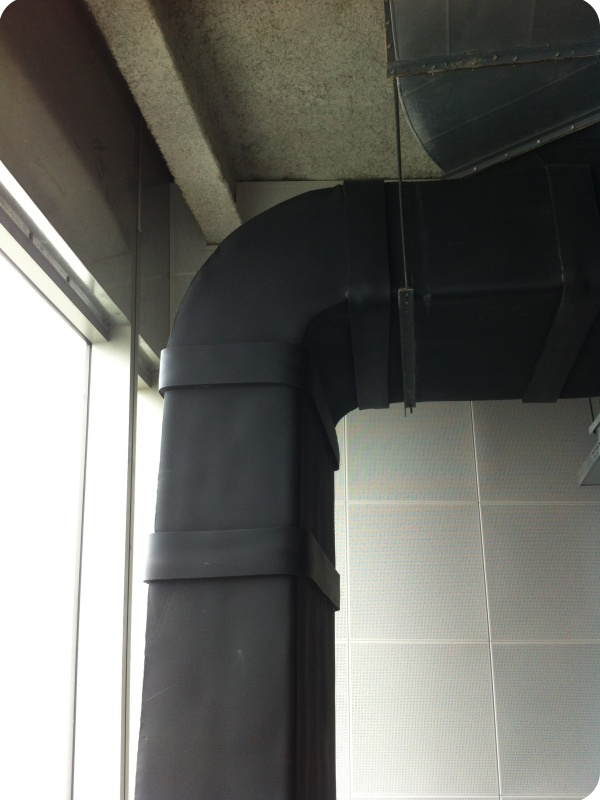

| Material Blend | NBR / PVC Elastomer |
| Thickness Range | 6mm - 50mm |
| Density | 40 - 55 kg/m³ |
| Temperature Range | -40℃ to 105℃ |
| Closed Cell Rate | >98% |
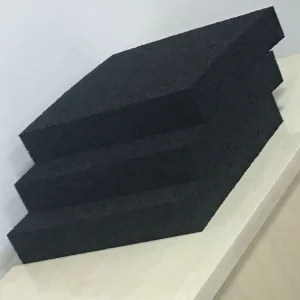
Key Advantages: Foams evenly and fully; low moisture absorption; compression resilience over 80%; flame retardant and self-extinguishing.
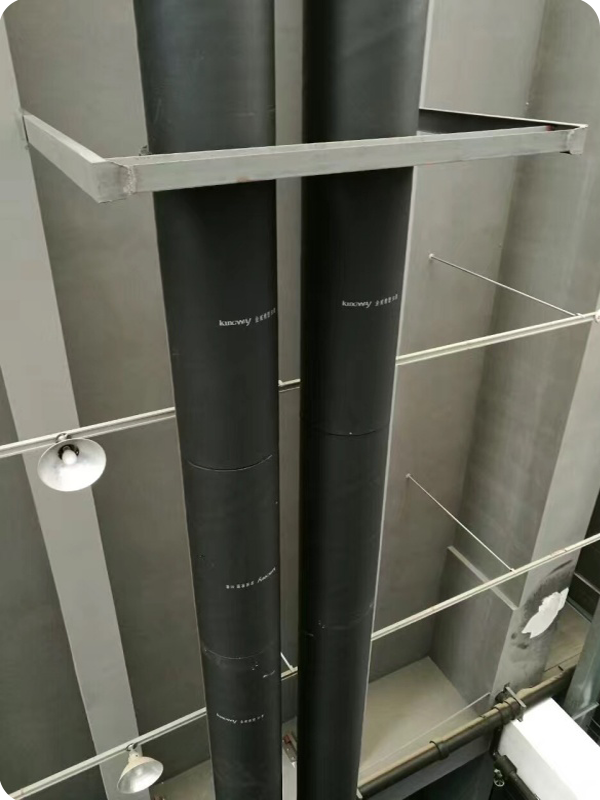
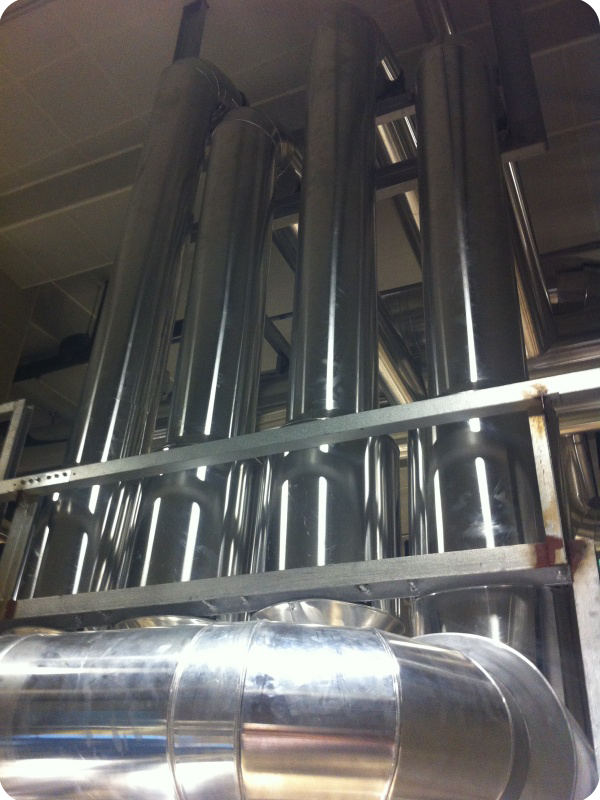
| Material Blend | NBR / PVC Elastomer |
| Thickness Range | 9mm - 40mm |
| Internal Diameter (ID) | 6mm - 114mm |
| Density | 40 - 55 kg/m³ |
| Temperature Range | -40℃ to 105℃ |
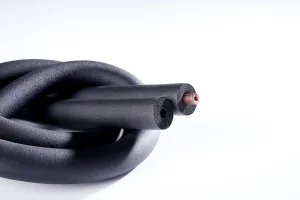
Key Advantages: Formulated for rapid pipe installation; reduces pipe freezing and cracking risks; high moisture resistance factor; self-extinguishing.
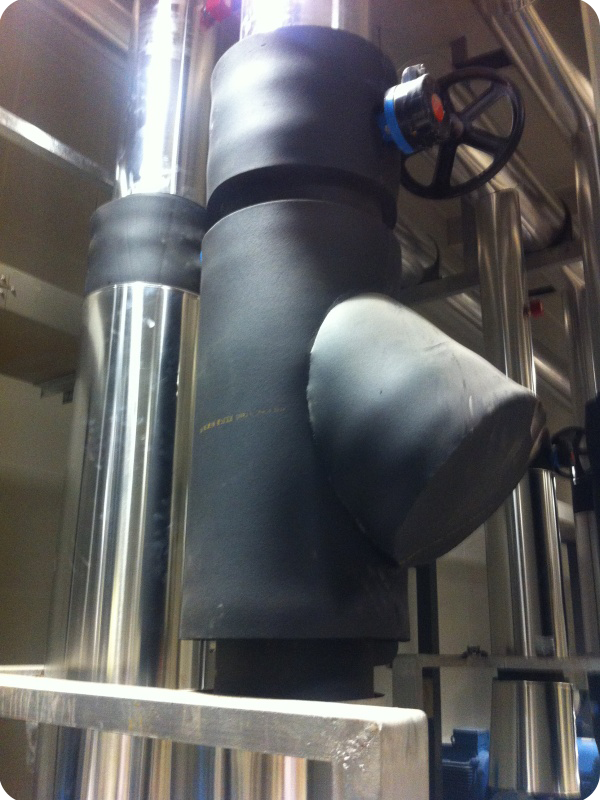
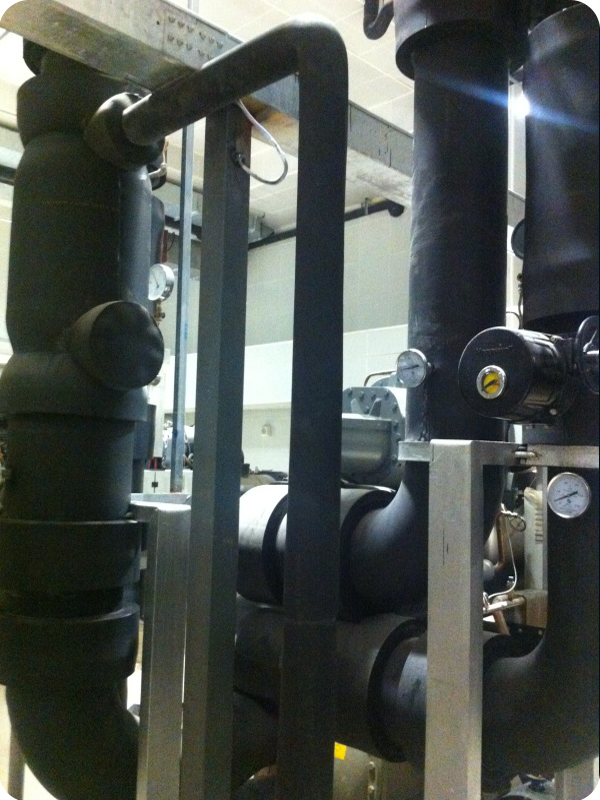

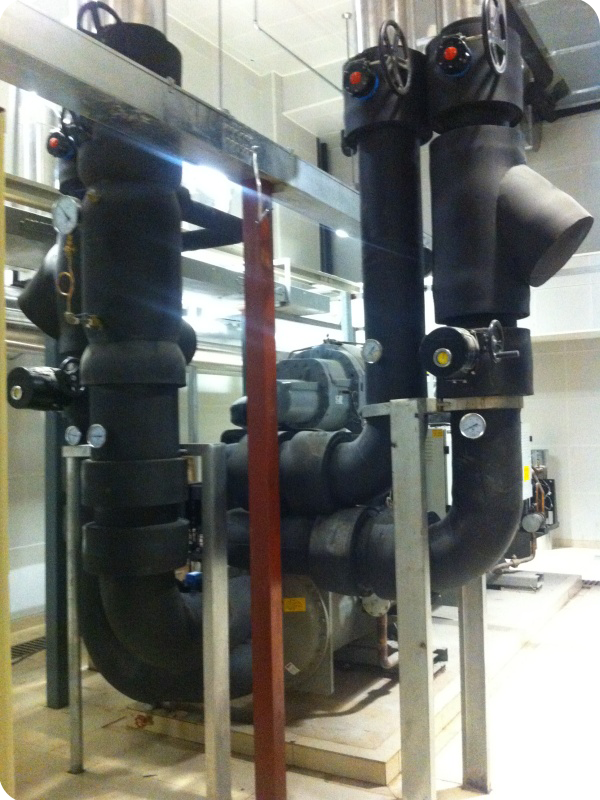
At Kingflex, we maintain that global trust is earned through documented compliance. Every run of our 5 automatic assembly lines is subjected to standard testing protocols to check density uniformity, thermal performance, and dimensional stability. Our products are widely utilized in critical industries, including petrochemical plants, high-rise buildings, national defense projects, and aerospace engineering.
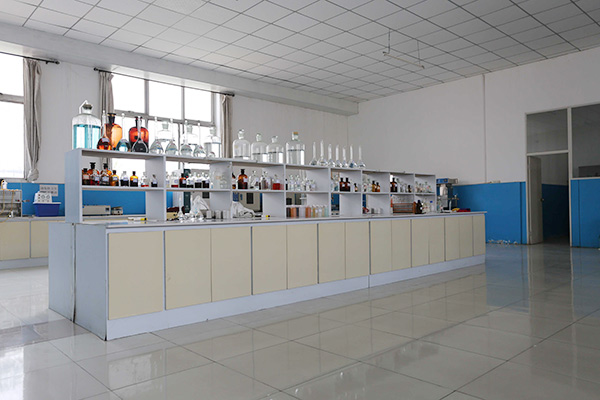
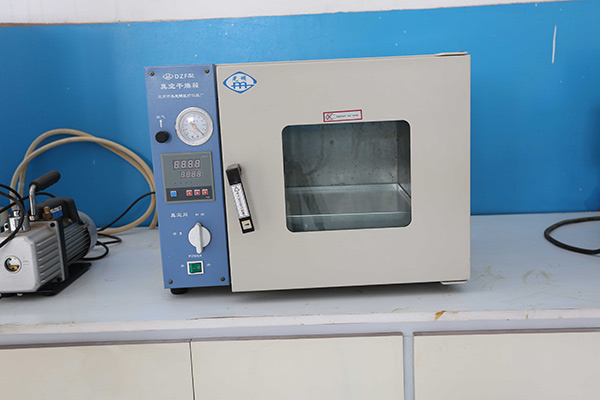
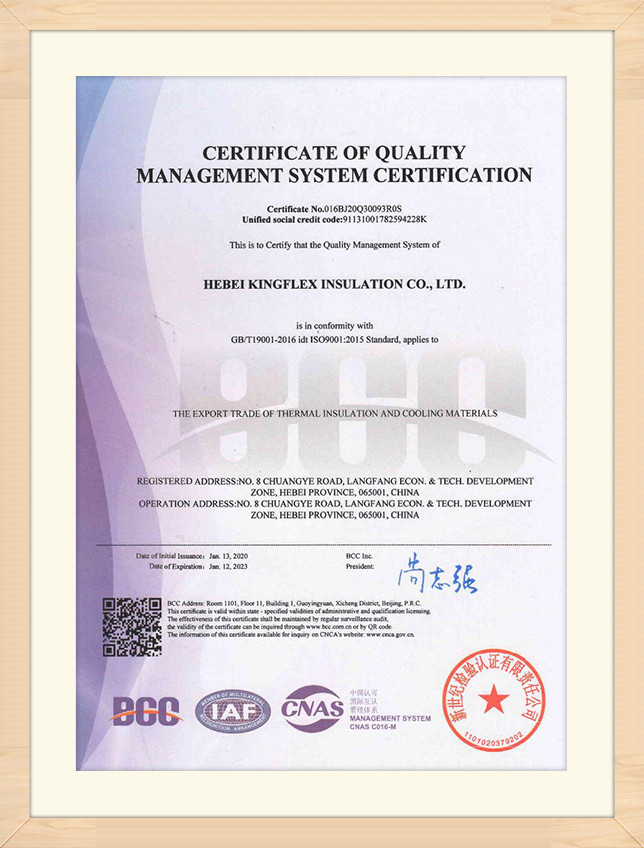
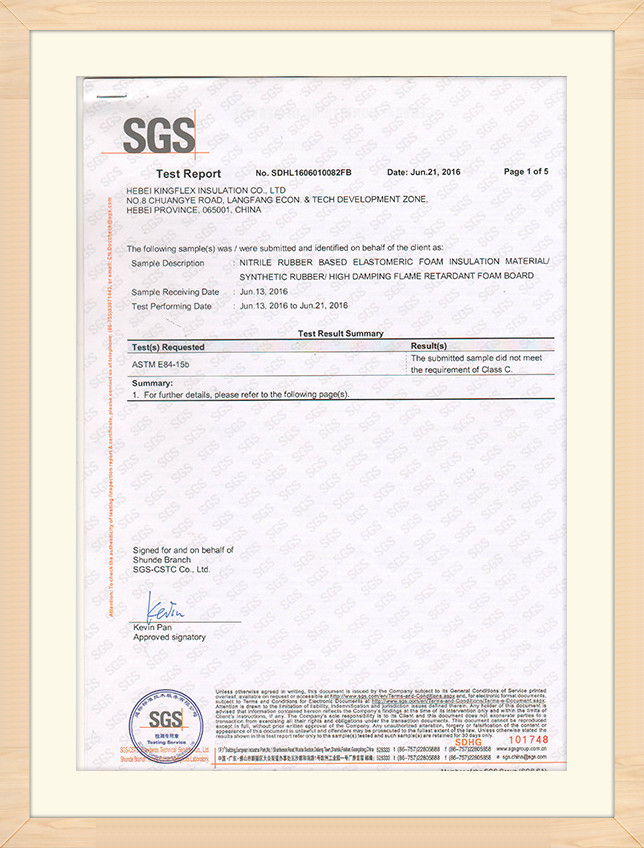
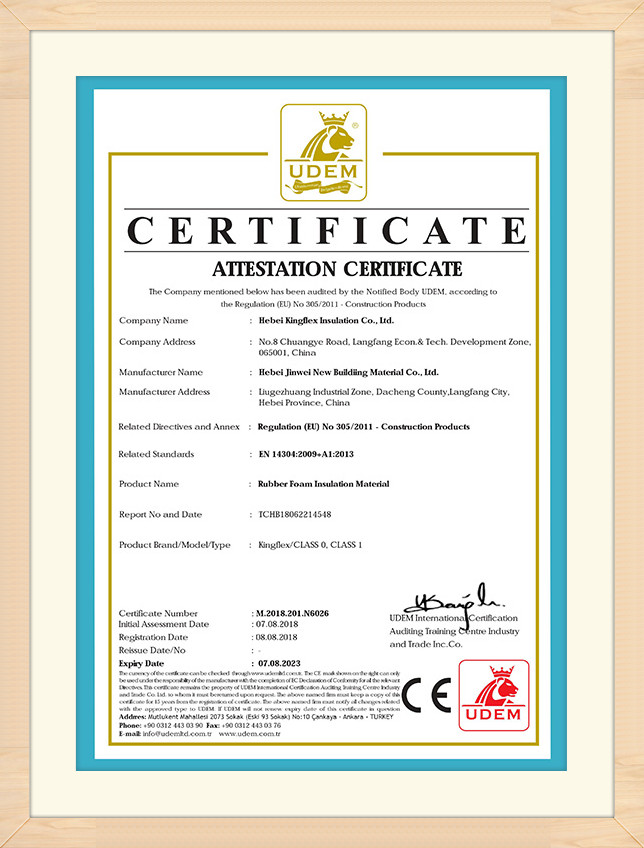
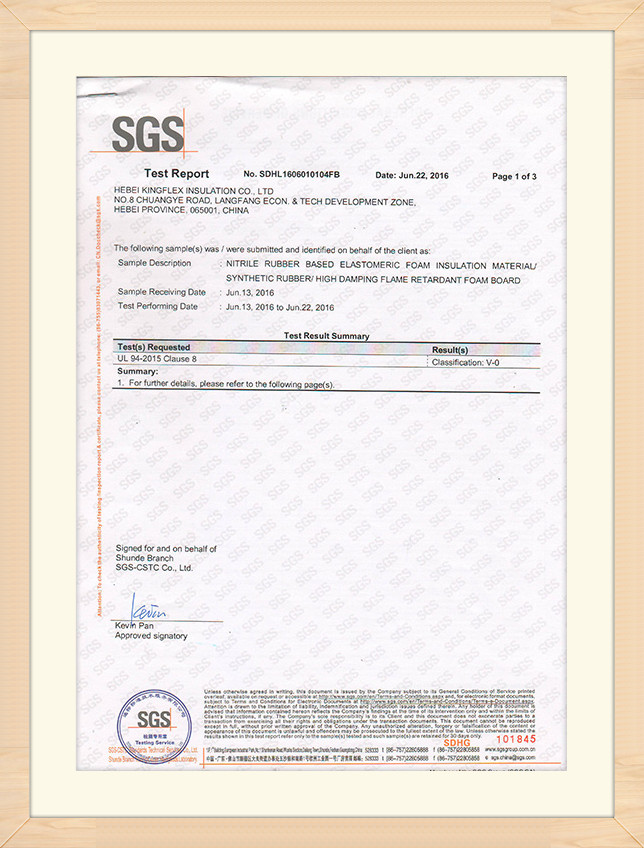
Kingflex products are certified to comply with BS 476, CE, REACH, RoHS, UL94, and ASTM standards.
Over the past 16 years, Kingflex has exported high-performance insulation systems to more than 66 countries. Real-world feedback confirms the longevity, physical durability, and ease of installation of our products.

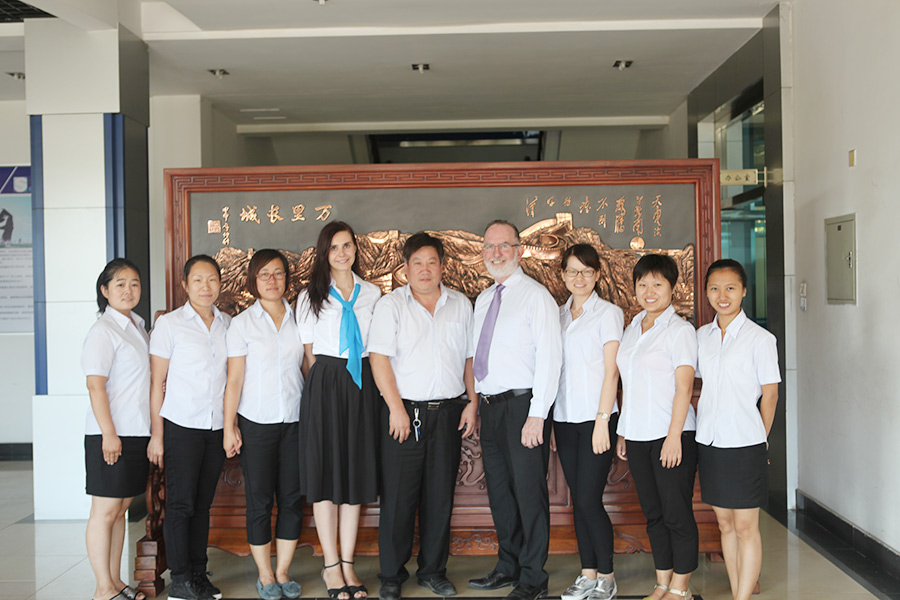
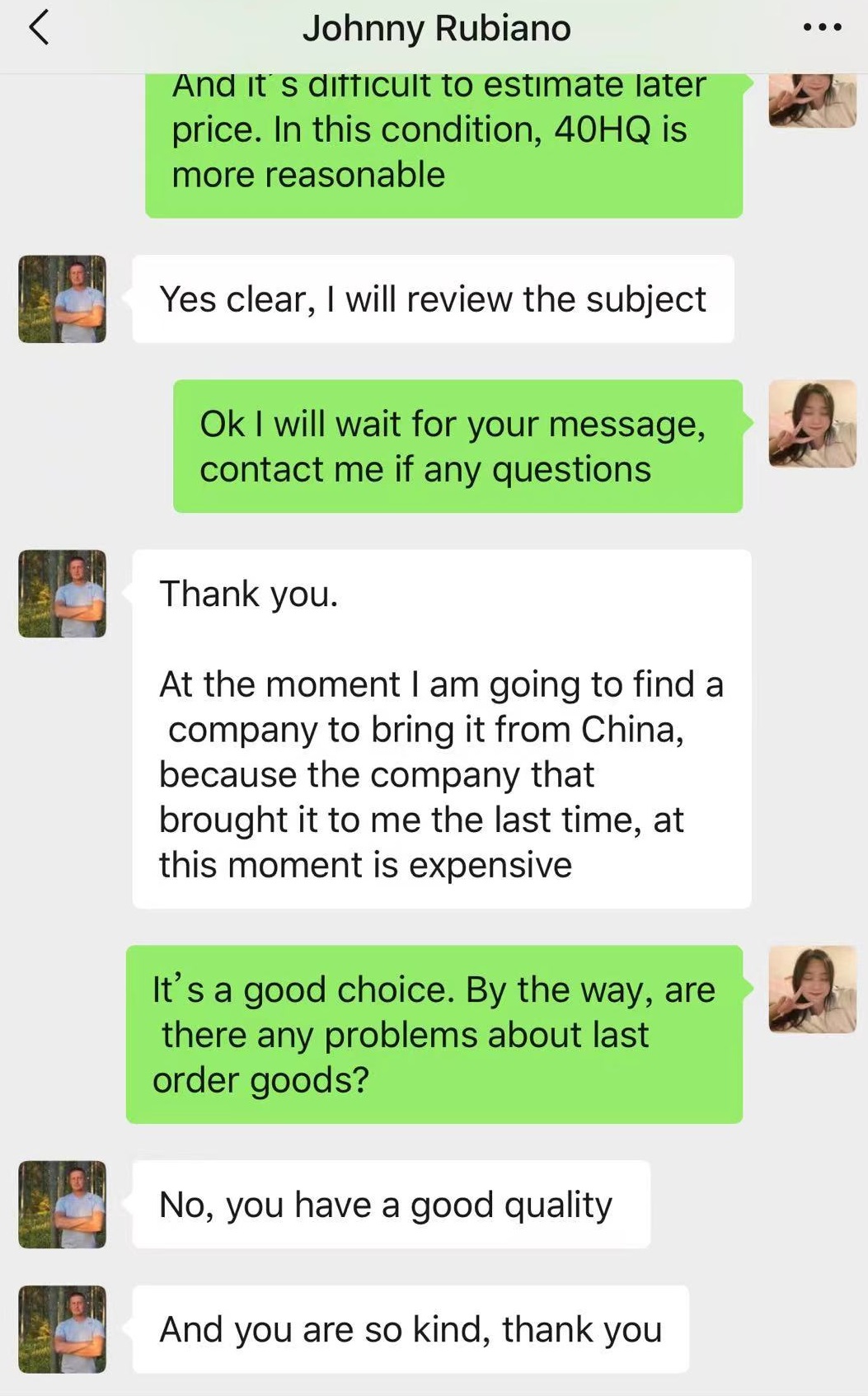




Client Verification Statement: Our global clients verify that Kingflex maintains a strict tracking index for every production run, delivering consistent density and fire-resistance ratings. Our digital chat screenshots document our commitment to transparency, technical alignment, and prompt shipping schedules.
Explore our visual history of manufacturing excellence, showing automated production runs, shipping operations, raw material storage, and finished stock ready for delivery to domestic and global ports.
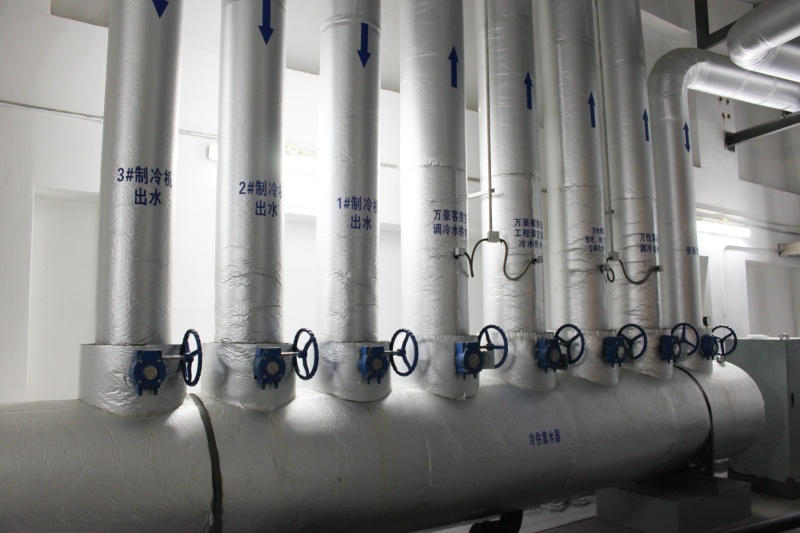
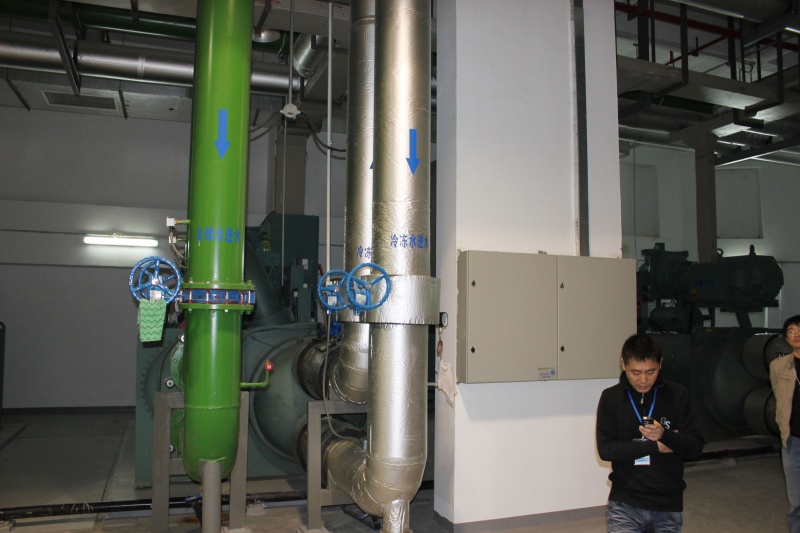
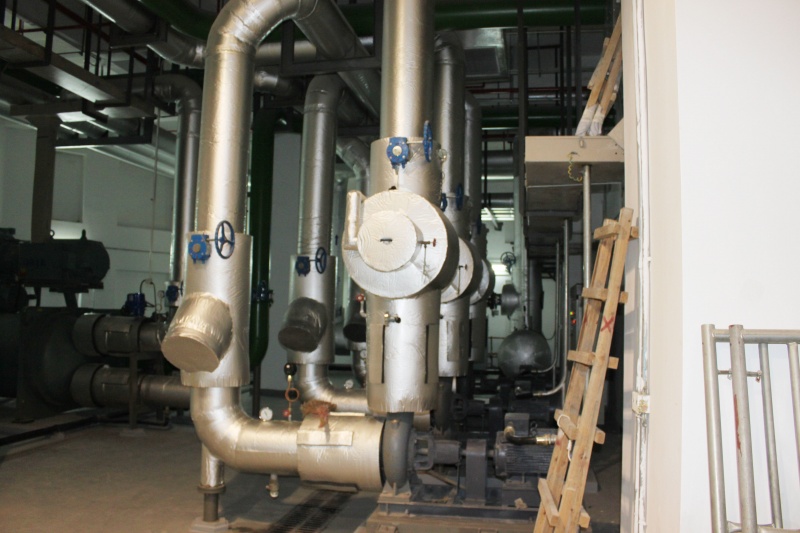
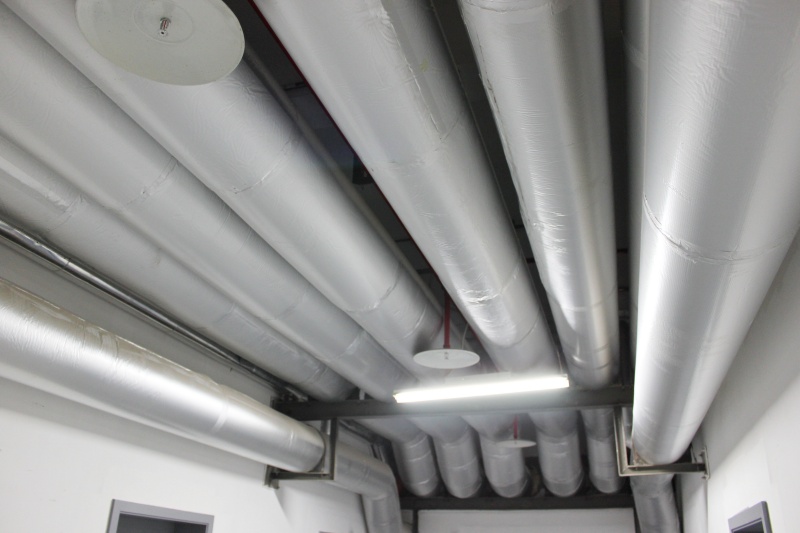

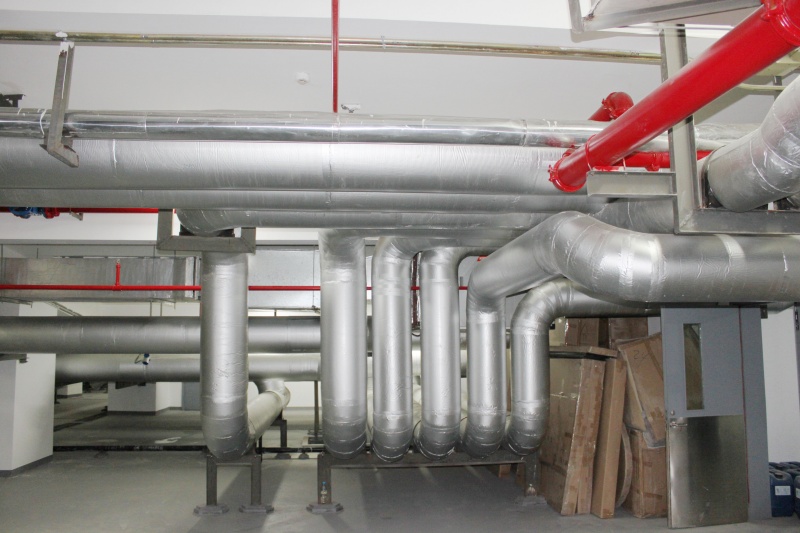

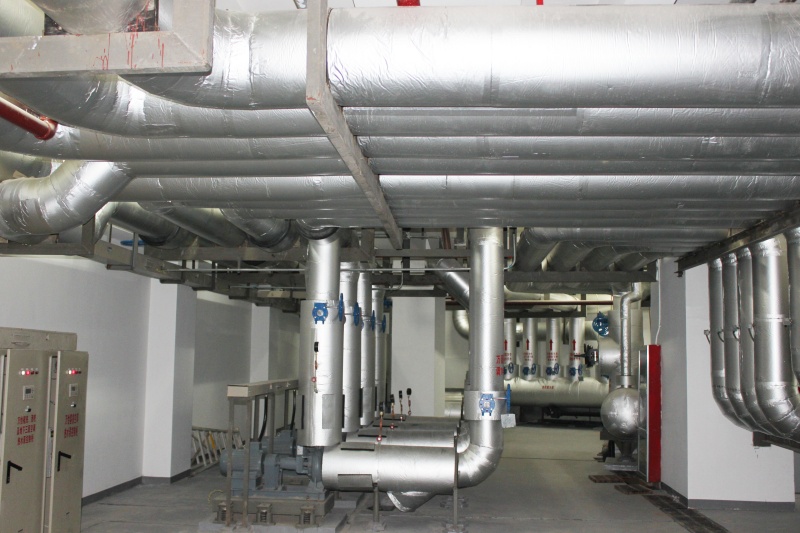
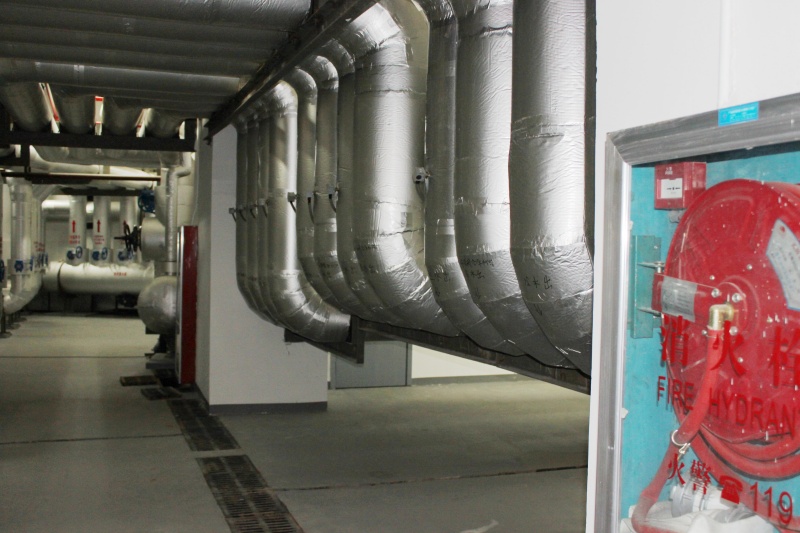
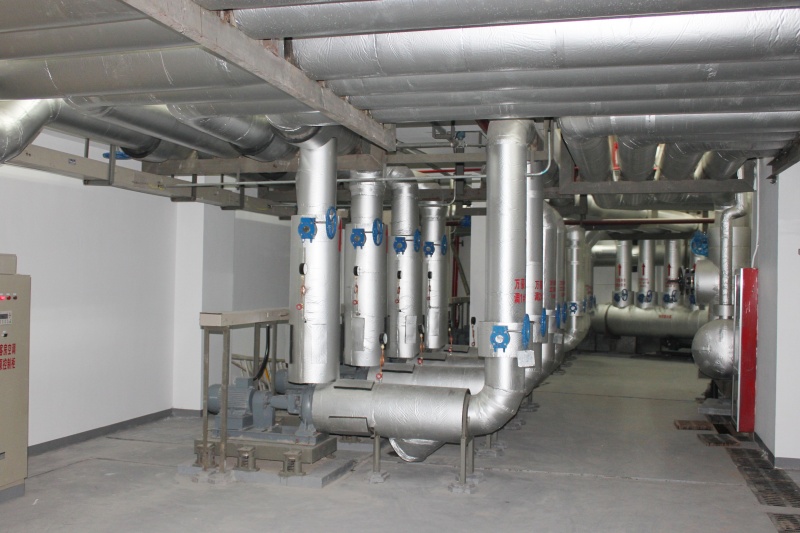
Below is our verified collection of logistics and batch processing records, illustrating the packaging standards we apply to prevent damage during containerized sea transit.




 Kingflex