Explore our foundational range of certified fiberglass wool and elastomeric rubber foam solutions designed for global infrastructure projects.
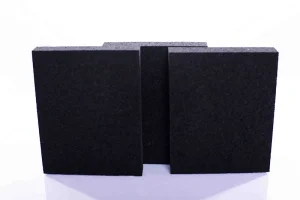
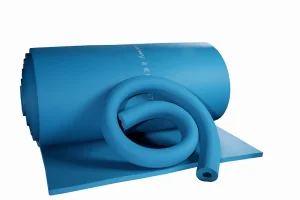
Established under the aegis of the renowned Jinwei Group (founded in 1979 as the pioneering manufacturer of thermal insulation materials north of the Yangtze River), Kingflex Insulation Co., Ltd. has evolved into a global powerhouse. Operating from Dacheng, China—the recognized capital of green-building materials—we are a fully integrated research, development, production, and trading conglomerate.
At our core, we target structural energy efficiency and system safety. By providing bespoke consulting, pioneering laboratory engineering, streamlined factory runs, and global logistics, Kingflex designs integrated systems that satisfy modern green architectural and complex industrial requirements.
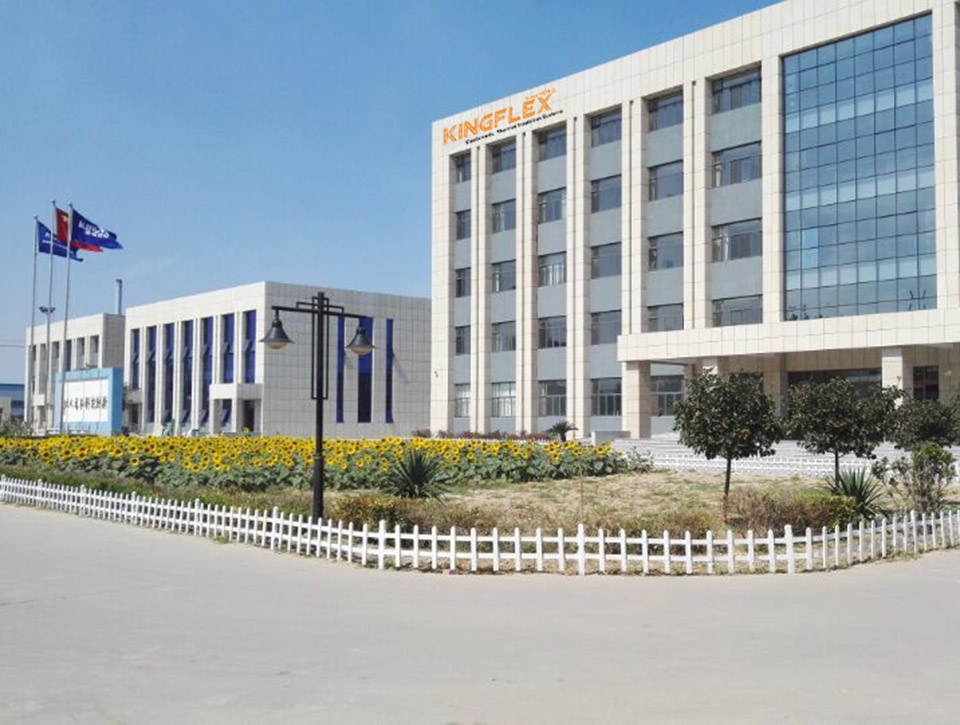
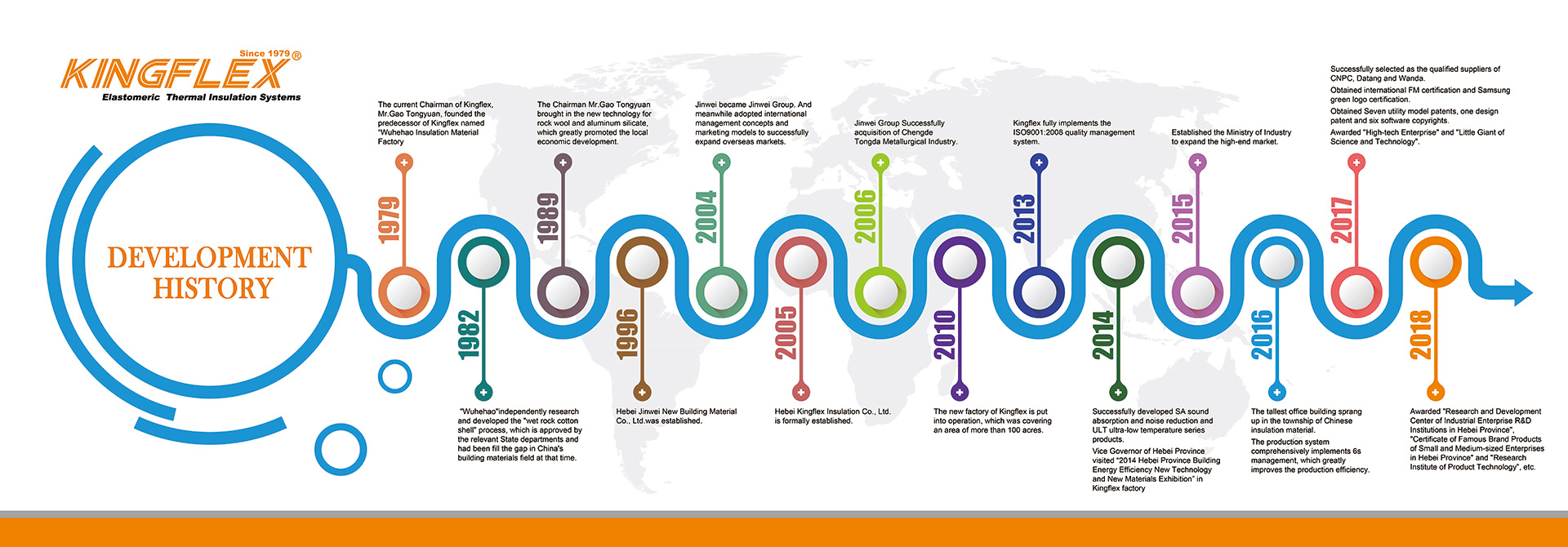
Founded on a legacy that dates back to 1979, our industrial practices inherit four decades of thermodynamic breakthroughs, establishing our authority in the global HVAC and mechanical insulation sectors.
Our dedicated engineering cohort includes 8 professional R&D material scientists, 6 international logistics coordinators, and over 230 highly trained operators maintaining rigorous production standards.
We are a designated production enterprise certified by the Ministry of Energy, the Ministry of Electric Power, and the Ministry of Chemical Industry, serving structural projects globally.
Understanding heat transfer mechanics, moisture barrier properties, and fire-safety dynamics to select the optimal material for structural environments.
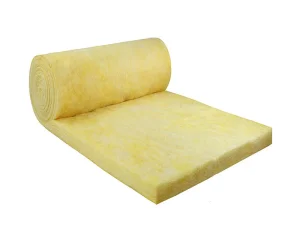
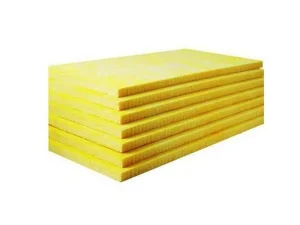
Thermal insulation materials function by interrupting the three paths of heat transfer: conduction, convection, and radiation. Glass Wool and Elastomeric Rubber Foam handle these processes using distinct physical geometries:
| Performance Metrics | Kingflex Glass Wool Insulation | Kingflex Elastomeric NBR/PVC Foam | Typical Industrial Rock Wool |
|---|---|---|---|
| Primary Material Base | Inorganic Silicate / Recycled Glass Cullet | Nitrile Butadiene Rubber & Polyvinyl Chloride | Basalt Rock and Slag |
| Thermal Conductivity ($\lambda$ at 20°C) | $0.034 - 0.042 \text{ W/(m}\cdot\text{K)}$ | $0.032 - 0.035 \text{ W/(m}\cdot\text{K)}$ | $0.038 - 0.045 \text{ W/(m}\cdot\text{K)}$ |
| Service Temperature Limit | -120°C up to +400°C | -40°C up to +105°C (Up to -200°C for Cryogenic Systems) | -250°C up to +850°C |
| Water Vapor Permeability | Porous (Requires external vapor barrier jacket) | Closed-Cell Matrix ($\mu \ge 10,000$, self-contained barrier) | Porous (Hydrophobic additives available) |
| Fire Classification | Class A1 / Class 0 (BS 476 Part 4/6/7) | Class V-0 (UL94), Class 0 / Class 1 (BS 476 Part 6/7) | Class A1 Non-combustible |
| Acoustic Damping (NRC) | $0.80 - 1.00$ (Exceptional structural absorption) | $0.40 - 0.65$ (Medium frequency damping & anti-vibration) | $0.85 - 1.05$ (Excellent sound transmission blocking) |
Our five automatic assembly lines produce over 600,000 cubic meters of high-performance thermal insulation annually.

Our automated production lines employ precise temperature controls to produce rubber foam sheets and tubes with a uniform closed-cell structure, ensuring consistent thermal and structural properties.
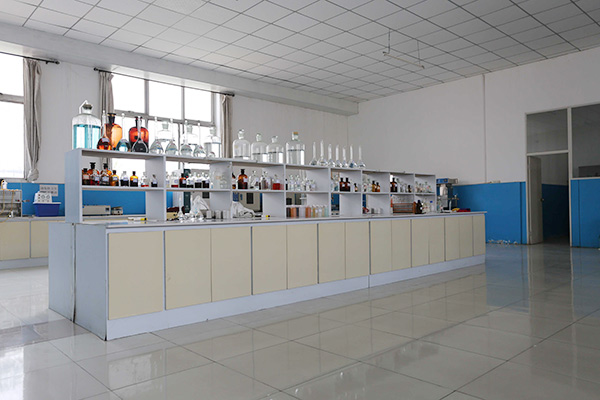
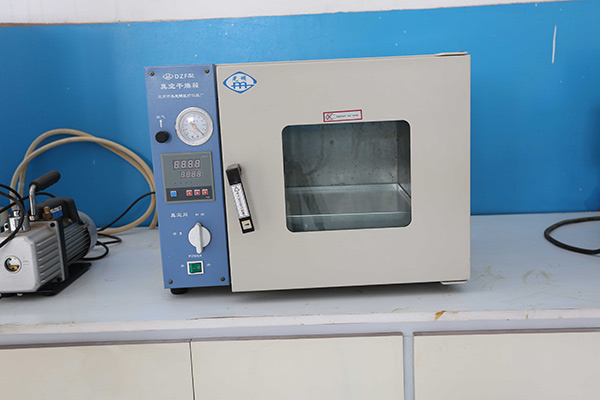
We test every production batch using thermal conductivity analyzers, smoke density chambers, and compression testing rigs to verify compliance with global safety and performance standards.
Located in the Dacheng green-building materials cluster, we maintain direct partnerships with raw material suppliers to ensure production continuity and stable product pricing.
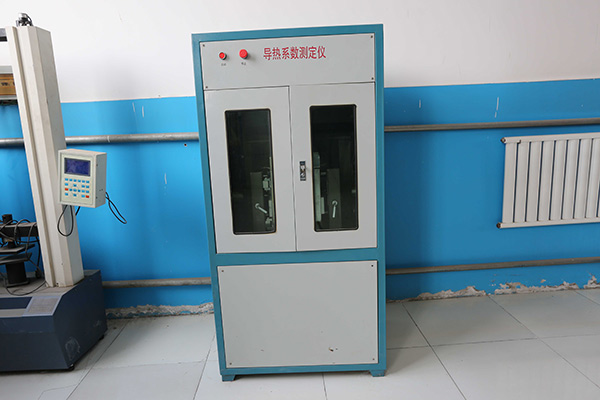
Our modern laboratory is staffed by 8 material science engineers focused on thermal insulation development. Key research areas include:
Technical data for engineering designs, HVAC project submittals, and mechanical insulation systems.
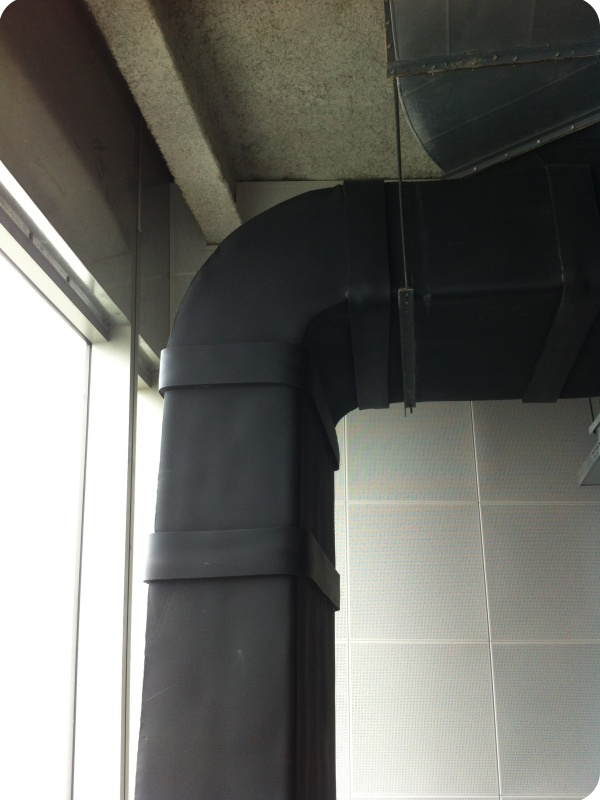

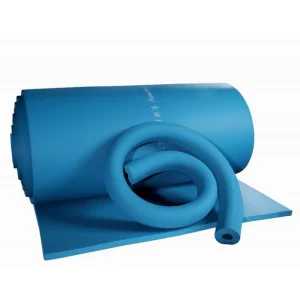
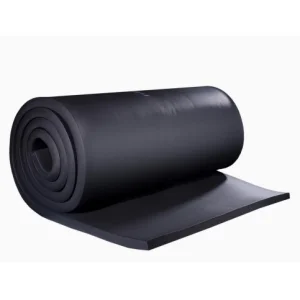
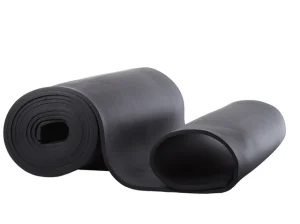
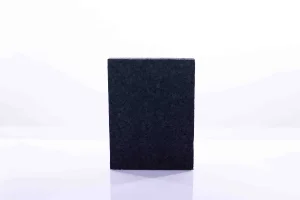
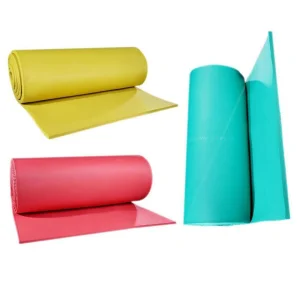
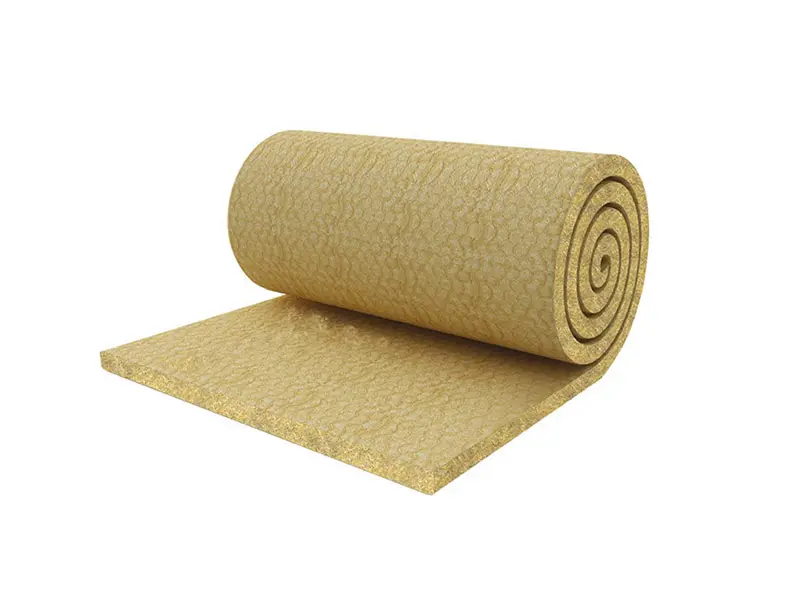
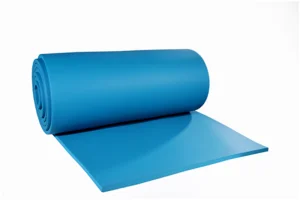
Kingflex elastomeric sheet rolls are formulated for large-diameter pipelines, rectangular air ducts, tanks, and structural vessels.
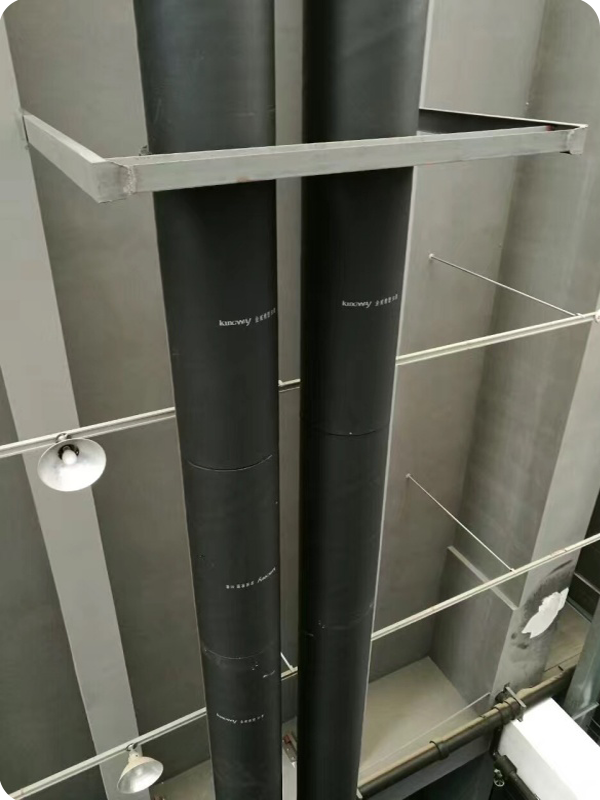
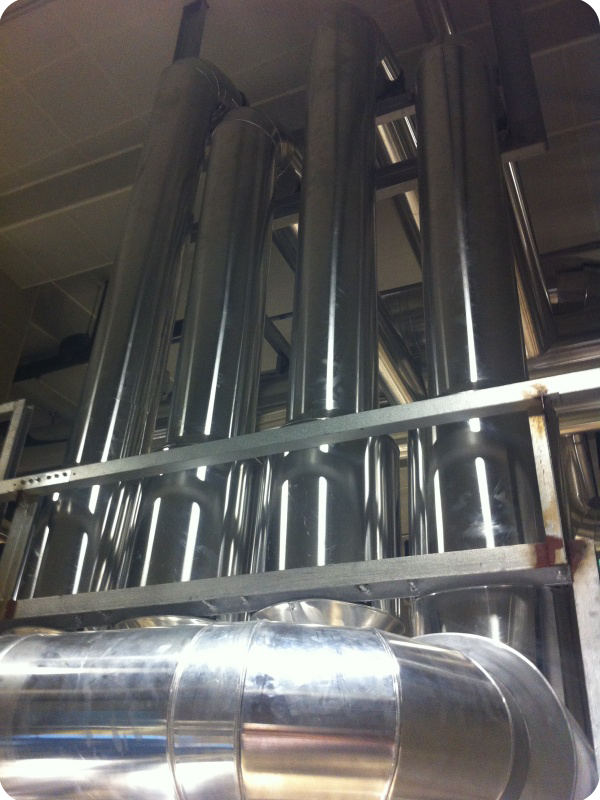
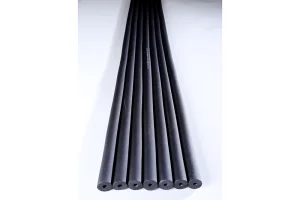
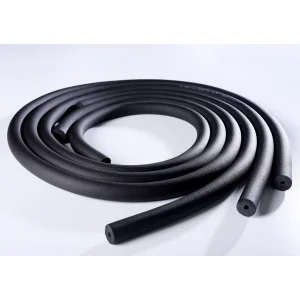
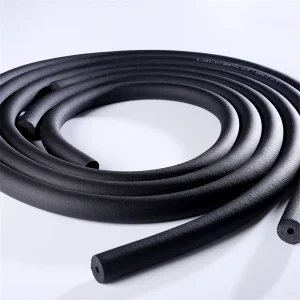
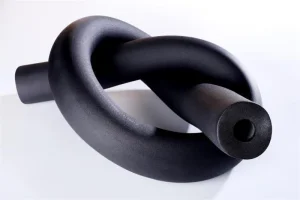
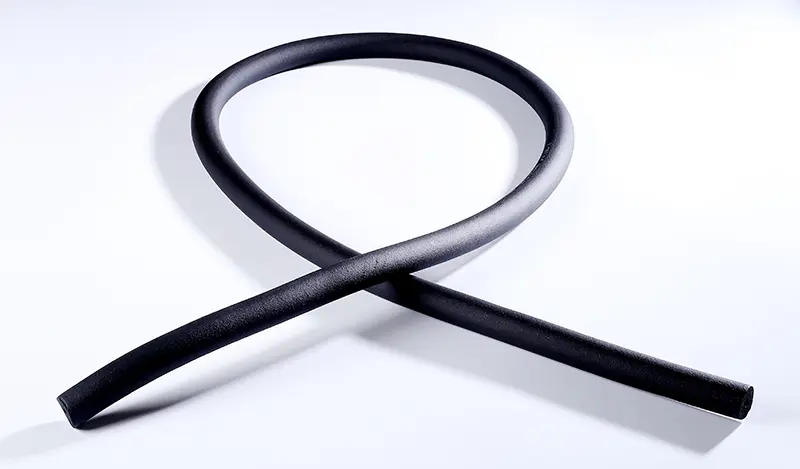
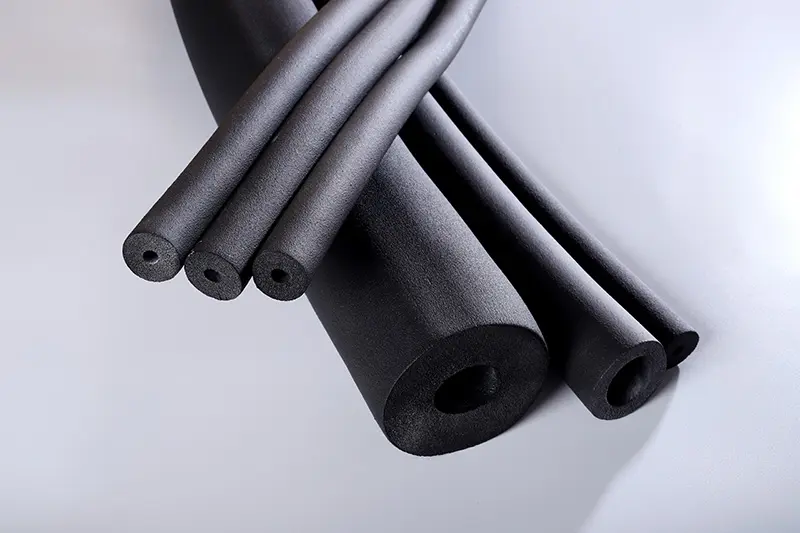
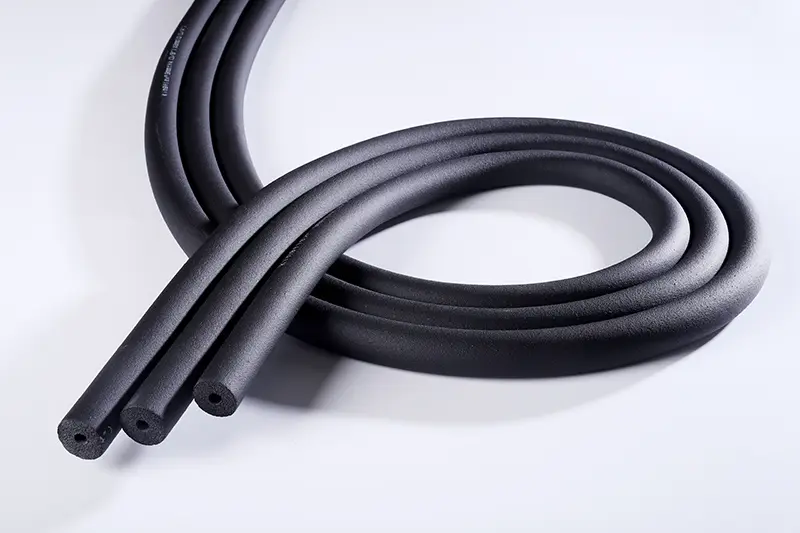
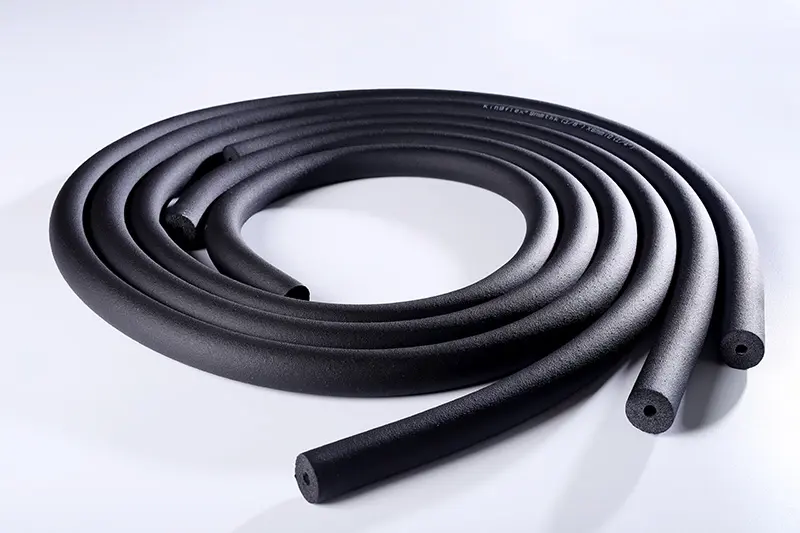
Pre-extruded elastomeric tubes designed to fit over copper, carbon steel, and stainless steel piping to control condensation and reduce heat loss.
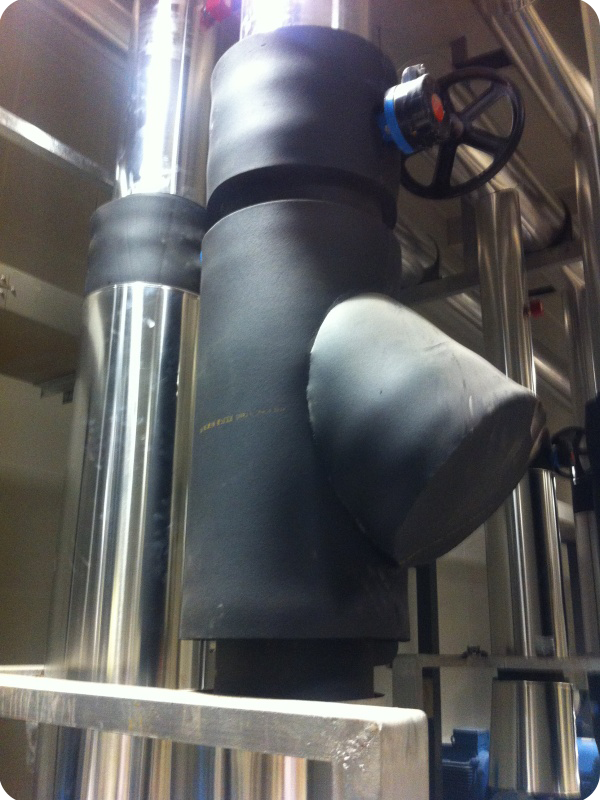
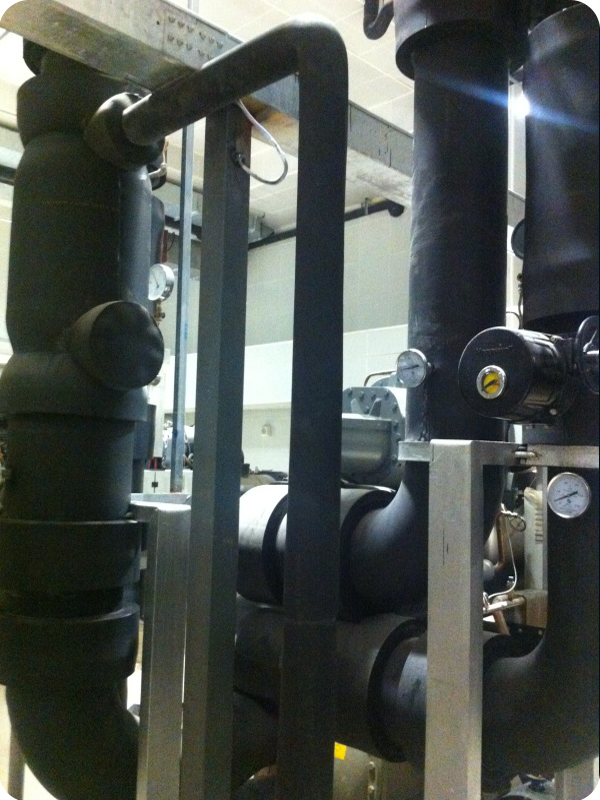

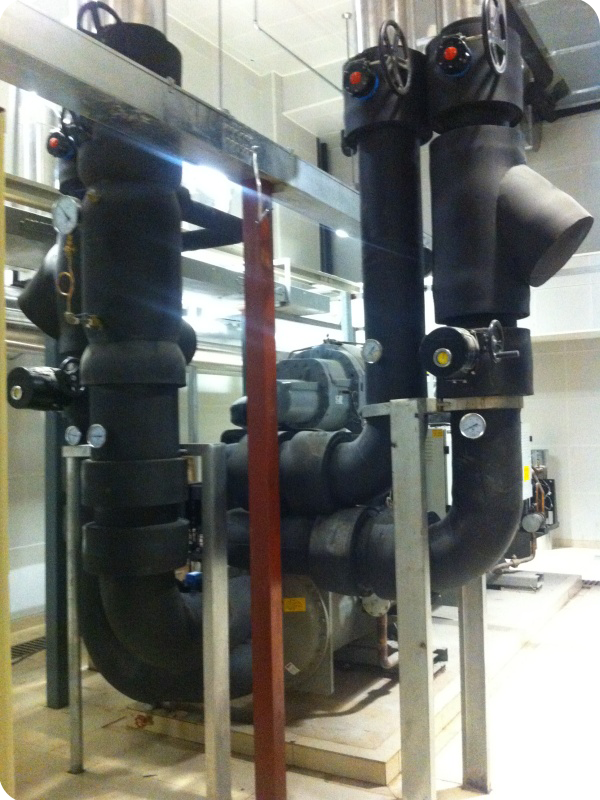
How Kingflex insulation systems contribute to safety and performance across architectural and heavy industrial sectors.
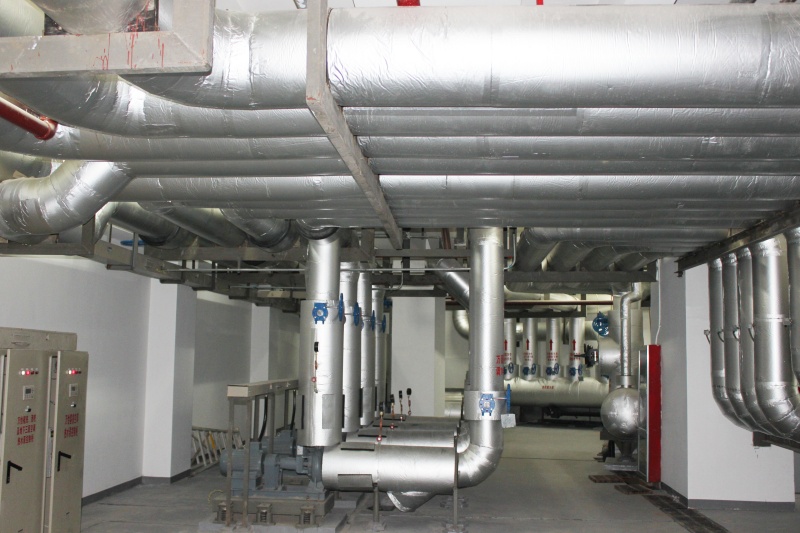
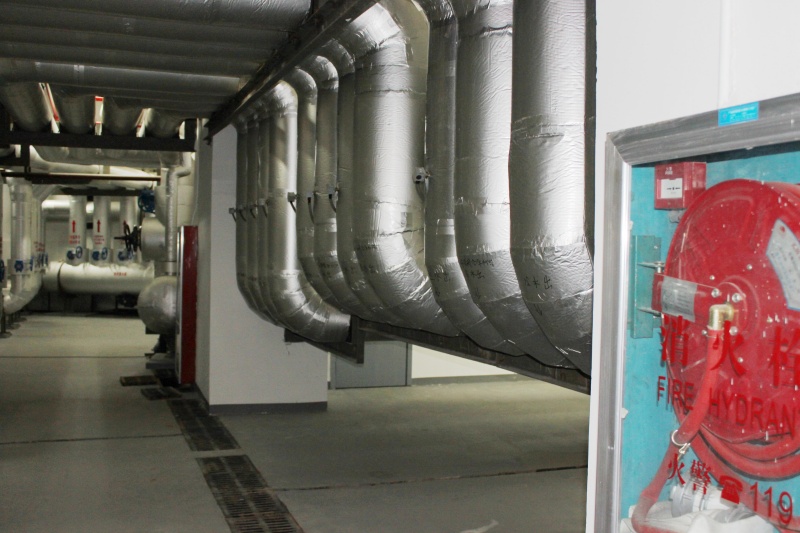
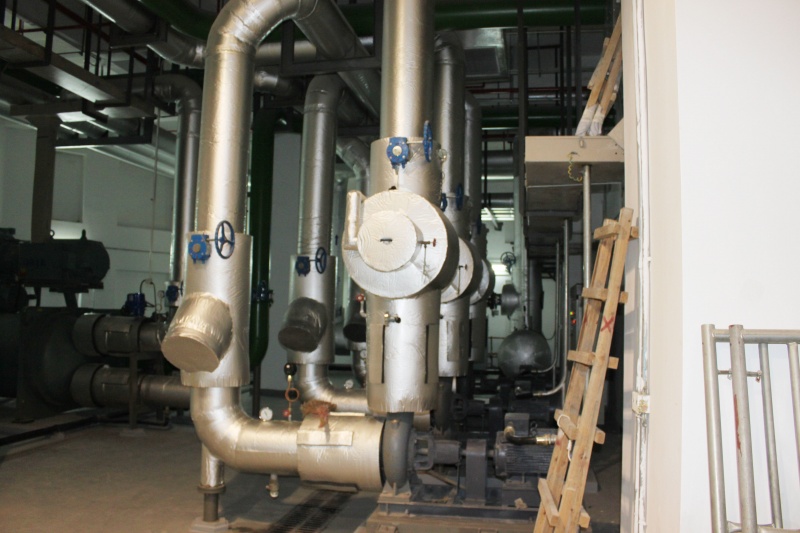
Challenge: Large commercial developments suffer from energy loss and duct condensation, which can lead to mold growth and compromise indoor air quality.
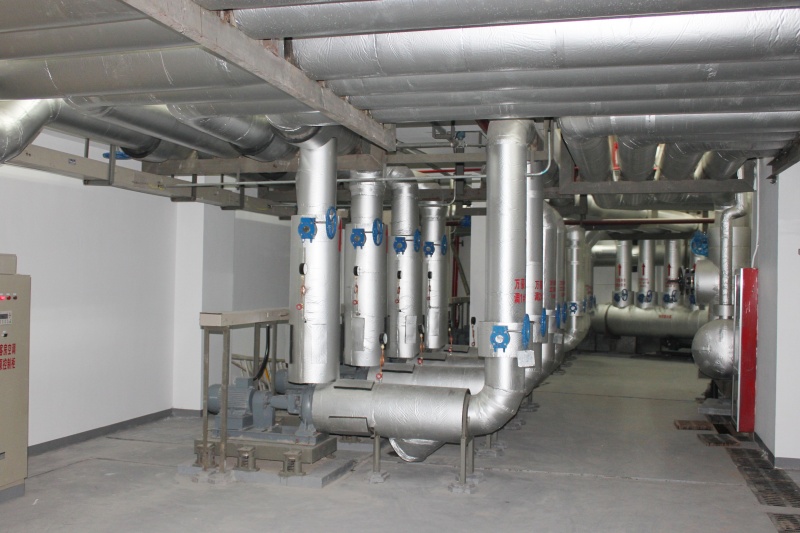
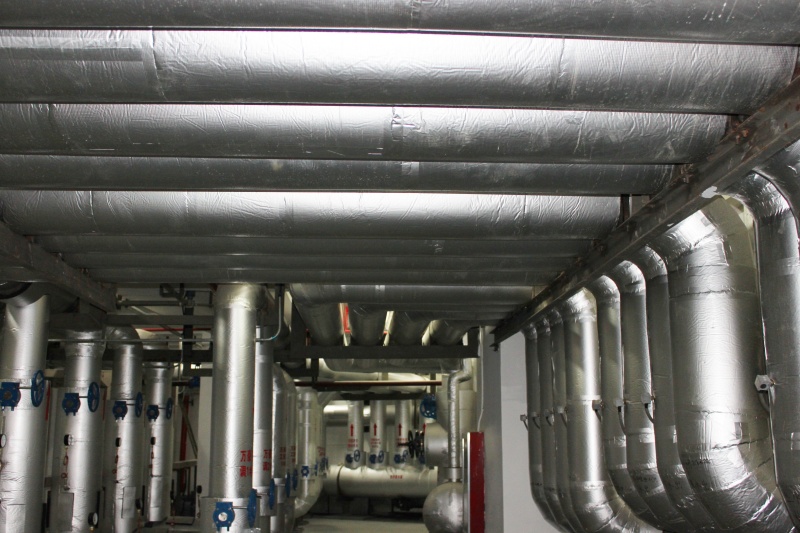
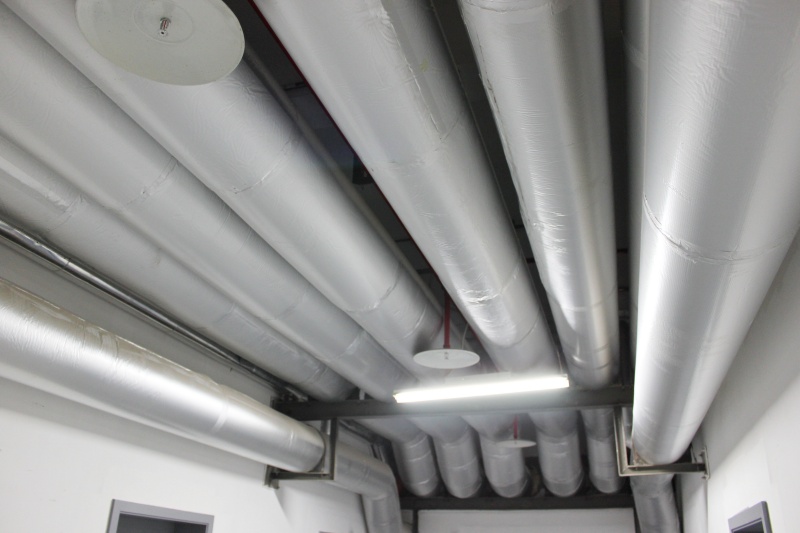
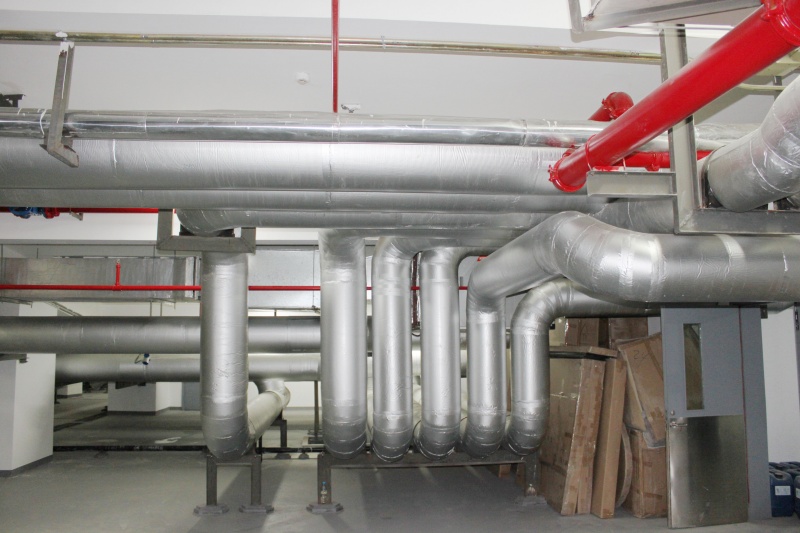
Solution: Kingflex NBR/PVC closed-cell sheets and pipes prevent condensation on chilled water pipes and air ducts, maintaining thermal performance and protecting indoor air quality.
Challenge: Ultra-low temperature pipelines (-160°C to -200°C) are prone to severe pipe corrosion under insulation (CUI) and heat ingress.
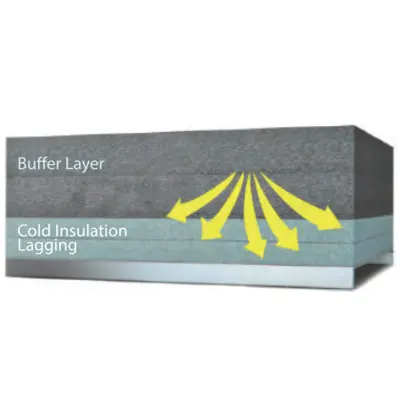
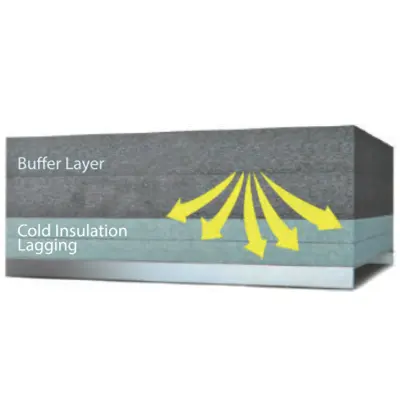
Solution: Kingflex flexible cryogenic elastomeric insulation systems provide multi-layered, vapor-tight insulation that prevents moisture ingress and thermal bridge failures.
Challenge: Multi-story hotels, medical facilities, and commercial centers require Class-A fire protection and mechanical noise control.
Solution: Kingflex glass wool blankets combined with acoustic rubber foam sheets provide a dual-barrier system for fire safety and mechanical sound insulation.
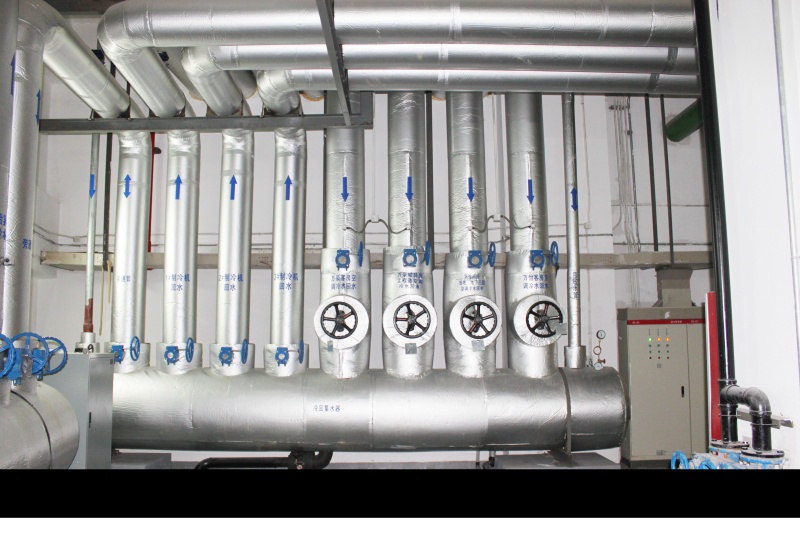
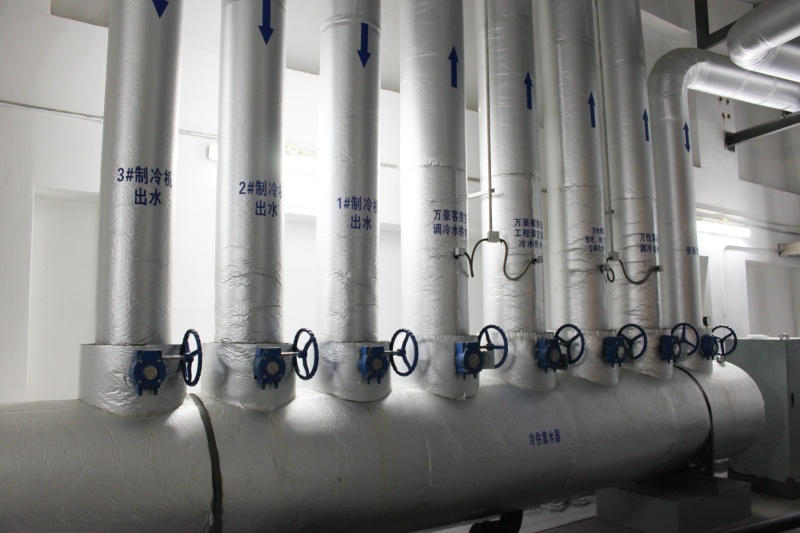
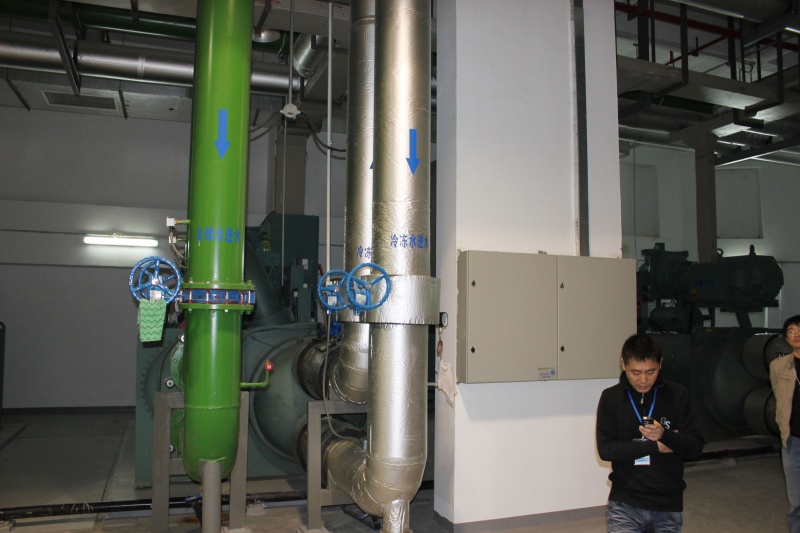
Understanding cost structures, procurement logistics, and specification requirements for large-volume industrial purchases.
For industrial buyers, procurement cost is a key factor. Material pricing is influenced by several technical variables:
As a combined manufacturing and trading business, we help buyers optimize project costs through:


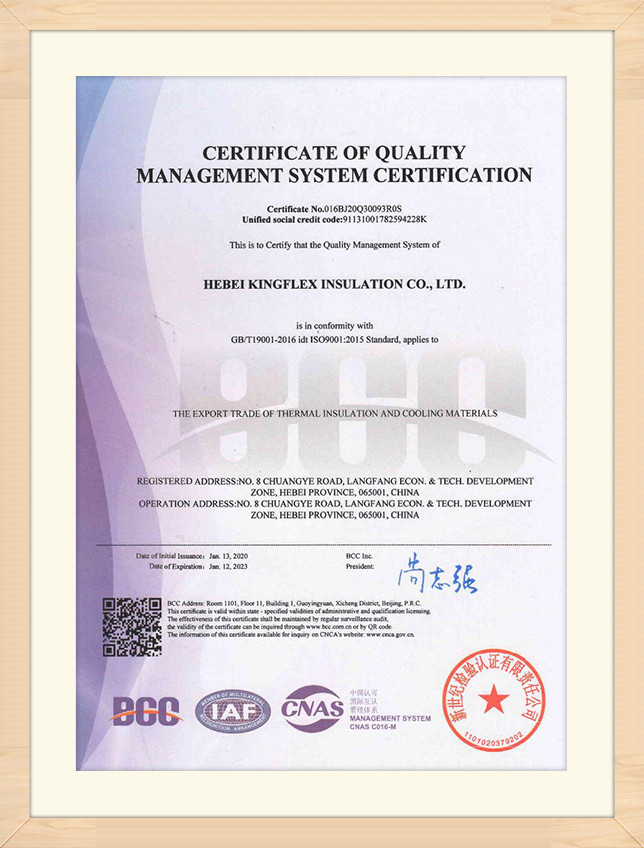
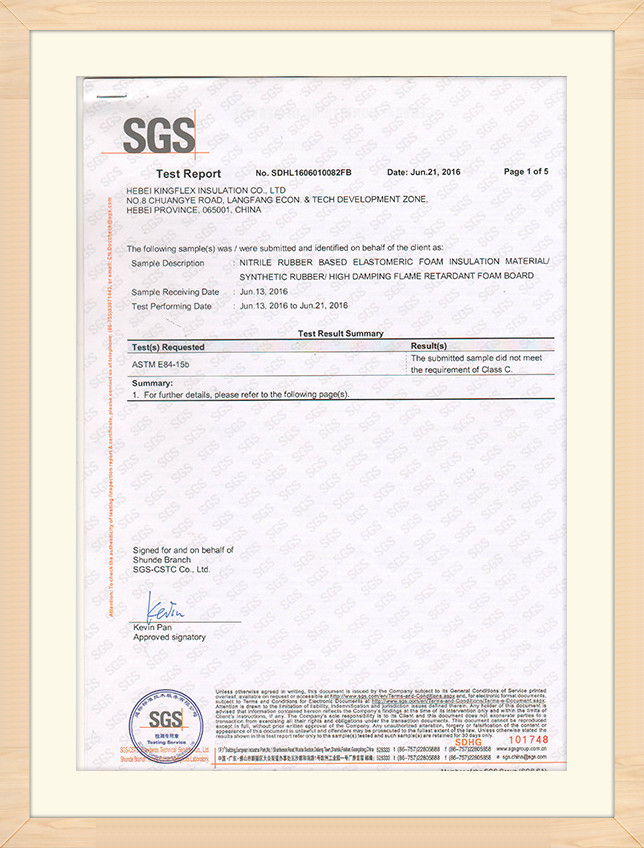
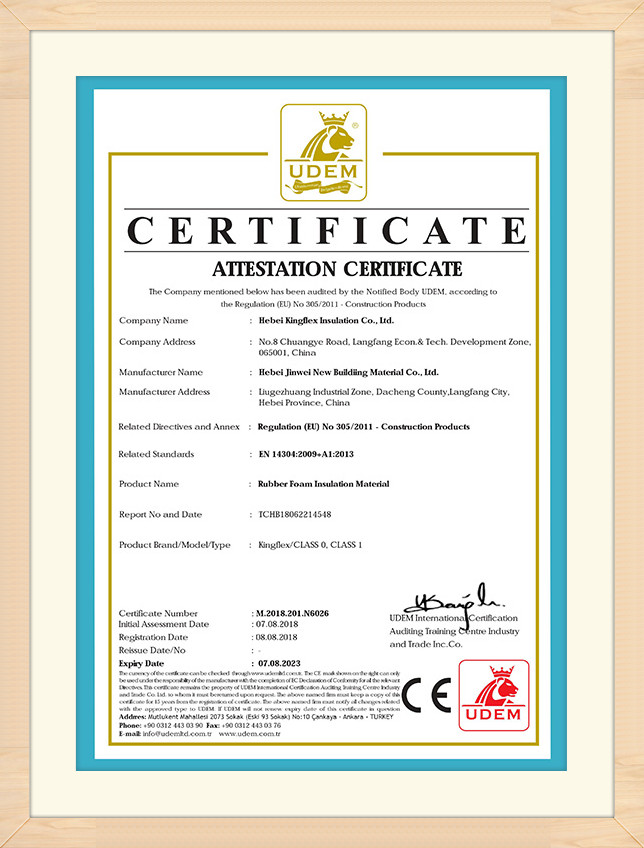
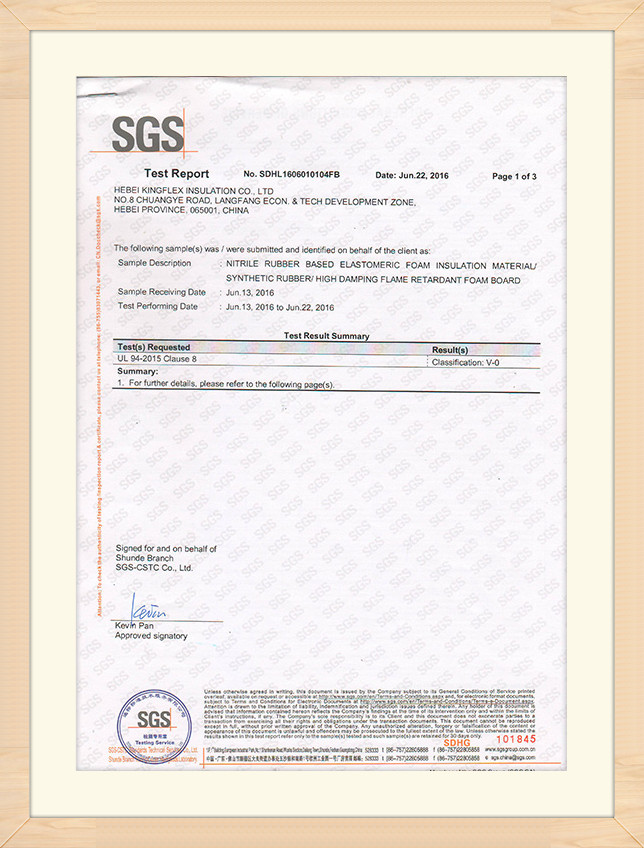
Kingflex insulation products are certified to meet performance standards in all target markets.
Our quality management system is audited under ISO 9001, and our products carry certifications to meet international building and industrial codes:
Developing eco-friendly binder systems and advanced composite materials to support low-carbon construction.
We are transitioning our glass wool lines to bio-based binders that eliminate added phenol-formaldehyde, reducing emissions during manufacturing and installation.
We are testing silica aerogel coatings on elastomeric foams to reduce thermal conductivity below $0.028 \text{ W/(m}\cdot\text{K)}$, allowing for thinner profiles in space-constrained applications.
Our goal is to reach an average of 65% post-consumer recycled glass cullet in our glass wool formulations by 2026, lowering carbon footprint and energy use.
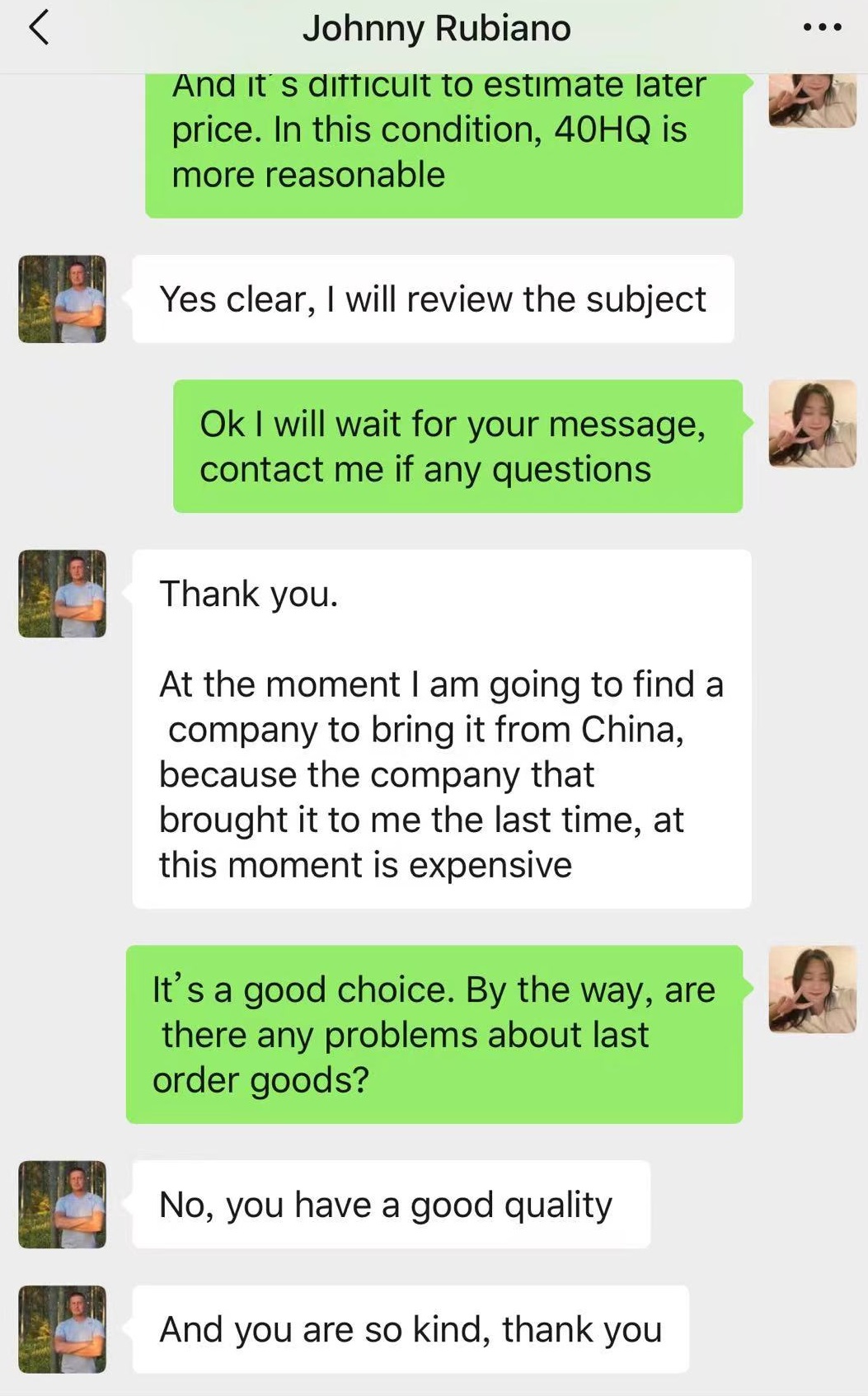
Our export team provides technical and logistics support to clients in over 66 countries. We maintain open communication channels to coordinate order processing, custom packaging, and shipping schedules.

Get answers to common technical, logistics, and procurement questions regarding Kingflex insulation products.
Elastomeric NBR/PVC rubber foam is used on HVAC ductwork, commercial air conditioning refrigerant lines, chilled water piping, and low-temperature industrial lines. Its closed-cell structure blocks moisture vapor, preventing condensation on cold pipes and protecting pipelines from under-insulation corrosion.
Our foam insulation is designed to meet international fire codes. It achieves Class 0 / Class 1 fire resistance ratings under BS 476 Parts 6 & 7, and complies with UL 94 V-0 standards. In contact with flame, the material is self-extinguishing and will not drop burning particles.
Closed-cell rubber foam is flexible and resistant to water vapor, making it suitable for cold systems like chilled water and HVAC. Rock wool is a porous, high-density mineral fiber that can withstand temperatures up to 850°C, making it suitable for high-pressure steam pipes, industrial furnaces, and applications requiring high fire resistance.
Yes. We offer customization through our R&D team. We can customize density, wall thickness, inner diameter, colored outer skins, and add self-adhesive backings or protective foils to meet project-specific requirements.
Our products are certified to international standards including BS 476 Parts 4, 6 & 7, CE, RoHS, REACH, UL 94, and ASTM. We provide certified testing reports and compliance certificates for global project submittals.
Yes. Each production run has a distinct batch code. We track every stage of the manufacturing process from raw material delivery and mixing to extrusion, curing, and warehousing to ensure quality control.
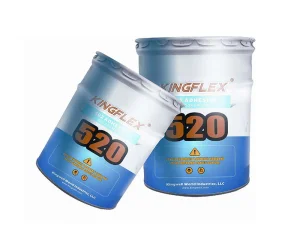
We produce elastomeric rubber foam sheets in thicknesses ranging from 6mm to 50mm. For thicker requirements, we recommend layering sheets with Kingflex 520 adhesive to maintain a vapor-tight seal.
Under recommended operating temperatures (-40°C to +105°C) and with proper installation, our materials have a design service life of 10 to 15 years in typical indoor settings. Outdoor installations require an additional protective UV jacket or weather-resistant coating to prevent degradation.
Fiberglass wool is highly porous and absorbs airborne sound waves, achieving a high Noise Reduction Coefficient (NRC) of up to 1.00. Closed-cell rubber foam is better suited for dampening structure-borne vibration and reducing sound transmission through walls and metal ducts.
Pricing is determined by material density, thickness, fire classification, and order volume. For glass wool, density is the primary cost factor, while for rubber foam, price is influenced by raw elastomer costs and fire-retardant additives.
Select specialized materials, adhesives, and sheet systems to complete your mechanical insulation project.
 Kingflex