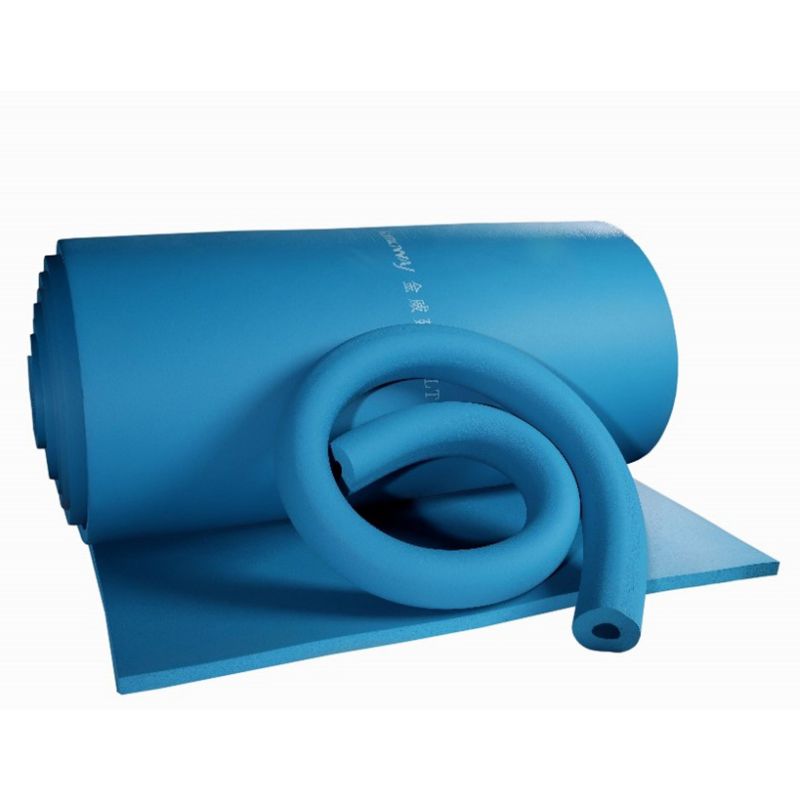
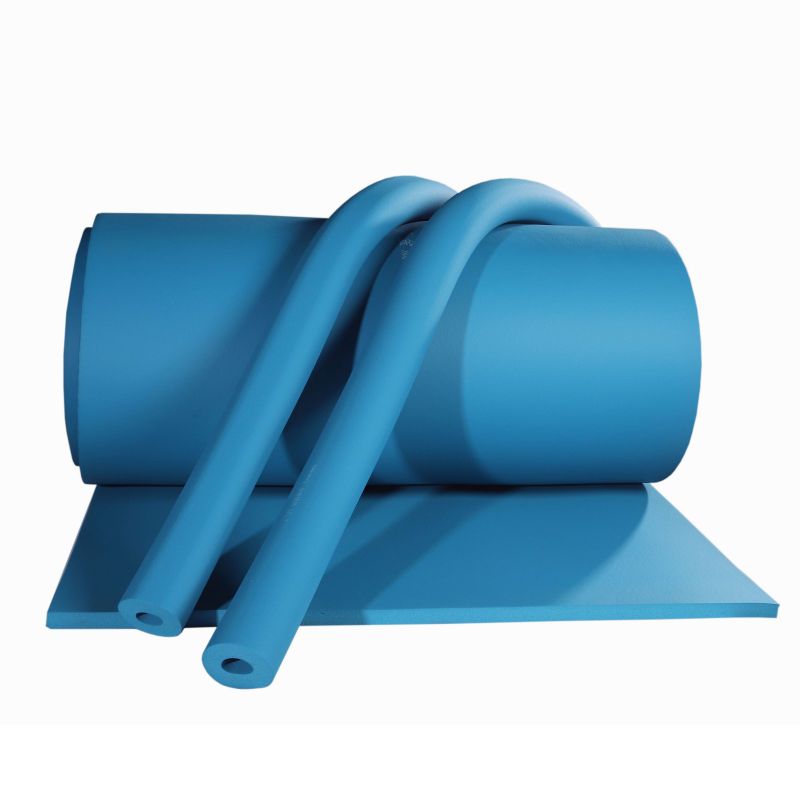
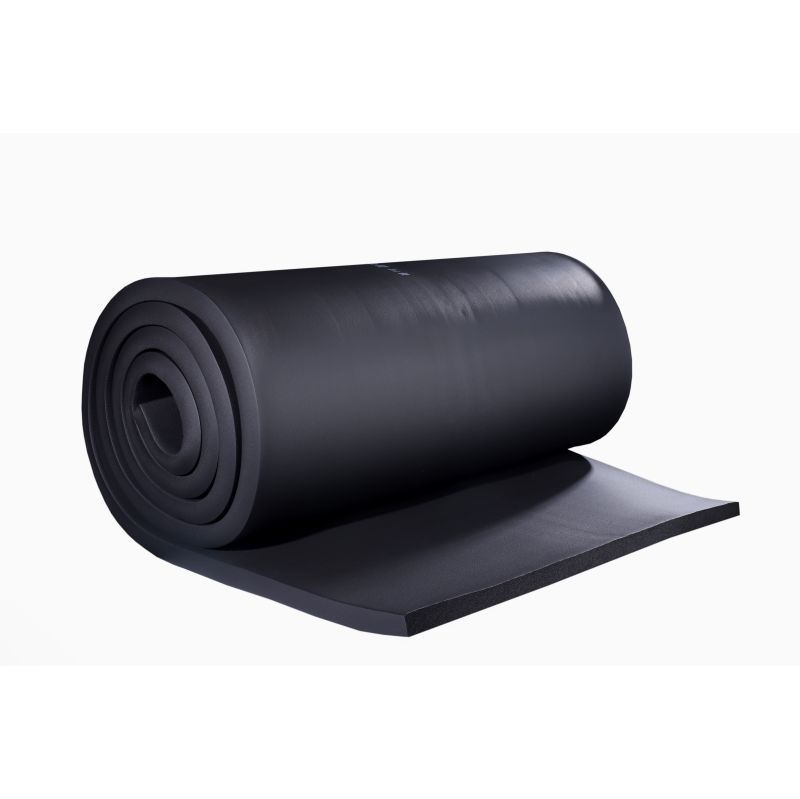
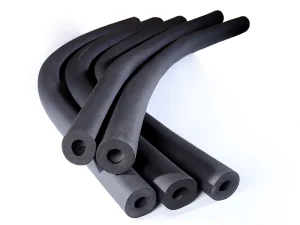
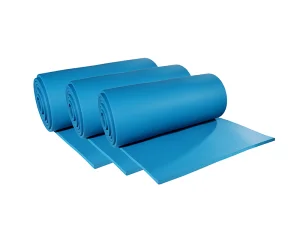
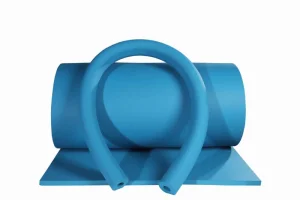
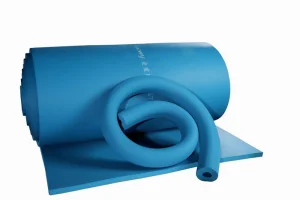
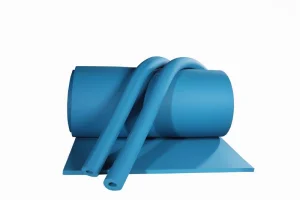
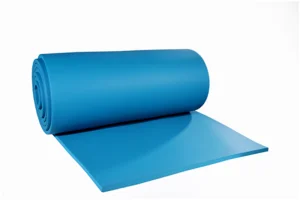
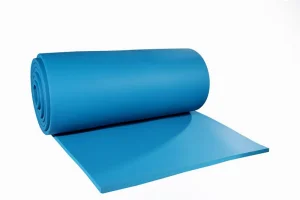
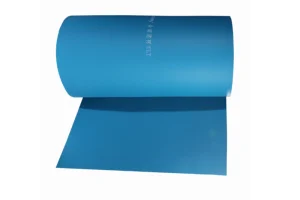
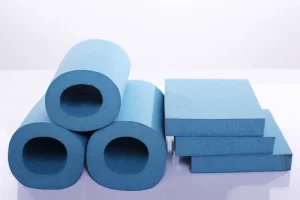
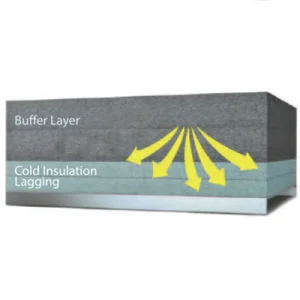
Our flexible ultra-low temperature insulation system does not require a moisture barrier. Thanks to the unique closed cell structure and polymer mix formula, the elastic foam material of nitrile butadiene rubber has a high resistance to water vapor penetration. This foam material provides continuous resistance to moisture penetration throughout the thickness of the product.
| ULT Technical Data |
| Property |
Unit |
Value |
| Temperature range |
°C |
(-200 to +110) |
| Density range |
Kg/m³ |
60-80 Kg/m³ |
| Thermal Conductivity |
W/(m.k) |
≤0.028 (-100°C)
≤0.021 (-165°C) |
| Fungi resistance |
- |
Good |
| Ozone resistance |
- |
Good |
| Resistance to U.V. and weather |
- |
Good |
Growth in the construction industry and many other industrial segments, combined with concerns over rising energy costs and noise pollution, is fueling market demand for thermal insulation. With more than four decades of dedicated experience in manufacturing and applications, this advanced technology stands at the forefront of thermal insulation solutions.
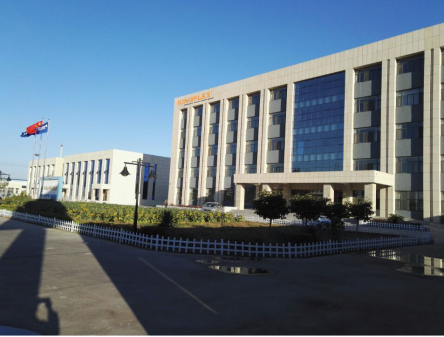
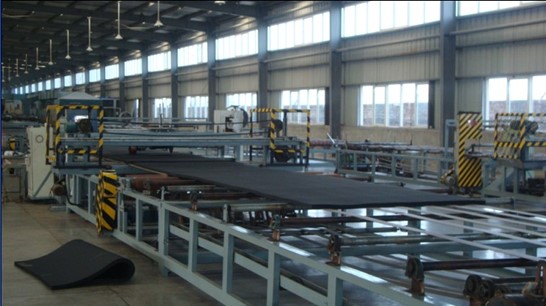
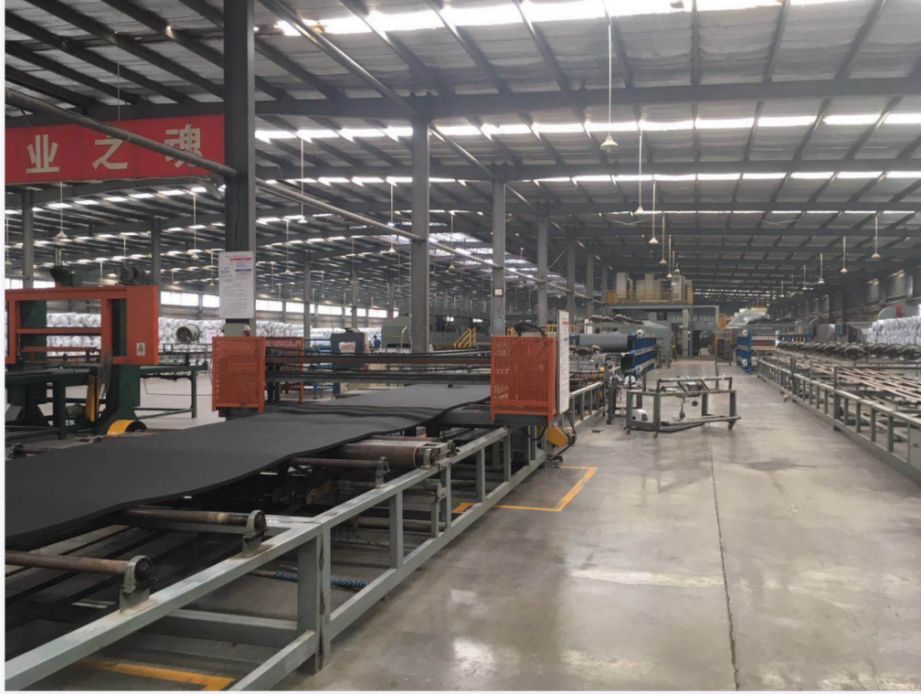
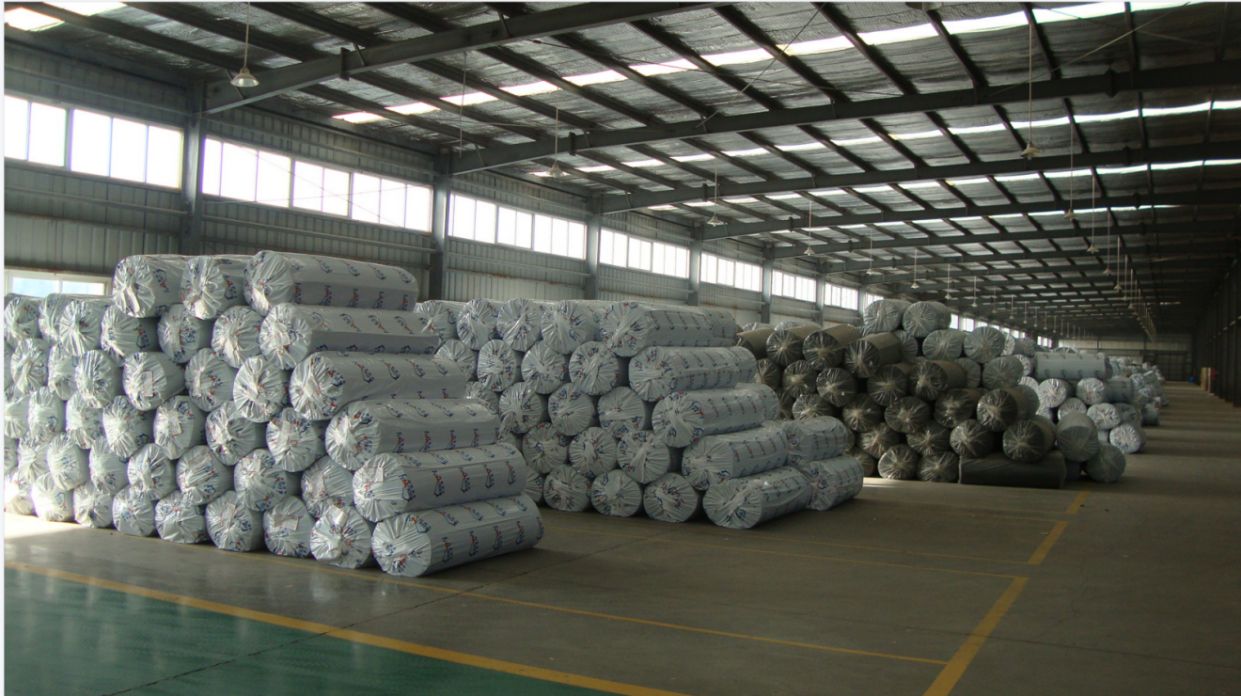
Supported by 5 large automatic assembly lines and more than 600,000 cubic meters of annual production capacity, these thermal insulation materials are manufactured to meet demanding specifications for major energy, electric power, and chemical industry projects.
- No built-in moisture barrier is required
- No built-in expansion joint
- The temperature ranges from -200℃ to +125℃
- It remains elastic at extremely low temperatures
- Coal chemical MOT
- Low temperature storage tank
- FPSO floating production storage oil unloading device
- Industrial gas and agricultural chemical production plants
- Platform pipe, Gas station, and Ethylene pipe
- LNG and Nitrogen plants
Frequently Asked Questions
Why does this insulation system not require a moisture barrier?
Due to its unique closed-cell structure and specialized polymer mix formula, the elastomeric foam material provides high resistance to water vapor penetration throughout the entire thickness of the product, rendering an additional moisture barrier unnecessary.
What is the operating temperature range for this insulation system?
The system functions reliably under extreme conditions, with an effective operating temperature range spanning from -200℃ to +125℃.
Does this insulation material remain flexible in ultra-low temperatures?
Yes. The nitrile butadiene rubber foam material is engineered to retain its elasticity even at cryogenic temperatures, eliminating the need for built-in expansion joints.
What is the thermal conductivity performance of this system?
The system offers highly efficient thermal resistance, with thermal conductivity measured at ≤0.028 W/(m.k) at -100°C and ≤0.021 W/(m.k) at -165°C.
What are the typical industrial applications for this insulation system?
This system is designed for demanding setups including LNG facilities, nitrogen plants, FPSO units, low-temperature storage tanks, ethylene pipelines, gas stations, and coal chemical MOT installations.
How does the material perform against weathering and fungi?
The material shows excellent durability, offering robust resistance to fungi growth, ozone deterioration, ultraviolet (U.V.) light, and harsh outdoor weather conditions.
 Kingflex