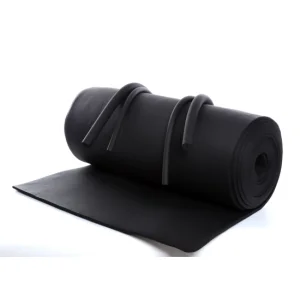
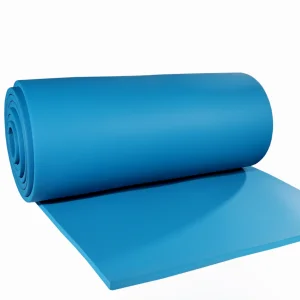
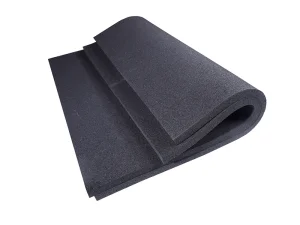
Explore our top-performing closed-cell rubber elastomeric materials designed to prevent condensation and reduce energy loss.
Within modern industrial and civil building designs, fire safety regulations are shifting towards minimizing toxic gas release. Traditional elastomeric insulation materials utilize halogenated flame retardants (chlorine, bromine) to pass strict fire resistance standards. However, in fire scenarios, these compounds decompose to produce high densities of toxic smoke and corrosive acidic gases like hydrogen chloride (HCl).
To eliminate this threat, Halogen-Free Elastomeric Foam (HF-EF) was engineered. It relies on advanced nitrogen-phosphorus and mineral-based synergistic fire retardants. This keeps the material zero-halogen and low-smoke while maintaining a Class 0 fire classification under international testing standards. This makes it an ideal option for closed public facilities, high-tech factories, and critical infrastructure.
Our research and development departments formulate these solutions to comply with worldwide requirements like EU REACH (EC 1907/2006), RoHS (Directive 2011/65/EU), and DIN 1988 Part 7, ensuring zero emissions of toxic heavy metals, PBDEs, and PBBs.
Understand how halogen-free elastomeric foam stacks up against other mainstream insulation products across critical engineering metrics.
| Performance Metrics | Halogen-Free Elastomeric Foam | Standard NBR/PVC Rubber Foam | Rock Wool / Mineral Wool |
|---|---|---|---|
| Halogen Content | 0% (Fully Halogen-Free) | Typically 10% - 20% | 0% (Inorganic) |
| Thermal Conductivity (λ at 0°C) | ≤ 0.035 W/(m·K) | ≤ 0.033 W/(m·K) | ~ 0.040 W/(m·K) |
| Smoke Toxicity (FST) | Extremely Low (Non-corrosive) | High (Contains Acidic Gas) | Zero (Inorganic) |
| Moisture Resistance (μ-factor) | ≥ 10,000 (Closed-cell) | ≥ 10,000 (Closed-cell) | < 5 (Open fibrous structure) |
| Dust & Fiber Emission | Zero (Cleanroom Certified) | Zero | High (Fiber shedding hazard) |
| Temperature Limits | -40°C to +105°C | -40°C to +105°C | Up to +650°C |
Unlike traditional fibrous materials such as rock wool, our elastomeric products are manufactured with a closed-cell morphology exceeding 98%. This structural configuration serves two functions:
Our halogen-free insulation is utilized globally in projects requiring low-toxicity thermal safety.
Used in semiconductor fabs and pharmaceutical cleanrooms where outgassing and particle shedding can damage silicon wafers and contaminate sterile processes.
Complies with strict safety standards for rail transit. Prevents smoke hazards inside underground train tunnels in case of fire emergency.
Protects electrical wiring and process pipes in marine cabins and offshore platforms against moisture and salt-fog degradation, meeting IMO marine safety parameters.
Non-corrosive performance protects servers and structural copper networks from acidic corrosion during hot-running cooling cycles.
Provides critical vapor barrier controls for ultra-low temperature cryogenic systems, stopping ice accumulation on pipe surfaces.
Installed in HVAC air ducts and water supply pipes in hospitals, shopping malls, and hotels to ensure indoor air quality without fiber pollution.
Kingflex Insulation Co., Ltd. leverages vertical manufacturing and localized raw materials to ensure consistent supply and stable pricing.
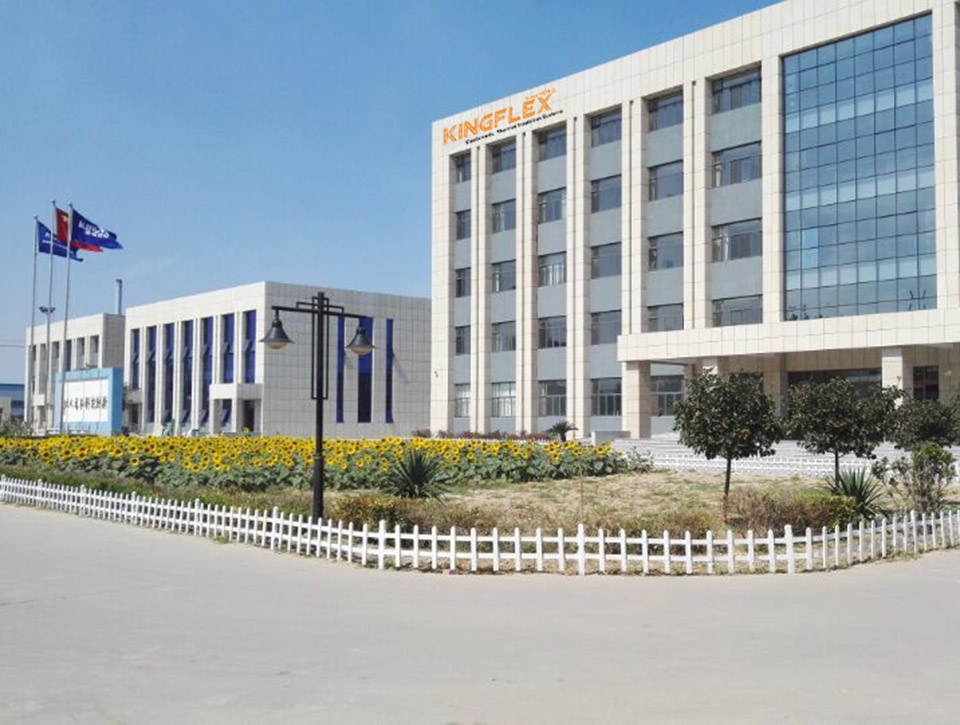
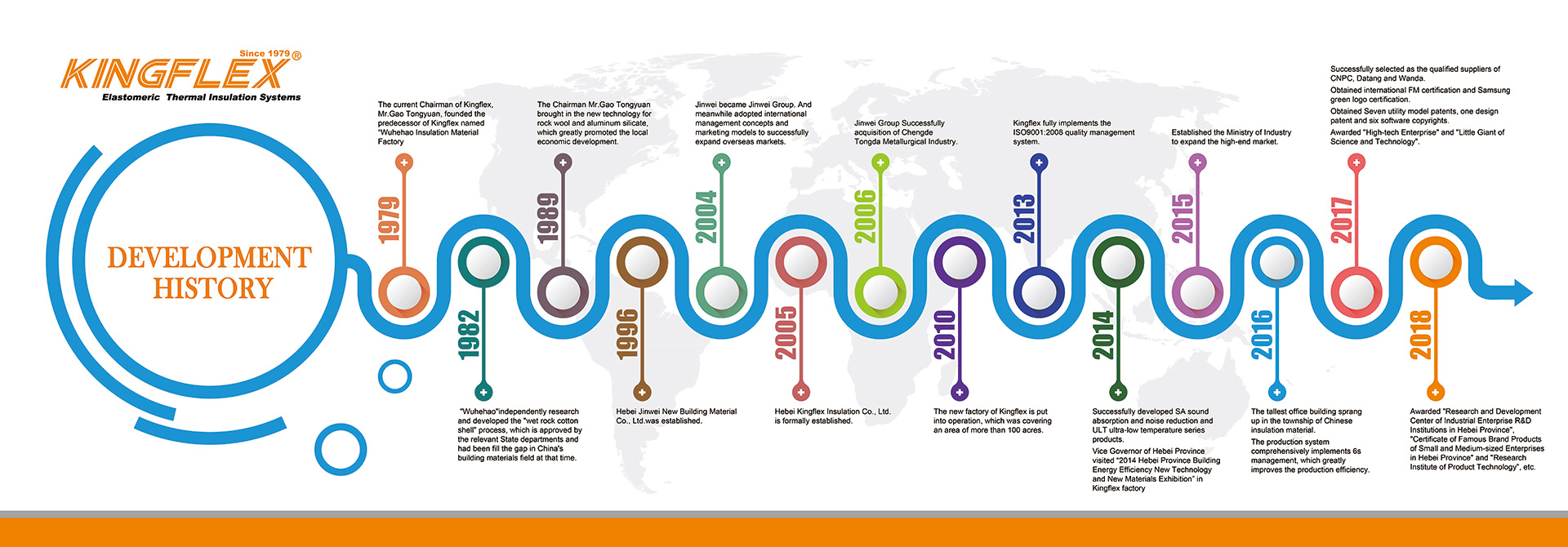
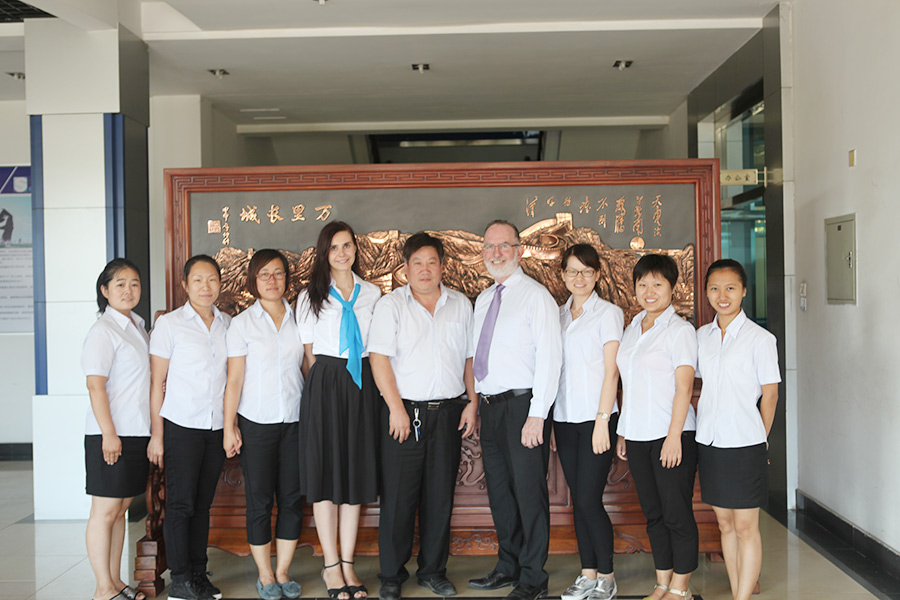
Our production facilities are situated in Dacheng, China—a hub for green building materials. Operating under our parent group, Jinwei Group (established in 1979), we have built a manufacturing footprint backed by 40+ years of industrial history. We were the first thermal insulation manufacturer north of the Yangtze River, paving the way for regional development.
At present, our site operates 5 large automated assembly lines. With an annual manufacturing capacity exceeding 600,000 cubic meters, Kingflex is a designated production enterprise for the Ministry of Energy, the Ministry of Electric Power, and the Ministry of Chemical Industry in China. This capacity allows us to manage large-scale commercial contracts while maintaining batch-to-batch consistency.

Our engineering team matches global regulatory specifications to ensure safe project delivery.
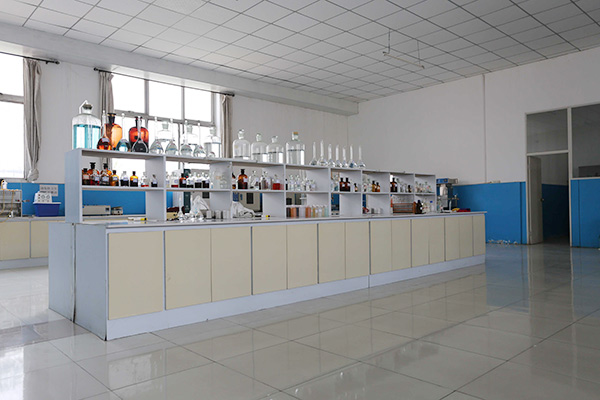
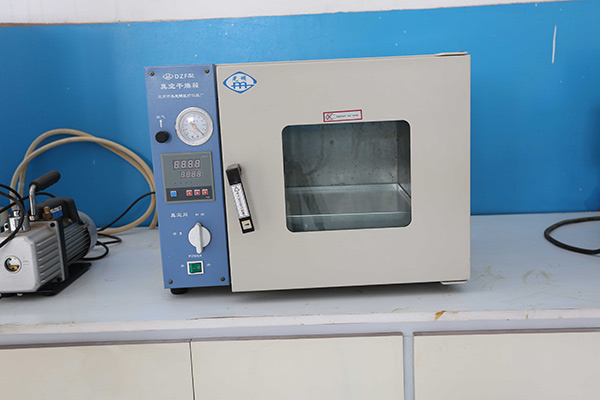
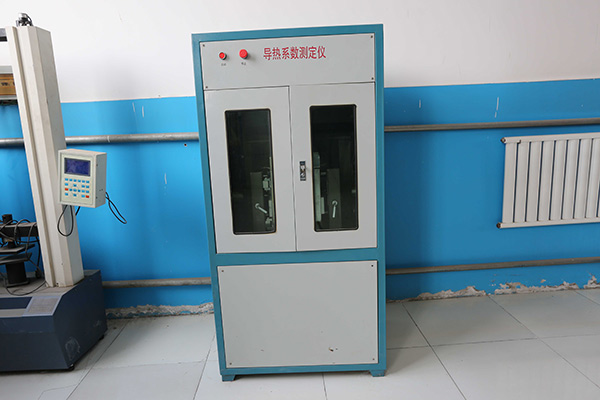
Our dedicated R&D division has 8 professional engineers who continuously improve our polymer recipes. We monitor critical parameters, including thermal performance, cell distribution, and flame reaction times. These efforts are supported by a staff of 230 production workers and 6 international sales managers, facilitating clear communication and smooth order handling.
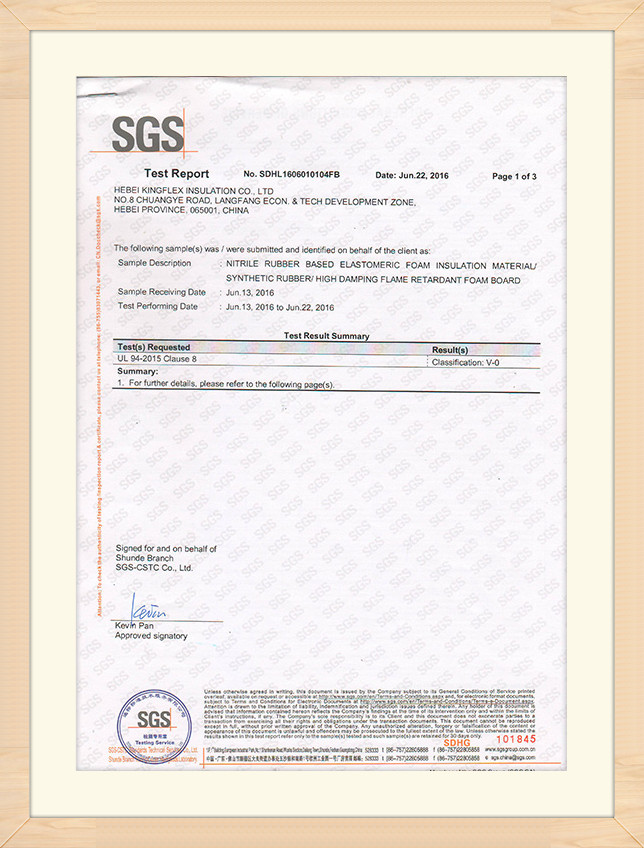
Every shipment of Kingflex insulation is trace-coded, enabling full traceability of raw materials and manufacturing history. This tracking supports compliance with certifications like BS 476 Class 0, CE, REACH, RoHS, UL94, and ASTM, ensuring our products meet safety standards worldwide.
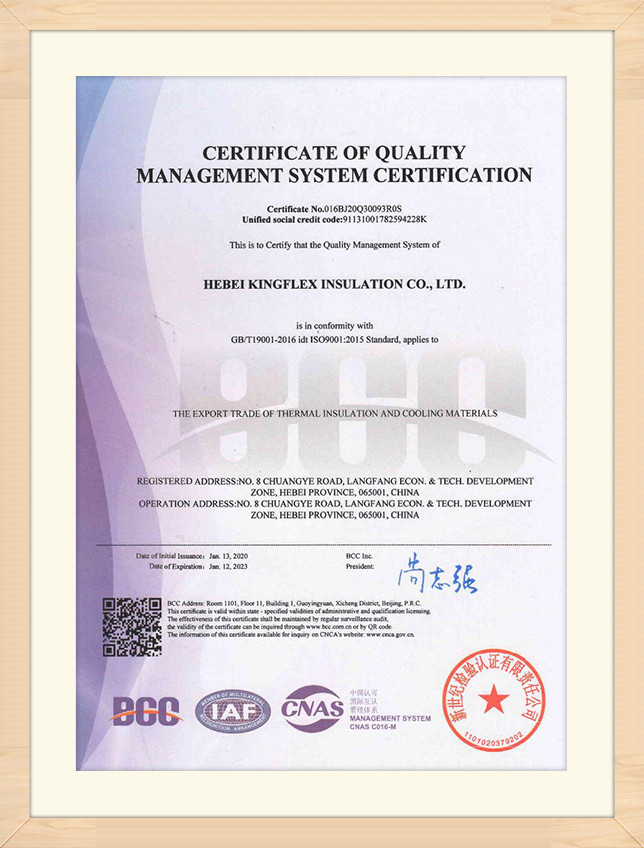
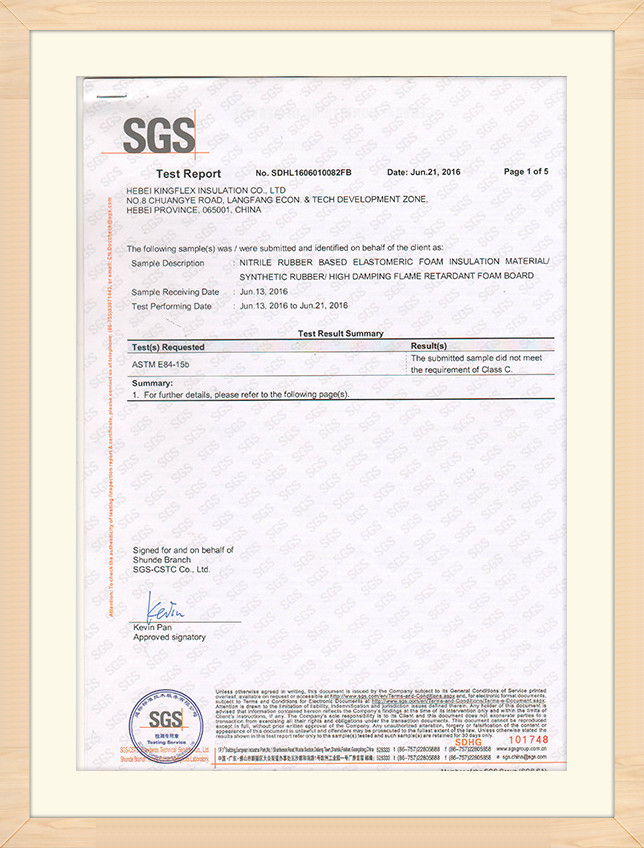
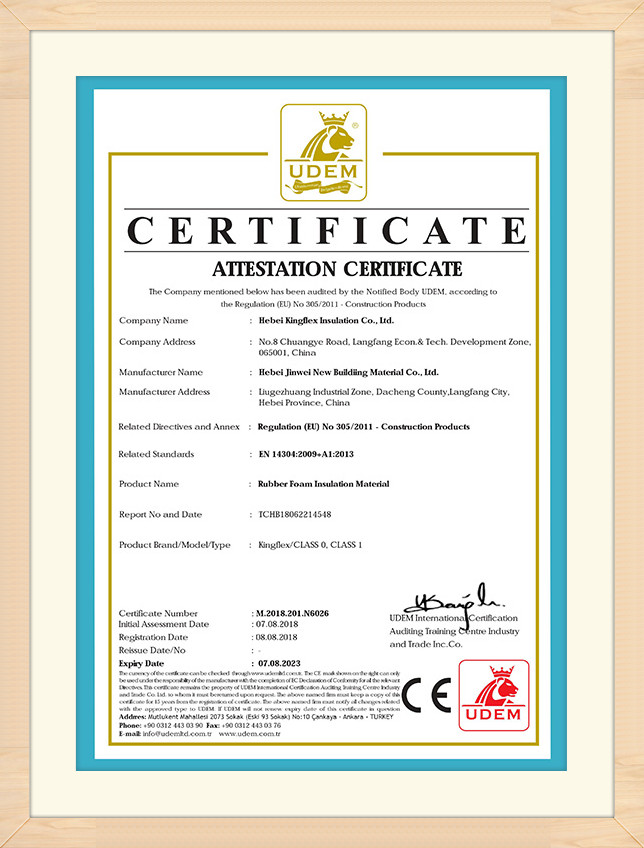
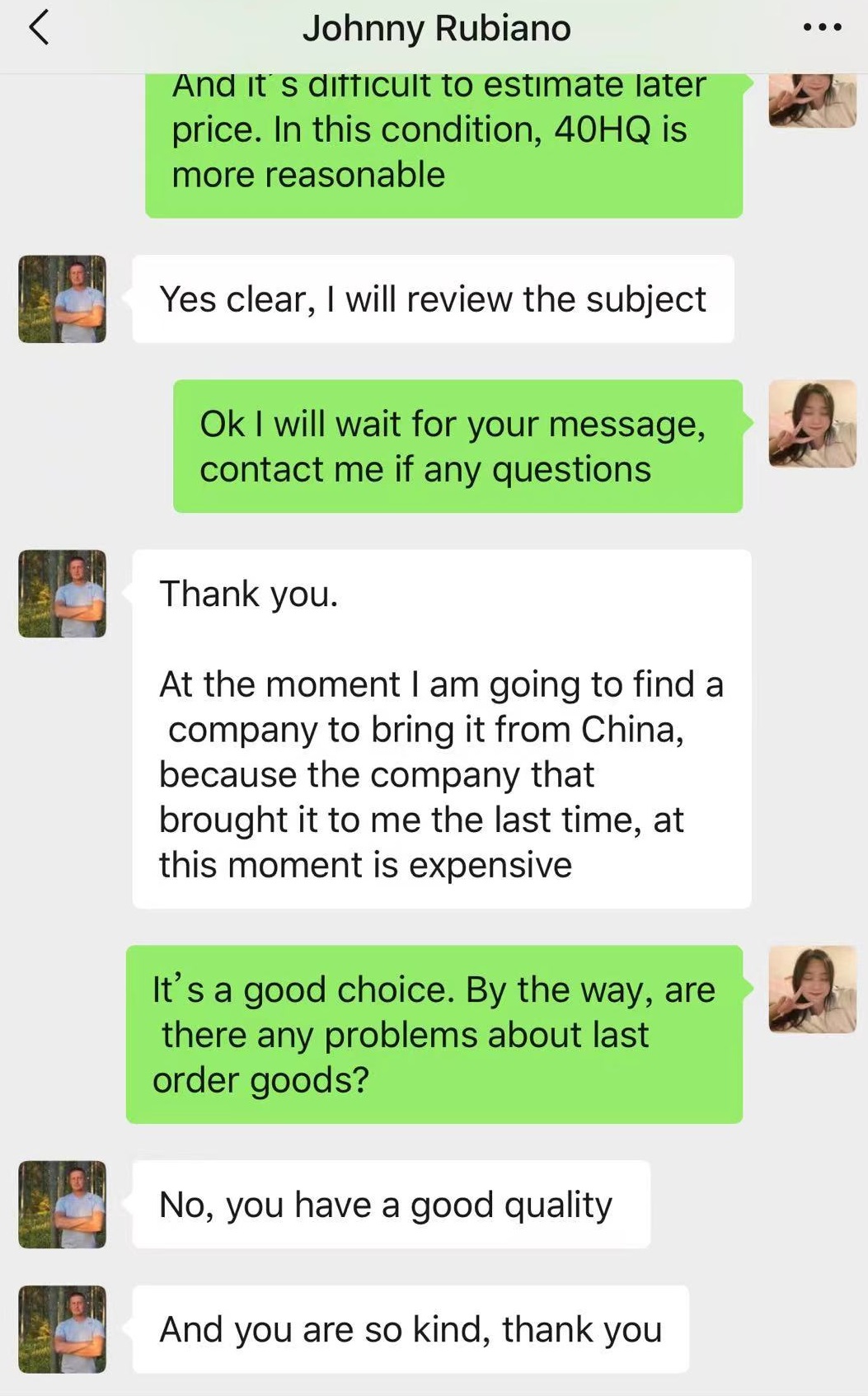
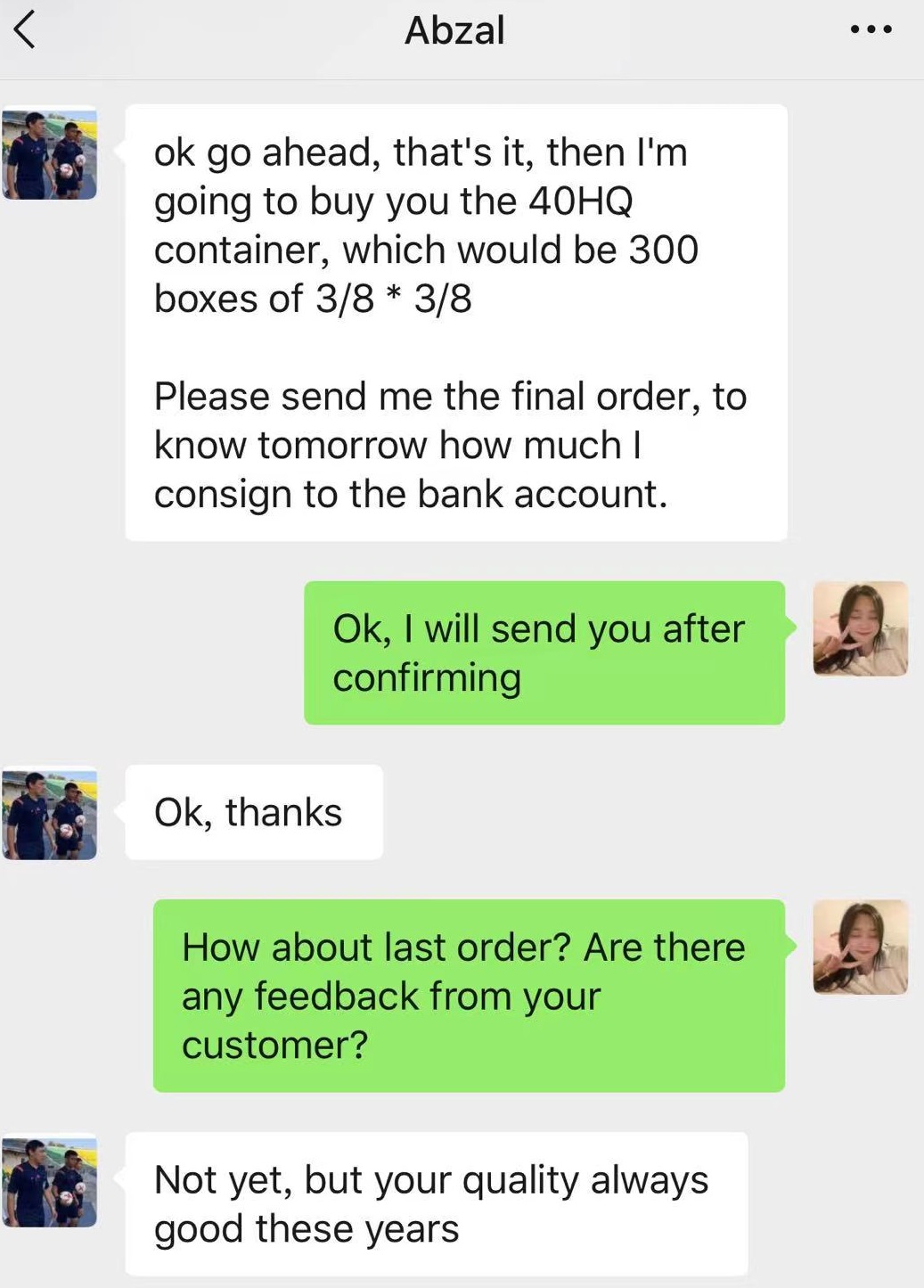
See the communication records and project deliveries that show how we support our partners.
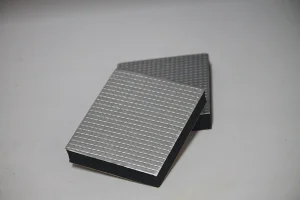
We work directly with distributors, MEP contractors, and engineering consultants worldwide. By providing custom sizing, aluminum-foil lamination options, and detailed technical specifications, we help ensure project designs meet local safety requirements.
Whether you require standard 25mm thickness sheet rolls, cryogenic insulation for ultra-low temperature system pipelines, or high-density noise reduction panels, we provide customized support from project inquiry to delivery.



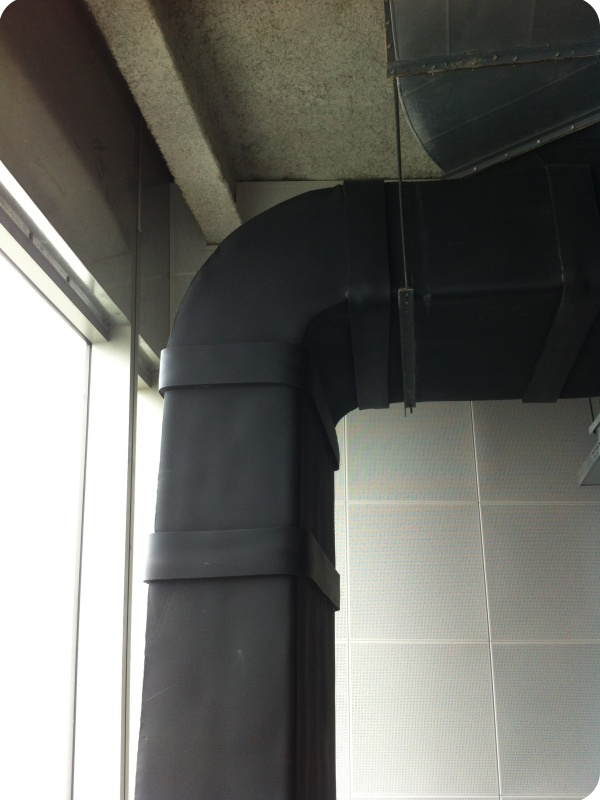

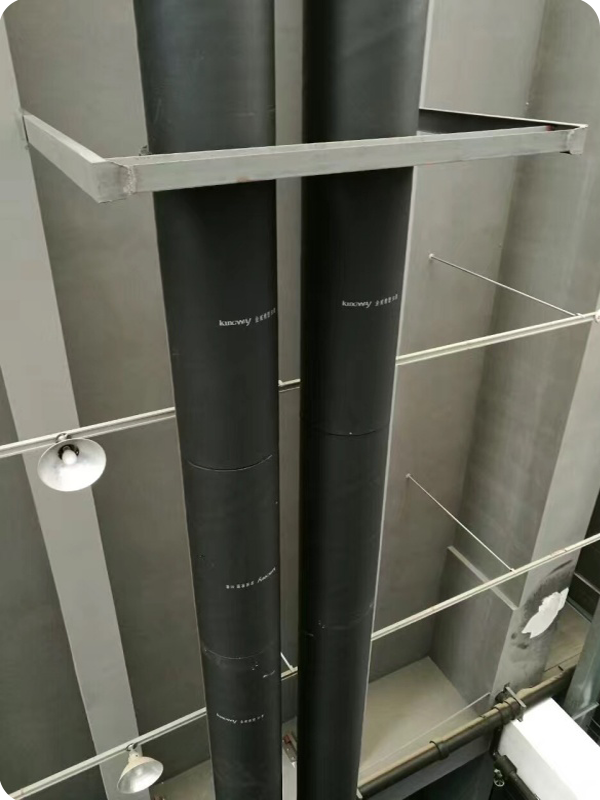
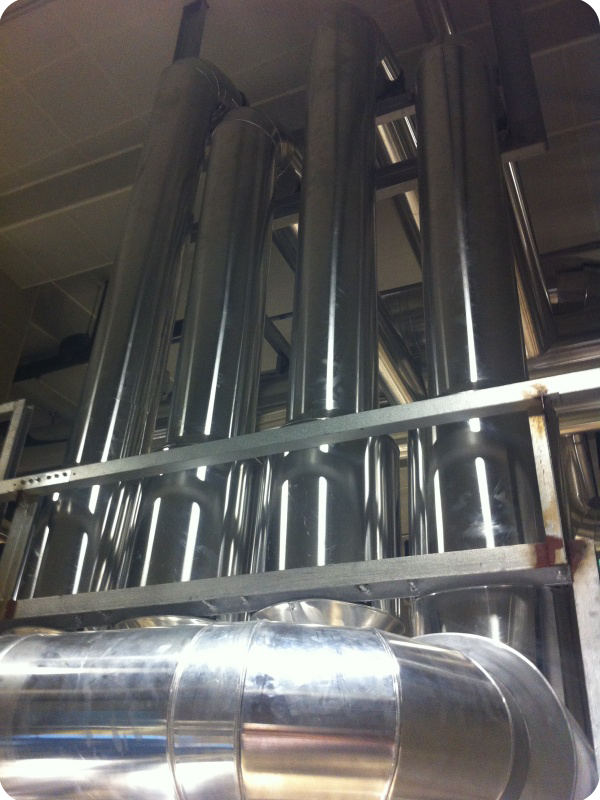
Review the physical properties and dimensions of Kingflex halogen-free rubber foam insulation products.
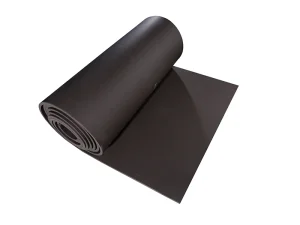
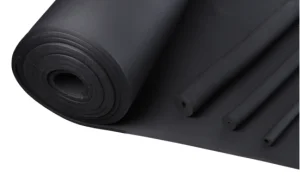
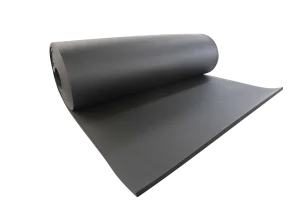
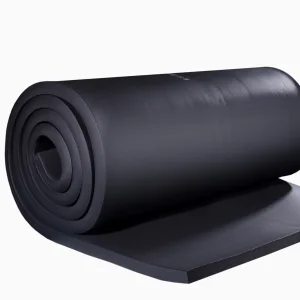
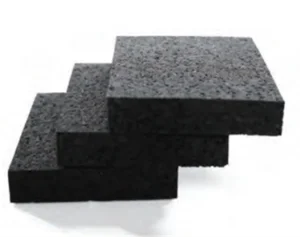
Our standard sheet roll uses NBR/PVC matrix technology, optimized for even foaming and consistency.
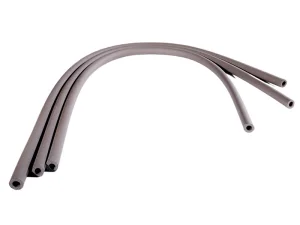
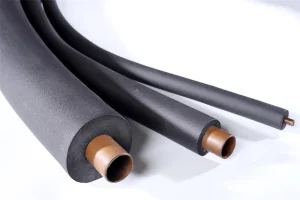
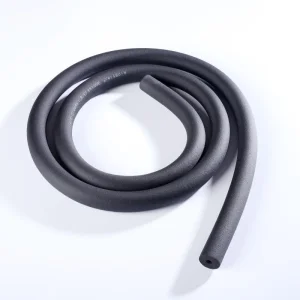
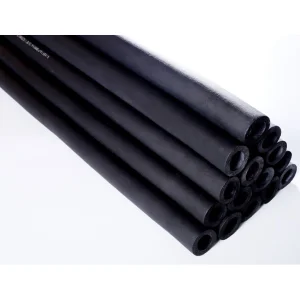
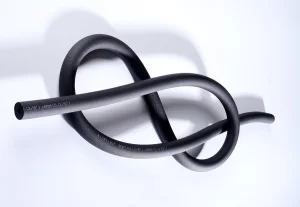
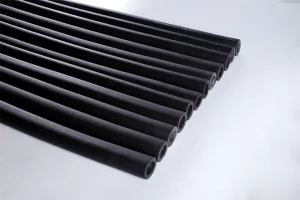
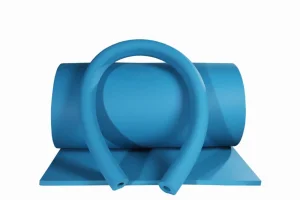
Engineered for fast fitting, our pre-formed elastomeric tubing covers standard pipe outer diameters.
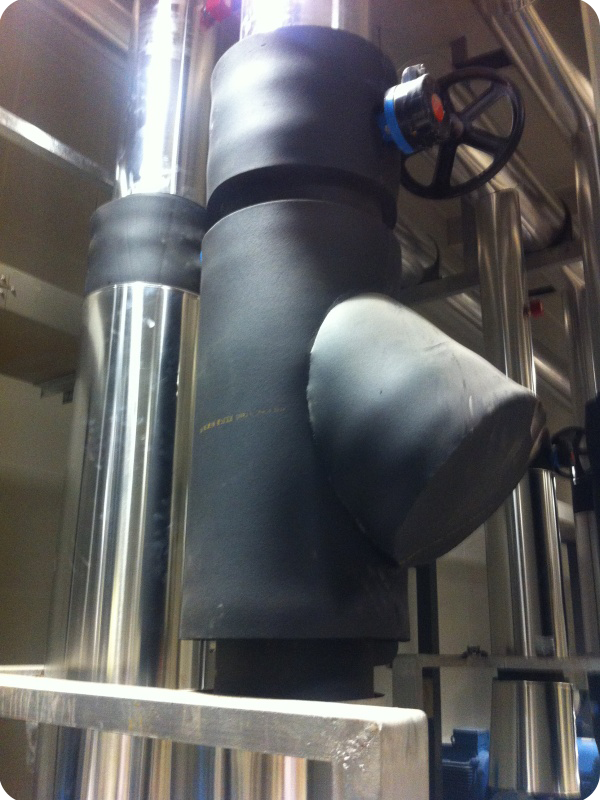
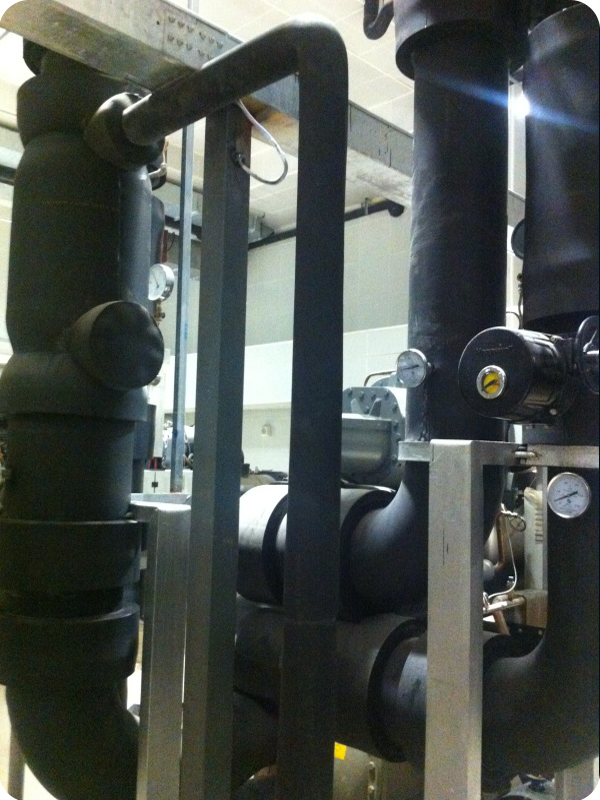

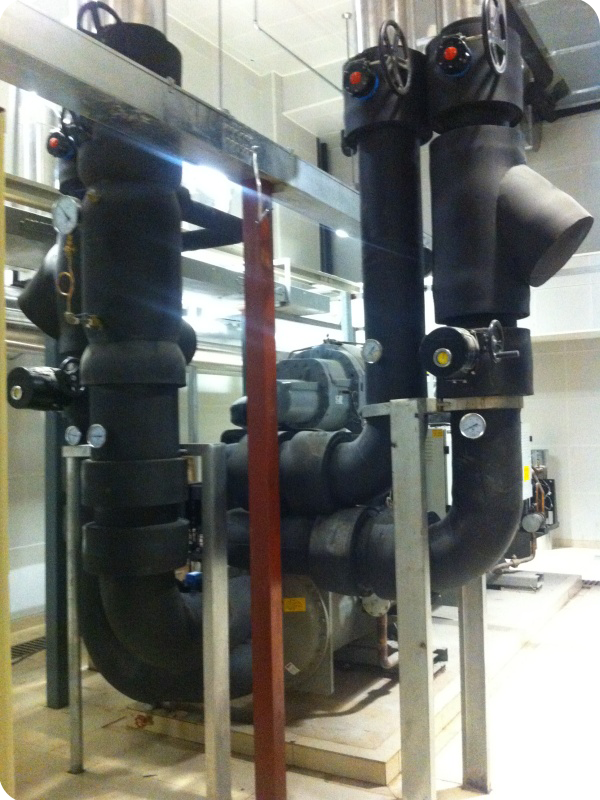
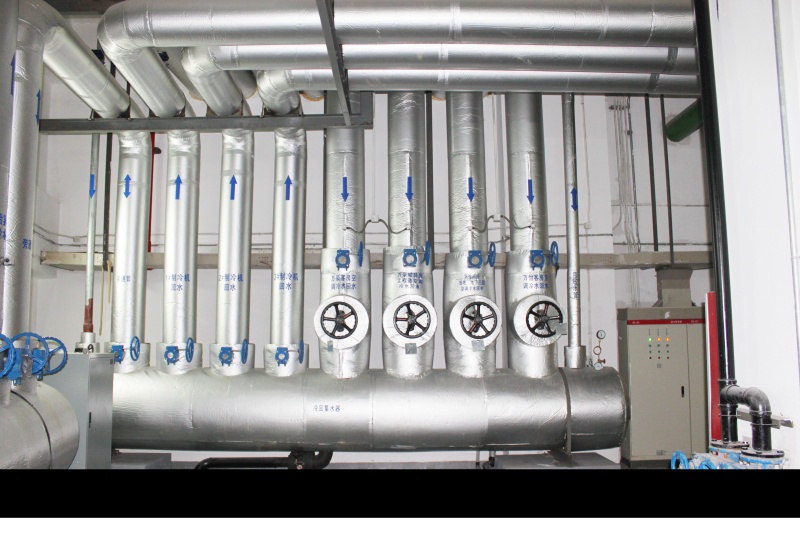
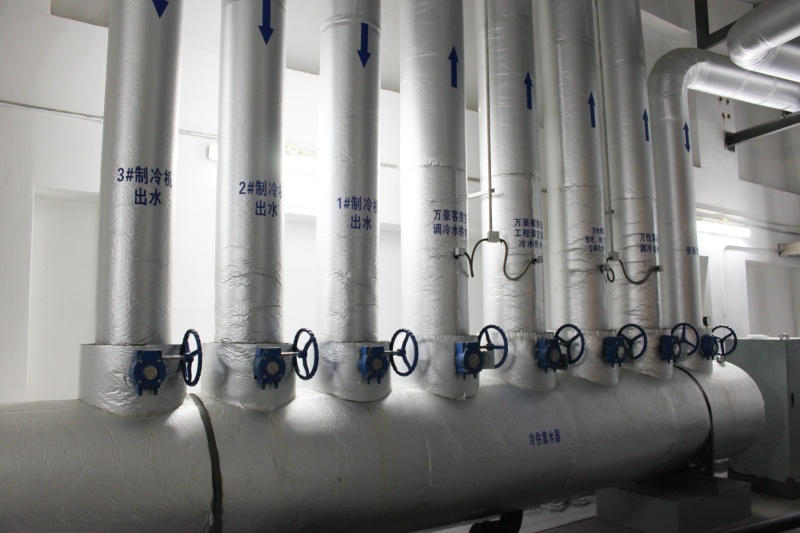
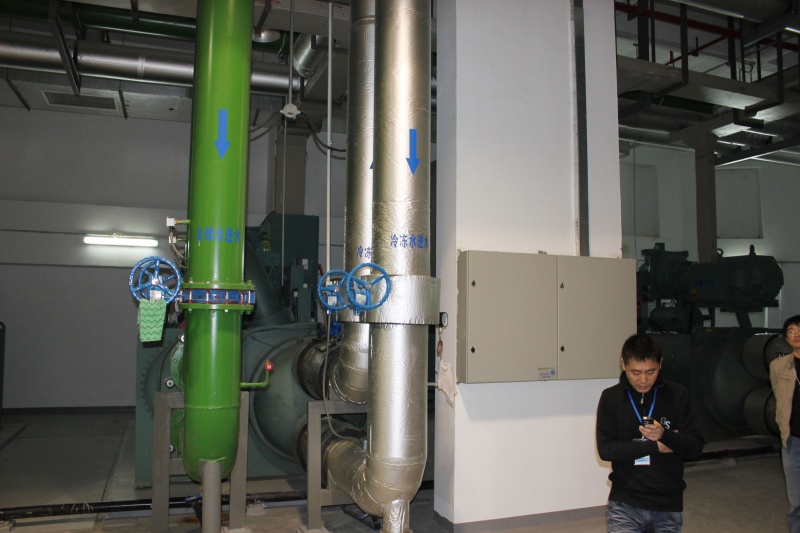
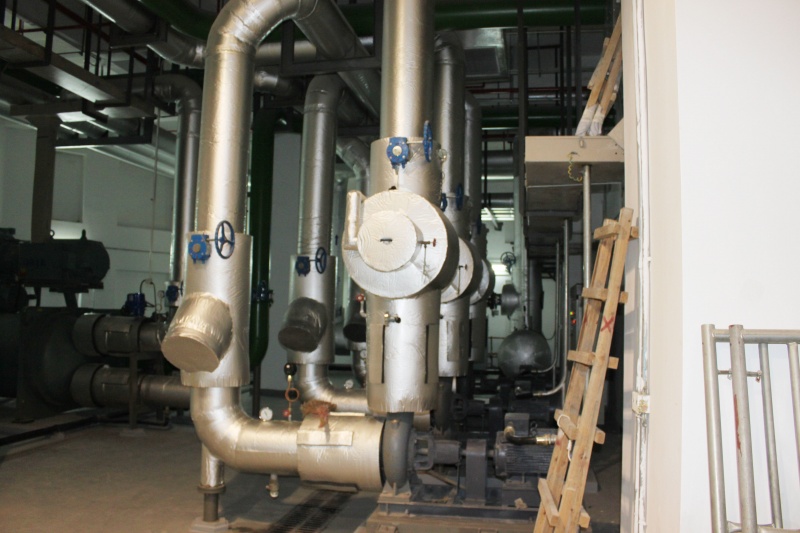
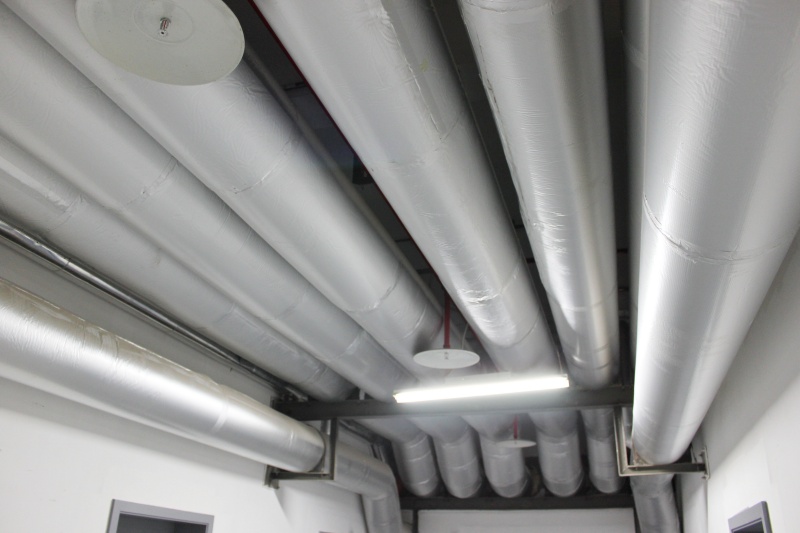

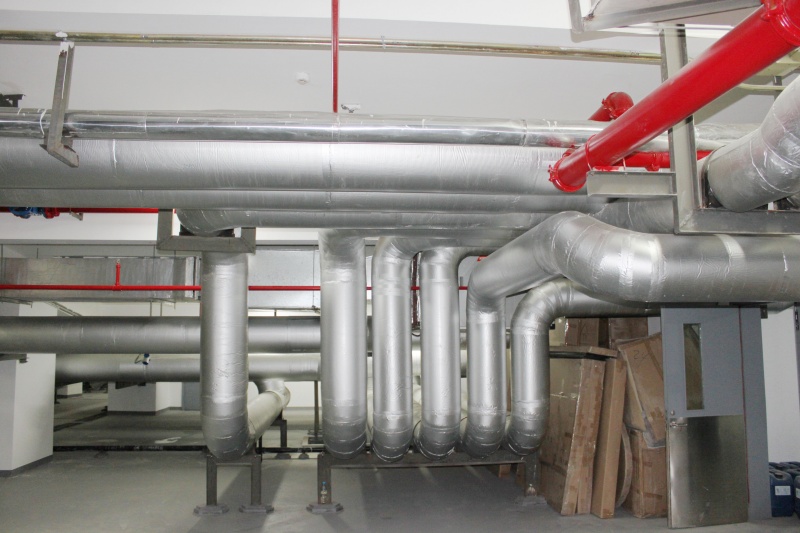

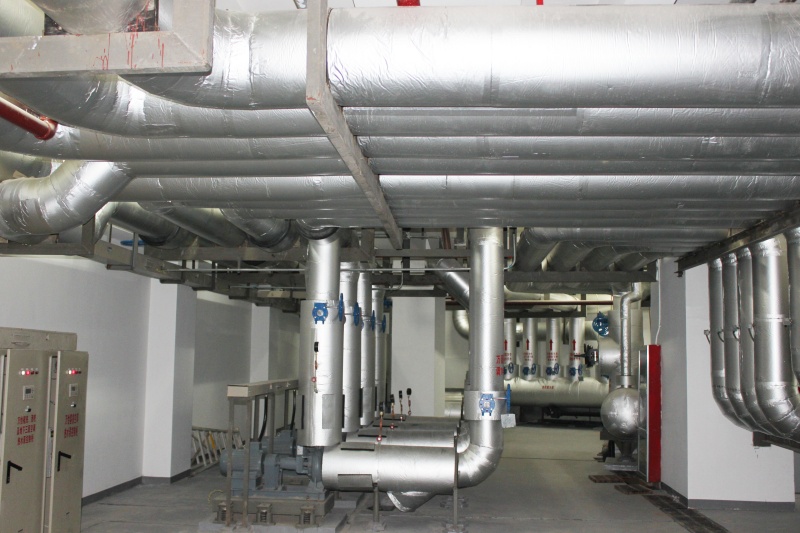
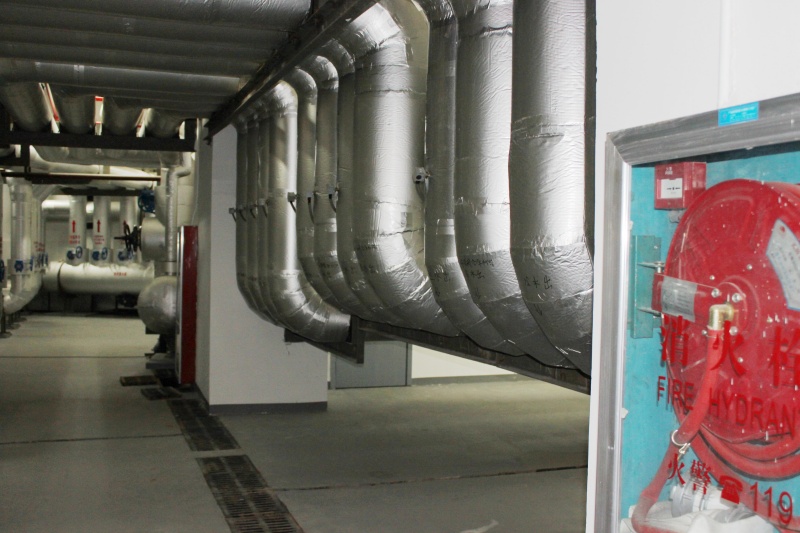
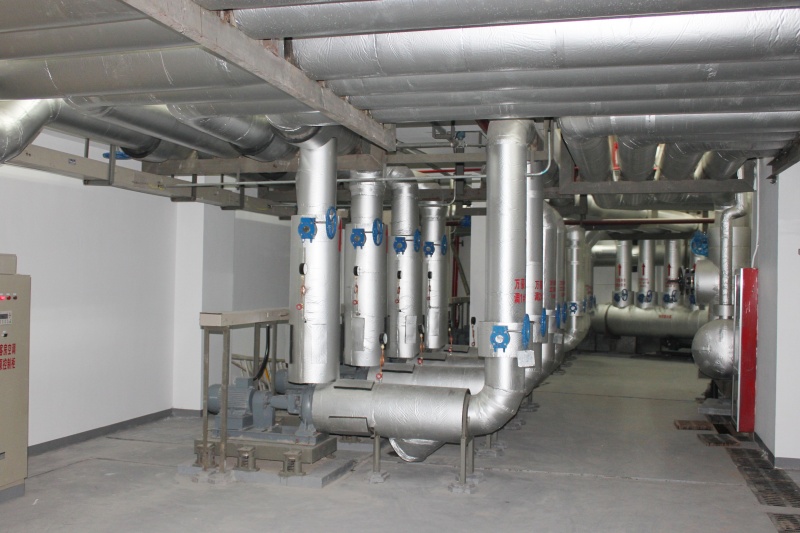
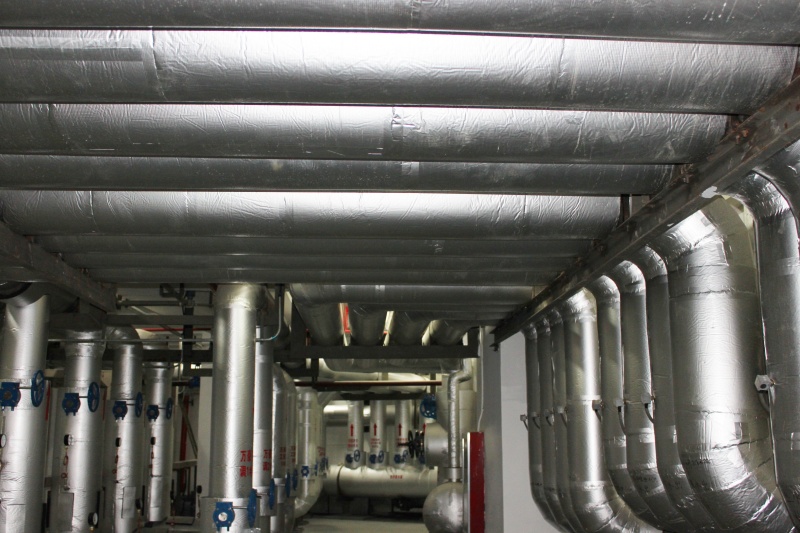
How Kingflex is leading the next generation of eco-friendly and high-efficiency thermal insulation materials.
We are researching bio-derived polymers to replace standard petroleum-based NBR/PVC. This transition aim to reduce the carbon footprint of raw materials by up to 35% over the next five years.
By blending Silica Aerogel particles into the elastomeric matrix during compounding, we aim to lower thermal conductivity to below 0.028 W/(m·K), improving performance in thin-profile applications.
Developing closed-loop recycling processes for post-industrial scrap and installation waste, turning rubber foam scraps back into manufacturing feedstock without reducing fire-retardant performance.
Technical information regarding project planning, compliance, and material properties.
Browse our range of cryogenic, foil-faced, and high-performance acoustic thermal options.
 Kingflex