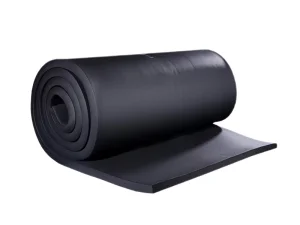
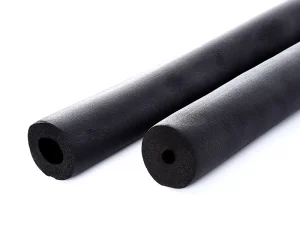
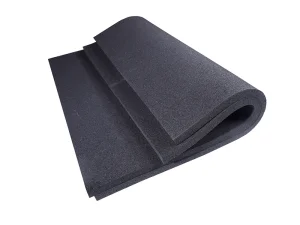
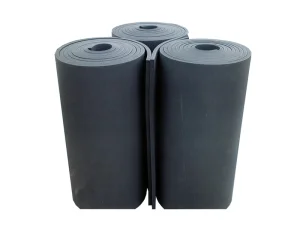
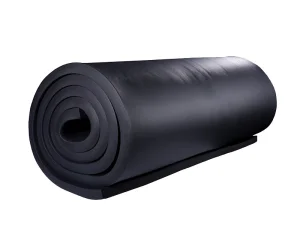
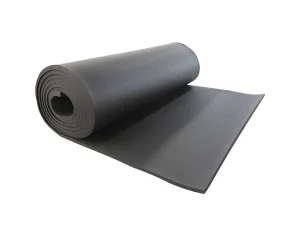
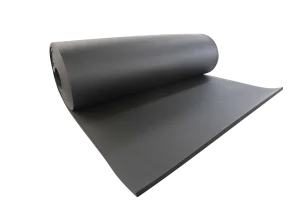
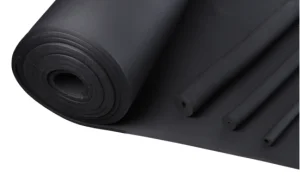
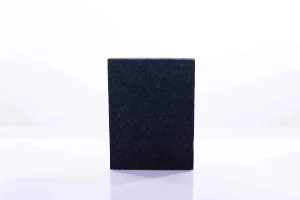
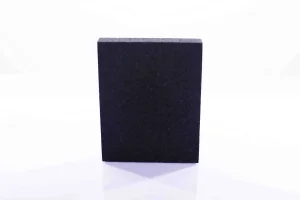
Cryogenic insulation multi-layer composite structures have excellent internal shock resistance. Designed to meet the demands of low-temperature environments, this solution is highly suitable for use in the oil and gas industry. This insulation system provides exceptional thermal performance, reduces the risk of corrosion under insulation (CUI), and minimises the time needed for installation.
Frequently Asked Questions (FAQ)
What are the primary benefits of cryogenic insulation multi-layer composite structures?
It provides excellent internal shock resistance, stays highly flexible at extremely low temperatures, and reduces both the risk of crack propagation and corrosion under insulation (CUI) while ensuring fast installation.
What is the recommended operating temperature range for this material?
The recommended operating temperature range for this cryogenic insulation system is from -50℃ up to +105℃.
How does the thermal conductivity vary with temperature?
The thermal conductivity of this insulation material is extremely low, measuring at 0.033 W/(m·K) at 0℃ and dropping to 0.028 W/(m·K) at -50℃ to ensure efficient thermal performance.
What are the density and structural features of this insulation?
The material has a density range of 40-60 kg/m³ and boasts a closed-cell area percentage of over 95%, which aids in excellent moisture resistance and thermal retention.
Which industries benefit most from this insulation solution?
Due to its robust performance in low-temperature environments and resistance to physical shock, it is highly suitable and recommended for use in the demanding oil and gas industry.
How does this composite structure handle mechanical impact?
The multi-layer composite structure is specifically engineered to provide exceptional internal shock resistance, protecting systems against unexpected mechanical impacts and low-temperature stress.
 Kingflex