Highly specified engineered insulation products for HVAC, low-temperature systems, and heavy building structures.
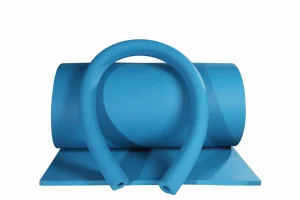
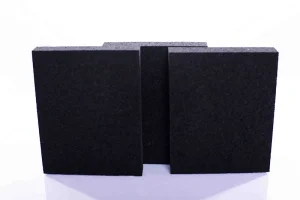
Kingflex Insulation Co., Ltd. stands as a premier structural manufacturer and global export combo focused on top-tier insulation methodologies. Our research and development center operates from the capital of green-building materials in Dacheng, China. As an energy-efficient enterprise, we integrate raw materials synthesis, automatic manufacturing lines, custom project consultancy, and global logistics into one reliable pipeline.
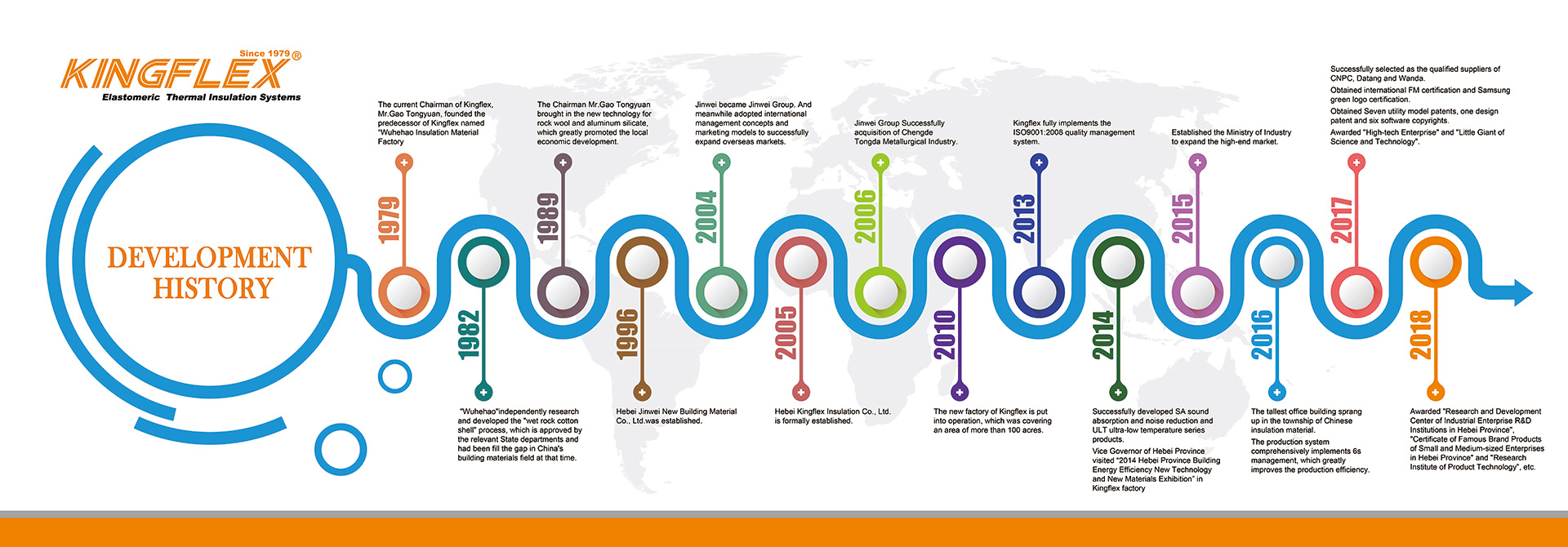
Under the corporate flag of Jinwei Group (established in 1979), Kingflex holds a historical foundation spanning over 40 years. Our group pioneered northern China's insulation industry, becoming the trusted manufacturer north of the Yangtze River. Today, we concentrate on energy saving, high-precision thermal control, and severe temperature applications.
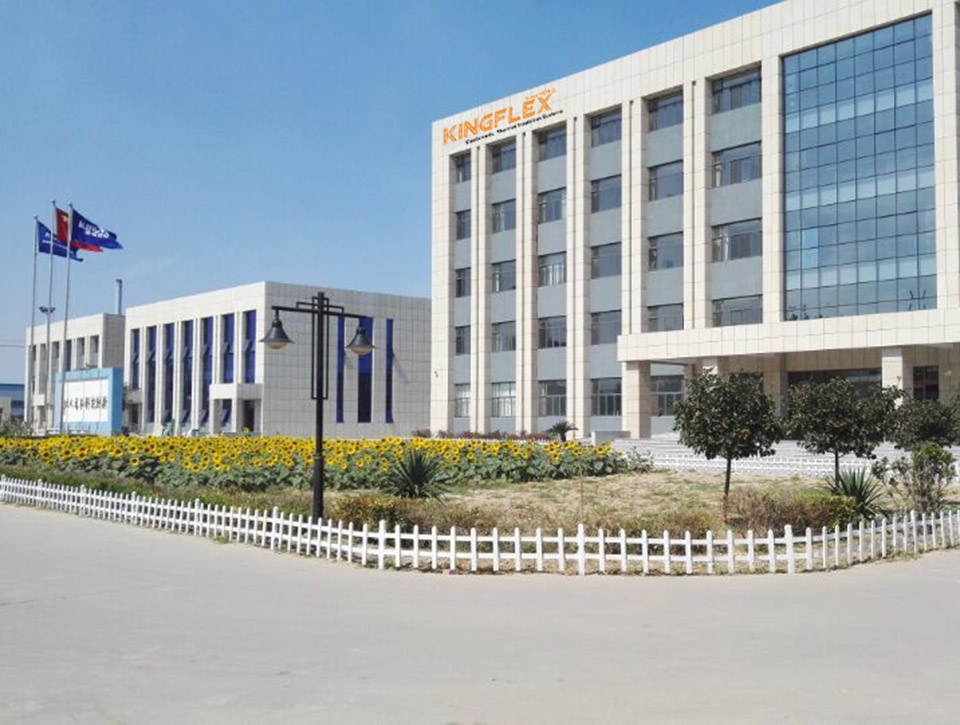
The core capability of Kingflex relies on its human capital and advanced industrial engineering. The company retains a specialized R&D division containing 8 professional insulation engineers, backed by a dedicated global trade service team. Over 230 highly skilled factory technicians manage our production facilities to ensure product reliability and batch stability.
Operating with 5 large automatic continuous assembly lines, our manufacturing outputs exceed 600,000 cubic meters annually. Because of this high yield and consistent product reliability, Kingflex is designated as an approved insulation manufacturer by key energy, electric power, and chemical planning boards.

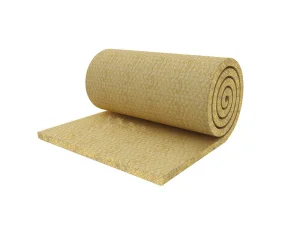
Rock wool (commonly known as stone wool) is made by melting volcanic rock (basalt) and industrial slag at temperatures over 1500°C. The melted mixture is spun into fine fibers and bonded with customized thermosetting resins. Modern insulation demands have changed this traditional material from basic thermal barriers into multi-functional, high-performance systems integrated into modern building facades and industrial pipelines.
Global net-zero policies demand insulation with high life-cycle savings. Rock wool helps reduce HVAC energy usage, offering a positive environmental return on investment.
High-rise and high-occupancy structures require Class A1 non-combustible classification. Rock wool prevents fire spread, maintaining structural stability under thermal loads up to 1000°C.
Urban density demands reliable sound control. Rock wool's dense, fibrous network absorbs airborne sound energy, providing excellent acoustic dampening.
Procuring industrial insulation materials internationally presents challenging technical demands. Global purchasing agents face shifting regulatory standards, supply chain disruptions, fluctuating raw material costs, and quality control issues. To mitigate these risks, procurement strategies are shifting towards vertically integrated manufacturers who offer comprehensive certification and flexible supply chains.
In our Dacheng production facility, Kingflex employs modern manufacturing techniques to improve quality control and reduce lead times. Our automatic assembly lines use digital sensors to monitor raw material input, melting temperature, fiber collection, binder applications, and curing speeds. This ensures uniform density and consistent thermal conductivity across every batch.
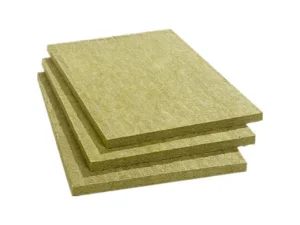
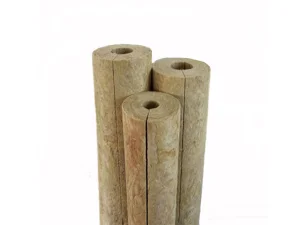
By automating the curing and cutting processes, we maintain tight dimensional tolerances, allowing our rock wool boards and pipe covers to fit precisely in the field. This high level of automation reduces energy consumption and minimizes raw material waste, keeping our pricing competitive while meeting strict global environmental regulations.
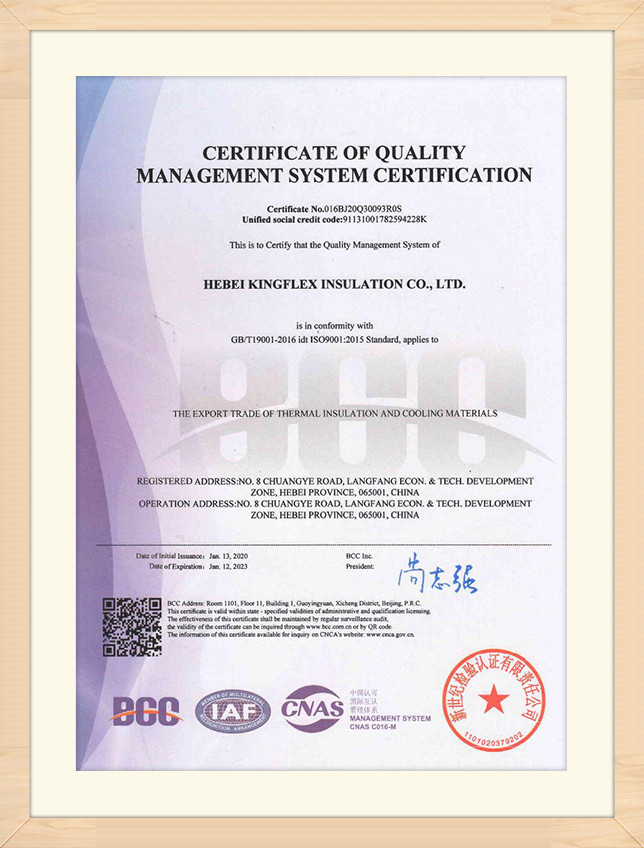
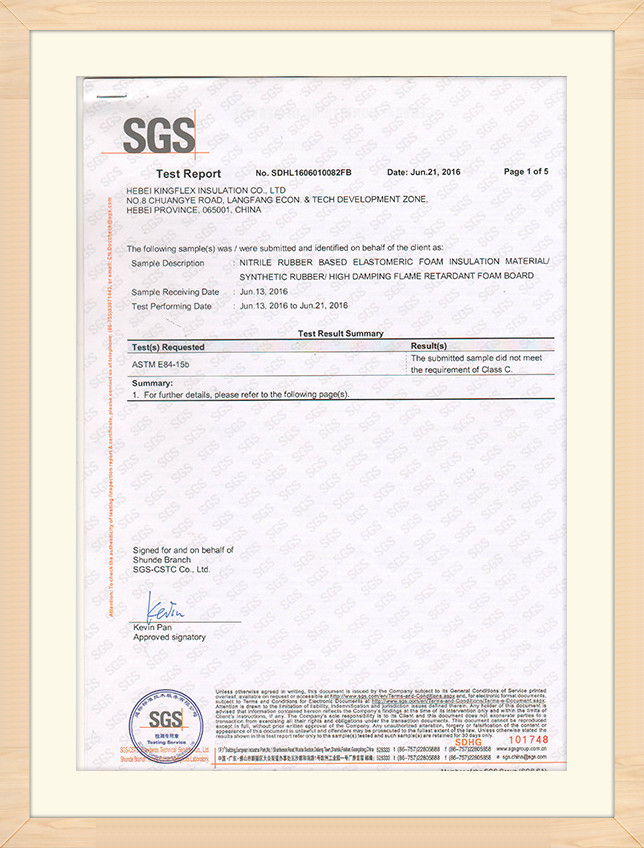
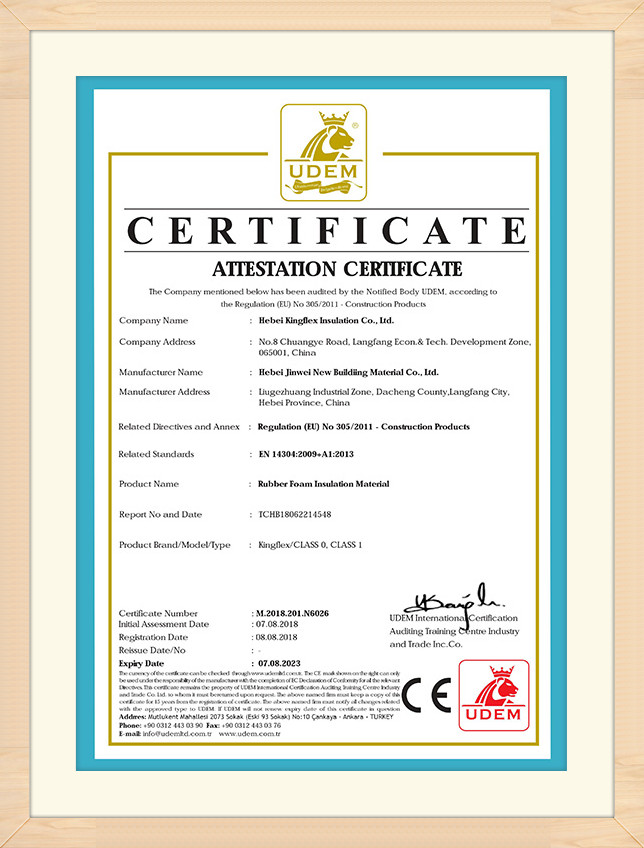
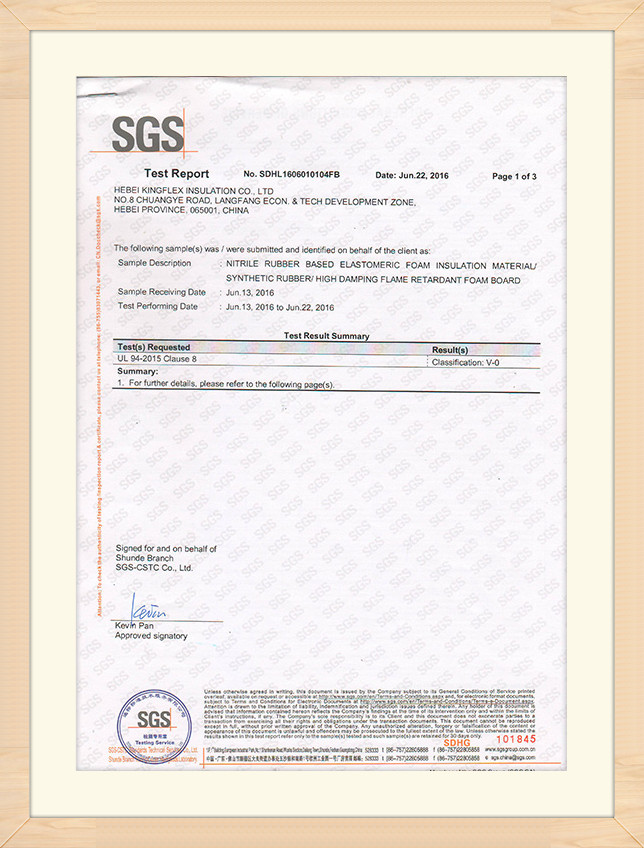
Every production batch undergoes continuous testing to meet international compliance frameworks.
In-house laboratory evaluating tensile strength, thermal resistance, and water repellency under strict ASTM standards.
Ensuring basalt and slag mineral composition matches required acidity indexes for optimal durability.
Dimensional precision checks and vacuum packaging to prevent moisture absorption during maritime transit.
Safe storage and automated handling systems that load export containers without damaging core materials.
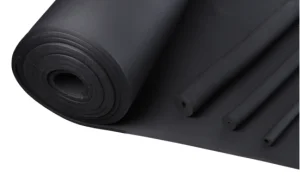
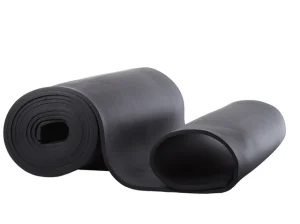
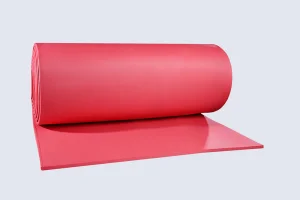
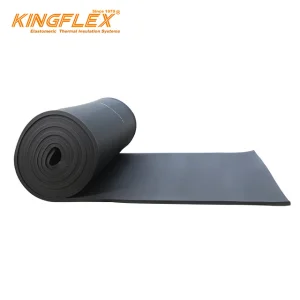
Choosing between closed-cell elastomeric rubber foam and mineral rock wool insulation requires evaluating specific service conditions. The table below outlines key engineering metrics to help select the right material for your application.
| Performance Metric | Closed-cell Elastomeric Foam (NBR/PVC) | Mineral Rock Wool (Stone Wool) |
|---|---|---|
| Service Temperature Limit | -40°C to +105°C (HVAC & Cold Systems) | Up to +1000°C (High-Temp Pipes & Structures) |
| Thermal Conductivity (λ) | ≤ 0.035 W/(m·K) at 0°C (Highly efficient) | ≤ 0.040 W/(m·K) at 25°C (Stable thermal barrier) |
| Reaction to Fire | Class B1 / B2 (Flame retardant, self-extinguishing) | Class A1 Non-combustible (Euroclass EN 13501-1) |
| Moisture Resistance (μ-factor) | ≥ 10,000 (Built-in vapor barrier) | Permeable (Requires external vapor barrier/jacketing) |
| Sound Absorption (NRC) | Moderate (Good for dampening structure-borne noise) | Excellent (NRC up to 0.90, ideal for acoustic walls) |
| Primary Application | Chilled water systems, HVAC ducts, low temp lines | Steam lines, boilers, fire barriers, curtain walls |
Kingflex products are installed across global industrial installations, petrochemical complexes, and high-performance commercial facilities.
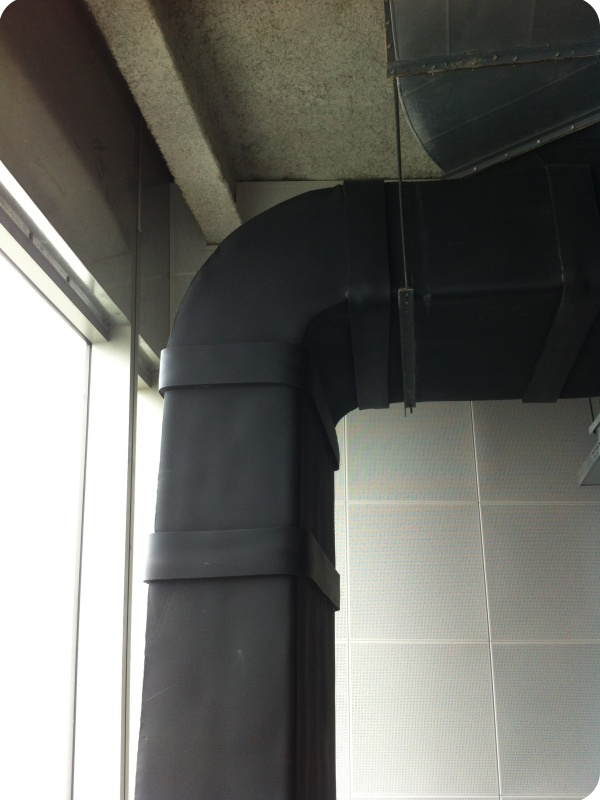

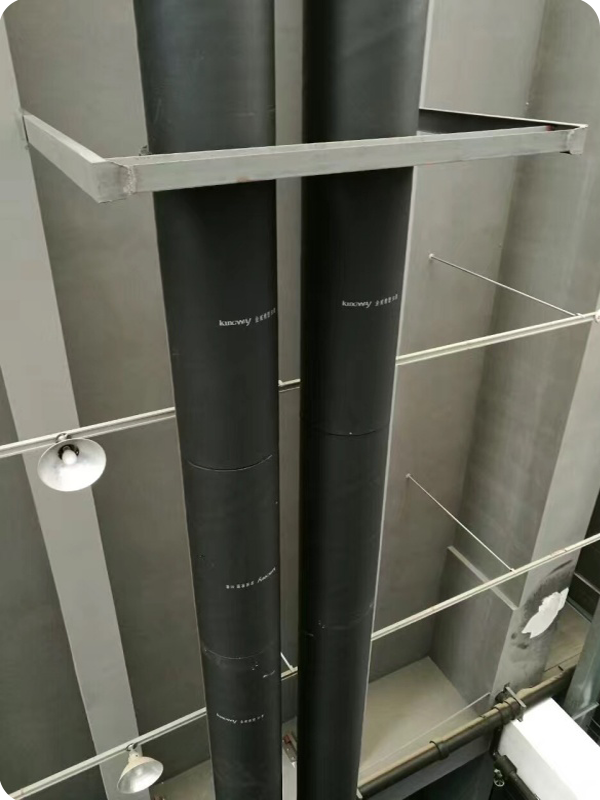
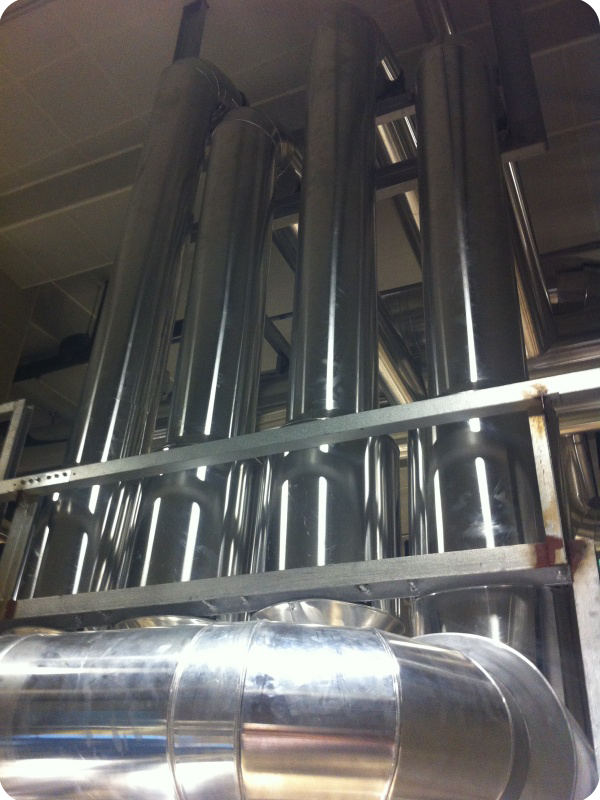
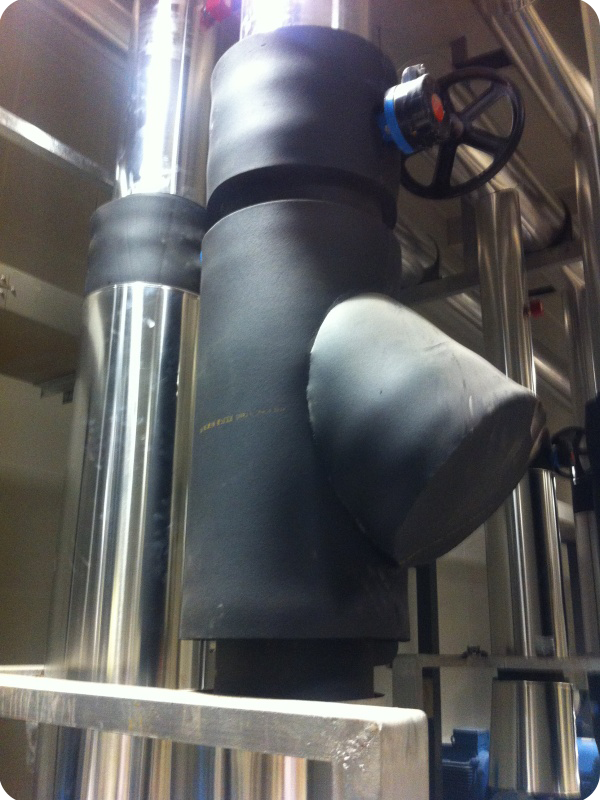
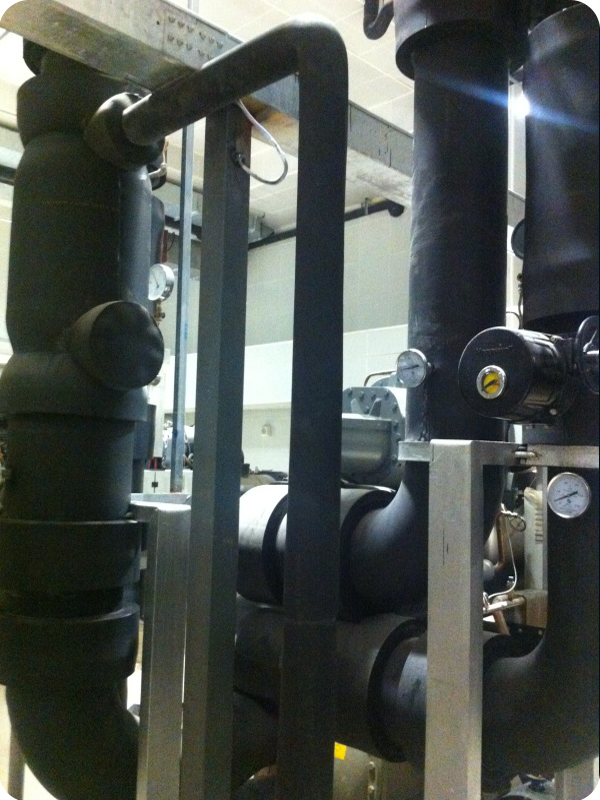

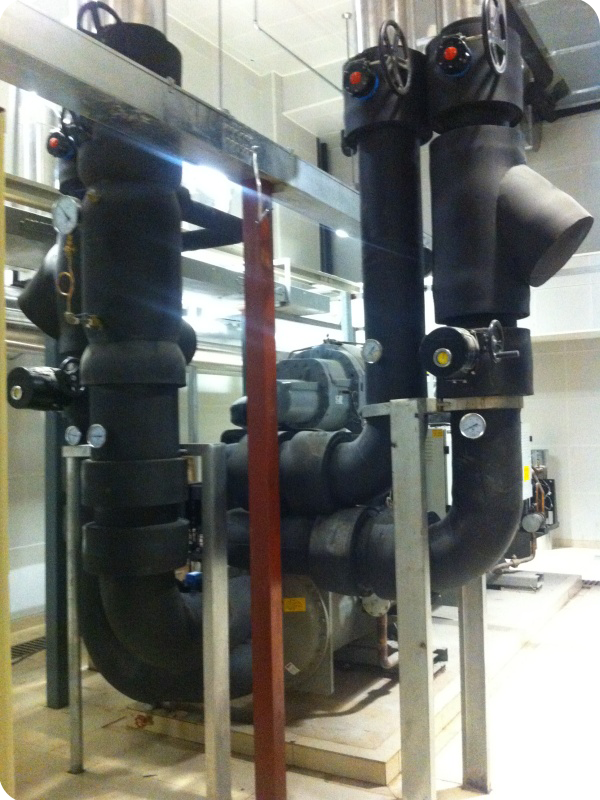
Operating conditions vary greatly depending on geography, industry type, and regional climate. Industrial design engineers must analyze dynamic environmental conditions to prevent failures like Corrosion Under Insulation (CUI) and energy losses.
In high-density commercial construction, rock wool boards provide fire containment and structural stability. When used in ventilated rain-screens, these boards must resist water absorption while allowing internal moisture to escape. Specifying high-density, resin-bonded rock wool boards with water-repellent treatments ensures they maintain their insulation performance over decades of temperature cycles.
Petrochemical plants, steam generation networks, and refineries operate pipelines at temperatures exceeding 500°C. In these environments, preformed rock wool pipe sections are the primary choice. These sections resist thermal degradation and provide high mechanical strength. Additionally, they withstand vibrations and thermal expansions without sagging or breaking down.
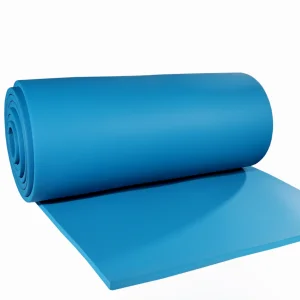
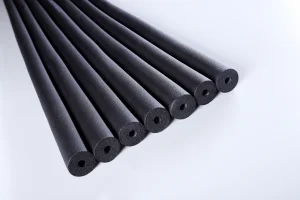
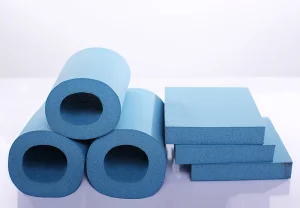
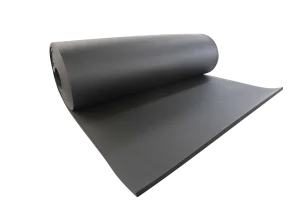
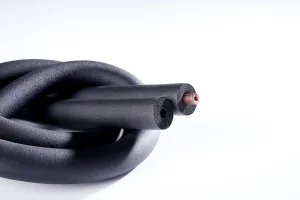
Cleanroom environments and office HVAC systems require particulate-free air. This makes closed-cell elastomeric rubber foam sheets the industry standard. Their smooth surface prevents dust buildup and fiber release. With a high resistance to moisture vapor diffusion, they prevent condensation on cold duct surfaces, protecting against mold growth and structure-borne rust.
Technical answers to help engineering teams design and specify insulation systems.
Select an engineered insulation product below to request technical documentation, data sheets, and competitive direct quotes.
 Kingflex