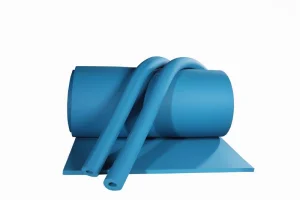
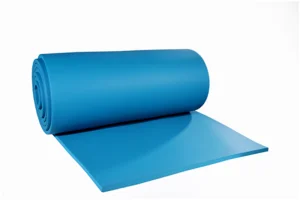
 Kingflex
1 / 2

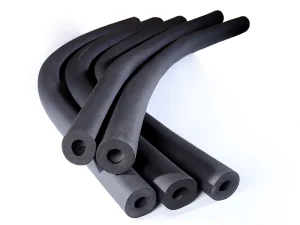
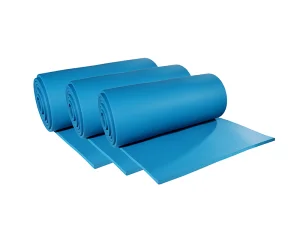
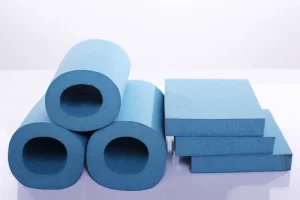
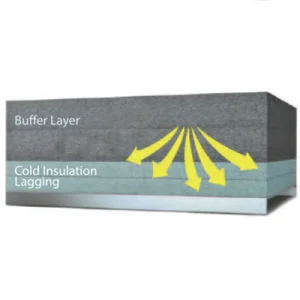
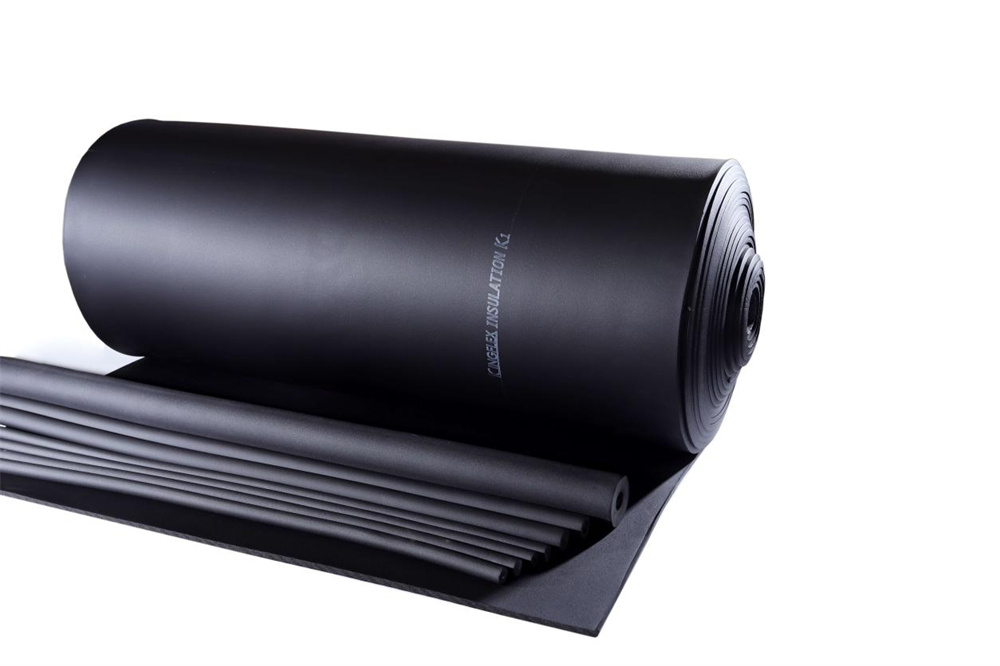
Highly effective at preventing the transfer of heat, making it an ideal choice for use in cold storage applications.
Resistant to wear and tear, moisture, chemicals, and UV radiation. Built to withstand temperatures as low as -200°C (-328°F).
Suitable for cryogenic tanks, pipelines, and other cold storage systems in both indoor and outdoor environments.
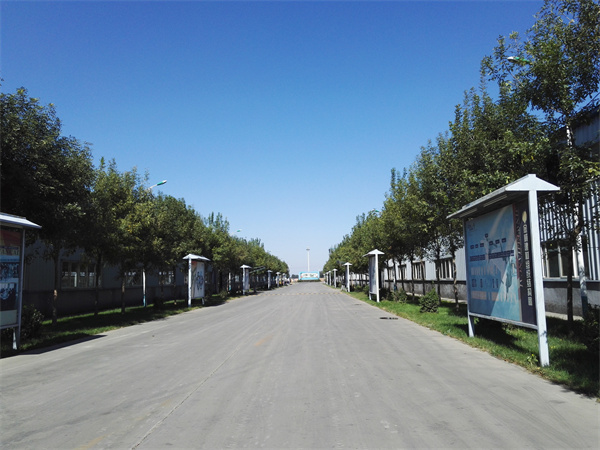
Widely used in the production of liquefied natural gas (LNG), pipelines, petrochemicals industry, industrial gases, and agricultural chemicals, as well as other piping and equipment insulation projects in cryogenic environments.
| ULT Technical Data | ||
|---|---|---|
| Property | Unit | Value |
| Temperature range | °C | (-200 to +110) |
| Density range | Kg/m³ | 60 - 80 Kg/m³ |
| Thermal Conductivity | W/(m.k) | ≤0.028 (-100°C) |
| ≤0.021 (-165°C) | ||
| Fungi resistance | - | Good |
| Ozone resistance | - | Good |
| Resistance to U.V. and weather | - | Good |

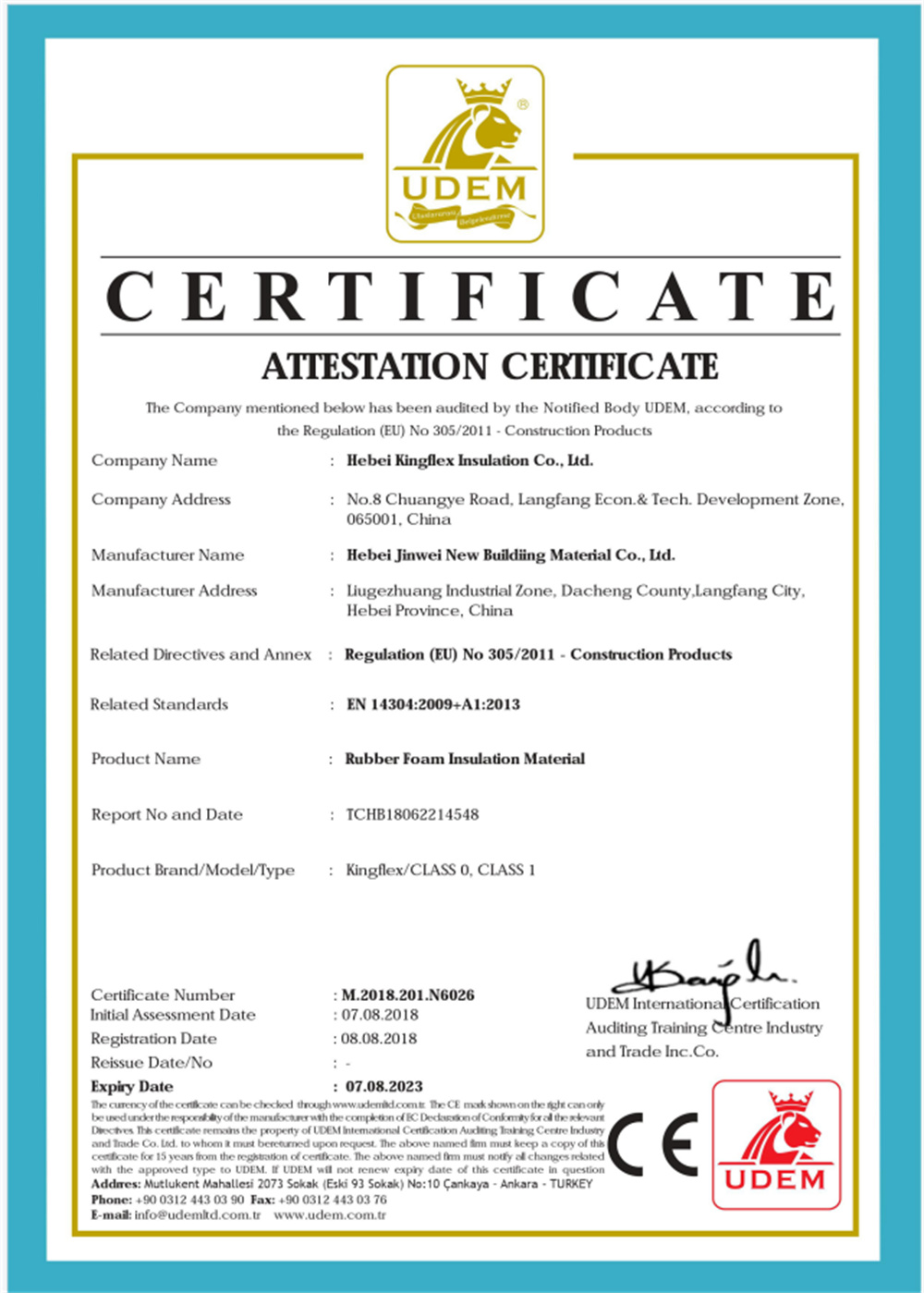
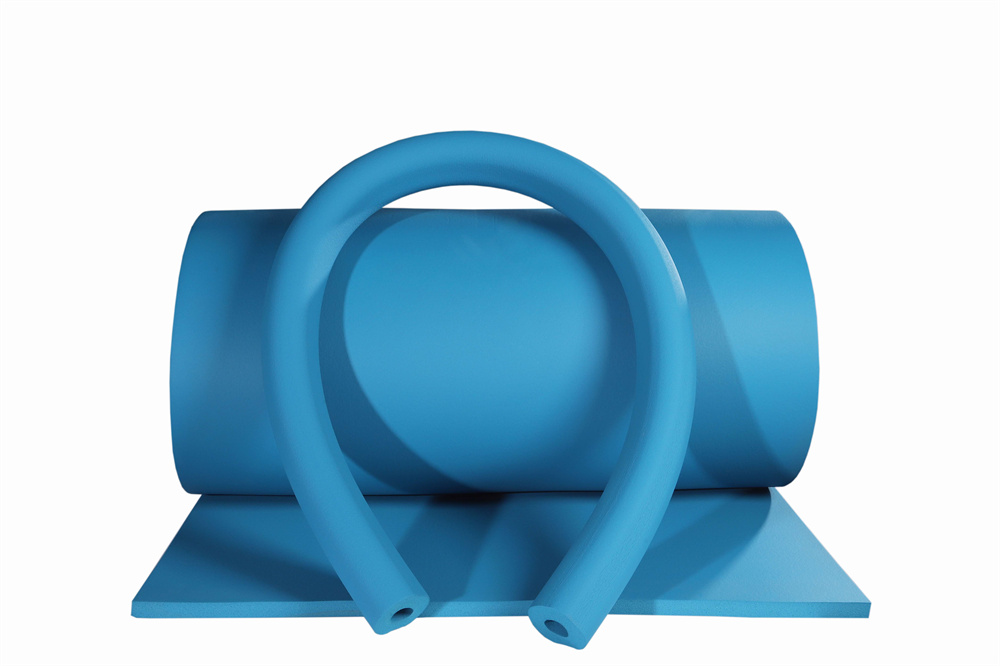
Cryogenic Rubber Foam is designed for piping and equipment insulation in extremely cold environments, such as liquefied natural gas (LNG) production, petrochemical industries, industrial gases, and agricultural chemicals.
The material operates effectively at temperature ranges spanning from -200°C up to +110°C, retaining its excellent thermal performance throughout.
It features low thermal conductivity values of ≤0.028 W/(m.k) at -100°C and ≤0.021 W/(m.k) at -165°C, ensuring optimal energy savings and preventing heat gain.
Yes. The material demonstrates high resistance to fungi, ozone, UV radiation, and general outdoor weathering conditions, ensuring a long operational lifetime.
The density of the foam ranges between 60 to 80 Kg/m³, offering a strong, durable, yet flexible structure for wrapping complex piping layouts.
Absolutely. Due to its versatility, it is highly recommended for insulation projects involving cryogenic tanks, pipelines, and a wide array of specialized cold storage systems.