Water insulation is a crucial aspect of construction and building maintenance. Ensuring that your projects are protected from moisture can prevent significant damage. Proper water insulation solutions are essential for both new buildings and renovations. They help in maintaining structural integrity and improving energy efficiency.
Different projects require various water insulation techniques. From basements to roofs, each area has unique challenges. Applying the right methods can save time and money in the long run. However, not all insulation solutions work for every situation. It's vital to analyze your specific needs before making a choice.
Choosing a reliable water insulation method requires expertise. It's not just about selecting materials; it’s about understanding the environment and potential risks. Many people overlook the importance of moisture barriers, leading to future problems. Implementing effective water insulation strategies can significantly impact your project’s success.
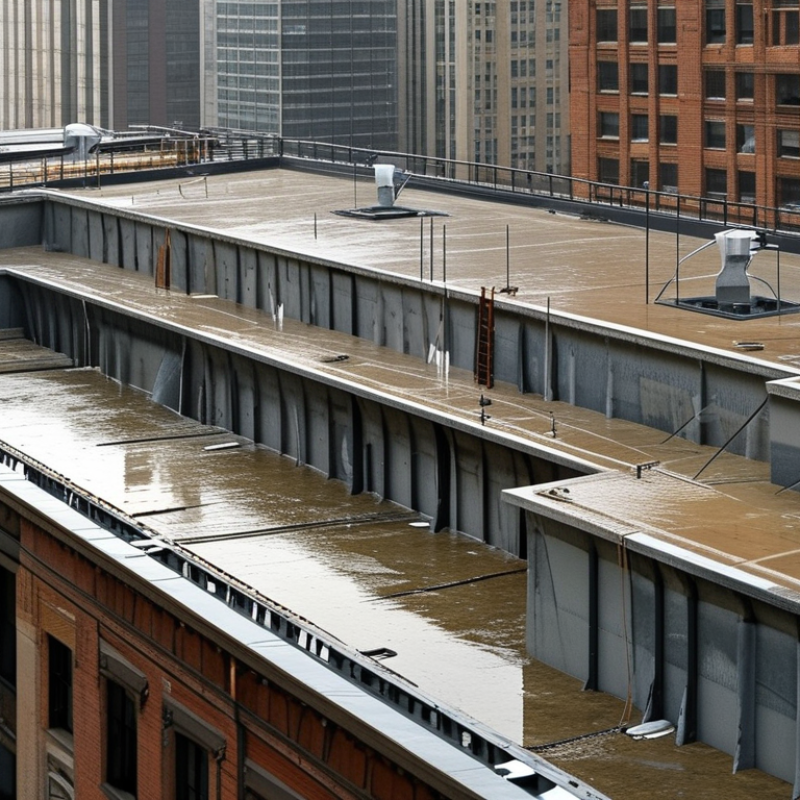
Water insulation solutions are critical for any construction project. Understanding various types of insulation materials can ensure durability and efficiency. Common materials include foam boards, spray foam, and membranes. Each serves specific functions in preventing water intrusion.
Foam boards are excellent for foundation insulation. They provide a high R-value, optimizing thermal resistance. According to the American Society of Civil Engineers, improper insulation can lead to energy losses of up to 35%. Spray foam is versatile. It can fill gaps and cracks, creating a seamless barrier. This type also expands, ensuring better coverage and thermal resistance. However, it requires professional application to avoid mistakes.
Membranes are another popular option. They can be either liquid-applied or sheet. Liquid membranes conform well to irregular surfaces, while sheet membranes offer quick installation. However, both types may degrade over time if not maintained properly. It is essential to assess the building's environment when choosing insulation materials. The right choice can prevent costly water damage down the line. Understanding these options and their applications is vital for any successful project.
When selecting water insulation solutions, several factors require careful consideration. First, assess the specific environment of your project. Areas prone to heavy rainfall or flooding need more robust materials. Understanding the typical moisture levels in your location is essential. This knowledge will guide the selection of the right insulation type.
Another critical factor is the insulation material’s durability. Some materials may not perform well over time, especially in harsh conditions. Proper testing and research can help avoid costly mistakes. Look for insulation solutions that have proven performance records. It’s vital to prioritize reliability in your choice.
Lastly, don’t forget about installation methods. Some solutions require specialized skills, which might increase project costs. Evaluating your team’s capabilities is crucial. Consider solutions that align with your team’s experience. Reflect on potential challenges and be prepared to adapt your approach for the best results.
Effective water insulation plays a critical role in construction projects. Research indicates that approximately 70% of building failures stem from water damage. By implementing proper insulation, projects can avoid leaks and structural problems. This not only ensures durability but also reduces long-term repair costs.
A reputable study reveals that buildings with quality water insulation save up to 30% in energy costs. This is particularly significant in climates with high humidity or heavy rainfall. Poor insulation can lead to mold growth, impacting air quality and occupant health. Thus, investing in reliable insulation enhances overall project sustainability.
Yet, selecting the right insulation solution poses challenges. Not all materials provide equal performance in various conditions. Some solutions may not withstand local environmental pressures. Therefore, it's essential to assess the specific needs of each project. Seeking expert advice can ensure that the chosen insulation meets both regulatory standards and project objectives.
Water insulation is crucial for long-lasting structures. However, many projects fail due to common mistakes during implementation. A report from the International Journal of Water Management highlights that about 25% of construction projects suffer from water-related issues. These issues often stem from improper material selection and installation mistakes.
One frequent error is neglecting the importance of drainage systems. Without adequate drainage, water can accumulate. This can lead to costly repairs down the line. Additionally, some contractors overlook the integration of waterproof membranes. A well-placed membrane can significantly enhance a building's resistance to water infiltration. The Building Research Establishment suggests that proper installation of these membranes can increase durability by 30%.
Another mistake is failing to consider local climate conditions. Region-specific factors play a vital role in choosing insulation methods. For example, coastal areas may require different solutions compared to dry climates. Overlooking these aspects can compromise the effectiveness of water insulation. Reflecting on past projects can help teams learn. Documenting what went wrong is key to improving future implementations.
Innovation in water insulation technology has transformed modern construction. Recent studies reveal that up to 40% of energy loss in buildings occurs through water ingress. Advanced materials now significantly enhance water resistance while promoting energy efficiency. For instance, new membranes made from polymer-modified bitumen show durability and flexibility, allowing for better adaptation to construction movements.
Research by industry experts indicates that spray foam insulation can reduce moisture accumulation. This method fills gaps and voids, creating a robust barrier against water entry. According to a report from the Building Research Establishment, using advanced insulation solutions can cut moisture-related repairs by 30%. However, not all products are created equal. It's essential to assess each solution's long-term performance and environmental impact.
Incorporating features like vapor barriers and drainage systems is crucial. These elements work synergistically with insulation materials. Unfortunately, some projects overlook these details, leading to future complications. Insufficient water insulation can result in mold growth and structural damage. Industry data suggests that addressing these issues early can save up to 25% on maintenance costs in the long run.
| Water Insulation Type | Material | Application Area | Durability (Years) | Cost ($/m²) |
|---|---|---|---|---|
| Membrane Waterproofing | Polyurethane | Roofs, Basements | 10-20 | 15-25 |
| Liquid Applied | Acrylic | Balconies, Terraces | 5-15 | 10-20 |
| Cementitious Waterproofing | Cement-based | Swimming Pools, Foundations | 15-25 | 8-15 |
| Bituminous Waterproofing | Asphalt | Roofs, Walls | 15-30 | 12-22 |
| Spray-On Waterproofing | Polyurea | Industrial Floors | 20-30 | 20-30 |
: Consider the specific environment, moisture levels, and durability of materials.
Areas with heavy rainfall need more robust materials. Understanding local conditions is crucial for the selection process.
Some materials may fail over time, leading to big expenses. Researching proven performance helps avoid this mistake.
Complex solutions may need specialized skills, raising costs. Ensure your team’s experience matches the installation requirements.
Many projects fail due to poor material selection and installation errors. Education on best practices is key.
Without proper drainage, water accumulation can happen, leading to repairs. Always plan for effective drainage systems.
Properly installed membranes can improve durability by 30%. They play a critical role in preventing water infiltration.
Different climates need unique insulation methods. Ignoring this can lead to ineffective insulation solutions.
Documenting mistakes enables teams to learn and improve. This reflection can guide better decision-making in future implementations.
Focus on reliability, installation methods, and environment-specific needs. It's vital for long-lasting results.
Effective water insulation is vital for the longevity and durability of construction projects. This article explores various types of water insulation materials, outlining their specific applications in different environments. When selecting the right water insulation solution, key factors such as climatic conditions, material compatibility, and installation techniques must be considered to ensure optimal performance.
Furthermore, the advantages of robust water insulation strategies, including cost savings and enhanced structural integrity, are highlighted alongside common pitfalls to avoid during implementation. The article also addresses recent innovations in water insulation technology, showcasing how modern advancements can improve project outcomes and sustainability. By understanding these elements, builders can make informed decisions that enhance the resilience of their constructions against water exposure.

Kingflex