In the world of construction and insulation, the importance of the Foam Pipe Sleeve cannot be understated. These products provide essential protection for pipes, reducing energy loss and preventing damage. When selecting a supplier in China, it's vital to consider key features that distinguish quality products.
Many manufacturers offer a range of foam densities and thicknesses. This variety allows applications in differing environments, ensuring effective insulation. However, not all suppliers meet industry standards. Some products may lack durability, leading to potential failures over time. Pay attention to certifications and customer feedback to gauge reliability.
Engaging with top Foam Pipe Sleeve suppliers can enhance project outcomes. The right supplier not only offers quality but also expertise in insulation solutions. This relationship can lead to improved energy efficiency and longevity of the infrastructure. Exploring China's market reveals both opportunities and challenges, making informed choices crucial.
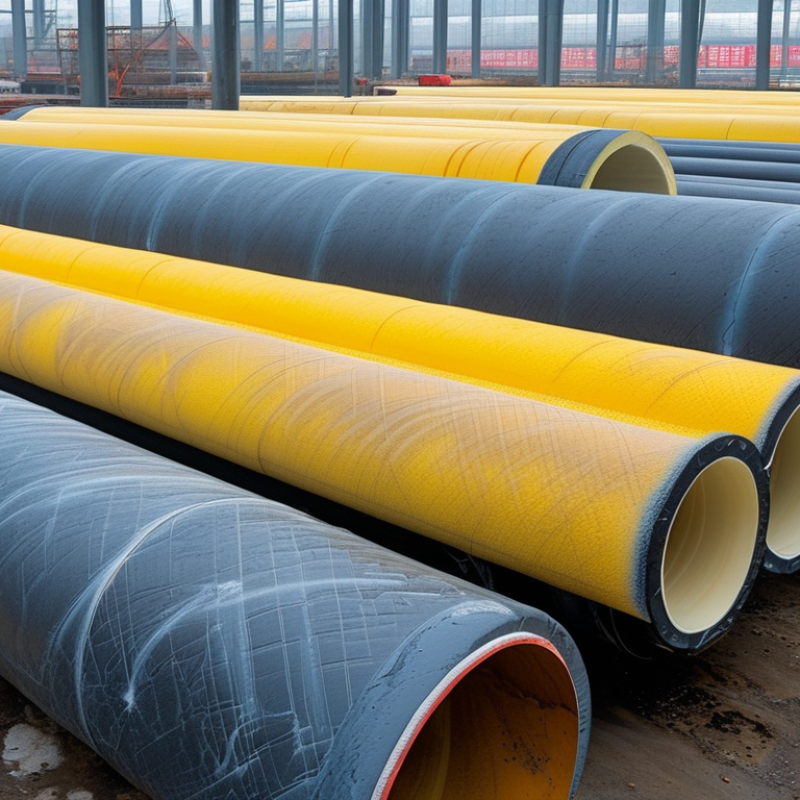
Foam pipe sleeves play a crucial role in various applications. They are mainly used for insulation, protection, and vibration dampening. This simple product helps prevent heat loss in piping systems, improving energy efficiency. Installing foam sleeves is an effective way to protect pipes from extreme temperatures. Many industries benefit from their use, including HVAC, plumbing, and refrigeration.
In construction and renovation, foam sleeves provide an added layer of safety. They shield pipes from physical damage, reducing costly repairs. However, not all foam sleeves are created equal. Some may degrade over time when exposed to UV light or harsh chemicals. Careful selection is essential for ensuring long-lasting performance. The right sleeves contribute to the overall lifespan of the piping systems.
When considering foam pipe sleeves, it’s vital to assess your specific needs. Factors like pipe size and environmental conditions will influence your choice. It's important to consult with knowledgeable suppliers. They can provide insights into material quality and application suitability. This ensures that your investment is reliable and effective. Choosing the right product can make a significant difference in your project’s success.
| Feature | Description | Material | Application | Insulation Value (R-Value) |
|---|---|---|---|---|
| Thermal Insulation | Reduces heat transfer, improving energy efficiency. | Polyethylene Foam | Residential and Commercial HVAC systems. | R-4 to R-7 |
| Sound Absorption | Minimizes noise transmission for quiet environments. | Melamine Foam | Pipelines in commercial buildings. | R-3 to R-5 |
| Moisture Resistance | Prevents mold and mildew growth. | Cross-Linked Polyethylene | Industrial refrigeration systems. | R-2 to R-4 |
| Durability | Resistant to chemicals and physical damage. | EVA Foam | Marine and outdoor applications. | R-3 to R-6 |
| Easy Installation | Quick and simple to apply without special tools. | Rubber Foam | Residential plumbing applications. | R-1 to R-3 |
Foam pipe sleeves are essential for insulation and protection in various industries. High-quality foam pipe sleeves exhibit several key characteristics that enhance their functionality. They are typically made from durable materials like polyethylene or neoprene. This ensures they can withstand extreme temperatures and resist moisture. According to industry reports, the market for insulation solutions is expected to grow by 5% annually, demonstrating the increasing demand for reliable insulation materials.
One crucial feature is their thermal resistance. Effective foam pipe sleeves can provide R-values from 2.5 to 4.0, depending on the foam density and thickness. This means they can significantly reduce energy loss in plumbing and HVAC systems. Additionally, these sleeves should have a closed-cell structure to prevent water absorption, enhancing their longevity. However, choosing the wrong thickness may lead to inadequate insulation, a common issue in many installations.
Furthermore, flexibility is vital for ease of installation. High-quality foam pipe sleeves should easily conform to different pipe sizes and shapes. This ensures complete coverage, preventing exposed areas that could cause heat loss or condensation buildup. Research indicates that about 30% of energy loss occurs due to improper insulation. This highlights the importance of selecting foam sleeves that meet both commercial and residential insulation needs effectively.
When it comes to foam pipe sleeves, China stands out as a leading supplier. The foam pipe sleeves are essential for insulation and protection in various industries. These products are lightweight yet durable. They help in reducing energy loss and preventing condensation. Buyers should look for suppliers who prioritize quality and consistency.
Several companies in China specialize in producing foam pipe sleeves. Many have advanced manufacturing techniques. This ensures high-quality products that meet international standards. However, not all suppliers offer the same level of expertise or material quality. Researching suppliers is crucial. It can make a difference in performance and longevity.
Choosing the right supplier involves understanding their production processes. It’s important to know the materials used in their foam pipe sleeves. Suppliers should provide transparency about their sourcing and manufacturing. Engaging with suppliers directly can yield valuable insights. This interaction may reveal aspects of their operations that are not immediately obvious.
Foam pipe sleeves are essential in various industries, offering significant insulation and protection. These sleeves are made from different materials, each bringing unique benefits. Polyethylene foam, for example, is lightweight and resistant to moisture. According to a study, about 30% of insulation failures occur due to water intrusion. Thus, using moisture-resistant materials can enhance the insulation lifespan.
Moreover, cross-linked polyethylene (PEX) is gaining popularity for its durability. It provides superior thermal insulation compared to traditional foam materials. Research indicates that PEX can reduce energy loss by up to 50%. However, it can be more costly. This raises questions about budget allocations for insulation materials in manufacturing processes.
Another material worth considering is neoprene. Its excellent resistance to temperature variations makes it suitable for extreme conditions. However, neoprene's production process can lead to environmental concerns. Striking a balance between performance and environmental impact is crucial. Understanding these materials' benefits and limitations helps businesses make informed decisions for efficient insulation solutions.
When selecting foam pipe sleeve suppliers, several critical factors must be assessed. First, consider the quality of materials used. Suppliers should utilize high-density foam to ensure optimal insulation and durability. Industry data indicates that foam insulation can reduce energy loss by up to 60%. This makes it essential to partner with manufacturers who prioritize quality control.
Additionally, the supplier's manufacturing capabilities should not be overlooked. A reliable supplier should offer a range of sizes and custom solutions. Flexibility in production can accommodate diverse insulation needs across projects. With foam pipe sleeves, precision is key. Each sleeve should fit snugly around pipes to prevent leaks and enhance energy efficiency.
Lastly, the supplier's reputation plays a significant role in the decision-making process. Look for suppliers with positive reviews and certifications. Industry-specific reports suggest that verified suppliers often have lower defect rates. Engaging with experienced suppliers can lead to enhanced project outcomes. Focusing on supplier credentials may seem tedious but is crucial for long-term success.
: Foam pipe sleeves are used mainly for insulation, protection, and vibration dampening.
They prevent heat loss in piping systems, contributing to energy savings.
Not all sleeves are the same; some may degrade from UV light or chemicals.
Consider factors like pipe size and environmental conditions that may affect performance.
Research suppliers and seek those who prioritize quality and consistency in their products.
Most are, but it's essential to verify material quality to ensure long-lasting use.
Suppliers can provide insights into materials and help ensure your investment is effective.
Direct interaction may reveal important information about their production processes.
Yes, the level of expertise and material quality varies, so thorough research is necessary.
Some may not perform well if exposed to harsh environmental conditions over time.
Foam Pipe Sleeves are essential components widely used in various industries for insulation and protection of pipes. Their primary purpose is to provide thermal insulation, reducing heat loss, and protecting pipes from mechanical damage. These sleeves find applications in HVAC systems, refrigeration, plumbing, and other areas where pipe integrity is crucial.
When selecting high-quality Foam Pipe Sleeves, key characteristics such as density, thermal resistance, and durability must be considered. Leading suppliers in China offer a range of options, each with distinct materials that can suit different needs. A comparative analysis of these materials highlights their benefits, allowing suppliers to tailor solutions to specific requirements. Ultimately, evaluating factors such as supplier reputation, product quality, and pricing will ensure the best choice for Foam Pipe Sleeve needs.

Kingflex