Choosing the right insulation material is crucial in construction. Black insulation is gaining popularity in various projects. Its unique properties can enhance energy efficiency and thermal performance. According to the Department of Energy, properly insulated buildings can save up to 20% on energy costs.
The rise of black insulation stems from its aesthetic appeal and functionality. It offers better heat retention compared to traditional insulators. As per industry reports, about 30% of new constructions in urban areas are now using black insulation. This trend reflects a shift toward more sophisticated building designs.
Selecting black insulation requires careful consideration. Not all products meet high standards. It is essential to choose products that comply with local regulations and safety certifications. Reflecting on past projects can help avoid common pitfalls. Thorough research is necessary to ensure reliability and effectiveness in your projects.
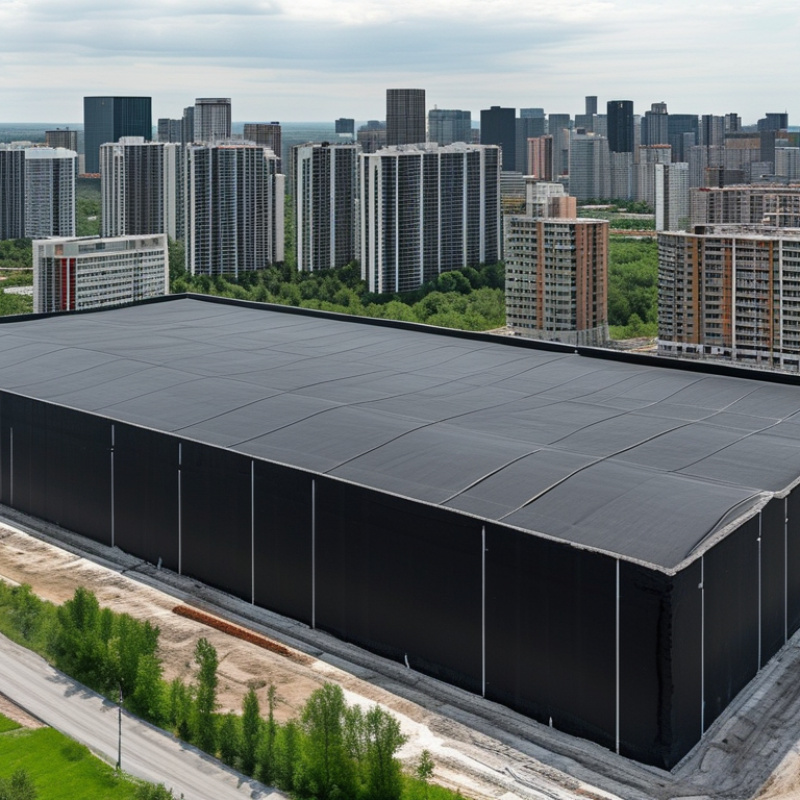
Understanding the Benefits of Black Insulation Materials in 2026
Black insulation may seem like a niche choice, but its benefits are substantial. It offers excellent thermal performance. This means homes and buildings can maintain energy efficiency year-round. When integrated correctly, black insulation can significantly reduce heating and cooling costs.
Aesthetic appeal is another advantage. Black insulation blends well in modern designs. It can enhance the overall appearance of construction projects, especially in industrial or contemporary settings.
However, its color can absorb heat more than standard insulation. This characteristic must be considered in warmer climates, as it can lead to unintended consequences in energy management.
Moreover, environmental concerns come into play. Some black insulation materials are made from recycled products, supporting sustainable practices. This shift towards eco-friendly options is a crucial reflection for modern builders.
Choosing the right type of black insulation often requires thorough research. Some materials may promise durability yet fail in performance. Potential buyers should ask questions and seek expert opinions to avoid pitfalls in selecting insulation.
Key Factors to Consider When Selecting Black Insulation for Your Project
Choosing the right black insulation for your project in 2026 requires careful consideration. One key factor is thermal performance. Different types of insulation have varied R-values. A higher R-value indicates better insulating efficiency. Low-quality options may save money upfront but often lead to higher energy costs later.
Durability is another crucial factor. Some materials can degrade quickly under temperature fluctuations. Investing in long-lasting insulation can prevent future hassles. Look for products tested for moisture resistance, as moisture can severely impact insulation performance.
Color might seem trivial, but black insulation can absorb heat. This characteristic can be beneficial in certain climates, but it may be a drawback in sunnier regions. A thoughtful approach will help you make the right decision.
Balancing aesthetics and functionality is often a reflective process. Be clear about your project's goals—comfort, energy savings, or environmental concerns. Every project is unique, and so are its insulation needs.
Comparative Analysis of Black Insulation Products and Their Performance Data
When selecting black insulation materials in 2026, a comparative analysis of product performance is essential. Industry reports suggest that black insulation often exhibits higher thermal resistance compared to lighter options. Recent data indicates that black insulation can achieve an R-value up to 7.5 per inch. This metric signifies its effectiveness in retaining heat, especially in colder climates. However, the visual appeal of black insulation can be subjective, which may impact design choices.
Another aspect to consider is the moisture permeability of black insulation. Some studies have shown that certain black materials can have lower moisture resistance. This can lead to issues like mold cultivation in humid environments. According to a 2023 report by the National Insulation Association, insulation performance can degrade significantly if moisture penetrates, undermining the primary goal of energy efficiency.
Additionally, the environmental impact of these materials cannot be overlooked. The production processes of some black insulation products may contribute to increased carbon emissions. As awareness grows, architects and builders might ponder the sustainability of their insulation choices. Making informed decisions based on comparative analysis will lead to more resilient projects in the long run.
How to Choose Black Insulation for Your Projects in 2026? - Comparative Analysis of Black Insulation Products and Their Performance Data
| Product Type |
R-Value |
Thermal Conductivity (W/mK) |
Fire Resistance Rating |
Cost per Square Foot |
| Fiberglass Insulation |
R-13 |
0.036 |
Class A |
$0.50 |
| Foam Board Insulation |
R-5 |
0.020 |
Class A |
$1.00 |
| Cellulose Insulation |
R-3.5 |
0.040 |
Class B |
$0.70 |
| Mineral Wool Insulation |
R-15 |
0.035 |
Class A |
$0.80 |
| Spray Foam Insulation |
R-6.5 |
0.022 |
Class A |
$1.50 |
Sustainability Trends in Black Insulation: Market Insights for 2026
The growing interest in sustainability drives innovation in black insulation materials. In 2026, consumers seek options that minimize environmental impact. This trend reflects a shift towards eco-friendly building practices. As awareness rises, manufacturers are responding with greener products. Many now prioritize recycled content and low embodied energy in production.
Market insights indicate that black insulation will incorporate renewable resources. Natural materials, like cellulose and hemp, gain traction. These alternatives not only reduce carbon footprints but also enhance thermal efficiency. Homeowners may notice improved energy retention, leading to lower utility costs.
However, choosing the right product can be challenging. Some options may lack performance ratings or clear certifications. It's essential to research the specific materials used. Transparency in sourcing and manufacturing is vital. Users should question whether the insulation aligns with their sustainability goals.
Regulatory Standards Affecting Black Insulation Choices in Construction Projects
When selecting black insulation for construction projects in 2026, understanding regulatory standards is crucial. These standards vary by region. They ensure safety, efficiency, and environmental compliance. Meeting them can elevate your project's reliability and quality. Keep abreast of local codes that apply to insulation materials.
Tips: Always review the latest updates on insulation regulations. Collaborate with local authorities to clarify any doubts. Document your compliance process meticulously. It may come in handy during inspections.
It's not just about choosing the right material. Consider the thermal resistance and fire ratings of black insulation products. Ensure that they align with your project's requirements. This ensures your space remains safe and energy-efficient. Additionally, think about the manufacturer’s certifications. A reliable supplier can help navigate complex regulations. When in doubt, seek expert advice to ensure you make informed decisions.
FAQS
: Focus on thermal performance, durability, and moisture resistance. Each factor can significantly affect your project's effectiveness.
R-value indicates insulating efficiency. A higher value means better thermal performance and can lead to lower energy costs over time.
Yes, black insulation absorbs heat. This can be good in colder climates but problematic in sunnier regions.
Some black insulation materials may have low moisture resistance. This can lead to mold and degradation if not managed properly.
Yes, there are more sustainable choices, including those made from recycled materials or natural resources like cellulose and hemp.
Research materials used and check for performance ratings or certifications. Transparency in sourcing is crucial for informed decisions.
Generally, yes. Black insulation often has higher thermal resistance, making it effective in retaining heat.
Low upfront costs may lead to higher energy expenses later. Consider durability and performance over initial savings.
Yes, its visual appeal can impact aesthetics. Reflecting on the balance between functionality and looks is important.
Absolutely. Penetrating moisture can degrade insulation, severely undermining energy efficiency and overall effectiveness.
Conclusion
In 2026, choosing the right black insulation for construction projects involves a deep understanding of its benefits, including thermal efficiency and aesthetic appeal. Key factors such as R-value, material composition, and installation ease should be prioritized to ensure optimal performance. A comparative analysis of various black insulation products will reveal significant differences in their effectiveness, guiding professionals in making informed decisions based on performance data.
Sustainability trends are also crucial in the selection process, reflecting a growing market demand for eco-friendly materials. Awareness of regulatory standards that impact black insulation choices is essential to ensure compliance in construction practices. Overall, making informed choices regarding black insulation can enhance project outcomes while aligning with current sustainability and regulatory frameworks.

 Kingflex