Why Choose Thermal Sheeting for Global Sourcing?

Time:2026-09-08 Author:Sienna
0%

Why Choose Thermal Sheeting for Global Sourcing?

Thermal Sheeting supports many applications, including insulation, protective packaging, construction, and temperature-sensitive transport. Its value depends on the material, thickness, coating, and intended operating range. A sheet that performs well in a warehouse may fail near a furnace or refrigerated container. This detail matters.

Global sourcing can provide broader supplier access, competitive pricing, and specialized manufacturing capabilities. Experienced buyers compare thermal conductivity, tensile strength, surface durability, and dimensional stability. They also request samples before approving large orders. A practical test may involve cutting sheets, checking edge quality, and measuring performance under controlled temperatures.

Specifications should be documented clearly. Include thickness tolerance, roll width, packaging method, testing standards, and production lead time. Reliable suppliers can provide technical data sheets, inspection records, and traceable batch information. Independent testing may strengthen confidence when products serve critical operations.

Cost is only one factor. Freight volume, customs requirements, storage conditions, and replacement risks can change the final sourcing cost. A cheaper quotation may hide inconsistent thickness or weak packaging. That mistake becomes expensive.

Thermal Sheeting is not automatically the best choice for every project. Product selection should reflect climate, handling conditions, installation methods, and safety expectations. Supplier audits, pre-shipment inspections, and clear corrective procedures reduce uncertainty. Still, no sourcing process is perfect. Measurements can vary, forecasts can be wrong, and communication can fail across languages. Careful review remains essential. With transparent specifications and accountable partners, global sourcing can deliver dependable performance without sacrificing commercial control.
Why Choose Thermal Sheeting for Global Sourcing?

What Is Thermal Sheeting and How Does It Work?

Thermal sheeting is a thin material designed to slow heat transfer through walls, roofs, floors, or packaged goods. It may contain foam, fibrous layers, sealed air pockets, or a reflective metalized surface. These structures work in different ways. Foam and fibers resist conduction, while reflective surfaces reduce radiant heat movement across an air gap. The sheet does not create heat. It controls its movement.

In practical installation reviews, small details often affect performance more than expected. A crushed air pocket loses value. An open seam can become a fast path for heat. Dust, moisture, and poor fastening may also reduce long-term effectiveness. Thermal sheeting works best when the product matches the climate, surface, and required resistance level. Testing should include thermal resistance, moisture behavior, tensile strength, and dimensional stability. Test methods must be clearly identified, not hidden behind vague performance claims.

For global sourcing, buyers should request consistent specifications, independent test records, and production samples from each supplier. Thickness alone is not enough. A thinner sheet may perform well in one application but fail beside a hot roof or cold storage wall. Local building requirements and transport conditions also deserve attention. I have found that installation instructions are sometimes treated as minor paperwork. That is a mistake. Clear guidance on overlaps, sealing, ventilation, and handling helps preserve the material’s designed performance. No sheet solves every insulation problem. Purpose matters.

Which Materials and Properties Define Thermal Sheeting?

Why Choose Thermal Sheeting for Global Sourcing?

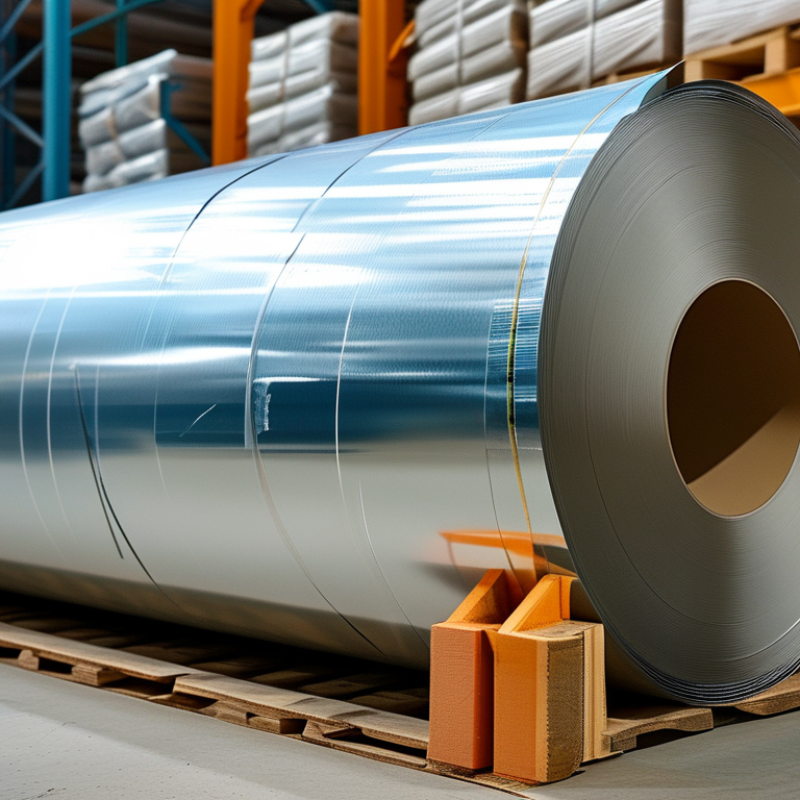
Thermal sheeting is not defined by shine alone. Its performance begins with the material structure and intended installation. Closed-cell polyethylene can limit heat transfer while resisting moisture absorption. Metallized polyester reflects radiant heat in lightweight assemblies. Aluminum foil offers stronger radiant reflection, but it may crease or tear without support. Some products combine these layers with adhesive films, woven reinforcement, or protective coatings.

Which Materials and Properties Define Thermal Sheeting?

Thickness matters. However, thickness alone does not guarantee insulation performance. Buyers should review thermal conductivity, thermal resistance, surface emissivity, tensile strength, puncture resistance, and operating temperature. Vapor permeability is important in humid environments. Fire behavior also requires careful verification through relevant laboratory testing. A flexible sheet used beneath roofing needs different properties from one wrapped around ductwork or equipment.

Reliable sourcing depends on measurable evidence. Request technical data, test methods, tolerance ranges, and sample results from the same production process. Thermal resistance values can be misleading when thickness or testing conditions differ. I have seen specifications look impressive until moisture exposure changed the result. That detail deserves more attention. Check roll width, winding quality, odor, coating adhesion, and batch consistency before approving larger orders. Packaging should also protect edges from crushing during long-distance transport.

Why Choose Thermal Sheeting for Global Sourcing?

Which Materials and Properties Define Thermal Sheeting?

Thermal performance is primarily defined by thermal conductivity, measured in W/m·K. Lower values indicate better insulation efficiency and can help reduce sheet thickness for the same thermal resistance.

The chart uses representative midpoint values for common insulation sheet materials at approximately 10°C. Actual performance varies with density, thickness, moisture content, temperature, and test method. Typical reference methods include EN 12667 and ASTM C518.

How Does Thermal Sheeting Support Global Sourcing?

How Does Thermal Sheeting Support Global Sourcing?

Thermal sheeting helps global sourcing teams protect temperature-sensitive goods across long, unpredictable routes. It can line cartons, wrap pallets, or cover insulated containers during ocean, air, and road transport. Reflective layers reduce radiant heat, while insulating layers slow temperature changes. This support matters when products wait on a loading dock under strong sunlight.

In practice, thermal sheeting also simplifies supplier coordination. A standard sheet size can serve several packaging formats, reducing packing adjustments between regions. Procurement teams should check thickness, seam strength, moisture resistance, and storage conditions. A qualified packaging engineer should match the material to the product’s temperature range and transit duration. Thermal sheeting is not a magic shield. Poor sealing, open doors, and unexpected delays can still cause damage. That weakness deserves honest testing.

Tips: Request technical data, batch information, and performance test records from each supplier. Test packed samples during hot and cold route simulations. Measure the product temperature, not only the surrounding air. Keep spare sheets at the packing site. They take little space. Review local recycling requirements before shipment, because material acceptance differs between countries. A small trial may reveal handling problems that a specification sheet misses.

What Factors Should Buyers Evaluate Before Importing?

Why Choose Thermal Sheeting for Global Sourcing?

Buyers should evaluate performance before comparing prices. Thermal conductivity, thickness, density, and temperature range directly affect insulation results. Ask for recent laboratory reports, not only a supplier’s product brochure. The test method must match the conditions of your project. Otherwise, impressive numbers may mislead you.

Moisture resistance deserves close attention. A sheet that absorbs water can lose efficiency during storage or installation. Check dimensional stability, surface strength, cutting behavior, and fire-performance documentation. Request samples and test them in realistic environments. Feel the material. Bend it. Measure thickness at several points. Small variations can create installation problems. I have learned that factory photos prove very little. Production records, quality procedures, and traceability provide stronger evidence. An independent inspection may cost more, but it can reveal uneven density or damaged packaging before shipment.

Import planning also requires practical calculations. Review minimum order quantities, packaging volume, pallet strength, and container loading efficiency. Freight can change the final cost sharply. Confirm product classifications, labeling rules, safety documents, and destination-country requirements before placing an order. Ask how the supplier handles complaints and replacement claims. Slow answers are a warning sign. Clear answers matter. A low unit price may look attractive, yet rejected goods, moisture damage, or customs delays can erase the savings. I would not rely on one sample alone; batch consistency still needs verification. Supplier experience with similar climates, applications, and export routes can reduce avoidable surprises.

Why Choose Thermal Sheeting for Global Sourcing? - What Factors Should Buyers Evaluate Before Importing?

Evaluation Dimension Indicative Data or Benchmark Why It Matters for Buyers Recommended Import Check
Thermal Conductivity Common insulation-sheet materials may range from approximately 0.020 to 0.060 W/m·K at controlled test conditions, depending on material, density, temperature, and moisture. Lower conductivity generally provides better insulation at the same thickness, but laboratory values may not represent installed performance. Request the test temperature, specimen conditioning, test method, declared value, and design value rather than relying only on a marketing figure.
Thickness and Thermal Resistance Thermal resistance is broadly calculated as R = thickness ÷ thermal conductivity, using consistent units. Increasing thickness normally increases R-value. A thinner sheet with a lower conductivity may provide similar insulation to a thicker, less efficient sheet and can reduce dimensional and freight costs. Compare products at the same thickness and confirm whether the declared R-value includes joints, compression, facings, or air spaces.
Material Construction Typical constructions include flexible polymer foams, mineral-fiber sheets, rigid cellular boards, multilayer reflective laminates, and composite sheets. Material structure affects flexibility, cutting, compression recovery, fire behavior, moisture resistance, and suitability for walls, roofs, ducts, equipment, or packaging. Match the construction to the operating environment and obtain a complete technical data sheet, safety data sheet, and composition declaration.
Moisture and Water Absorption Water absorption varies substantially by material and test method; closed-cell products generally absorb less water than open-fiber or open-cell structures. Moisture can reduce thermal performance, increase weight, promote corrosion at interfaces, and create mold or odor concerns in some applications. Specify the required water-absorption limit, immersion duration, humidity exposure, edge sealing, and vapor-permeability requirement.
Fire Performance Fire classification depends on the complete product system, including facings, adhesives, thickness, mounting, and joints. A material rating alone may not cover the end-use assembly. Fire requirements can determine whether a product is permitted in buildings, transport equipment, industrial installations, or enclosed spaces. Confirm the destination-market requirement and request an accredited fire-test report for the exact construction and thickness being purchased.
Service Temperature Many sheet products are designed for a defined temperature window, often with separate limits for continuous use, short-term exposure, adhesive layers, and facings. Exceeding the service range may cause shrinkage, embrittlement, softening, delamination, odor, or loss of insulation performance. Compare the full operating cycle, including startup, shutdown, cleaning, sunlight, cold storage, and contact with hot surfaces or pipes.
Dimensional Tolerance Typical commercial specifications define tolerances for length, width, thickness, density, squareness, and flatness; the limits vary by manufacturing process and product type. Inconsistent dimensions can increase installation waste, create thermal bridges, and complicate automated converting or assembly. Place measurable tolerances in the purchase contract and inspect production samples against approved reference pieces.
Compression and Recovery Flexible sheets can lose thickness under sustained load. Compression set and recovery depend on material chemistry, density, temperature, time, and load. Permanent compression may reduce the designed thermal resistance and cause gaps or poor sealing after installation. Request compression-set or creep data at the actual temperature and load, especially for gaskets, liners, roofs, and equipment insulation.
Surface, Facing, and Adhesive Facings may include foil, films, nonwovens, fabric, or protective coatings. Self-adhesive versions require separate bond-strength and aging specifications. The facing can provide vapor control, abrasion resistance, cleanability, light reflectance, or improved handling, while adhesives may limit temperature and shelf life. Define peel strength, shear strength, liner type, surface preparation, aging conditions, and compatibility with the installation substrate.
Roll or Sheet Format Roll format can reduce handling and joint count, while cut sheets may improve dimensional control and protect against deformation during transport. The format affects yield, labor, pallet density, container utilization, and the risk of curling, crushing, or telescoping. Approve packaging dimensions, roll hardness, core size, maximum roll weight, pallet pattern, and allowable deformation before mass production.
Weight and Freight Efficiency Freight cost is influenced by both actual weight and shipping volume. Low-density thermal sheets may become volume-limited before they become weight-limited. A low unit price can be offset by inefficient packaging, unused container space, or dimensional-weight charges. Calculate landed cost using packed dimensions, gross weight, pallet count, container utilization, duties, insurance, and inland delivery.
Quality Control and Testing Relevant testing may include thermal conductivity, density, thickness, tensile or peel strength, water absorption, dimensional stability, and fire performance. Independent verification helps identify batch variation and prevents acceptance based only on appearance or supplier declarations. Use pre-production samples, a signed golden sample, an inspection plan, defined AQL criteria where appropriate, and batch traceability.
Standards and Regulatory Compliance Applicable requirements differ by destination and use. Commonly referenced frameworks include ISO, ASTM, EN, building regulations, chemical restrictions, and transport rules. A product suitable in one country may require different documentation, labeling, fire classification, or chemical declarations elsewhere. Confirm the correct HS classification, country-of-origin rules, labeling language, restricted-substance requirements, and certificates required by the importer.
Lead Time and Minimum Order Quantity Lead time varies with material availability, customization, adhesive or facing options, production capacity, testing, and port congestion. Long replenishment cycles can increase safety-stock requirements and create project delays when demand is seasonal or specification changes occur. Obtain written production and shipping schedules, define partial-shipment rules, and confirm the minimum order for each thickness, width, and finish.
Landed Cost and Payment Terms Total cost includes product price, tooling, packaging, testing, freight, insurance, duties, customs clearance, inland transport, storage, and quality claims. Comparing unit prices alone can conceal significant logistics and compliance costs. Compare quotations on the same Incoterm and currency, and model landed cost per square meter or per unit of thermal resistance.
Sustainability and End-of-Life Recycled content, recyclability, embodied carbon, production waste, packaging material, and disposal options vary by product construction and market. Environmental documentation may affect tender eligibility, building assessments, customer requirements, and future regulatory exposure. Request reliable recycled-content evidence, environmental declarations where available, chemical disclosures, and practical end-of-life guidance.

Note: The performance ranges above are indicative industry benchmarks for preliminary sourcing comparisons. Final acceptance should be based on the exact product specification, accredited test reports, destination-country regulations, and the intended installation conditions.

How Can Businesses Manage Quality, Cost, and Supply Risks?

Why Choose Thermal Sheeting for Global Sourcing?

How Can Businesses Manage Quality, Cost, and Supply Risks?

Global sourcing of thermal sheeting requires more than comparing unit prices. Material thickness, thermal resistance, surface finish, and roll consistency can affect installation and performance. A useful specification should include tolerance limits, test methods, packaging rules, and approval samples. ISO’s 2022 Survey recorded more than 1.2 million ISO 9001 certificates worldwide. However, certification alone does not guarantee every shipment matches the approved sample. It shows a management system, not perfect production.

Cost control begins with total landed cost. Include tooling, inspection, freight, duties, storage, and rejected material. The World Trade Organization reported a 1.2% decline in global merchandise trade volume during 2023. Such pressure can encourage suppliers to reduce prices too aggressively. That choice may create thinner sheets, weaker packaging, or inconsistent thermal performance. Cheap material can become expensive after rework.

Supply risk needs practical controls. The World Bank’s 2023 Logistics Performance Index assessed 139 economies and highlighted uneven tracking and border reliability. Businesses can reduce exposure through dual sourcing, buffer stock, batch-level records, and independent pre-shipment testing. Check pallet moisture protection. Check roll edges. Keep retained samples. Small details matter. Yet forecasts are still imperfect. A six-week buffer may protect one project and overstock another. Review demand monthly, and challenge assumptions when lead times change.

FAQS

: What is thermal sheeting?

: Thermal sheeting slows heat movement through walls, roofs, floors, and packages. It does not create heat. It controls heat transfer.

How does thermal sheeting work?

Foam and fibers resist heat conduction. Reflective surfaces reduce radiant heat crossing an air gap. Sealed air pockets can also slow heat movement.

Can a thin sheet perform well?

Sometimes. Thickness alone does not determine performance. A thinner sheet may suit one wall but fail beside a hot roof. Check thermal resistance and application conditions.

What installation details affect performance?

Crushed air pockets lose effectiveness. Open seams can form quick heat paths. Dust, moisture, and weak fastening may reduce service life. Seal overlaps carefully.

What tests should buyers request?

Request thermal resistance, moisture behavior, tensile strength, and dimensional stability tests. Ask for clear test methods. Vague performance claims are not enough.

How should businesses check supplier quality?

Request fixed specifications, tolerance limits, production samples, and independent test records. Compare each shipment with the approved sample. Certification can support control. It cannot guarantee perfect production.

How can buyers calculate the real cost?

Include tooling, inspection, freight, duties, storage, and rejected material. A low unit price may hide rework costs. Cheap material can become expensive.

How can businesses reduce supply risks?

Consider dual sourcing, buffer stock, batch records, and pre-shipment testing. Protect pallets from moisture. Inspect roll edges. Keep retained samples.

Is a six-week inventory buffer always suitable?

No. It may protect one project and overstock another. Review demand monthly and reassess changing lead times. Forecasts remain imperfect.

Conclusion

Thermal Sheeting is a specialized insulating material designed to reduce heat transfer by reflecting radiant energy, slowing conduction, or combining multiple protective layers. Its performance depends on the materials used, such as reflective films, foam, woven fabrics, coatings, or reinforced laminates, as well as properties including thermal resistance, surface reflectivity, flexibility, strength, moisture resistance, and durability. These characteristics make it suitable for packaging, construction, industrial protection, and temperature-sensitive supply chains.

For global sourcing, Thermal Sheeting can help buyers improve energy efficiency, protect products during transportation, and select solutions suited to different climates and applications. Before importing, businesses should evaluate technical specifications, certifications, packaging requirements, production capacity, lead times, communication standards, and total landed cost. Effective risk management also requires sample testing, supplier audits, clear quality agreements, inspection procedures, and contingency planning. By balancing performance, price, consistency, and supply reliability, buyers can achieve a more secure and cost-effective sourcing strategy.

Sienna

Sienna

Sienna is a skilled marketing professional with a deep expertise in our company’s core products and services. With a passion for innovation and detail, she plays a pivotal role in crafting insightful blog posts that not only highlight the unique features of our offerings but also provide valuable......