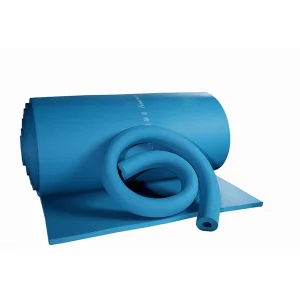
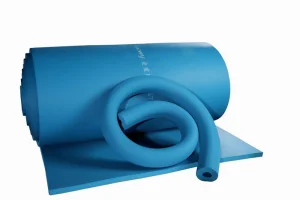
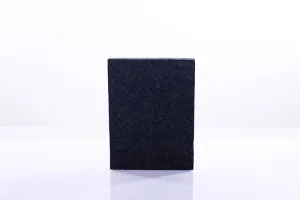
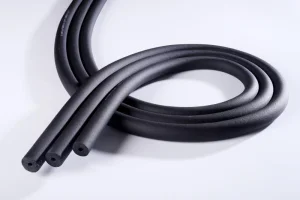
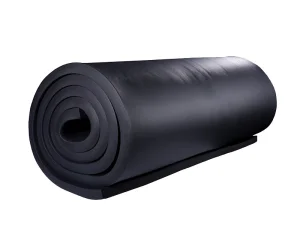
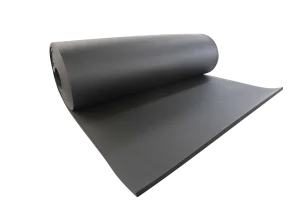
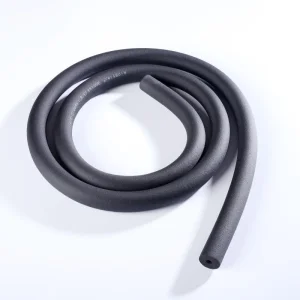
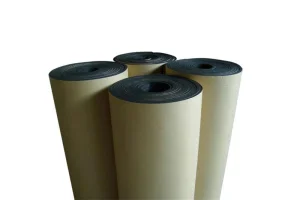
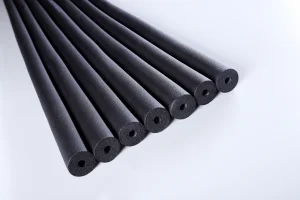
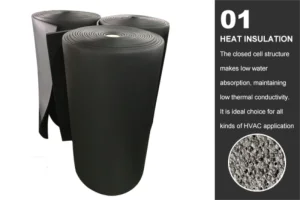
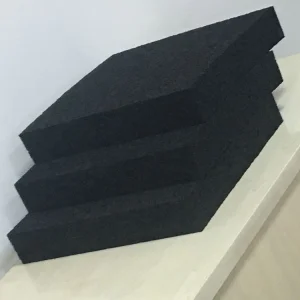
The physical properties of Nitrile Butadiene Rubber (NBR) insulation are primarily determined by its internal cell architecture. Formulated with a specialized blend of NBR and Polyvinyl Chloride (PVC), this material undergoes a precision thermal expansion process that produces a structure with a closed-cell rate exceeding 98%. This high density of micro-cells effectively encapsulates dry air, which has an extremely low thermal conductivity ($\lambda \approx 0.026 \text{ W/(m}\cdot\text{K)}$ at room temperature).
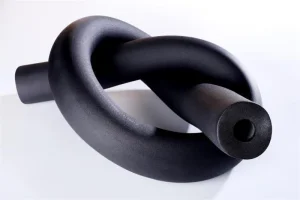
By locking air inside microscopic, non-communicating cells, convective heat transfer is virtually eliminated. This stable internal structure maintains a low thermal conductivity range of 0.031 to 0.035 W/(m·K) at 0°C. Additionally, the structural configuration acts as a built-in water vapor barrier, preventing moisture ingress that could compromise thermal performance.
| Physical Parameter | Value Range (Standard NBR/PVC) | Testing Standard Ref. |
|---|---|---|
| Thermal Conductivity ($\lambda$) | ≤ 0.034 W/(m·K) at 0°C | ASTM C518 / ISO 8301 |
| Water Vapor Permeability (μ) | ≥ 10,000 (Moisture Resistance Factor) | EN 12086 / ASTM E96 |
| Service Temperature Limit | -40°C to +105°C (Up to -200°C for cryogenic series) | DIN 52612 |
| Density Range | 40 to 55 kg/m³ | ASTM D1622 |
| Fire Performance Class | Class 0 (BS 476 Part 6/7) / V-0 (UL94) | BS 476 / UL 94 |
As international building regulations shift toward net-zero targets (such as the EU's Energy Performance of Buildings Directive and ASHRAE 90.1 updates), insulation is no longer evaluated solely by material cost. Today, lifecycle energy efficiency and operational resilience are key metrics. Nitrile rubber plays a critical role in these calculations by preventing condensation and minimizing heat loss in key areas:
Different geographic zones present distinct challenges for insulation design. Kingflex products are engineered to meet these localized requirements:
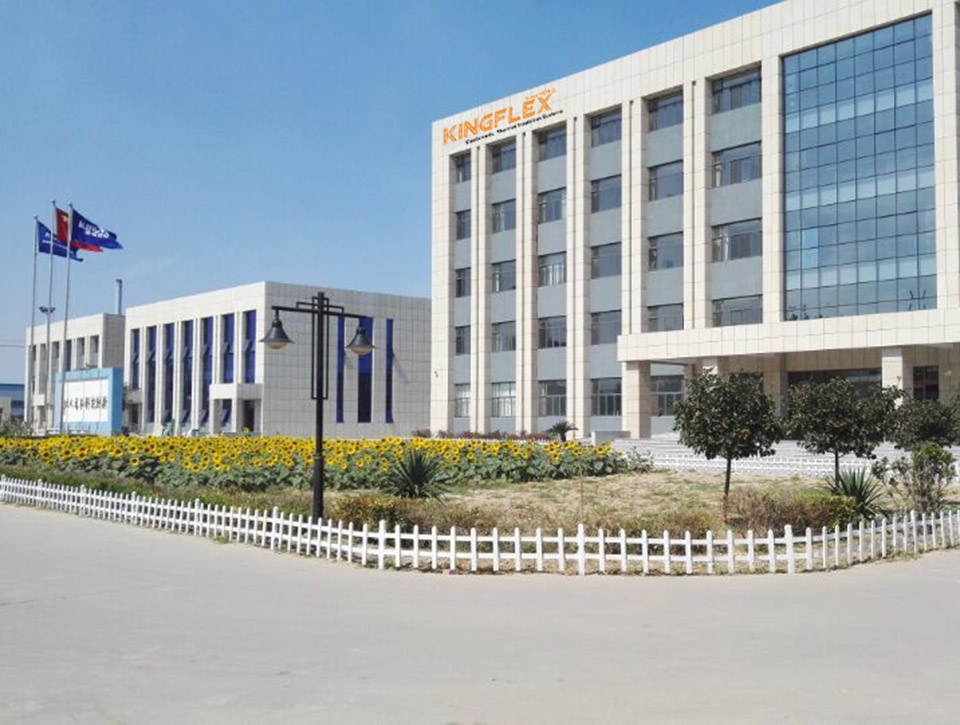
Founded by the Jinwei Group (established in 1979), Kingflex has over 40 years of manufacturing experience. We operate five large-scale automatic production lines at our facility in Dacheng, China, giving us an annual production capacity of over 600,000 cubic meters.
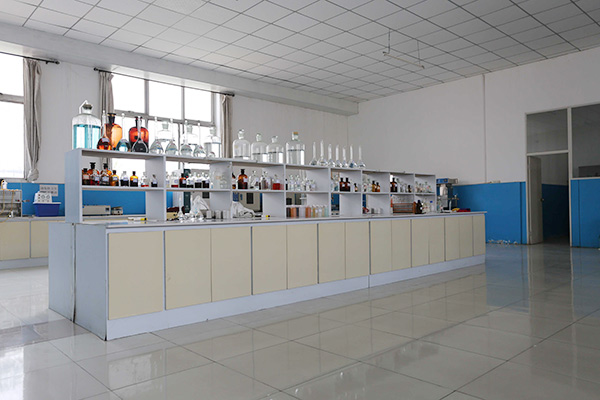
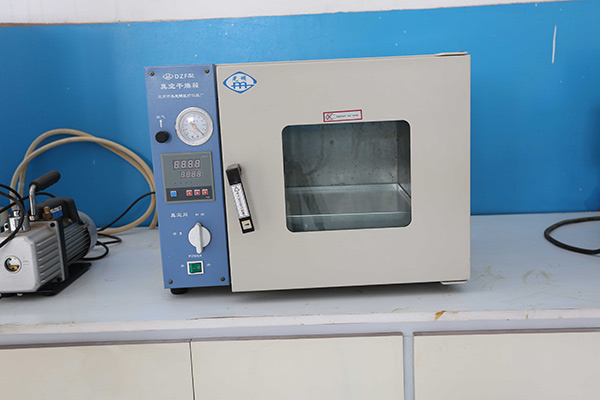
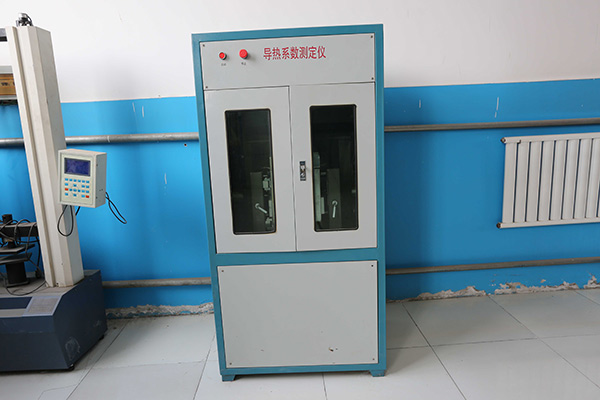
This high-volume production capability allows us to maintain consistent quality and deliver large orders globally. Our QA process tracks batches from raw chemical blending to final thermal profiling. Our R&D team consists of eight professional engineers focused on improving thermal properties, mechanical strength, and environmental compatibility.
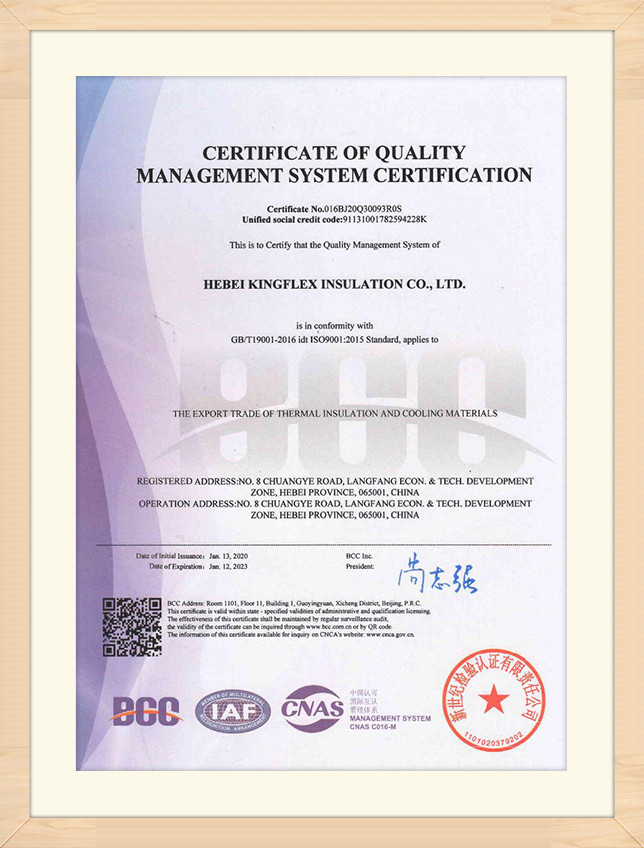
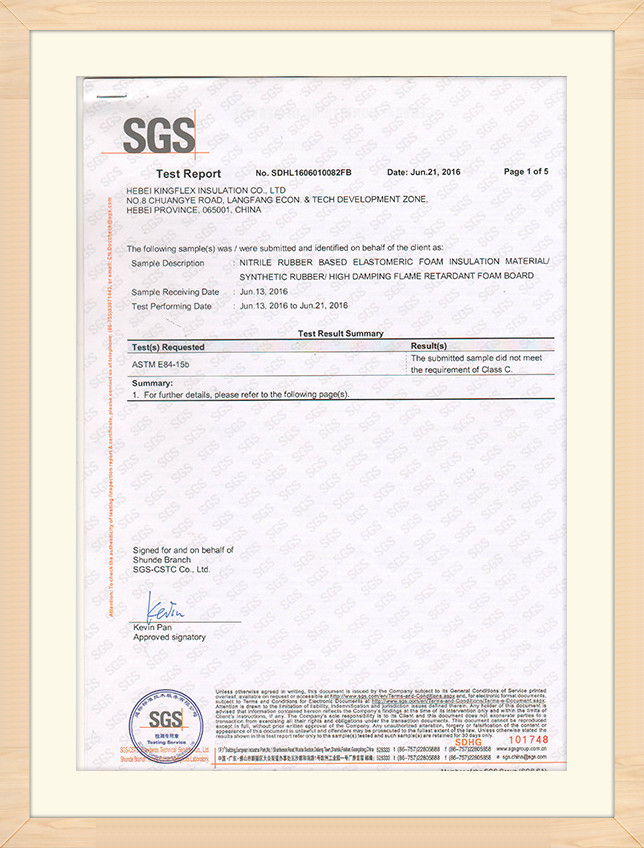
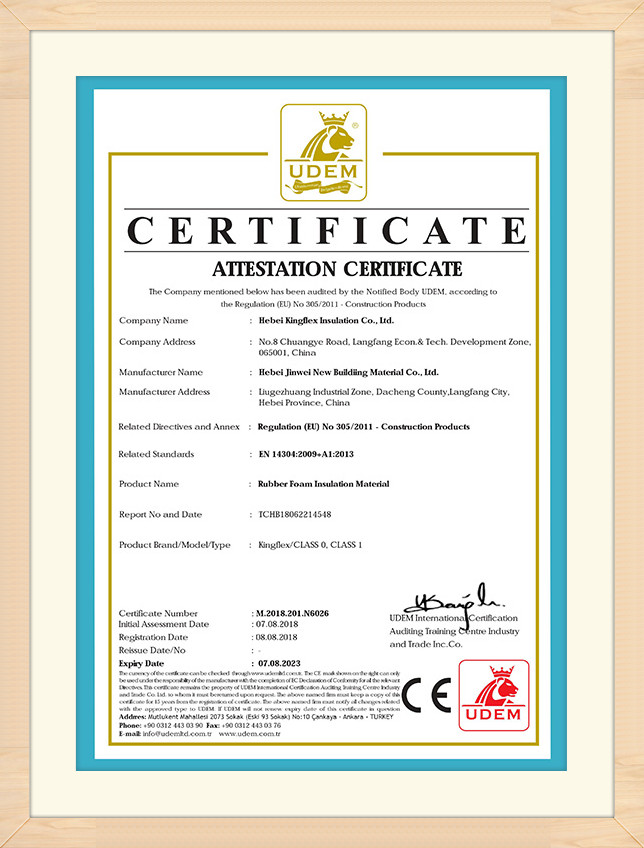
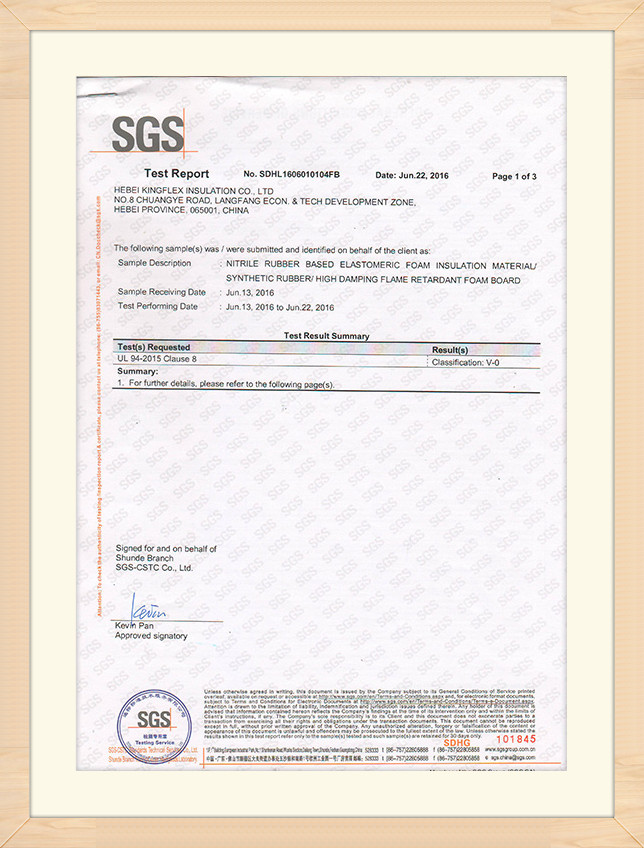
Kingflex is continuously updating its product formulations to meet shifting market demands and regulatory requirements:
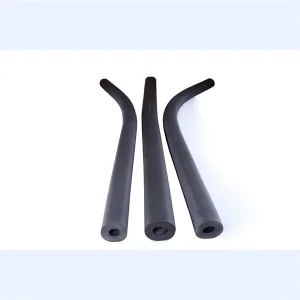
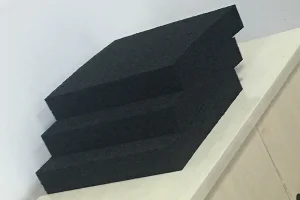
From high-rise commercial structures and municipal HVAC systems to cryogenic storage tanks, Kingflex materials are selected for their reliable thermal properties, compliance with fire safety codes, and ease of installation.
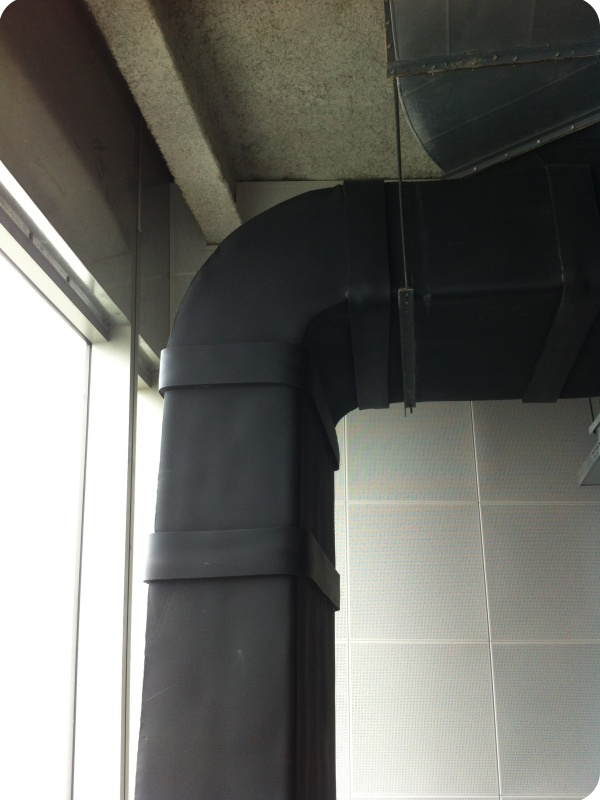

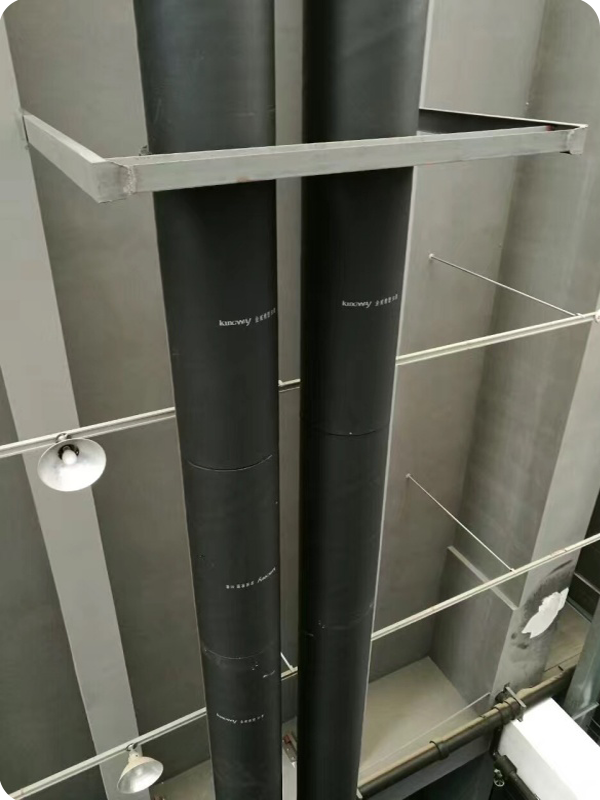


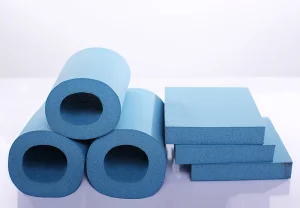
A1: It is primarily used for HVAC duct wrapping, chilled/hot air conditioning pipes, building thermal envelopes, industrial cold/hot pipeline insulation, and acoustic damping. The closed-cell structure makes it highly effective at preventing condensation on cold surfaces.
A2: Yes. Our formulation features advanced fire-retardant chemistry. The insulation meets BS 476 Part 6 and Part 7 Class 0 standards, UL 94 V-0 flame spread ratings, and relevant ASTM standards, ensuring fire safety in public and industrial environments.
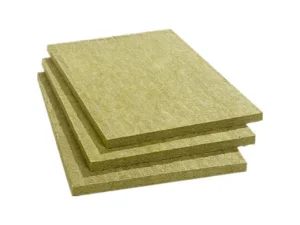
A3: Rubber foam is a flexible, closed-cell, and moisture-resistant material ideal for HVAC and low-temperature pipes because it prevents condensation without needing an external vapor barrier. Rock wool is a fibrous material that can absorb moisture unless properly sealed, but it features very high temperature limits, making it suitable for industrial high-heat piping systems.
A4: Yes. We offer comprehensive OEM services, allowing customization of wall thickness (from 6mm up to 50mm), pipe inner diameters, custom densities, and factory-applied adhesive backings.
A5: Our materials are certified to international standards including BS 476, CE, REACH, RoHS, UL94, and ASTM. This ensures compliance with local building codes and safety regulations globally.
A6: Yes. Every production batch of Kingflex insulation sheet rolls or pipes undergoes testing and is marked with tracking codes. This ensures traceability from raw chemicals to final field installation.
A7: We can produce thicknesses ranging from 6mm to 50mm to suit different project designs and thermal environments.
A8: Under standard operational conditions and when installed according to manufacturer guidelines, Kingflex rubber foam insulation has a service life of approximately 10 to 15 years.
 Kingflex