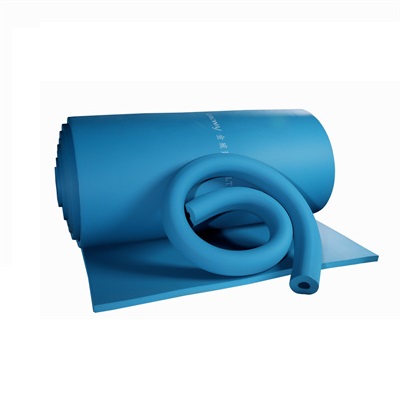
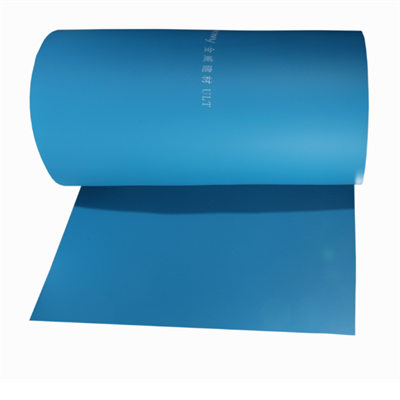
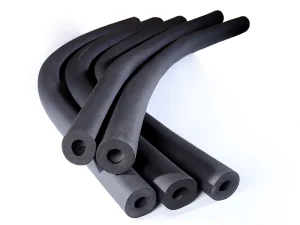
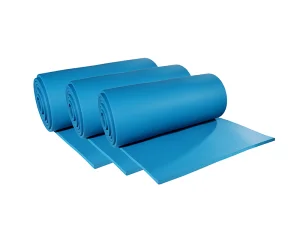
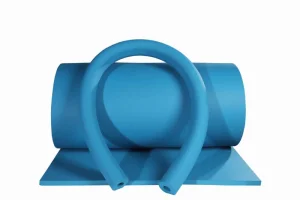
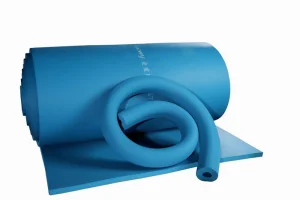
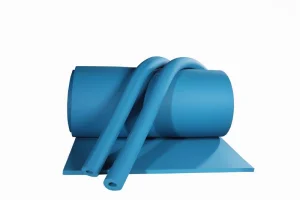
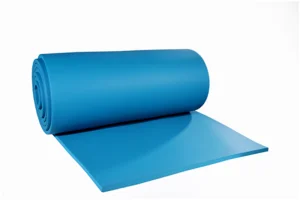
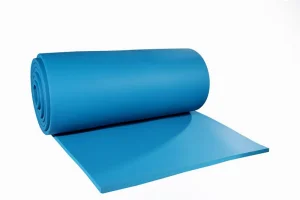
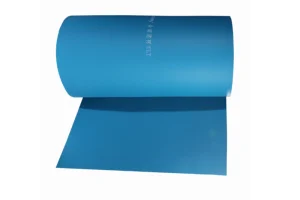
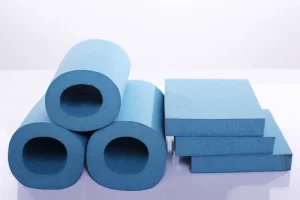
Alkadiene cryogenic thermal insulation materials in cryogenic environment, has a lower coefficient of thermal conductivity, lower density and good elasticity, no crack, effective insulation, good flame-retardant performance, good moisture resistance, durable and long lasting. It is widely used in the production of liquefied natural gas (LNG), pipelines, petrochemicals industry, industrial gases, and agricultural chemicals and other piping and equipment insulation project and other heat insulation of cryogenic environment.
Focusing on all verticals in the commercial and industrial market. Scientists and engineers are always at the forefront of the industry. New products and applications are continuously rolled out to make people's living more comfortable and businesses more profitable.
High Performance Cryogenic Insulation
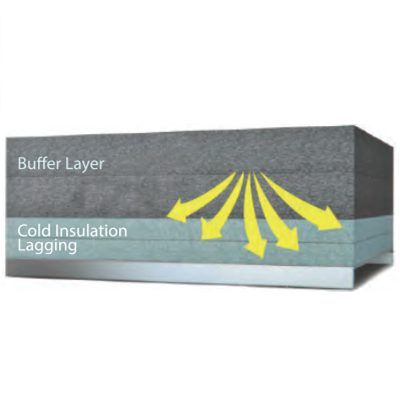
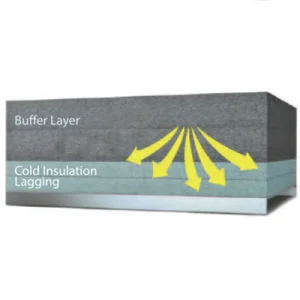
This flexible, high density and mechanically robust, closed cell cryogenic thermal insulation material is based on extruded elastomeric foam. The product has been specially developed for use on the import/export pipeline and process areas of liquefied natural gas (LNG) facility. It is part of the cryogenic multi-layer configuration providing low temperature flexibility to the system.
- Temperature range -200°C to +200°C for LNG/cold pipeline or equipment application.
- Excellent internal shock resistance.
- Extensive absorption and dispersion of external stresses in local positions.
- Avoid material cracking due to stress concentration.
- Avoid the cracking of hard foamed material caused by impact.
For over four decades, the organization has grown from a single manufacturing plant to a global organization with product installation in over 66 countries in all continents. From the National Stadium in Beijing, to the high rises in New York, Hong Kong, and Dubai, people around the world are enjoying the quality of these products.
Frequently Asked Questions
What are the key performance benefits of Alkadiene cryogenic insulation materials?
They offer a lower coefficient of thermal conductivity, lower density, excellent elasticity, resistance to cracking, effective thermal insulation, excellent flame-retardant performance, high moisture resistance, and long-lasting durability.
What industries and applications use these insulation materials?
They are widely applied in liquefied natural gas (LNG) production, pipelines, the petrochemical industry, industrial gases, agricultural chemicals, and various other piping and equipment insulation projects in cryogenic environments.
What is the applicable temperature range for this material?
The material is designed to operate effectively within a temperature range of -200°C to +200°C, making it ideal for LNG and cold pipeline or equipment applications.
How does the insulation material protect against stress and cracking?
The material provides excellent internal shock resistance and extensively absorbs and disperses external stresses in local positions. This structure prevents material cracking caused by stress concentration and avoids the cracking of hard foamed materials due to physical impacts.
What type of material structure is used for the LNG pipeline insulation?
It is a flexible, high-density, and mechanically robust closed-cell cryogenic thermal insulation material based on extruded elastomeric foam, which functions as part of a multi-layer configuration to provide low-temperature flexibility.
Where have these products been successfully installed?
These insulation products have been installed globally in over 66 countries across all continents, including prominent landmarks such as the National Stadium in Beijing, as well as high-rise buildings in New York, Hong Kong, and Dubai.
 Kingflex