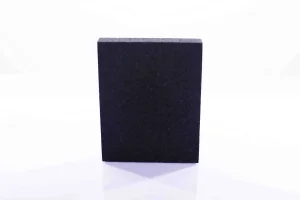
China Flexible Foam Rubber Insulation Pipe Factory, Quotes
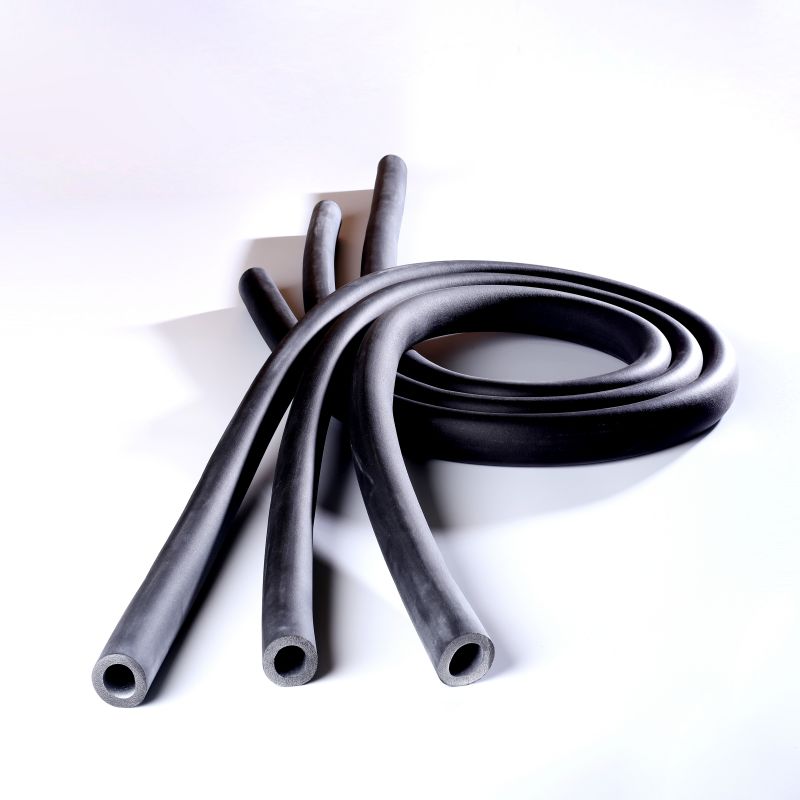
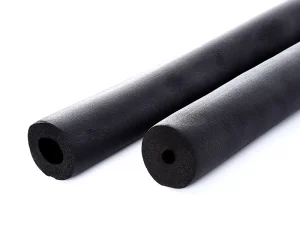
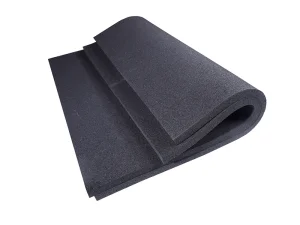
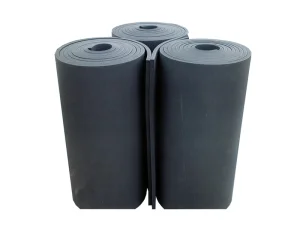
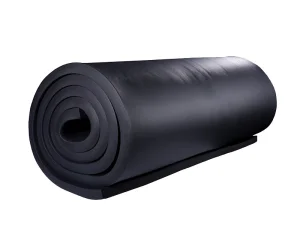
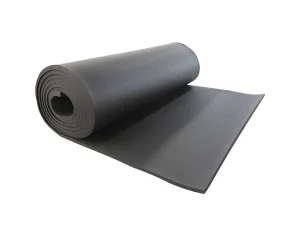
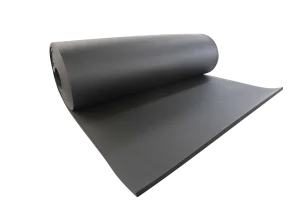
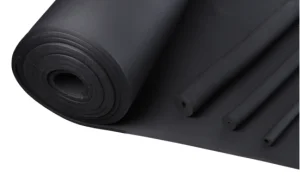
Flexible Foam Rubber Insulation Pipe is designed for the insulation of large surfaces, ideal for the insulation of pipes of large diameters. By reducing the number of sections required they simplify installation, saving on time and labor costs. Facing: Pipe can be covered with aluminum foil and adhesive paper.
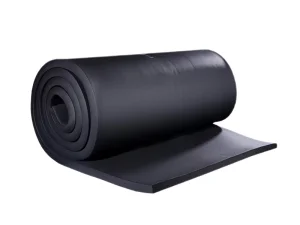
NBR pipe insulation is a flexible, elastomeric thermal insulation with smooth skin on the outer surface. The expanded closed-cell structure of the synthetic nitrile rubber makes it an efficient thermal insulator for hot water and air conditioning pipe.
Normal wall thicknesses of 1/4”, 3/8″, 1/2″, 3/4″,1″, 1-1/4”, 1-1/2″ and 2” (6, 9, 13, 19, 25 , 32, 40 and 50mm).
Standard Length with 6ft (1.83m) or 6.2ft(2m).
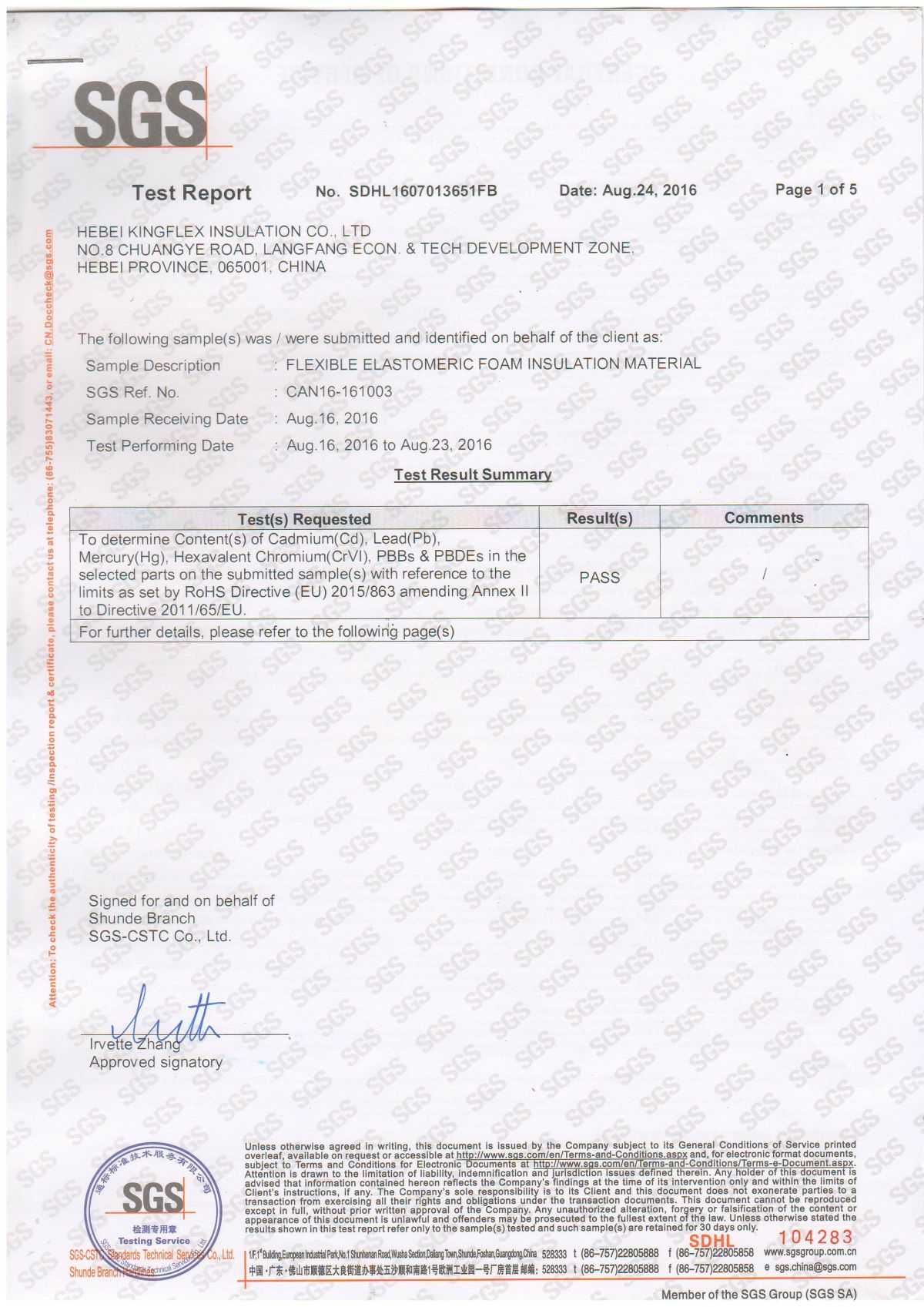
Safe (neither stimulate the skin nor harm health), Excellent performance of acid-resisting and alkali-resisting.
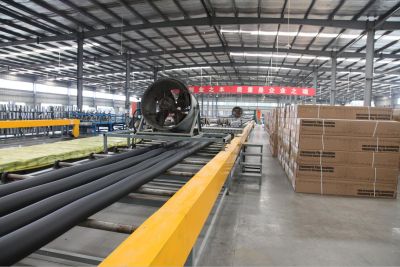
The rubber foam products are produced by imported high-end technology and automatic continuous equipment. We have developed a rubber foam insulation material with excellent performance through in-depth research. The major materials we use are NBR/PVC.
Technical Data
Property
Unit
Value
Test Method
Temperature range
°C
(-50 - 110)
GB/T 17794-1999
Density range
Kg/m³
45-65Kg/m³
ASTM D1667
Water vapor permeability
Kg/(m.s.pa)
≤0.91×10 ﹣¹³
DIN 52 615 / BS 4370 Part 2 1973
μ
-
≥10000
-
Thermal Conductivity
W/(m.k)
≤0.030 (-20°C)
ASTM C 518
≤0.032 (0°C)
≤0.036 (40°C)
Fire Rating
-
Class 0 & Class 1
BS 476 Part 6 part 7
Flame Spread and Smoke Developed Index
-
25/50
ASTM E 84
Oxygen Index
-
≥36
GB/T 2406, ISO4589
Water Absorption, %by Volume
%
20%
ASTM C 209
Dimension Stability
-
≤5
ASTM C534
Fungi resistance
-
Good
ASTM G21
Ozone resistance
Good
GB/T 7762-1987
Resistance to U.V. and weather
Good
ASTM G23
Frequently Asked Questions
What are the primary materials used in these rubber foam insulation products?
The major raw materials used in the manufacturing process are high-quality NBR (Nitrile Butadiene Rubber) and PVC (Polyvinyl Chloride), which are processed using advanced and automated continuous technology.
What is the operating temperature range for this rubber foam insulation?
This insulation material is designed to operate efficiently within a temperature range of -50°C to 110°C, tested in compliance with standard GB/T 17794-1999.
Does this insulation offer fire-resistant safety properties?
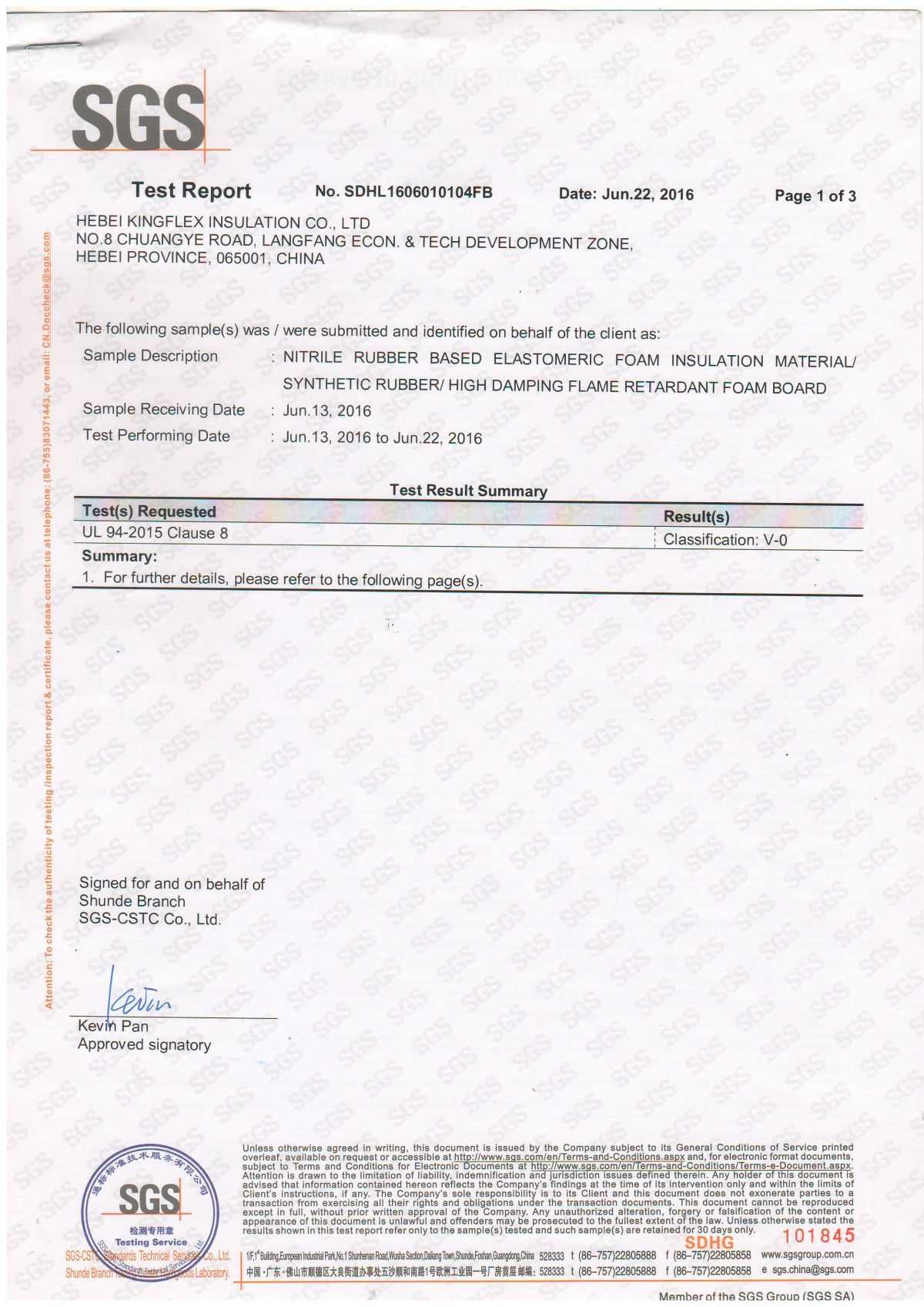
Yes, it features excellent fire-blocking and achieves Class 0 & Class 1 fire ratings according to BS 476 Part 6 & 7. It also maintains a 25/50 Flame Spread and Smoke Developed Index under ASTM E 84.
How does the closed pore foaming structure improve performance?
The closed pore structure provides superior damp-proof properties and low water vapor permeability (≤0.91×10 ﹣¹³ Kg/(m.s.pa)), which effectively prevents moisture intrusion and ensures stable thermal conductivity.
Is the material resistant to environmental exposure like UV and ozone?
Yes, technical testing indicates that the material has good resistance to ultraviolet (U.V.) light, ozone, weathering, and fungi growth, making it highly durable for long-term use.
 Kingflex