FPSO floating production storage oil unloading device
Industrial gas & agricultural chemical production plants
Platform pipe
Gas station
Ethylene pipe
Nitrogen plant
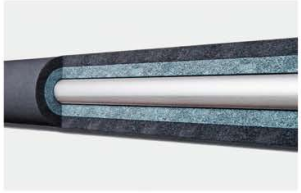
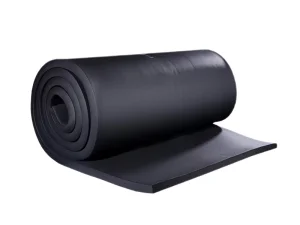
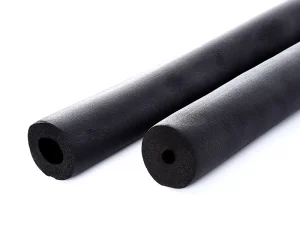
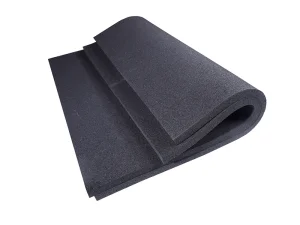
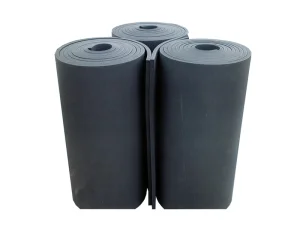
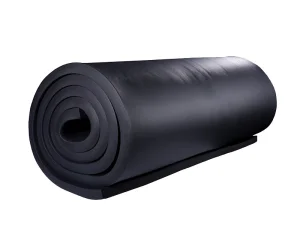
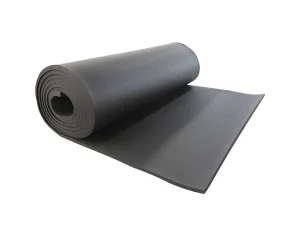
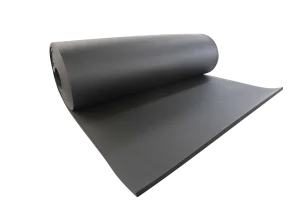
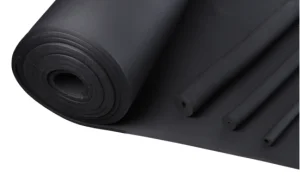
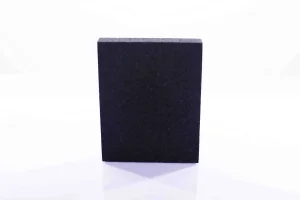
The flexible ultra-low temperature adiabatic system has the inherent characteristics of impact resistance, and its cryogenic elastomer material can absorb the impact and vibration energy caused by the external machine to protect the system structure.
The impact from any part can be widely dispersed and attenuated by elastomer materials, thus avoiding the risk of cracking due to stress concentration. And also reducing the temperature change stress is that the cooling system is superior to the traditional material such as foam glass, polyurethane PIR and PUR.
These traditional hard materials are not elastic at normal and low temperatures. So there is the deterioration of adiabatic performance caused by material extrusion and cracking under temperature-changing stress.
Frequently Asked Questions
What are the primary applications for this flexible ultra-low temperature adiabatic system?
This system is widely used in settings such as coal chemical processes, MOT, low temperature storage tanks, FPSO floating production storage oil unloading devices, platform pipes, gas stations, ethylene pipes, nitrogen plants, and industrial gas or agricultural chemical production facilities.
How does the cryogenic elastomer material protect the system structure?
The cryogenic elastomer material features inherent impact resistance. It is capable of absorbing impact and vibration energy from external machinery, dispersing and attenuating the force to protect the integrity of the overall system structure.
How does the system prevent cracking under concentrated stress?
Because the elastomer materials widely disperse and weaken impacts coming from any part of the system, they prevent stress concentration. This significantly reduces the risk of cracking under operational load.
Why is this system superior to traditional rigid materials like foam glass, PIR, or PUR?
Traditional hard materials such as foam glass, polyurethane PIR, and PUR lack elasticity at both normal and low temperatures. This rigidity can cause material extrusion and cracking under temperature-changing stress, which deteriorates insulation performance. The flexible system mitigates these risks by reducing thermal stress.
Does the flexible system maintain its performance under temperature fluctuations?
Yes. By effectively absorbing thermal expansion and contraction and reducing temperature change stress, the system avoids the structural damage commonly associated with thermal cycling, thereby maintaining long-term adiabatic efficiency.
 Kingflex