 Kingflex
1 / 1



| Technical Data | |||
|---|---|---|---|
| Property | Unit | Value | Test Method |
| Temperature range | °C | (-50 - 110) | GB/T 17794-1999 |
| Density range | Kg/m3 | 45-65Kg/m3 | ASTM D1667 |
| Water vapor permeability | Kg/(m.s.pa) | ≤0.91×10 ﹣¹³ | DIN 52 615 / BS 4370 Part 2 1973 |
| μ | - | ≥10000 | - |
| Thermal Conductivity | W/(m.k) | ≤0.030 (-20°C) | ASTM C 518 |
| ≤0.032 (0°C) | |||
| ≤0.036 (40°C) | |||
| Fire Rating | - | Class 0 & Class 1 | BS 476 Part 6 part 7 |
| Flame Spread and Smoke Developed Index | - | 25/50 | ASTM E 84 |
| Oxygen Index | - | ≥36 | GB/T 2406,ISO4589 |
| Water Absorption, % by Volume | % | 20% | ASTM C 209 |
| Dimension Stability | - | ≤5 | ASTM C534 |
| Fungi resistance | - | Good | ASTM 21 |
| Ozone resistance | Good | GB/T 7762-1987 | |
| Resistance to U.V. and weather | Good | ASTM G23 | |


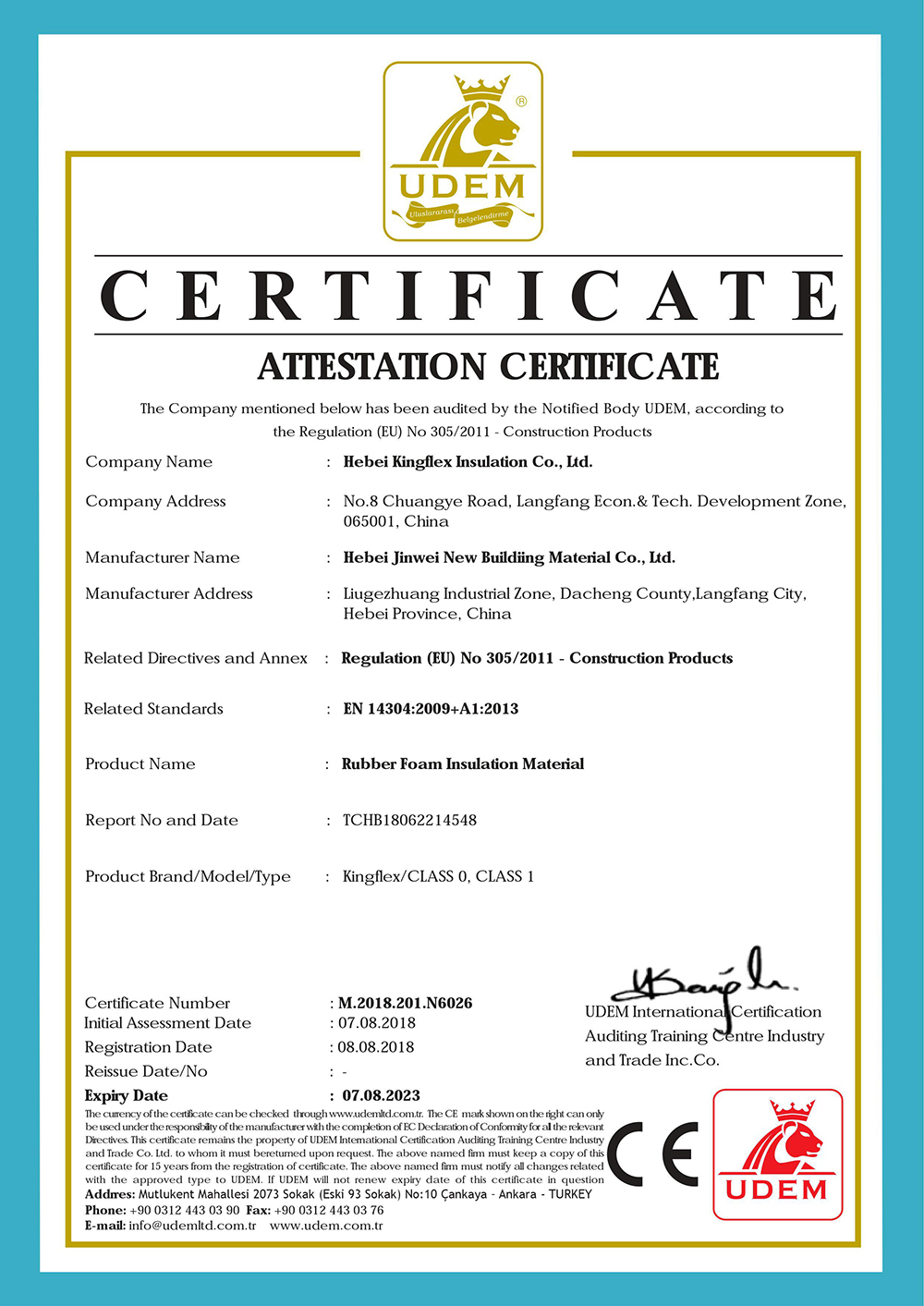
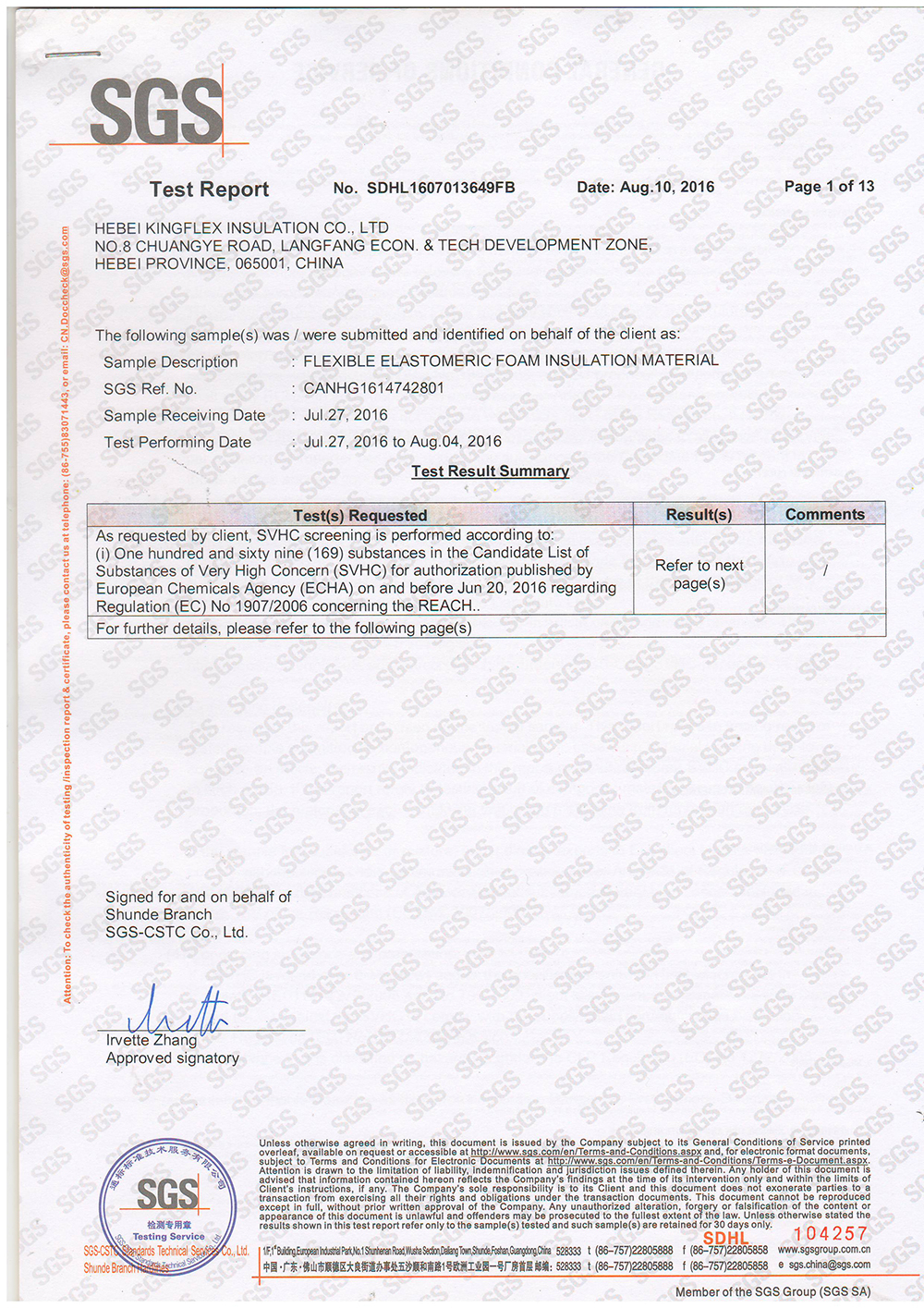
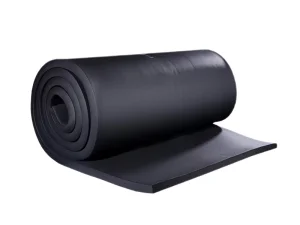
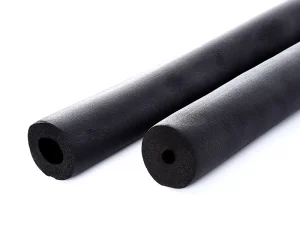
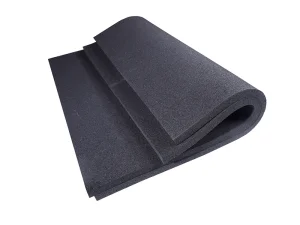
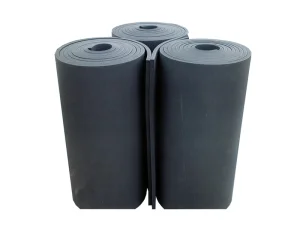
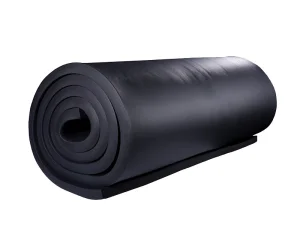
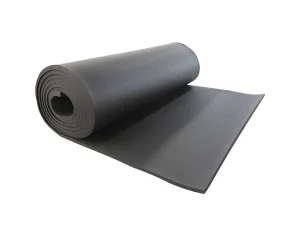
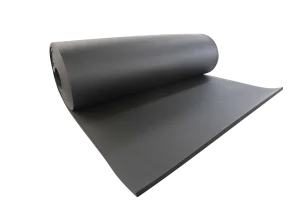
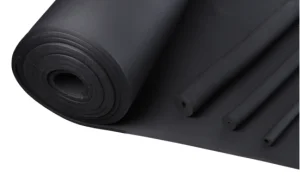
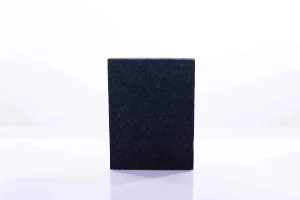
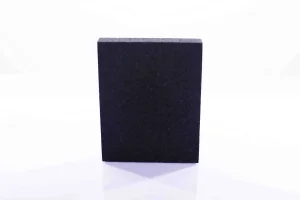
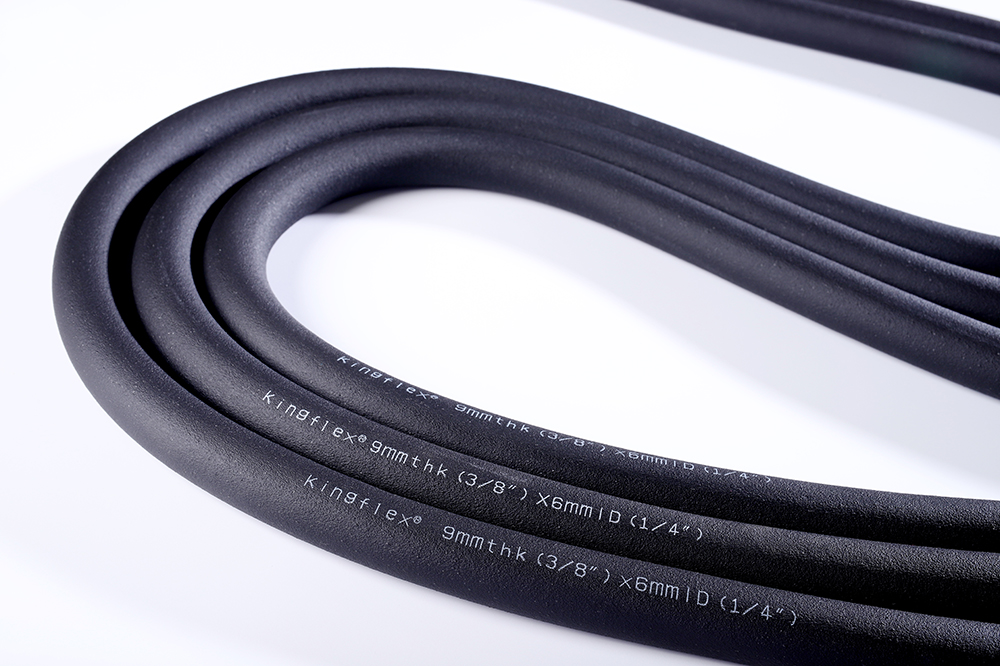
The insulation tube is made of NBR and PVC. It doesn't contain fibrous dust, benzaldehyde and Chlorofluorocarbons. Moreover, it has low conductivity & heat conductivity, good moisture resistance and fireproof qualities.


The insulation tube is manufactured from a high-quality blend of NBR (Nitrile Butadiene Rubber) and PVC (Polyvinyl Chloride). It is clean, safe, and completely free of fibrous dust, benzaldehyde, and chlorofluorocarbons (CFCs).
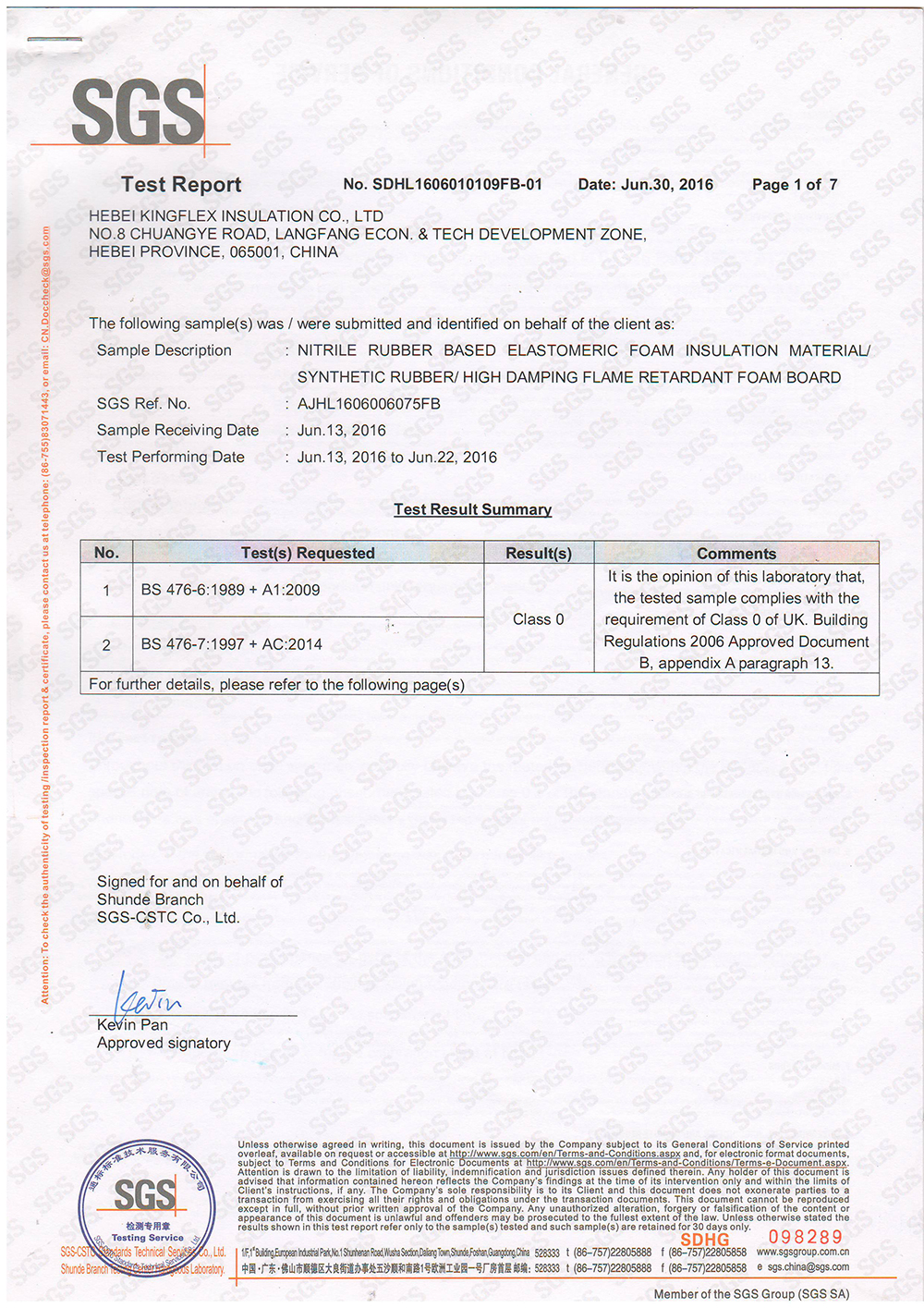
This product achieves a Class 0 & Class 1 fire rating according to BS 476 Part 6 and Part 7 standards. It also features a flame spread and smoke developed index of 25/50 under ASTM E 84, ensuring excellent fire safety and stability.
The insulation tube performs reliably across a broad temperature range from -50°C up to 110°C, tested in compliance with GB/T 17794-1999 standards.
Yes, it demonstrates outstanding environmental durability, with high ratings for UV resistance, ozone resistance (GB/T 7762-1987), and overall weather resistance (ASTM G23).
Thanks to its flexible, elastomeric closed-cell structure, the tube can be easily bent and maneuvered around complex pipe elbows and tight spaces without losing its structural integrity.
The material features low thermal conductivity to minimize energy loss, with values of ≤0.030 W/(m.k) at -20°C, ≤0.032 W/(m.k) at 0°C, and ≤0.036 W/(m.k) at 40°C under ASTM C 518 standards.