Wholesale Cryogenic Rubber Foam Insulation For the ULT Systems Manufacturer, Factories
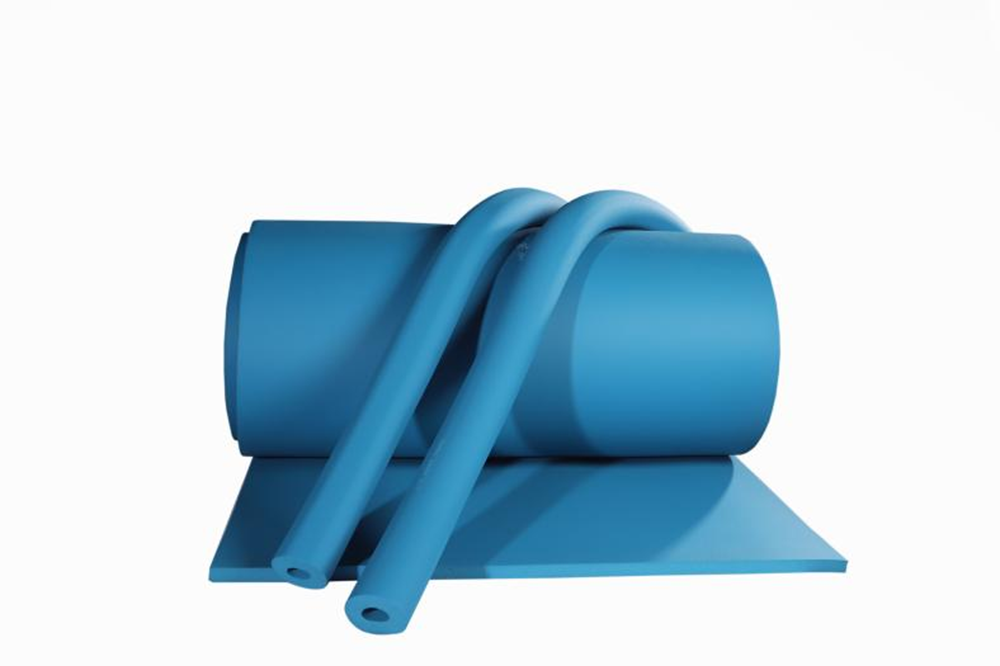
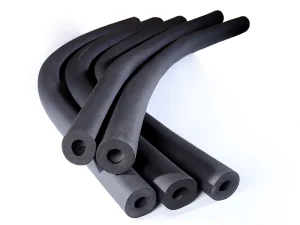
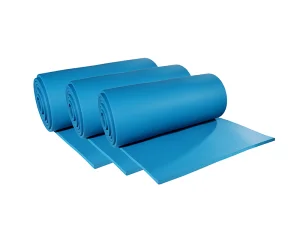
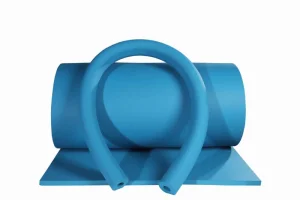
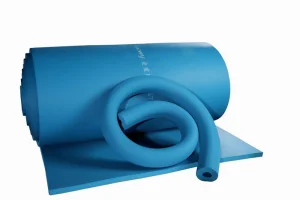
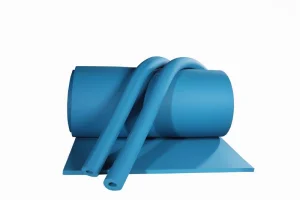
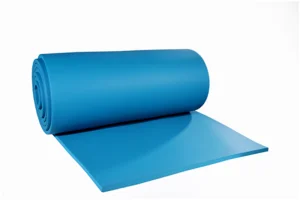
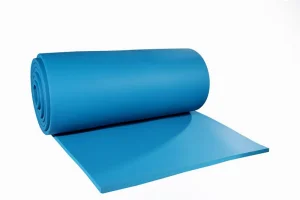
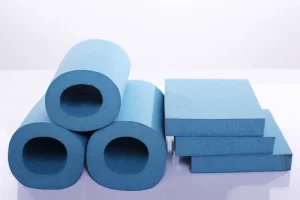
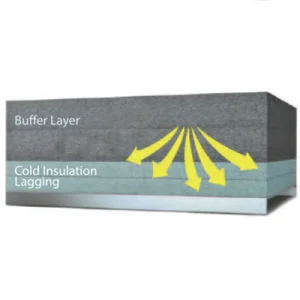
Kingflex ULT is a flexible, high density and mechanically robust, closed cell cryogenic thermal insulation material based on extruded elastomeric foam.
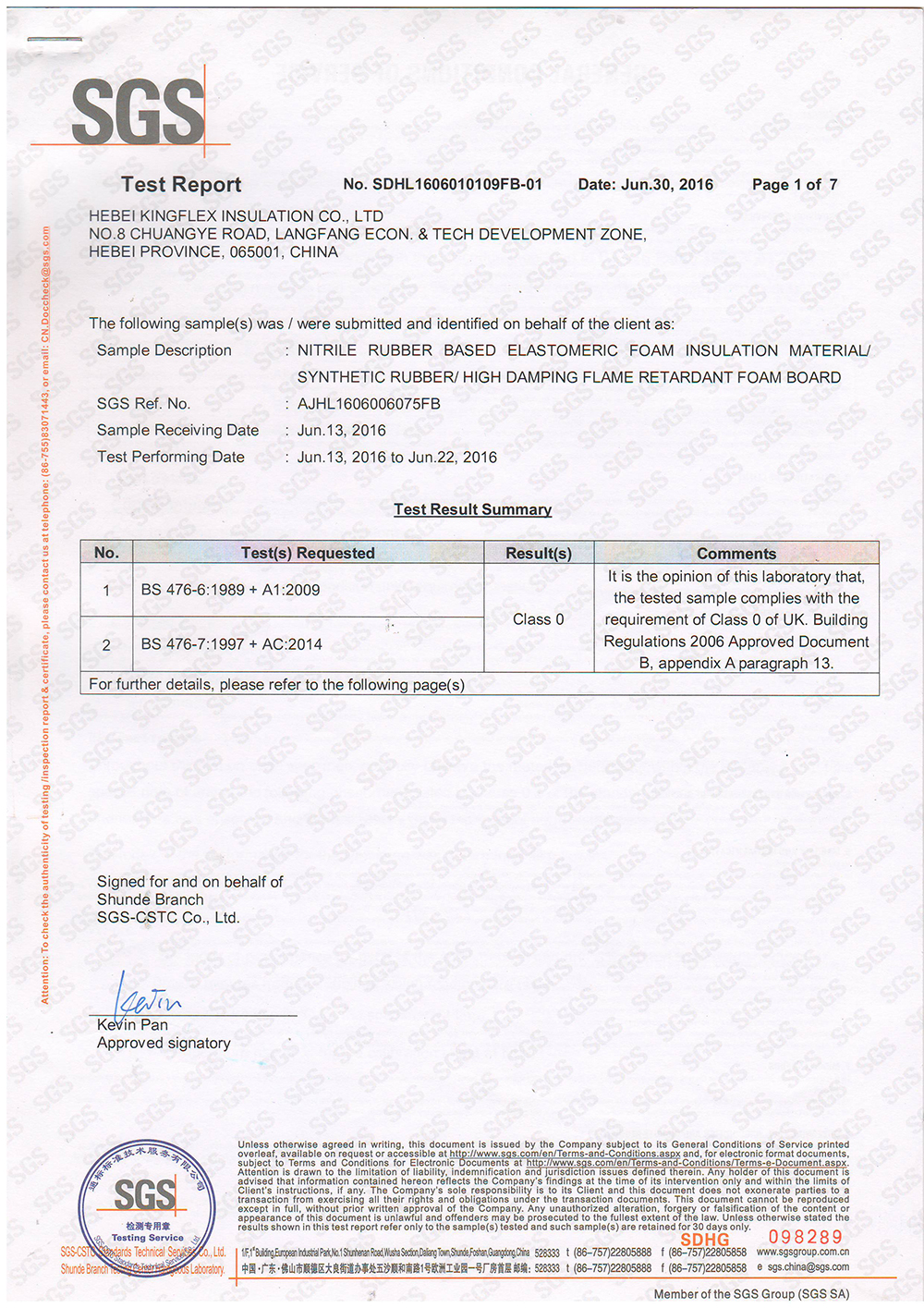
Alkadiene cryogenic thermal insulation materials in cryogenic environment, has a lower coefficient of thermal conductivity, lower density and good elasticity. no crack, effective insulation, good flame-retardant performance, good moisture resistance, durable and long lasting.
Dimensions
Inches
mm
Size (L*W)
㎡/Roll
3/4"
20
10 × 1
10
1"
25
8 × 1
8
Applications
Coal chemical MOT
Low temperature storage tank
FPSO floating production storage oil unloading device
industrial gas and agricultural chemical production plants
Platform pipe
Gas station
Ethylene pipe
LNG
Nitrogen plant
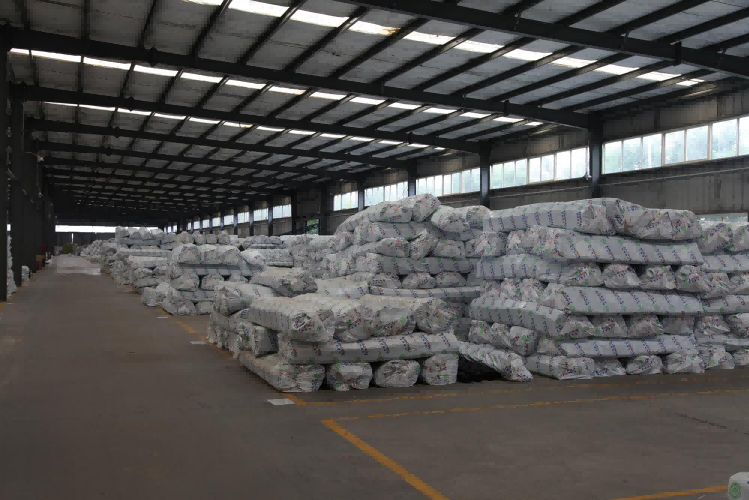
Mission: more comfortable life, more profitable business through energy conservation. With 5 large automatic assembly lines, more than 600,000 cubic meters of annual production capacity, the enterprise is specified as the designated production enterprise of thermal insulation materials for the National energy department, Ministry of electric power and Ministry of chemical industry.
Main Properties
Main Property
Base material
Standard / Test Method
ULT Grade
LT Grade
Thermal Conductivity
-100°C, 0.028 -165°C, 0.021
0°C, 0.033 -50°C, 0.028
ASTM C177
Density Range
60-80Kg/m³
40-60Kg/m³
ASTM D1622
Recommend Operation Temperature
-200°C to 125°C
-50°C to 105°C
-
Percentage Of Close Areas
>95%
>95%
ASTM D2856
Moisture Performance Factor
NA
<1.96x10⁻¹¹g(m.m.Pa)
ASTM E 96
Wet resistance Factor μ
NA
>10000
EN12086 EN13469
Water Vapor Permeability Coefficient
NA
0.0039g/h.m² (25mm thickness)
ASTM E 96
PH
≥8.0
≥8.0
ASTM C871
Tensile Strength Mpa
-100°C, 0.30 -165°C, 0.25
0°C, 0.15 -50°C, 0.218
ASTM D1623
Compressive Strength Mpa
-100°C, ≤0.3
-40°C, ≤0.16
ASTM D1621
Frequently Asked Questions
Q1: What are the main advantages of these cryogenic thermal insulation materials?
A1: They provide excellent elasticity, lower density, lower coefficient of thermal conductivity, excellent moisture and flame-retardant performance, durability, and ensure no cracking in extremely cold environments.
Q2: What is the difference between ULT and LT insulation grades?
A2: The ULT Grade is recommended for extreme environments operating from -200°C to 125°C with high density requirements (60-80Kg/m³). The LT Grade is designed for standard low-temperature applications operating from -50°C to 105°C with a density of 40-60Kg/m³.
Q3: How effective is the moisture resistance of these materials?
A3: The material features a closed-cell ratio of over 95%. LT Grade offers a water vapor permeability coefficient of 0.0039g/h.m² (at 25mm thickness) and a wet resistance factor (μ) exceeding 10,000, preventing moisture ingress effectively.
Q4: What standards are used to test these materials?
A4: Testing adheres to recognized international standards, including ASTM C177 for thermal conductivity, ASTM D1622 for density, ASTM D2856 for close area percentage, ASTM E 96 for water vapor permeability, and ASTM D1623/D1621 for tensile/compressive strength.
Q5: In which industries can these insulation products be used?
A5: They are heavily utilized in coal chemical MOT, LNG systems, gas stations, low-temperature storage tanks, ethylene pipelines, nitrogen plants, platform piping, and FPSO floating production storage unloading devices.
 Kingflex