 Kingflex
1 / 5
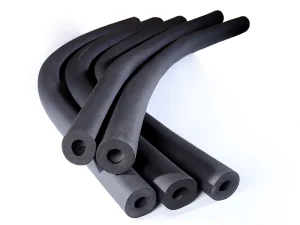
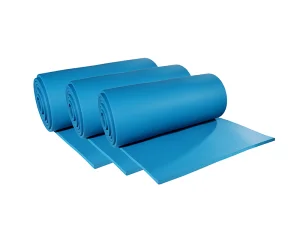
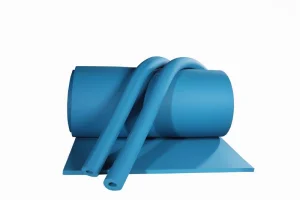
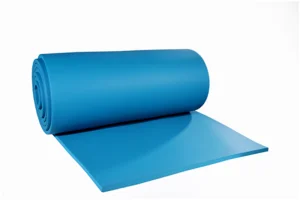
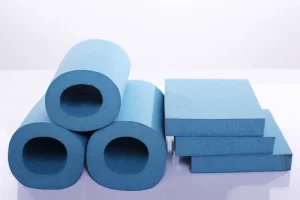
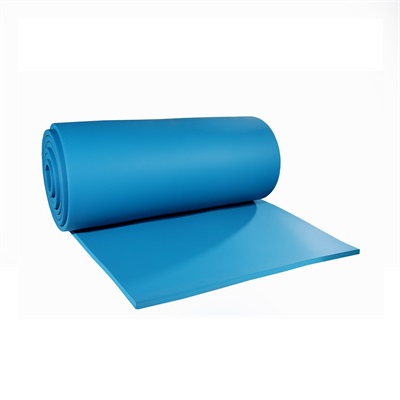
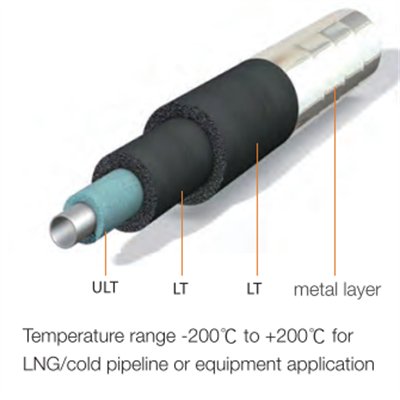
Alkadiene cryogenic thermal insulation materials in cryogenic environment, has a lower coefficient of thermal conductivity, lower density and good elasticity, no crack, effective insulation, good flame-retardant performance, good moisture resistance, durable and long lasting. It is widely used in the production of liquefied natural gas (LNG), pipelines, petrochemicals industry, industrial gases, and agricultural chemicals and other piping and equipment insulation project and other heat insulation of cryogenic environment.
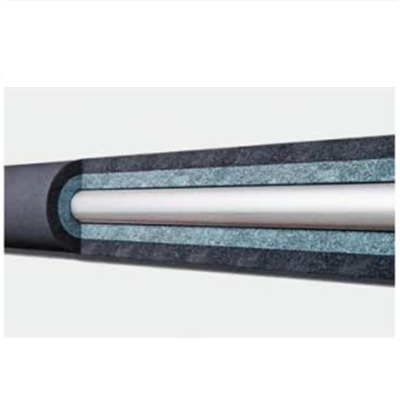
Flexible ULT insulation system does not need to install moisture barrier. Due to the unique closed cell structure and polymer blend formulation. LT low temperature elastomeric materials have been highly resistant to water vapor permeation. This foamed material provides continuous resistance to moisture penetration throughout the thickness of the product.
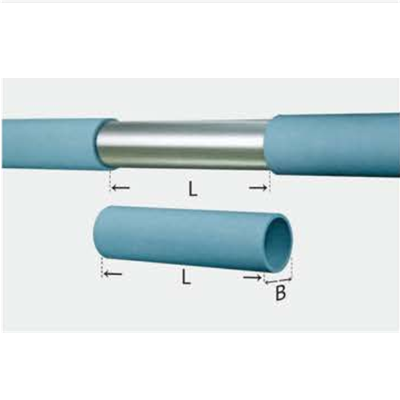
Flexible ULT insulation system does not require the use of fiber material as expansion and expansion fillers (this type of construction method is typical on rigid foam LNG pipes). On the contrary, it is only necessary to install the low temperature elastomeric material in each layer according to the recommended reserved length to solve the expansion joint problem required by the conventional system. The elasticity at low temperatures gives the material the characteristics of expansion and shrinkage in the longitudinal direction.
These materials offer a lower coefficient of thermal conductivity, lower density, and excellent elasticity. They resist cracking, provide highly effective thermal insulation, and feature excellent flame-retardant performance, superior moisture resistance, and long-lasting durability.
They are widely utilized in the production of liquefied natural gas (LNG), pipeline systems, petrochemical processing, industrial gases, agricultural chemicals, and other low-temperature piping and equipment insulation projects.
No, it does not require a separate moisture barrier. The unique closed-cell structure and advanced polymer blend formulation make the low-temperature elastomeric materials highly resistant to water vapor permeation throughout the entire thickness.
Unlike conventional rigid systems, it does not require fiber material as expansion fillers. Instead, installing the low-temperature elastomeric material in each layer based on recommended lengths accommodates longitudinal expansion and shrinkage naturally due to its elasticity.
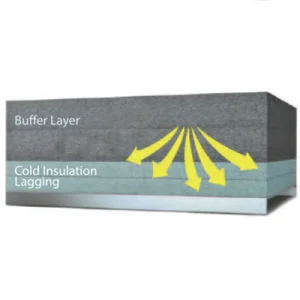
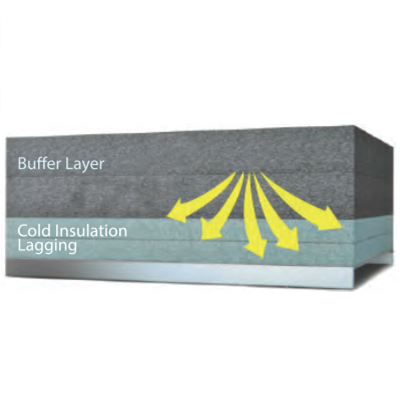
The material possesses excellent internal shock resistance, which allows it to absorb and disperse external stresses locally. This effectively prevents material cracking caused by stress concentration or direct physical impact.