 Kingflex
1 / 3
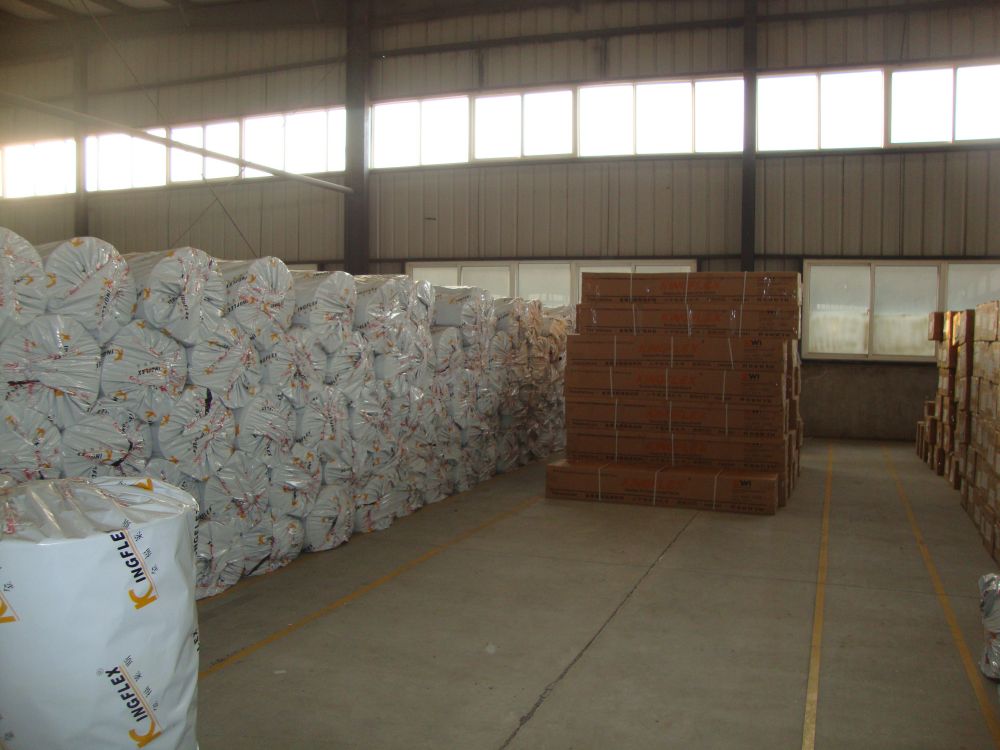
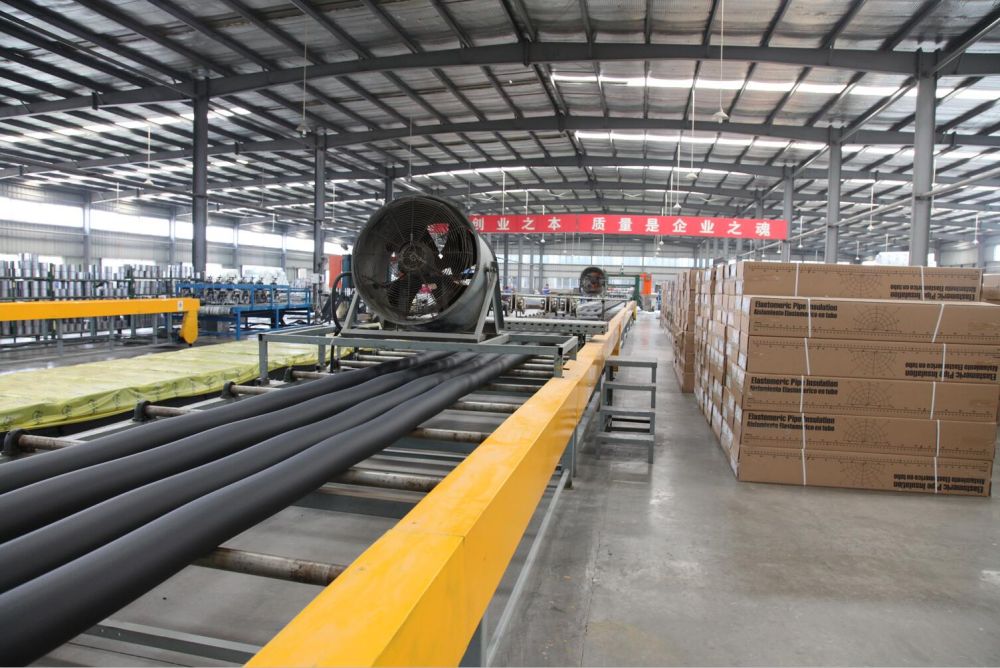
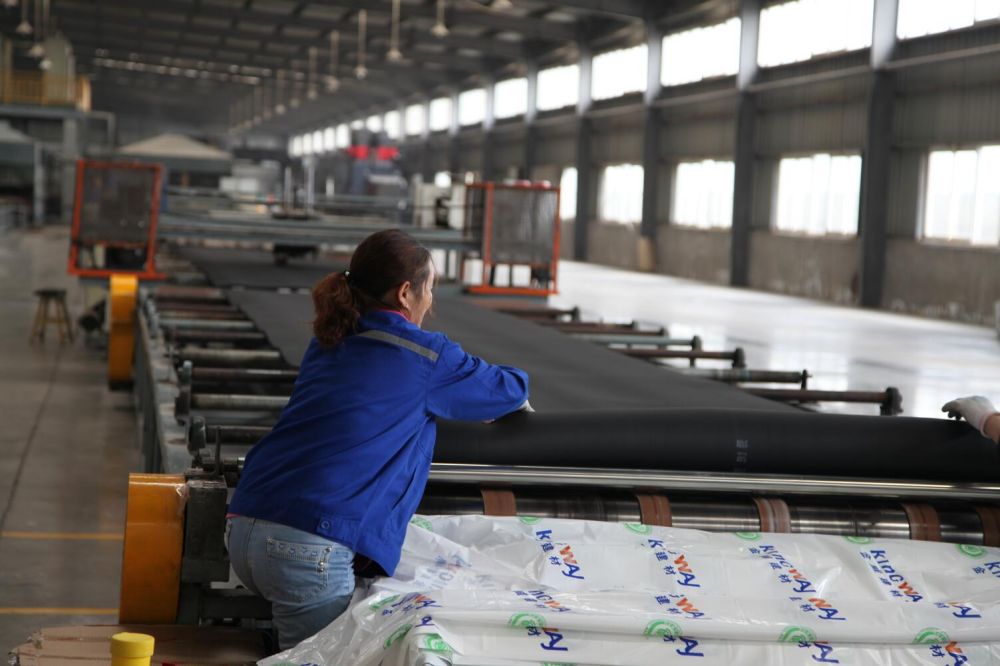
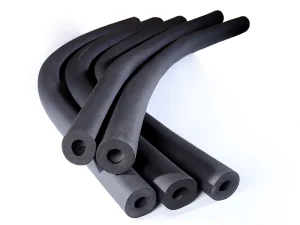
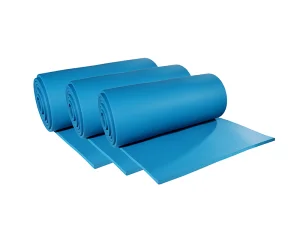
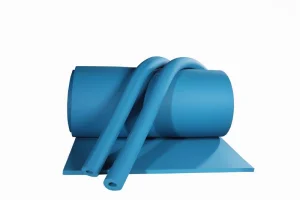
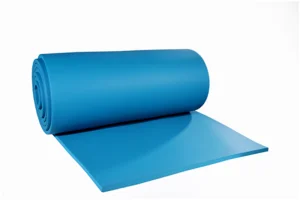
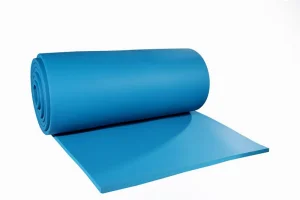
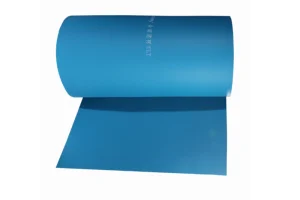
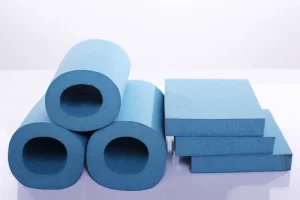
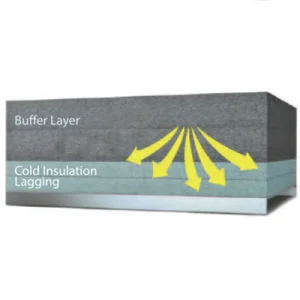
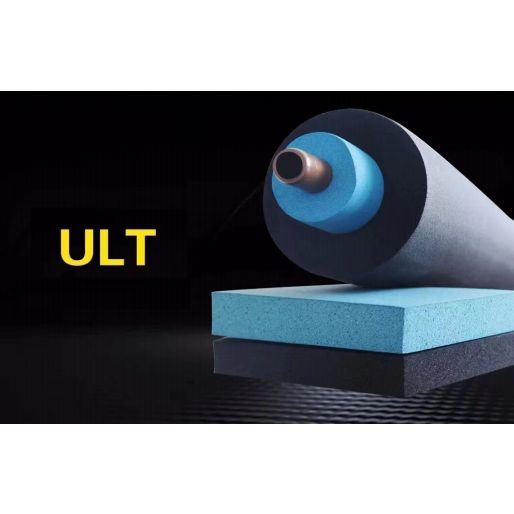
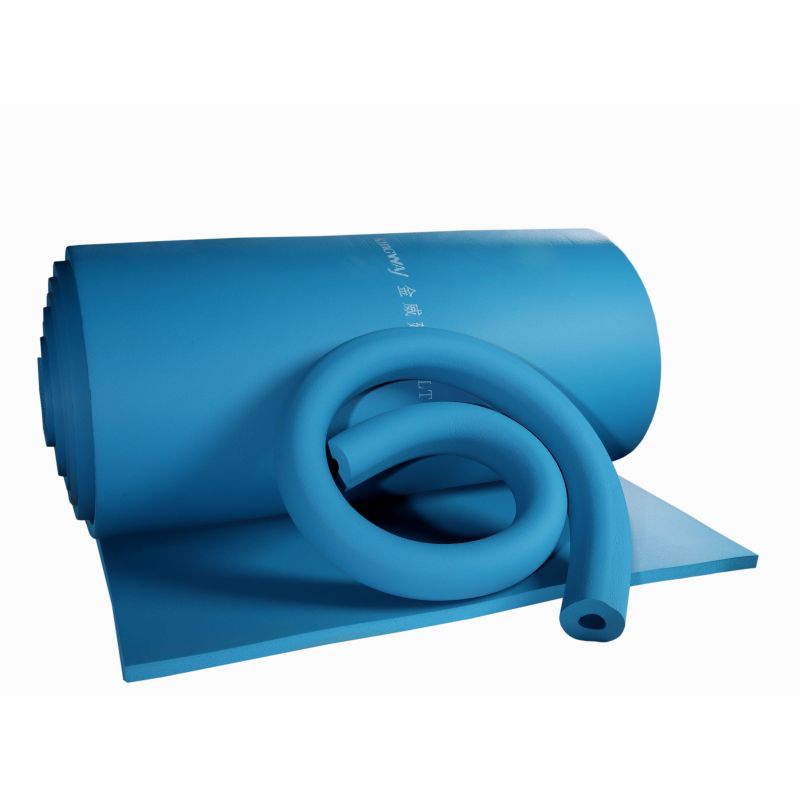
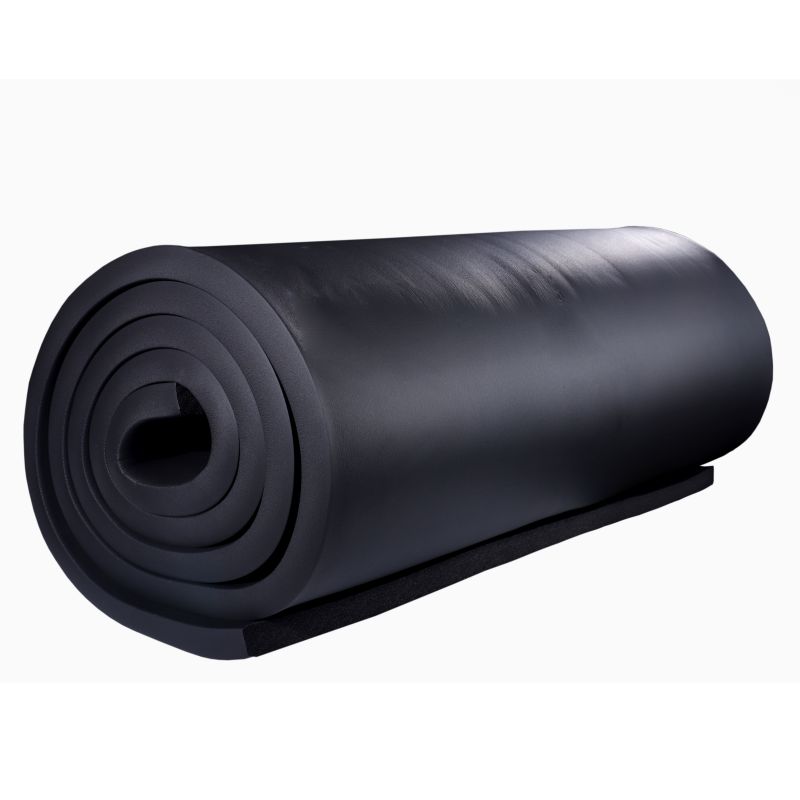
The flexible ultra-low temperature insulation system belongs to the multi-layer composite structure, serving as a highly economical and reliable cooling system. This system can be directly installed on piping equipment under temperatures as low as -110℃. When the surface temperature of the pipe is lower than -100℃ and the pipeline undergoes repeated movement or vibration, a layer of wear-resistant film is applied to the inner surface to reinforce the inner wall strength of the material. This ensures the long-term adiabatic effect of frequent movement and vibration on process pipelines under deep cooling.
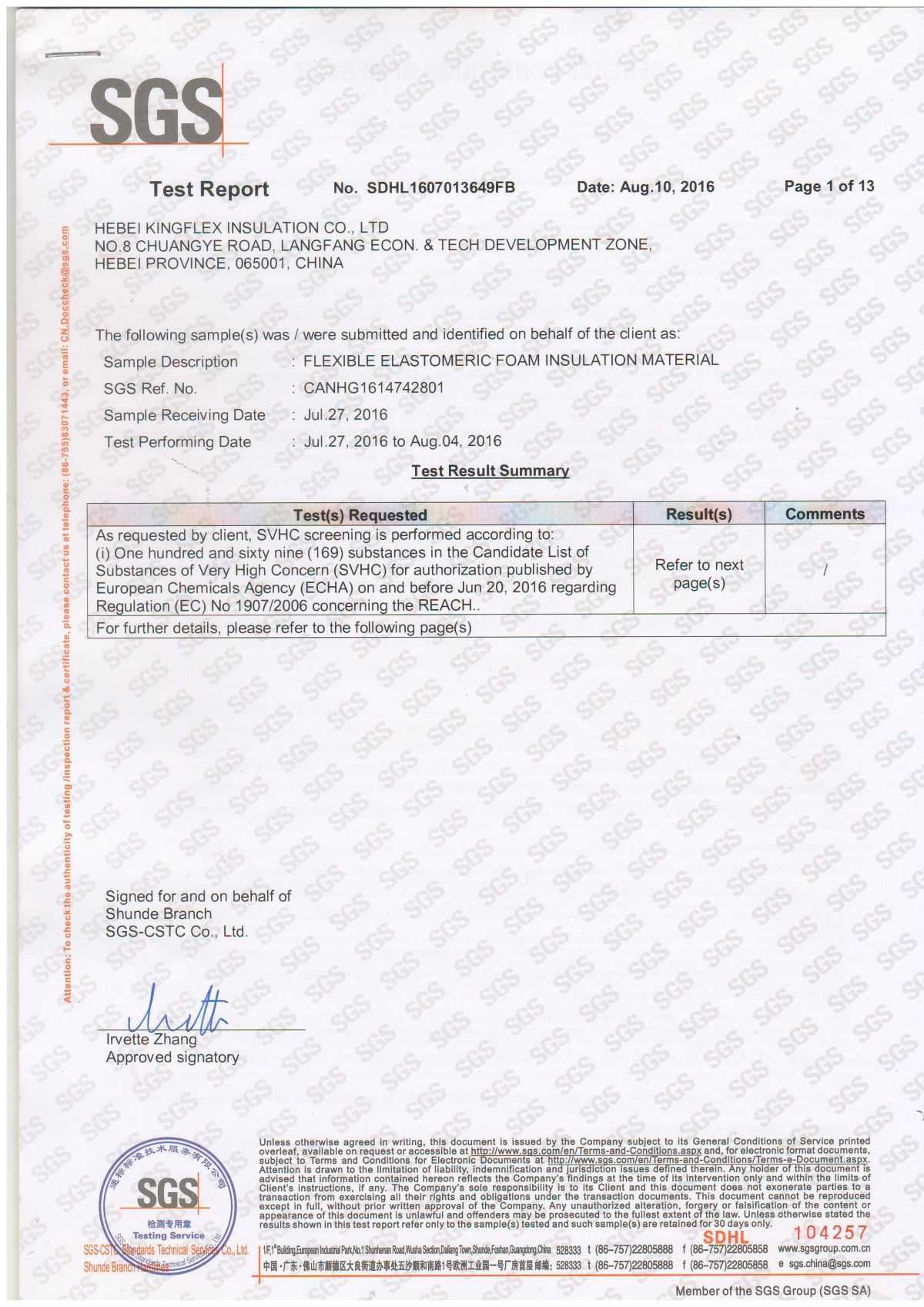
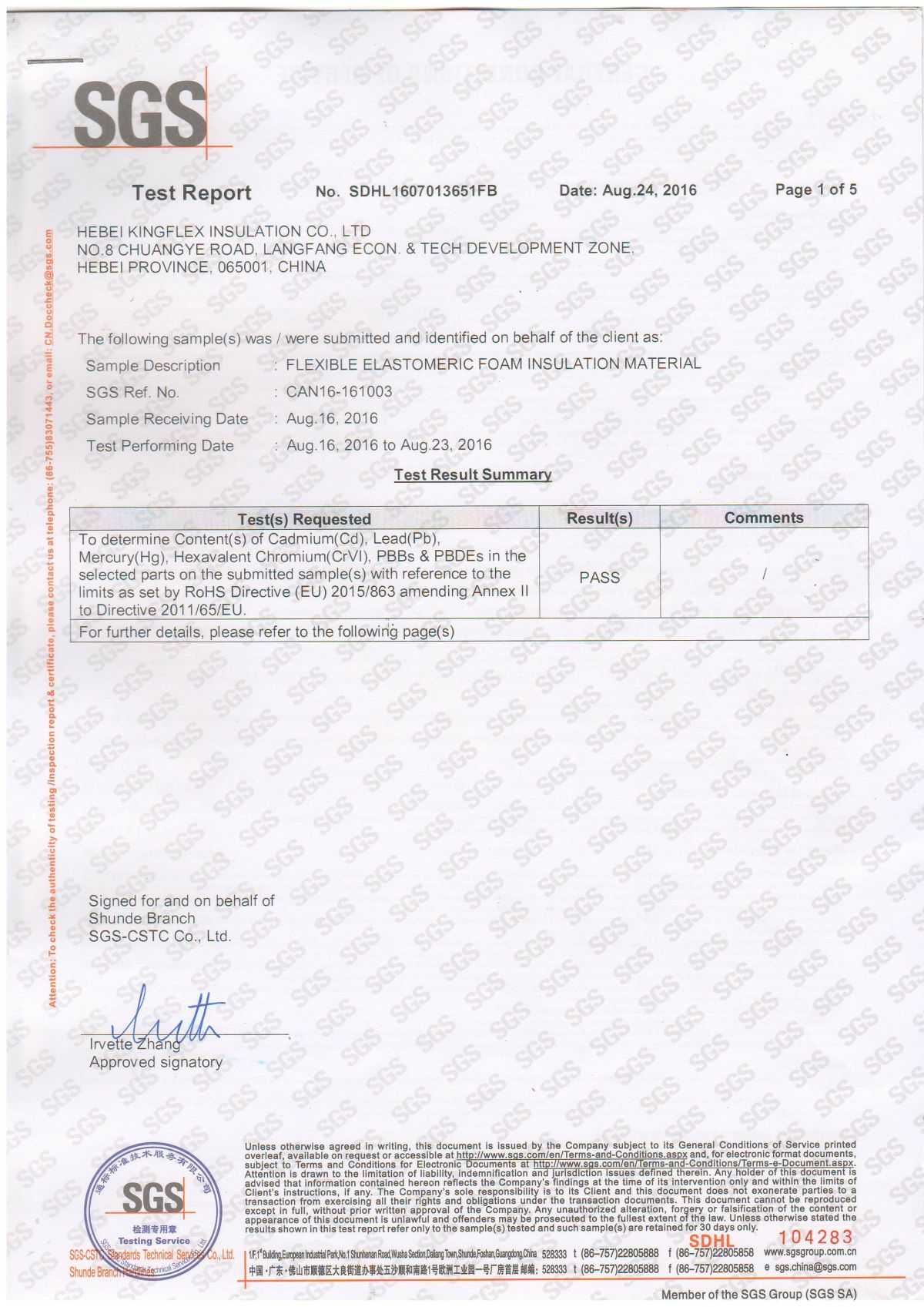
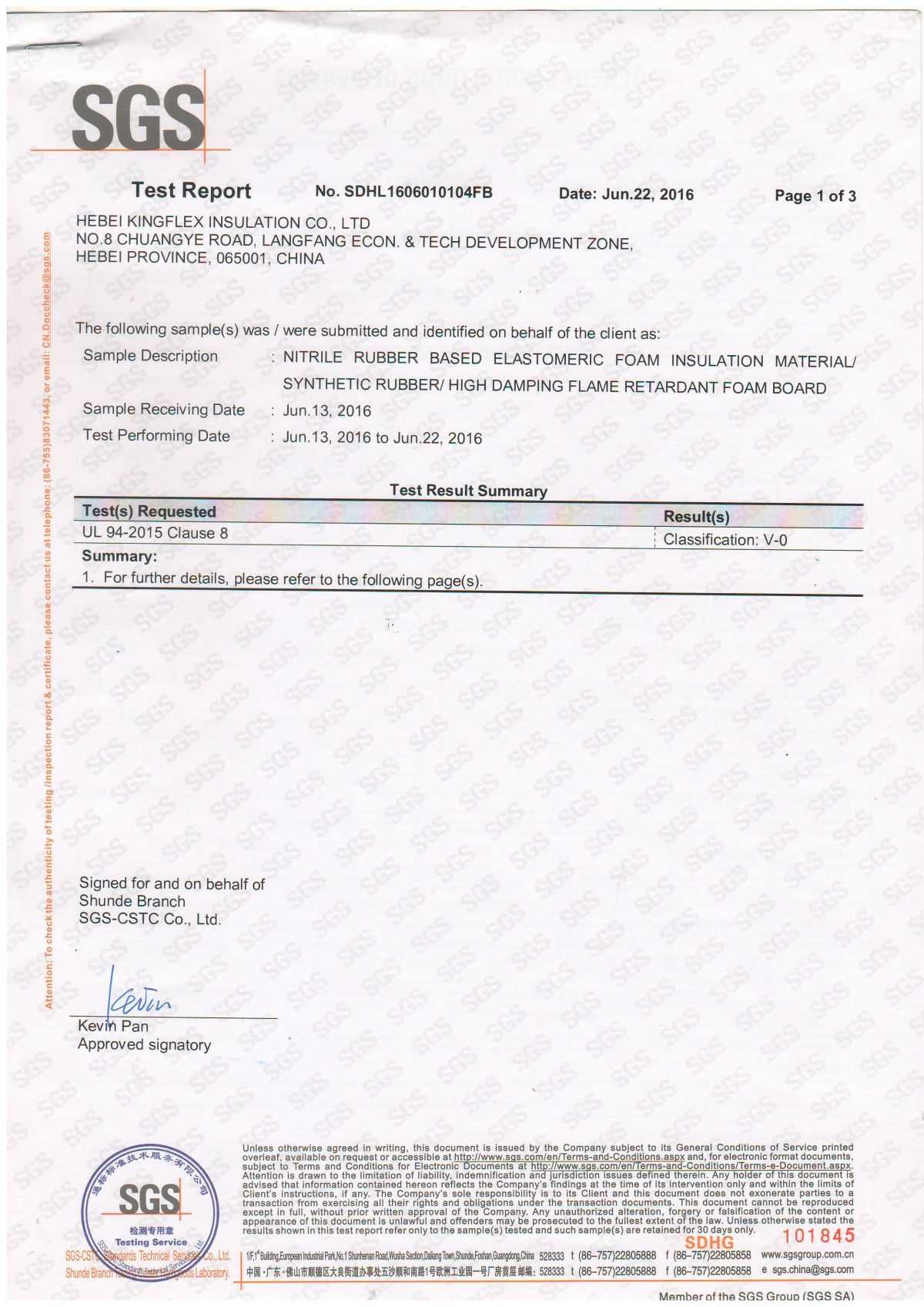
| ULT Technical Data | ||
|---|---|---|
| Property | Unit | Value |
| Temperature range | °C | (-200 to +110) |
| Density range | Kg/m³ | 60-80 Kg/m³ |
| Thermal Conductivity | W/(m.k) | ≤0.028 (-100°C) |
| ≤0.021 (-165°C) | ||
| Fungi resistance | - | Good |
| Ozone resistance | - | Good |
| Resistance to U.V. and weather | - | Good |
Participation in many related exhibitions at home and abroad.
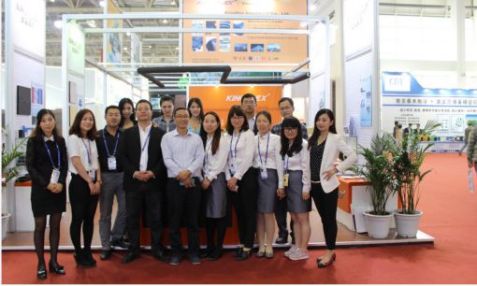
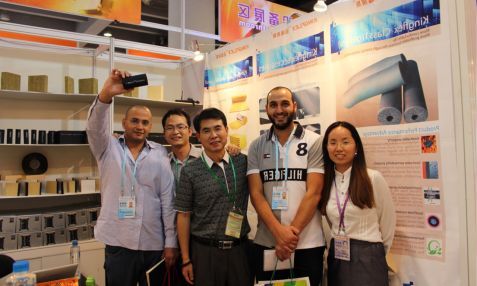
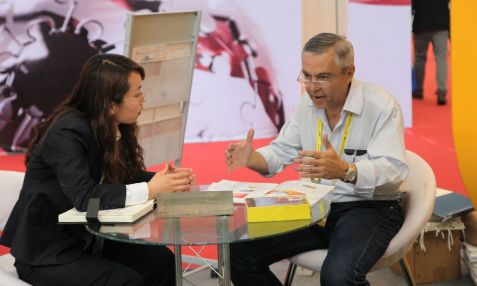
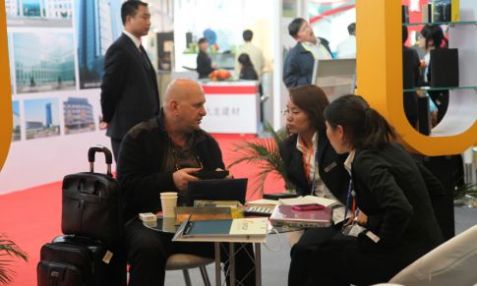
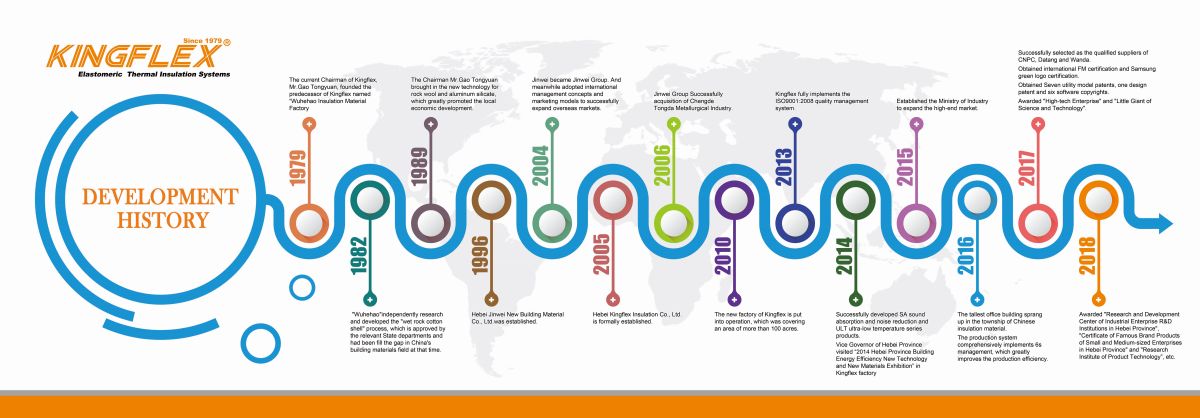
Over four decades, the insulation manufacturing operations have grown from a single manufacturing plant to a global organization with product installations in over 50 countries. From the National Stadium in Beijing to high-rises in New York, Singapore, and Dubai, people around the world are utilizing these quality products.
The system is widely used in LNG (Liquefied Natural Gas) installations, large-scale cryogenic storage tanks, ethylene projects (such as those for PetroChina and SINOPEC), nitrogen plants, and the coal chemical industry.
The insulation system is engineered to perform reliably across a temperature range of -200°C to +110°C, making it suitable for deep cooling and cryogenic applications.
For process pipelines operating below -100°C that undergo frequent vibration or movement, a wear-resistant film is laid on the inner surface. This design reinforces the inner wall strength of the material, securing long-term adiabatic integrity.
The material exhibits highly efficient thermal conductivity, measuring ≤0.028 W/(m.k) at -100°C and ≤0.021 W/(m.k) at -165°C.
Yes, technical evaluations indicate that the system has good resistance to fungi, ozone, ultraviolet (U.V.) rays, and outdoor weather conditions.
The density range of the flexible ultra-low temperature insulation material is between 60 and 80 Kg/m³.