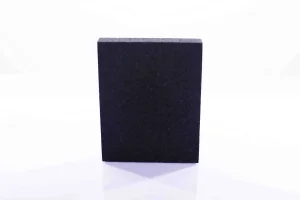
Reduce transmission of exterior sound to the interior of the building
Absorb reverberating sounds within the building
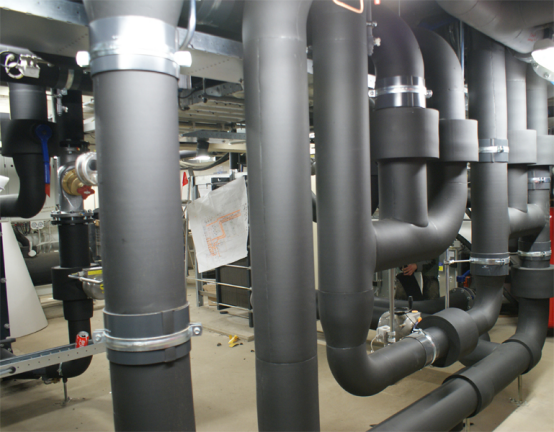
Provide thermal efficiency
Keep the building warmer in winter and cooler in summer
Frequently Asked Questions
Q:
What is the temperature range of the insulation material?
The insulation material has a highly stable operating temperature range of -50°C to 110°C, tested in compliance with GB/T 17794-1999 standard parameters.
Q:
How does the thermal conductivity perform at different temperatures?
The thermal conductivity is rated at ≤0.030 W/(m.k) at -20°C, ≤0.032 W/(m.k) at 0°C, and ≤0.036 W/(m.k) at 40°C under the ASTM C 518 standard, ensuring optimal energy conservation across environments.
Q:
What fire ratings does the insulation material achieve?
It achieves Class 0 and Class 1 fire ratings according to BS 476 Part 6 & 7 testing. Additionally, it has a Flame Spread and Smoke Developed Index of 25/50 (ASTM E 84) and an oxygen index of ≥36.
Q:
Is this insulation material resistant to environmental factors?
Yes, technical tests indicate good resistance to fungi (ASTM 21), ozone (GB/T 7762-1987), and weather/UV radiation (ASTM G23), making it durable for long-term usage.
Q:
What are the dimensions and formats available?
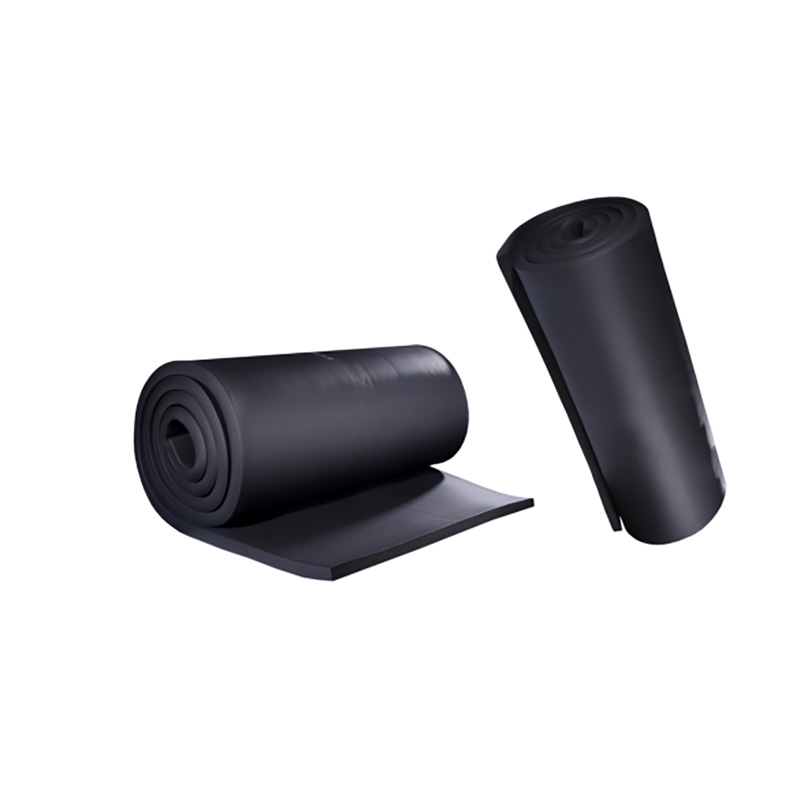
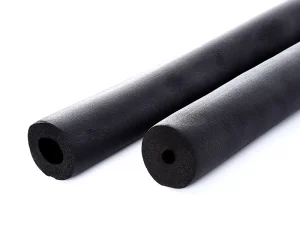
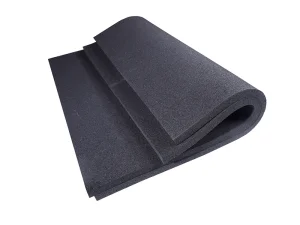
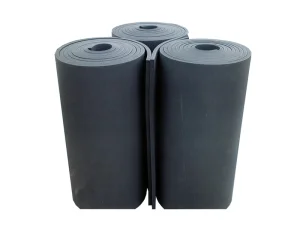
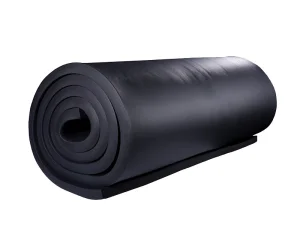
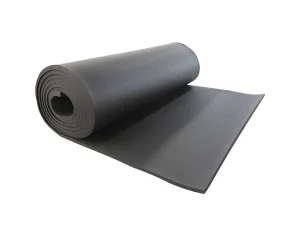
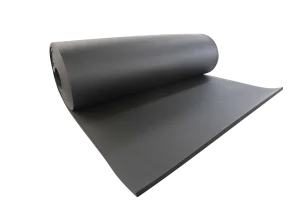
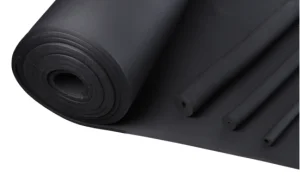
The insulation is available in thickness sizes ranging from 1/4" (6mm) to 2" (50mm) and standard roll widths of 1m, 1.2m, and 1.5m to suit different engineering and construction installation needs.
Q:
How does this material help with acoustics?
It acts as an efficient sound dampener by reducing the transmission of exterior sounds into the building interior and absorbing reverberating noises inside.
 Kingflex