Wholesale Kingflex flexible insulation material for cryogenic and low temperature applications Supplier, Quotes

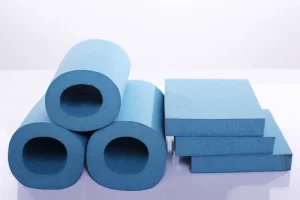
Main raw material: Talkadiene polymer Color: Blue Temperature range: -200to +200

Product Description

Natural gas LNG cold energy utilization Nitrogen factory Coal to olefins Coal chemical MOT Transport ship LNG carrier inside No fiber & dust-free No CFC & HCFC Drilling platform pipeline Ethylene projects
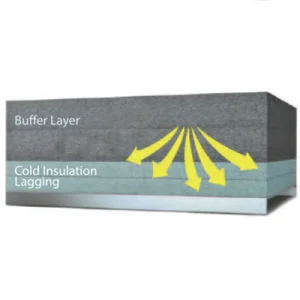
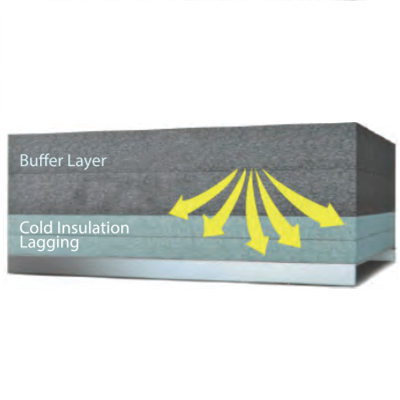
Mechanical insulation systems require different layers of thickness depending on the temperature of the environment.

With the correct insulation installed, the plant becomes more energy efficient, which in turn reduces operating costs. If a mechanical insulation contractor lacks thorough knowledge about a manufacturer’s product installation standards, the risk of system damage or lack of efficiency increases. Improper insulation can lead to excessive heat transfer and that loss of heat affects the conservation of energy and ultimately the cost to operate the plant.

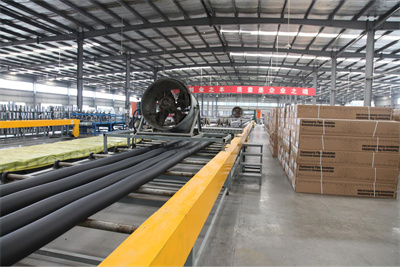
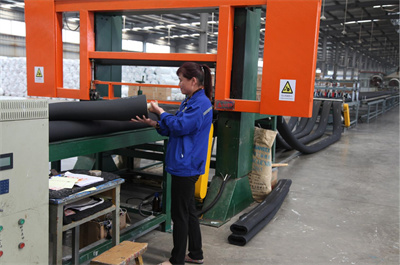
The production facility features 4 advanced rubber foam production lines, which can produce both tubes and sheet rolls, with production capacity doubled compared to standard lines. With 36 years of experience in manufacturing thermal insulation materials, each step of the process is strictly conformed to both domestic and international testing standards, such as UL, BS476, ASTM E84, etc.
Rubber foam production line
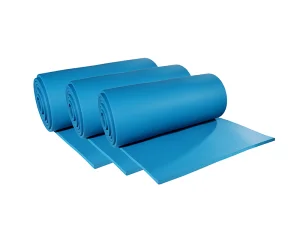
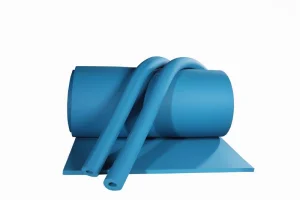
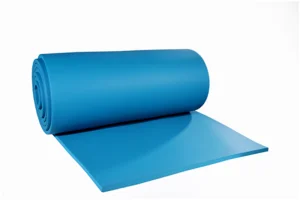
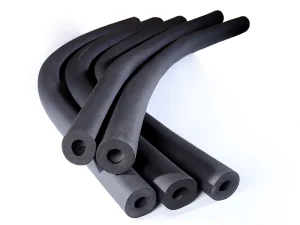
Thermal insulation sheet rolls
Thermal insulation performance test
Stays flexible at low temperatures
Reduces the risk of crack development and propagation
Reduces the risk of corrosion under insulation
Protects against mechanical impact and shock
Low thermal conductivity
Low glass transition temperature
Easy installation even to complex shapes
Less wastage compared to rigid/pre-fabricated pieces

A sound and strict Quality Control System is maintained. Every order is checked from raw material to the final product. To keep stable quality, internal testing standards are implemented with higher requirements than standard domestic or international requirements.
Quality control testing and standards
Frequently Asked Questions (FAQ)
Q: Why is the thickness of mechanical insulation systems critical?
Mechanical insulation systems require different layers of thickness depending on the ambient temperature. The correct thickness ensures optimal energy efficiency, prevents excessive heat transfer, and minimizes overall operating costs.
Q: What international testing standards do these thermal insulation products meet?
All manufacturing processes conform strictly to major domestic and international testing standards, including UL, BS476, and ASTM E84, ensuring safety and reliability.
Q: How does flexible rubber foam insulation perform at low temperatures?
The material stays highly flexible at low temperatures with a low glass transition temperature. This flexibility significantly reduces the risk of crack development and propagation under thermal stress.
Q: Can this insulation protect pipes from corrosion under insulation (CUI)?
Yes. By providing a secure, moisture-resistant barrier, this insulation system reduces the entry of moisture and corrosive agents, minimizing the risk of corrosion under insulation.
Q: What are the installation benefits of using flexible foam instead of rigid pieces?
Flexible rubber foam insulation is easy to install even on complex shapes. This flexibility results in significantly less material wastage compared to rigid or pre-fabricated insulation components.
Q: How is the quality of the insulation products ensured?
Quality is maintained through a strict Quality Control System where every order is checked from raw material to the final product, using internal testing standards that exceed standard industry requirements.

Related Products