Wholesale Rubber Foam Insulation For the Cryogenic Systems Manufacturer, Factories
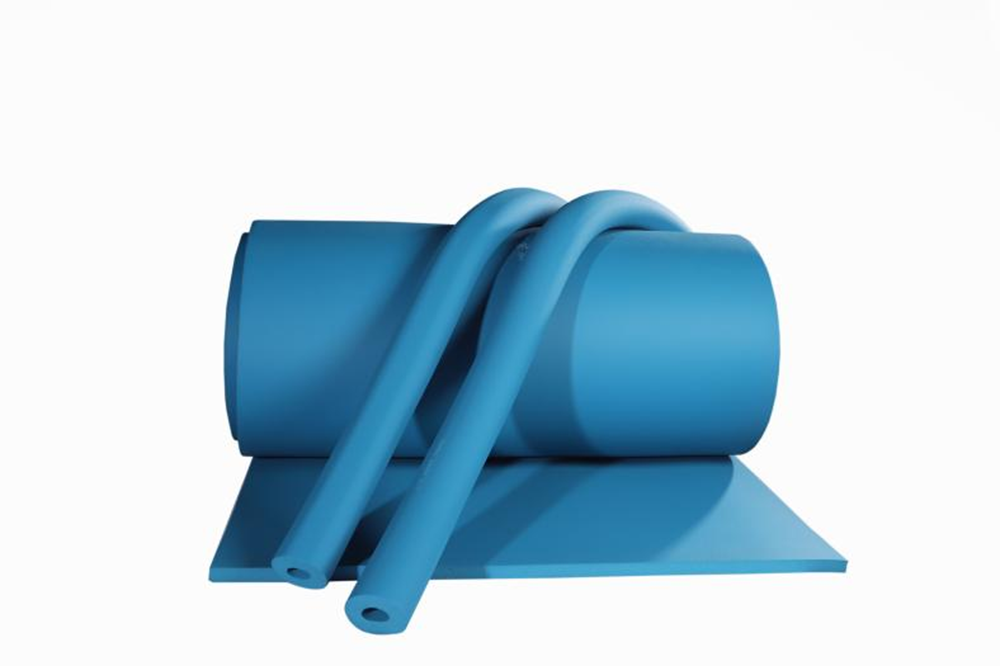
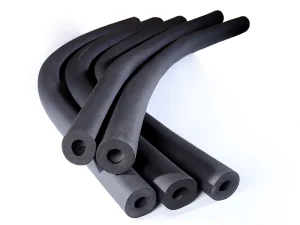
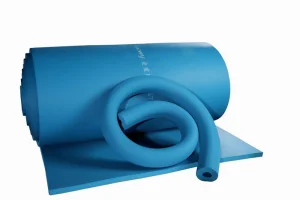
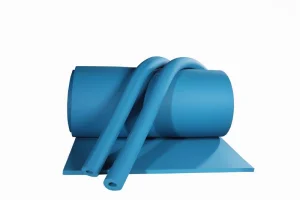
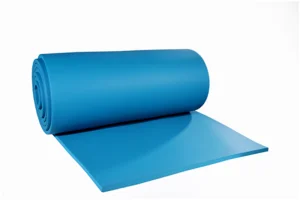
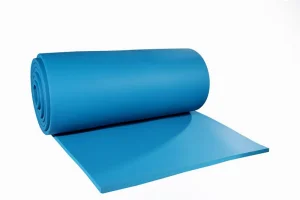
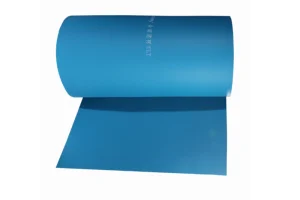
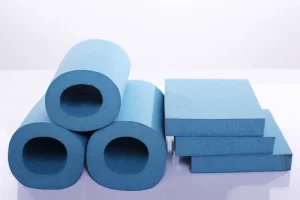
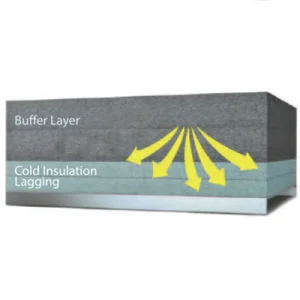
Kingflex ULT is a flexible, high density and mechanically robust, closed cell cryogenic thermal insulation material based on extruded elastomeric foam. The product has been specially developed for use on the import and export pipelines and process areas of liquefied natural gas facilities. It is part of Kingflex Cryogenic multi-layer configuration, providing low temperature flexibility to the system.
Flexible ultra low temperature adiabatic system has the inherent characteristics of impact resistance, and its cryogenic elastomer material can absorb the impact and vibration energy caused by the external machine to protect the system structure.
Main Property
ULT Base Material
LT Base Material
Standard / Test Method
Thermal Conductivity
-100°C: 0.028 -165°C: 0.021
0°C: 0.033 -50°C: 0.028
ASTM C177
Density Range
60-80Kg/m³
40-60Kg/m³
ASTM D1622
Recommend Operation Temperature
-200°C to 125°C
-50°C to 105°C
-
Percentage Of Close Areas
>95%
>95%
ASTM D2856
Moisture Performance Factor
NA
<1.96x10⁻¹¹ g(m.m.Pa)
ASTM E 96
Wet resistance Factor μ
NA
>10000
EN12086 / EN13469
Water Vapor Permeability Coefficient
NA
0.0039g/h.m² (25mm thickness)
ASTM E 96
PH
≥8.0
≥8.0
ASTM C871
Tensile Strength MPa
-100°C: 0.30 -165°C: 0.25
0°C: 0.15 -50°C: 0.218
ASTM D1623
Compressive Strength MPa
-100°C: ≤0.3
-40°C: ≤0.16
ASTM D1621
Insulation that maintains its flexibility at very low temperatures down to -200℃ to +125℃.
Protects system structures against mechanical impact and shock.
Features a low glass transition temperature for outstanding low-temperature performance.
Frequently Asked Questions (FAQ)
Q1: What is the recommended operating temperature range for the insulation system?
The ULT base material is recommended for extreme environments ranging from -200°C to 125°C, while the LT base material is suitable for temperatures from -50°C to 105°C.
Q2: How does the cryogenic elastomer material protect the overall system?
It has inherent impact-resistance characteristics. This elastomer material absorbs vibration and mechanical impact energy generated by external machines to secure and protect the system structure.
Q3: What is the closed-cell percentage of these insulation materials?
Both the ULT and LT base materials feature a closed-cell area percentage of over 95%, tested in accordance with the ASTM D2856 standard.
Q4: What are the thermal conductivity values of the ULT and LT materials?
According to ASTM C177 testing, the ULT material has a thermal conductivity of 0.028 at -100°C and 0.021 at -165°C. The LT material features 0.033 at 0°C and 0.028 at -50°C.
Q5: How does the system perform in terms of density and tensile strength?
The ULT material has a density of 60-80Kg/m³ and tensile strength of 0.30 MPa (at -100°C). The LT material has a density of 40-60Kg/m³ and tensile strength of 0.218 MPa (at -50°C).
Q6: What is the water vapor permeability performance of the LT material?
The LT material has a water vapor permeability coefficient of 0.0039g/h.m² at 25mm thickness (ASTM E 96) and a wet resistance factor (μ) exceeding 10,000 (EN12086/EN13469).
 Kingflex