 Kingflex

1 / 2

| ULT Technical Data | ||
|---|---|---|
| Property | Unit | Value |
| Temperature range | °C | -200 to +110 |
| Density range | Kg/m³ | 60-80 |
| Thermal Conductivity | W/(m.k) | ≤0.028 (-100°C) |
| ≤0.021 (-165°C) | ||
| Fungi resistance | - | Good |
| Ozone resistance | - | Good |
| Resistance to U.V. and weather | - | Good |


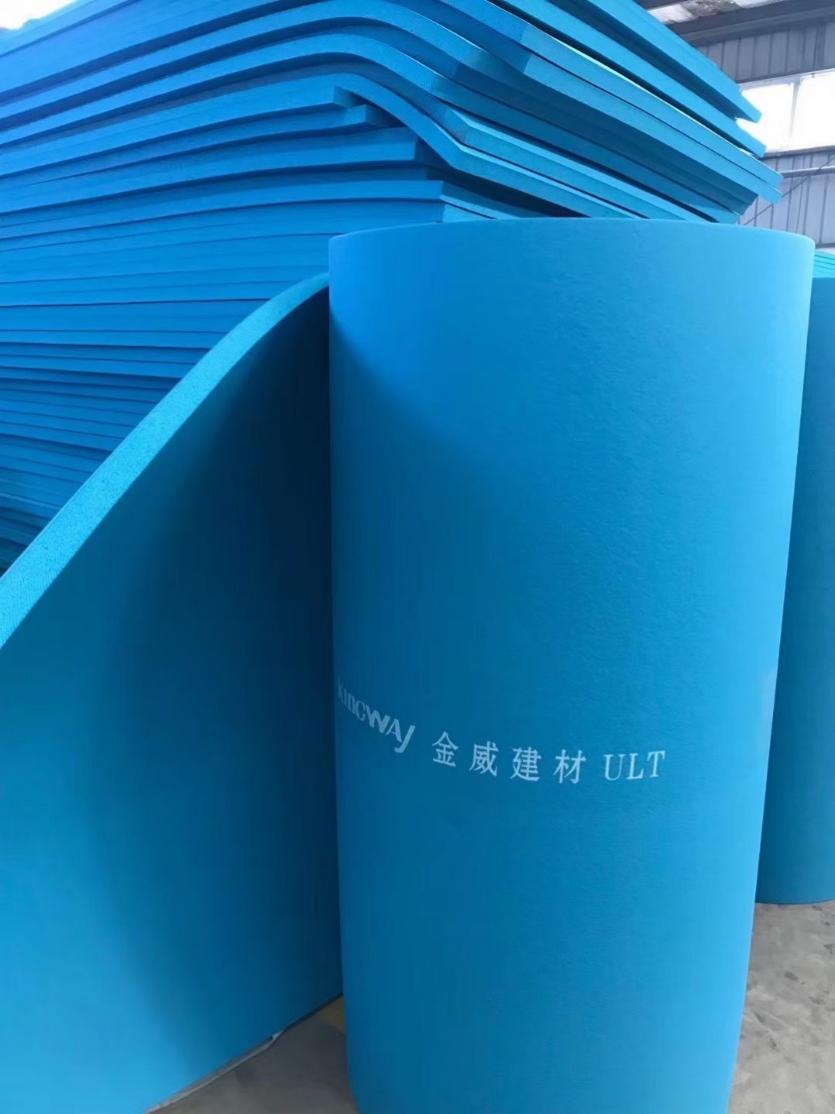
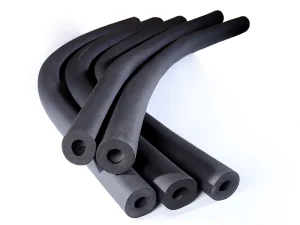
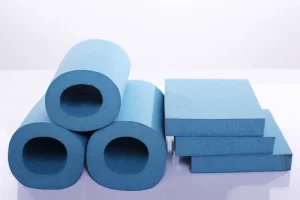
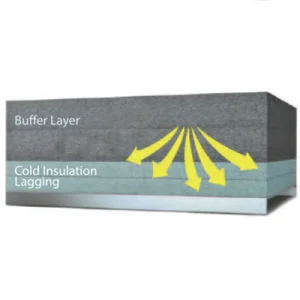
A1: These structures provide excellent internal shock resistance, high thermal performance, minimised installation time, and significantly reduce the risk of corrosion under insulation (CUI).
A2: The insulation performs effectively in extreme low-temperature environments, with a rated temperature range from -200°C to +110°C.
A3: The thermal conductivity remains exceptionally low to prevent heat transfer, measuring ≤0.028 W/(m.k) at -100°C and ≤0.021 W/(m.k) at -165°C.
A4: Yes, the insulation provides excellent resistance to environmental factors, maintaining a rating of 'Good' for fungi resistance, ozone resistance, and resistance to U.V. and weather.
A5: They are designed specifically for challenging low-temperature conditions, making them ideal for the oil and gas industry as well as general construction and industrial segments.
A6: The global market demand is driven by growth in the construction and industrial sectors, alongside growing concerns regarding rising energy costs and noise pollution.