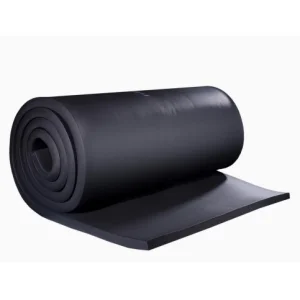
Engineered thermal systems specifically optimized for moisture prevention, acoustic dampening, and maximum heat retention.
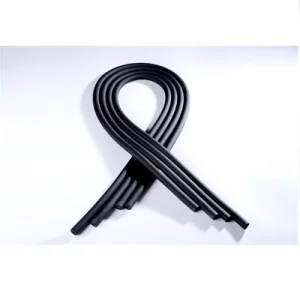
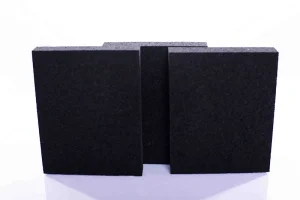
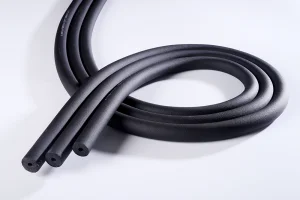
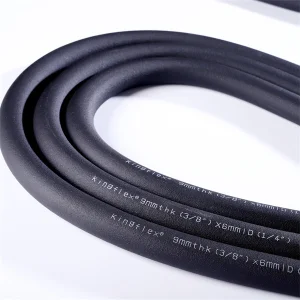
Why next-generation HVAC specifications demand closed-cell elastomeric technology over traditional fibrous batts.
Condensation occurs when warm, humid air comes into contact with the cold surface of an air vent or metal duct. Liquid water accumulation fosters mold growth and compromises the surrounding structure. Kingflex elastomeric NBR/PVC features a built-in vapor barrier that prevents moisture ingress without requiring external protective jacketing.
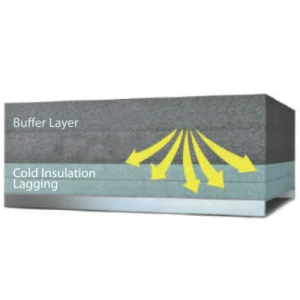
Noise transmission through HVAC vents—caused by fan motors, turbulent airflow, and structure-borne vibration—remains a major problem in modern high-rise and hospital environments. High-density rubber foam acts as a dampener, absorbing sound waves and lowering the decibel output of air handlers.
With a compression resilience of over 80% and a high closed-cell rate (>98%), Kingflex products maintain their nominal thickness and thermal performance for 10 to 15 years. Unlike mineral wool, which settles and degrades in damp conditions, our synthetic elastomers remain stable and effective.
Kingflex Insulation Co., Ltd. is a leading manufacturer and exporter of high-quality thermal insulation systems. Headquartered in Dacheng, China—a hub for green building materials development—Kingflex combines advanced research and development with large-scale production capacities.
Established as part of the Jinwei Group, which has been at the forefront of China's industrial insulation sector since 1979, Kingflex carries over 40 years of engineering expertise. We serve as a trusted supplier of energy-saving, flame-retardant materials to more than 66 countries worldwide.
| Founded | 1979 (Jinwei Group) |
|---|---|
| R&D Engineers | 8 Professional Staff |
| Global Footprint | 66+ Countries & Regions |
| Core Markets | HVAC, Petchem, Cryogenics, Aerospace |
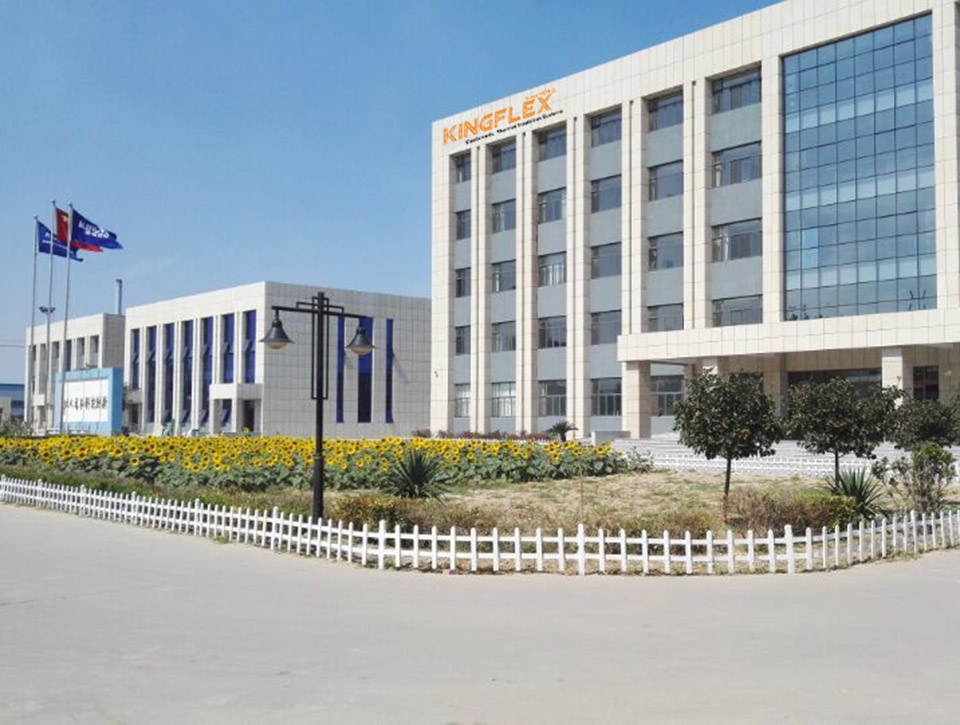
Our production capabilities support rapid project execution, high-volume consistency, and complex industrial requirements.

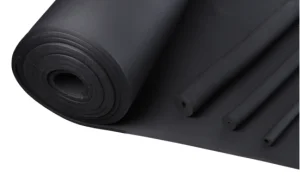
Our standard dimensions and physical properties are optimized for both commercial buildings and challenging industrial settings.
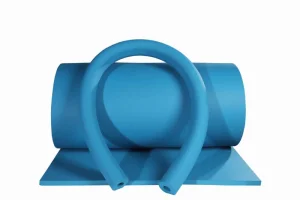
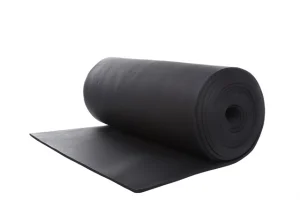
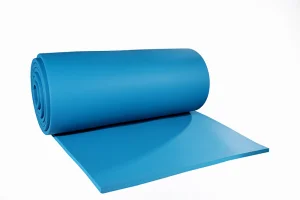
Material: Nitrile-Butadiene Rubber (NBR) blended with Polyvinyl Chloride (PVC) for enhanced UV resistance and flexibility.
Thickness Options: 6mm to 50mm
Density Range: 40 to 55 kg/m³
Thermal Conductivity: ≤ 0.035 W/(m·K) at 0°C
Service Temperature: -40°C up to 105°C
Highlights: Closed-cell rate over 98%, high moisture resistance factor (dust/vapor barrier), and flame retardant (self-extinguishes off fire).
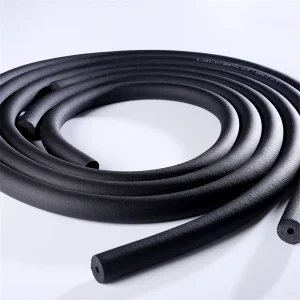
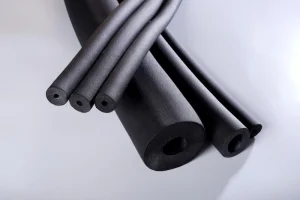
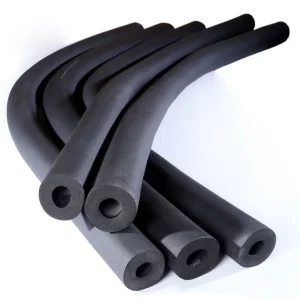
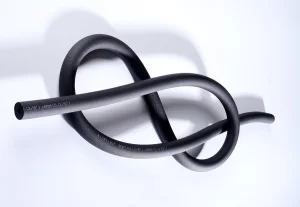
Material: Elastic NBR/PVC closed-cell matrix, optimized for pipe geometry and uniform heat distribution.
Thickness Options: 9mm to 40mm
Inner Diameter (ID): 6mm to 114mm
Service Range: -40°C to 105°C
Water Vapor Permeability: ≤ 2.8 x 10⁻¹¹ g/(m·s·Pa)
Applications: Chilled water pipes, hot water systems, and refrigeration lines, with a formulation designed to minimize pipe corrosion.
| Physical Property Parameter | NBR/PVC Elastomeric Foam Value | Testing Method (Reference) |
|---|---|---|
| Closed-Cell Rate | ≥ 98.4% | ASTM D2856 |
| Thermal Conductivity (at 0°C) | ≤ 0.034 W/(m·K) | ASTM C518 / ISO 8301 |
| Water Vapor Permeability (μ value) | ≥ 7,000 | EN 12086 |
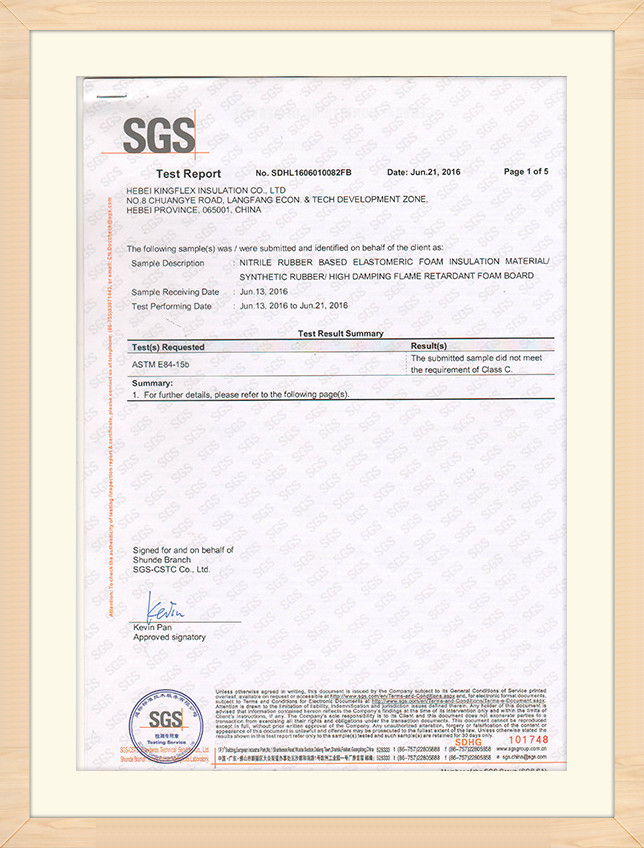
| Fire Safety Rating | Class 1 / Class V-0 | BS 476 Part 7 / UL 94 |
| Ozone Resistance | Excellent, no cracking | ASTM D1149 |
| Compression Set (80% deflection) | ≥ 82% recovery rate | ASTM D1056 |
Helping procurement managers navigate complex supply chains and meet regulatory standards.
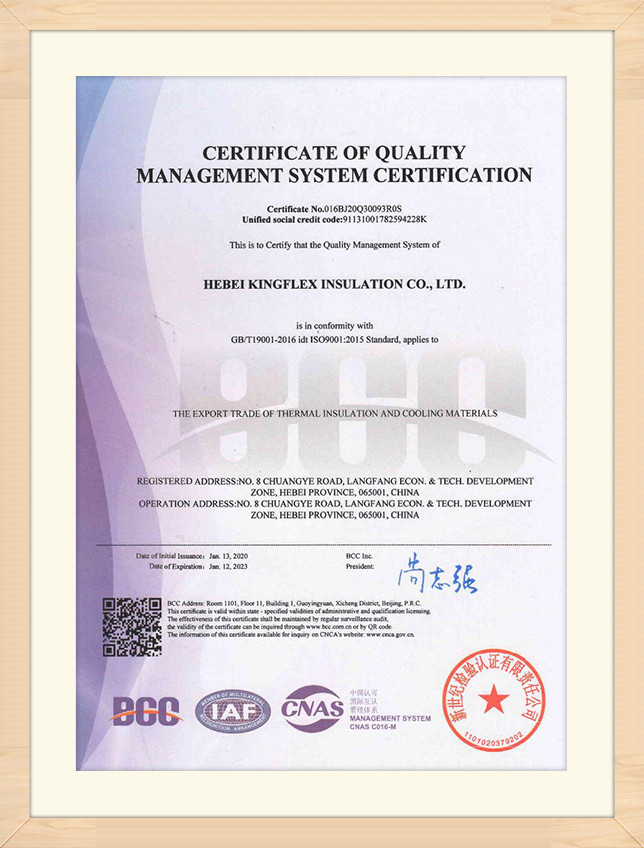
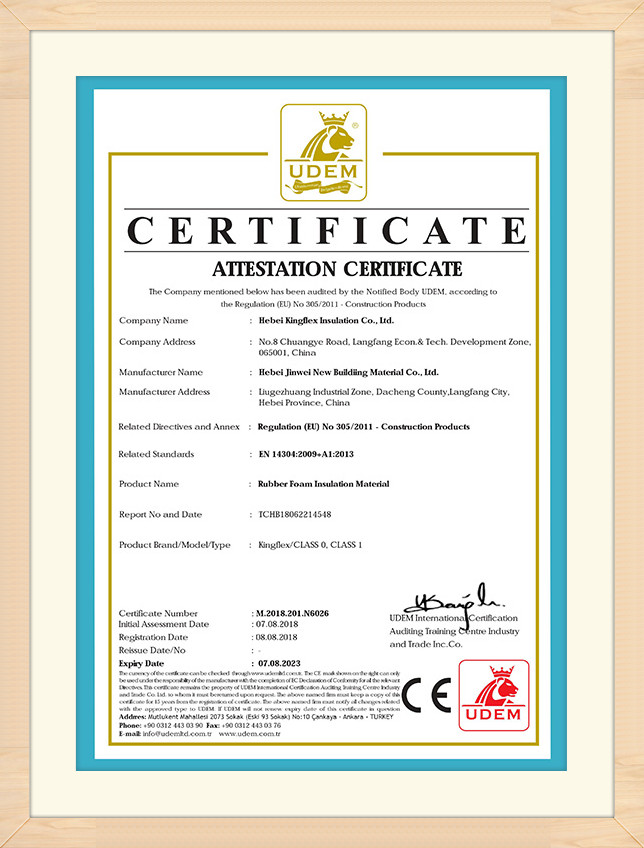
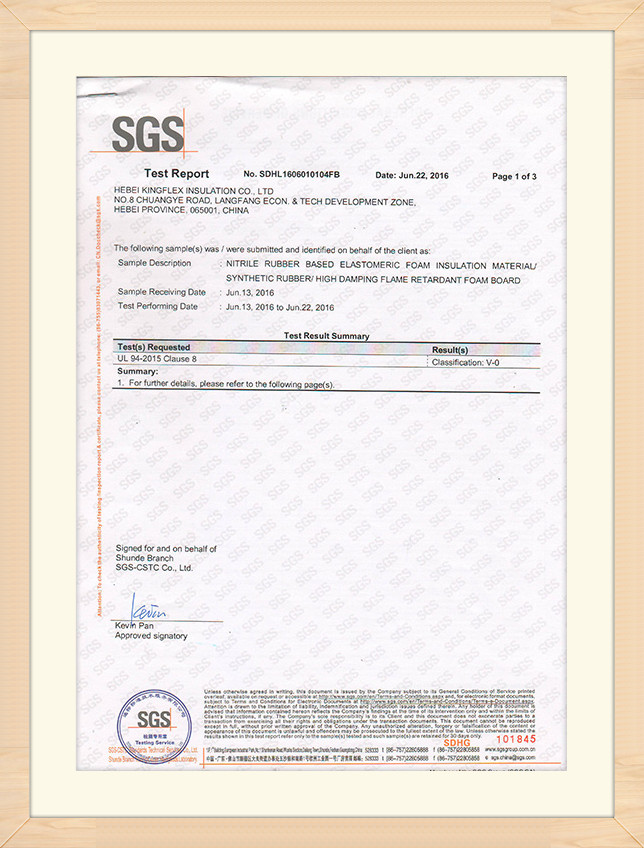
International infrastructure projects require strict compliance with safety guidelines. Kingflex products carry approvals for BS 476 (Class 0 and Class 1), CE, REACH, RoHS, UL 94, and ASTM. This simplifies the import and certification process for projects in North America, Europe, and Asia.
As a designated manufacturer for major industrial ministries, Kingflex maintains consistent quality control across all batches. Each production run features product traceability codes, allowing you to trace material records from raw components through to installation.
We provide custom product tailoring, including self-adhesive backings, aluminum foil facings, and pre-slit designs, allowing installers to save time on-site and lower overall installation costs.
From central air conditioning ducts to extreme low-temperature cryogenic systems.
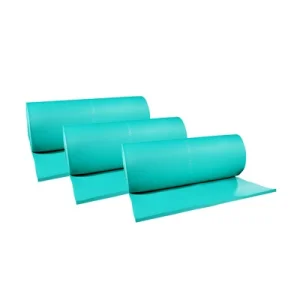
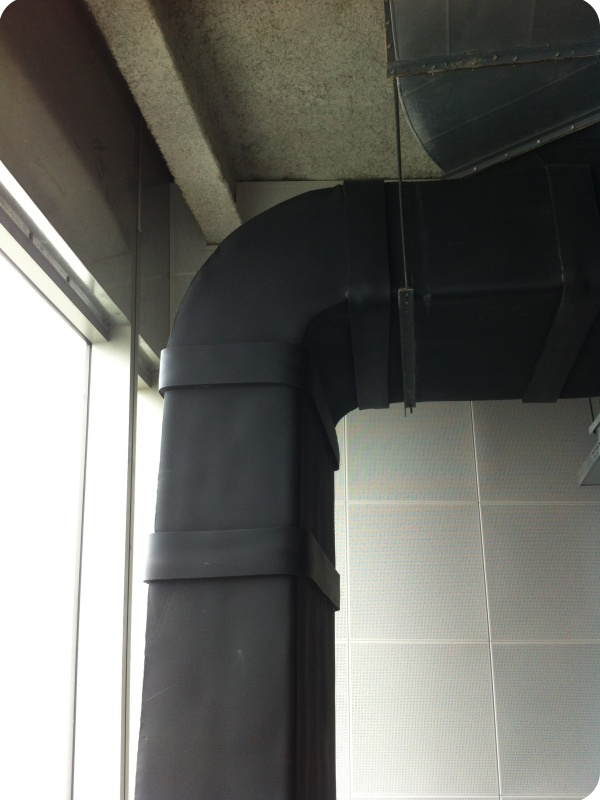
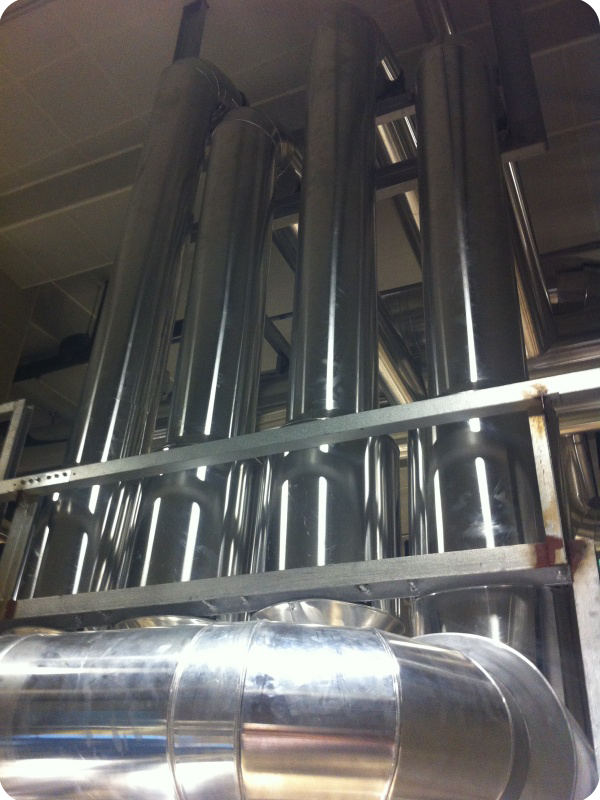
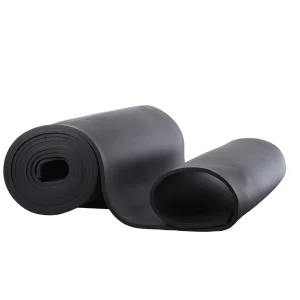
Kingflex elastomeric foam sheets are widely used on the exterior of sheet metal ducts to prevent thermal energy loss and deaden noise, helping commercial structures achieve green building certifications like LEED.
For liquid gas transport, cold storage facilities, and low-temperature process piping, our cryogenic foam provides thermal control down to -200°C. Its elastic properties allow it to absorb thermal contraction and expansion without cracking.
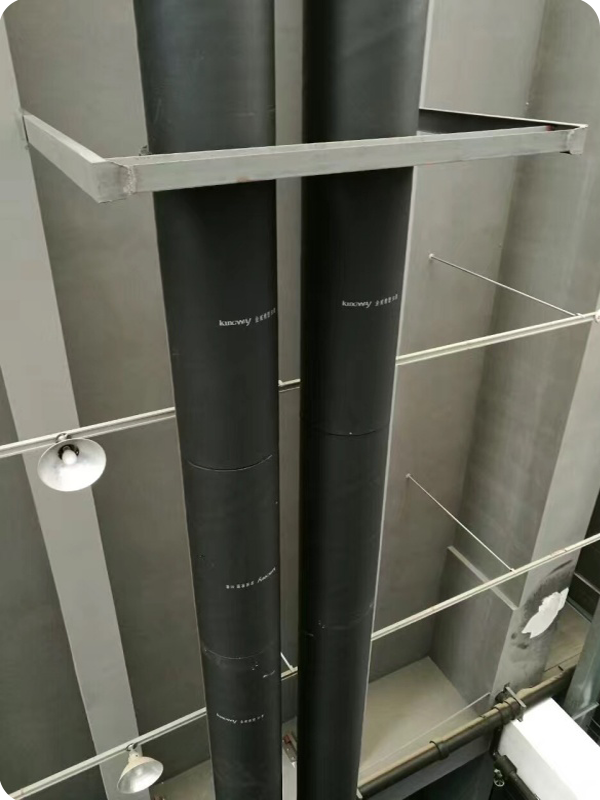
In chemical and petrochemical processing, piping is subject to harsh ambient conditions. NBR/PVC insulation protects pipes from weathering, chemical vapors, and moisture, extending the service life of complex pipe runs.

Adapting to evolving thermal regulations, strict building standards, and carbon reduction goals.
Refining cell matrix chemistry to eliminate volatile organic compounds, meeting strict air quality standards in hospitals and cleanrooms.
Developing hybrid rubber foam and silica aerogel panels to provide Class-0 fire performance with thinner profiles.
Substituting synthetic petroleum-based raw materials with biological polymers to lower the carbon footprint of our manufacturing process.
Ensuring consistent support, reliable production, and prompt communication for global clients.


Technical answers regarding elastomeric rubber foam selection, installation, and performance.
A1: It is primarily used for insulating HVAC ducts, central air conditioning pipes, commercial building structures, cryogenic storage, and high-vibration industrial lines to control heat transfer, prevent condensation, and dampen sound.
A2: Yes, our elastomeric materials are engineered with built-in flame retardants. They are self-extinguishing and meet major international safety standards, including BS 476 Part 7 (Class 1) and UL 94 classification (V-0).
A3: Rubber foam features a flexible, closed-cell, moisture-proof structure, making it ideal for HVAC, chilled water lines, and condensation control. Rock wool is a fibrous material with high-temperature resistance, making it suitable for high-heat steam pipes and structural fireproofing.
A4: Yes, we provide OEM and ODM services. We can adjust the thickness, inner diameter, color, self-adhesive backing, and protective outer facings to match specific project parameters.
A5: Our products have passed rigorous evaluations, including BS 476, CE, REACH, RoHS, UL 94, and ASTM. This guarantees compliance with quality and safety regulations across the European, Asian, and American markets.
A6: Yes, Kingflex operates under a strict ISO-compliant quality system. Every batch has production and quality inspection records, ensuring traceability from raw materials to shipped goods.
A7: We produce rubber foam rolls in thicknesses ranging from 6mm up to 50mm, allowing you to choose the exact thermal barrier needed for your climate zone.
A8: Under normal indoor and outdoor conditions with proper installation, Kingflex products maintain their physical properties and thermal efficiency for 10 to 15 years.
A9: EPDM foam offers high UV and ozone resistance, making it suitable for high-temperature solar applications. Our NBR/PVC blend is formulated to combine NBR's low thermal conductivity and oil resistance with PVC's weatherability, providing a balanced, cost-effective solution for standard commercial HVAC installations.
A10: We recommend using high-strength, contact-type adhesives specifically formulated for elastomeric insulation. For high-humidity or outdoor installations, pre-applied self-adhesive backings with reinforced mesh scrim provide a secure, long-lasting bond.
Browse our complete selection of elastomeric sheets, tubes, and specialized systems to secure pricing for your project.
 Kingflex