Premium solutions for dynamic thermal barrier systems, custom-made for global efficiency.
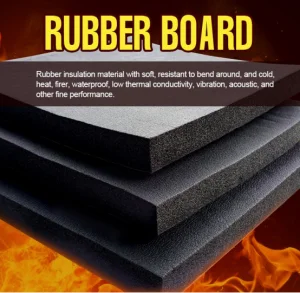
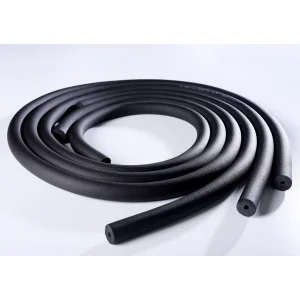
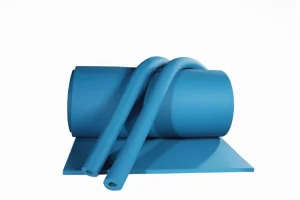
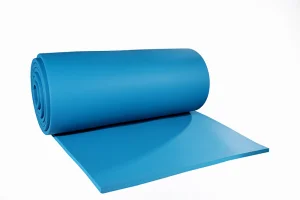
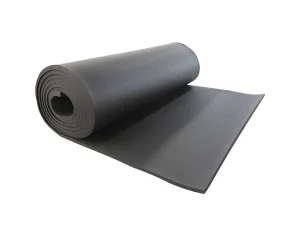
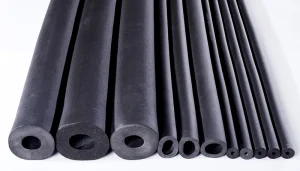
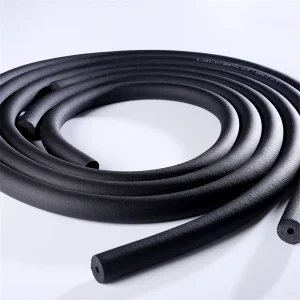
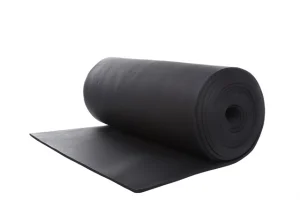
In contemporary industrial engineering and commercial architecture, thermal efficiency combined with fire safety is a non-negotiable metric. Aluminium laminate flame retardant insulation represents the vanguard of protective cladding technology. Designed primarily to cover elastomeric foam substrates, rock wool cores, or fiberglass pipes, this composite material acts as a secondary defense layer that enhances structural longevity and ensures human safety during thermal overload events.
The global demand for high-performance thermal barriers has surged, driven by stringent building code revisions in North America, the European Union, and rapidly developing regions within Asia-Pacific. Engineers specify aluminium foil laminates because they offer a triple protection system: reflecting radiant heat (reflective efficiency up to 97%), acting as an absolute zero-permeability moisture barrier, and providing a highly durable physical shield against ultraviolet (UV) radiation, mechanical abrasion, and environmental pollutants.
By bonding high-purity aluminum foil with specialized high-temperature flame-retardant adhesives and high-density elastomeric rubber foam, manufacturers create a multi-layer composite. This composite not only drastically lowers the thermal conductivity ($\lambda \le 0.034$ W/m·K at 0°C) of the core insulation sheet but also blocks the migration of water vapor, preventing corrosion under insulation (CUI) in process piping systems.
Certified to international fire protection standards, including BS 476 Parts 6 & 7 and UL94 V-0. It prevents rapid flame propagation and minimizes hazardous smoke density.
The vapor-tight aluminium lamination presents a highly durable physical envelope, eliminating condensation and subsequent Corrosion Under Insulation (CUI).
Unlaminated open-cell or unprotected closed-cell foams degrade rapidly under UV exposure. Aluminium laminate shield guarantees a service life of up to 15 years.
m³ Annual Capacity
Countries Exported
Years of Legacy
Closed Cell Rate
Aluminium-faced flame retardant barriers are optimized for diverse industrial, commercial, and residential use cases. The integration of high-tensile strength foil prevents ripping or tearing during field installation, enabling installation in challenging locations:
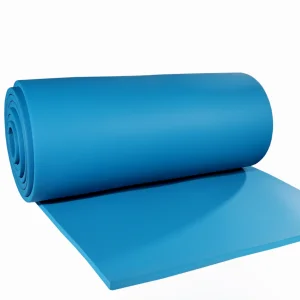
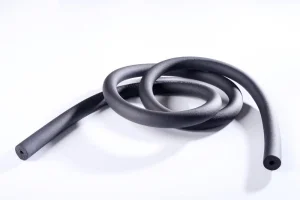
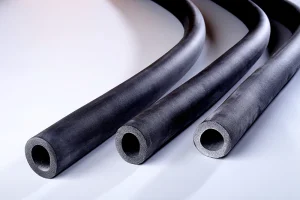
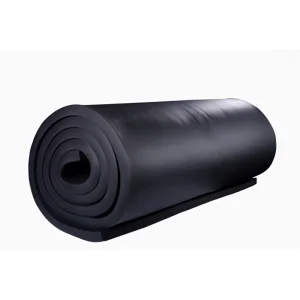
To help engineers and procurement directors compare materials, here are the technical specifications for our elastomeric rubber foam laminated solutions:
| Characteristic / Parameter | Kingflex Sheet Standard | Kingflex Pipe Standard |
|---|---|---|
| Core Base Material | Premium Nitrile Butadiene Rubber / PVC Blend | Premium Nitrile Butadiene Rubber / PVC Blend |
| Available Thickness Range | 6mm to 50mm | 9mm to 40mm (Inner Diameter: 6mm - 114mm) |
| Density Spec | 40 - 55 kg/m³ | 40 - 55 kg/m³ |
| Operating Temperature Bounds | -40°C to 105°C | -40°C to 105°C |
| Moisture Permeability Resistance | $\mu \ge 10,000$ (with aluminium vapor jacket) | $\mu \ge 10,000$ (with aluminium vapor jacket) |
| Fire Performance Ratings | BS 476 Class 0, UL94 V-0, ASTM Certified | BS 476 Class 0, UL94 V-0, ASTM Certified |
The production center of Kingflex Insulation Co., Ltd. is located in Dacheng, China—globally recognized as the hub for green building materials. This geographic concentration gives us access to a highly integrated raw material supply chain, reducing transportation and material processing costs.
Equipped with 5 large-scale automated assembly lines, our factory runs continuous production cycles. These automated lines ensure consistent material density, cell structures, and uniform foil coating adhesion. By integrating advanced raw material mixing, extrusion, foaming, lamination, and slitting into one facility, we achieve efficiency that independent fabricators cannot match.
Established under the Jinwei Group, which has a legacy dating back to 1979, Kingflex is backed by over 40 years of thermal insulation experience. Jinwei was the first manufacturer of thermal insulation materials north of the Yangtze River. Today, this tradition of quality continues with a dedicated R&D division staffed by 8 professional engineers, supported by 6 international sales representatives and 230 production workers.
By focusing on energy-saving, environmentally friendly insulation systems, we help global infrastructure projects meet international carbon reduction standards while lowering overall operating costs.
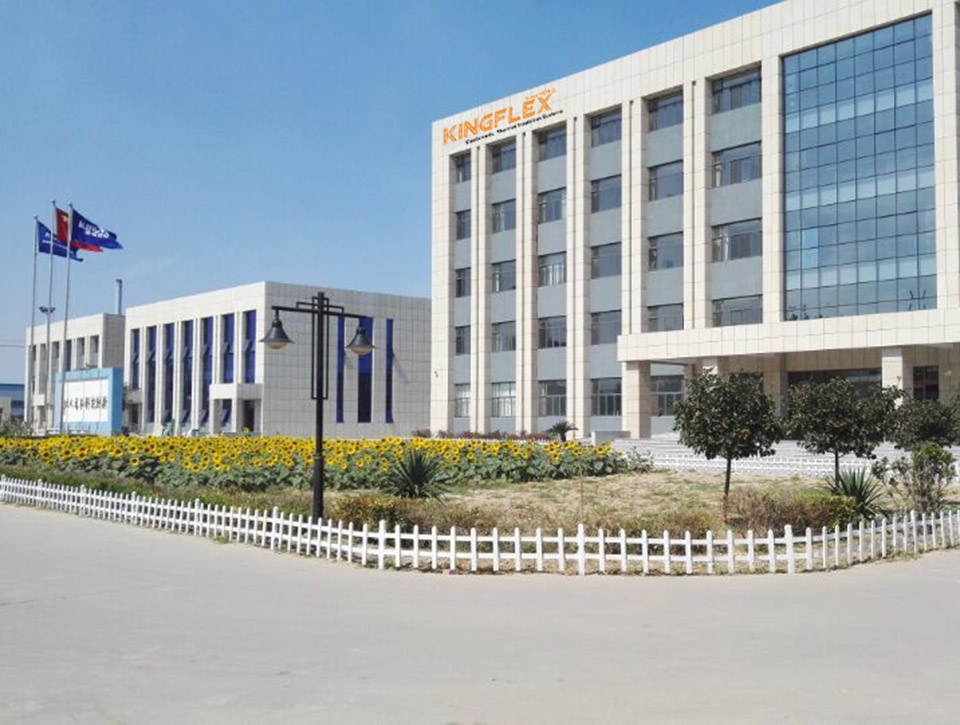
Rigorous verification ensures reliable performance under demanding industrial and building conditions.
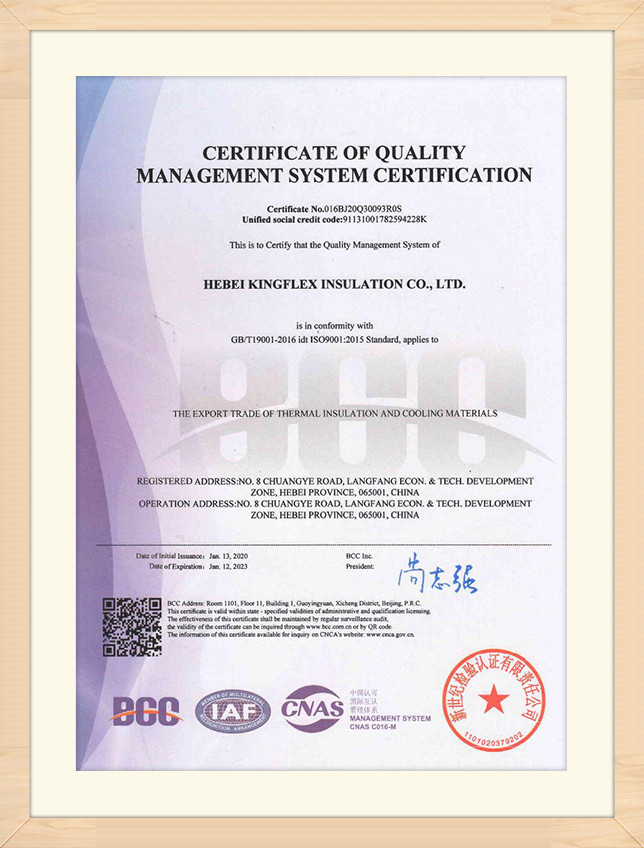
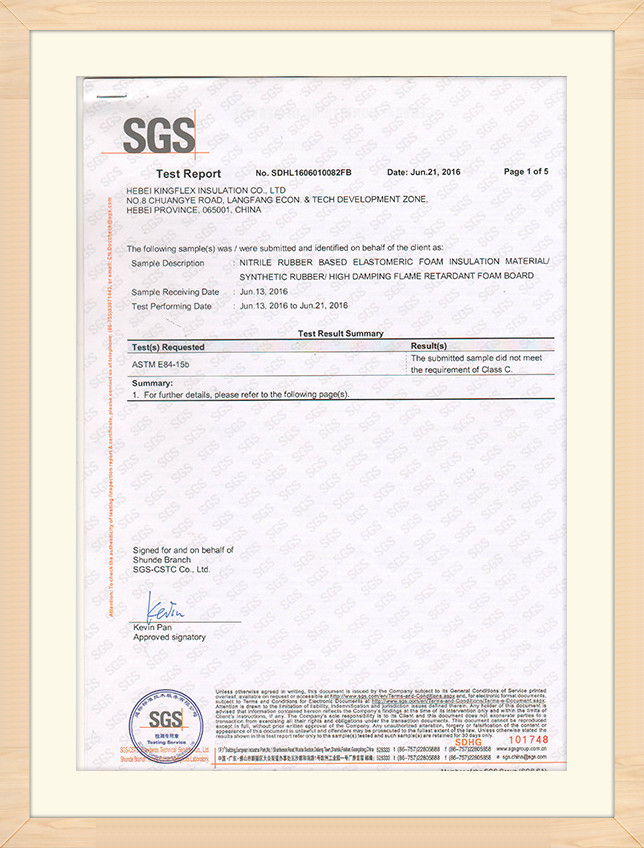
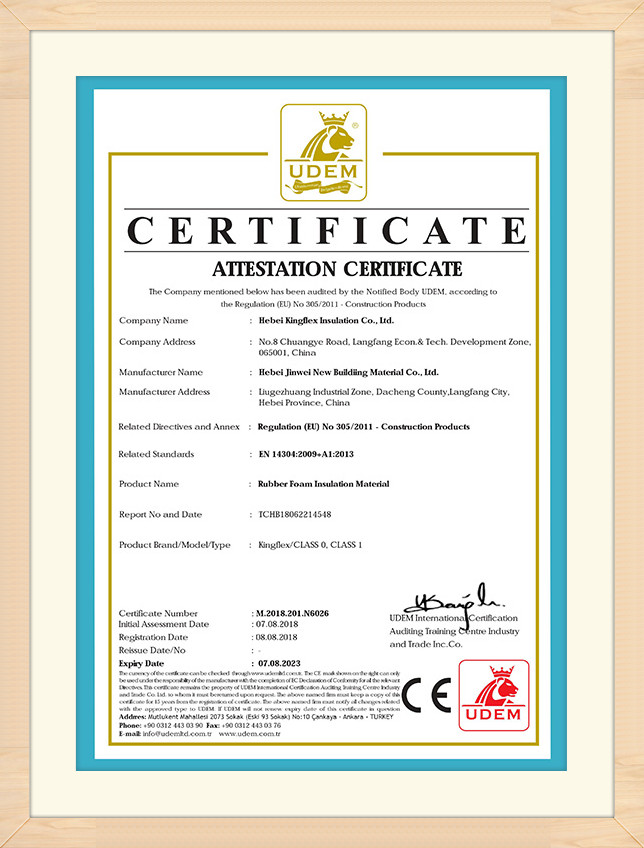
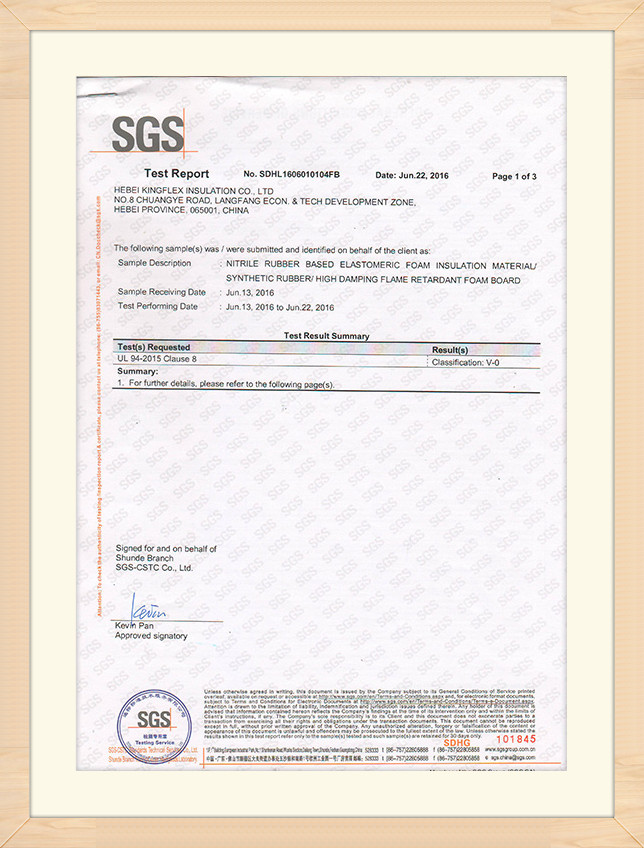
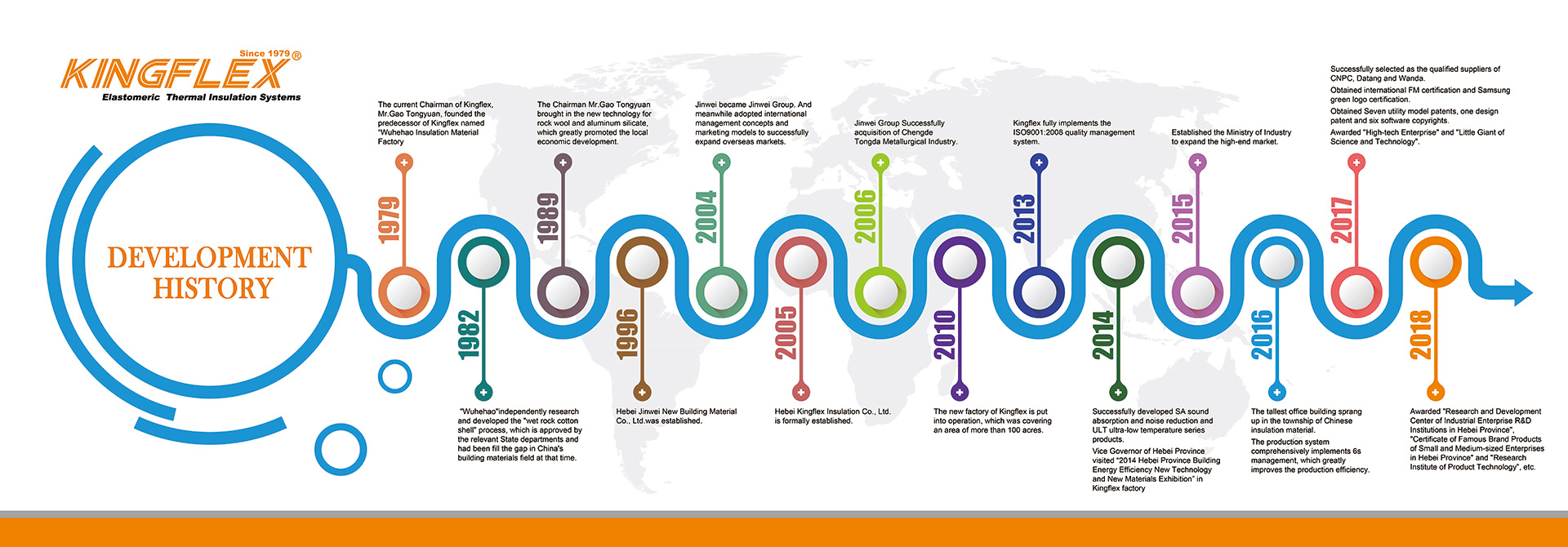
Every product batch undergoes quality testing in our in-house lab before shipment. Our quality control system monitors cell structure uniformity, tensile strength, and foil-to-foam adhesion durability. This testing ensures that our products maintain their thermal and fire-retardant properties in demanding outdoor and high-humidity environments.
Whether you are designing HVAC systems for complex high-rise offices or processing liquid gas in cryogenic storage tanks, our certified systems provide the reliability that modern engineering projects require.
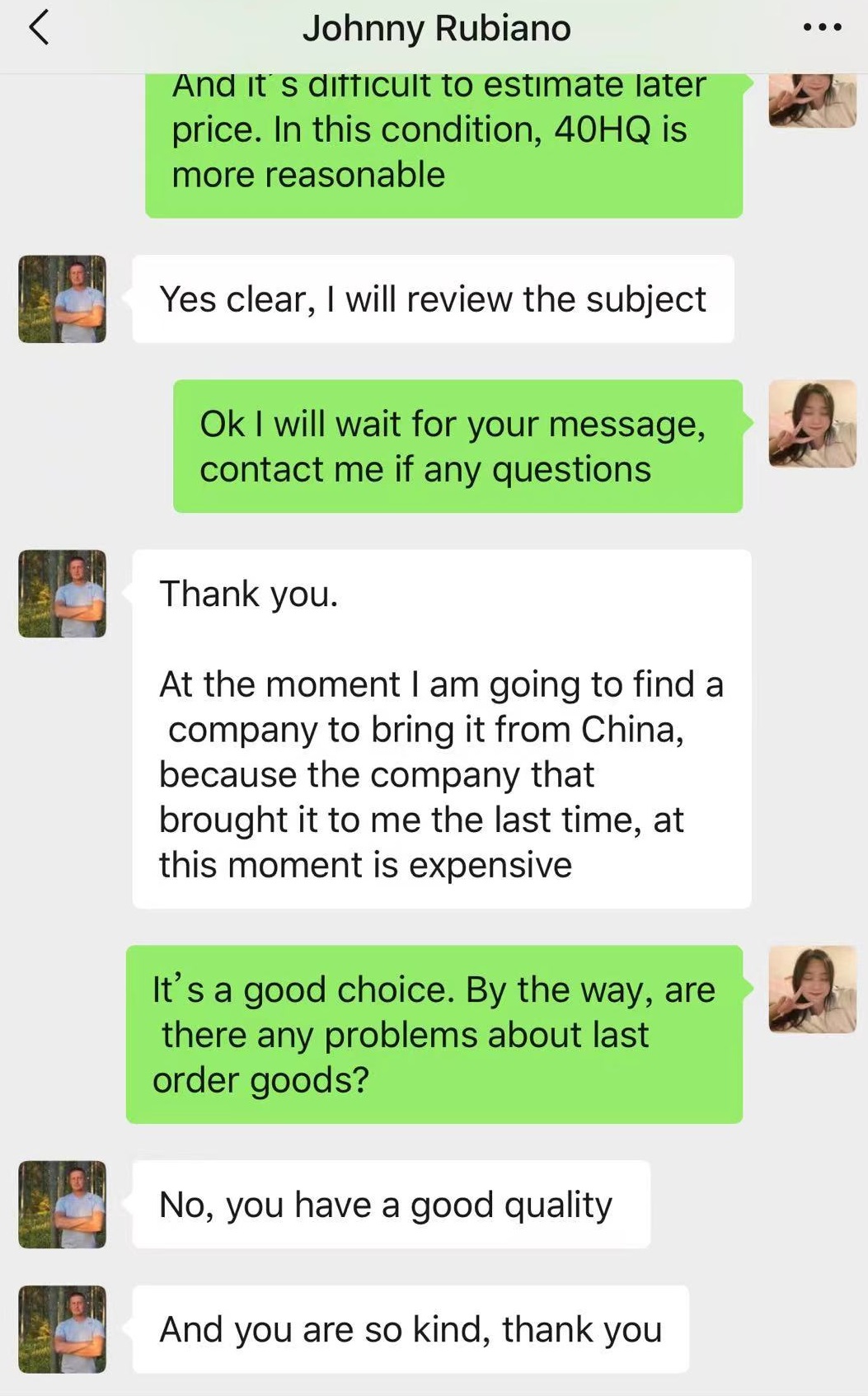
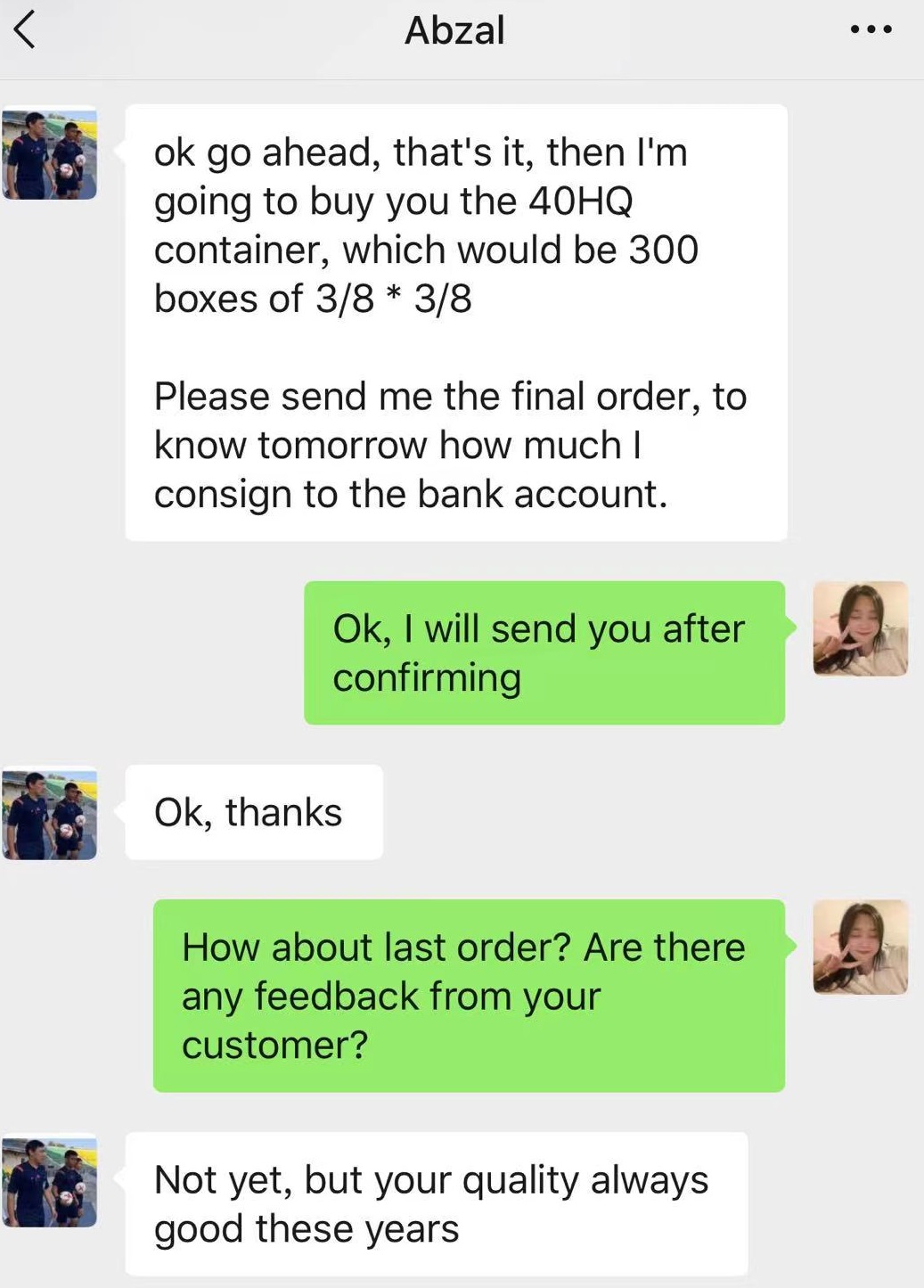


Technical answers to common questions about aluminium laminate and elastomeric insulation systems.
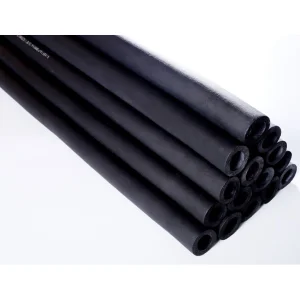
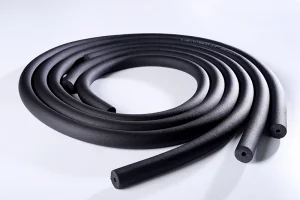
It is primarily used for HVAC ducts, air conditioning lines, structural insulation, industrial piping, and sound attenuation systems. The closed-cell structure prevents moisture absorption, making it suitable for both hot and cold insulation applications.
Yes. Our insulation materials are formulated with flame-retardant additives that allow them to self-extinguish when exposed to fire. Our products are tested to meet international standards, including BS 476, UL94, and ASTM.
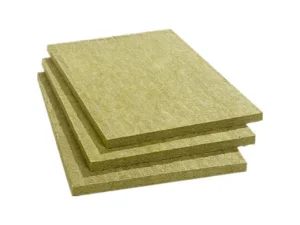
Rubber foam is a flexible, closed-cell material with high moisture resistance, making it suitable for HVAC and condensation control. Rock wool is a fibrous material that handles higher temperatures and is typically used for heavy industrial steam piping and high-temperature fire barriers.
Yes. We offer OEM and ODM services. We can adjust the backing options, sheet thickness, tube diameters, and density profiles to match your project specifications.
Our products are certified to international standards including BS 476, CE, REACH, RoHS, UL94, and ASTM. This ensures compliance with regional environmental and building codes.
Yes. Every production run is logged, and raw material batches are tracked from entry to final packaging. This maintains quality control and allows for tracing of shipped orders.
Our standard manufacturing thickness ranges from 6mm to 50mm. Specialized thicknesses can also be manufactured for custom orders.
Under recommended operating temperatures and when protected from mechanical damage, our insulation systems typically have a service life of 10 to 15 years.
Unprotected elastomeric foam degrades when exposed to UV radiation and ozone. The aluminium laminate layer reflects UV rays and acts as a mechanical barrier, protecting the foam from outdoor weather conditions.
It significantly lowers the transmission rate. The foil layer acts as a vapor barrier, which is critical for preventing condensation on chilled water pipes and avoiding mold growth in building structures.
Reflective foils, sound barriers, and thermal insulation rolls for extreme engineering requirements.
 Kingflex