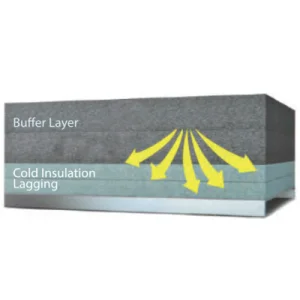
In modern industrial refrigeration, HVAC, and cryogenic systems, structural integrity depends significantly on the efficiency of the Thermal Insulation Glue used. High-performance adhesive systems must maintain elastic bonding and prevent vapor permeability across vast temperature differentials. When NBR/PVC closed-cell foams are deployed, standard glues fail due to plasticizer migration and thermal stress. Professional-grade formulations ensure that the joints remain impervious to moisture infiltration, preventing "thermal bridging" and subsequent corrosion under insulation (CUI).
Our research and development focus on advanced synthetic rubber elastomer resins, ensuring low VOC levels, rapid green strength development, and superior thermal tolerance from -40°C to 105°C. This systematic material approach guarantees that the insulation pipeline functions as a single, uninterrupted vapor-barrier system.
Developing eco-friendly, water-borne solventless contact adhesives that match the tack time and shear strength of traditional solvent systems. This ensures compliance with stringent green building standards like LEED v4 and BREEAM.
Integrating multi-walled carbon nanotubes and silica nanoparticles into the adhesive formulation. This increases resistance against structural vibrations and prevents microscopic cracking under extreme thermal cycling.
Researching UV-initiated and color-changing curing indicators. This allows field quality control officers to visually confirm the exact open-time and bonding readiness of adhesives, eliminating human errors in installation.
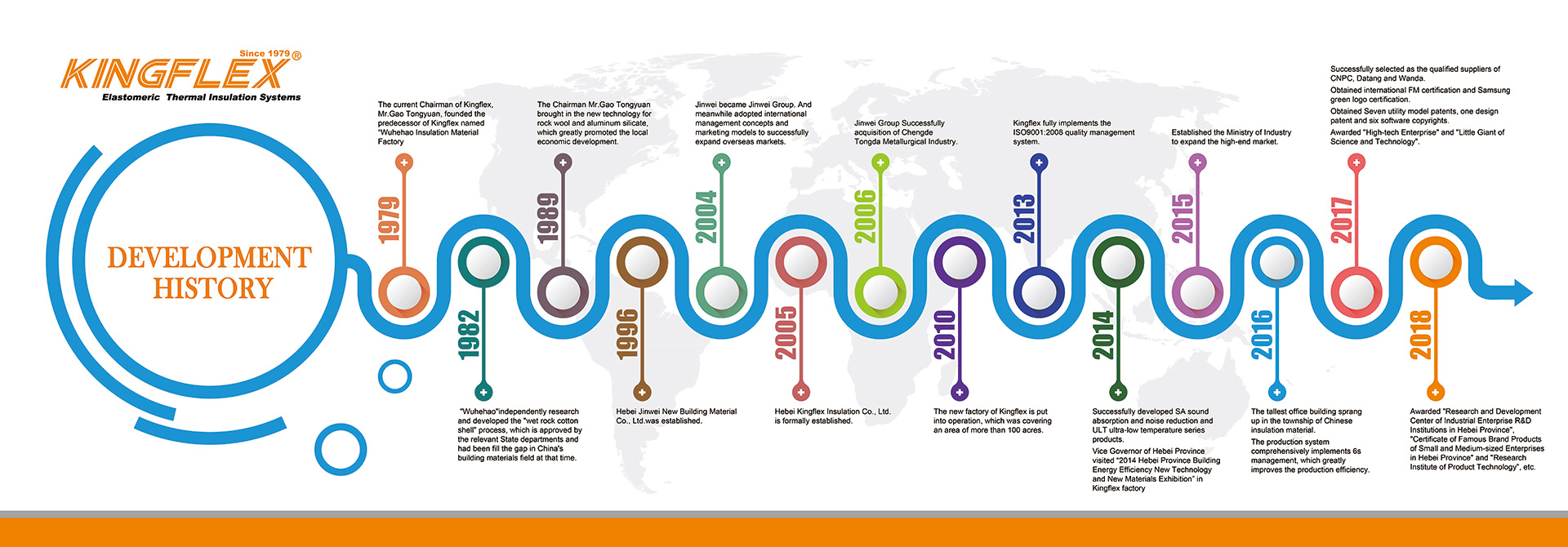
Kingflex Insulation Co., Ltd. is a professional manufacturing and trading combo for thermal insulation systems. Kingflex's research, development, and production departments are located in Dacheng, China—the capital of green building materials. As an energy-saving, environmentally friendly enterprise, we focus on the integration of R&D, production, sales, and comprehensive installation consultation.
Established under the aegis of Jinwei Group (founded in 1979, the first manufacturer of thermal insulation materials north of the Yangtze River with over 40 years of industrial heritage), Kingflex inherits a legacy of manufacturing excellence. Our core mission is providing complete solutions for thermal and cold insulation, coupled with noise reduction systems that lead the global green construction materials market.
Operating out of our advanced manufacturing plant in Dacheng, Kingflex leverages fully automated material batching and mixing lines. Our centralized logistics and chemical supply chain network allow us to bypass traditional supply constraints, ensuring steady lead times even during global shipping disruptions.
With an annual capacity exceeding 600,000 cubic meters across 5 automatic lines, we minimize raw material waste through predictive AI batching systems. This digital infrastructure provides unmatched pricing stability and volume flexibility for tier-1 EPC contractors and global wholesale distributors.

For applications down to -196°C, such as LNG terminal pipelines and liquid nitrogen storage facilities. Standard adhesives crack under these temperatures. Kingflex cryogenic adhesives maintain micro-elasticity, preventing physical separation of the elastomeric barrier from carbon or stainless steel substrates.
High-occupancy environments demand low flame-spread indices and non-toxic outgassing parameters. Our structural thermal glues achieve UL94 V-0 flame ratings and comply with BS 476 Part 6 & 7 fire testing standards, mitigating fire spread through mechanical shafts.
Outdoor oil and gas refineries subject pipelines to intense UV radiation, high ambient humidity, and chemical exposure. Kingflex adhesive solutions contain specialized antioxidant additives that resist degradation from ozone and organic solvent splattering.
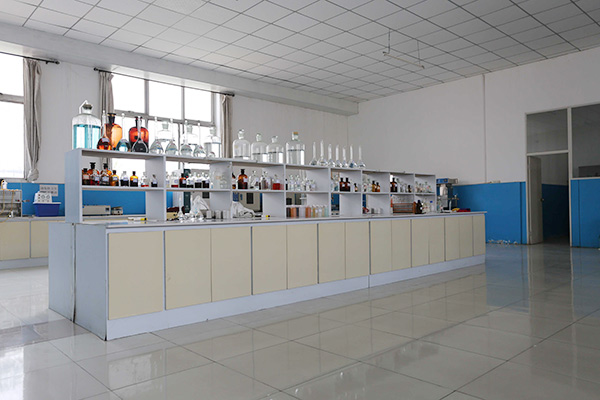
Our dedicated R&D department houses 8 professional chemical and material science engineers. They utilize state-of-the-art testing equipment to analyze shear strength, curing dynamics, and environmental exposure metrics.
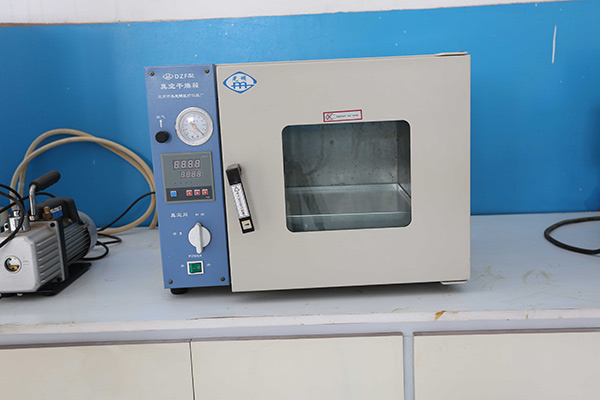
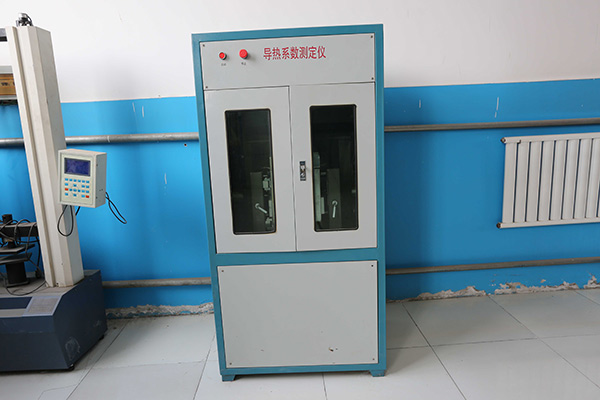
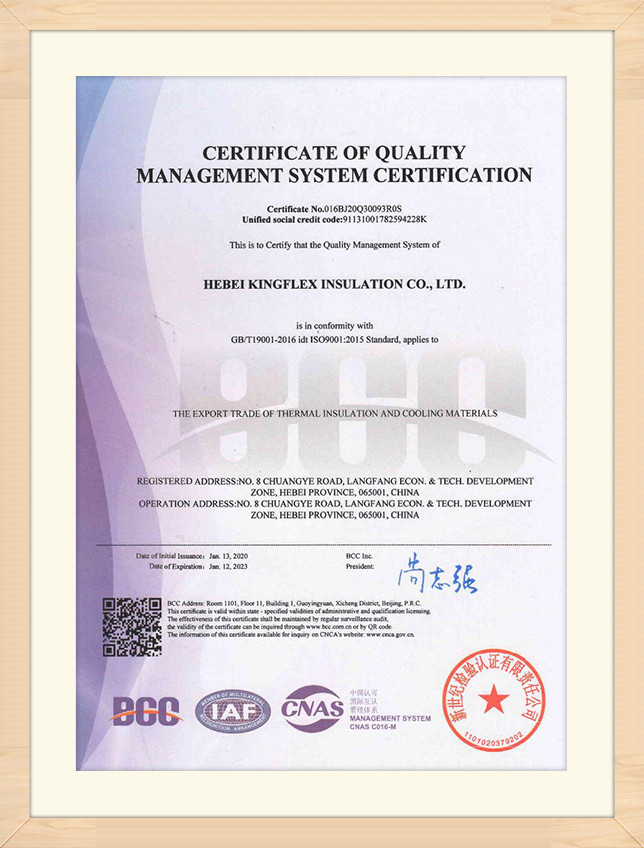
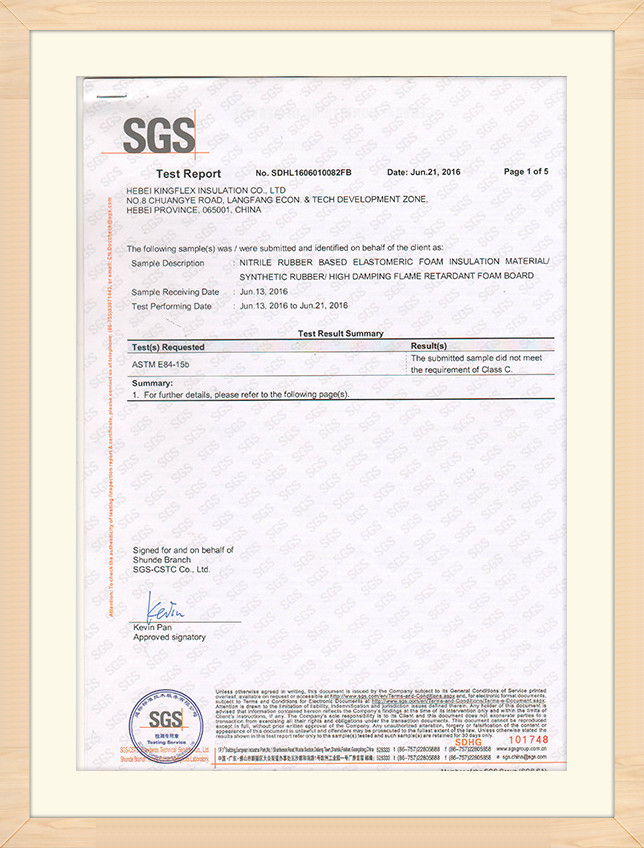
Kingflex products undergo continuous third-party evaluations to guarantee full compatibility with international building codes and environmental directives.
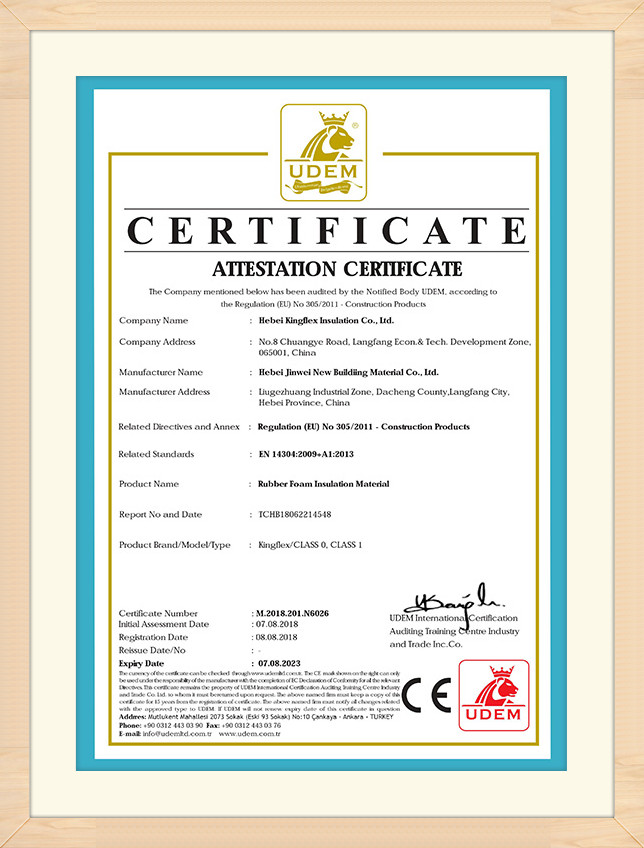
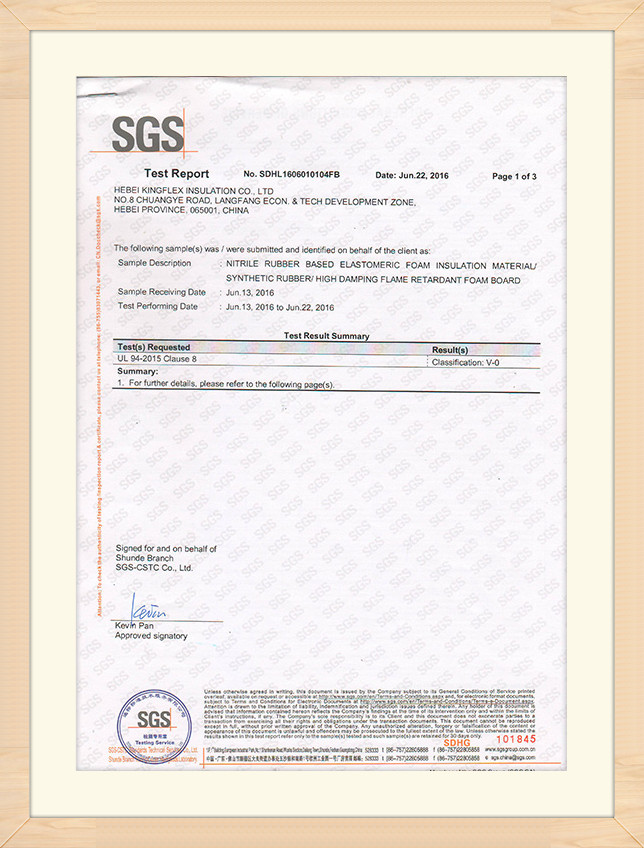
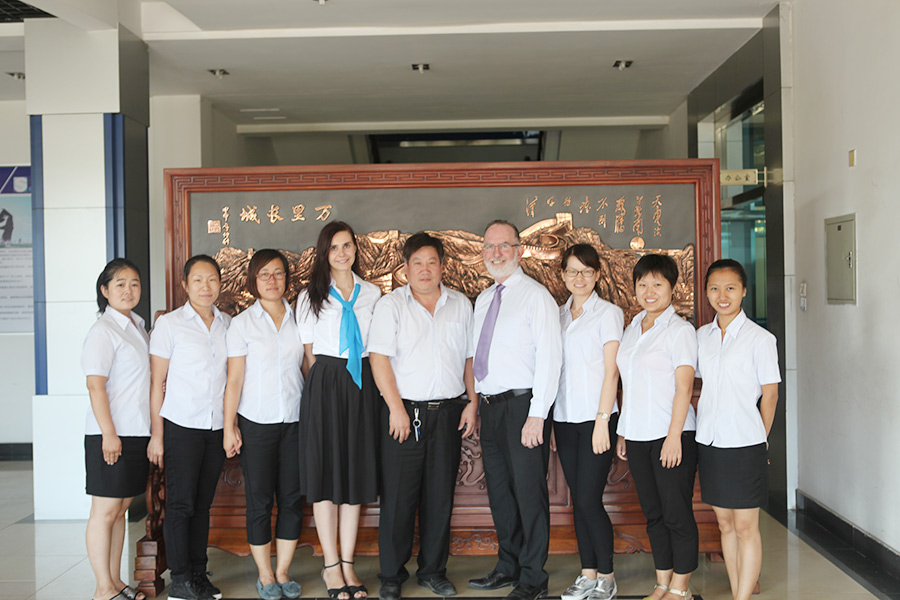
We maintain deep relationships with distributors and contractors in over 66 countries. Our support teams provide detailed technical sheets, application guides, and custom pricing configurations. Transparency is our priority; from raw material costs to delivery schedules, we keep our customers informed.

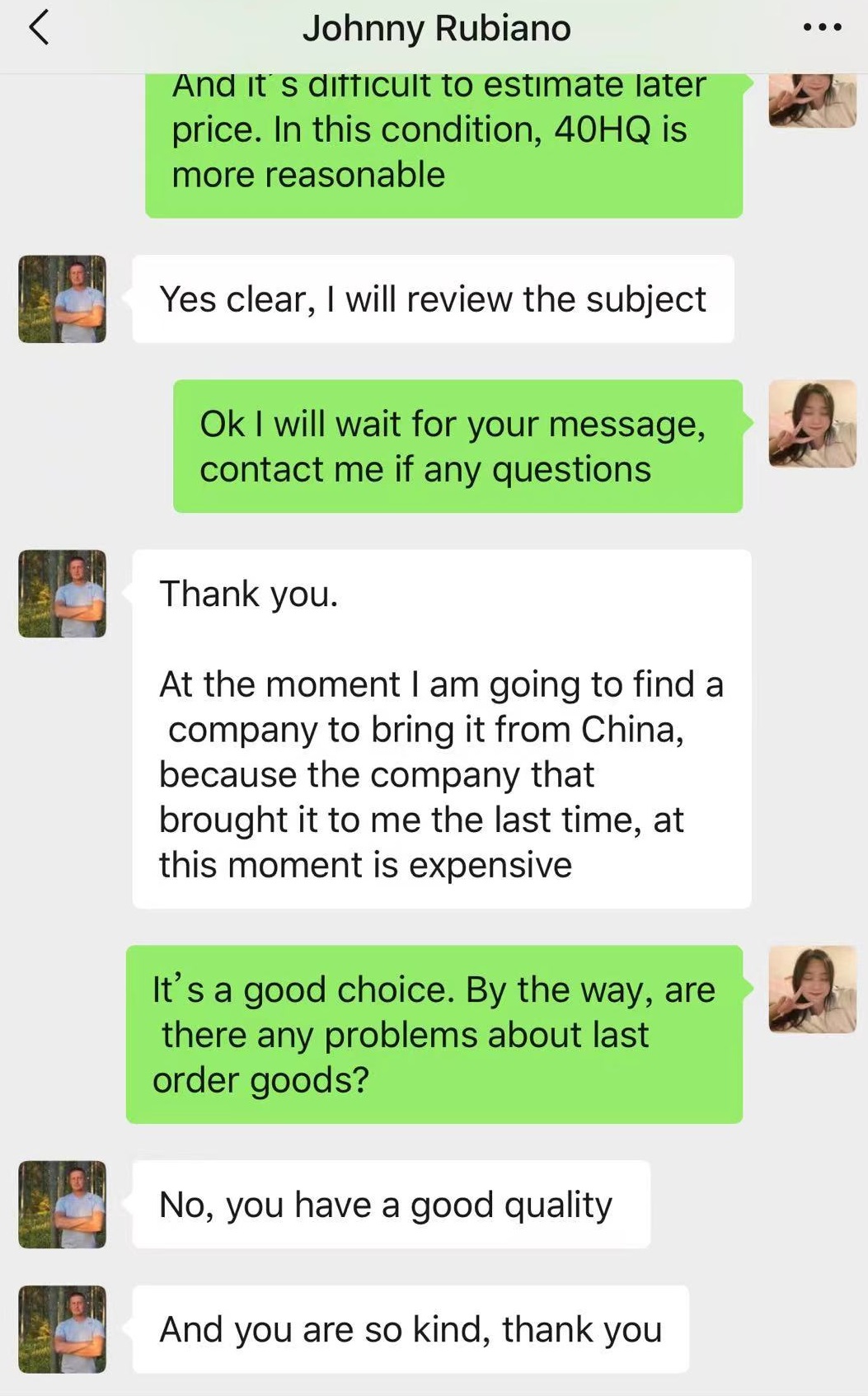
Our customers value our responsiveness. We provide transparent order updates, customized formulation logs, and rapid batch shipping verification.
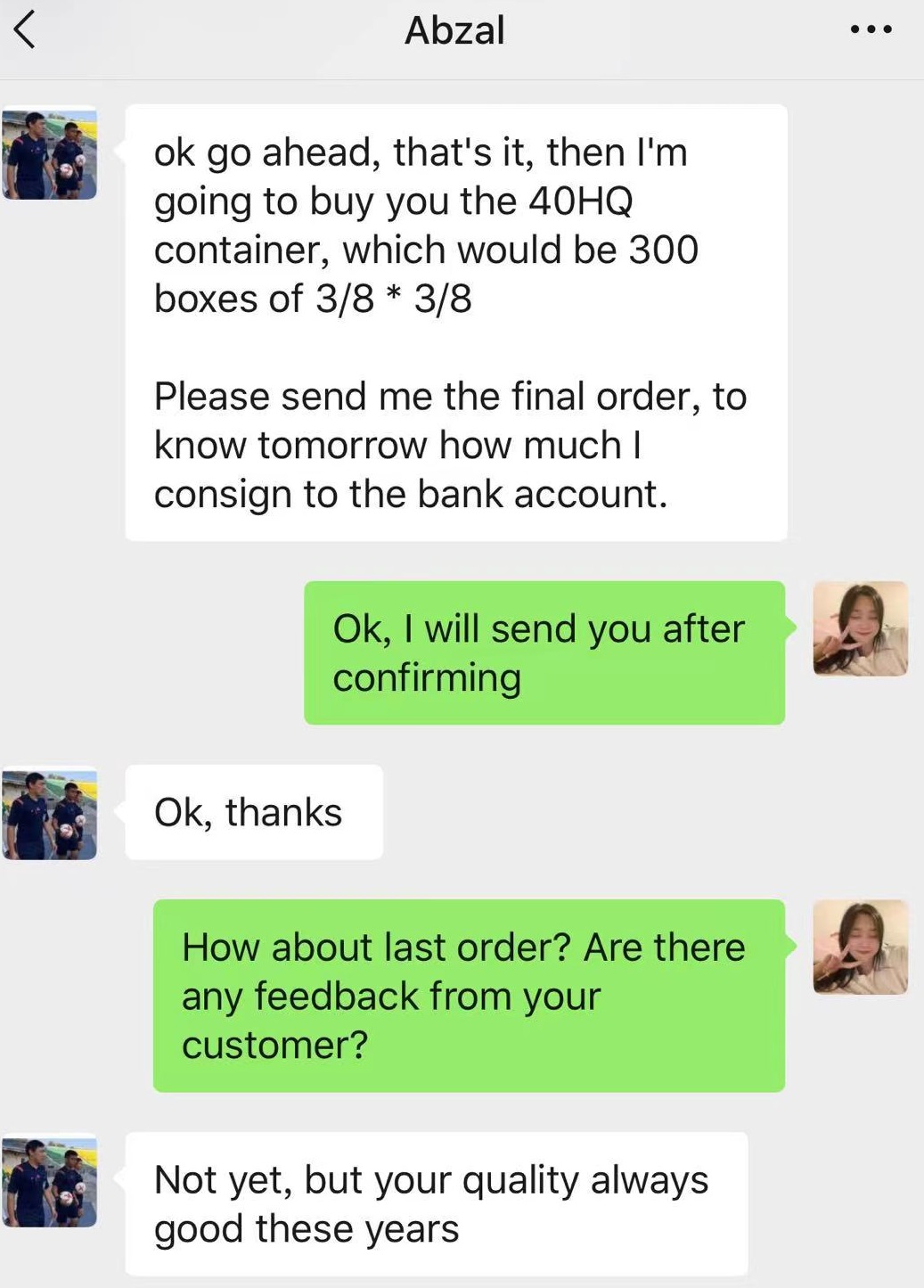



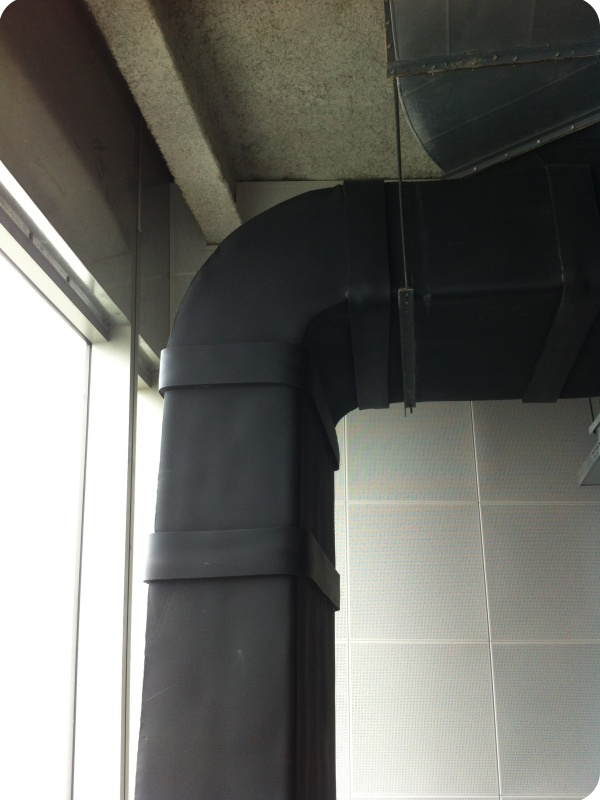

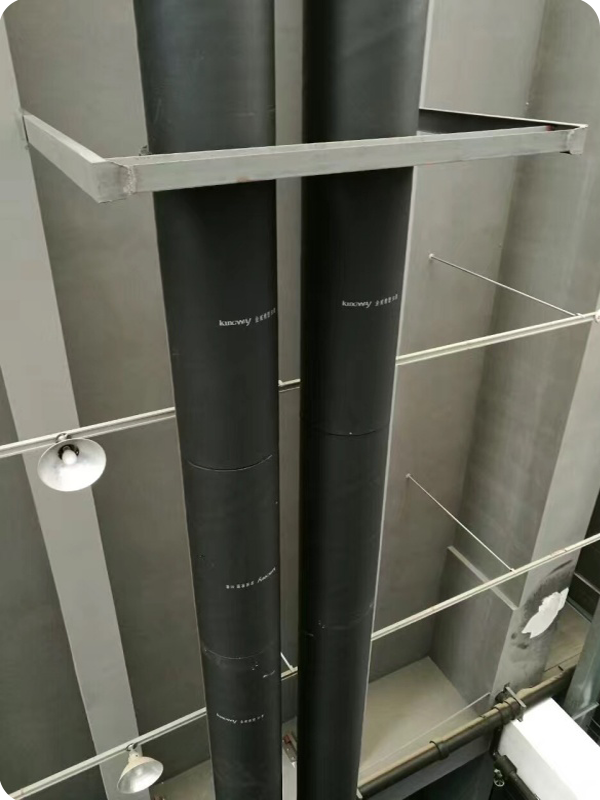
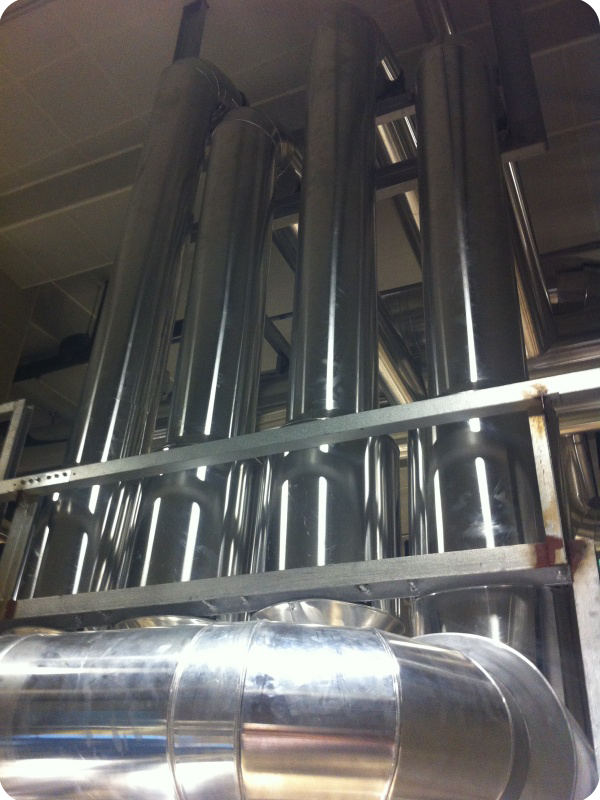
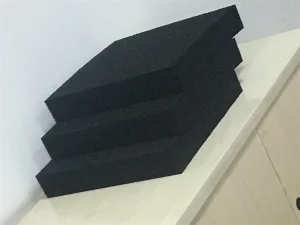
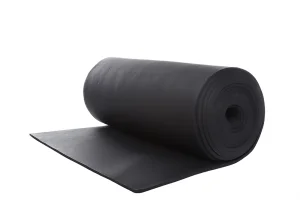
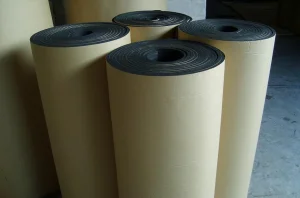
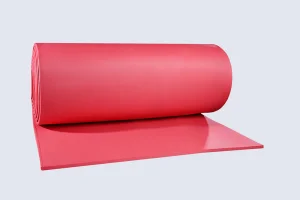
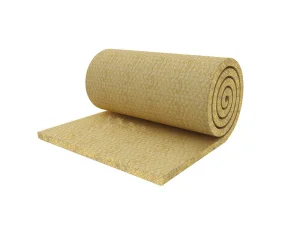
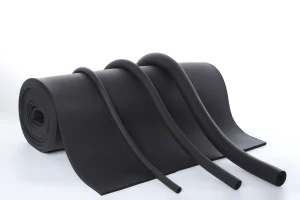
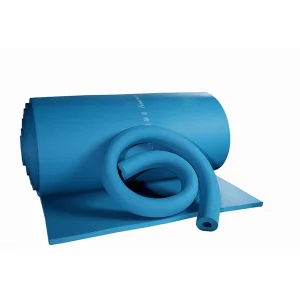
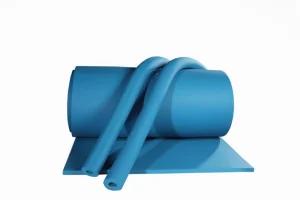
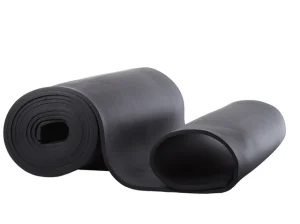
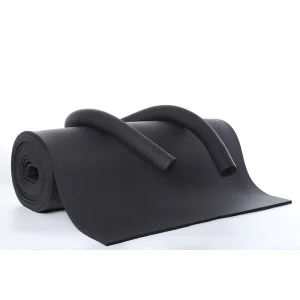
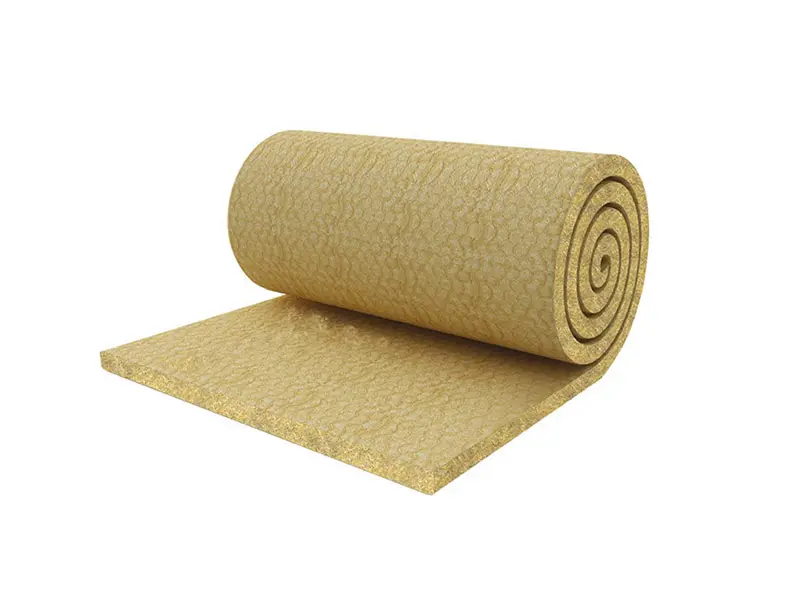
Our sheet rolls are optimized for large-diameter pipelines, ventilation ductwork, and flat structural surfaces. They feature an even, micro-cell layout that limits moisture migration and maintains structural density.
Material: Premium NBR/PVC blend
Thickness Range: 6mm to 50mm
Density: 40-55 kg/m³
Service Temperature: -40°C to 105°C
Central HVAC air ducts, building wall & basement thermal linings, industrial steam vessel insulation, marine engine rooms, and temperature-controlled shipping facilities.
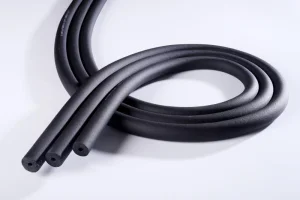
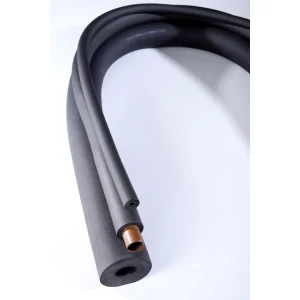
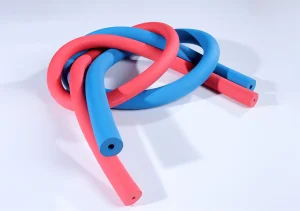
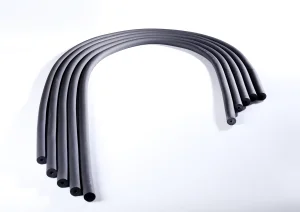
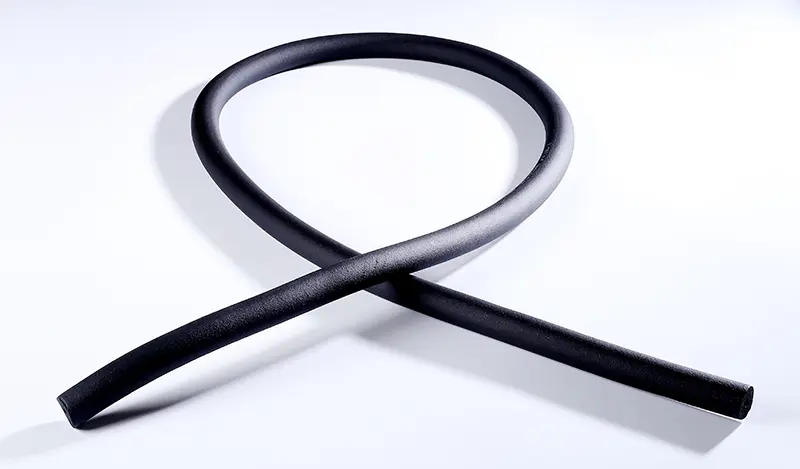
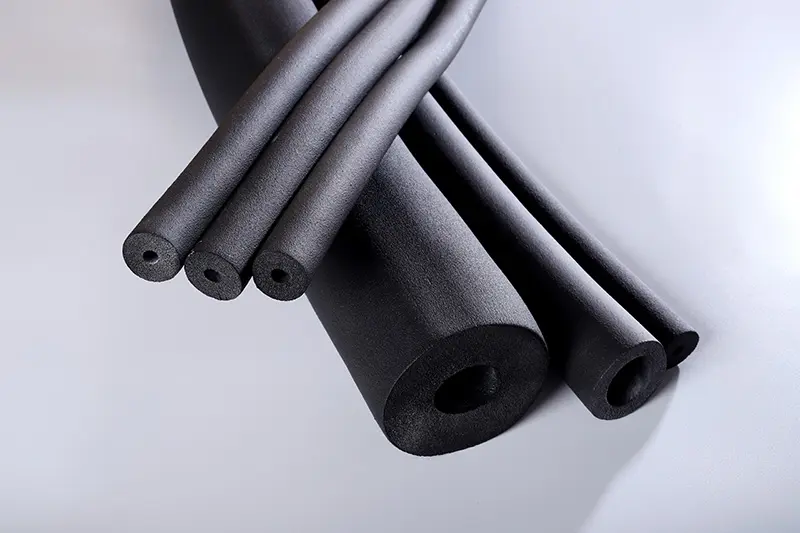
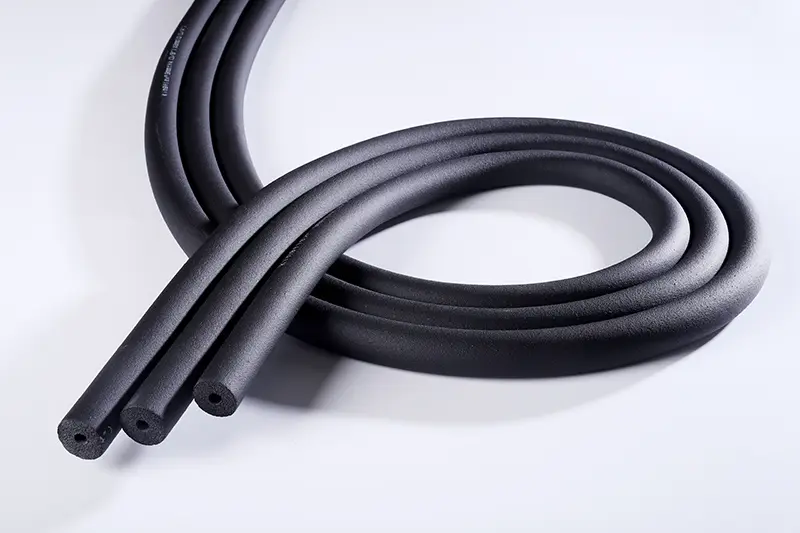
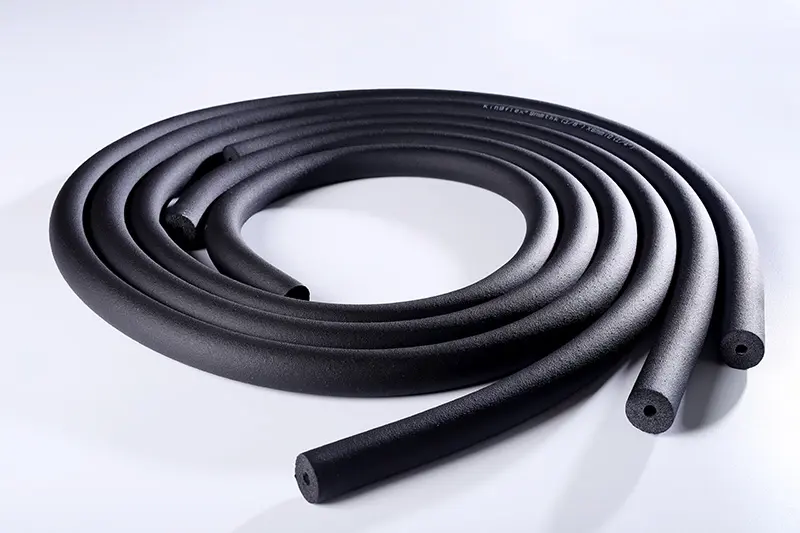
Designed for rapid, slip-on installation or longitudinal slitting on existing HVAC pipes. The uniform interior dimensions match standard copper, steel, and plastic pipe diameters.
Material: Premium NBR/PVC blend
Thickness Range: 9mm to 40mm
Inner Diameter (ID): 6mm to 114mm
Density: 40-55 kg/m³
Service Temperature: -40°C to 105°C
Chilled water piping, domestic heating loops, process fluid transport, solar water heater connections, and industrial refrigeration systems.
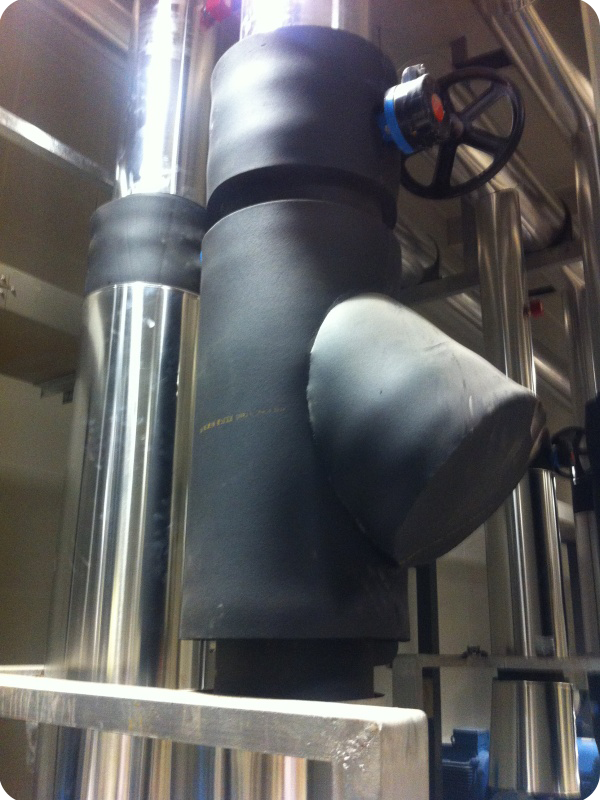
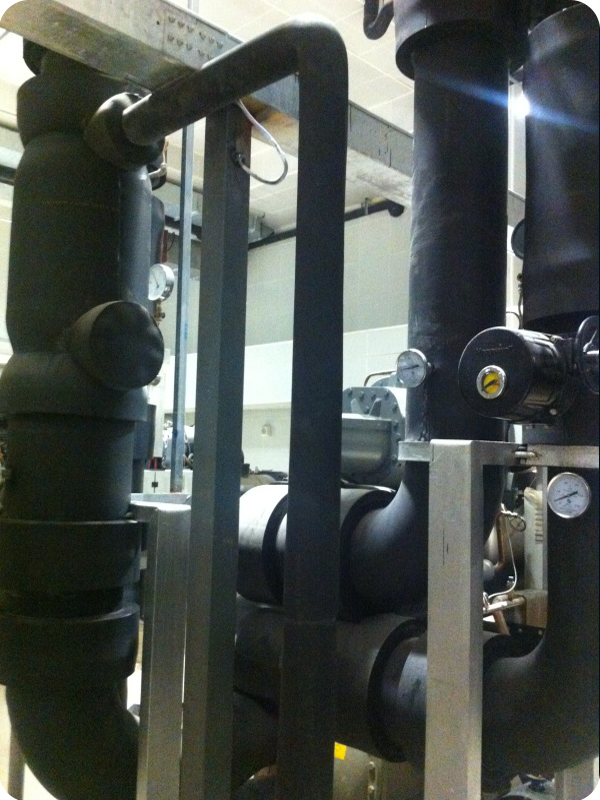

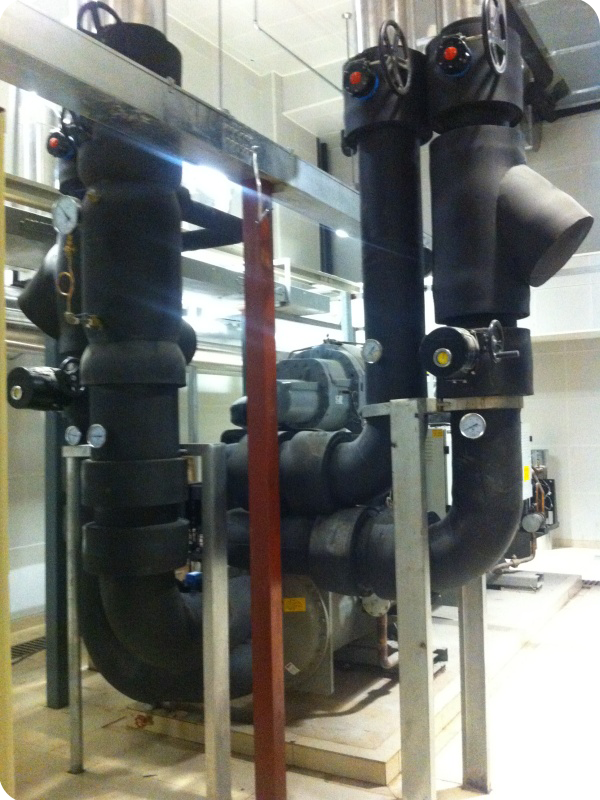
Selecting the correct adhesive formulation is critical to avoiding joint failures. Below are the key characteristics of our technical formulations:
| Adhesive Model | Composition Base | Optimal Curing Temp | Open Joint Tack Time | Shear Strength (MPa) | Primary Target Insulations |
|---|---|---|---|---|---|
| KingGlue 820 Premium | Neoprene / Chloroprene Synthetic Resins | 15°C to 35°C | 3 - 8 Minutes | ≥ 2.4 | NBR/PVC Elastomeric Foams, EPDM Sheets |
| KingGlue 850 Cryo-Grade | Polyurethane-Silane Hybrid Polymer | 5°C to 25°C | 5 - 12 Minutes | ≥ 3.0 | Cryogenic Foams, Low-Temp Stainless Steel Piping |
| KingGlue Eco-500 | Water-borne Acrylic Copolymer (Low-VOC) | 18°C to 40°C | 10 - 20 Minutes | ≥ 1.8 | Green Building HVAC, Indoor Acoustic Insulation |
| KingGlue 900 High-Heat | Silicone-Modified Phenolic Nitrile Resin | 10°C to 50°C | 2 - 6 Minutes | ≥ 2.8 | High-Temperature Steam Pipe Fittings, Boiler Rooms |
Adhesive packaging sizes range from 1L tins up to 200L bulk drums. Prices are primarily influenced by order volumes, formulation modifiers (such as enhanced UV inhibitors or low-VOC compositions), and packing requirements. Contact our sales department to receive a comprehensive wholesale quotation tailored to your region's project specifications.
Liquid adhesives are classified as flammable under UN 1133 (Class 3 Hazmat regulations). Kingflex utilizes certified pressure-sealed iron drums and steel containers to ensure secure ocean shipping. We handle all compliance documentation for customs clearance in Europe, the Americas, and the Asia-Pacific region.
A visual tour of our continuous automated foaming processes, automated storage systems, and dispatch docks.
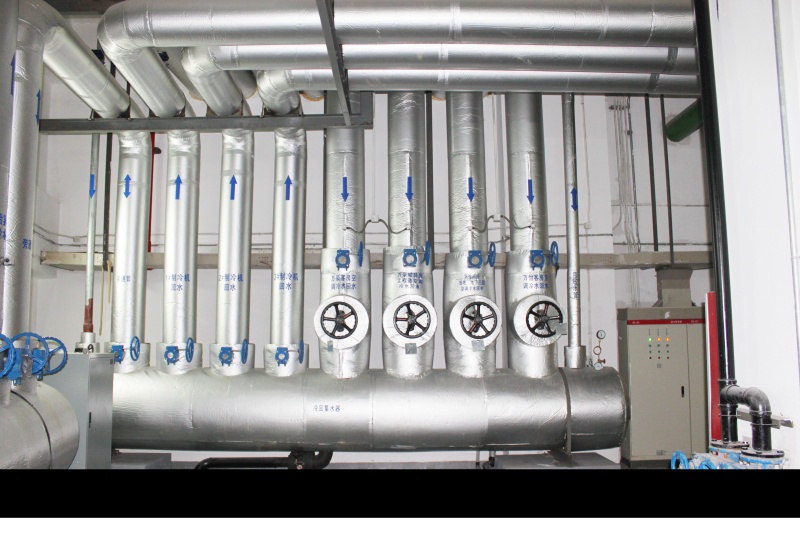
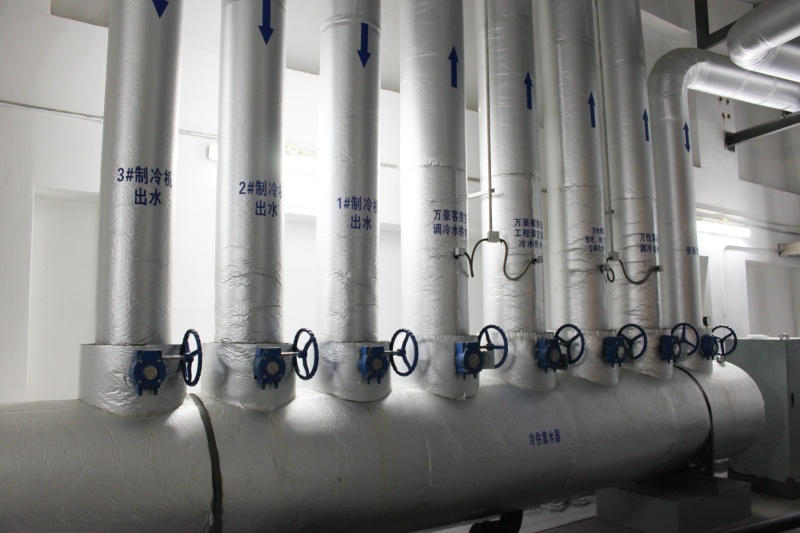
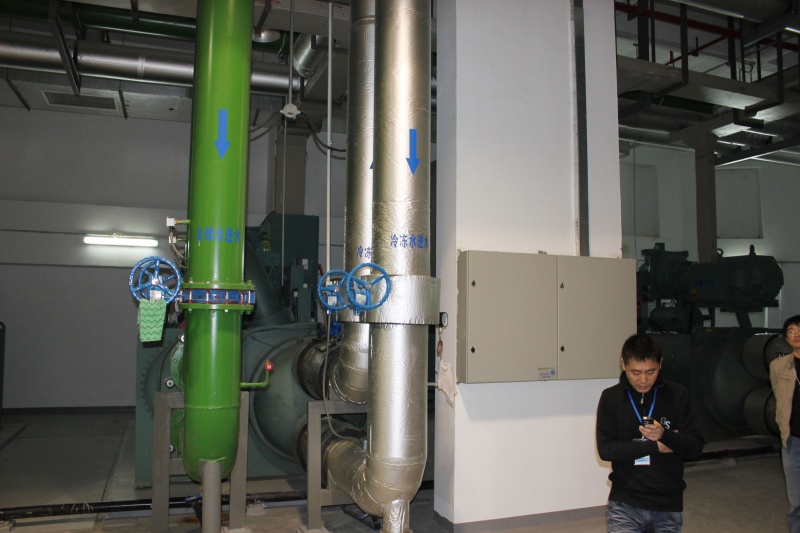
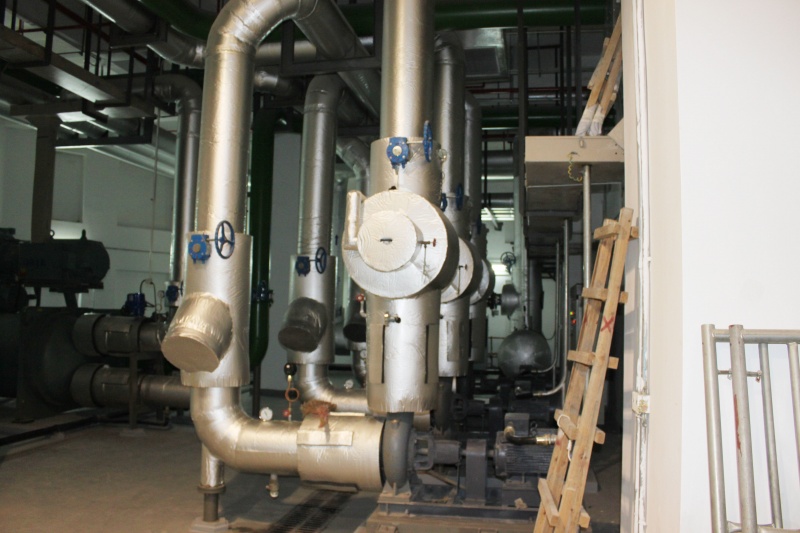
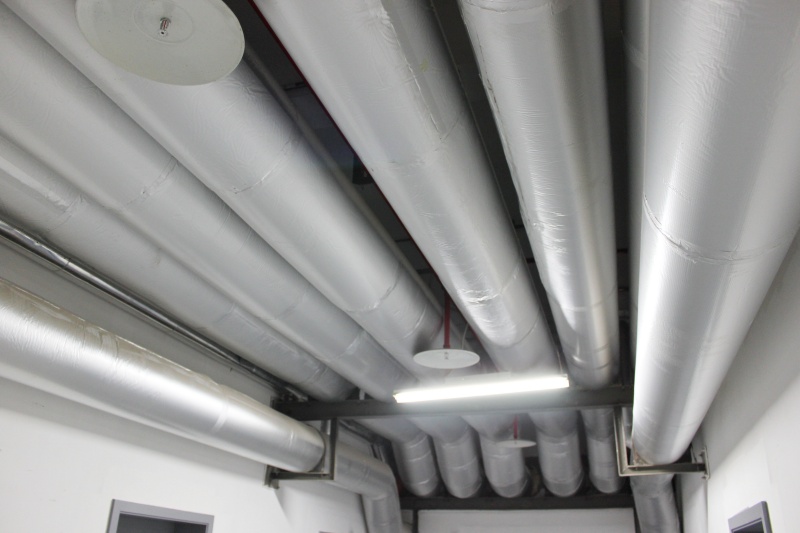

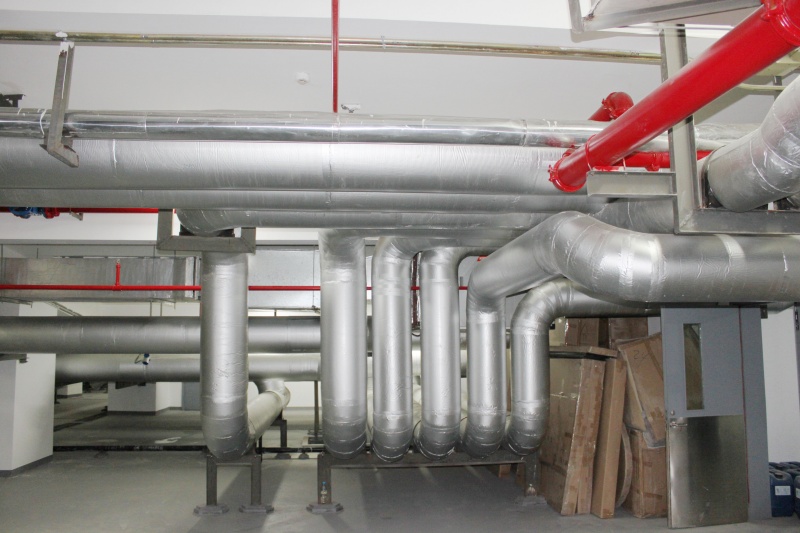

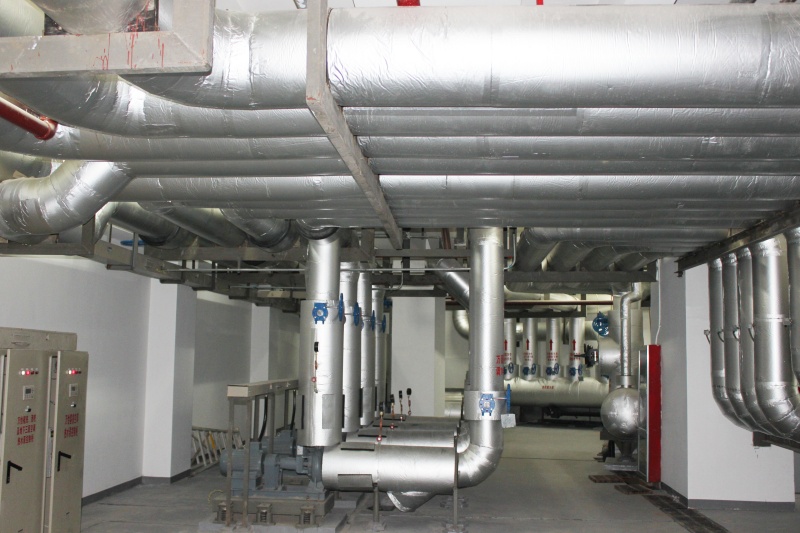
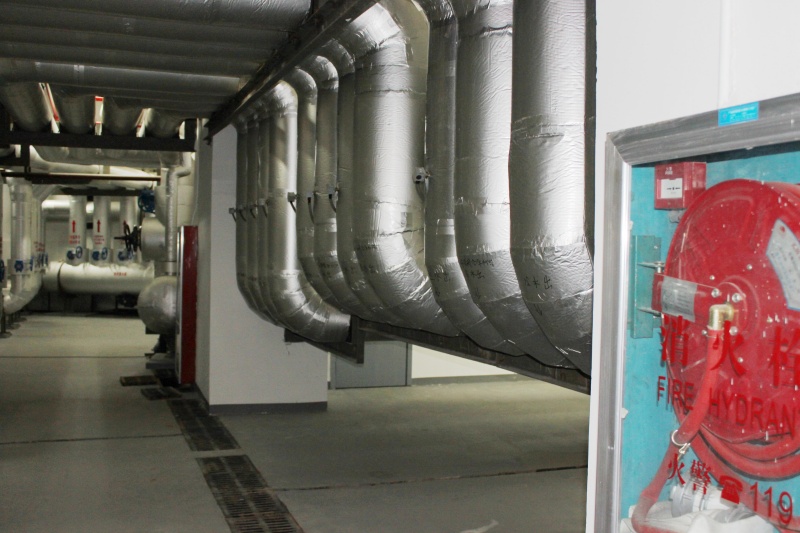
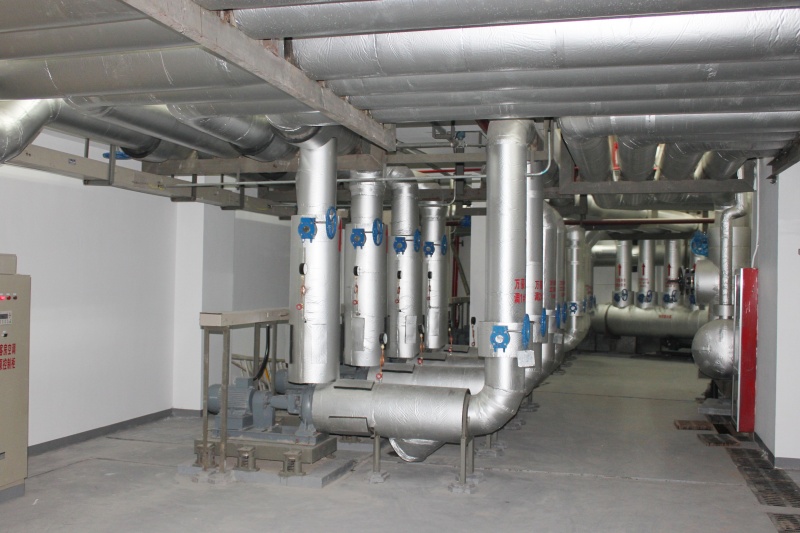
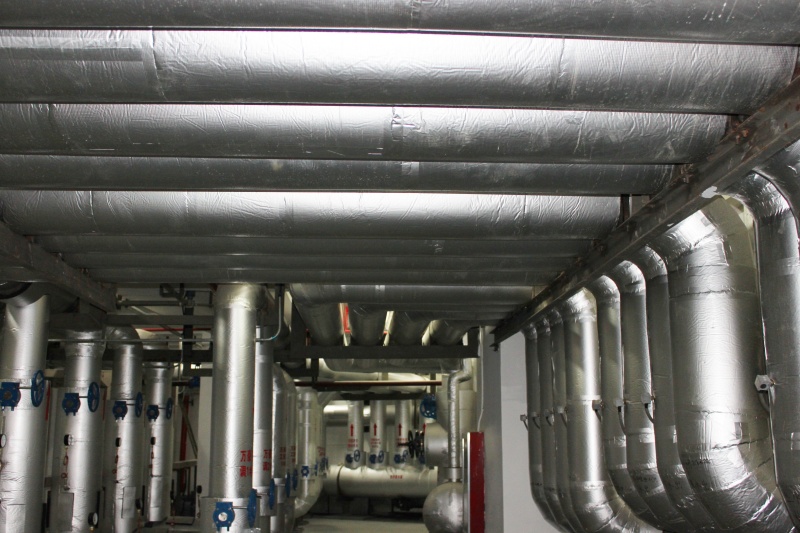
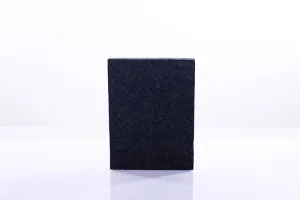
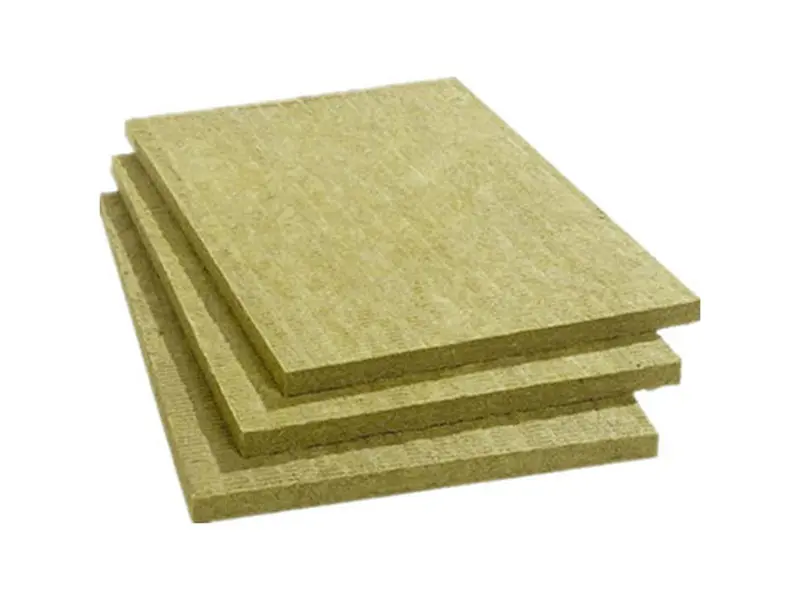
Below is our standard selection of elastomeric foam tubes, high-temperature boards, and cryogenic system seals.
 Kingflex