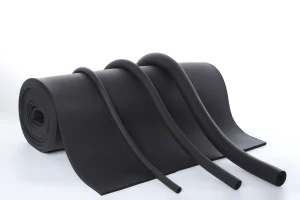
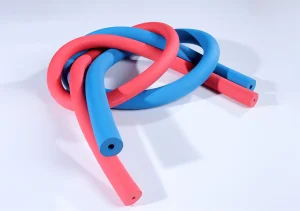
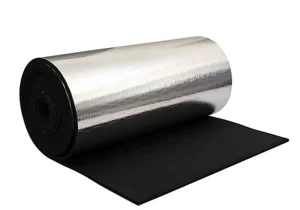
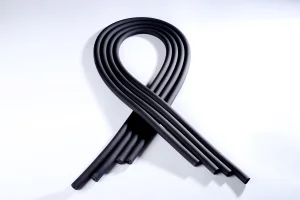
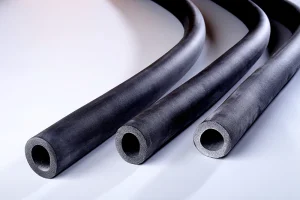
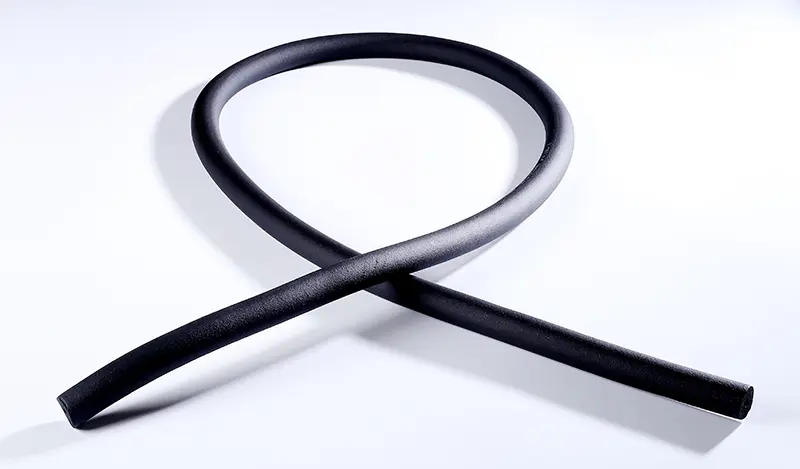
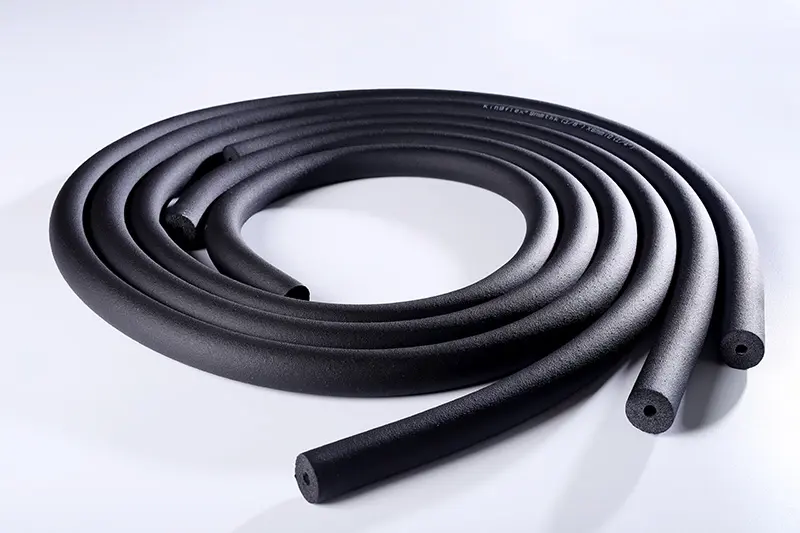
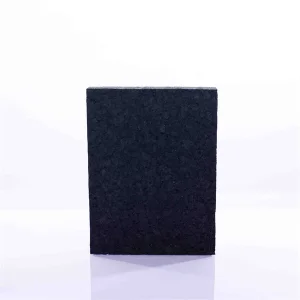
Direct supply from leading Chinese manufacturers. Select from premium elastomer products for thermal and cold preservation systems.
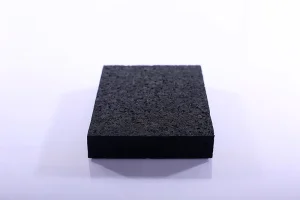
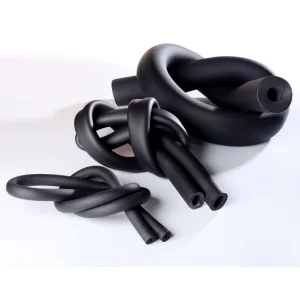
Exploring global demands, optimization methodologies, and why exact calculation of insulation thickness is crucial for energy conservation.
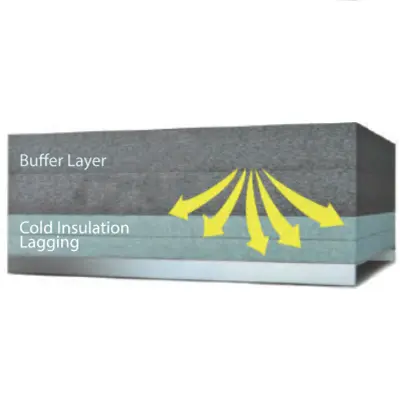
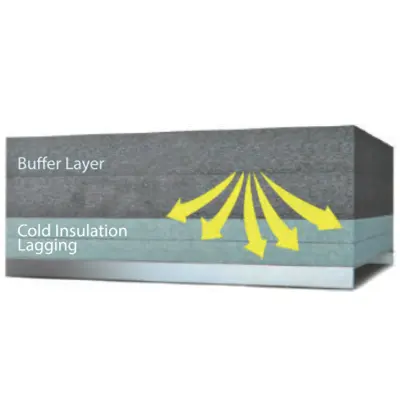
In modern industrial processing, cryogenic operations—ranging from liquefied natural gas (LNG) carrier transport at -162°C to liquid nitrogen storage at -196°C and advanced aerospace applications utilizing liquid hydrogen at -253°C—require incredibly robust thermal protection systems. Standard ambient heat leakage into these systems can lead to massive boil-off losses, system pressurization risks, structural cracking of external piping due to extreme temperature deltas, and catastrophic ice accumulation. Consequently, cryogenic insulation thickness calculation is not simply a routine design check; it is a critical engineering calculation that directly impacts safety, reliability, and thermodynamic efficiency.
Historically, calculations focused merely on reducing the energy cost associated with heat loss. However, modern environmental directives and the extreme costs associated with boiling off valuable fluids have shifted focus to a twin-priority optimization model: condensation prevention on the outer jacket and minimal thermal heat ingress. As global supply chains centralize manufacturing to optimize CAPEX, China has emerged as a dominant powerhouse for high-density elastomeric foams, polyisocyanurate (PIR), and aerogel-composite insulation manufacturing. Factories operating in green building and industrial zones are leveraging high-volume automation lines to meet the strict global certifications demanded by EPC contractors in Europe, Asia, and North America.
Designing a cryogenic pipe system requires computing the radial heat transfer through a multi-layer composite boundary. The thickness of the insulation layer ($x$) must be calculated dynamically based on complex convection-radiation boundary conditions on the exterior face. The two primary global standards governing this math are ASTM C680 (Standard Practice for Estimate of the Heat Gain or Loss and the Surface Temperatures of Insulated Pipe and Equipment Systems by Use of a Computer Program) and ISO 12241 (Thermal insulation for building equipment and industrial installations — Calculation rules).
To prevent condensation, the surface temperature of the outer insulation cladding ($T_s$) must remain strictly above the ambient dew point temperature ($T_{dp}$), which is a function of the local ambient temperature ($T_a$) and relative humidity ($RH$). The core heat flux equation under steady-state conditions dictates that the heat flow through the insulation layers is equal to the convective and radiative heat transfer from the outer surface to the ambient air:
Where:
• $q$ = Heat flux density ($W/m^2$)
• $T_s$ = Surface temperature of the outer protective cladding (°C)
• $T_m$ = Temperature of the internal cryogenic medium (°C)
• $R_{ins}$ = Total thermal resistance of the insulation layers ($m^2·K/W$)
• $T_a$ = Ambient air temperature (°C)
• $h_c$ = Convective heat transfer coefficient, heavily dependent on wind speed ($m/s$) and surface orientation
• $h_r$ = Radiative heat transfer coefficient, governed by the emissivity ($\epsilon$) of the outer jacket/cladding material
Because thermal conductivity ($\lambda$) of cryogenic materials drops significantly as the temperature decreases towards absolute zero, designers must use the mean thermal conductivity ($\lambda_m$) determined by integrating the conductivity curve across the actual temperature gradient of the system.
| Insulation Material | Mean Temp (°C) | Thermal Conductivity (W/m·K) | Closed-Cell Rate (%) | Ideal Application Range |
|---|---|---|---|---|
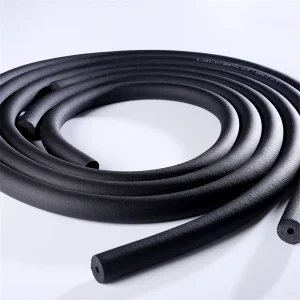
| Flexible NBR/PVC Elastomeric | -40 | ≤ 0.034 | ≥ 98% | Condensation control in HVAC & mid-low temp pipelines |
| Kingflex Ultra-Low Temp Rubber | -160 | ≤ 0.025 | ≥ 98% | LNG piping, cryogenic ethylene distribution systems |
| Polyisocyanurate (PIR) | -150 | ≤ 0.022 | ≥ 95% | Industrial petrochemical pipelines & storage tanks |
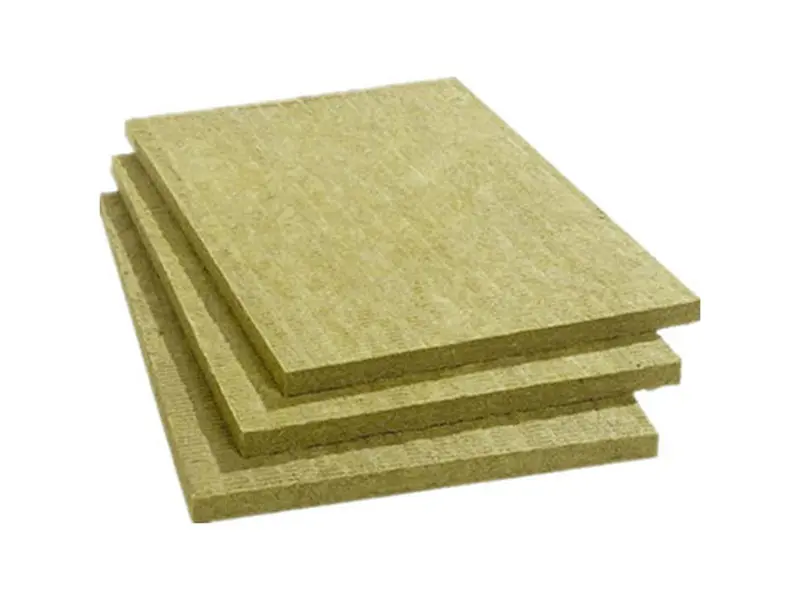
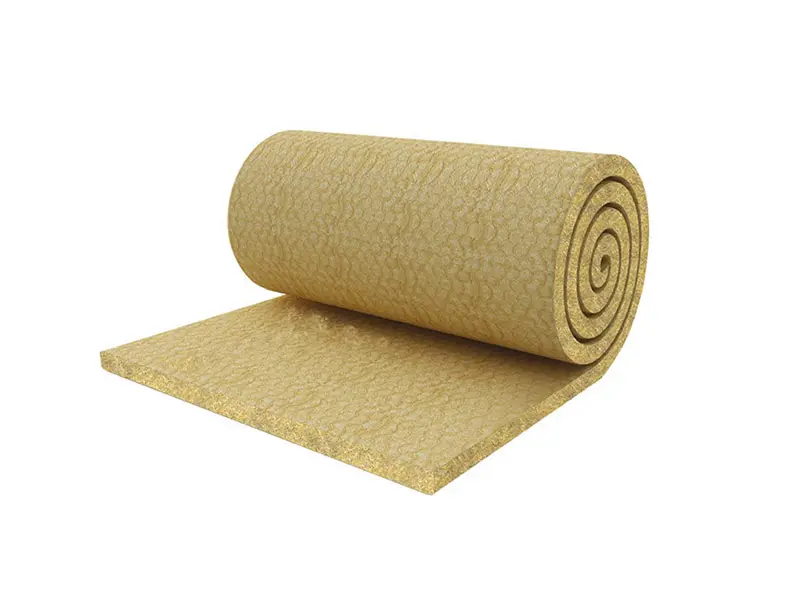
| Glass Fiber / Rock Wool | 25 | ≤ 0.040 | Open Cell | High-temperature industrial processing & steam systems |
Kingflex Insulation Co., Ltd. is a professional manufacturing and trading combo for thermal insulation products. Kingflex research development and production department is located in the well-known capital of green-building materials in Dacheng, China. It is an energy-saving, environmental friendly enterprise concentrating on research, development, production, and sales.
In operation, Kingflex takes energy saving and consumption reduction as its core operating concept. We provide advanced insulation solutions via engineering consultations, tailored R&D production, professional installation guidance, and high-standard post-sale services to lead the development of the global industrial insulation industry.
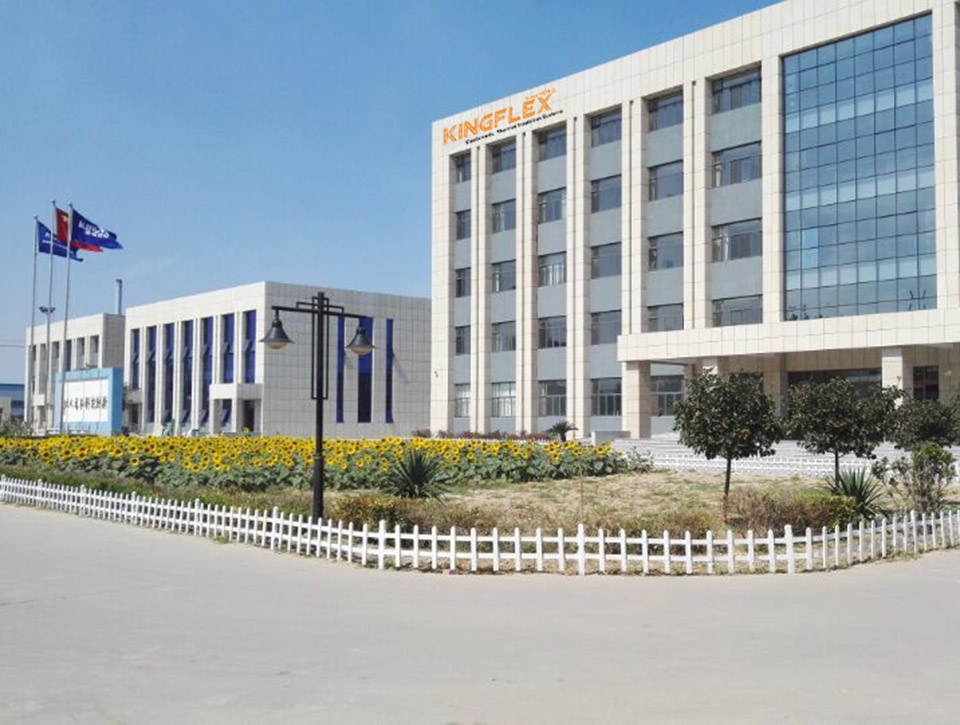
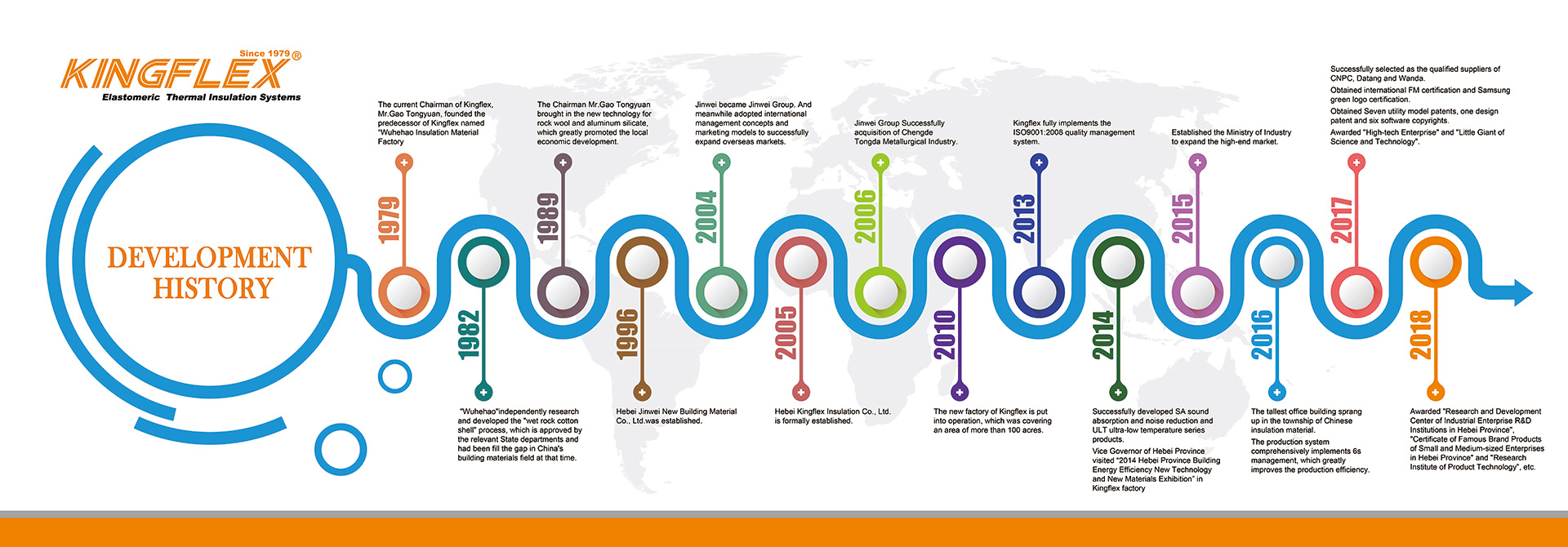
Kingflex was established by the Jinwei Group, which boasts a rich history of more than 40 years. Founded in 1979, Jinwei Group was the first pioneer manufacturer of thermal insulation materials north of the Yangtze River. This deep heritage infuses Kingflex with decadal expertise in material engineering.
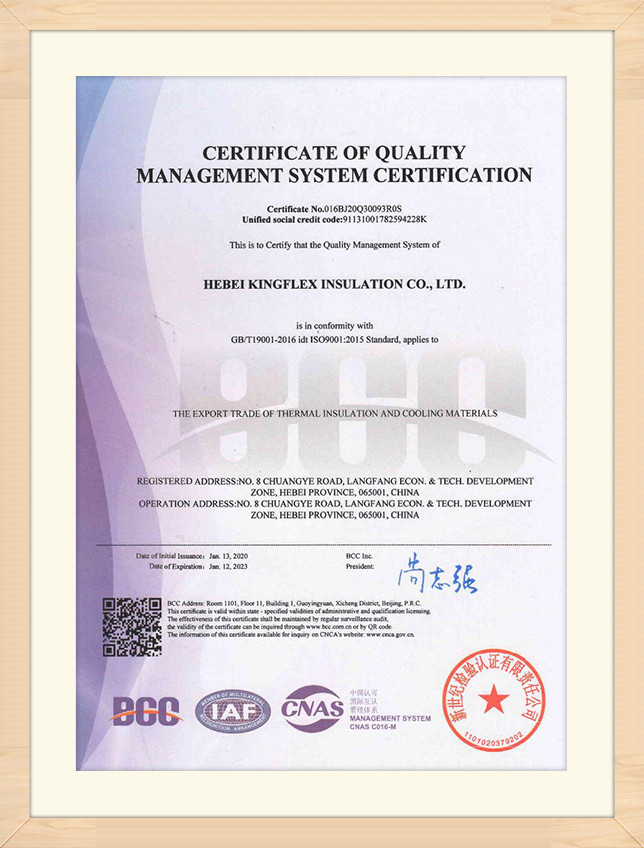
At present, Kingflex operates 5 large automatic assembly lines, with an annual production capacity of more than 600,000 cubic meters. Our strict QC standards have made us a designated production enterprise designated by the Chinese Ministry of Energy, the Ministry of Electric Power, and the Ministry of Chemical Industry.
Our team leverages advanced polymer materials science to develop high-performance cryogenic barriers that resist moisture absorption under severe gradients.
Specially formulated closed-cell elastomer NBR/PVC matrix structures engineered specifically to resist cracking at cryogenic limits down to -162°C and even lower temperatures.
Precision wall calculations reduce direct material waste by up to 25% while maintaining safe outer surface temperatures above local condensation thresholds.
Combining the historical knowledge of Jinwei Group (est. 1979) with modern continuous extrusion machinery to ensure uniform density throughout roll length.
Our employees are amazing in their own right, but together they are what makes Kingflex such a fun and rewarding place to work. The Kingflex team is a tight-knit, talented group with a shared vision of giving consistently first-class service to our clients.
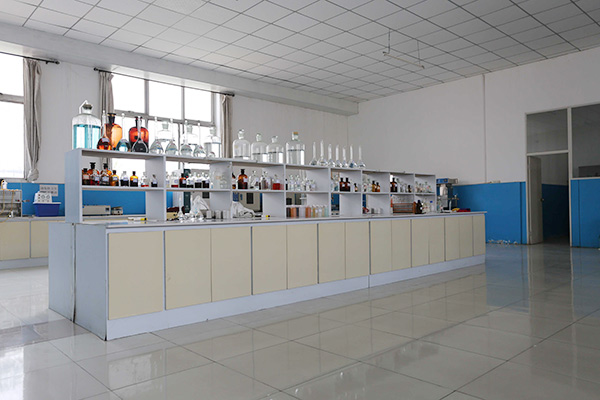
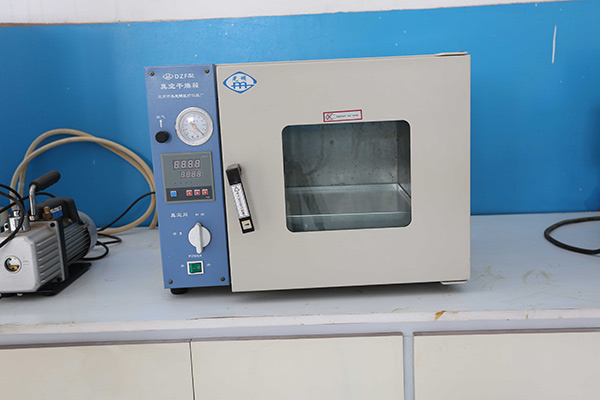
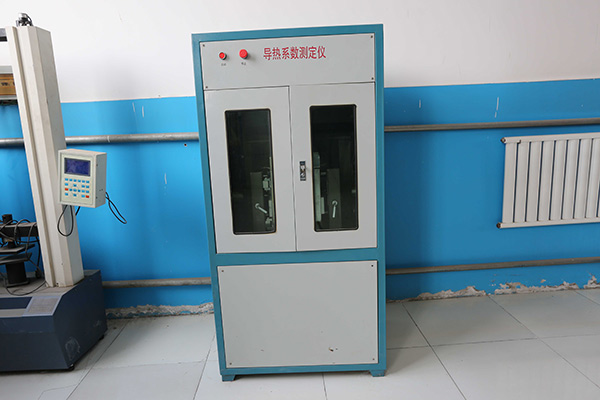
Kingflex has eight professional engineers in our R&D Department, 6 professional international sales, and 230 workers in our production department. We continually stress-test cell gas retention, water vapor transmission rates, and mechanical flex under deep sub-zero conditions to guarantee our products survive standard cycles.

Analyzing physical parameters of NBR/PVC elastomeric series and identifying key application landscapes globally.
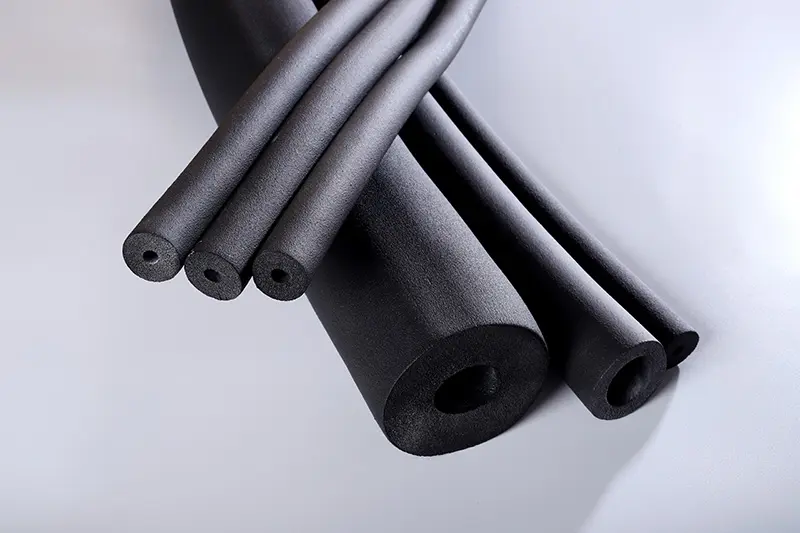
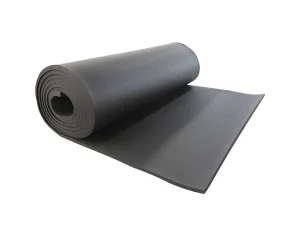
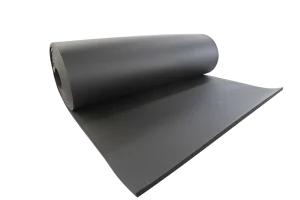
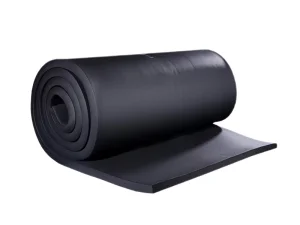
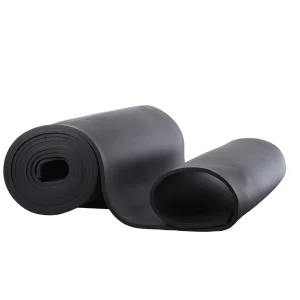
Kingflex Standard Dimension
Primary Advantages:
1. Foams evenly and fully, closed cell rate over 98%, providing excellent thermal insulation.
2. Fully closed-cell structure guarantees low moisture absorption and stable long-term thermal conductivity ($\lambda$).
3. Highly elastic, exhibiting compression resilience over 80%.
4. Flame retardant, designed to self-extinguish upon removal of external fire sources.
5. High moisture resistance factor ($\mu \geq 10,000$), resisting internal vapor paths.
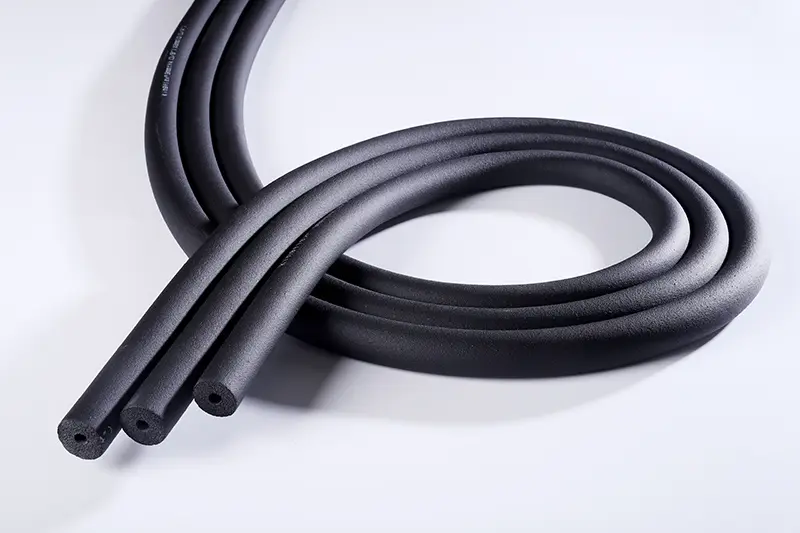
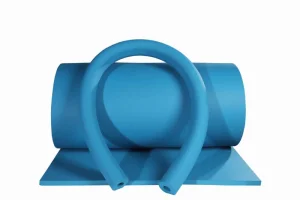
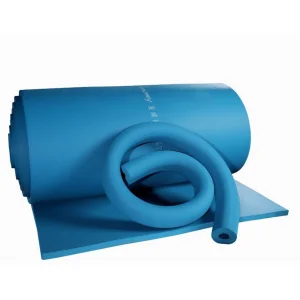
Kingflex Standard Dimension
Primary Advantages:
1. Clean internal foaming; highly uniform cross-section structure.
2. Professional pipe spraying equipment ensures even, secure inner wall coatings.
3. Excellent flexibility simplifies wrapping around structural pipe bends.
4. Eliminates external corrosion paths by establishing a tight vapor barrier seal.
5. Significantly reduces ambient pipe freezing and thermal cracking risks in winter environments.
Diverse Global Industrial Application Scenarios:
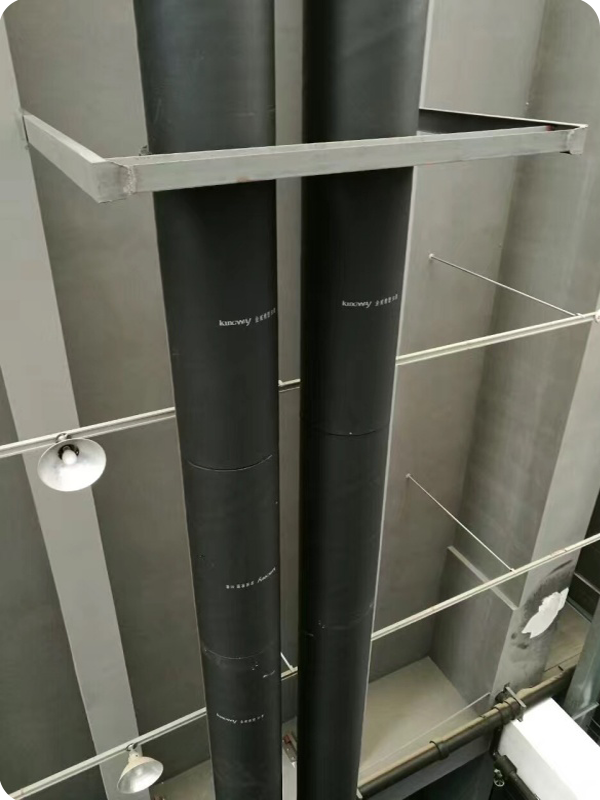
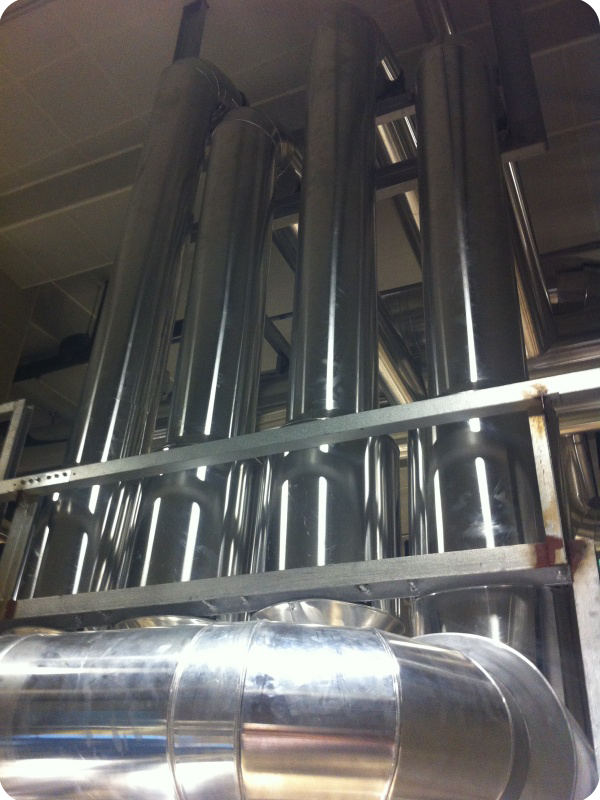
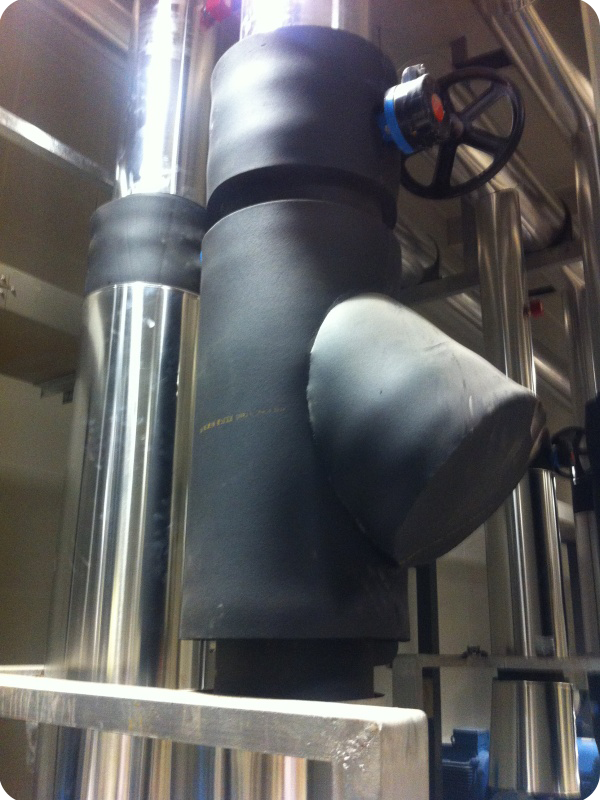
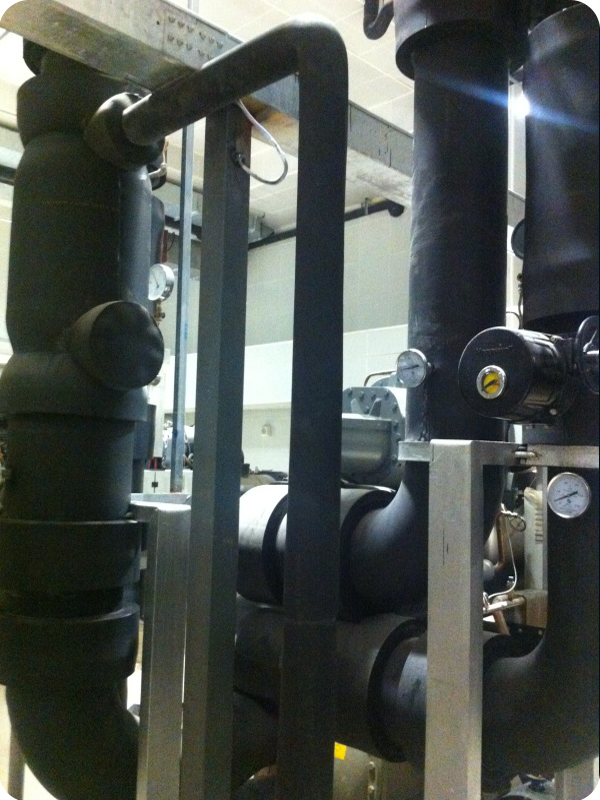
• Central Air Conditioning & HVAC: Installed directly onto central AC chilled/hot water pipes, air duct panels, and condensate lines to block heat exchange and eliminate drips.
• Petrochemical & Hydrocarbon Processing: Utilized across mid-range cryogenic processing pipelines, heavy storage tanks, and valve housings.
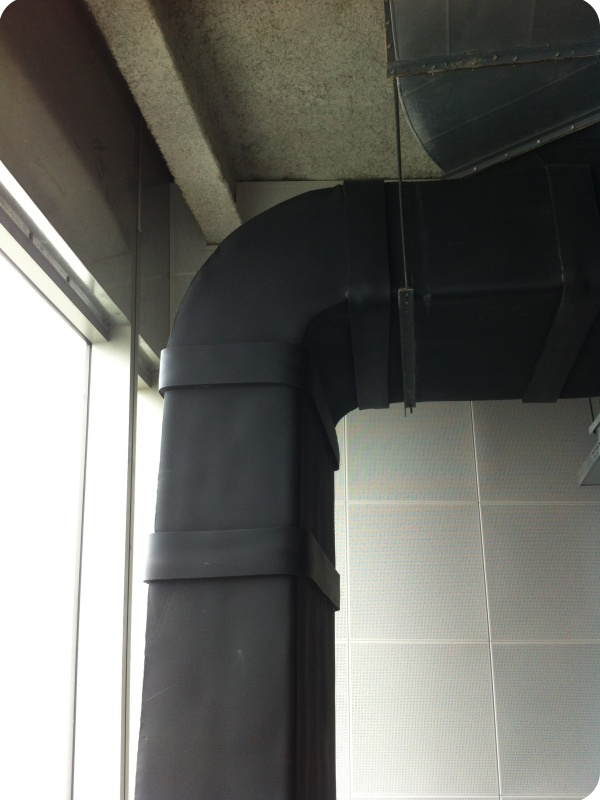
• Commercial Building Infrastructures: Ideal for ventilation shaft insulation and machine room acoustics across malls, hospitals, hotels, and public facilities.
• Cold Chain & Cold Storage Logistics: Applied inside transport refrigeration trucks, cargo rooms, and industrial liquid lines.

Emphasizing the transition towards zero-ODP/GWP blowing agents, nanotechnology, and smart diagnostic insulation.
As industrial plants aim to hit carbon-neutral targets, the cryogenic insulation sector is shifting. The next five years will focus on three key trends:
1. Next-Generation Blowing Agents with Low Global Warming Potential (GWP): Global standards, including the EU’s F-gas regulations and the Kigali Amendment, are prompting manufacturers to move away from traditional HCFC foaming compounds. Leading factories in China are modifying extrusion lines to support HFO (hydrofluoroolefin) blowing technologies and CO2 co-blowing techniques, driving environmental impact indicators down to near-zero GWP values.
2. Aerogel-Elastomer Hybrid Frameworks: To reduce overall insulation profiles in space-restricted ship holds (such as LNG carriers) and urban pipe systems, developers are combining high-density elastomeric rubber foams with ultra-thin silica aerogel blankets. This composite structure lowers the total thermal conductivity ($\lambda$) from 0.035 to less than 0.020 W/m·K, allowing projects to decrease calculation thickness requirements by up to 40% while preventing condensation.
3. Smart Insulation with Built-In Sensors (CUI Detection): Corrosion Under Insulation (CUI) remains a costly challenge in cryogenic infrastructure. The future relies on integrating thin, moisture-detecting RFID sensors and temperature fiber loops between the pipe wall and the elastomeric wrap. These sensors communicate real-time humidity profiles to central SCADA systems, identifying condensation or micro-leaks before they compromise structural steel.

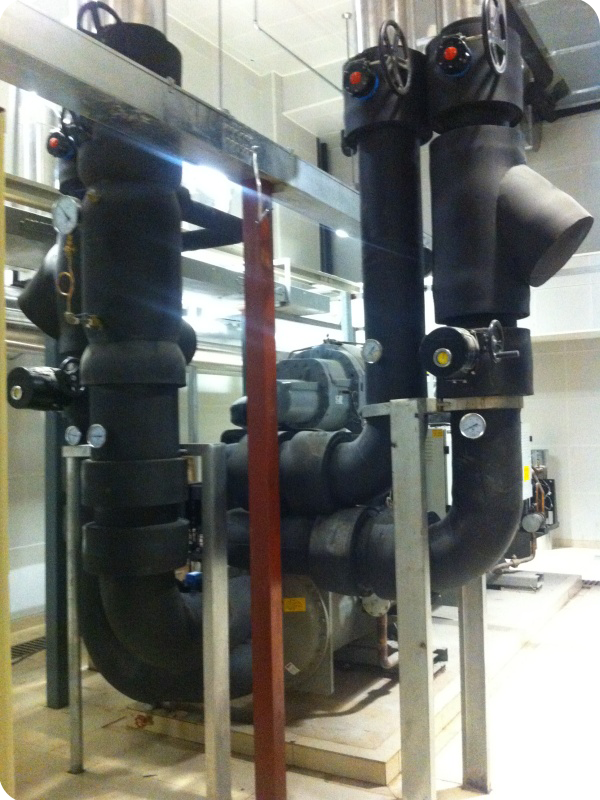
Frequently asked technical questions answered by our engineering and product design departments.
Proven quality parameters validated by third-party testing agencies.
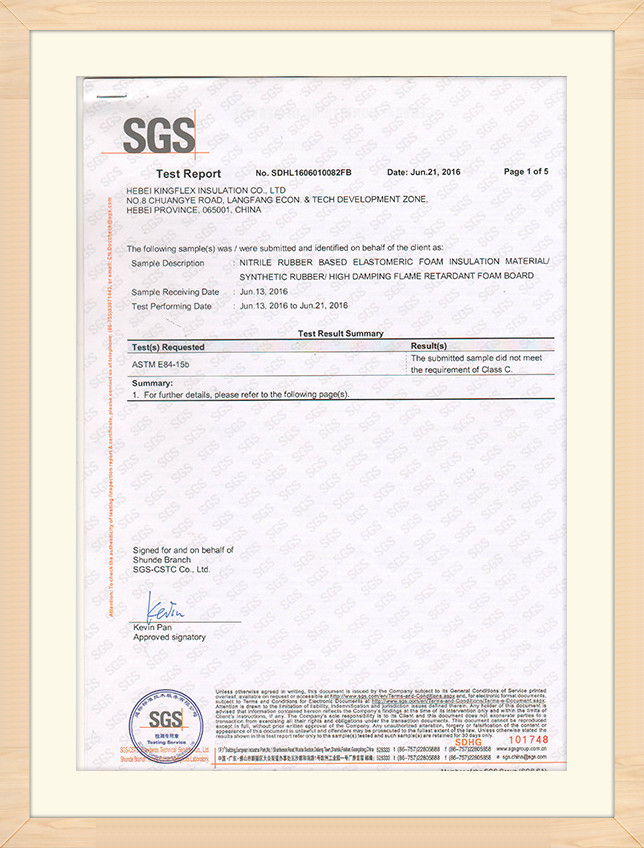
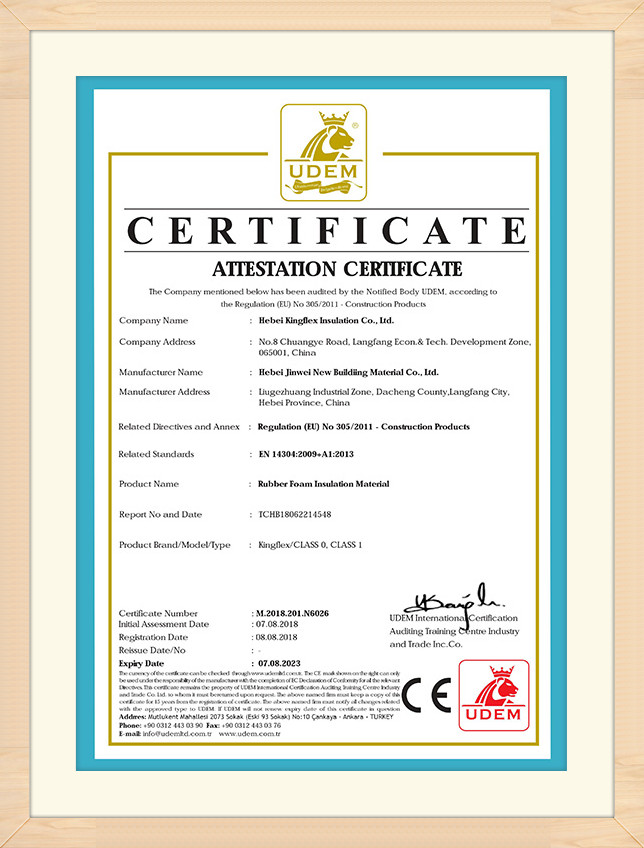
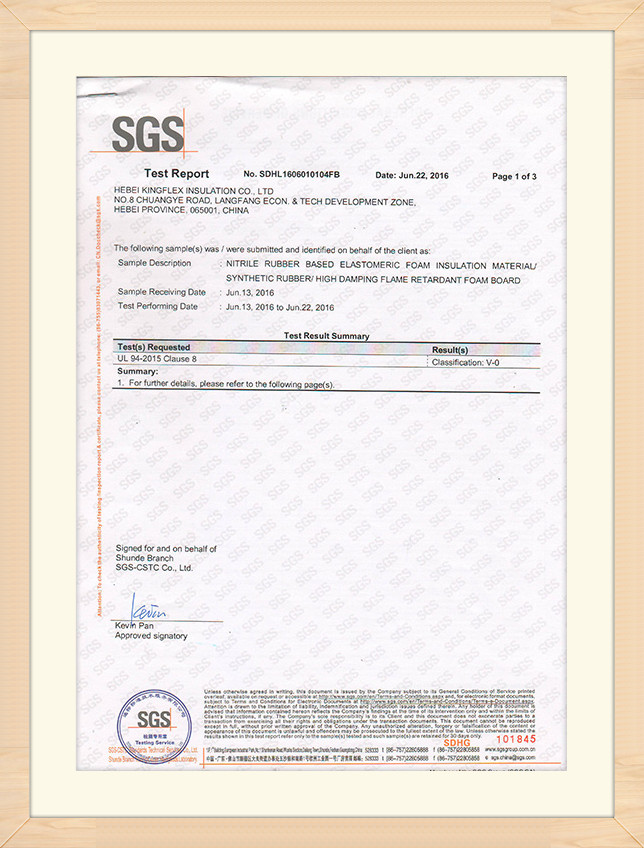

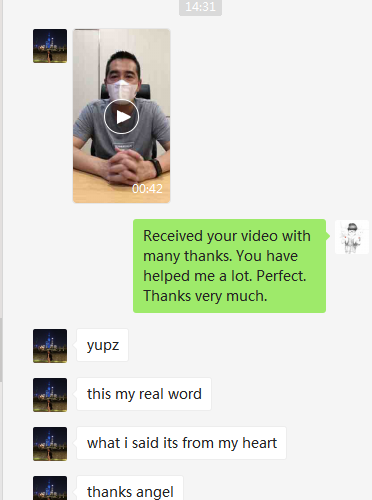
Transparent client communication logs showcasing our support process and order confirmation cycles.




A closer look inside the Kingflex production bays, raw material compounds, and shipping preparation areas.
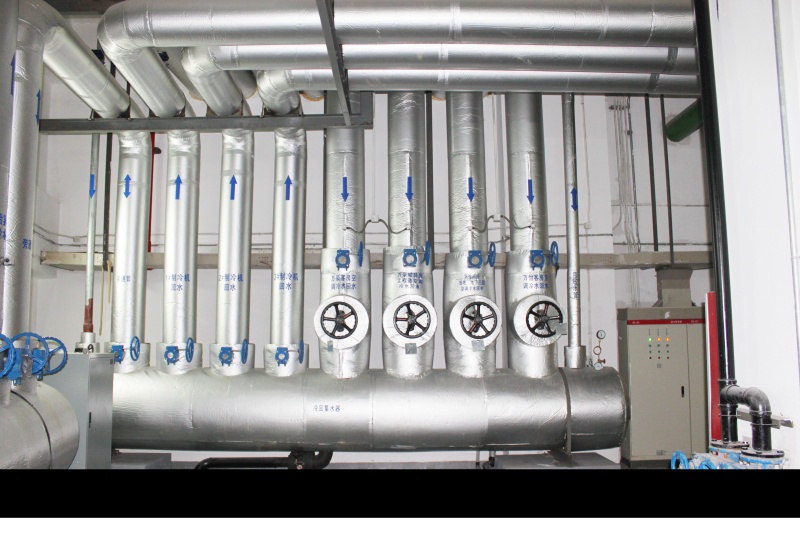
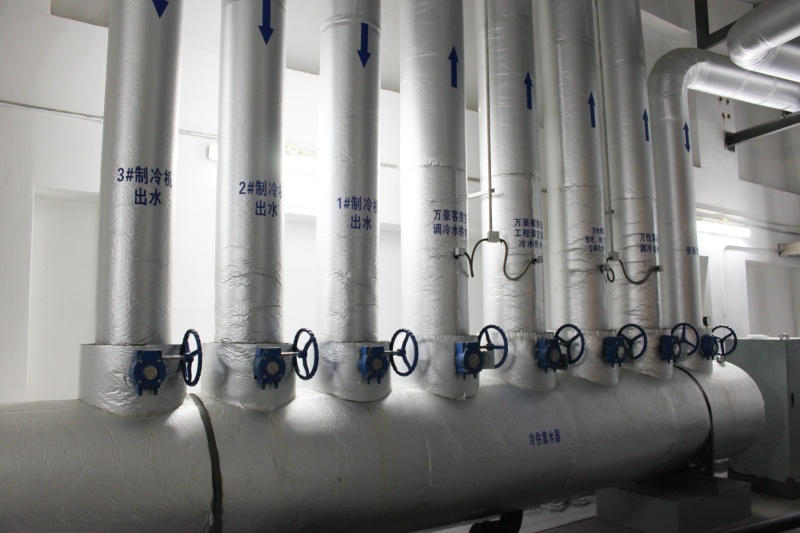
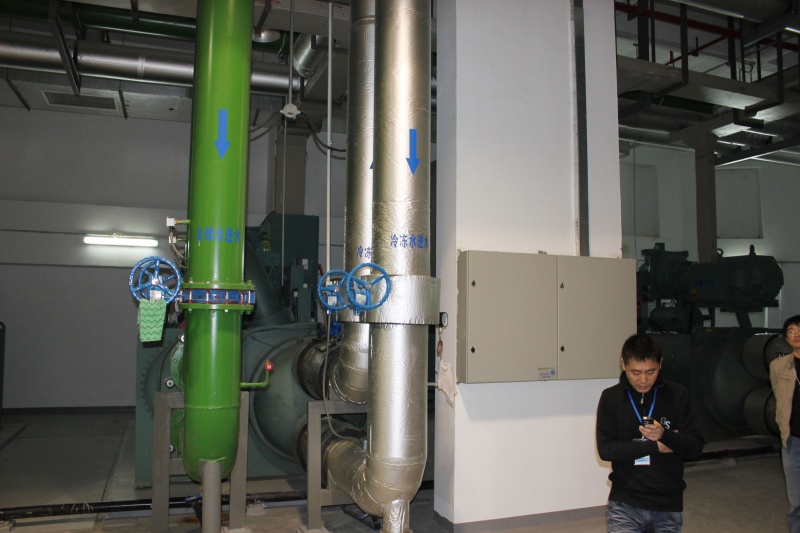
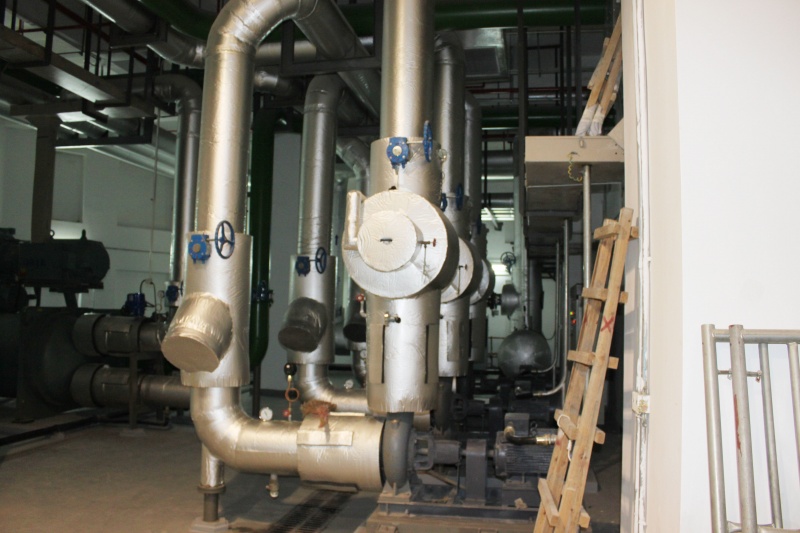
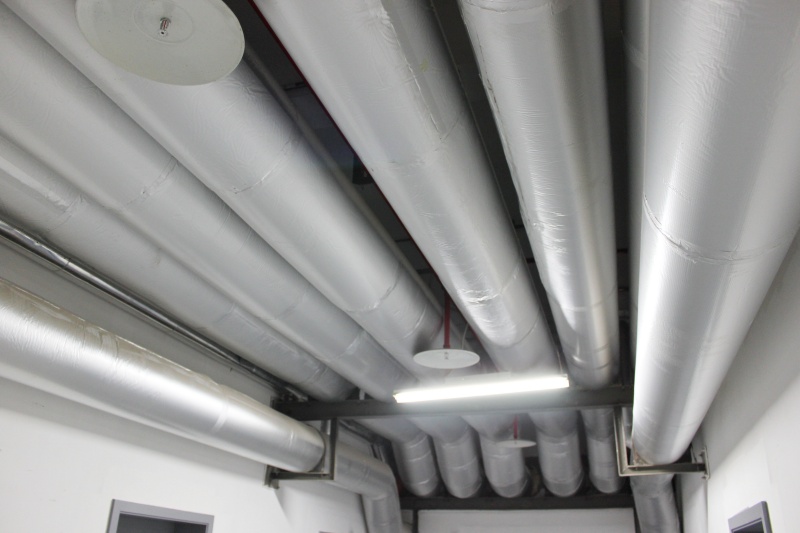

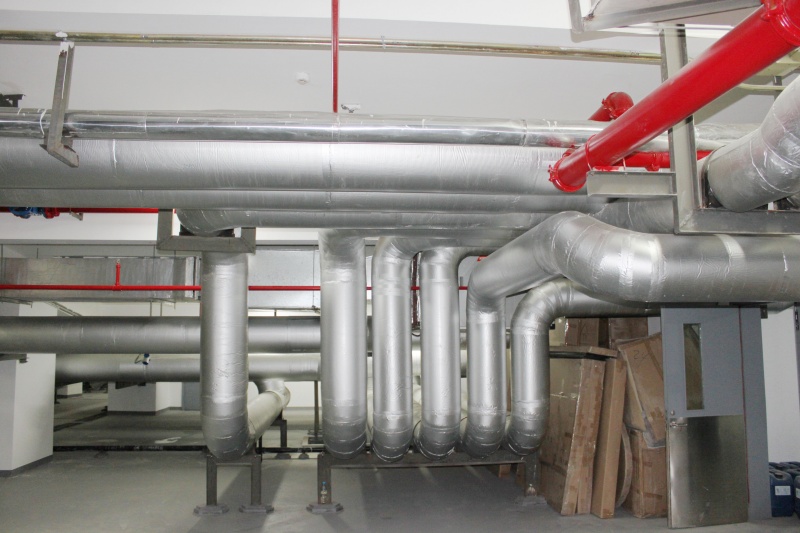

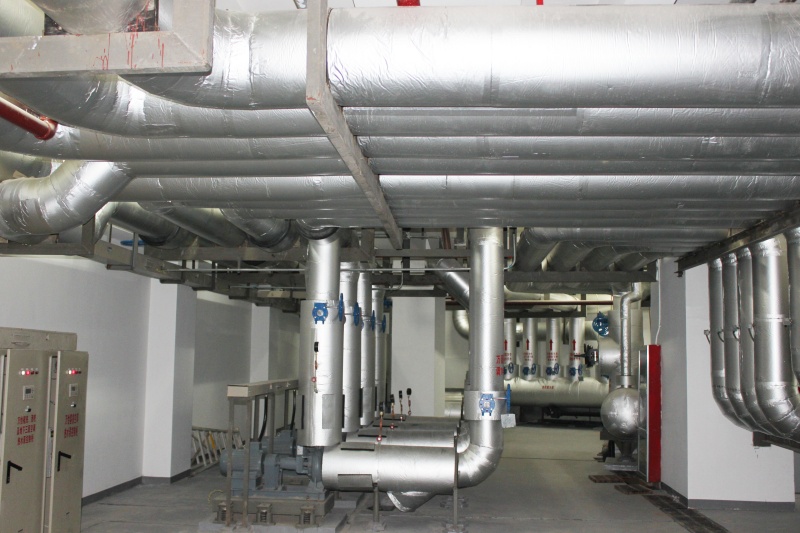
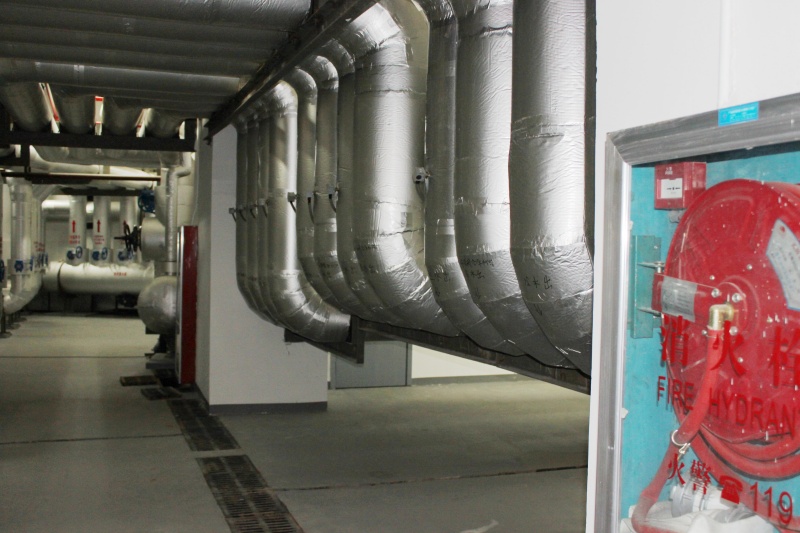
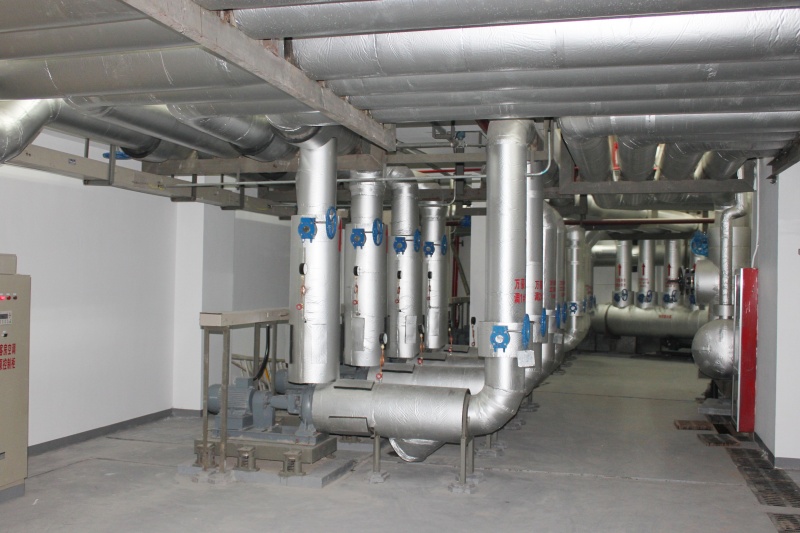
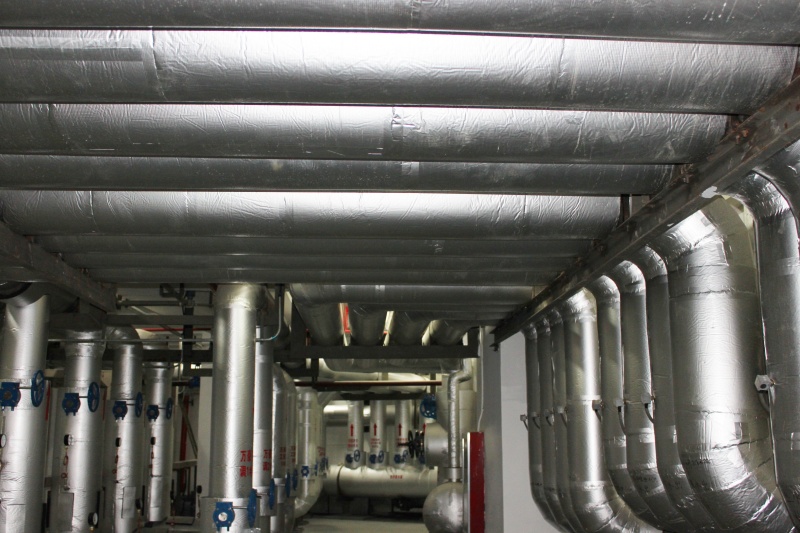
Original manufacturing solutions from Kingflex, covering low-conductivity polymers and high-temperature mineral rock wool systems.
Complete your design with our high-density rolls, elastomeric sleeves, and specialty low-temperature materials.
 Kingflex