Engineered rubber elastomeric and rock wool insulation components for extreme temperature profiles, high safety thresholds, and structural durability.
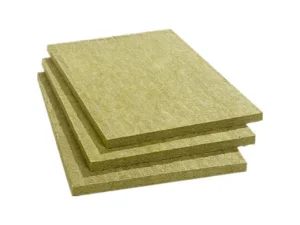
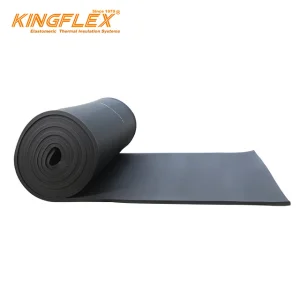
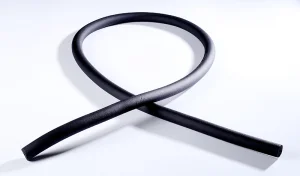
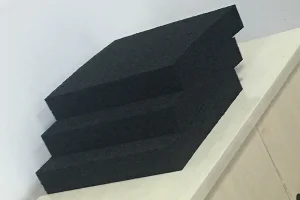
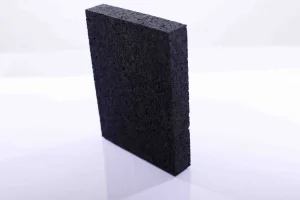
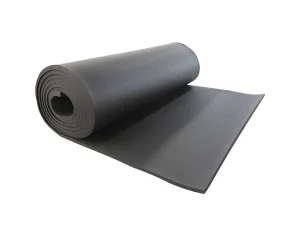
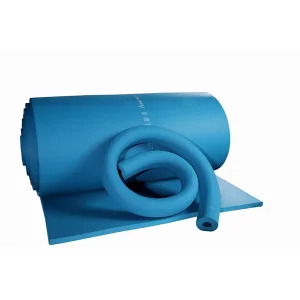
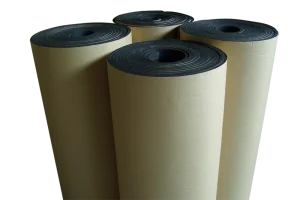
Modern industrial architectures demand advanced thermodynamic performance to guarantee process stability, limit carbon emissions, and manage severe energy consumption cycles. Thermal insulation systems serve as a core component in this effort. In industrial environments characterized by extreme temperatures (ranging from cryogenic LNG applications at -200°C (-328°F) to high-temperature thermal systems reaching up to 150°C (302°F)), conventional insulation materials often suffer from rapid thermal degradation, moisture intrusion, and chemical failure.
This is where specialized high-temperature rubber elastomeric foam and high-density rock wool insulation boards provide performance benefits. In contrast to standard polyurethane foams, advanced closed-cell elastomeric rubber foams (such as NBR/PVC and specialized diene structures) deliver high structural resilience, thermal resistance, and moisture vapor diffusion protection. The global market is transitioning toward closed-cell technology due to its ability to prevent moisture absorption—a major factor in structural degradation and corrosion under insulation (CUI).
Key Insight: When moisture penetrates an open-cell insulation material, its thermal conductivity (K-value) can degrade by over 100% with only a 1% volume increase in moisture content. Closed-cell rubber foam, with over 98% closed cells, mitigates this risk by maintaining long-term dry performance.
For operations requiring resistance to extreme temperatures and high fire safety standards, rock wool thermal insulation remains a standard solution. Combining the mechanical flexibility of elastomeric nitrile rubber with the fire resistance of mineral fibers enables thermal system designers to build hybrid insulation setups. These systems are designed to withstand mechanical vibrations, thermal shock, and chemical exposure in demanding industrial locations.
An overview of Kingflex Insulation's production facilities, development history, and quality control systems in China's green building materials sector.
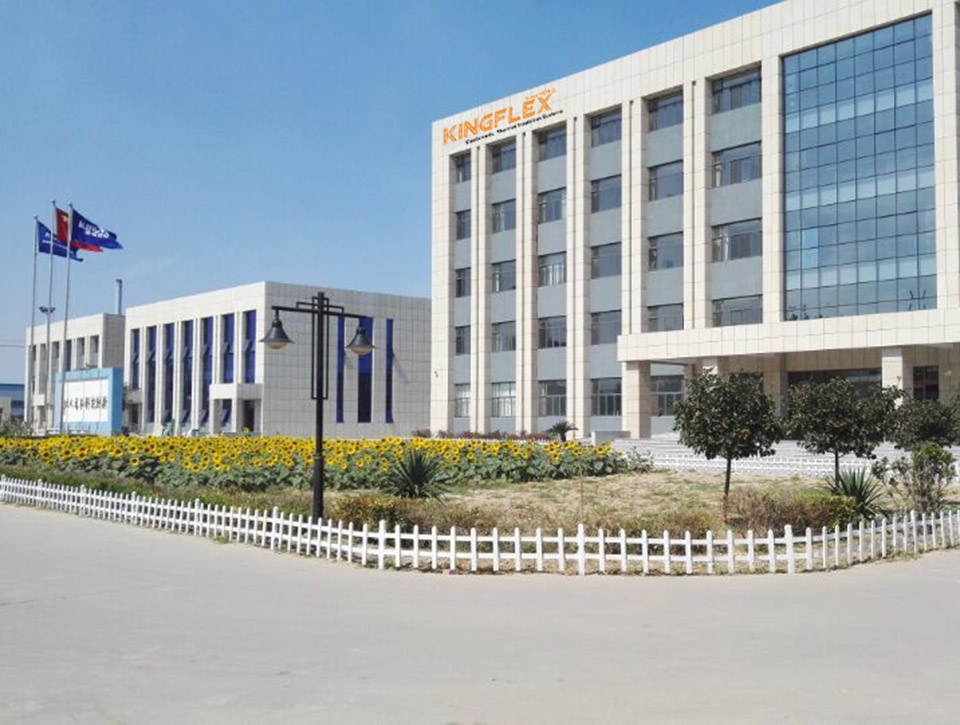
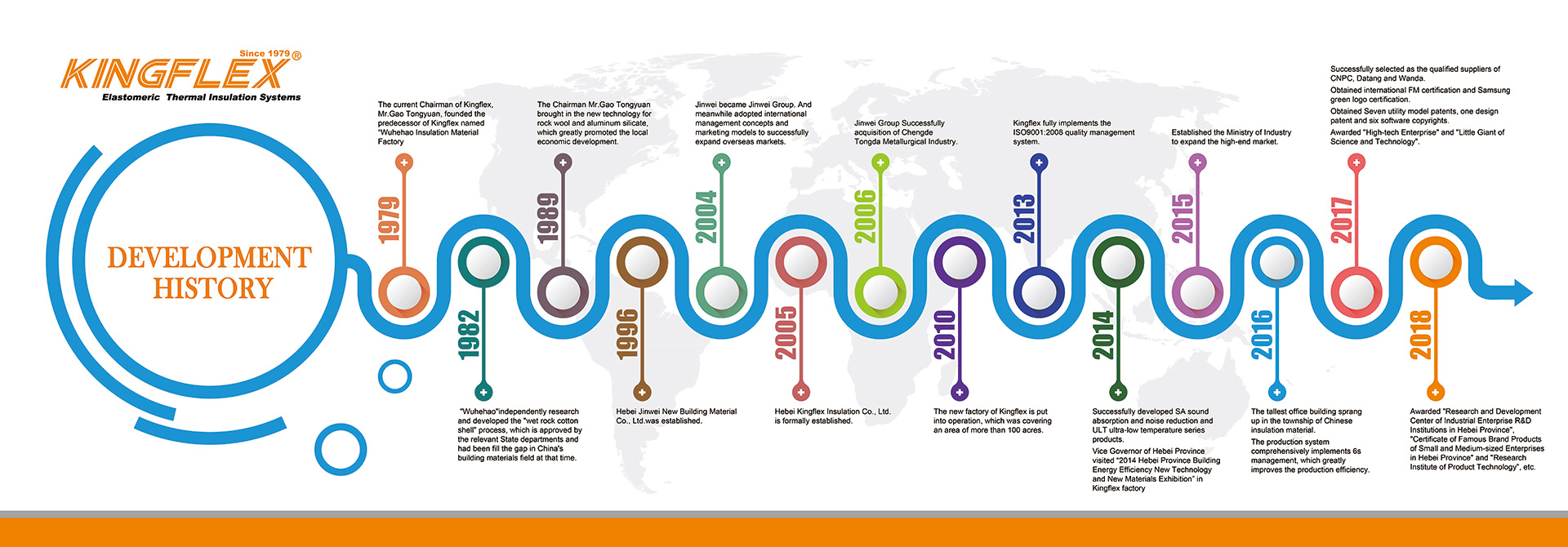
Kingflex Insulation Co., Ltd. operates as a combined manufacturing and trading enterprise specializing in energy-efficient thermal insulation materials. Established by the Jinwei Group (which dates back to 1979 as a pioneer of thermal materials north of the Yangtze River), the company draws on over 40 years of manufacturing experience.
Operating 5 fully automated assembly lines, Kingflex produces an annual capacity exceeding 600,000 cubic meters. Recognized as a designated supplier by major industrial ministries, the facility serves sectors including construction, petrochemicals, power generation, and aerospace.
Our workforce features a tight-knit team including 8 professional research engineers, 6 international sales specialists, and 230 production line workers. Their focus is delivering energy-saving insulation systems to global markets.

Annual Capacity (m³)
Exporting Countries
Years Industrial Experience
Closed-Cell Foaming Rate
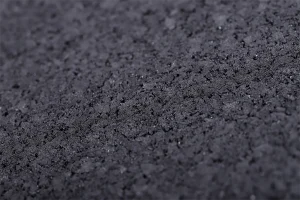
At the microstructural level, the performance of Kingflex's elastomeric rubber foam is determined by its cellular layout. Using automated vulcanization, we produce a cell density that blocks heat transfer. The compound consists of a polar Nitrile Butadiene Rubber (NBR) matrix mixed with Polyvinyl Chloride (PVC) resin. This combination delivers durability, low temperature flexibility, and chemical protection.
This closed-cell structure operates as a series of sealed air pockets. Because the gas molecules are trapped inside separate cells, heat can only transfer through the solid cell walls or by minimal internal radiation. This structural design achieves a low thermal conductivity ($\lambda \le 0.034$ W/m·K at 0°C).
The table below presents the key performance properties of Kingflex's standard elastomeric foam sheets and tubes:
| Property Parameters | Standard Sheet Roll Specifications | Standard Tube & Pipe Specifications |
|---|---|---|
| Material Matrix | Premium NBR/PVC Synthetic Elastomer | Premium NBR/PVC Synthetic Elastomer | Thickness Availability | 6mm to 50mm | 9mm to 40mm |
| Internal Diameter (ID) | N/A (Flat Sheet Format) | 6mm to 114mm |
| Foam Density Range | 40 - 55 kg/m³ | 40 - 55 kg/m³ |
| Service Temp. Range | -40℃ to 105℃ (-40°F to 221°F) | -40℃ to 105℃ (-40°F to 221°F) |
| Closed-Cell Rate | > 98% | > 98% |
| Compression Resilience | > 80% recovery rate | > 80% recovery rate |
| Fire Safety Compliance | Flame Retardant, Self-Extinguishing | Flame Retardant, Self-Extinguishing |
For systems operating at lower extremes, such as cryogenic processing plants, we offer specialized diene and olefin-based polymer formulations. These materials are engineered to prevent cracking and remain flexible at temperatures down to -200°C, providing insulation performance in LNG liquefaction and transport applications.
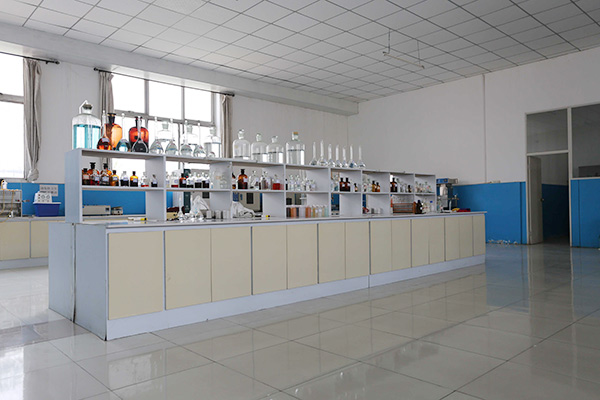
How we design and verify performance criteria at our dedicated testing laboratories and engineering center.
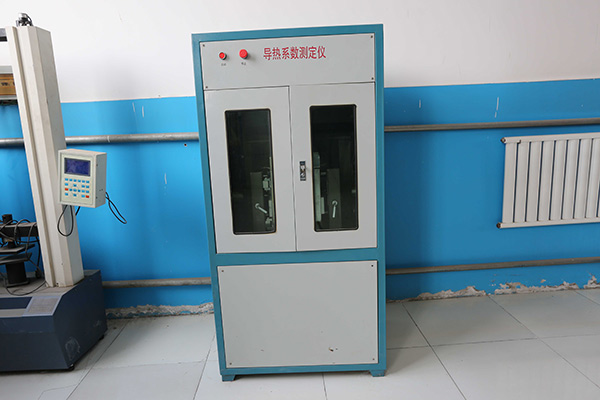
Our research and development division conducts testing on raw materials and finished products before dispatch. The facility monitors key factors including density distribution, tensile strength, tear resistance, aging characteristics, and fire behavior.
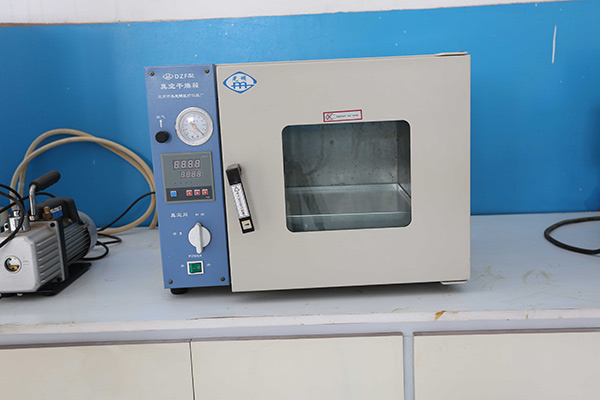
Each batch of rubber foam is tested in aging ovens and chamber devices to simulate high-temperature environments over long periods. This process ensures the foam retains its elasticity and low thermal conductivity, protecting systems against thermal degradation or moisture absorption over time.
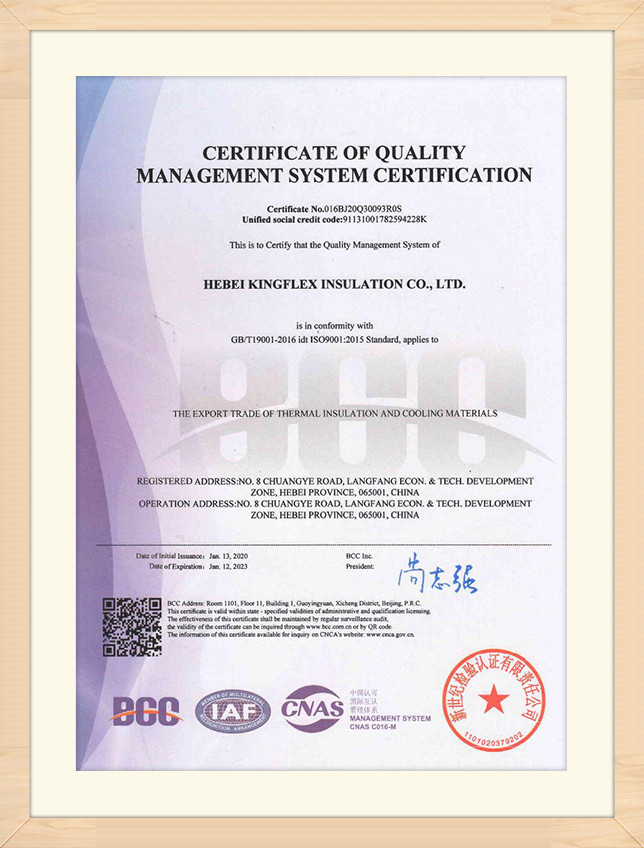
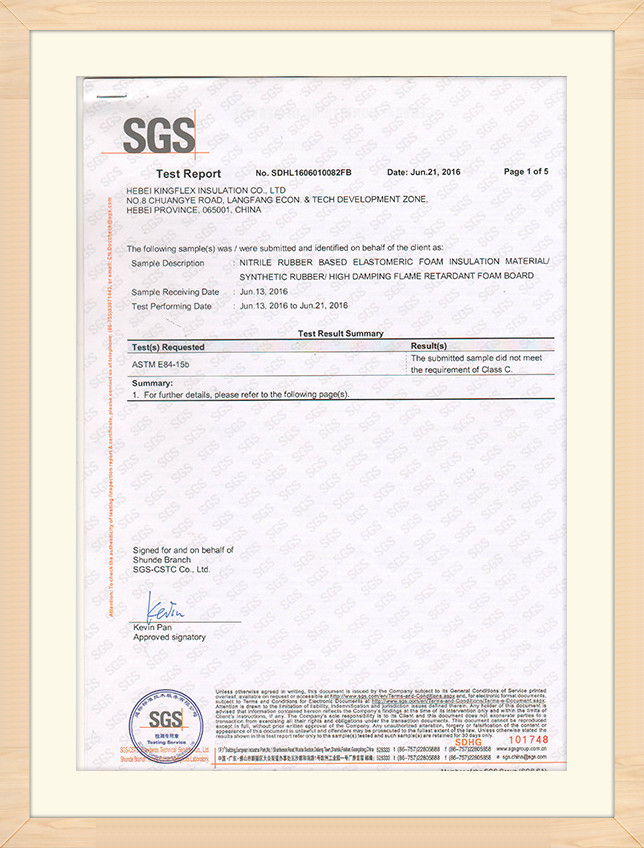
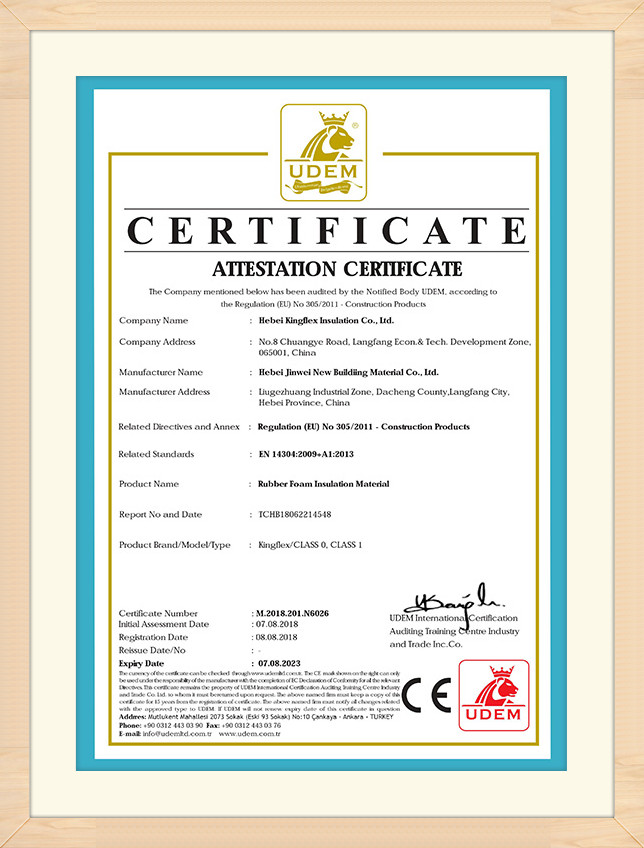
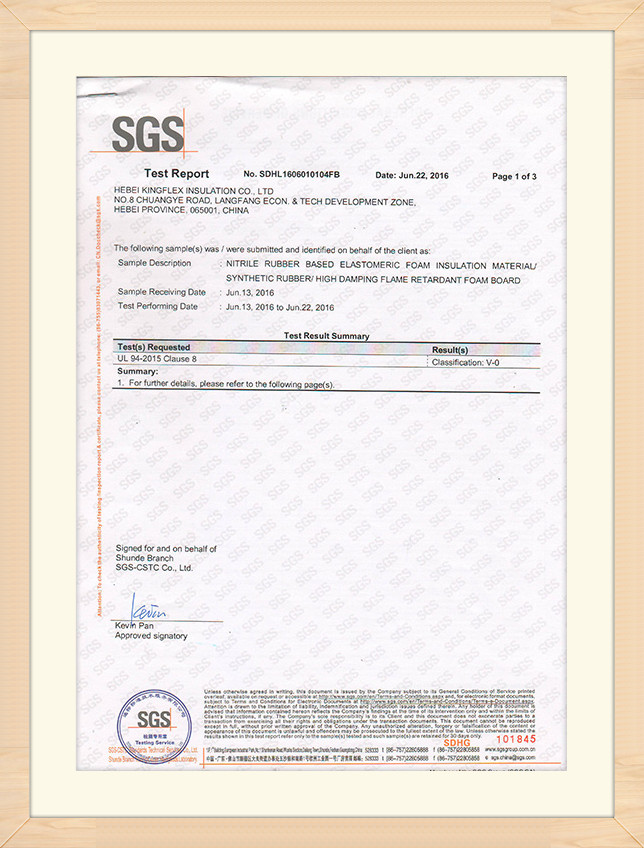
Kingflex insulation solutions are certified under key international fire and material standards, including BS 476, CE, REACH, RoHS, UL94, and ASTM.
Procuring raw materials from Chinese manufacturing hubs like Dacheng offers key advantages for industrial purchasers and HVAC contractors. Dacheng functions as an industrial cluster for green thermal materials. This concentration supports an integrated supply chain that spans from base chemical synthesis (like NBR and PVC polymers) to downstream extrusion, foaming, and packing.
This ecosystem reduces shipping distances for raw materials and shortens manufacturing cycle times. Operating in this hub, Kingflex achieves production efficiencies that lower processing costs while maintaining product consistency. Our automated equipment monitors parameters like density, wall thickness, and cell structures in real time, reducing manual adjustments.
With an annual capacity of over 600,000 cubic meters, Kingflex maintains stock levels to complete large projects on schedule. We work with international logistics networks to ship materials directly from our warehouses, helping clients manage lead times and minimize supply chain risks.
Direct access to chemical processing facilities ensures cost-effective sourcing of raw materials.
Automated, high-capacity lines provide consistent product quality and volume.
Proximity to major shipping ports reduces transit times and transport costs.
Inside our manufacturing facility: showcasing our vulcanization equipment, cutting machines, and staging yards.
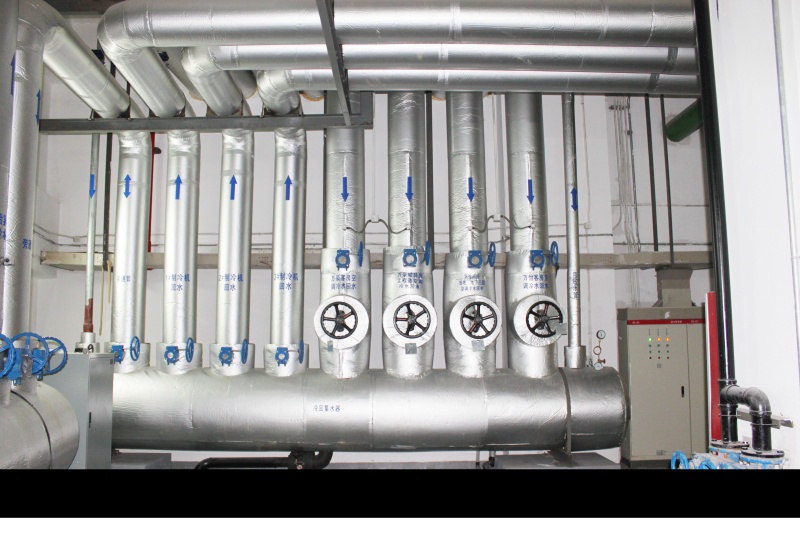
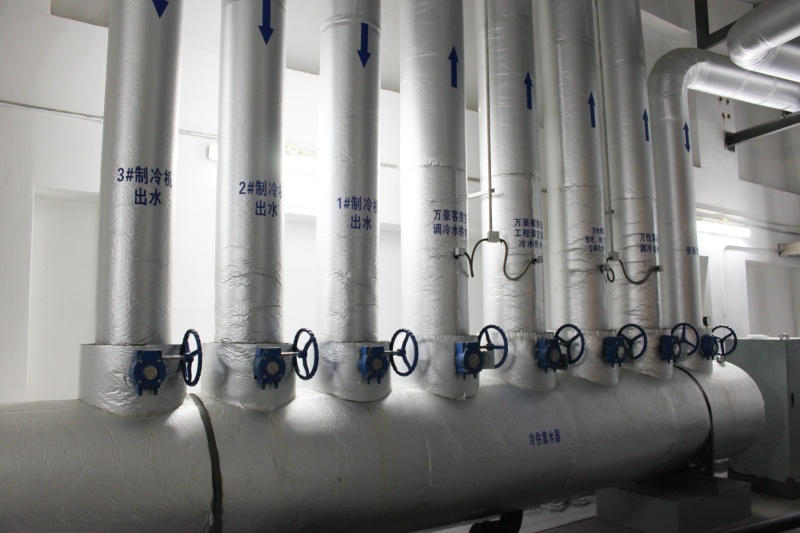
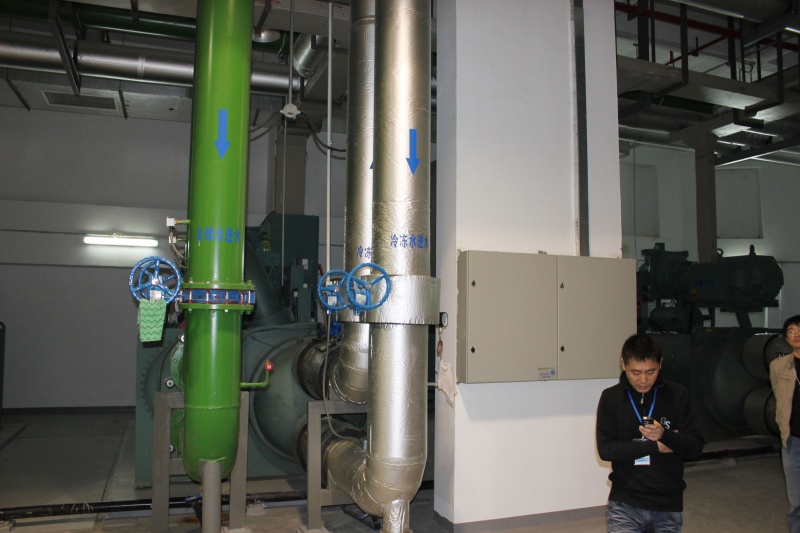
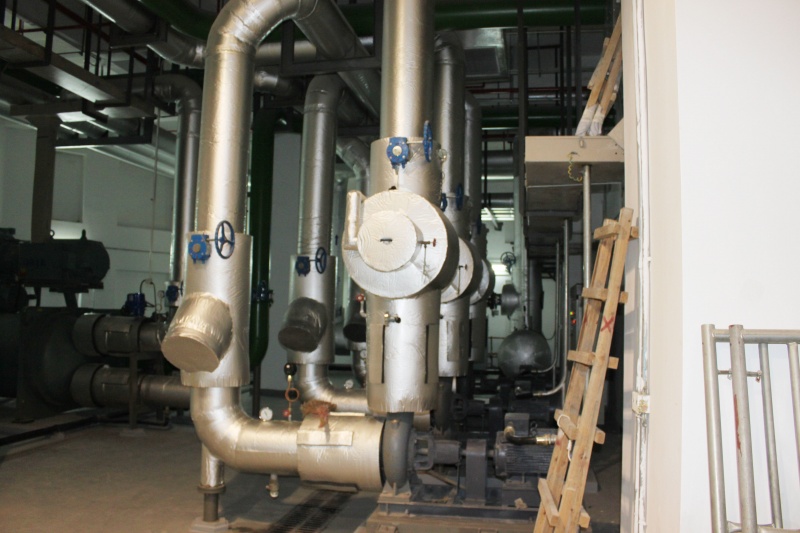
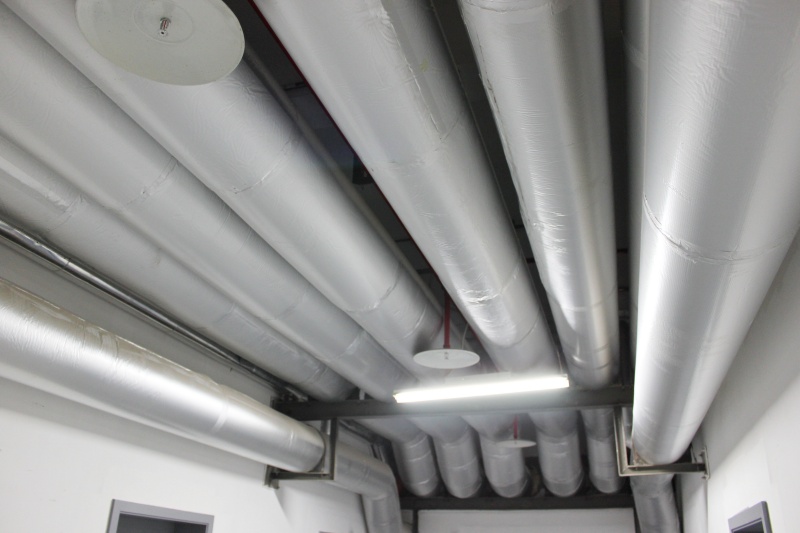

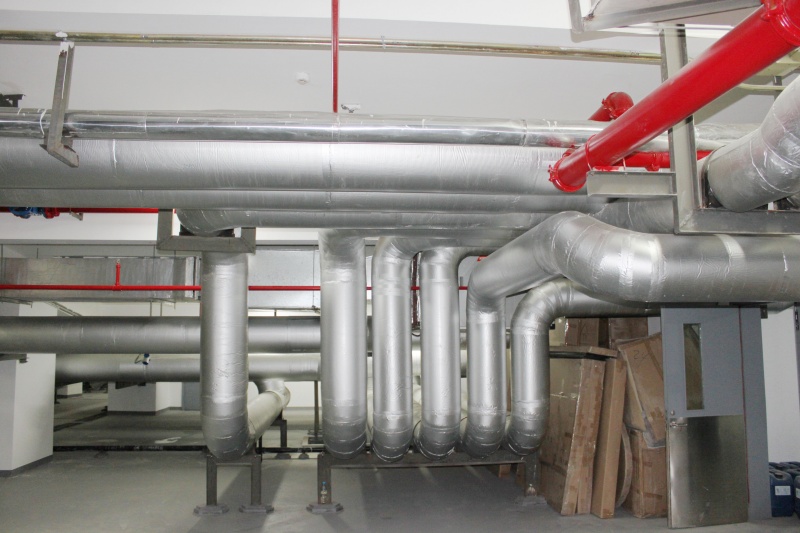

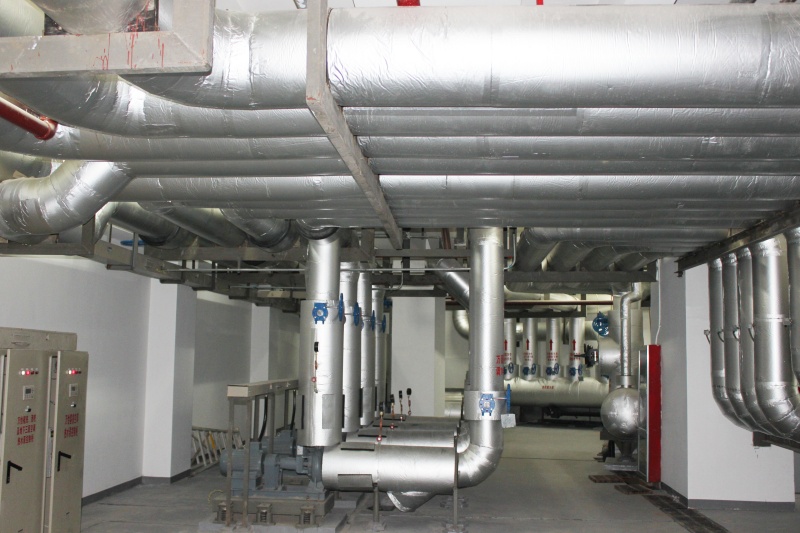
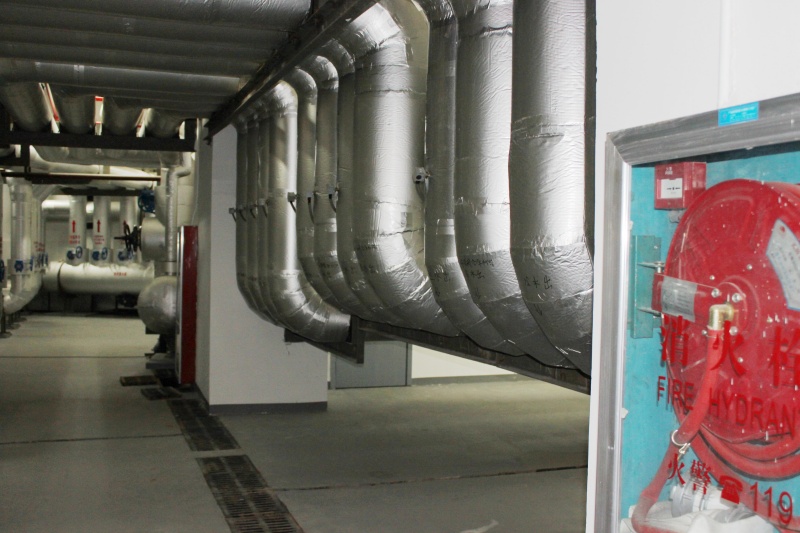
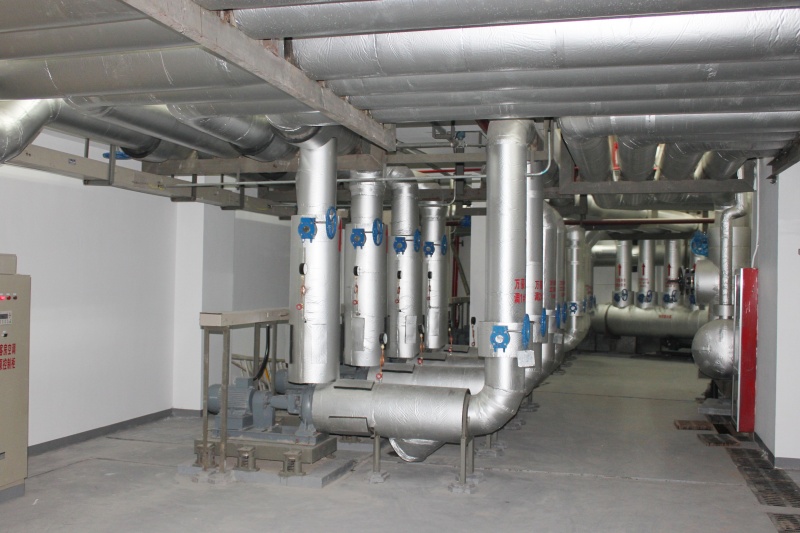
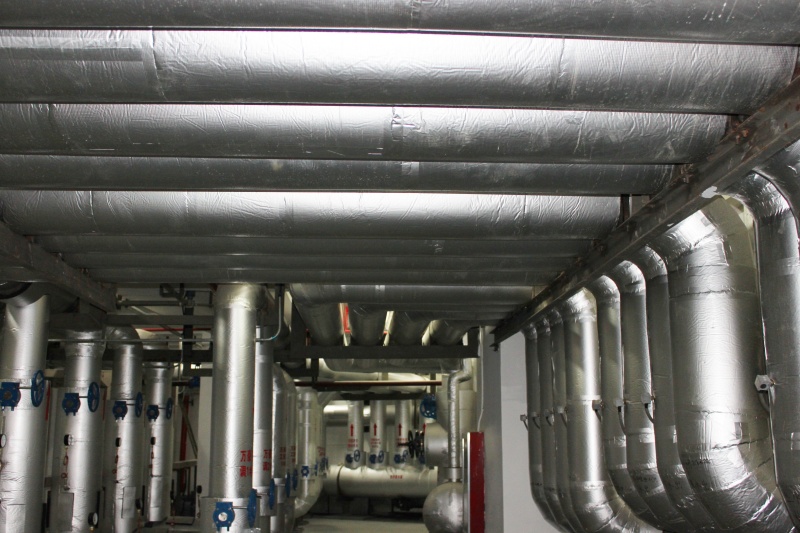
The applications for high-performance thermal insulation cover several sectors, each with specific operating conditions:
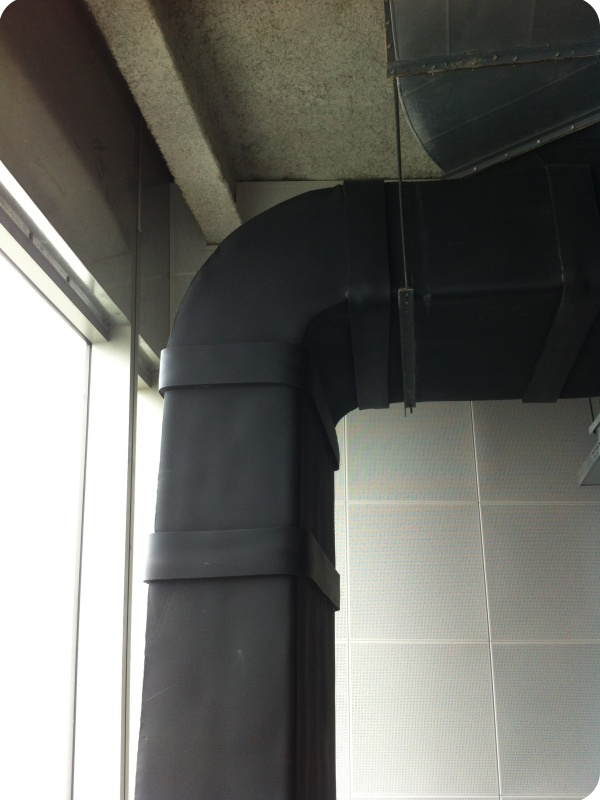

| Base Polymer: | NBR/PVC Synthetic Elastomer |
| Wall Thickness: | 6mm - 50mm |
| Density Range: | 40 - 55 kg/m³ |
| Operating Range: | -40℃ to 105℃ |
| Foaming Structure: | >98% Closed Cell Rate |
| Elastic Recovery: | Over 80% Compression Resilience |
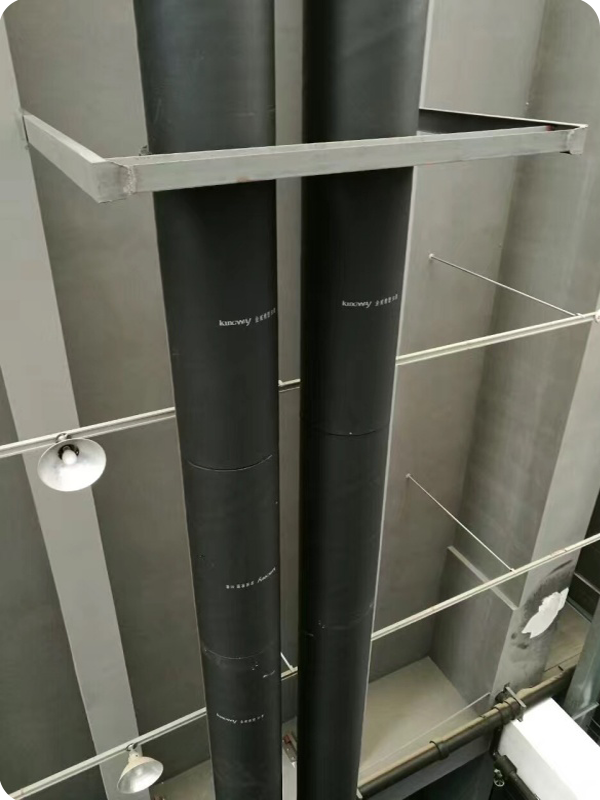
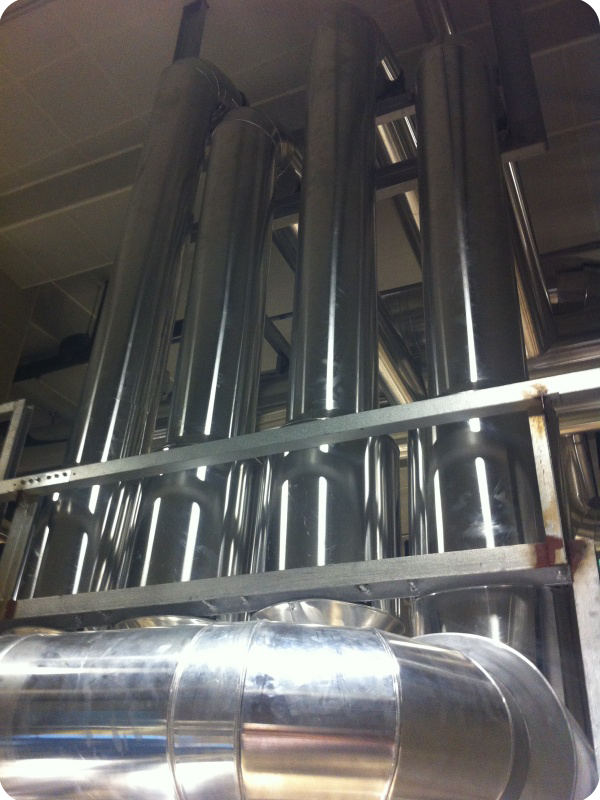
| Base Polymer: | NBR/PVC Synthetic Elastomer |
| Wall Thickness: | 9mm - 40mm |
| Internal Diameter: | 6mm - 114mm |
| Density Range: | 40 - 55 kg/m³ |
| Operating Range: | -40℃ to 105℃ |
| Key Advantage: | Reduces pipe freezing and cracking risks |
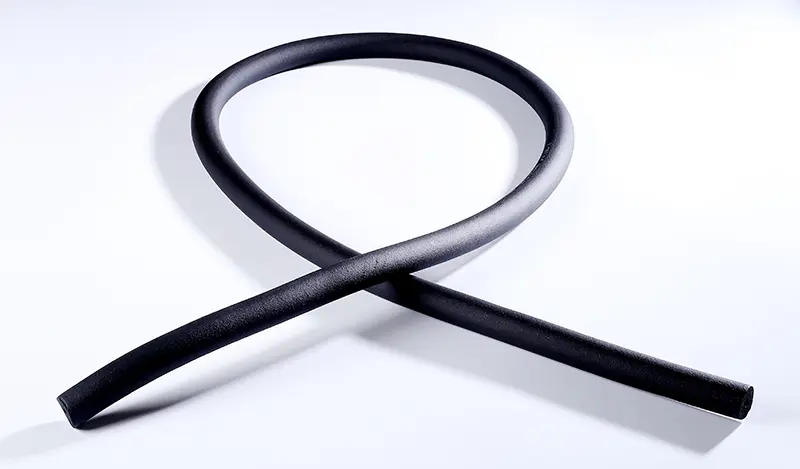
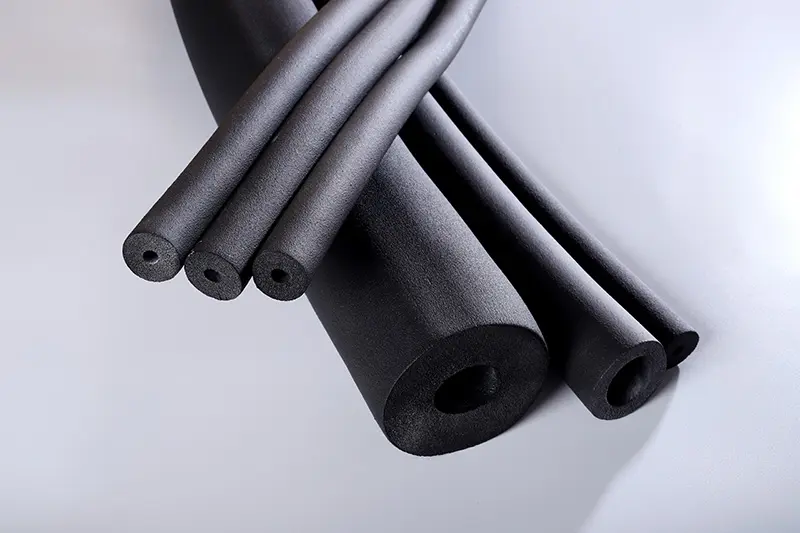
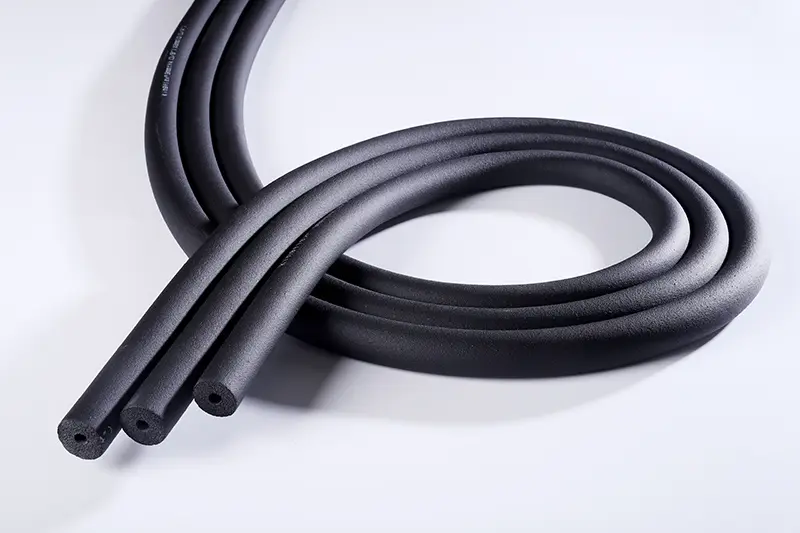
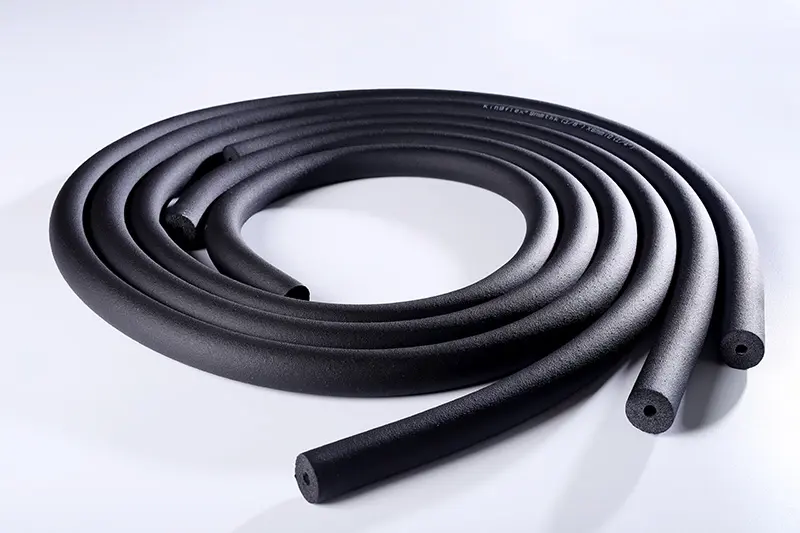
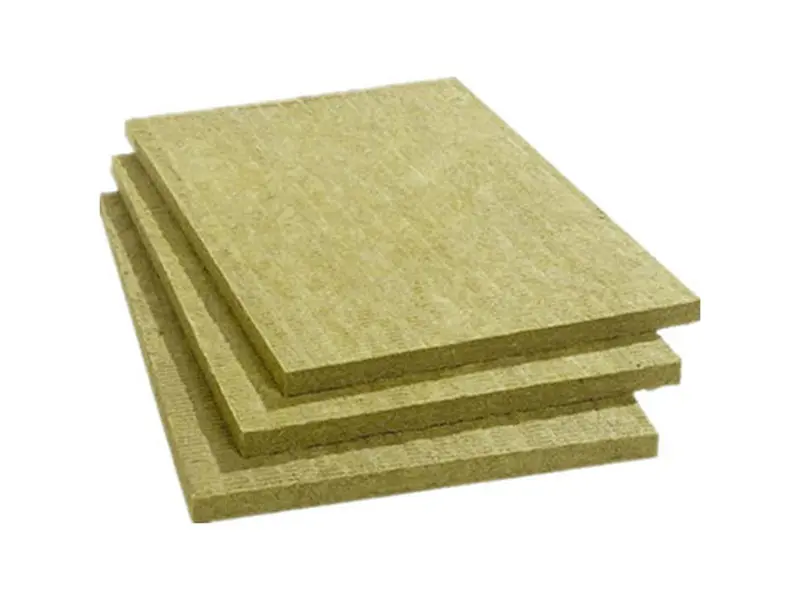
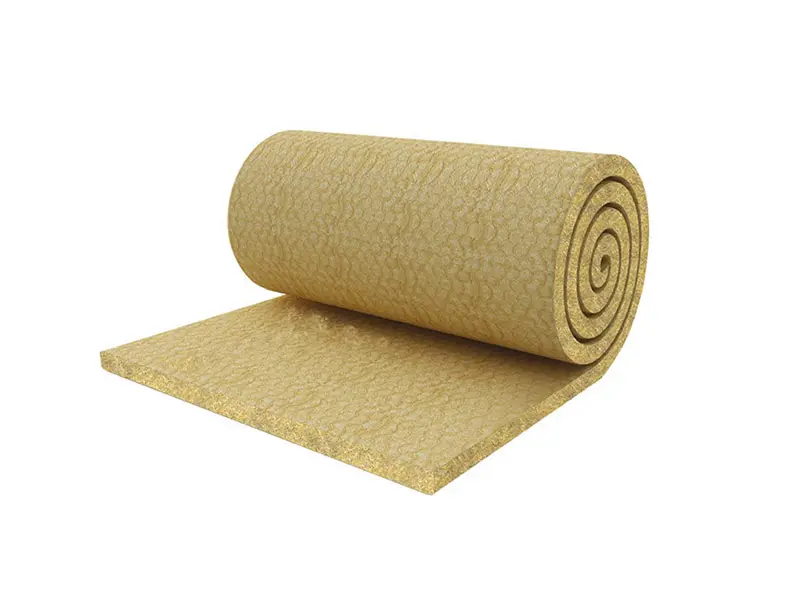
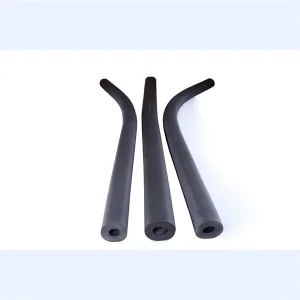
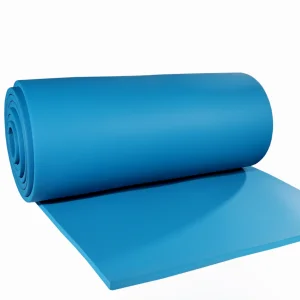
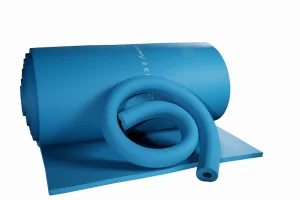
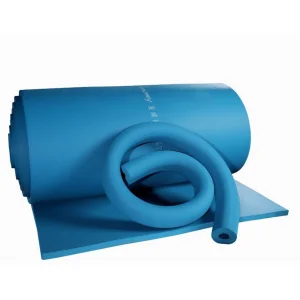
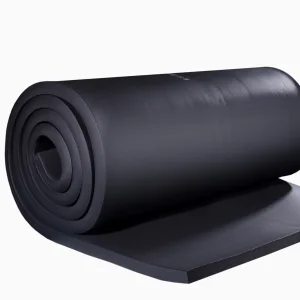
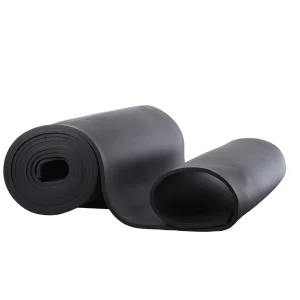
A selection of our standard products, including flexible foam piping, corrosion-resistant shielding, and specialized cryogenic insulation blankets.


The technical insulation sector is evolving to meet changing regulatory and environmental demands. Three main developments are shaping current material applications:
1. Halogen-Free and Eco-Friendly Formulations: Green building standards (including LEED and BREEAM) are driving demand for halogen-free insulation materials. These formulations minimize toxic smoke emission during fire events. Kingflex continues to invest in chemical development to replace traditional halogenated flame retardants with alternative organic compounds.
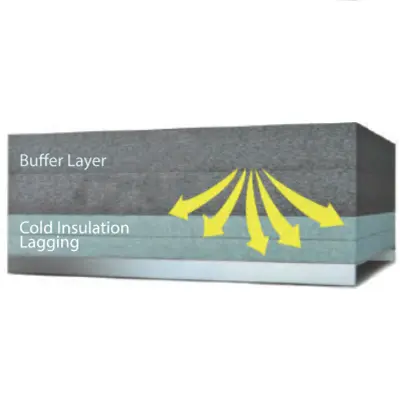
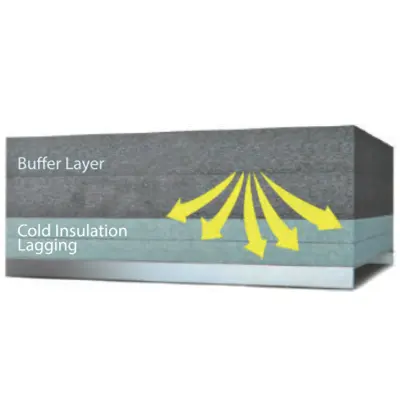
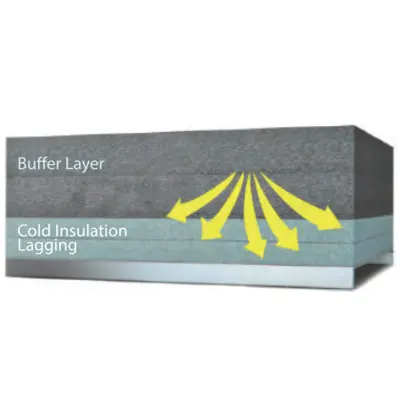
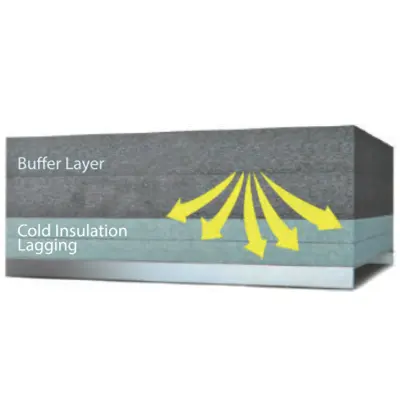
2. Anti-Corrosion Systems: Corrosion Under Insulation (CUI) remains a persistent maintenance cost in petrochemical installations. Modern systems use closed-cell foam sheets integrated with anti-corrosion barrier layers. This design prevents moisture contact with carbon steel piping, helping extend service life.
3. Low-Emission Materials for Indoor Air Quality: Modern building regulations restrict the use of materials that release volatile organic compounds (VOCs). Testing processes verify that our closed-cell foams meet REACH and RoHS emission criteria, making them suitable for installations in schools, hospitals, and cleanrooms.
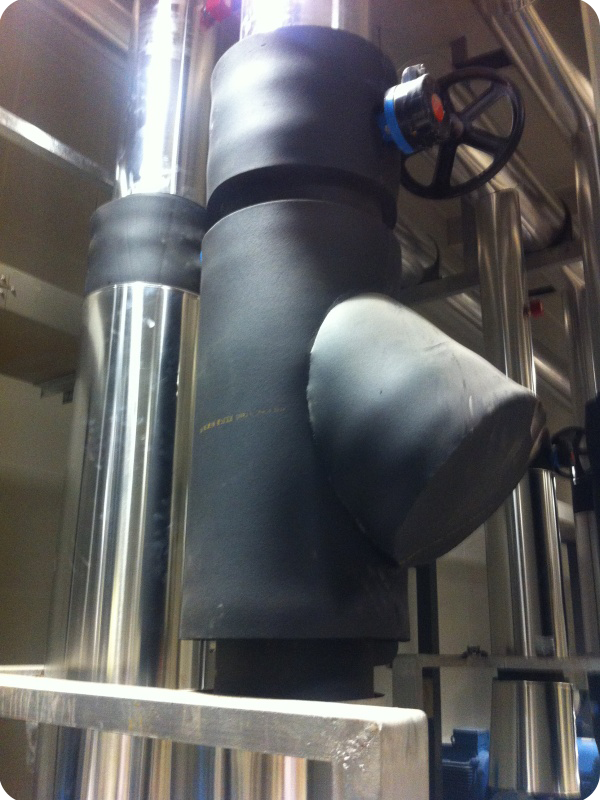
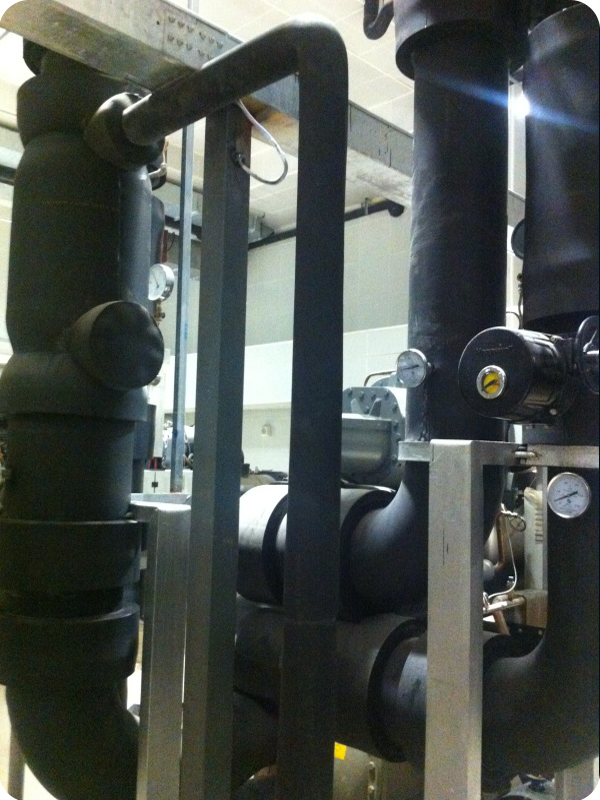
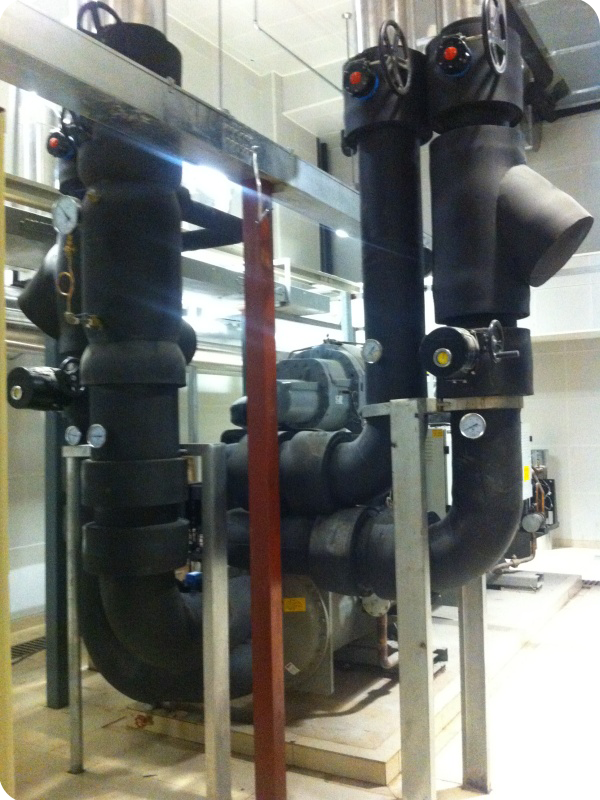
A look at our field installations, product transport, and customer communications.

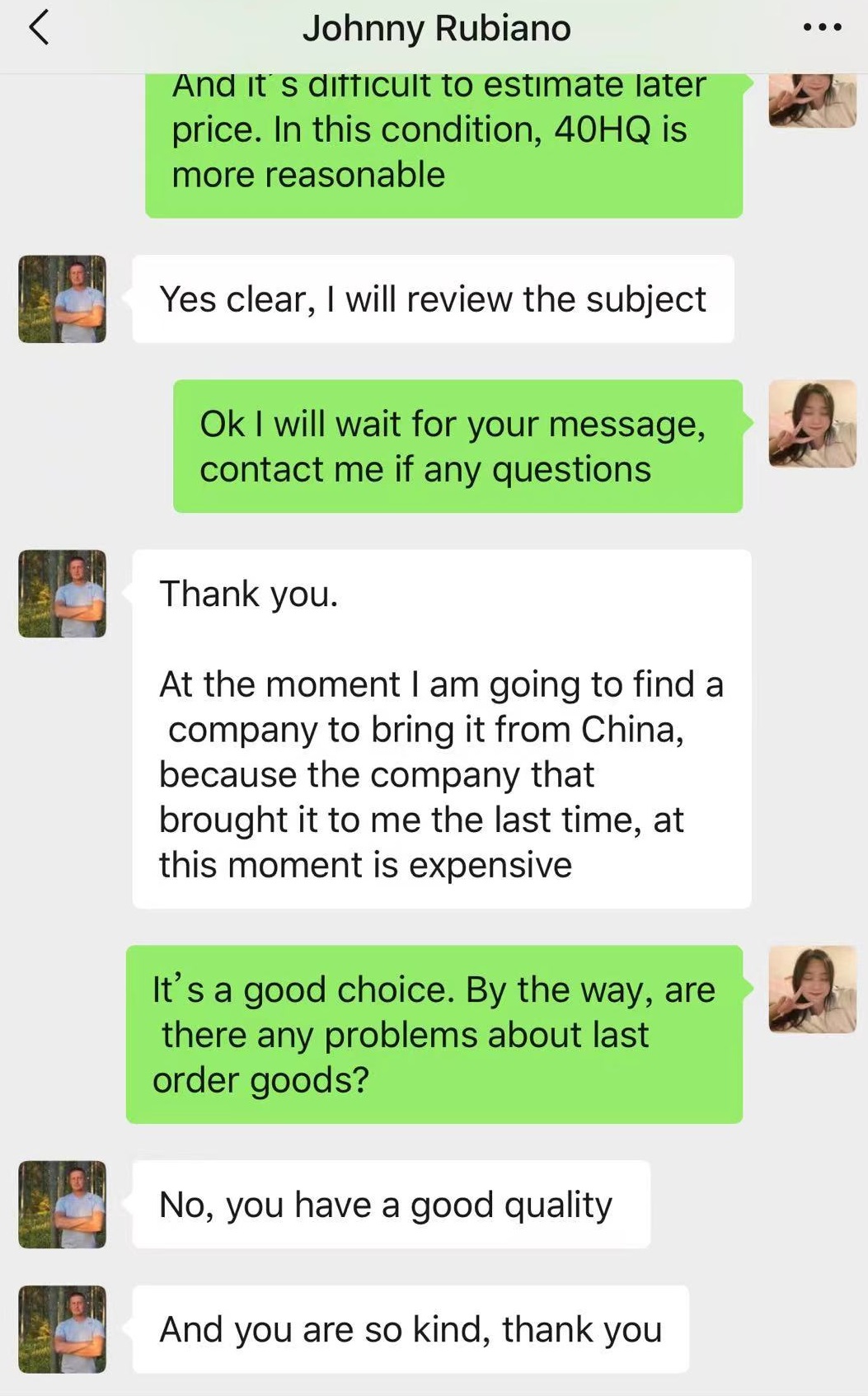




Customer feedback helps verify our product quality and delivery performance for global projects.
Technical answers to common questions about selecting and applying high-temperature rubber foams and insulation materials.
A1: It is primarily used for HVAC duct systems, air conditioning piping, building thermal envelope components, industrial pipeline refrigeration systems, and acoustics or structural noise isolation.
A2: Yes, our elastomeric compounds incorporate specialized flame-retardant additives. The finished materials comply with international building standards, including BS 476 Part 6 & 7 (Class 0 rating), UL94, and ASTM fire testing protocols.
A3: Rubber foam is a flexible, closed-cell polymer that resists moisture, making it suitable for HVAC systems and condensation control. Rock wool is a fibrous mineral material designed for higher temperature limits and fire barrier applications.
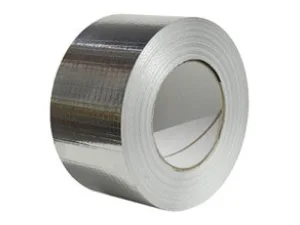
A4: Yes, we provide OEM and ODM manufacturing services to meet specific thickness, diameter, and density requirements, as well as laminated finishes like aluminum shielding.
A5: Kingflex materials hold certifications under international safety and environmental regulations, including BS 476, CE, REACH, RoHS, UL94, and ASTM.
A6: Yes, each batch undergoes factory logging, linking production parameters, raw material certificates, and quality control reports to unique batch codes printed on the shipping packaging.
A7: We produce sheet insulation in standard thicknesses ranging from 6mm to 50mm, allowing selection based on project requirements.
A8: When installed according to manufacturer guidelines, Kingflex rubber foam has a typical service life of 10 to 15 years, depending on operating and environmental conditions.
Specific products designed for specialized HVAC layouts, low-temperature systems, and heavy industrial applications.




 Kingflex