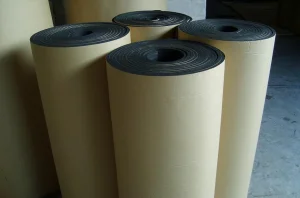
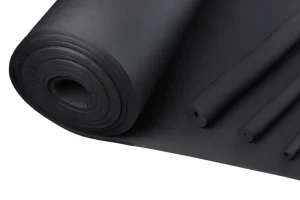
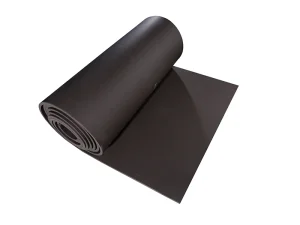
Engineered high-performance insulation systems directly from China's leading ISO-certified factories. Click to explore specification parameters and request detailed quotes.
In modern industrial engineering and building service design, energy conservation is no longer just a regulatory constraint—it is a critical economic performance indicator. Pipe insulation serves as the frontline thermal barrier in HVAC systems, cryogenic lines, high-temperature steam distribution networks, and chemical processing plants. Implementing a strategic, data-driven insulation system directly mitigates continuous operating expenses (OPEX) and secures structural reliability.
Choosing the right insulation thickness, material chemistry, and installation method requires precise mathematical planning. Without an optimized Pipe Insulation Cost Calculator, engineering procurement processes are prone to over-specifying, which elevates Capital Expenditure (CAPEX), or under-specifying, leading to condensation, mold growth, heat loss, and premature pipeline failure. This whitepaper analyzes these calculations, detailing the real cost variables and highlighting the technical innovations driving the next generation of closed-cell elastomeric foams and mineral fiber technologies.
A professional calculator determines insulation thickness based on thermodynamic equations to prevent condensation and minimize heat transfer.
The rate of heat transfer through an insulation layer is directly proportional to its thermal conductivity (k-value) and the temperature difference across the layer, divided by the thickness of the insulation.
In cold supply and HVAC lines, calculations must ensure that the outer surface temperature of the insulation remains above the ambient dew point to completely eliminate water condensation.
Calculations take surface geometry, ambient wind velocities, and protective cladding surface emissivity (e.g., aluminum foil jackets vs. plain black foam rubber surfaces) into consideration.
| Parameter Required | Technical Unit | Impact on Cost & Thickness Calculation |
|---|---|---|
| Line Medium Temperature | °C or °F | Determines the thermal gradient. Higher deviations from ambient require thicker insulation. |
| Ambient Humidity & Temp | % RH / °C | Crucial for cold systems. Higher humidity necessitates thicker walls to prevent condensation. |
| Thermal Conductivity (k-value) | W/(m·K) | Lower values mean thinner insulation layers can achieve the same performance, reducing space requirements. |
| External Jacket Emissivity | ε (Dimensionless) | High-emissivity finishes release radiation more effectively, reducing the thickness needed to prevent sweating. |
From cryogenic pipelines to high-temperature steam lines, industrial applications demand specialized material specifications.
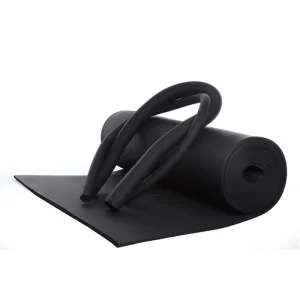
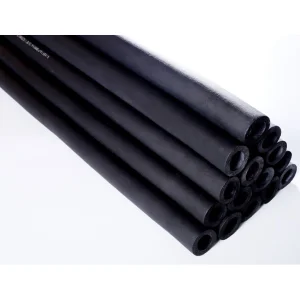
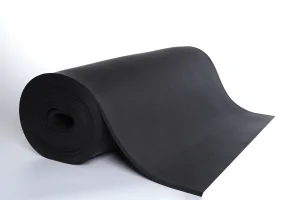
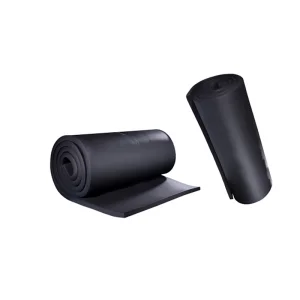
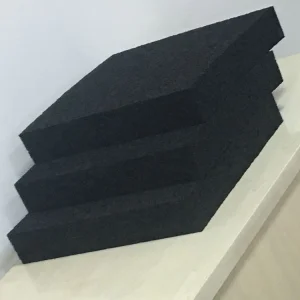
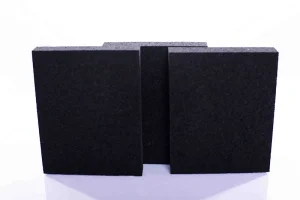
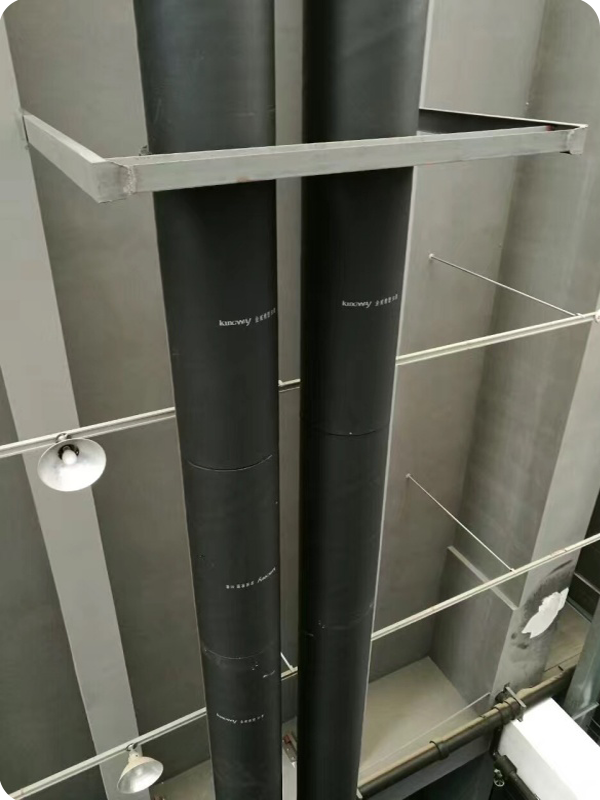
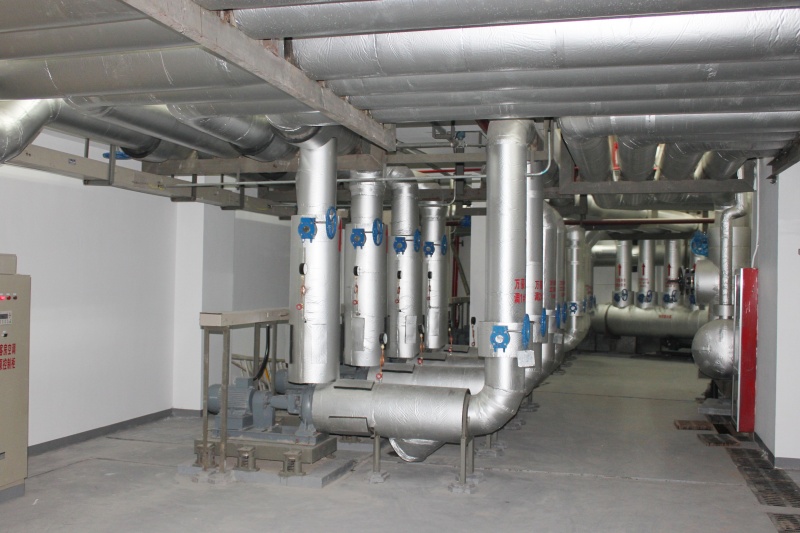
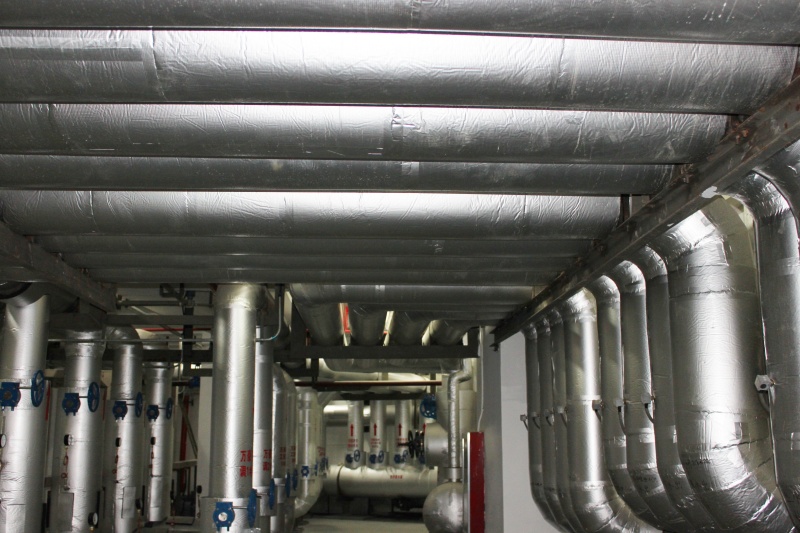
Modern mega-structures, commercial hotels, healthcare facilities, and transport centers rely on massive centralized cooling networks. Using NBR/PVC closed-cell rubber foam insulation sheets and tubes (such as the Kingflex elastomeric systems) prevents thermal leakage in ventilation ducts, chilled water pipes, and condensate drains. The uniform cell size guarantees a high water vapor diffusion resistance (μ ≥ 10,000), protecting building structures from mold and moisture damage.
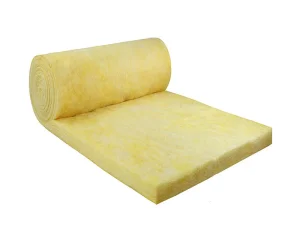
Industrial process plants move steam, petroleum fluids, and chemical reagents at elevated temperatures. For these scenarios, high-density rock wool thermal insulation blankets and boards provide reliable fire protection and high thermal resistance. They can withstand temperatures over 650°C, preventing thermal loss and keeping process parameters stable.

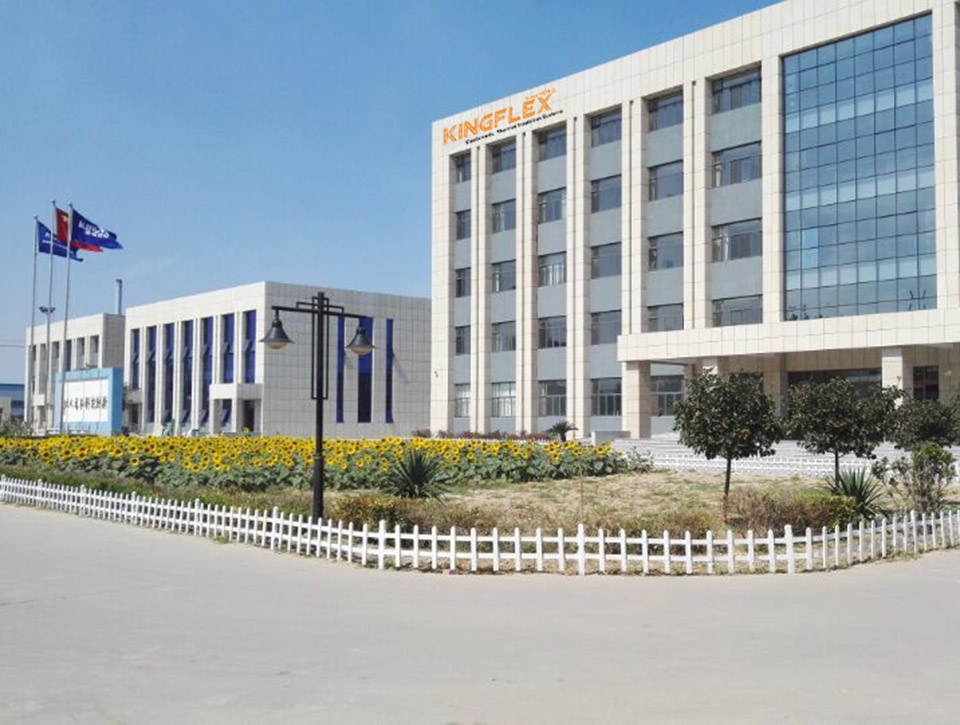
Kingflex Insulation Co., Ltd. combines advanced manufacturing facilities with research departments located in Dacheng, China—the country's hub for green building materials.
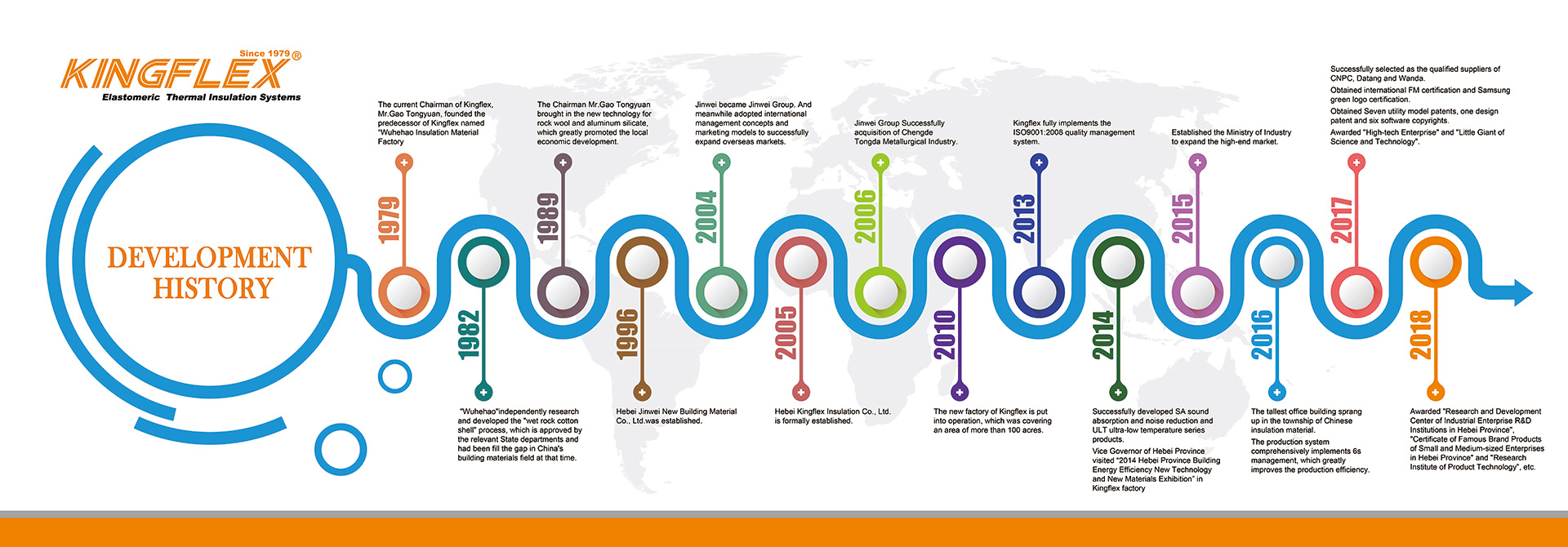
Established by the Jinwei Group, Kingflex has operated as a leading supplier of thermal insulation north of the Yangtze River. The company focuses on energy conservation and consumption reduction in all aspects of production.
Our team brings together professional R&D engineers and international sales specialists. This combined expertise ensures our clients receive first-class service from consultation through final installation. We provide integrated solutions for thermal insulation, cold preservation, and noise reduction across building systems and heavy industries.
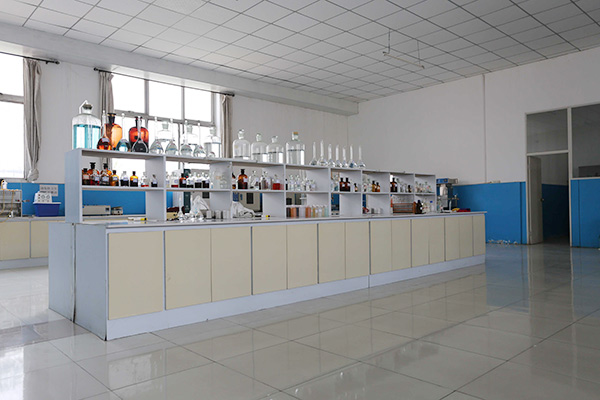
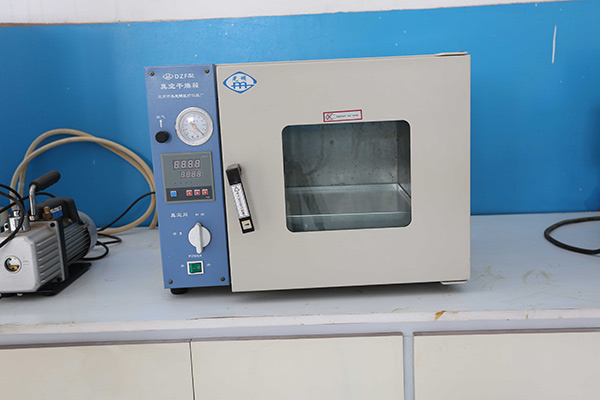
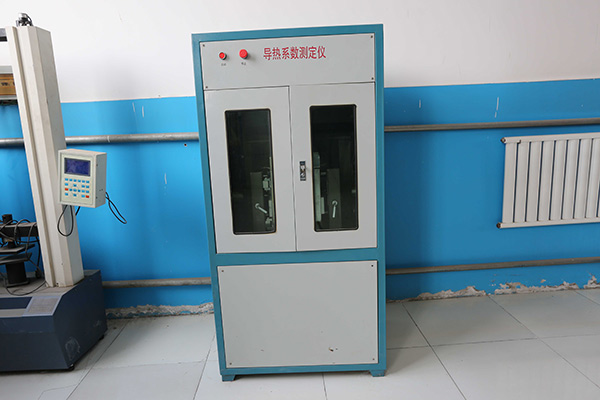
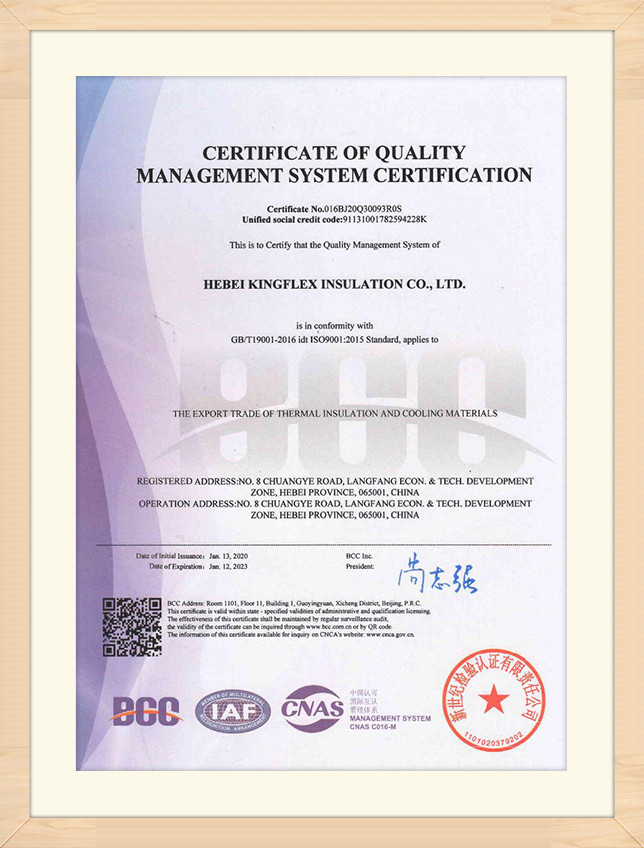
Global engineering requires alignment with strict regulatory regimes. Kingflex products undergo rigorous verification processes.
International construction codes demand fire-rated, non-toxic materials. Kingflex products comply with European, American, and British standards, ensuring smooth site approvals worldwide. They have passed certifications like BS 476, CE, REACH, RoHS, UL94, and ASTM.
Our raw material tracking systems ensure traceabilty for every batch of rubber foam, fiberglass, and rock wool. This reliable quality control makes Kingflex a designated partner for national energy, power, and chemical infrastructure projects.
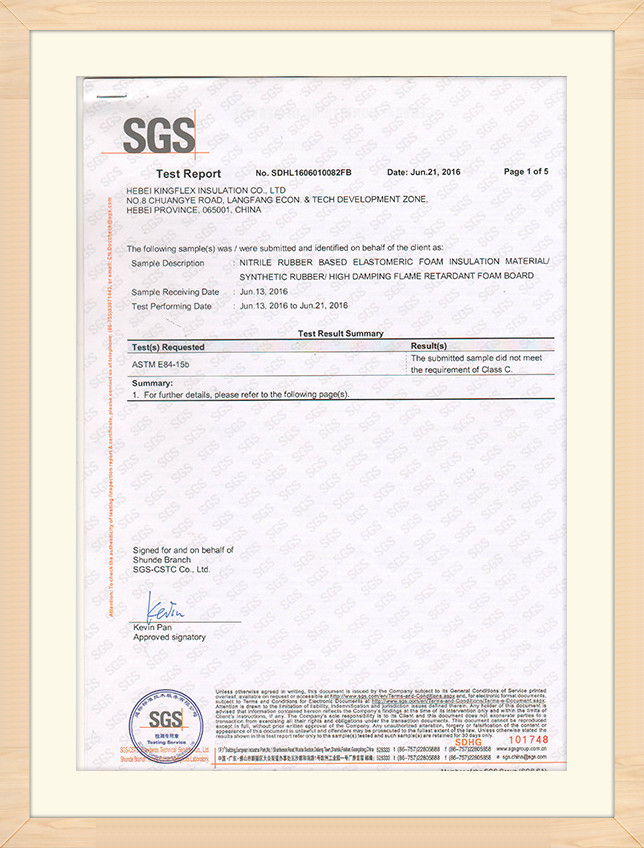
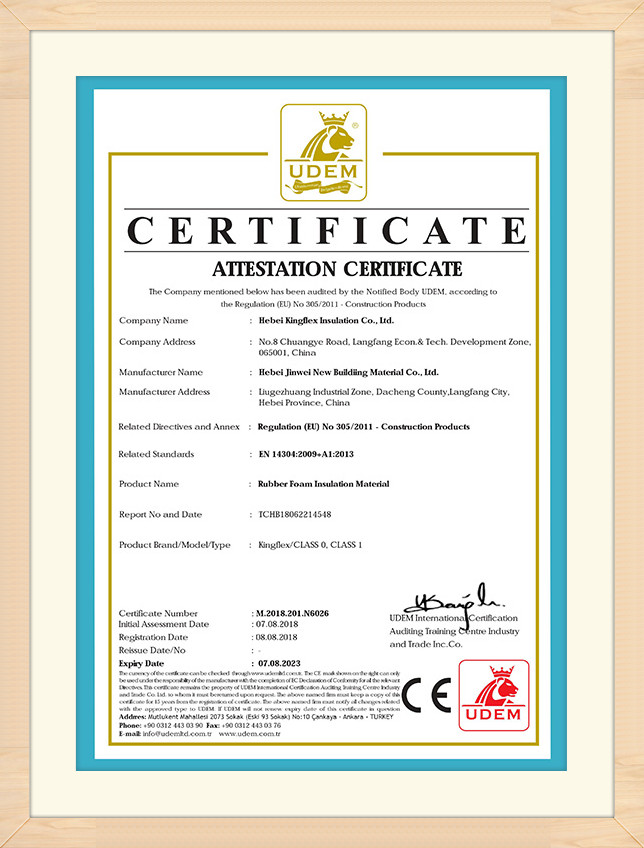
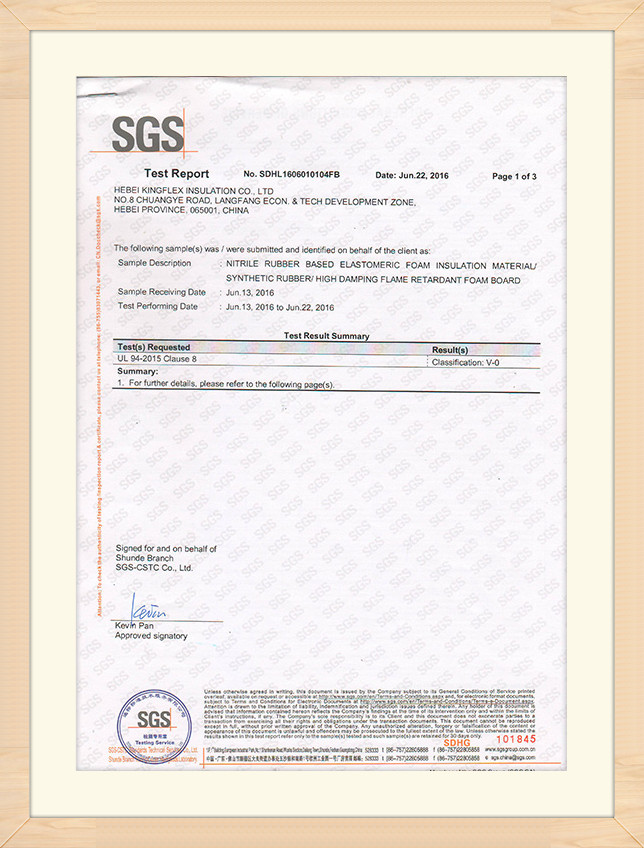
Technical parameters of our rubber foam sheets and tubes, supported by proven project tracking.
Features over 98% closed cells, ensuring stable thermal conductivity and minimal water absorption over long lifetimes. Our compression resilience stays above 80% under mechanical loads, and the flame-retardant formulation self-extinguishes instantly off fire.
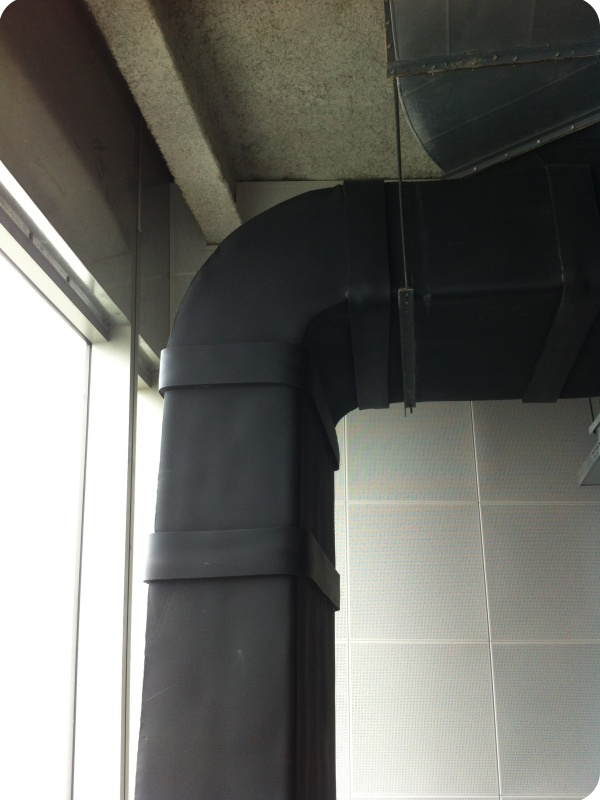

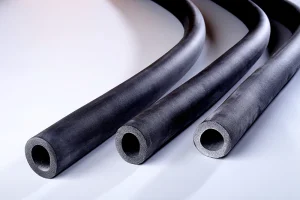
Specially formulated for HVAC pipework, cooling systems, and chemical lines. Precision extrusion and curing equipment guarantee uniform wall thicknesses, making installation quick and effective at preventing pipe freezing or heat gain.
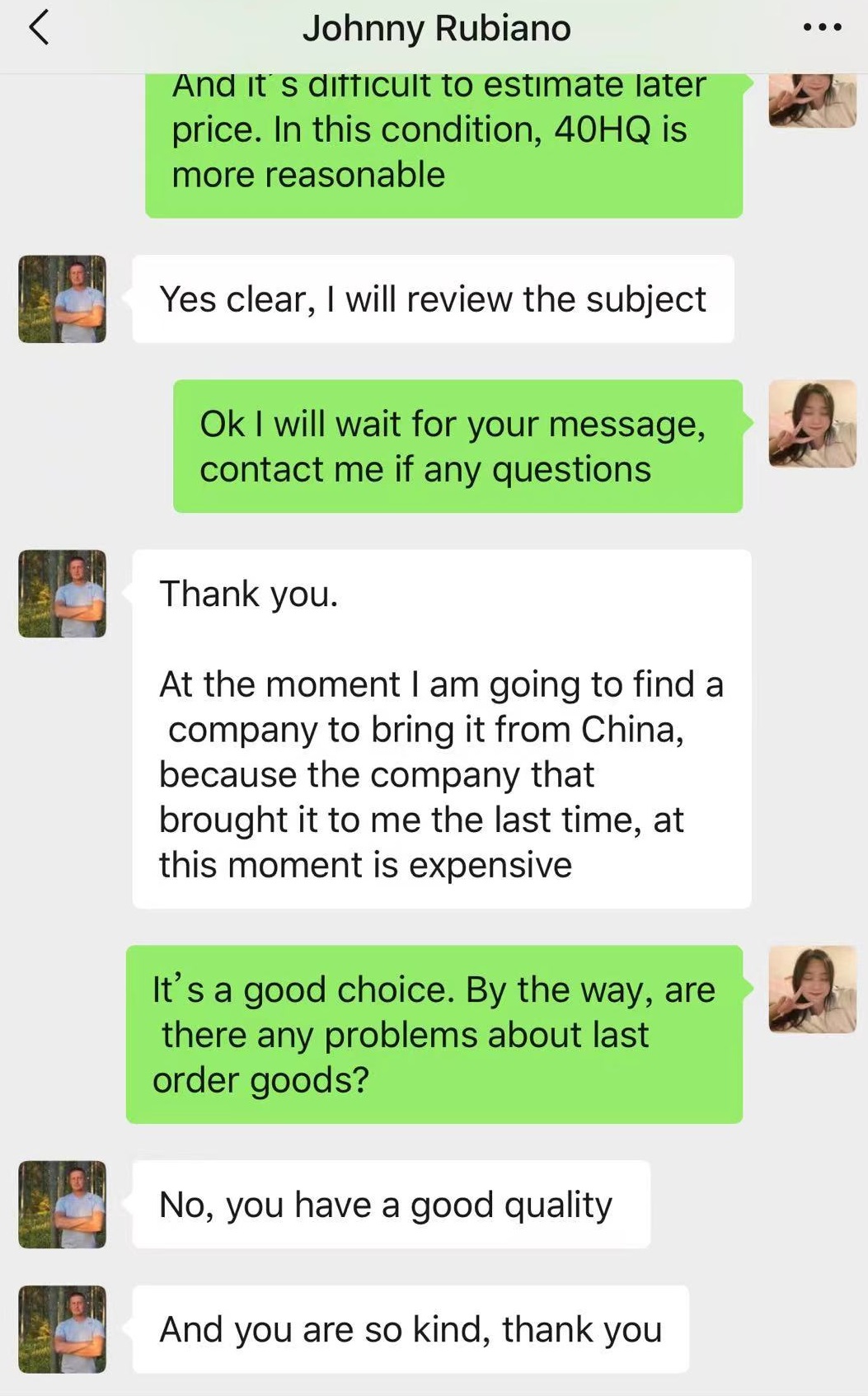
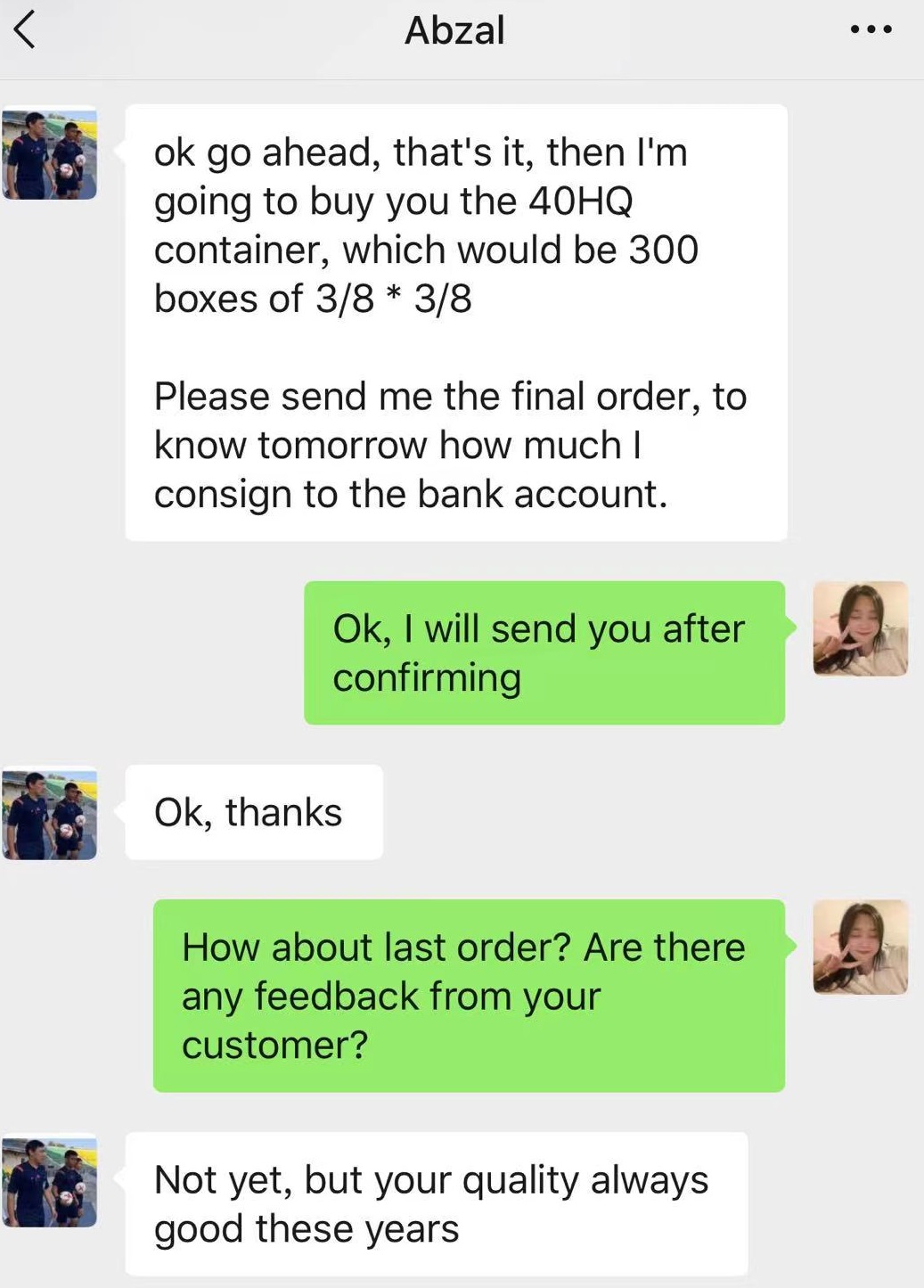
Customer satisfaction and consistent communication logs verify our delivery performance and service response.



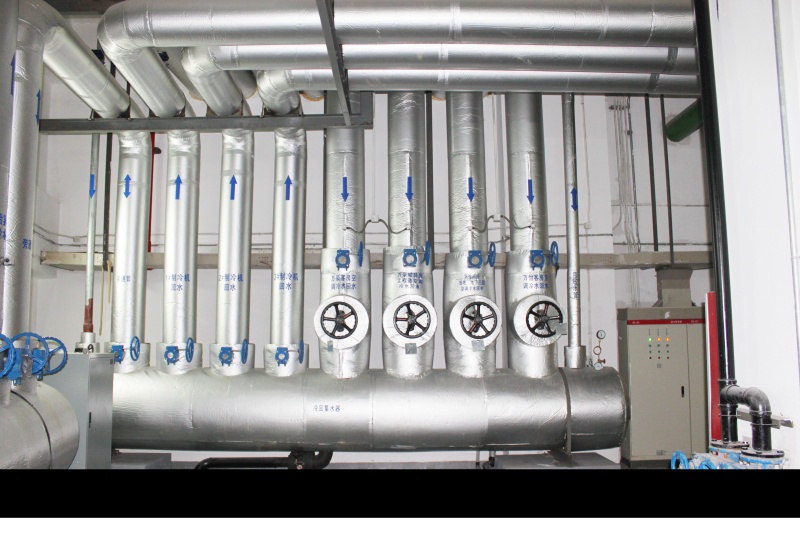
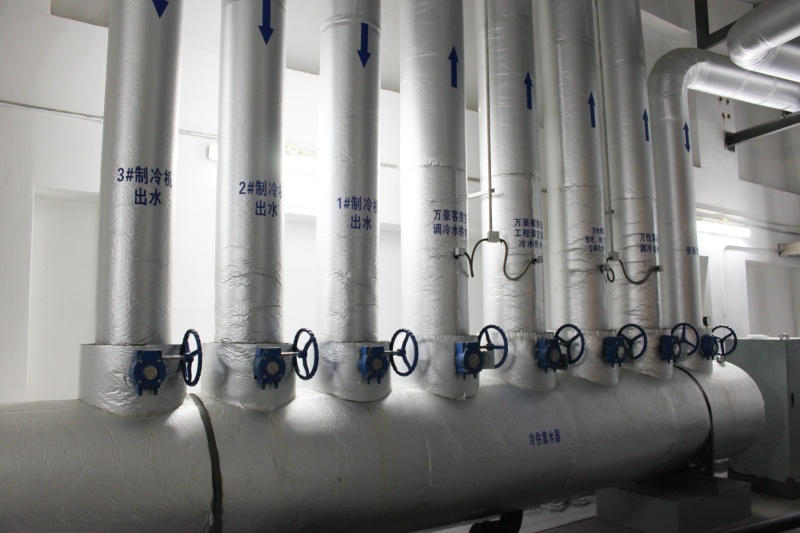
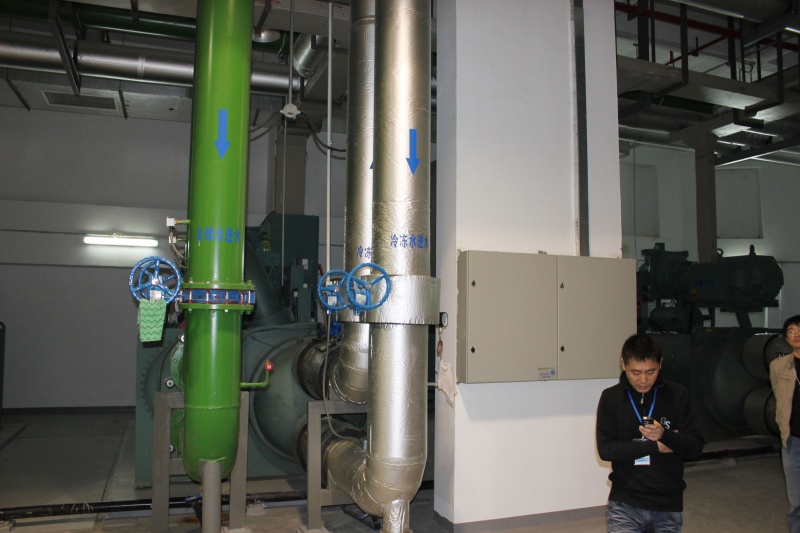
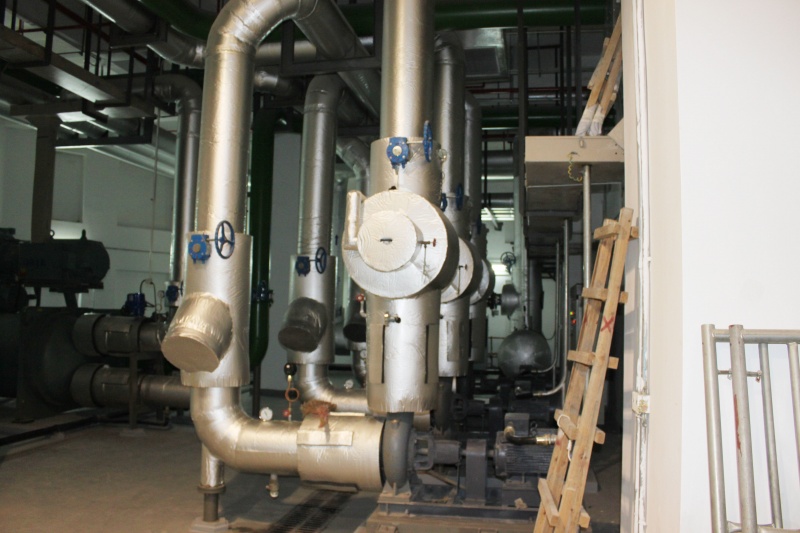
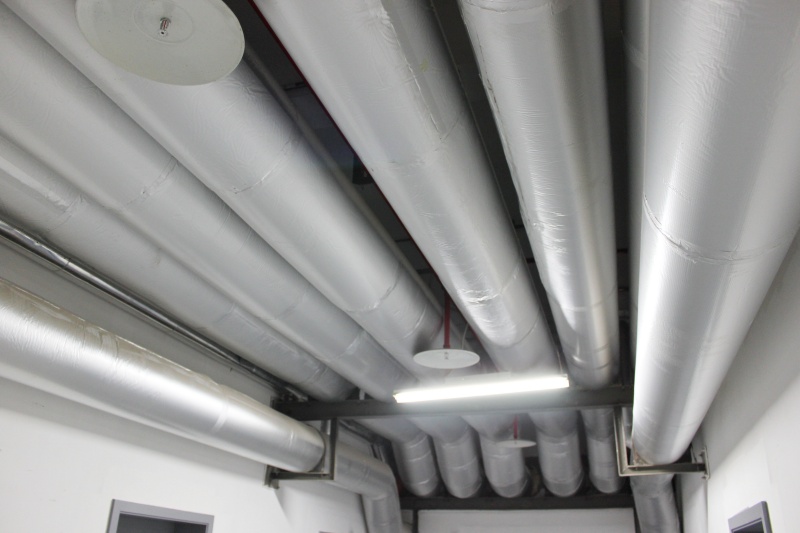

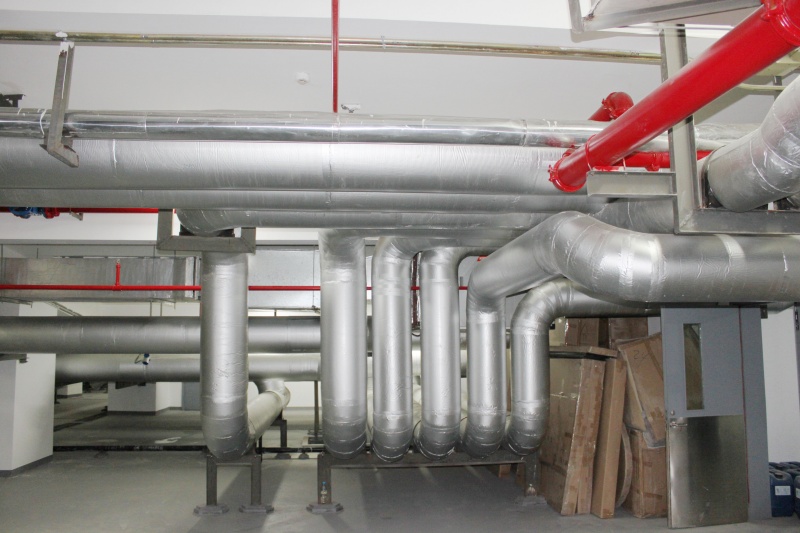

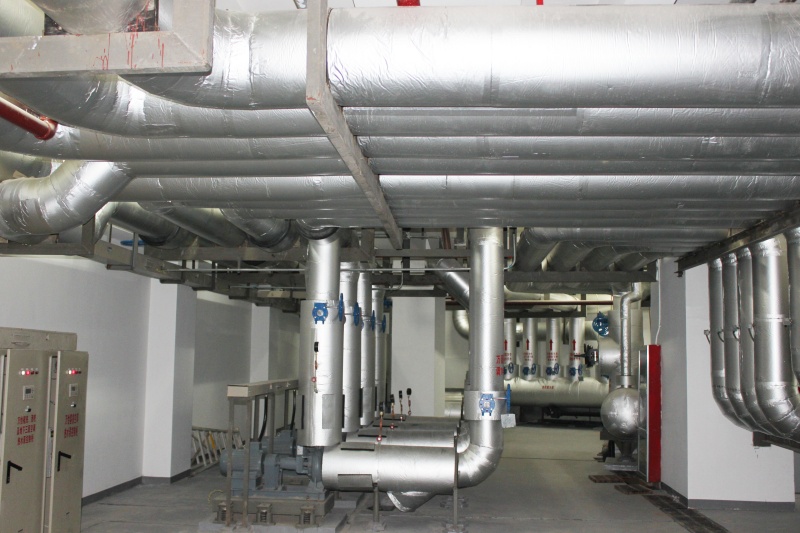
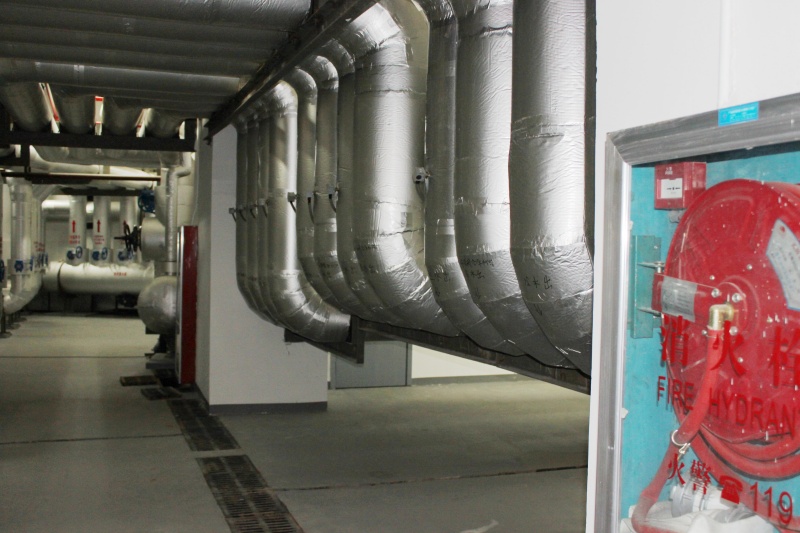
As the global building sector targets net-zero carbon operations, traditional static insulation materials are evolving. Next-generation systems incorporate halogen-free formulations, reduced smoke toxicity, and increased bio-content.
Kingflex continues to invest in green chemistry research. We are optimizing our production lines to lower the carbon footprint of NBR, PVC, and fiberglass products. At the same time, we are adapting our systems to work seamlessly with digital BIM software and automated calculation tools. This allows engineering teams to simulate and monitor thermal performance in real time before and during installation.

Technical advice and parameter specifications directly from Kingflex's engineering team.
Elastomeric rubber foam is a flexible, closed-cell insulation material. It is primarily used for insulating HVAC ductwork, refrigeration lines, hot and chilled water piping, and industrial process pipelines. Its closed-cell structure prevents moisture absorption, making it ideal for systems prone to condensation.
Yes. Kingflex rubber foam insulation contains flame-retardant additives. It meets international fire standards, including BS 476 Part 7 (Class 1) and UL94 testing, making it safe for commercial construction and industrial piping.
Rubber foam is a flexible, closed-cell, moisture-resistant material suited for refrigeration, HVAC systems, and environments with high humidity. Rock wool is a high-density, non-combustible mineral fiber that handles temperatures over 650°C, making it better for industrial steam pipes and high-temperature process equipment.
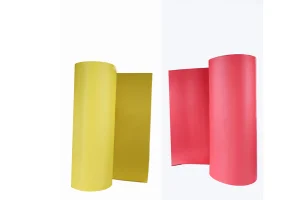
Yes. We support custom OEM production to match specific project requirements. We can customize sheet dimensions, tube diameters, wall thicknesses, colored finishes, and factory-applied protective cladding (like aluminum foil or self-adhesive backings).
Kingflex products are certified to international standards. Our materials hold BS 476, CE, REACH, RoHS, UL94, and ASTM certifications, ensuring compliance with global building and safety regulations.
Yes, every batch of Kingflex products is traceable. We track raw materials, production line parameters, and quality testing runs to ensure consistent performance for large projects.
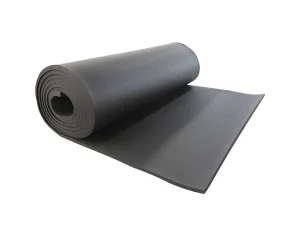
We produce sheet rolls in thicknesses ranging from 6mm to 50mm, allowing engineering teams to choose the exact dimension required by their design parameters.
Under normal operating conditions and with proper installation, Kingflex rubber foam systems have a service life of 10 to 15 years.
Calculators use standard physical formulas (like ISO 12241). They evaluate inputs such as line temperature, ambient temperature, relative humidity, pipe size, and material k-value to determine the minimum thickness needed to prevent surface condensation or limit heat loss to target levels.
NBR/PVC blends offer high mechanical strength, good resistance to oil and chemicals, and excellent fire safety properties. This combination makes them cost-effective and highly reliable for standard commercial and industrial piping.
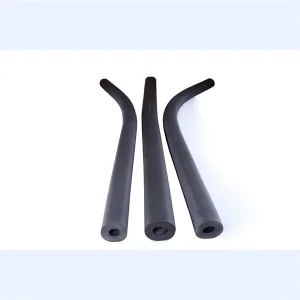
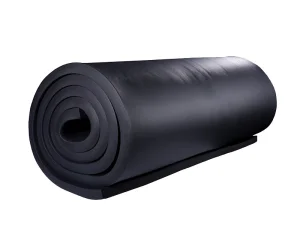
Review our standard product offerings below. All items are available for bulk ordering with customized packaging and shipping options.
 Kingflex