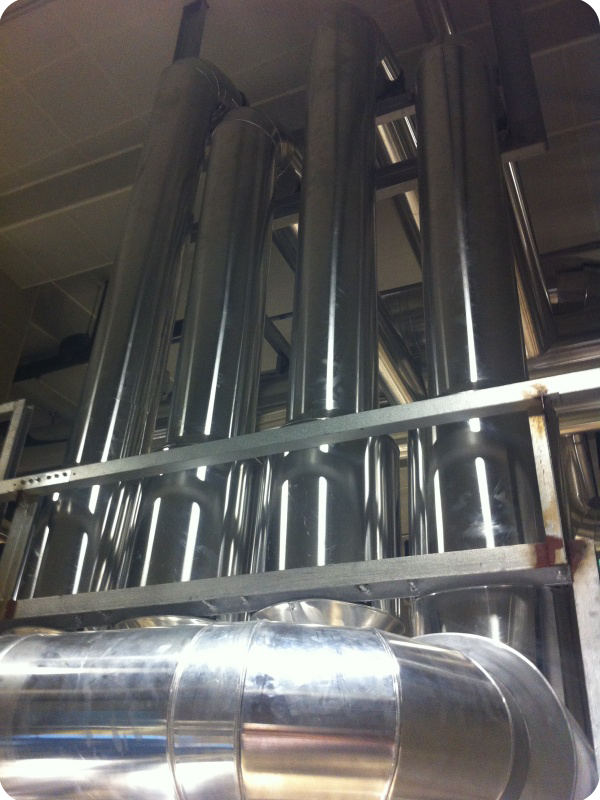
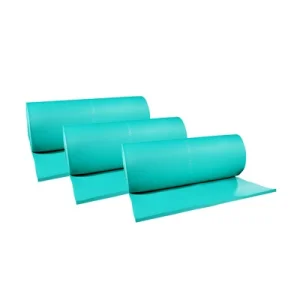
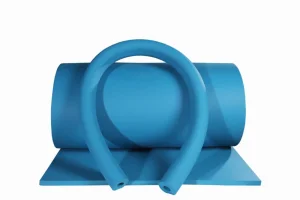
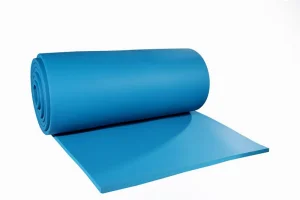
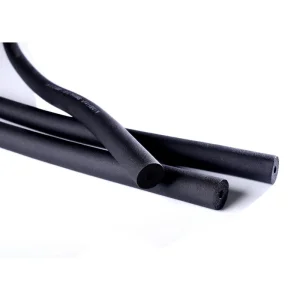
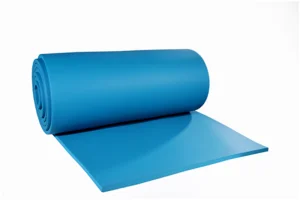
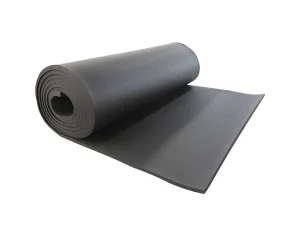
High-performance elastomeric NBR/PVC foam sheet rolls, insulation pipes, and customized thermal barriers engineered specifically to withstand rigorous marine and offshore environments.
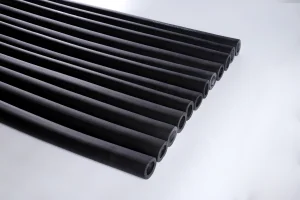
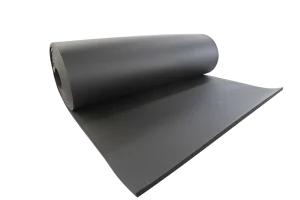
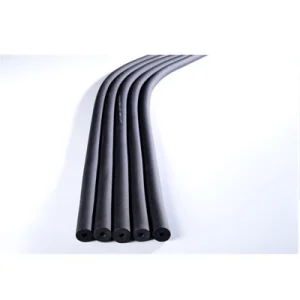
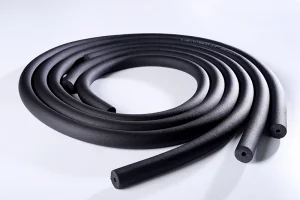
A technical whitepaper examining thermal efficiency, fire safety compliance, and macro-level design paradigms for modern vessel production.
The global marine construction sector is undergoing a profound paradigm shift driven by legislative decarbonization targets, structural weight optimization demands, and enhanced crew safety requirements. Traditionally, boat insulation relied heavily on fibrous glass wool or rock wool matrices. While showing adequate fire performance, these materials have historically suffered from Corrosion Under Insulation (CUI)—a destructive phenomenon where seawater ingress causes rapid, hidden oxidation on metal hulls and aluminum bulkheads.
Modern yacht design, naval architecture, and commercial shipping yards now prioritize advanced elastomeric NBR/PVC closed-cell foam insulation systems. Because NBR/PVC systems possess an inherently high moisture resistance factor (typically μ ≥ 10,000) and form a continuous, flexible moisture barrier directly against the metal substrate, they mitigate the risk of condensation and CUI. Additionally, the industry is transitioning toward materials with low flame, smoke, and toxicity ratings that align with international standards such as the International Maritime Organization (IMO) Fire Test Procedures (FTP) code.
Procurement directors and supply chain managers in international shipyards evaluate raw materials based on a rigorous matrix of technical compliance, dimensional stability, and consistent supply capacity. With global maritime shipping and pleasure craft sales seeing steady annual increases, procurement departments face several challenges:
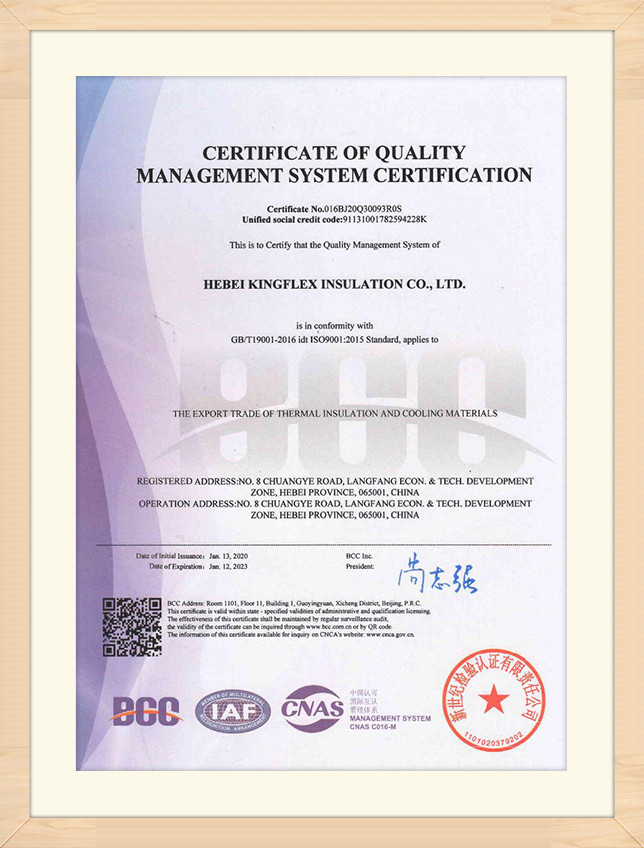
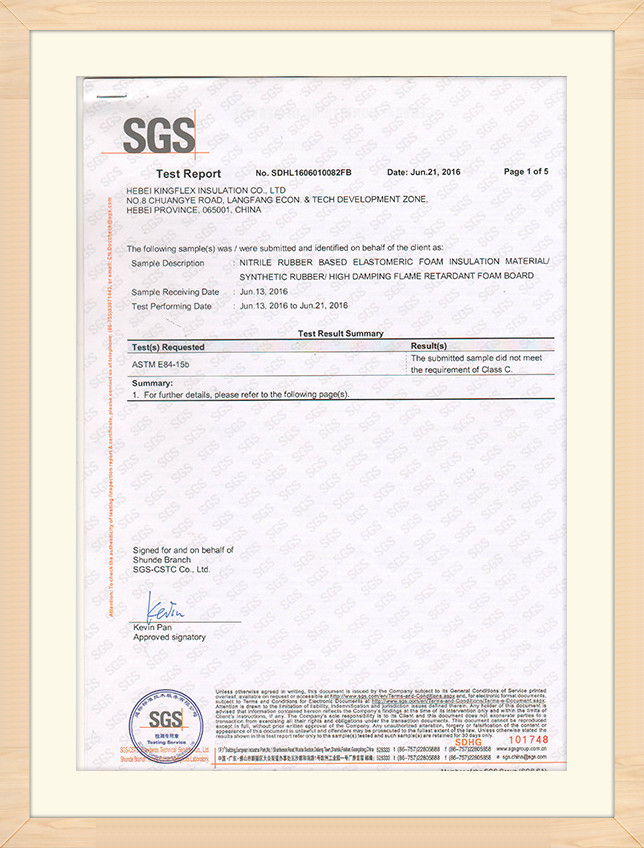
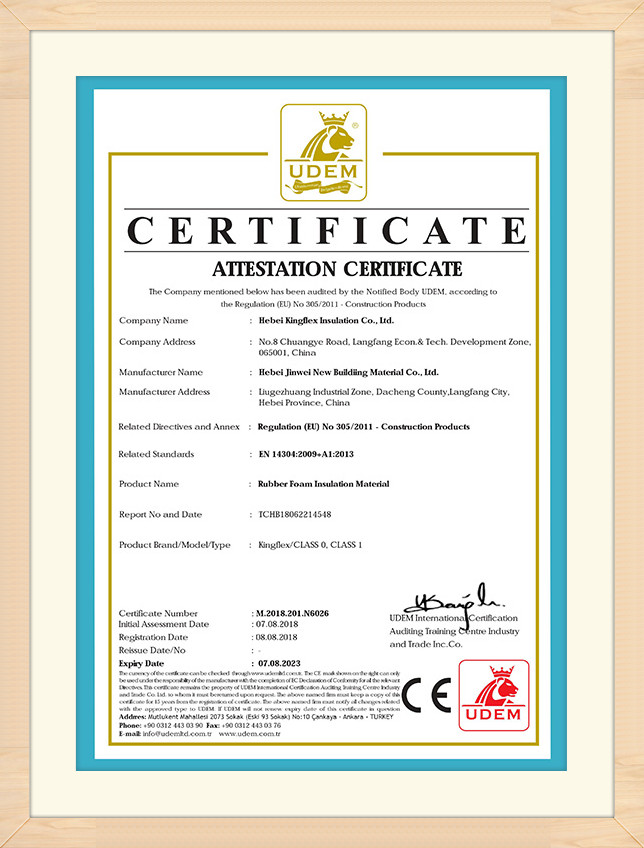
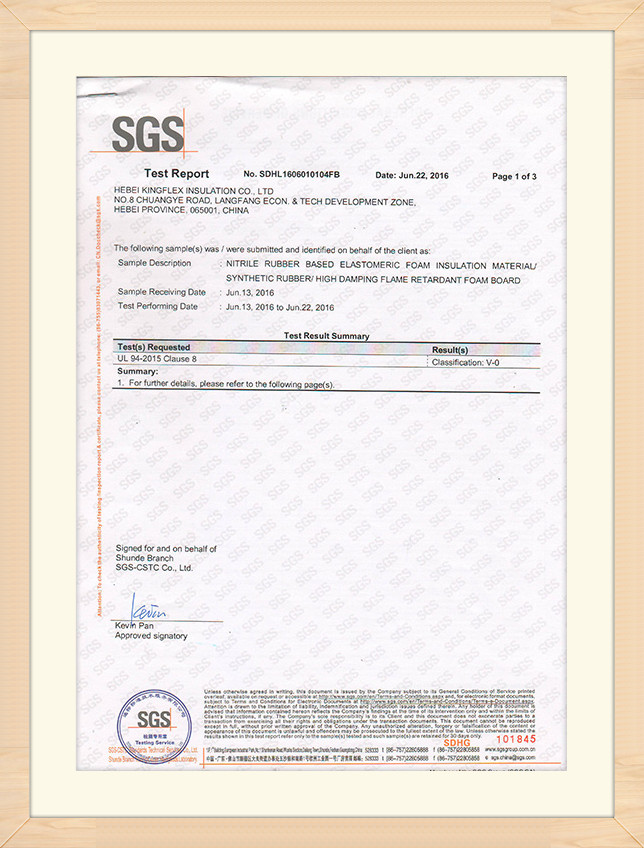
Materials must feature documented traceability back to raw chemical feedstocks, complying with major regulatory frameworks like REACH and RoHS, and holding certifications from bodies such as UL94, CE, BS 476, and ASTM.
Shipyards operate on critical, multi-million-dollar drydock schedules. A failure to deliver insulation products on time halts subsequent outfitting. Partnering with a manufacturer like Kingflex, which runs 5 large automatic assembly lines with a capacity exceeding 600,000 cubic meters annually, ensures projects remain on schedule.
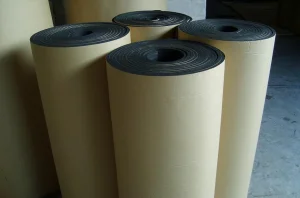
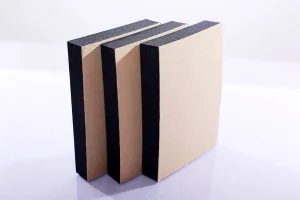
Modern vessel hulls, complex pipe runs, and compact engine spaces call for non-standard dimensions. Suppliers must support custom thicknesses (from 6mm up to 50mm) and custom self-adhesive laminations directly at the factory stage to reduce on-site labor overhead.
Effective marine design requires integrating thermal, acoustic, and anti-condensation engineering into a single structural design. Below, we detail three critical macro-level solutions:
| Vessel System / Zone | Primary Technical Risk | Elastomeric Insulation Engineering Solution |
|---|---|---|
| HVAC & Chilled Water Pipe Networks | Condensation drop causing structural water damage, interior mold growth, and localized pipe corrosion. | Application of closed-cell elastomeric pipes (NBR/PVC) with low thermal conductivity (λ ≤ 0.034 W/m·K at 0°C) ensuring surface temperature stays above dew point. |
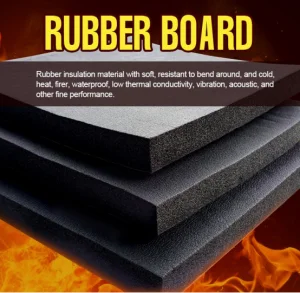
| Engine Rooms & Mechanical Compartments | Extreme radiant heat transfer to living quarters; structure-borne noise and airborne acoustic frequencies. | Dual-layer application of high-density sound dampening rubber sheets integrated with fire-retardant Kingflex acoustic absorption panels. |
| Cryogenic Cargo & LNG Storage Hulls | Thermal bridging leading to localized hull freezing, compromising structural steel elasticity. | Specialized cryogenic-grade rubber foam systems configured to withstand operating temperatures down to -40°C (and cryogenic parameters for low temp systems). |
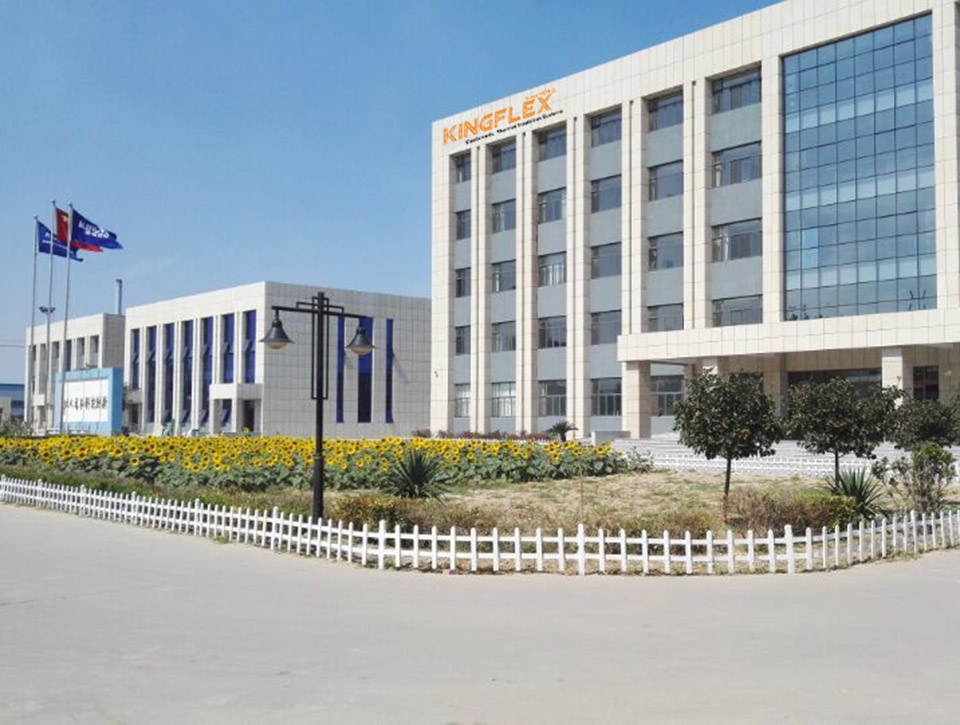
Kingflex Insulation Co., Ltd. functions as a professional manufacturing and trading combo for high-performance thermal and acoustic insulation products. Our research, development, and primary production facility is located in Dacheng, China—historically recognized as the capital of green-building materials. As an energy-saving, environmentally conscious enterprise, Kingflex integrates the entire lifecycle of insulation solutions, from initial chemical formulation and R&D to automated production, logistical tracking, and post-sale technical support.
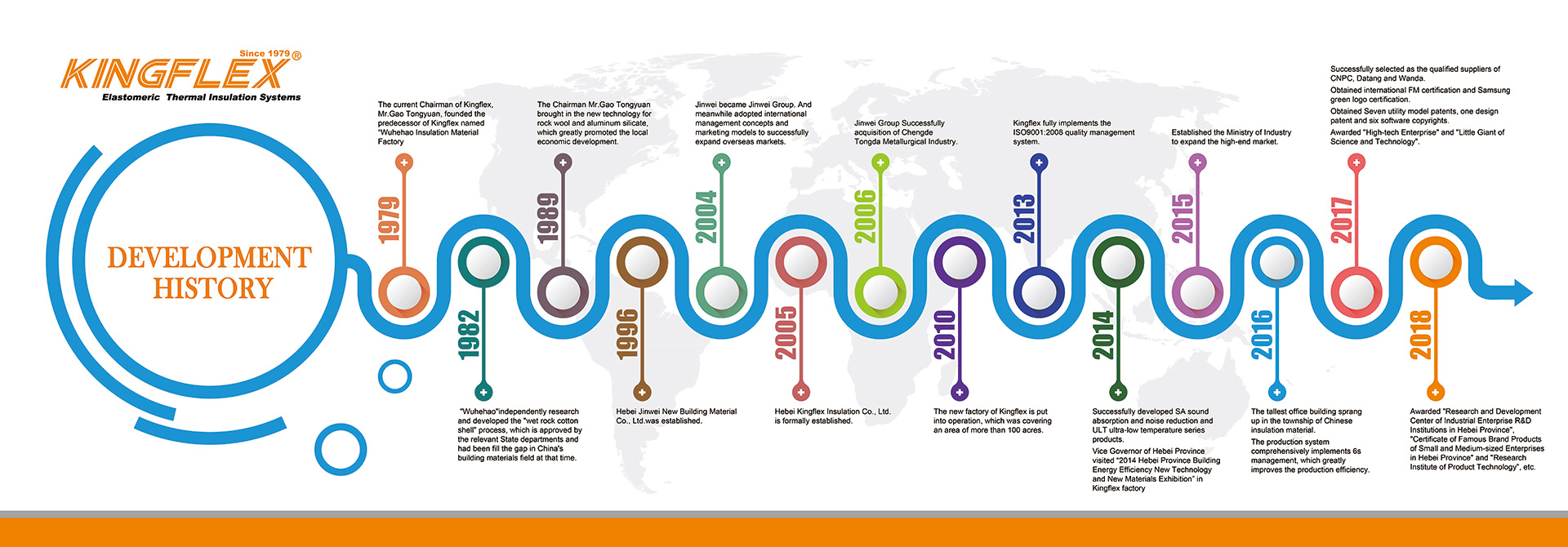
Established by the Jinwei Group, which possesses a manufacturing history extending back to 1979 (serving as the first manufacturer of thermal insulation northern of the Yangtze River), Kingflex leverages over four decades of thermal management expertise. Our workforce includes 8 dedicated R&D engineers, 6 international sales specialists, and 230 production workers. Our operations emphasize energy-saving technologies and consumption reduction, aiming to supply global shipping, building, and industrial HVAC markets with premium materials.
Direct engineering data for Black Rubber Foam Insulation Sheet Rolls and Pipes. All measurements align with standard marine inspection procedures.
Kingflex Standard Dimensions & Key Parameters:
Engineered Advantages:
Kingflex Standard Dimensions & Key Parameters:
Engineered Advantages:
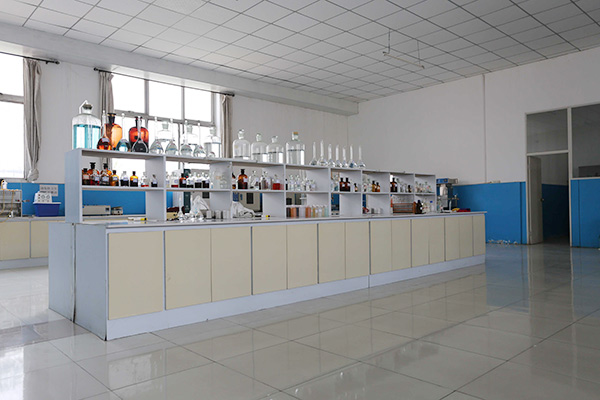
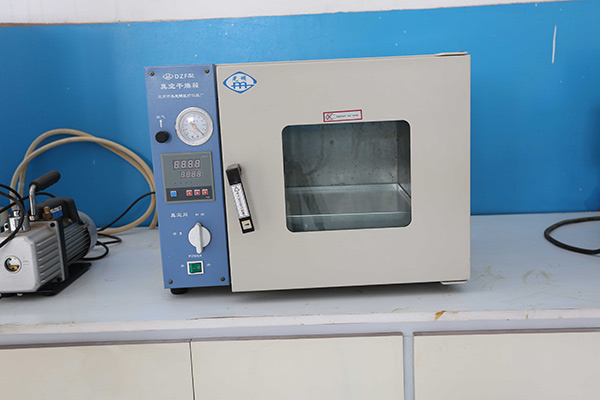
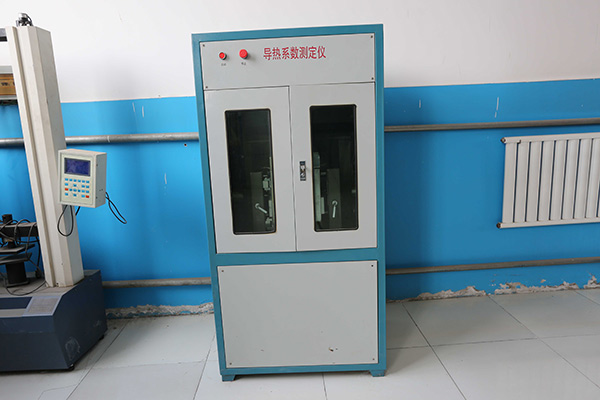
Our infrastructure supports continuous production to feed large international projects. Here is a visualization of our production capacity, certified laboratories, and specialized logistics networks:
Building boats for different jurisdictions requires navigating complex regulatory standards. Kingflex maintains a global network of regulatory specialists to help clients meet local requirements, including US Coast Guard (USCG) guidelines, European Marine Equipment Directive (MED) standards, and East Asian Lloyd's Register certifications. Our quality management system enforces tracking protocols from chemical compounding to delivery, providing physical batch traceability for every square meter produced.
Kingflex's R&D focus is centered on next-generation environmental compliance and structural optimization. Our engineering roadmaps include the following primary initiatives:
Answers to engineering and procurement questions regarding marine-grade closed-cell rubber foam insulation systems.
Transparent documentation of global partnerships, shipyard inspections, and customer feedback.
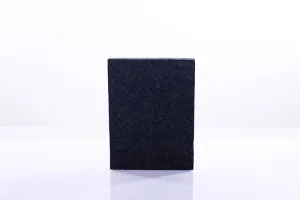
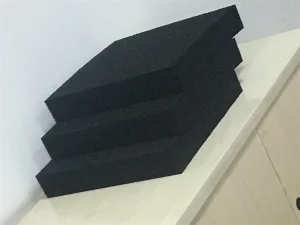
Select from our specialized NBR/PVC formulations, sound-absorbing acoustic panels, and high-temp industrial rock wool systems.
 Kingflex