In modern architectural engineering and complex HVAC configurations, material fire safety behavior is non-negotiable. BS 476 Part 7 refers to the British Standard test method for assessing the lateral spread of flame along the surface of a specimen in the vertical position. Achieving a Class 1 classification is a rigorous validation representing the lowest lateral spread of flame, limiting flame spread within extremely strict boundaries during both the 1.5-minute and 10-minute milestones of exposure to radiant heat.
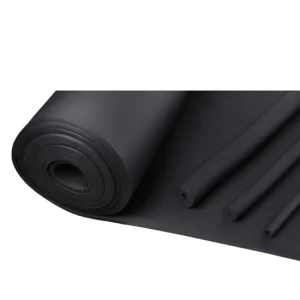
Our elastomeric NBR/PVC rubber foam insulation products are specifically engineered with advanced flame-retardant additives. Under combustion conditions, our insulation creates an interactive carbonaceous shielding barrier. This barrier restricts thermal transition and prevents melting droplets, directly neutralizing fire risk propagation across buildings and pipe corridors. As a premier Chinese manufacturer with deep vertical integration, we deliver systems compliant with BS 476 Class 1 testing to satisfy strict local and international building codes.
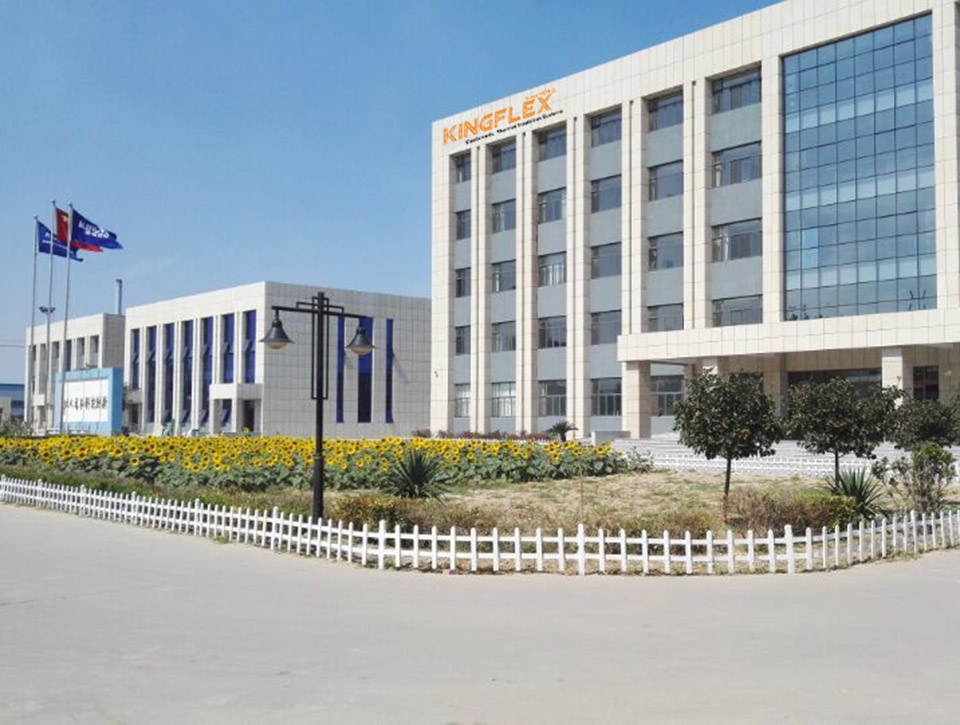
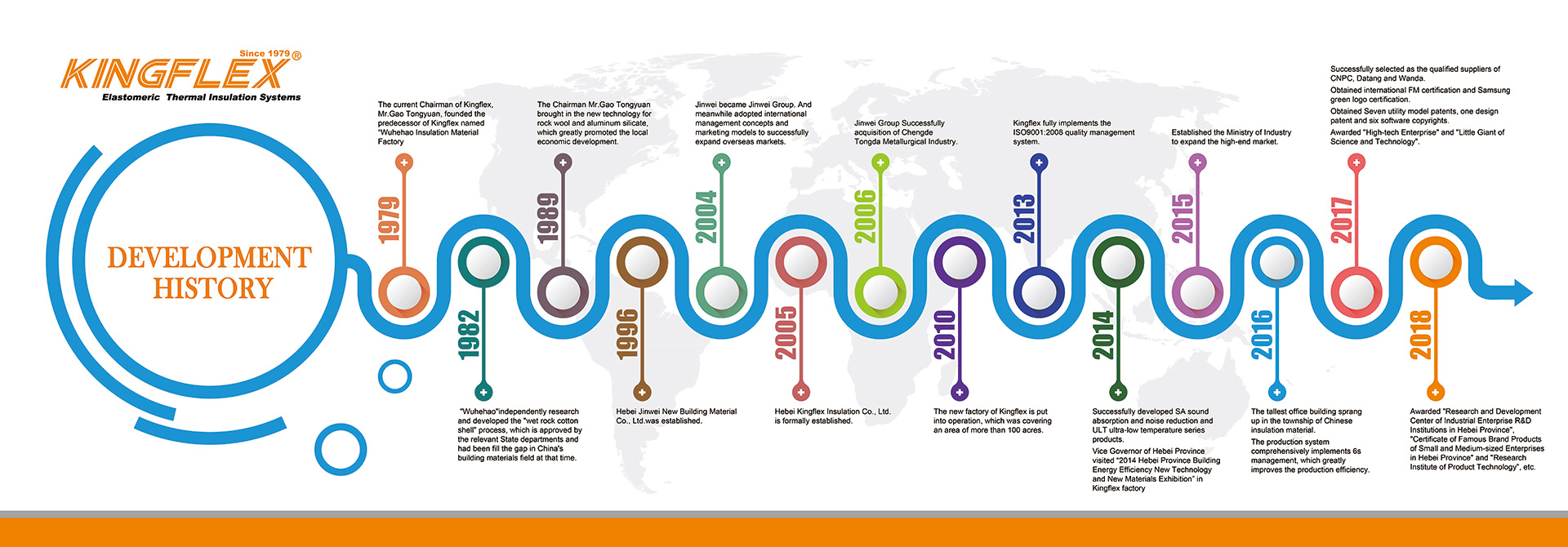
Kingflex Insulation Co., Ltd. is a globally established manufacturing and trading integration, specializing in high-performance thermal insulation products. Our R&D center and state-of-the-art manufacturing plant are strategically located in Dacheng, China—historically recognized as the capital of energy-saving building materials. As a development-centric, green-building technology enterprise, Kingflex centers its operation on system-wide energy conservation and consumption minimization.
We are a member of the prestigious Jinwei Group (also known as Kingway Group), which boasts a rich heritage dating back to 1979. With over 40 years of pioneering production, Jinwei was the first manufacturer of thermal insulation materials north of the Yangtze River. Through this corporate structure, Kingflex integrates centuries-equivalent manufacturing wisdom with modern automation systems to supply premium products worldwide.
Annual Production Capacity (m³)
Years of Manufacturing Heritage
Global Export Destination Countries
Fully Automated Extrusion Lines
A comparative examination of our NBR/PVC closed-cell elastomeric structures, outlining the key parameters that define their fire resistance and thermal protection efficiency.
| Property Description | NBR/PVC Elastomeric Sheet Roll Technical Value | NBR/PVC Elastomeric Pipe/Tube Technical Value |
|---|---|---|
| Material Composition | Premium Nitrile Butadiene Rubber / Polyvinyl Chloride Blend | Premium Nitrile Butadiene Rubber / Polyvinyl Chloride Blend |
| Fire Safety Rating | BS 476 Part 7 Class 1 / UL94 V-0 Classified | BS 476 Part 7 Class 1 / UL94 V-0 Classified |
| Thermal Conductivity (λ) | ≤ 0.034 W/(m·K) at 0 °C (ASTM C518) | ≤ 0.034 W/(m·K) at 0 °C (ASTM C518) |
| Moisture Resistance (μ) | ≥ 10,000 (Closed-cell structure preventing water vapor) | ≥ 10,000 (Closed-cell structure preventing water vapor) |
| Density Range | 40 - 55 kg/m³ | 40 - 55 kg/m³ |
| Thickness Spectrum | 6 mm - 50 mm (Rolls/Sheets) | 9 mm - 40 mm (Pipe Walls) |
| Inner Diameter (ID) Range | N/A (Flat sheet/roll structure) | 6 mm - 114 mm (Universal pipe sizing) |
| Service Temperature Limit | -40 °C to +105 °C (Up to -200 °C for Cryogenic Grade) | -40 °C to +105 °C (Up to -200 °C for Cryogenic Grade) |
Leveraging industrial clusters, continuous automation, and raw material optimization to deliver maximum value to global distributors and buyers.
Equipped with 5 highly advanced, automated continuous extrusion lines, we maintain an annual production capacity exceeding 600,000 cubic meters. This allows us to handle large-volume orders and maintain steady lead times, even during peak global building seasons.
Located in Dacheng, China—the central hub of energy-saving materials—we benefit from an integrated raw material supply chain. This proximity minimizes logistical friction, lowers basic resource costs, and ensures access to the latest polymer additives.
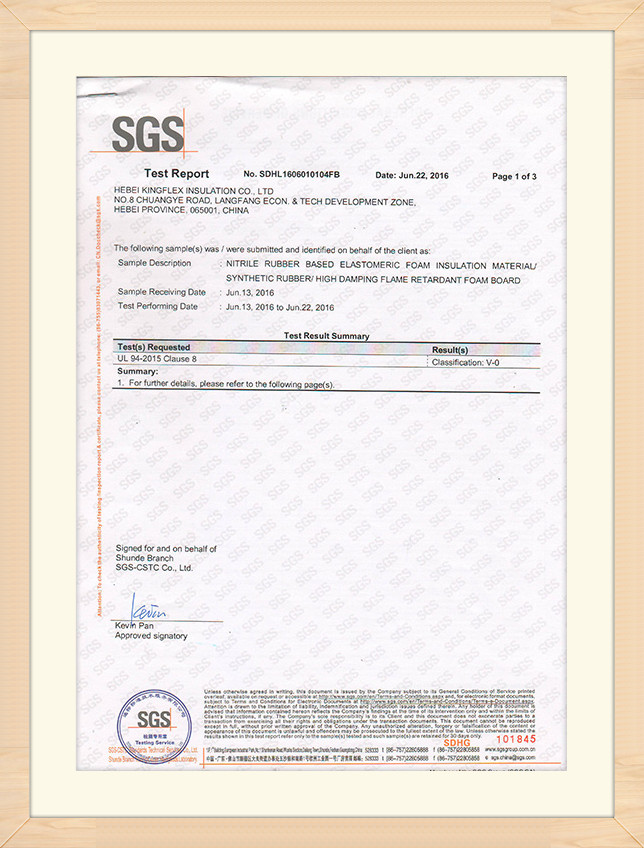
Kingflex is a designated production enterprise certified by the Ministry of Energy, the Ministry of Electric Power, and the Ministry of Chemical Industry. This high level of recognition reflects our reliable quality control and financial stability.
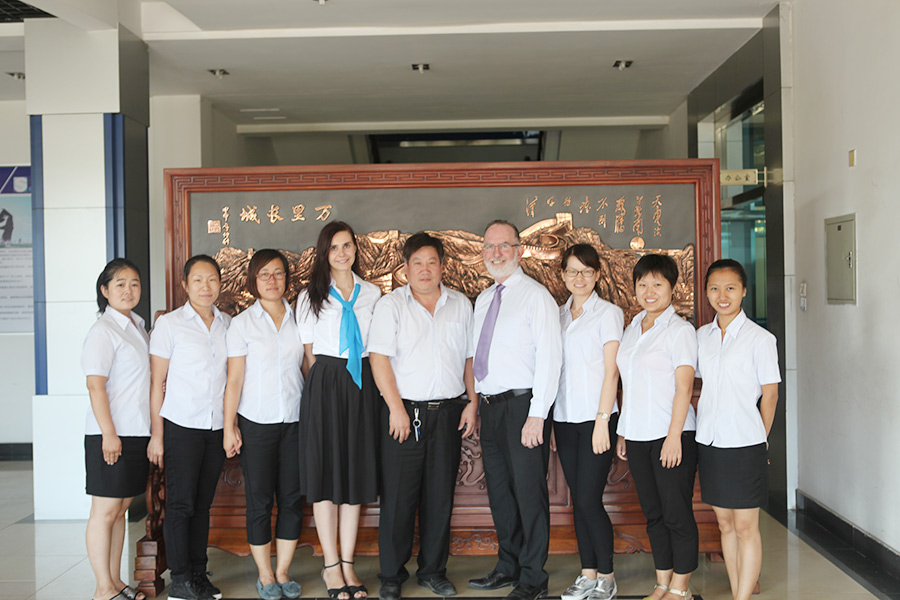
Our workforce combines industry-specific expertise with structural design experience. The Kingflex team consists of 8 professional engineers in our R&D division, 6 international sales consultants, and 230 technicians and manufacturing professionals.
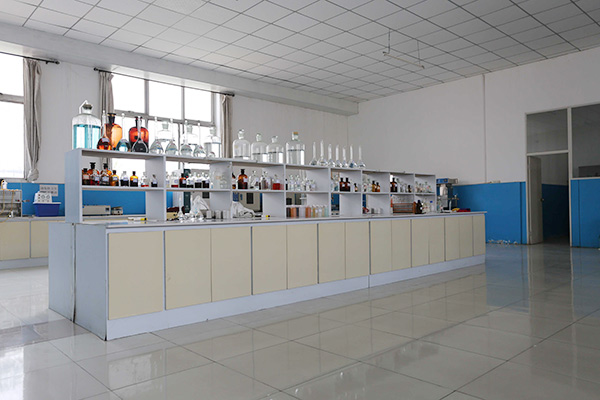
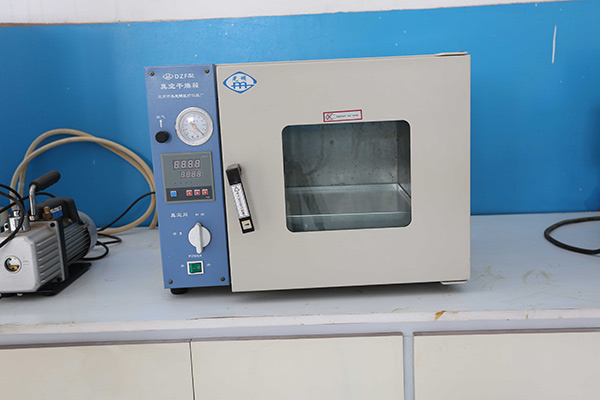
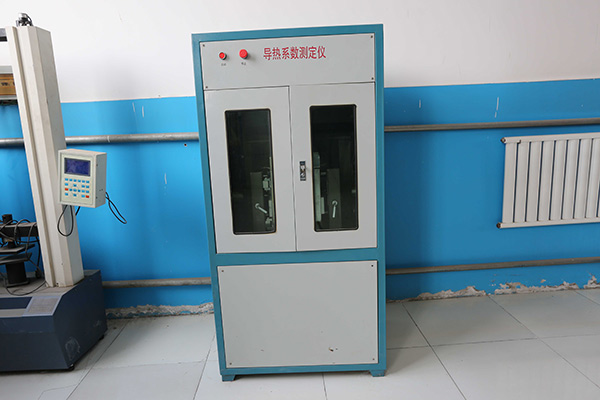
Our R&D labs continuously test and refine formulas to improve thermal efficiency, moisture barrier properties, and flame retardancy. This team maintains our quality control systems to ensure that every production run meets ASTM, CE, UL94, and BS 476 requirements.

Engineered to perform in demanding settings, from commercial HVAC installations to specialized low-temperature industrial facilities.
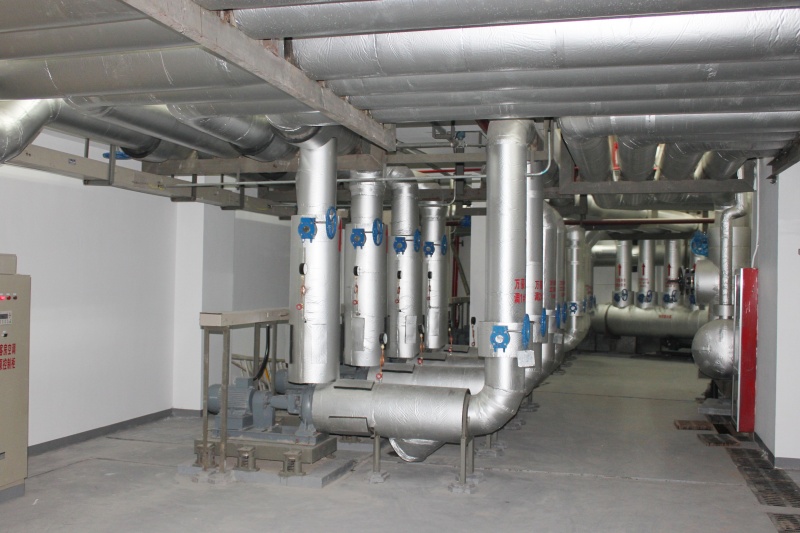
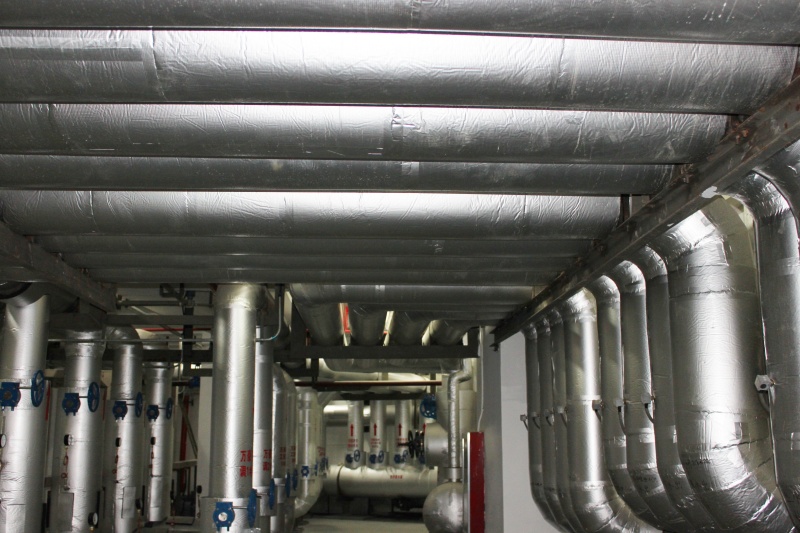
Protects duct systems from moisture buildup and limits flame spread in critical commercial spaces like offices, airports, and hospital cleanrooms.
Maintains process temperatures in steam and chemical lines, helping reduce heat loss and preventing outer surface condensation in high-humidity facilities.
Specialized designs remain flexible and crack-resistant down to -200 °C, suitable for LNG terminals and low-temperature process lines.
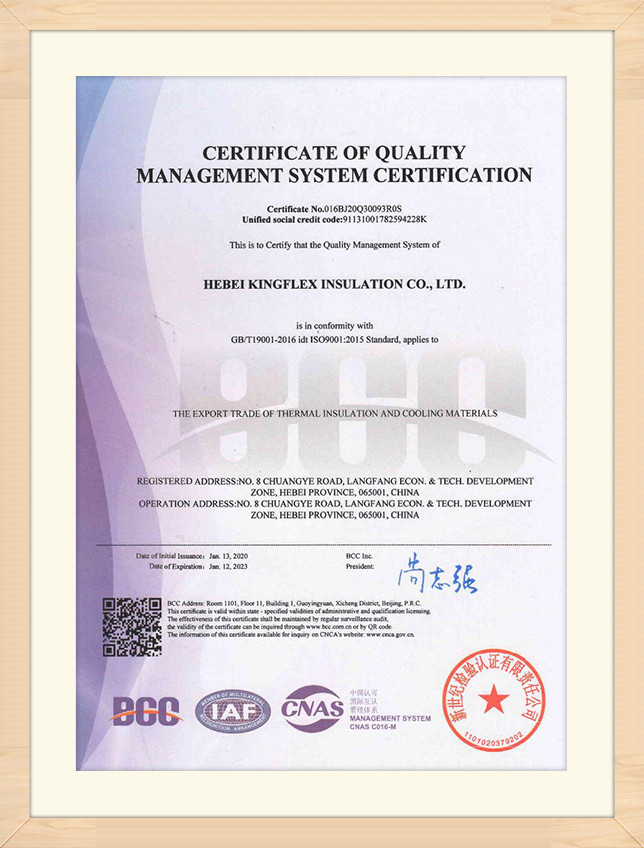
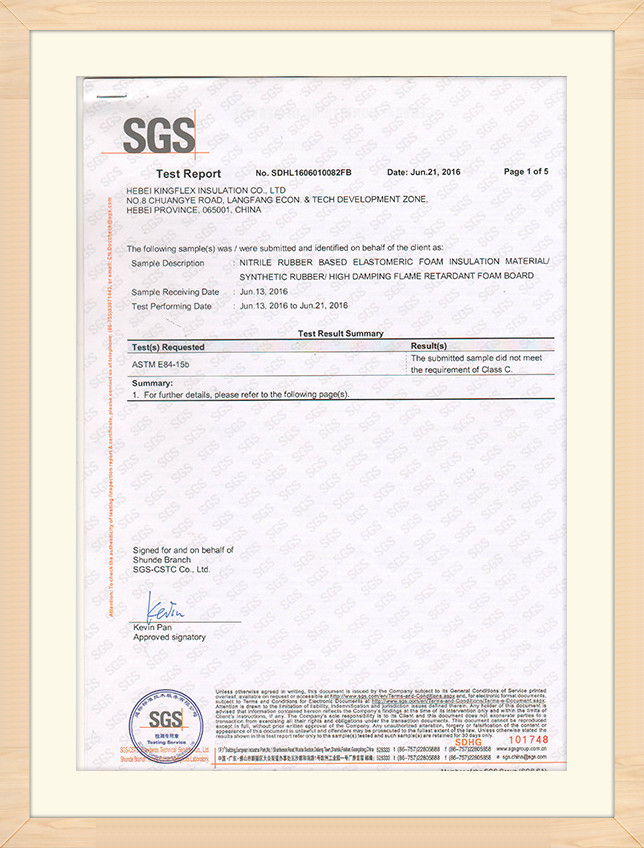
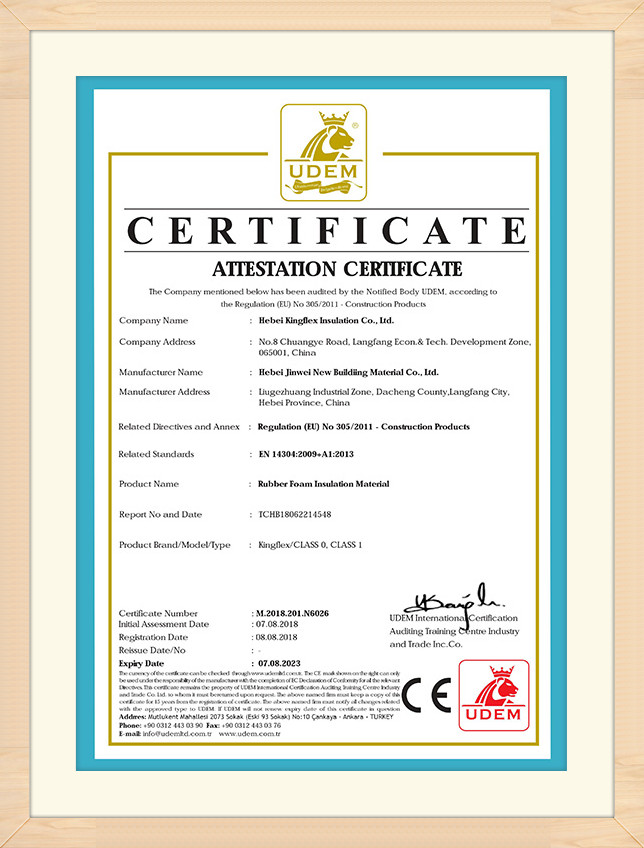
Our commitment to reliability is backed by third-party testing. Kingflex products carry international certifications, including BS 476, CE, REACH, RoHS, UL94, and ASTM standards. Each manufacturing run is fully traceable, allowing clients to track raw material inputs and quality-check records for their projects.
These certifications ensure our materials meet strict international safety standards, making them suitable for municipal projects, petrochemical facilities, and high-rise commercial structures.
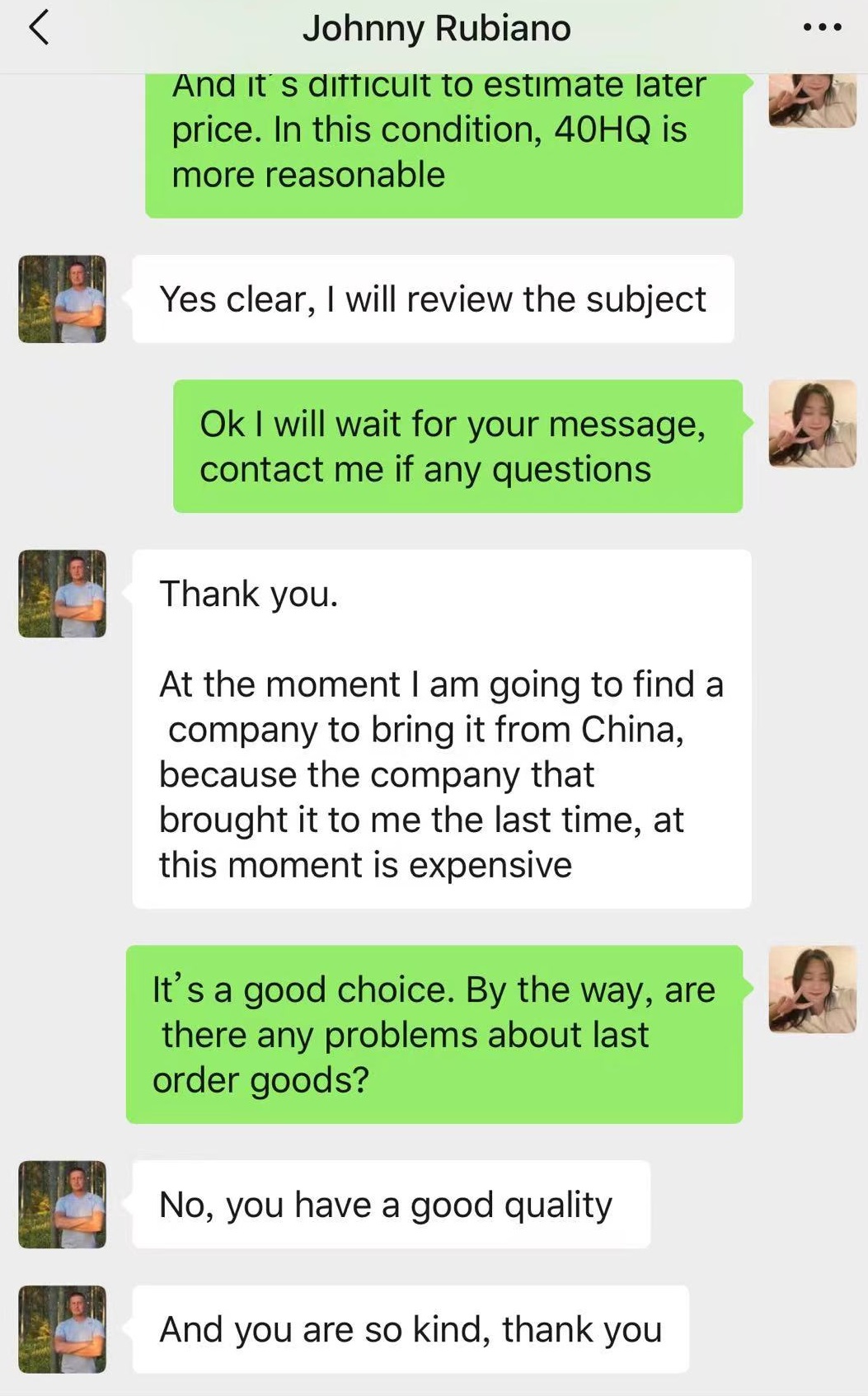
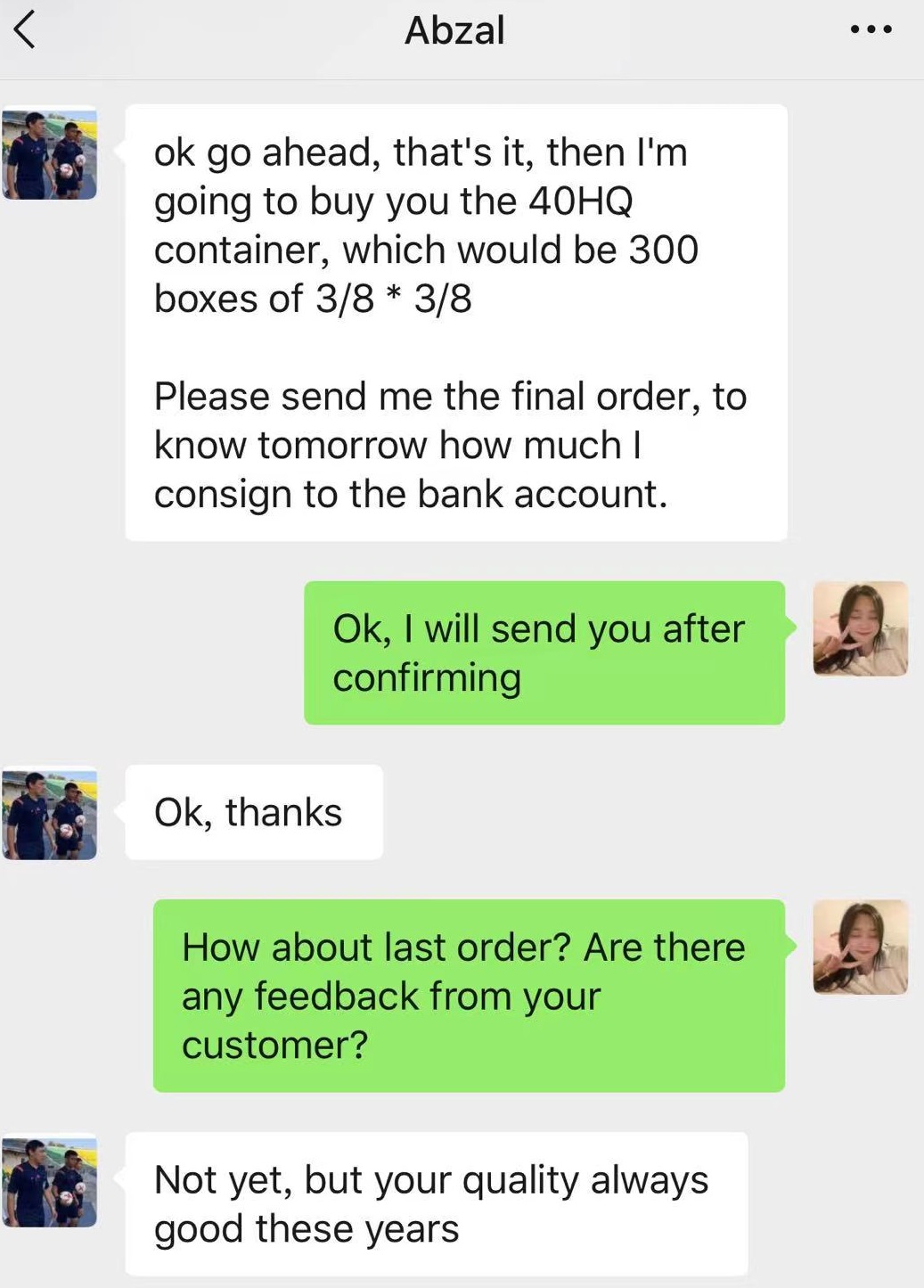
Our export division provides transparent tracking and clear communication from order inquiry through to delivery, as shown in these customer portal screenshots:



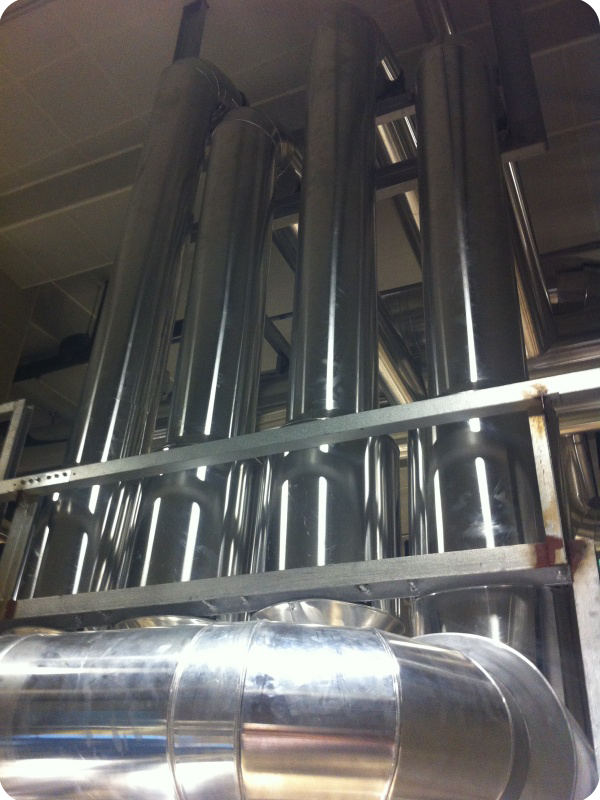
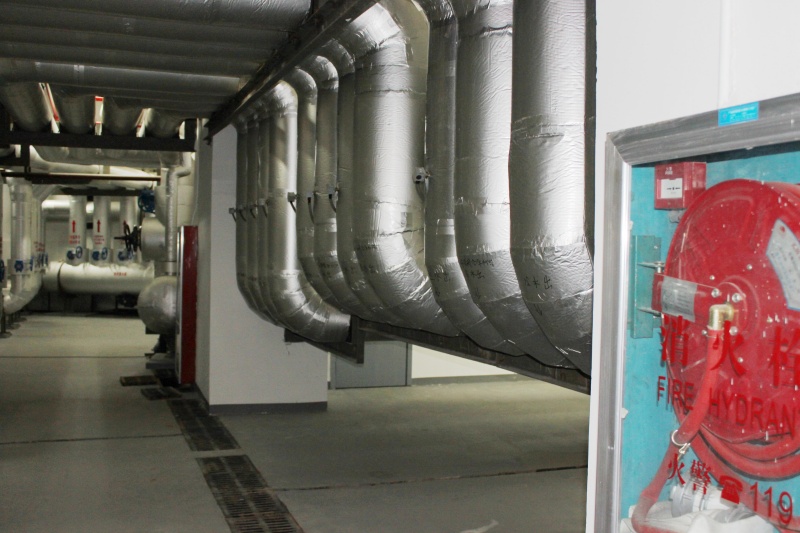
Our thermal and soundproof insulation systems have been installed in various global projects over the last 16 years.
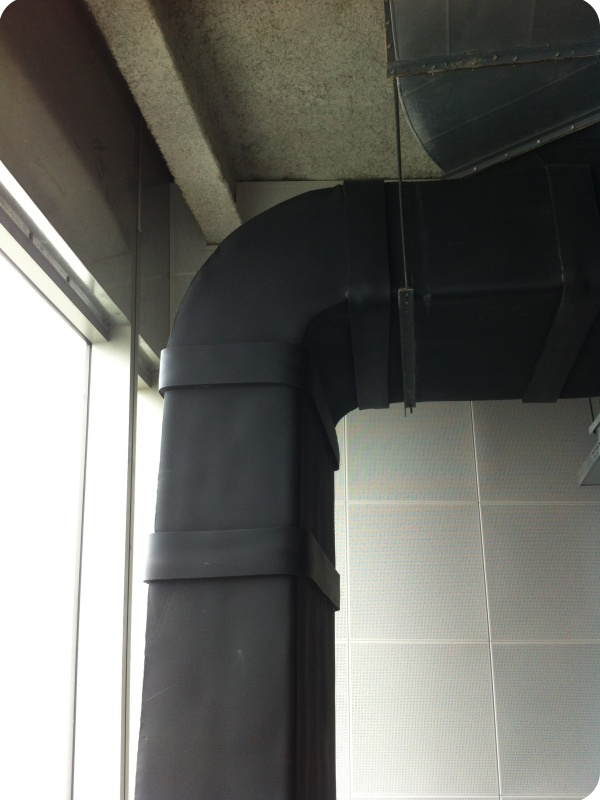

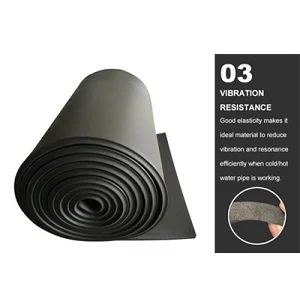
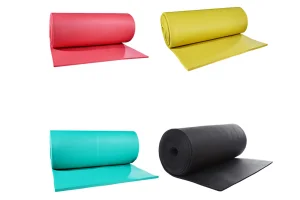
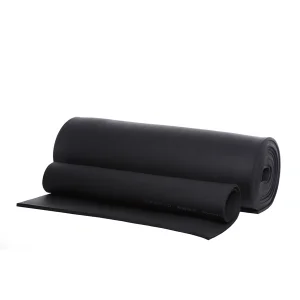
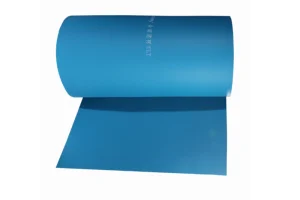
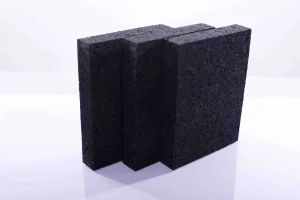
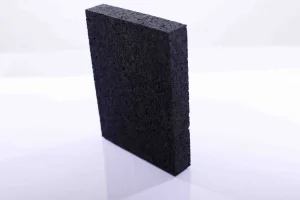
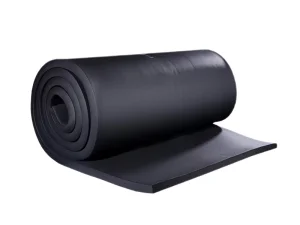
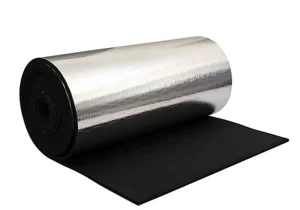
Specification: Material: NBR/PVC | Thickness: 6mm - 50mm | Density: 40-55 kg/m³ | Temperature Range: -40℃ to 105℃
Key Advantages: Standardized closed-cell structural expansion rate over 98% for consistent thermal performance. High moisture vapor resistance, elastic properties, compression recovery rate over 80%, and self-extinguishing fire response.
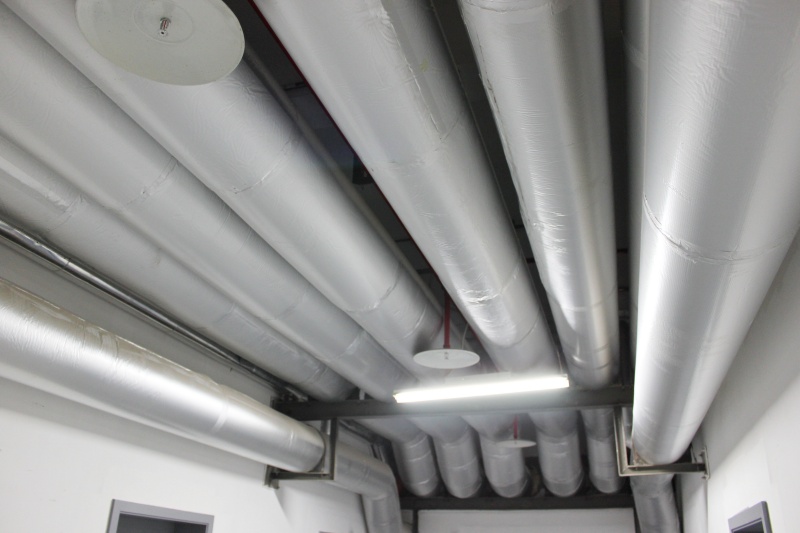
Key Applications: Built for central air conditioning air ducts, building wall and ceiling insulation, solar pipelines, railway transit carriages, and cold storage thermal seals.
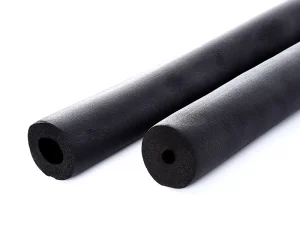
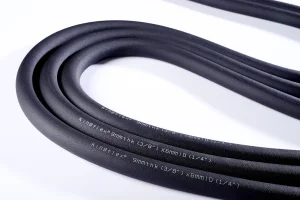
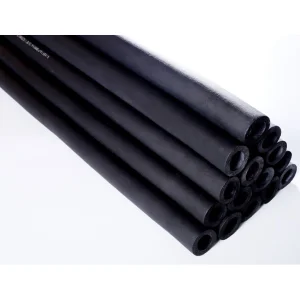
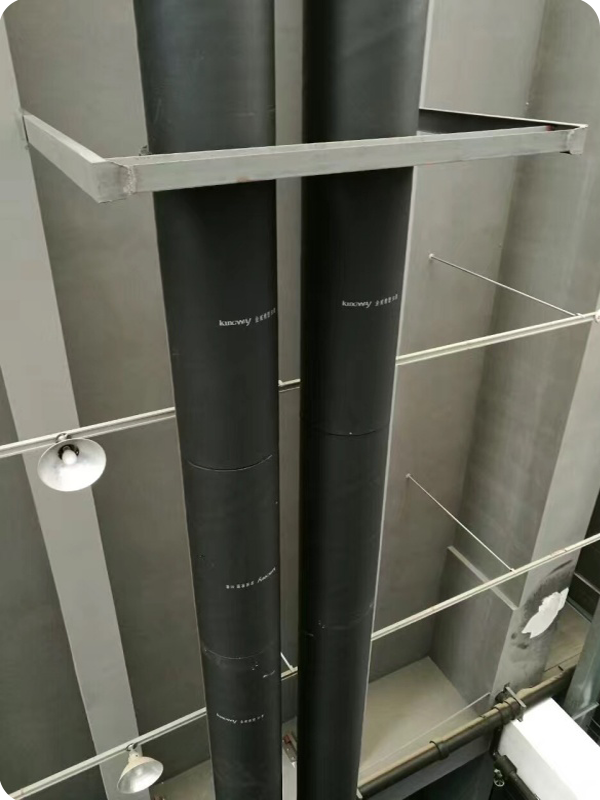
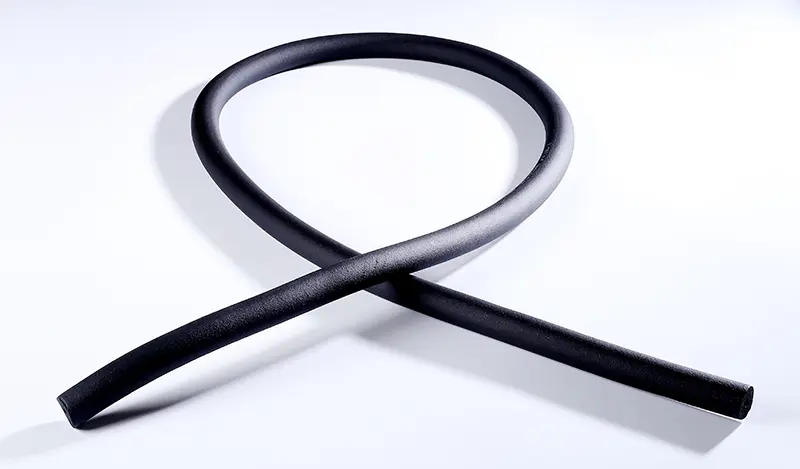
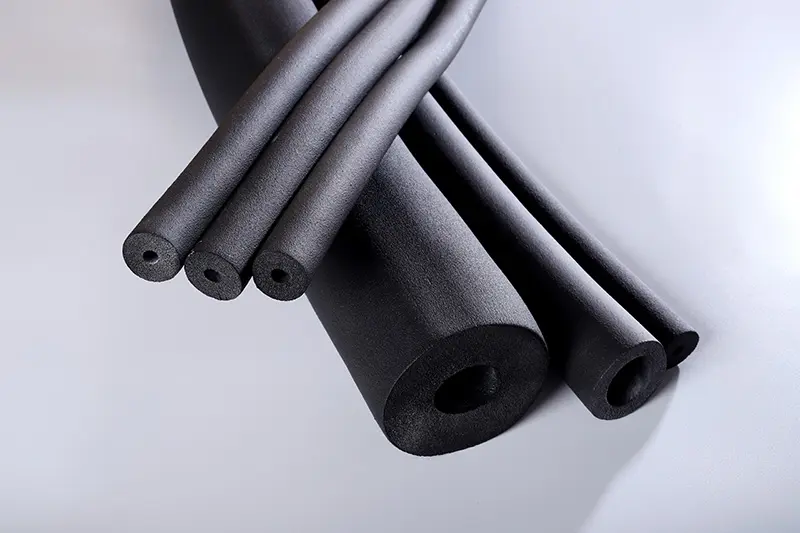
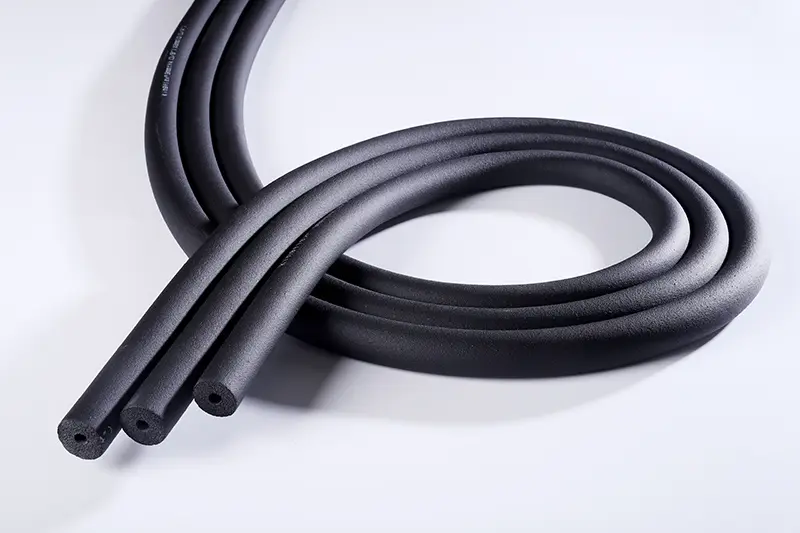
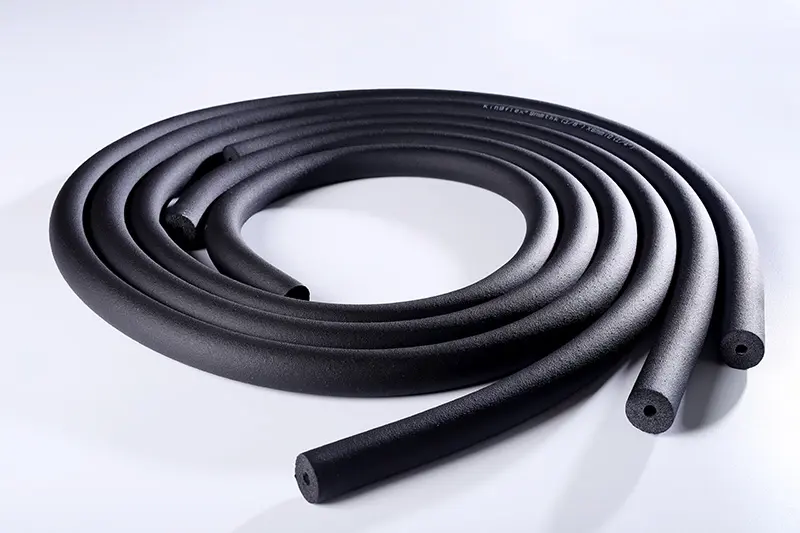
Specification: Material: NBR/PVC | Wall Thickness: 9mm - 40mm | Inner Diameter: 6mm - 114mm | Density: 40-55 kg/m³
Key Advantages: Designed for uniform pipe fitment. High flexibility simplifies installation around bends. Low thermal conductivity prevents heat transfer and reduces the risk of pipe freezing or cracking.
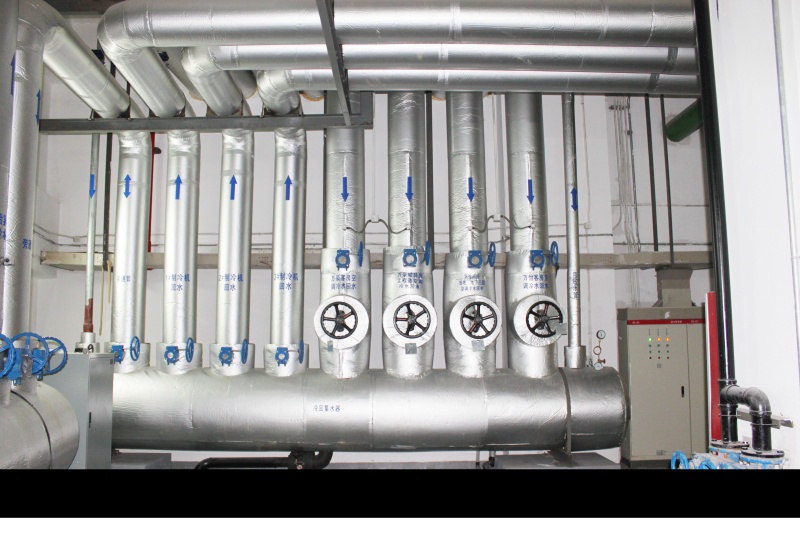
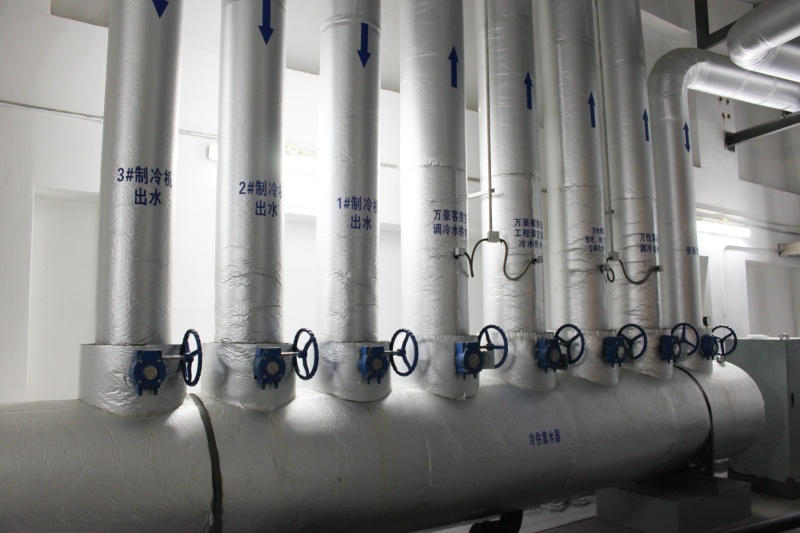
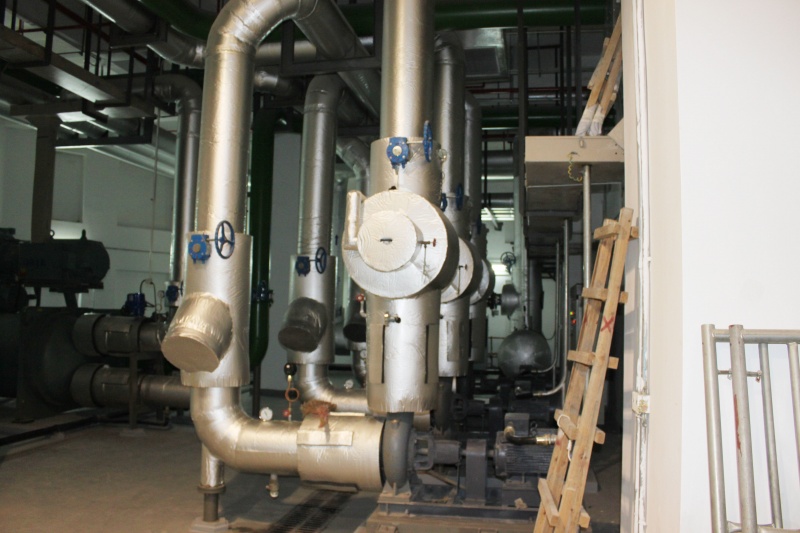
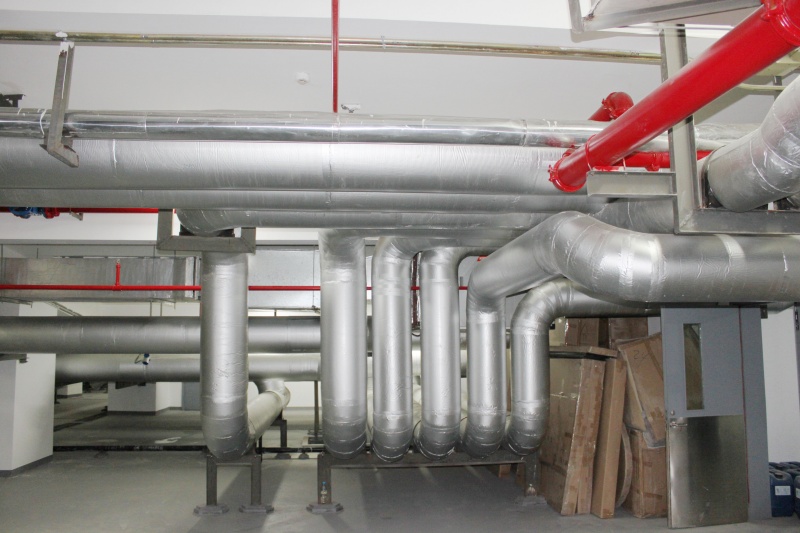
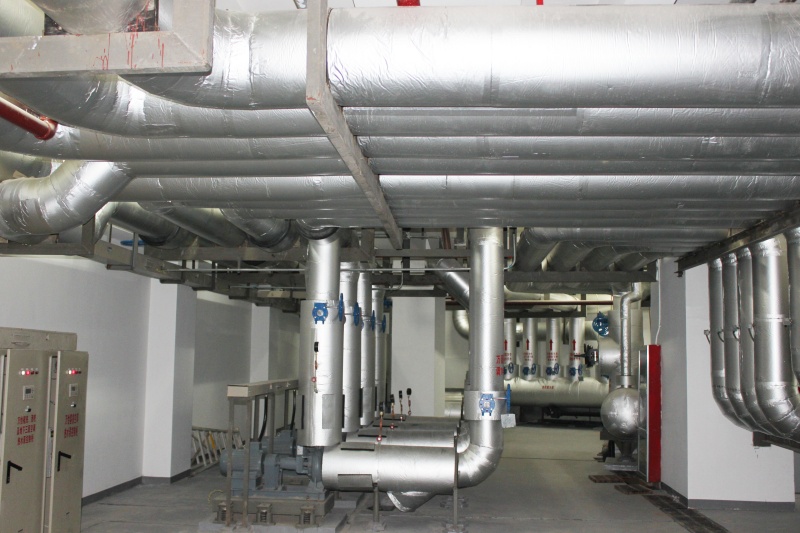
Key Applications: Recommended for HVAC chilled/hot water pipelines, condensation piping, ventilation duct lines, solar hot water systems, and industrial plant process lines.
The global insulation sector is shifting due to stricter environmental regulations and updated fire safety standards. Key trends driving this development include:
1. Low Smoke, Toxicity, and Flame Spread (FST Compliance): Modern commercial projects require thermal materials that limit smoke generation. Traditional plastics can release toxic gases under high heat. Newer NBR/PVC formulations use non-halogenated flame retardants and low-smoke polymer blends to improve occupant safety during fire evacuations.
2. Preventing Moisture Vapor Intrusion: Condensation is a primary cause of Corrosion Under Insulation (CUI). A high water-vapor diffusion resistance factor (μ ≥ 10,000) prevents humidity from reaching the metal pipe surface. This minimizes corrosion risks and extends the operating life of mechanical piping systems.
3. Low VOCs and Environmental Integration: Sustainable building programs like LEED and BREEAM have set strict limits on Volatile Organic Compounds (VOCs). Modern insulation factories must prioritize eco-friendly formulations, eliminating CFC/HCFC foaming agents to protect indoor air quality.


Detailed technical answers to common queries regarding material selection, fire ratings, and thermal properties.




 Kingflex