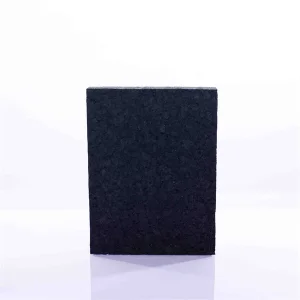
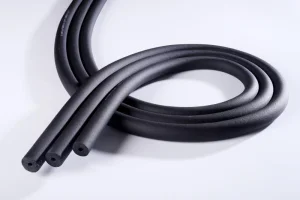
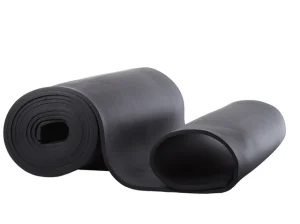
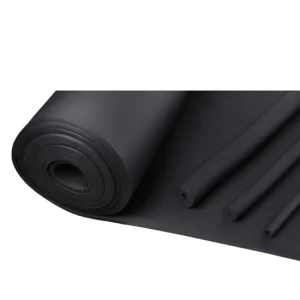
Engineered elastomeric foam materials, sheets, and pipes optimized for industry-leading sound absorption indices and strict thermal limits.
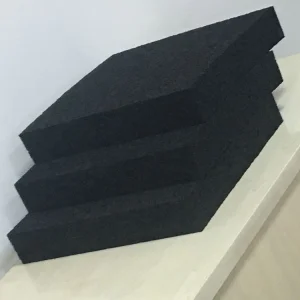
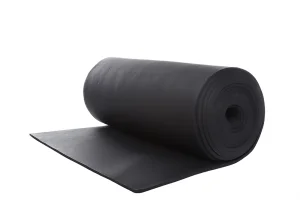
Understanding the micro-structural performance indices that drive high-efficiency noise attenuation.
Open-cell NBR/PVC elastomeric matrix features a high density of interconnected air pockets. When acoustic pressure waves strike the material, they travel through a highly tortuous pathway. The friction between the moving air molecules and the cellular walls converts sound energy into localized heat, providing exceptional Sound Transmission Class (STC) improvements.
Unlike standard acoustic foams, Kingflex’s open cell structural NBRPVC elastomer features advanced halogen-free and antimony-free flame retardants. It complies rigorously with fire protection metrics, matching BS 476 and UL94 V-0 flame-retardant standards. It self-extinguishes upon removal of fire, ensuring zero dripping hazardous compounds.
Typically, open-cell configurations sacrifice thermal metrics. However, our specialized raw formulations optimize cell structural spacing, preserving a low thermal conductivity rating (λ ≤ 0.038 W/m·K at 0°C) while maximizing mid-to-high frequency sound absorption. This makes it an ideal fit for mechanical plant equipment linings.
Unlike polyurethane acoustic foams that suffer from oxidation, structural degradation, and high flammability, NBR/PVC blended materials offer outstanding oil resistance, mechanical durability, and UV resistance. They are specifically optimized for long-term deployment in HVAC environments without fiber migration or particle shedding.
Kingflex Insulation Co., Ltd. stands as a premier manufacturer and integrated supplier of thermal and acoustic insulation products. Located within Dacheng, China—historically recognized as the capital of green-building materials—our enterprise combines decades of technical research, automated industrial manufacturing, and direct global distribution.
In cooperation with the Jinwei Group (established in 1979, holding more than 40 years of pioneering history in insulation systems), Kingflex was engineered to scale high-performance environmental solutions. As the first insulation material manufacturer north of the Yangtze River, we take energy conservation and carbon mitigation as our core operational objectives.
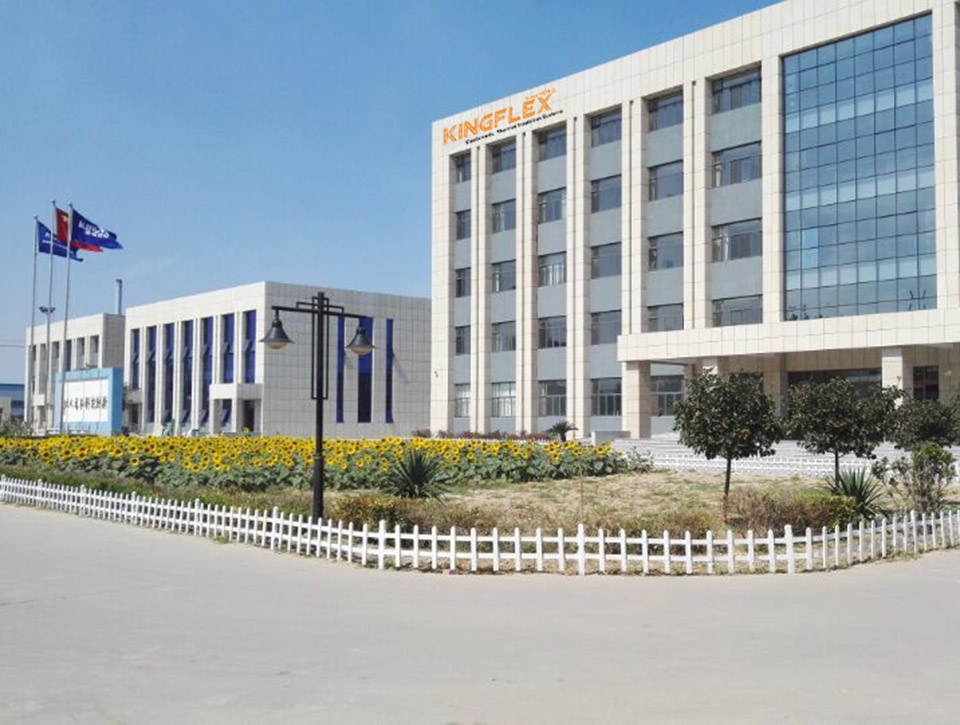
Why manufacturing in Dacheng, Hebei guarantees procurement stability and unparalleled economic efficiencies.
Dacheng operates as a world-class manufacturing hub for polymer chemistry and thermal insulation raw products. Kingflex gains direct pipeline access to primary raw materials (Nitrile rubber monomer, PVC resin, and blowing agents), minimizing inland transport logistics costs and avoiding market supply chain fluctuations.
Our 5 automated assembly lines operate continuously. Through twin-screw high-temperature mixing and automated vertical vulcanization ovens, we achieve density homogeneity (40-55 kg/m³) and uniform cell morphology. This minimizes human error, resulting in stable, repeatable material tolerances.
Located in close proximity to the Tianjin (Xingang) and Beijing shipping corridors, we utilize direct freight systems for rapid customs dispatch. We specialize in flat-pack roll compression techniques, doubling container utilization rates and reducing ocean freight costs by up to 35%.
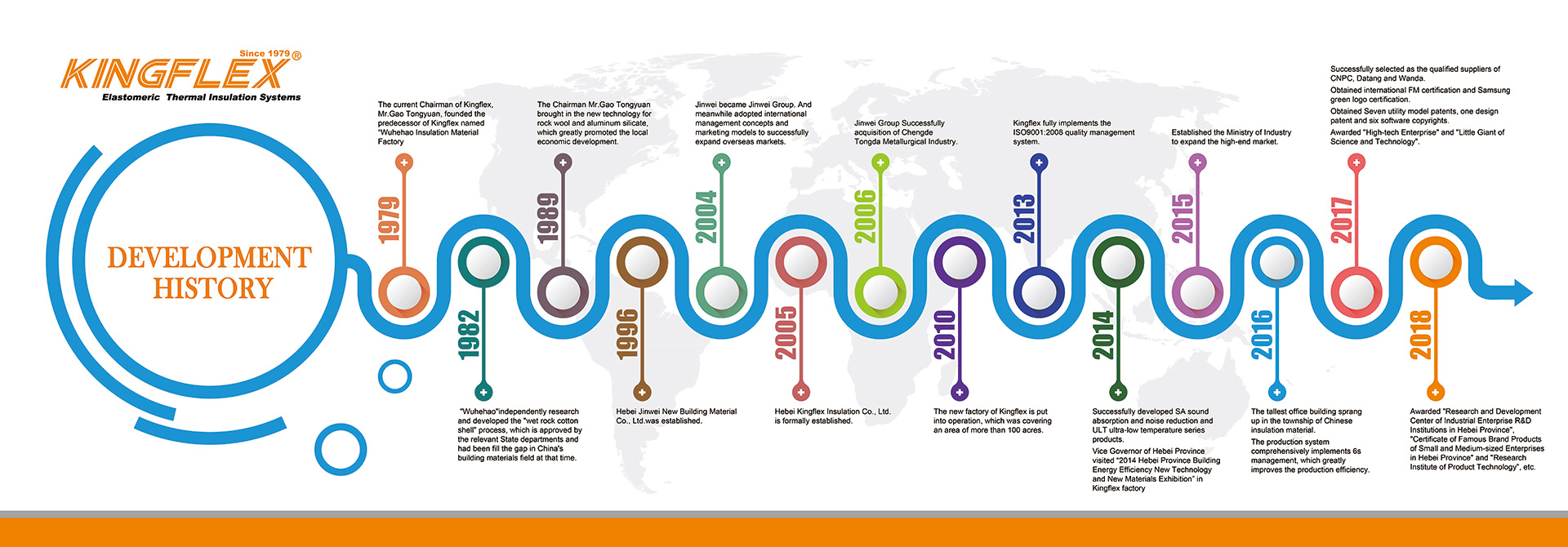
Our foundation rests on the legacy of Jinwei Group, which was founded in 1979. Over four decades of market changes, we have continuously reinvested in production technology, graduating from manual curing ovens to modern computerized extrusion systems. This legacy guarantees that every roll or pipe leaving our facility meets global building standards.
Empirical metrics verifying our operational scale and global footprint.
Optimizing open-cell acoustic insulation performance across distinct global climates and environments.
In warm, humid zones like Southeast Asia and the Gulf Coast, condensation on air ducts is a constant threat. Standard open-cell insulation risks water logging. Kingflex’s open cell NBR/PVC panels feature a specialized hydrophobic coating that prevents ambient moisture absorption while attenuating high-frequency fan hums.
For operations in northern climates (Russia, Northern Europe, Canada), acoustic materials must withstand extreme cold without becoming brittle. Our elastomeric matrix maintains its flexible structure down to -40℃, absorbing compressor and turbine vibrations while providing critical freeze protection.
For offices, hospitals, and high-rise residences in dense urban centers, noise pollution from HVAC and wastewater plumbing is a major complaint. Kingflex 6mm and 9mm flexible sheets wrap water pipes and HVAC trunking, providing critical decibel reduction and ensuring quiet environments.
How Kingflex is driving the future of eco-friendly, high-efficiency building envelopes.
Integrating renewable agricultural feedstocks into the NBR polymer matrix to reduce carbon footprints by up to 25% while maintaining performance standards.
Infusing silica aerogel particles directly into the open-cell matrices. This delivers Class 0 thermal protection alongside outstanding acoustic attenuation.
Developing active acoustic panels that change density in response to electrical current, allowing real-time tuning for specific frequency zones.
Empirical values and operational limits for our primary product lines.
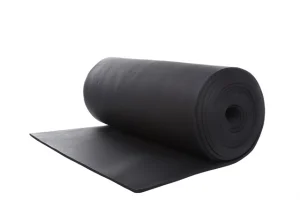
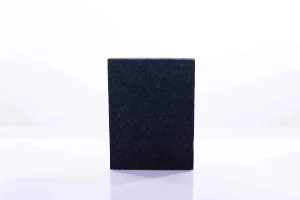
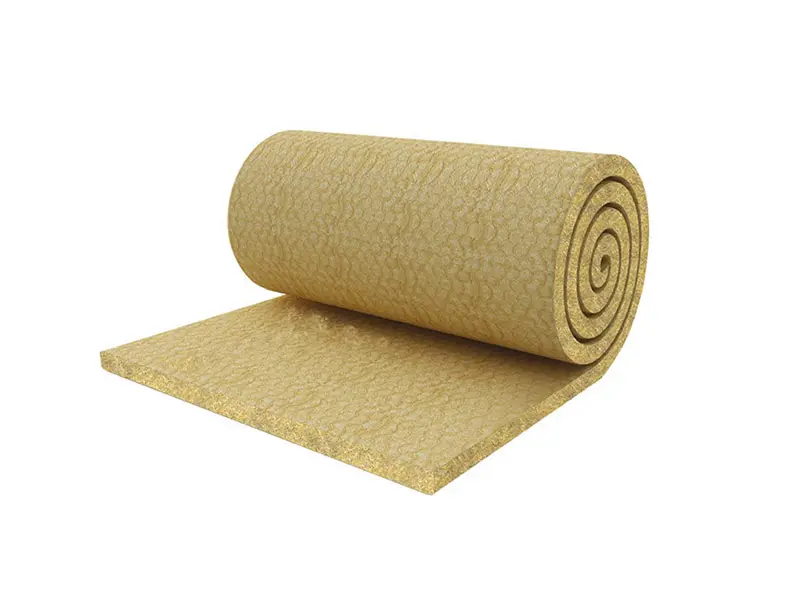
Highly flexible insulation rolls designed for broad-surface acoustic lining and large-diameter HVAC ducts.

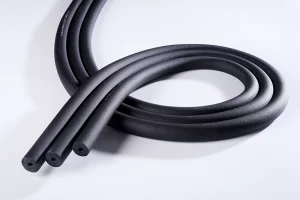
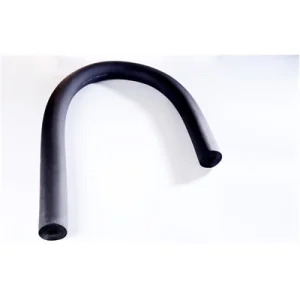
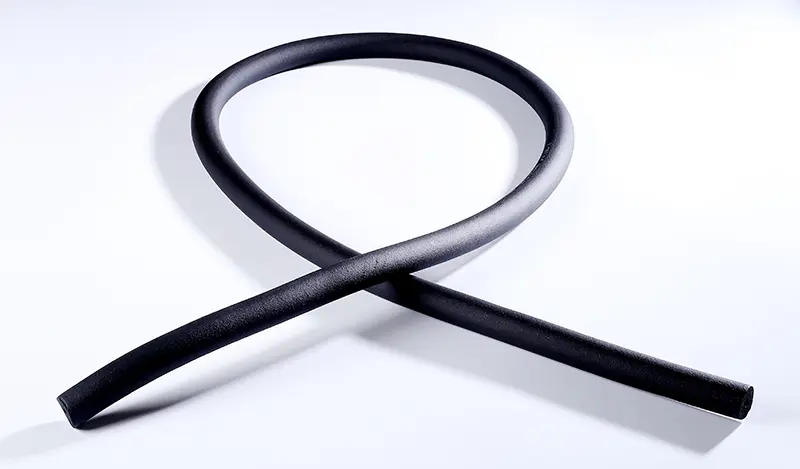
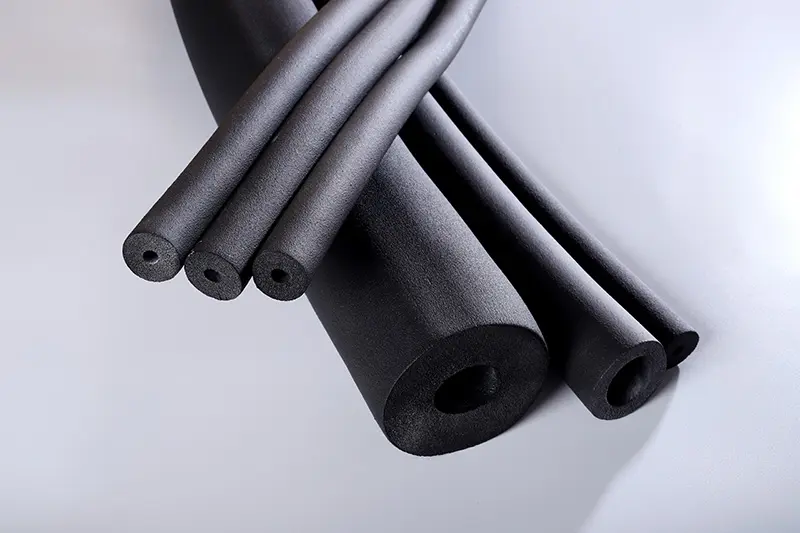
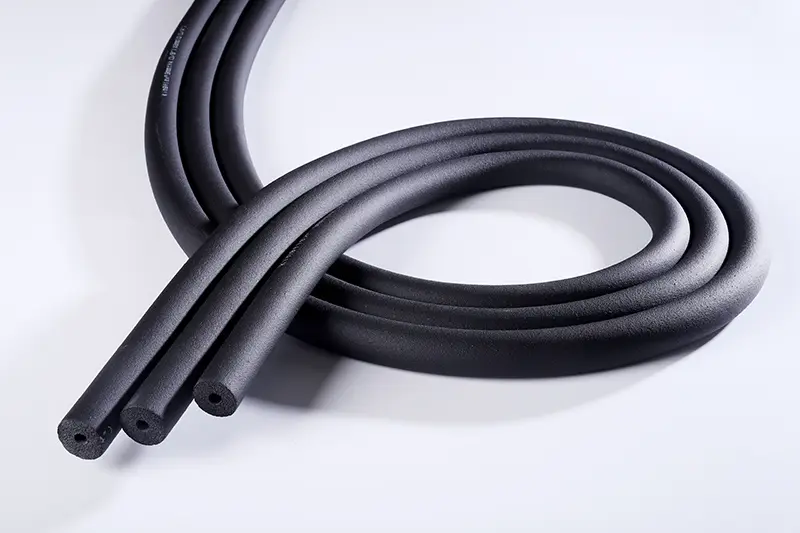
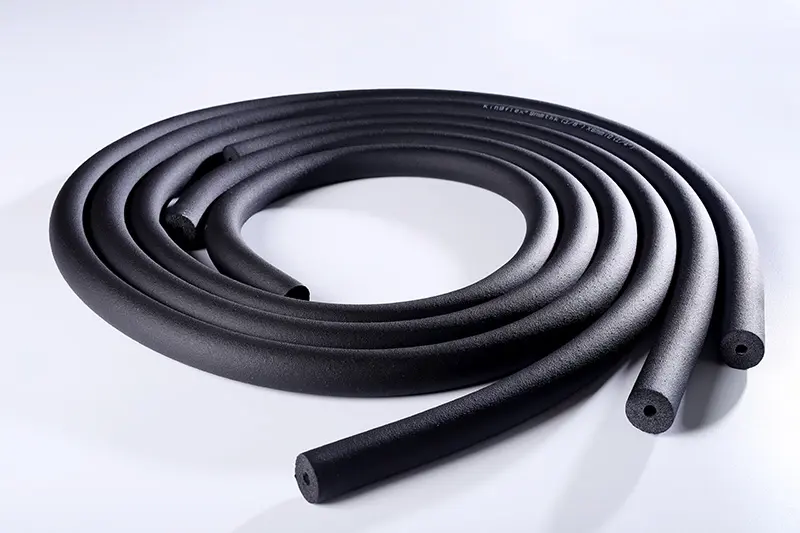
Pre-formed, slip-on elastomeric pipe insulation for rapid installation on copper, steel, and PVC piping systems.
A visual look at our production capacity, testing labs, and processing departments.
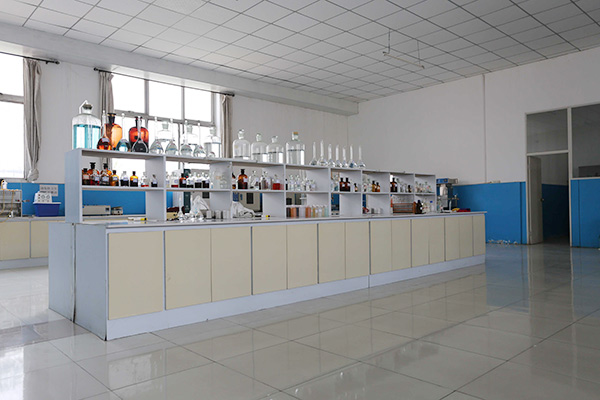
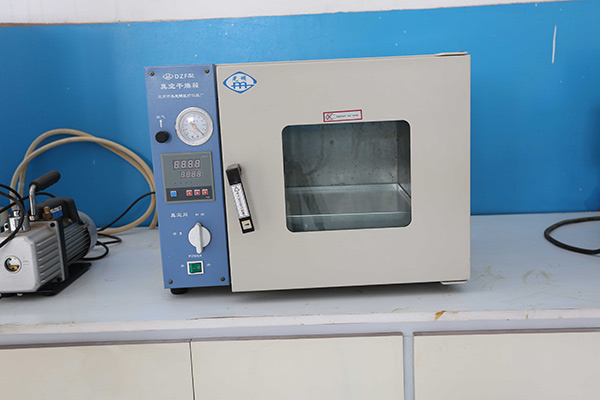
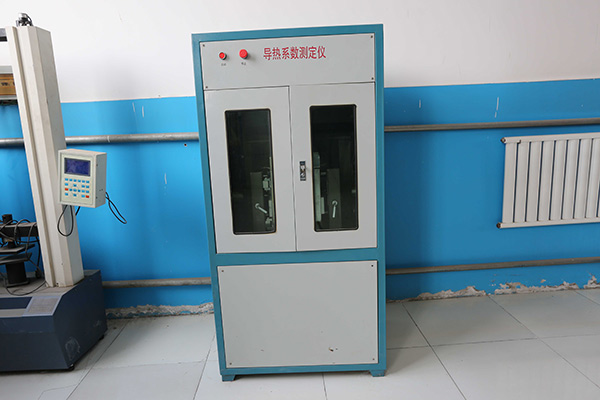
Our materials undergo testing and certification by global testing bodies including BS 476, CE, REACH, ROHS, UL94, and ASTM.
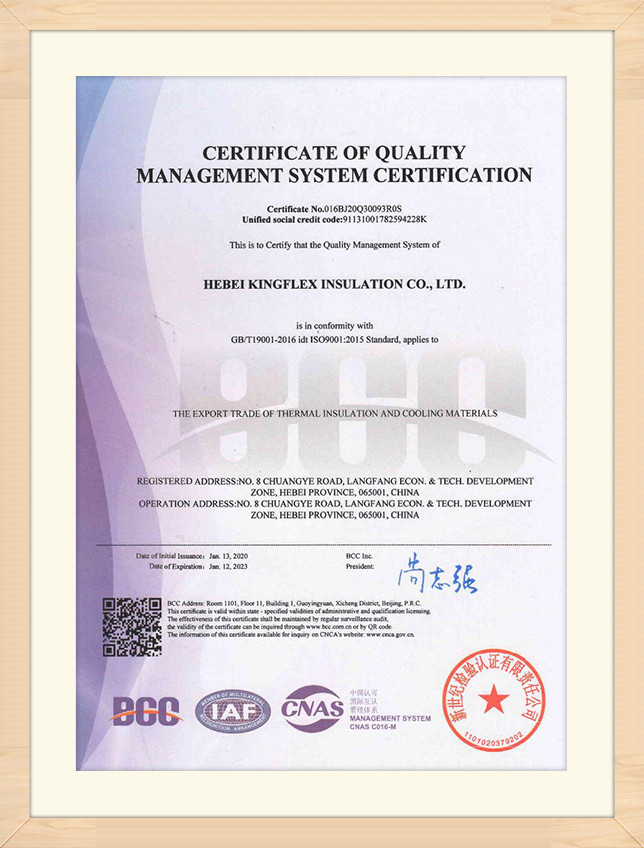
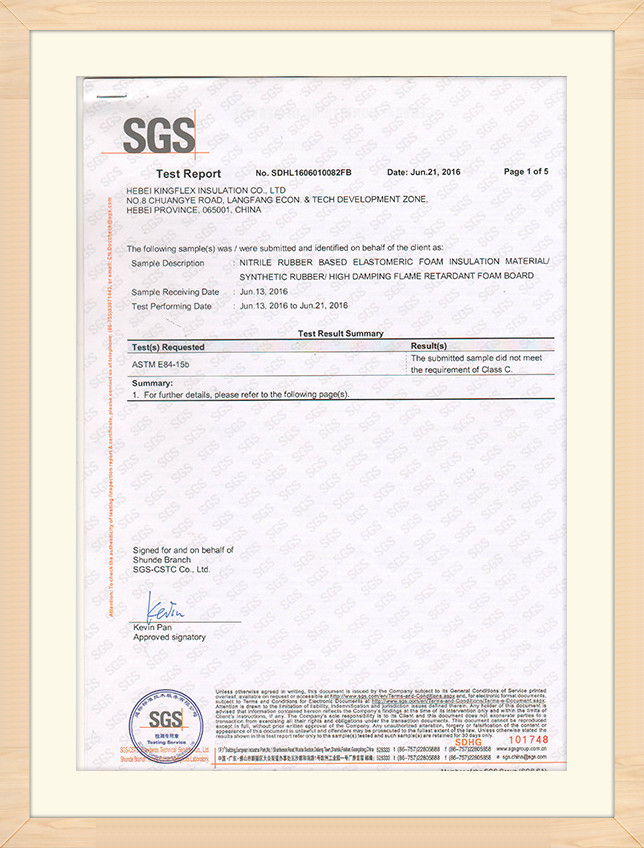
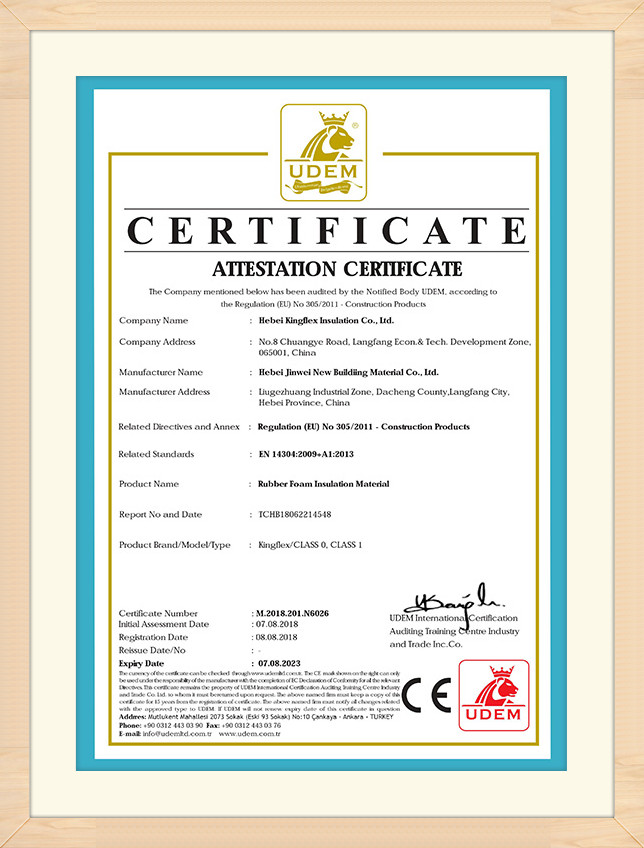
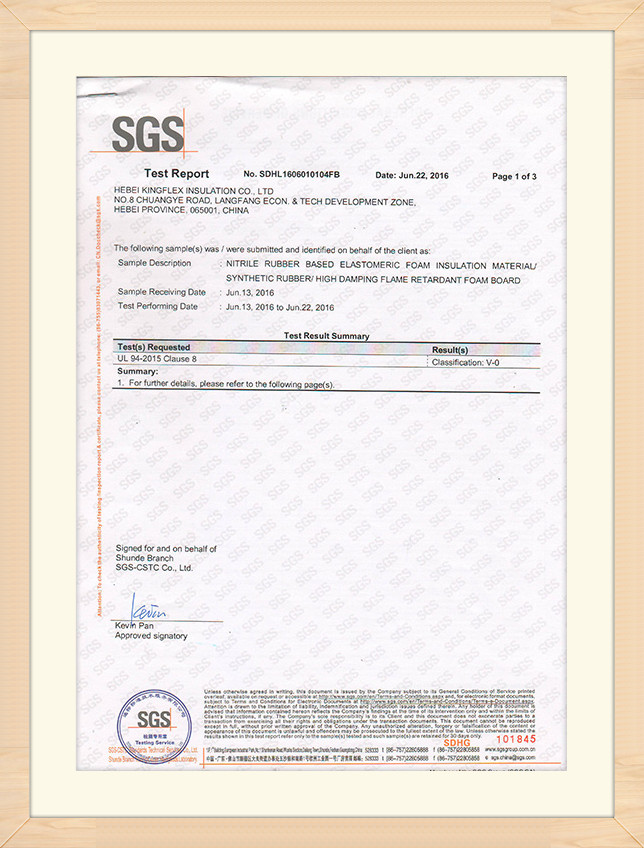
Real-time communication with global distributors, processing engineering feedback, and managing bulk container deliveries.





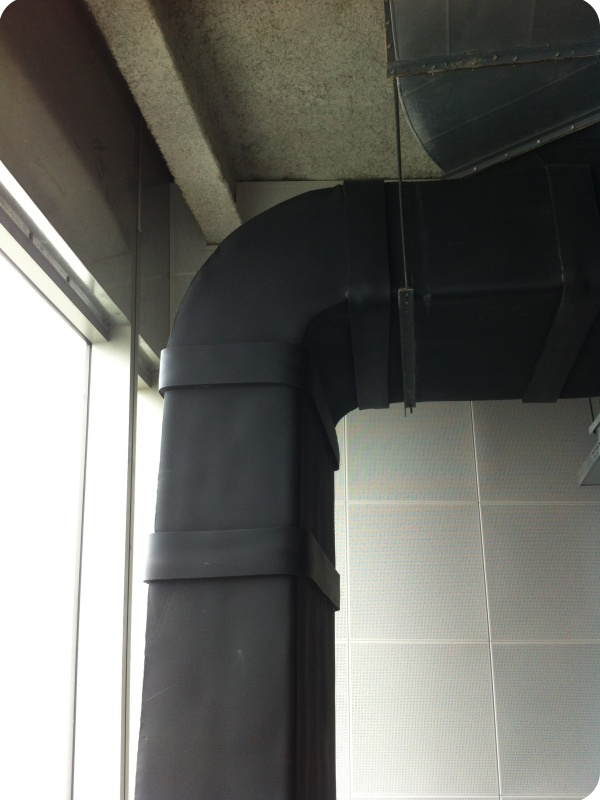

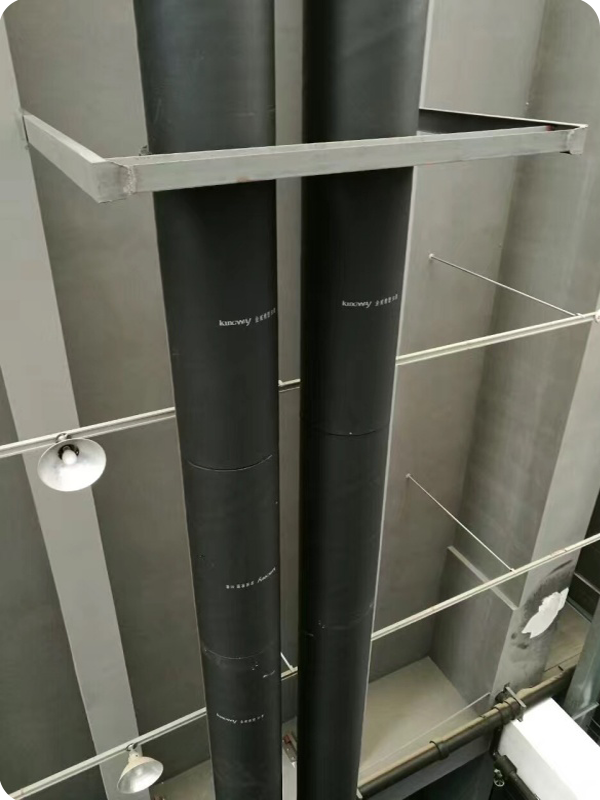
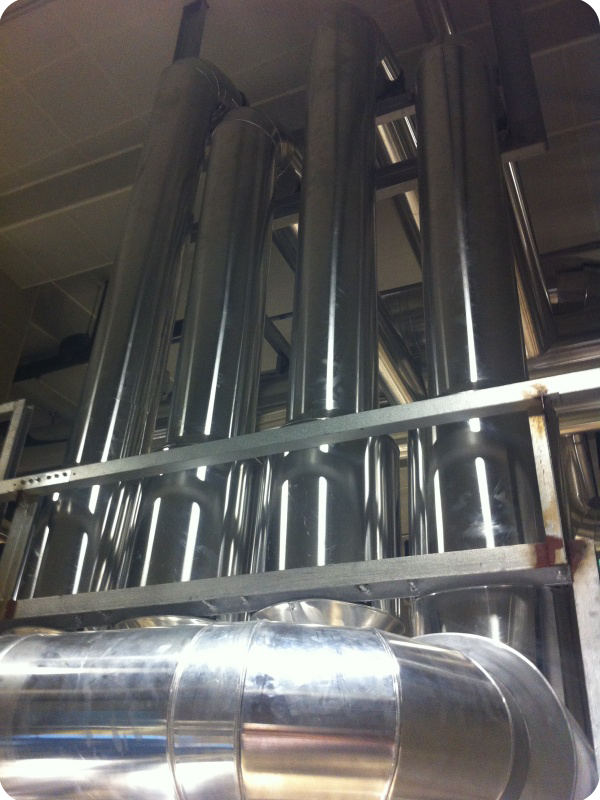
Continuous vulcanization lines, precision extrusion machinery, and bulk cargo storage.
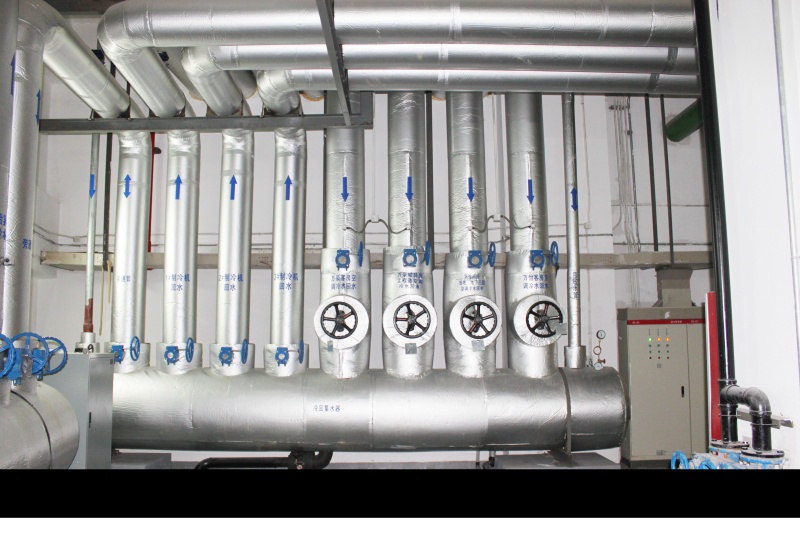
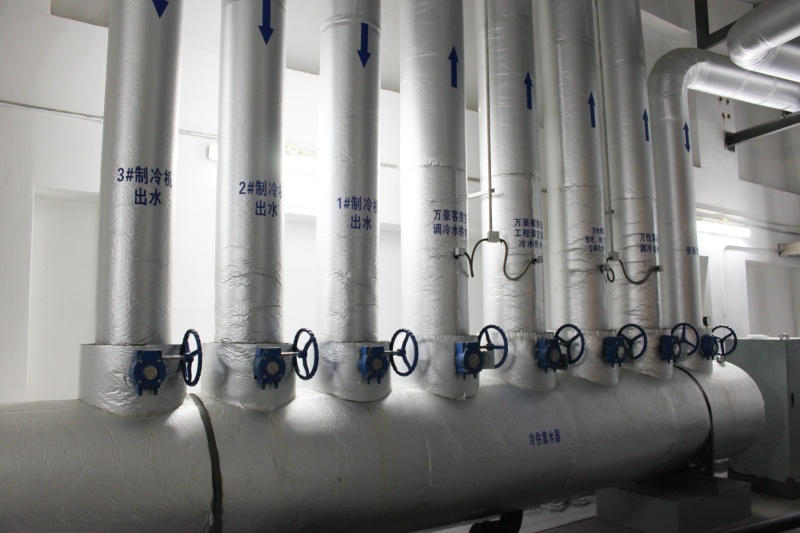
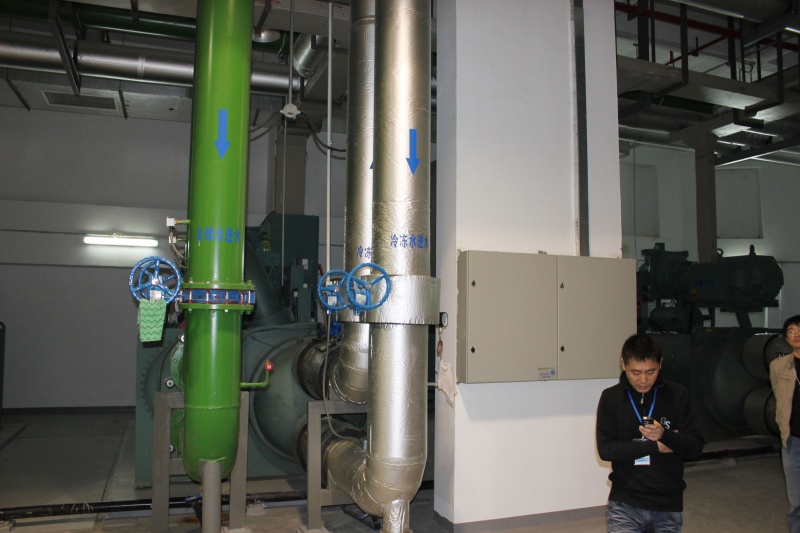
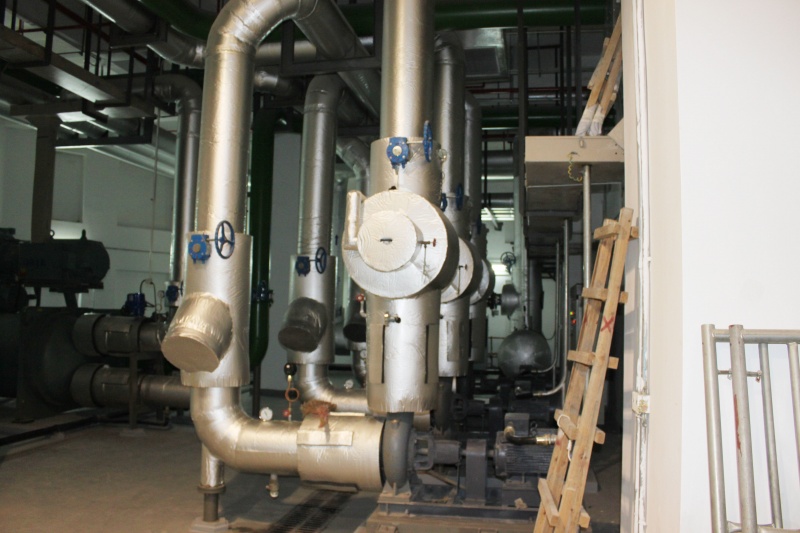
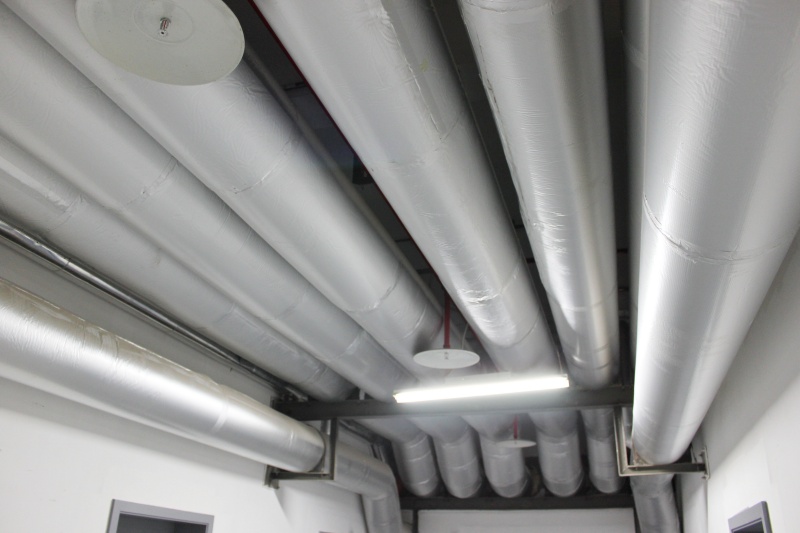

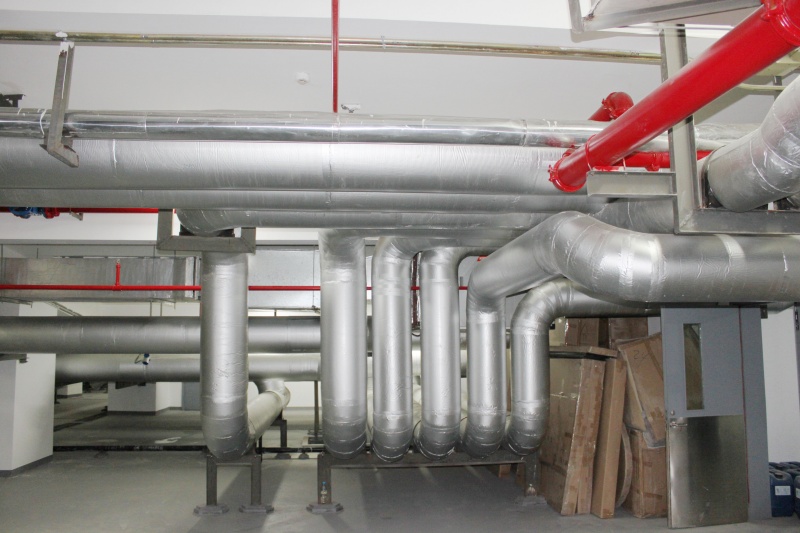

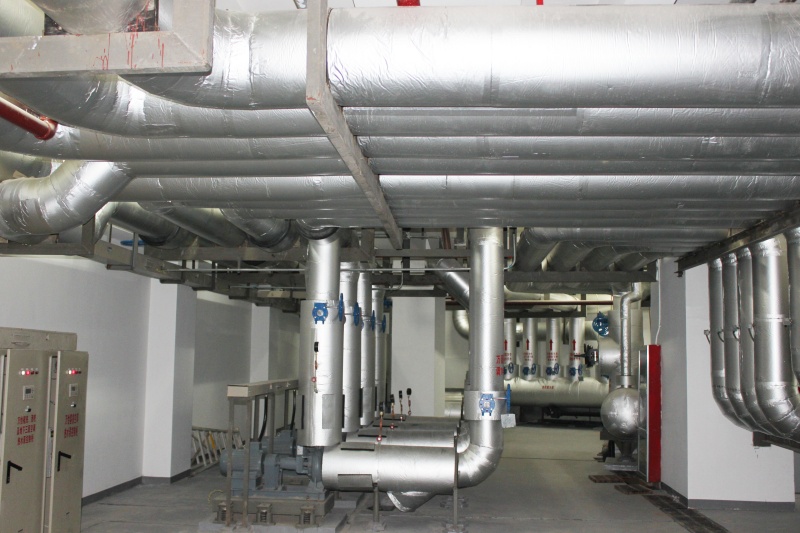
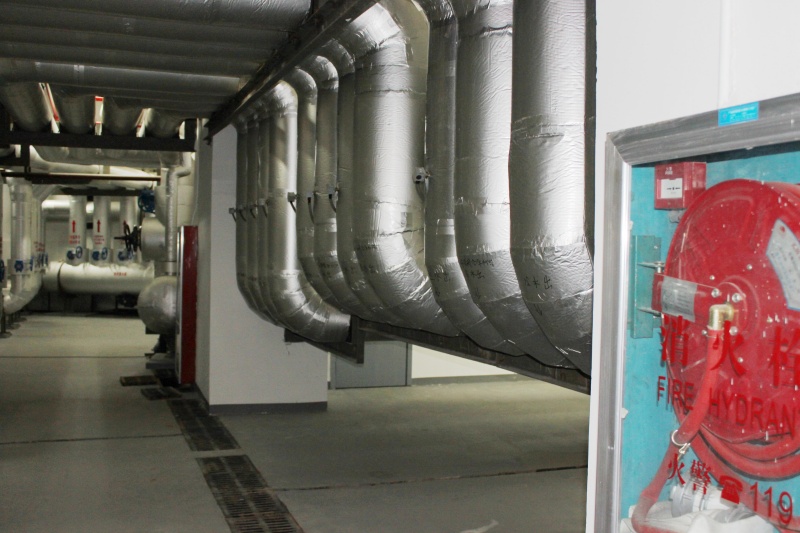
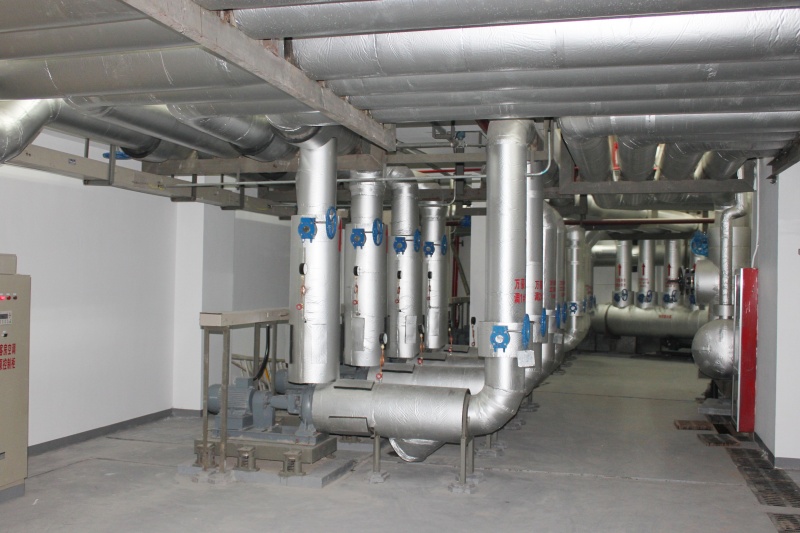
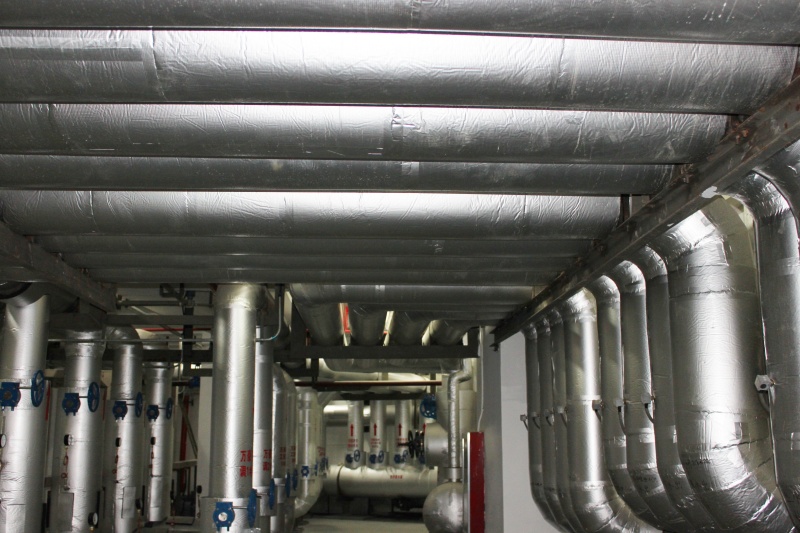
Close-up tracking of our continuous automated processing line and extrusion matrix.




Technical clarifications, material comparisons, and bulk ordering specifications.
Advanced elastomeric formulations, cryogenic protection layers, and heavy-duty structural insulation materials.
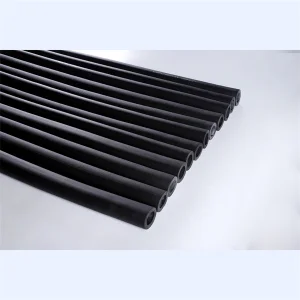
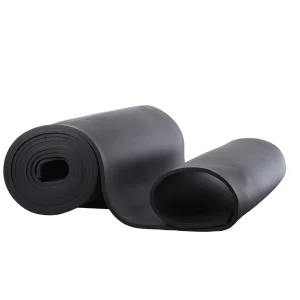
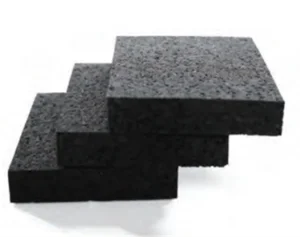
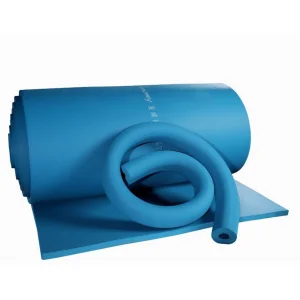
Select from our specialized line of flexible tubes, blankets, and boards for cryogenic and high-temperature uses.
 Kingflex