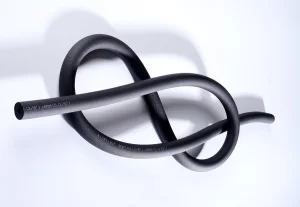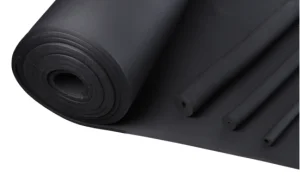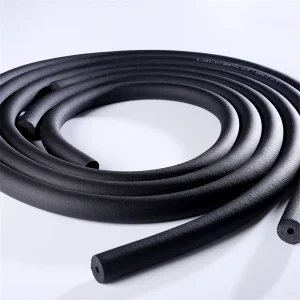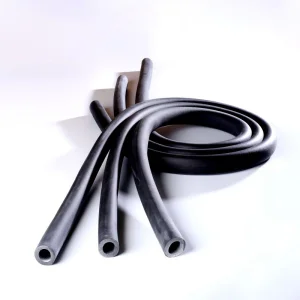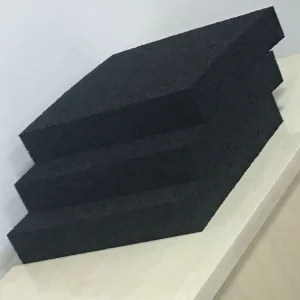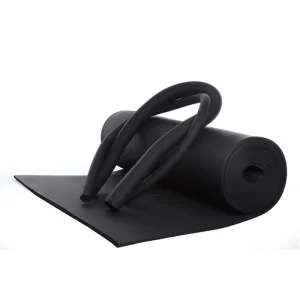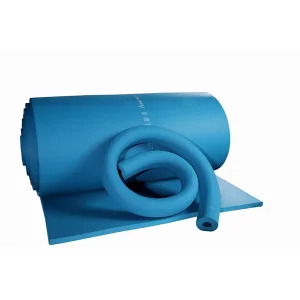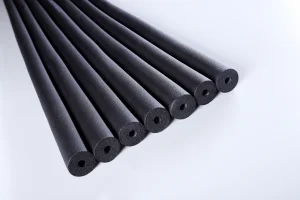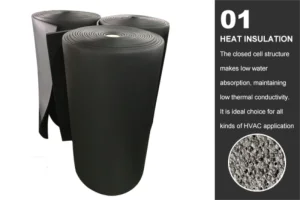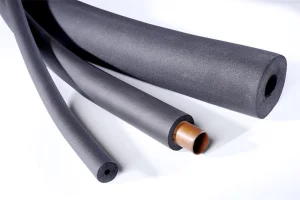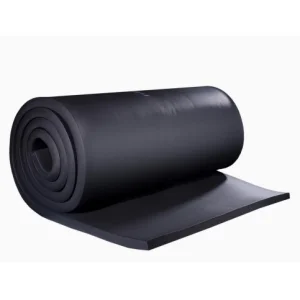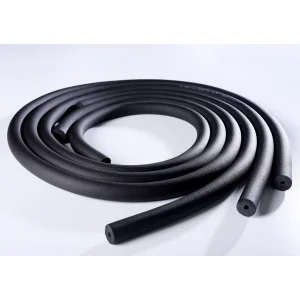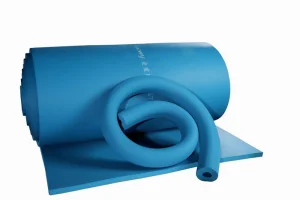
In modern construction and industrial projects, the optimization of thermodynamic systems is no longer limited to efficiency alone. Safety, quick maintenance, and rapid pipeline identification are now core requirements. Yellow color rubber foam insulation sheet rolls represent a significant advancement in elastomeric insulation technology. Traditionally, flexible elastomeric foam (FEF) has been produced in black. However, the introduction of high-visibility yellow serves a dual purpose: superior thermal barrier performance and instant, code-compliant visual identification of critical utility pipelines.
For instance, in complex mechanical rooms, yellow-coated or yellow-dyed rubber foam insulation is commonly used to distinguish high-risk lines, such as natural gas feeds, hot water systems, or high-pressure steam distribution ducts. Integrating high-performance closed-cell NBR/PVC matrix structures with specialized yellow polymers allows manufacturers to deliver solutions that meet structural safety codes while eliminating the labor-costly process of post-installation pipeline painting or jacket wrapping.
Procurement directors and engineering leads face strict challenges. Thermal insulation must perform consistently for 10 to 15 years in environments subject to humidity, thermal cycling, and physical wear. Sourcing yellow rubber foam insulation sheet rolls from a verified manufacturer like Kingflex Insulation Co., Ltd. addresses these demands. Project engineers prioritize supplier capacity to deliver customized dimensions (thicknesses from 6mm to 50mm) alongside validated certifications like CE, REACH, RoHS, and ASTM.
Industrial megaprojects in the Middle East, Southeast Asia, and Europe demand high-volume production. When choosing factories, buyers prioritize those with advanced automated production lines. A continuous extrusion process ensures uniform foam density, cell distribution, and consistent thermal conductivity.
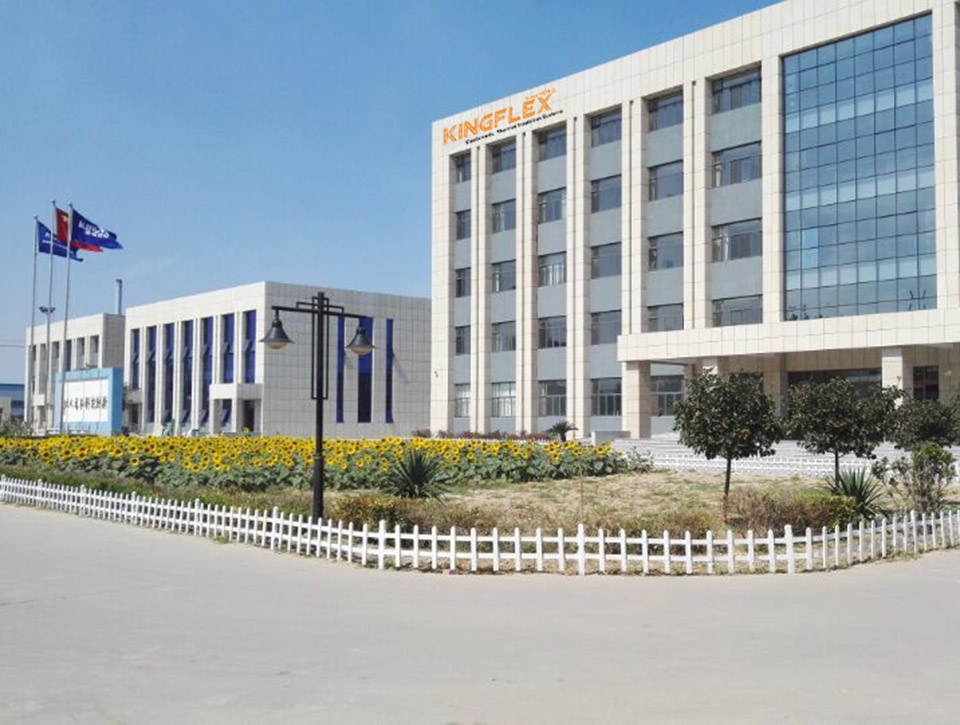
Manufacturing thermal insulation at a global scale requires technological capability. Located in Dacheng, China—a hub for green building materials—Kingflex Insulation has established a Factory 4.0 framework. This integration of smart systems ensures high quality and reliable supply chains.
By operating five large automatic assembly lines, Kingflex produces over 600,000 cubic meters of high-grade elastomeric insulation annually. Automated mixing, extruding, foaming, and curing systems ensure precise cell size control, keeping the closed-cell rate above 98%.
Kingflex implements a digital manufacturing execution system (MES) that tracks raw material inputs through to finished product shipments. Every roll of rubber foam insulation is labeled with unique batch identification. This tracking system allows operators to monitor chemical composition, foaming temperature, and density parameters.
This operational focus ensures products comply with standard building codes and global safety regulations. It has established Kingflex as a designated production enterprise recognized by the Ministry of Energy, the Ministry of Electric Power, and the Ministry of Chemical Industry.
Understanding mechanical properties is key when evaluating rubber foam insulation for heavy-duty projects. The table below outlines the core properties of Kingflex elastomeric closed-cell insulation sheet rolls:
| Performance Indicator | Standard Metric / Specification Value | Testing Standard Compliance |
|---|---|---|
| Material Composition | Nitrile-Butadiene Rubber / Polyvinyl Chloride (NBR/PVC) | ASTM C534 Type II |
| Apparent Density | 40 to 55 kg/m³ | ASTM D1622 / GB/T 6343 |
| Thermal Conductivity (λ) | ≤ 0.034 W/m·K at 0°C (Mean Temp) | ASTM C518 / ISO 8301 |
| Moisture Resistance Factor (μ) | ≥ 10,000 (Closed-cell rate ≥ 98%) | BS EN 12086 / DIN 52615 |
| Service Temperature Window | -40℃ to +105℃ (Custom cryogenic grades down to -196℃) | ASTM C411 |
| Fire Performance / Flammability | Class 0 (BS 476 Part 6/7) | V-0 (UL 94) | Class A (ASTM E84) | BS 476 / UL 94 / ASTM E84 |
| Compression Resilience | ≥ 80% Recovery rate | ASTM D1056 |
Yellow rubber foam insulation performs reliably in several demanding environments:
The Kingflex R&D team consists of 8 professional engineers who focus on improving elastomeric foam formulas. By modifying NBR/PVC polymer structures, our laboratory has developed sheet rolls with improved UV and ozone resistance. This formulation extends the functional lifespan of the insulation in outdoor and harsh marine environments, helping to reduce degradation over time.
From heavy-duty industrial processing facilities to high-rise commercial structures, Kingflex solutions deliver thermal control and long-term performance.

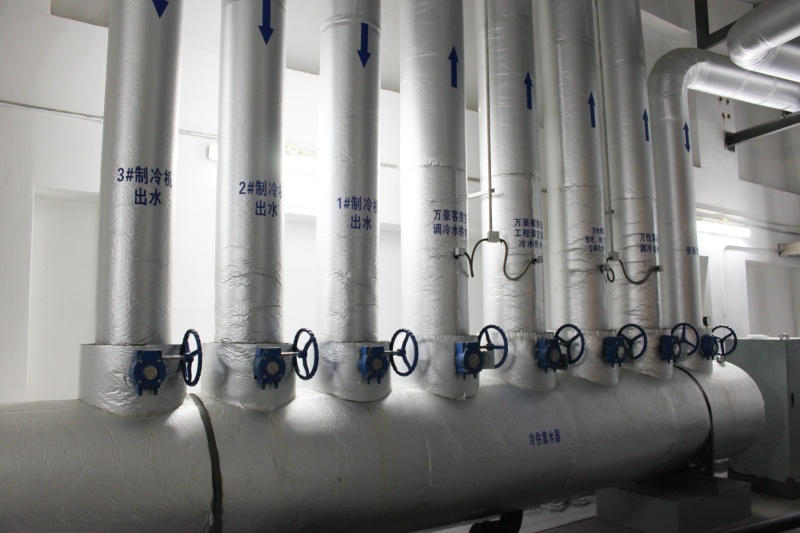
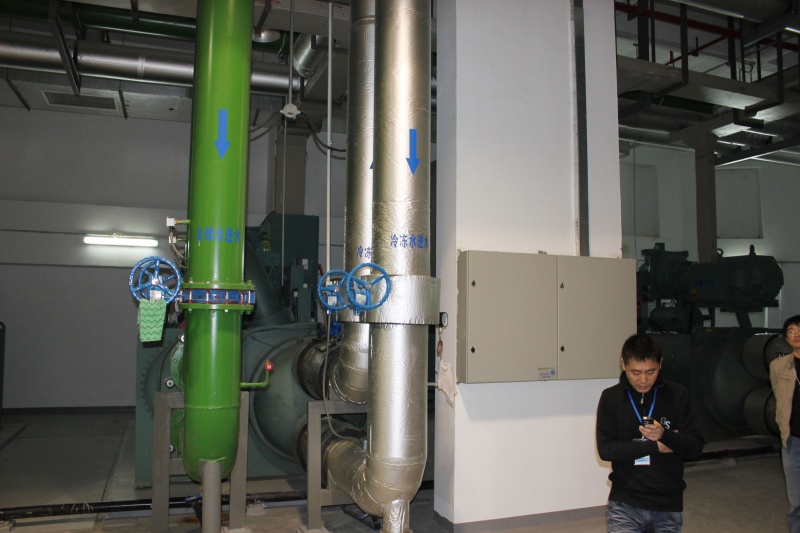
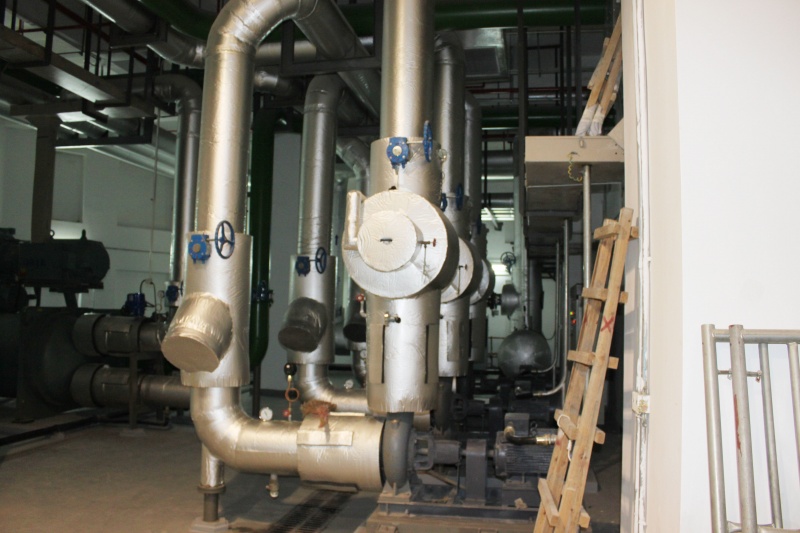
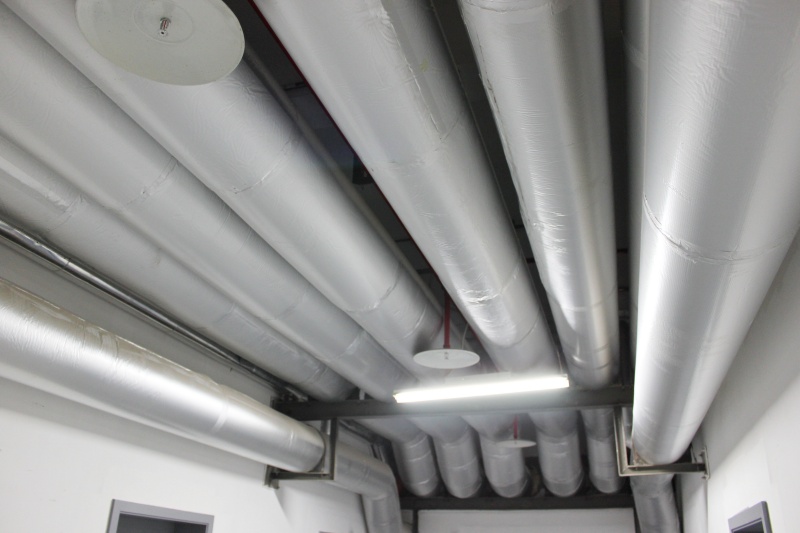


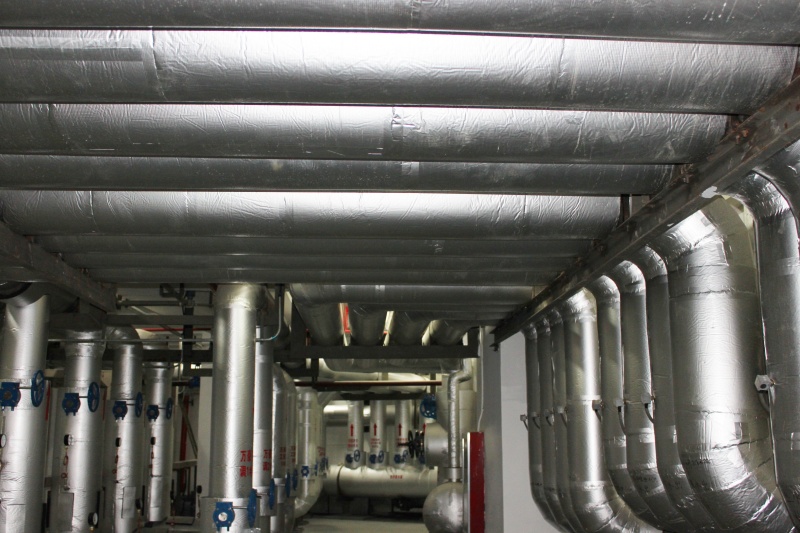
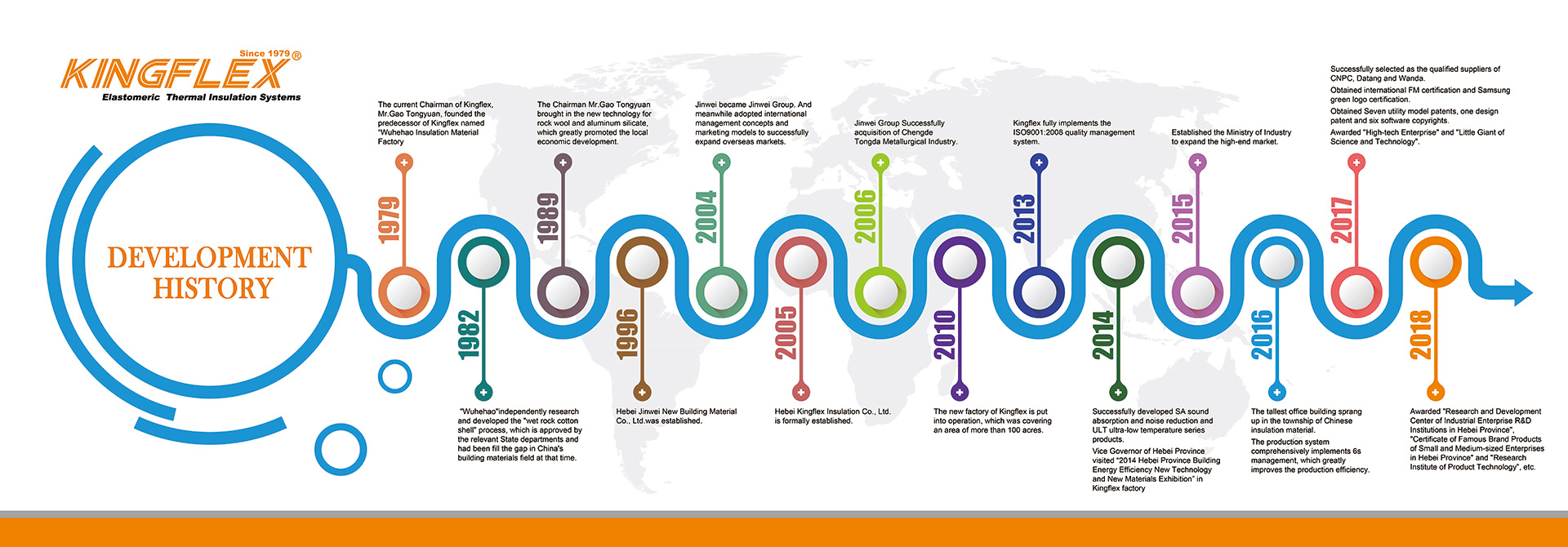
Kingflex was established by the Jinwei Group, which brings over 40 years of industry history. Established in 1979, the group was the first manufacturer of thermal insulation materials north of the Yangtze River in China. Building on this background, Kingflex operates as a combined manufacturing and trading company for thermal insulation products.
The research, development, and production departments are located in Dacheng, China, a recognized hub for energy-saving materials. In operation, Kingflex focuses on energy saving and consumption reduction as core design goals. We offer thermal insulation solutions that cover research, manufacturing, installation guidance, and post-sale support.
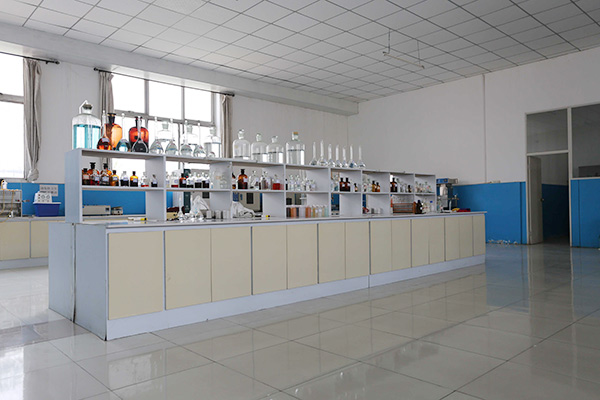
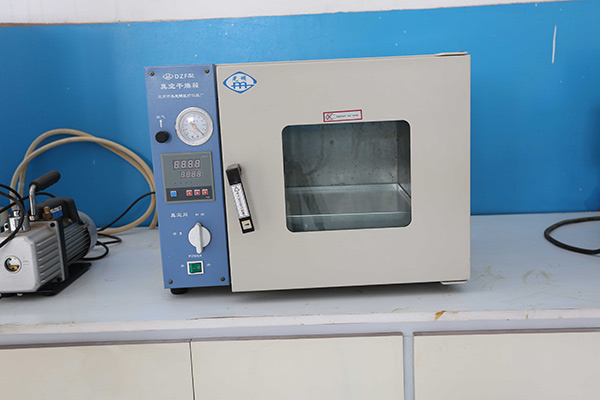
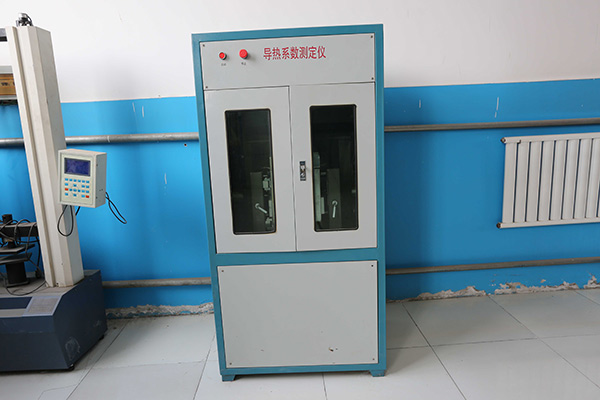
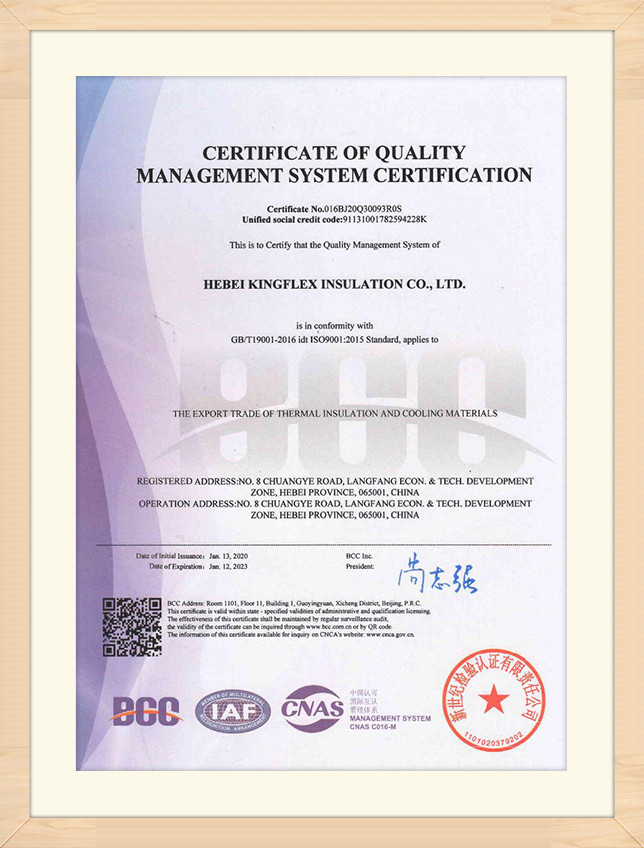
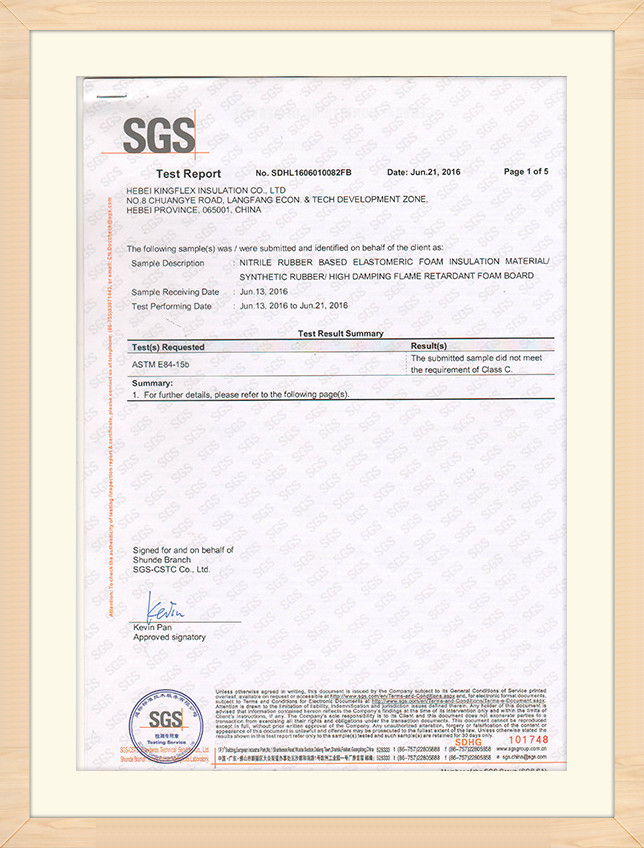
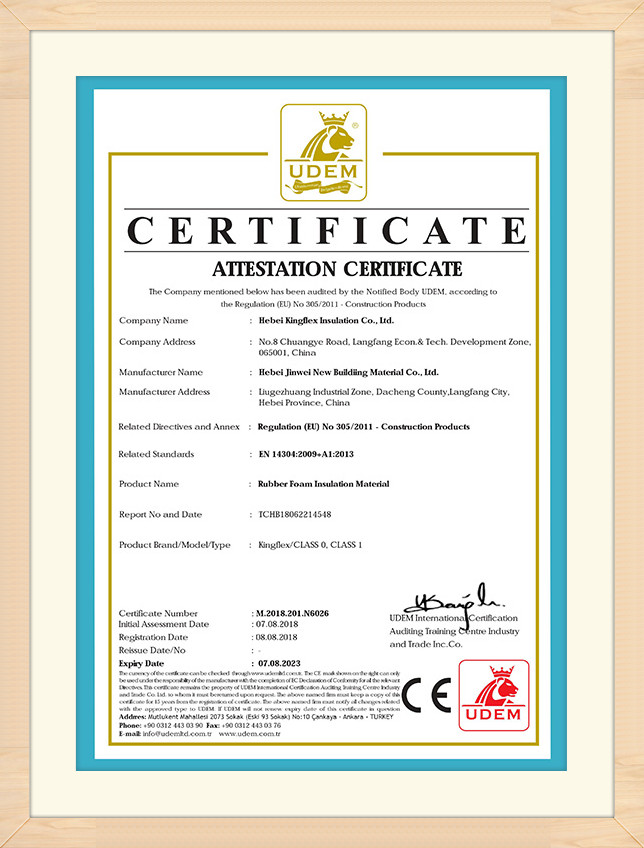
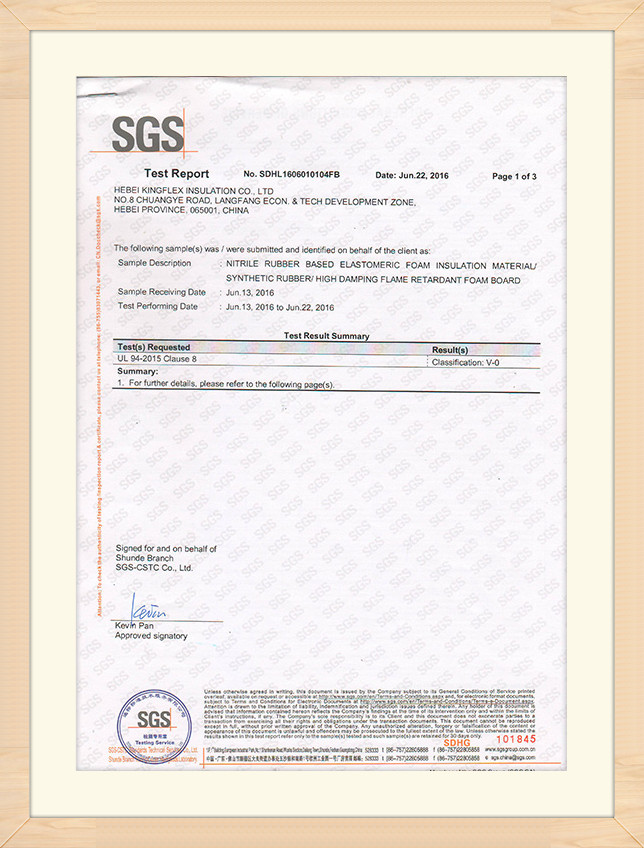

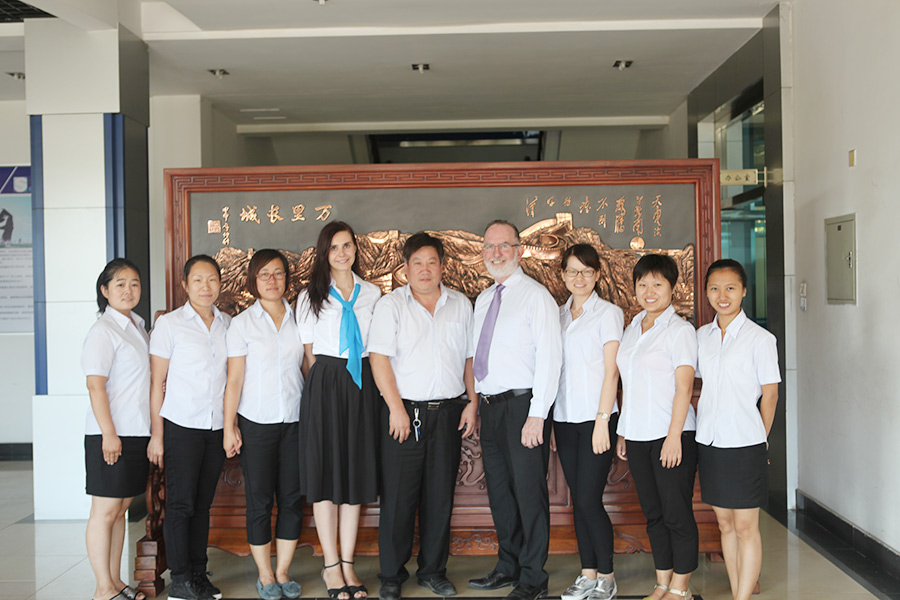
The Kingflex team consists of eight professional engineers in the R&D department, six international sales representatives, and 230 workers in the production department. Our engineers focus on testing physical characteristics to ensure structural consistency and compliance.

Detailed answers regarding product properties, international standards, and engineering specifications.
 Kingflex