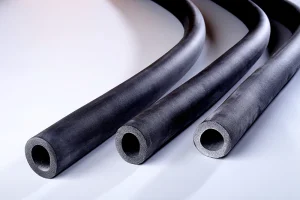
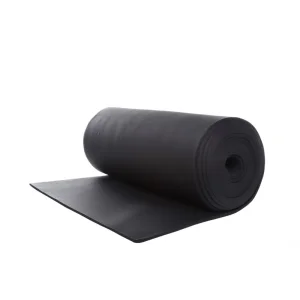
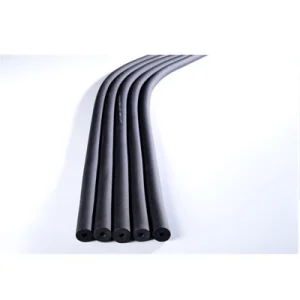
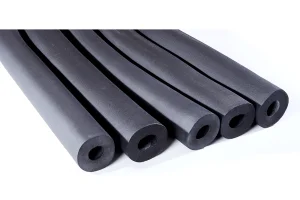
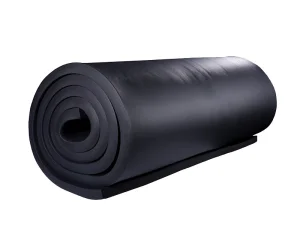
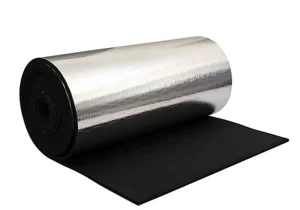
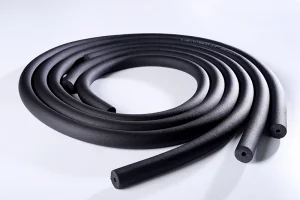
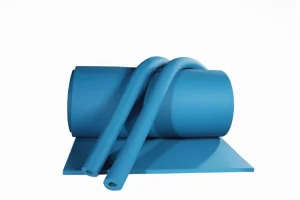
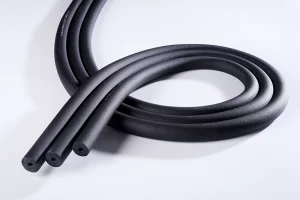
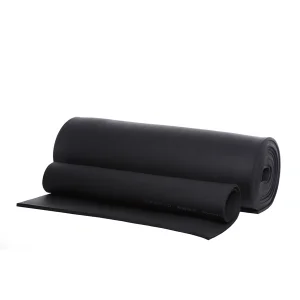
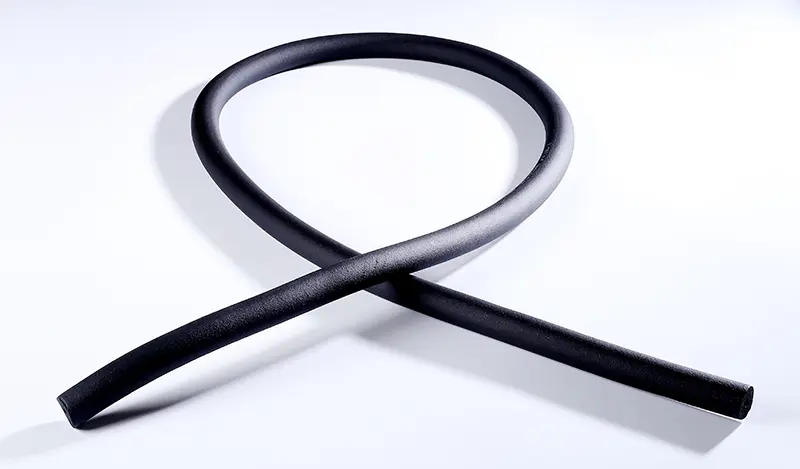
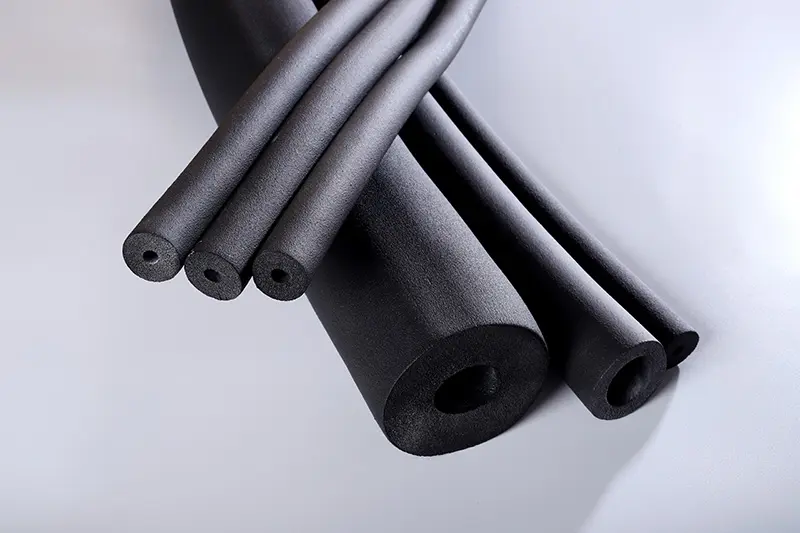
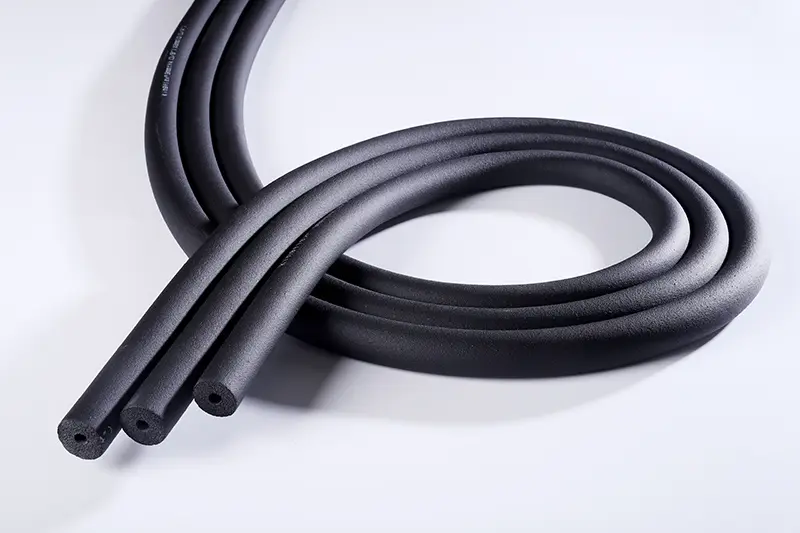
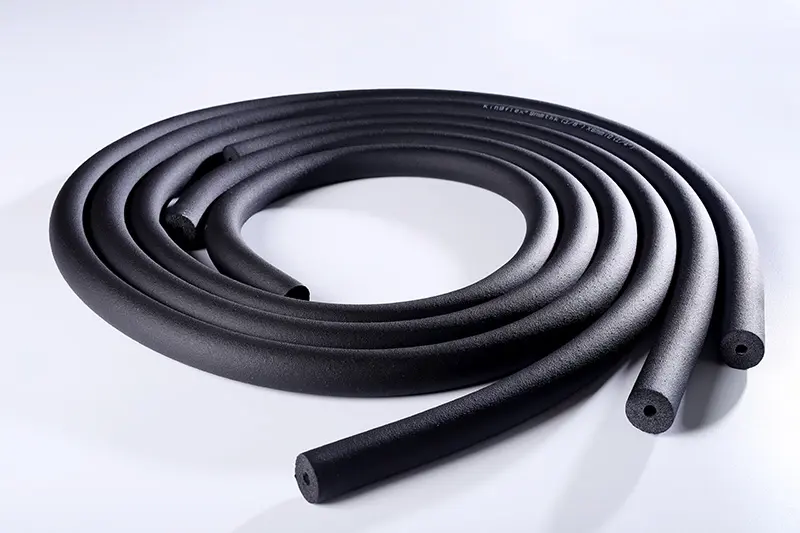
Explore our high-performance closed-cell elastomeric rubber foam sheets, rolls, and pre-formed tubes engineered for thermal efficiency and noise suppression.
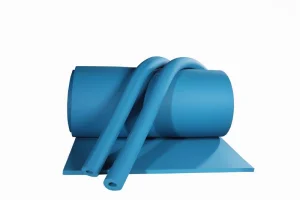
A comprehensive examination of global market dynamics, material physics, regulatory compliance, and installation best practices for modern building services.
In high-density urban environments, acoustic comfort has transitioned from a premium design choice to a mandatory regulatory requirement. Wastewater pipelines, rainwater downspouts, and high-pressure fluid conduits in commercial high-rises represent primary conduits for structure-borne and airborne noise. Standard PVC, iron, or HDPE pipes lack the dampening capacity to mitigate the sound of turbulent flow, causing decibel levels to exceed acceptable comfort thresholds.
Modern building regulations—such as DIN 4109 in Europe, ASTM E90/E413 in North America, and equivalent green building codes worldwide—mandate strict control over indoor sound transmission levels. The demand for industrial-grade, soundproof elastomeric rubber foam covers has surged, driven by its multi-layered benefits: outstanding acoustic damping (vibration decoupling) combined with thermal insulation to prevent condensation and energy loss.
Traditional fibrous insulation like rock wool provides sound absorption but struggles with moisture intrusion and requires thicker wall layers, leading to spatial inefficiencies. Closed-cell elastomeric rubber foam (NBR/PVC) presents a superior solution due to its micro-cellular structure. It acts as an acoustic decoupling barrier, isolating the pipe wall from the building structure.
By trapping air in millions of microscopic, independent pockets, Kingflex NBR/PVC foam delivers exceptional structural resilience. It exhibits high transmission loss characteristics across key frequency bands (125 Hz to 4000 Hz), absorbing low-frequency rumbles from fluid surges and dampening high-frequency hiss from valves. Additionally, the integrated vapor barrier inherent in closed-cell structures eliminates the risk of interstitial condensation, preventing mold growth and protecting metal conduits from corrosion under insulation (CUI).
Our soundproofing solutions are deployed across specialized domains globally:
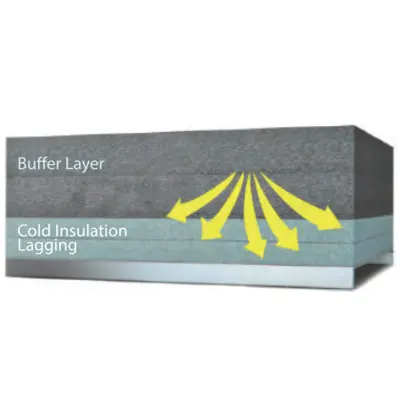
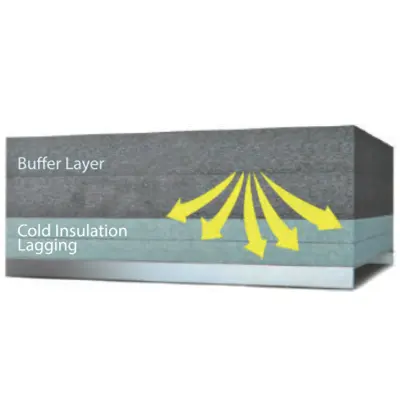
The insulation industry is shifting toward highly integrated composite materials. Future pipelines will utilize dual-layer systems consisting of a high-density viscoelastic mass layer combined with an elastomeric decoupling foam layer. This mass-spring-mass mechanism maximizes acoustic transmission loss without increasing bulk thickness.
Kingflex is spearheading this transformation by researching bio-based, halogen-free elastomeric compounds. Our roadmap includes integrating smart thermal-acoustic sensor networks within pipe wraps to monitor real-time flow turbulence, temperature fluctuations, and moisture penetration. This data feeds directly into smart building management platforms (BMS), paving the way for predictive maintenance in industrial facilities.
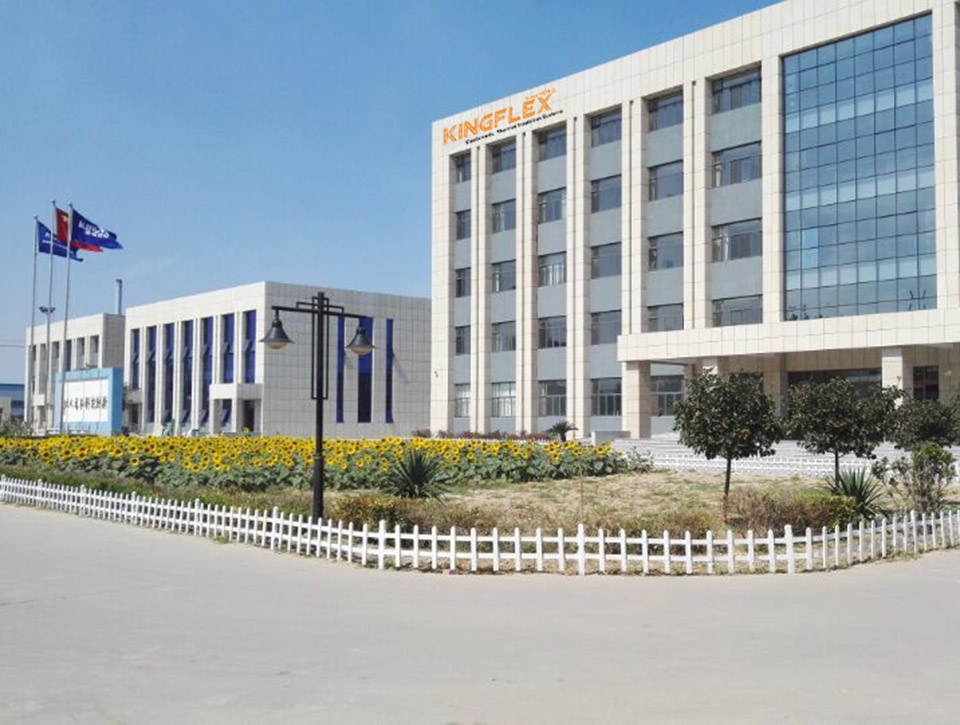
Kingflex Insulation Co., Ltd. represents a premier manufacturing and trading combo for high-end thermal and acoustic insulation products. Located in Dacheng, China—the capital of green building materials—our facility integrates research, development, and high-volume production. With an unwavering focus on energy efficiency and carbon footprint reduction, we supply tailored insulation systems to leading contractors worldwide.
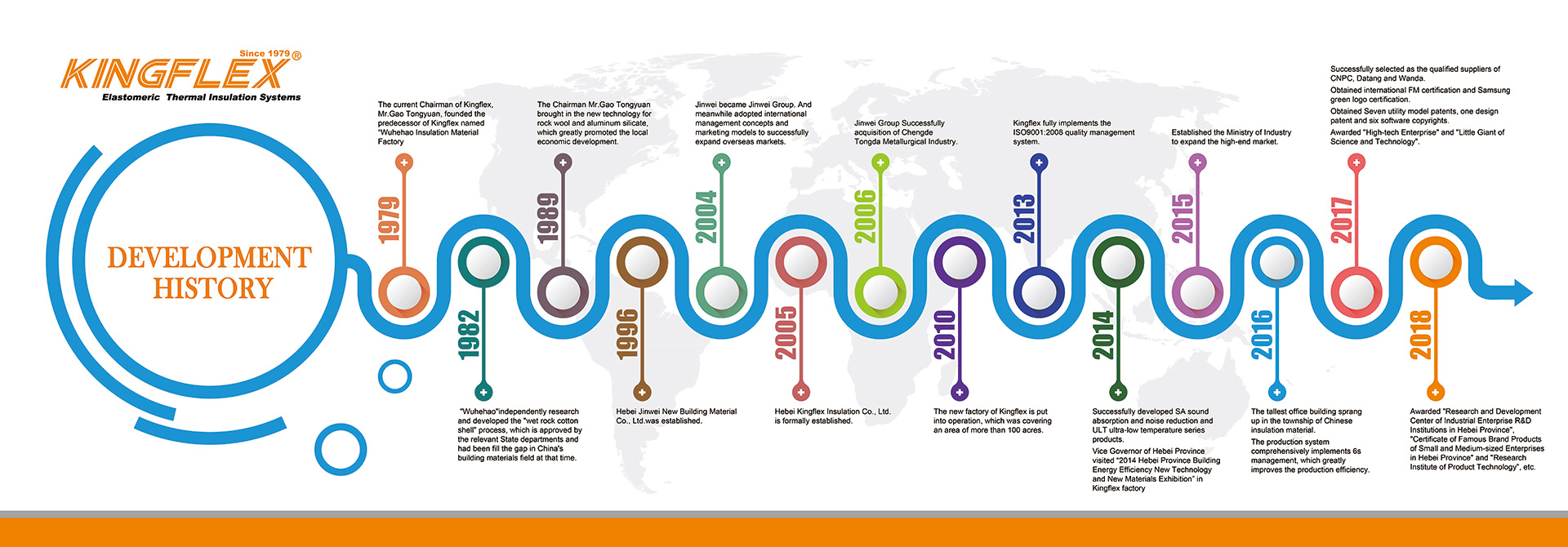
Our technological legacy dates back to 1979 under the Jinwei Group, pioneering the thermal insulation sector north of the Yangtze River. Today, our facility operates five high-capacity automated production lines, serving as a designated supplier for major energy, power generation, and chemical projects globally.
Engineered to perform in demanding environments. Review physical property parameters for our sheet rolls and pre-formed tubes.
| Parameter | Standard Specifications |
|---|---|
| Material Composition | Premium Nitrile Butadiene Rubber (NBR) / Polyvinyl Chloride (PVC) Blend |
| Available Thicknesses | 6mm to 50mm (Custom calipers available upon request) |
| Material Density Range | 40 to 55 kg/m³ |
| Service Temperature Limit | -40°C to +105°C |
| Closed-Cell Structure Ratio | > 98% uniformly distributed cell distribution |
| Compression Recovery Rate | > 80% under standard load test conditions |
| Moisture Permeability | High resistance factor (μ ≥ 10,000), preventing vapor transition |
| Parameter | Standard Specifications |
|---|---|
| Material Base | NBR/PVC closed-cell elastomer with custom acoustic filler additives |
| Wall Thickness Range | 9mm to 40mm |
| Inner Diameter (ID) | 6mm to 114mm (Compatible with standard copper, iron, and plastic pipes) |
| Density Limits | 40 to 55 kg/m³ |
| Thermal Conductivity (λ) | ≤ 0.034 W/(m·K) at 0°C |
| Fire Performance | Flame retardant, self-extinguishing chemistry, compliant with class-0/class-1 standards |
| Physical Advantage | Substantially eliminates mechanical noise, prevents frost rupture and surface condensation |
Tracing our lineage from 1979 to a global manufacturing footprint operated by specialized engineers.
Our research, development, and production divisions are located in China's green-building material industrial zone. We prioritize high-efficiency, environment-friendly systems spanning thermal, cold, and acoustic insulation solutions. By offering consulting, advanced testing, and bespoke manufacturing, Kingflex drives energy conservation in construction, HVAC, and power generation sectors.
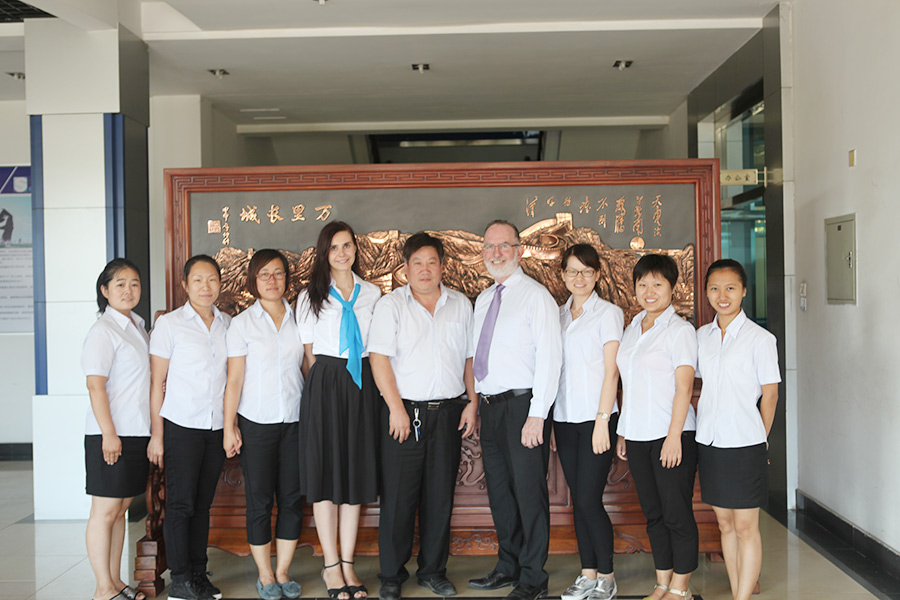
Kingflex maintains a tight-knit, multi-disciplinary team focused on delivering first-class service. Our team is composed of:

Our commitment to rigorous testing and constant technological advancement ensures that every batch of elastomer foam meets fire-safety, density, and sound attenuation standards before leaving the facility.
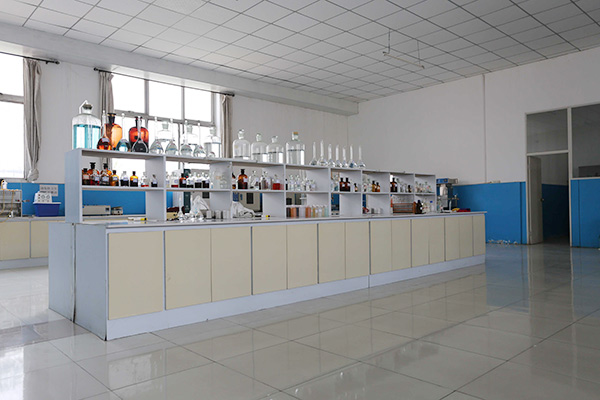
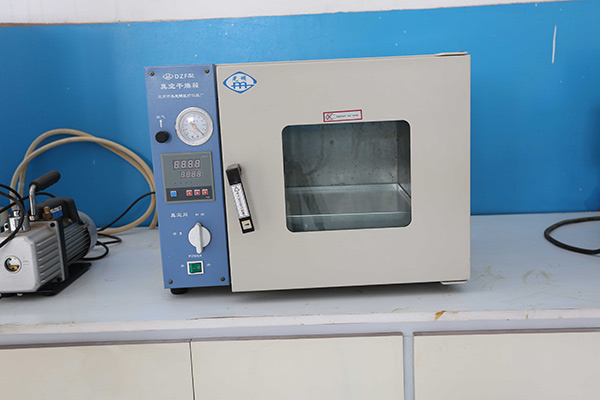
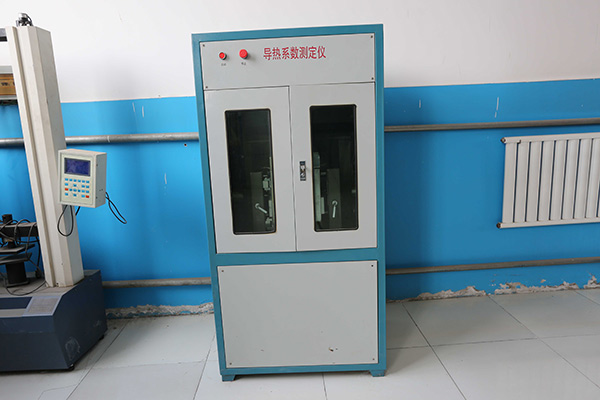
Kingflex insulation systems are tested by accredited laboratories to verify compliance with international safety and performance criteria.
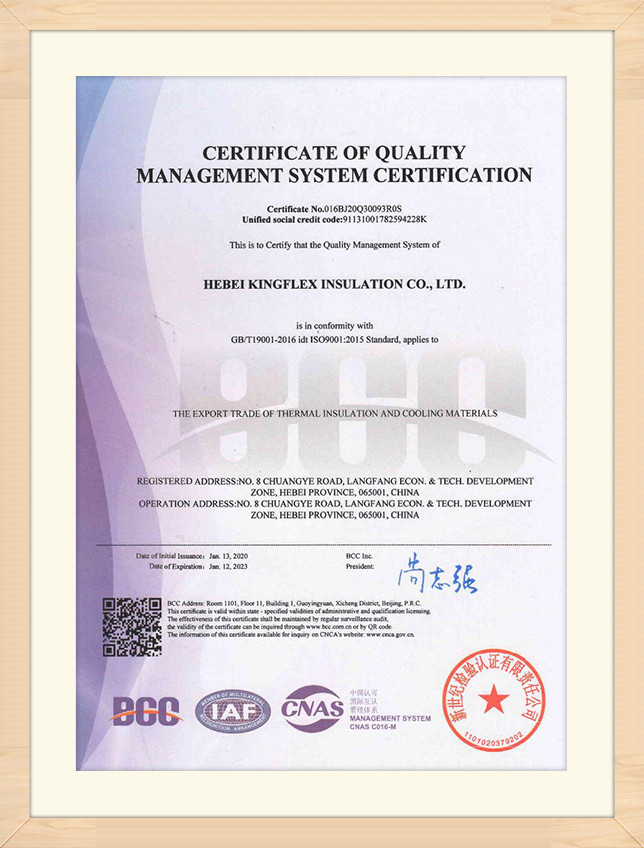
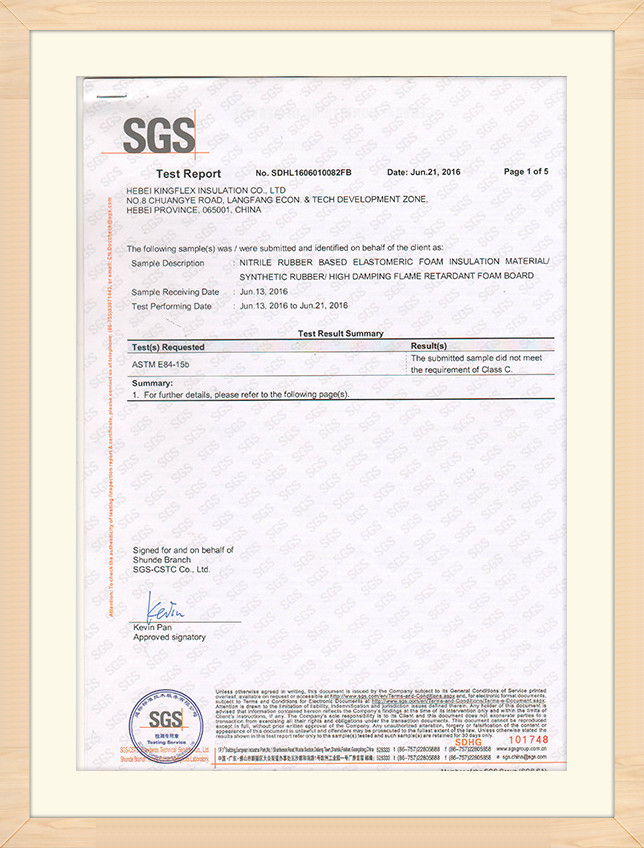
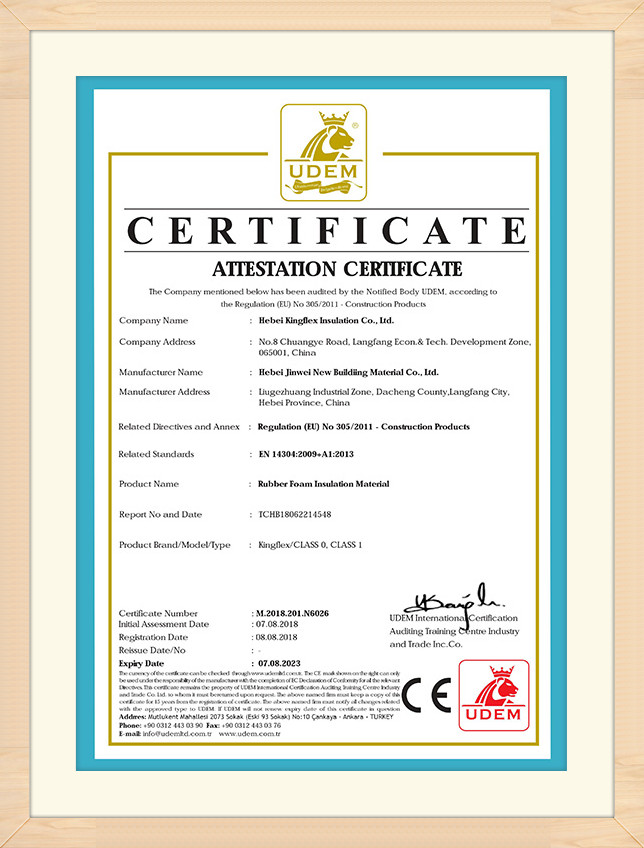
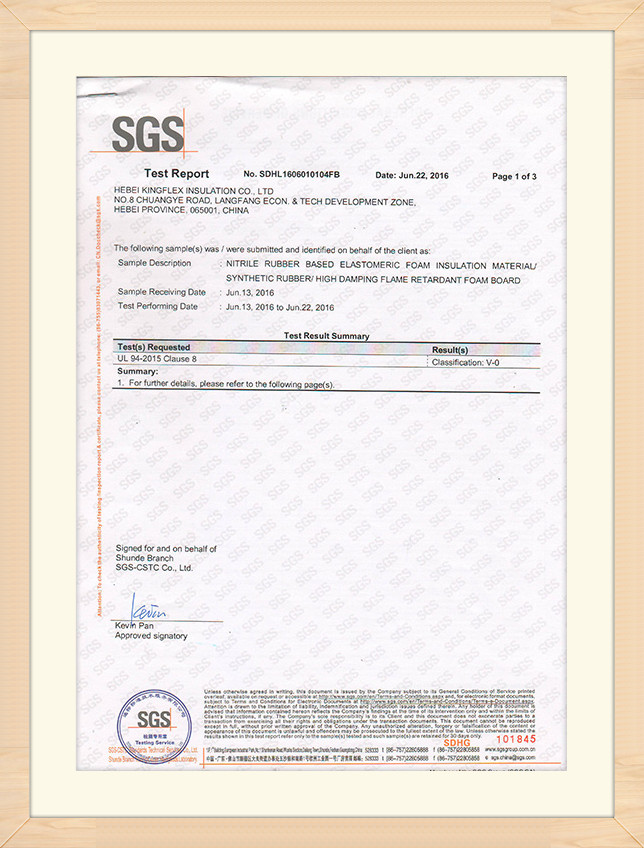
Our products hold certificates for BS 476, CE, REACH, RoHS, UL94, and ASTM, ensuring compatibility with building regulations in Asia, Europe, and the Americas.
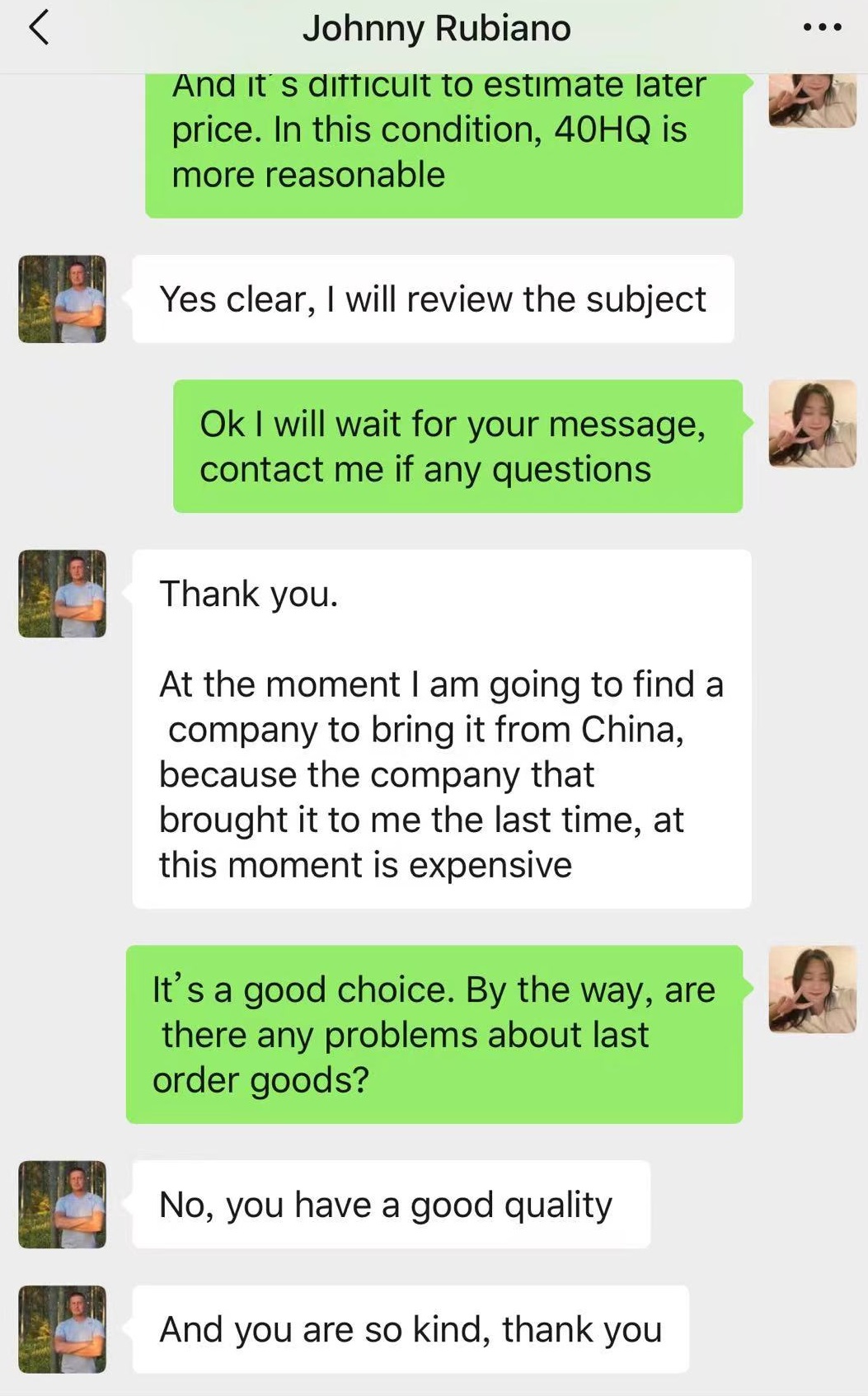
Direct communication and delivery evidence from real engineering supply partnerships across the globe.




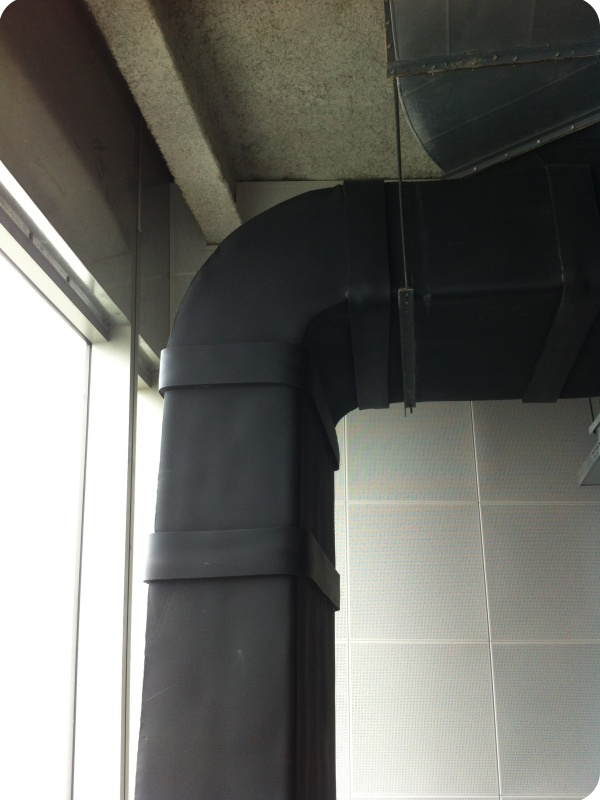
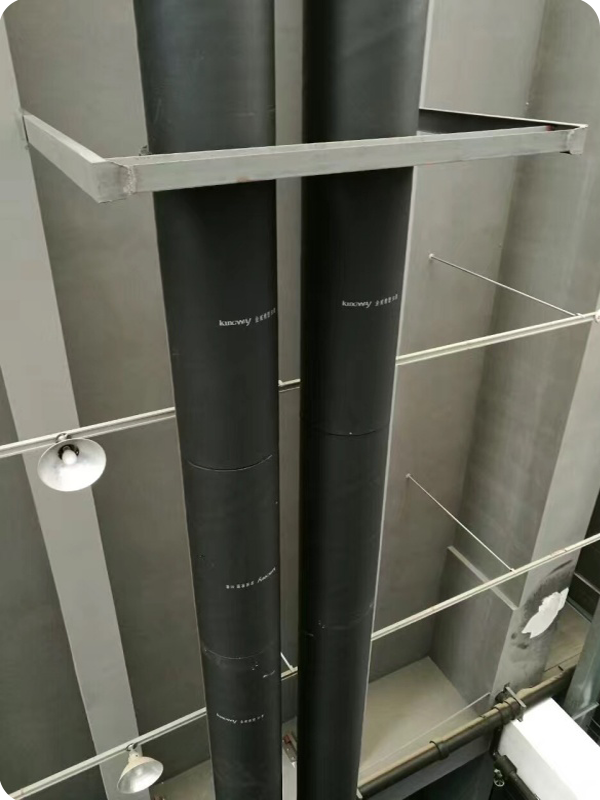
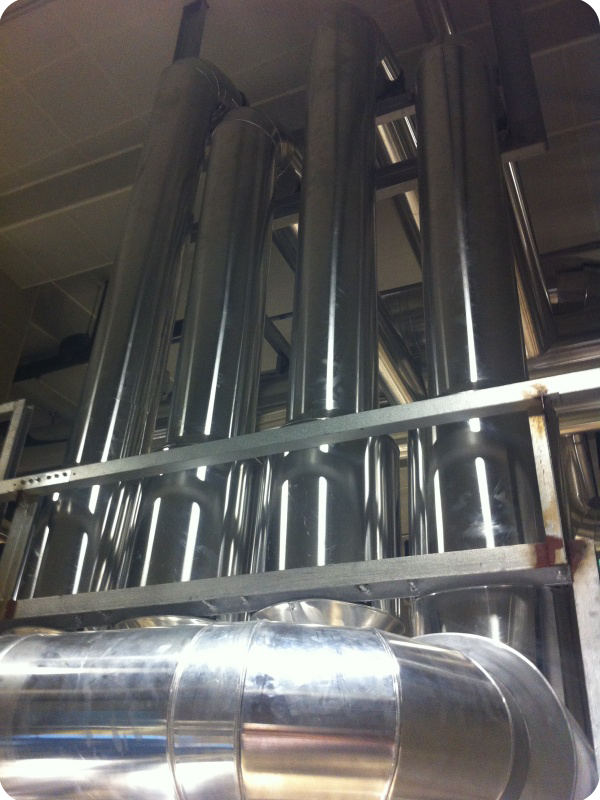
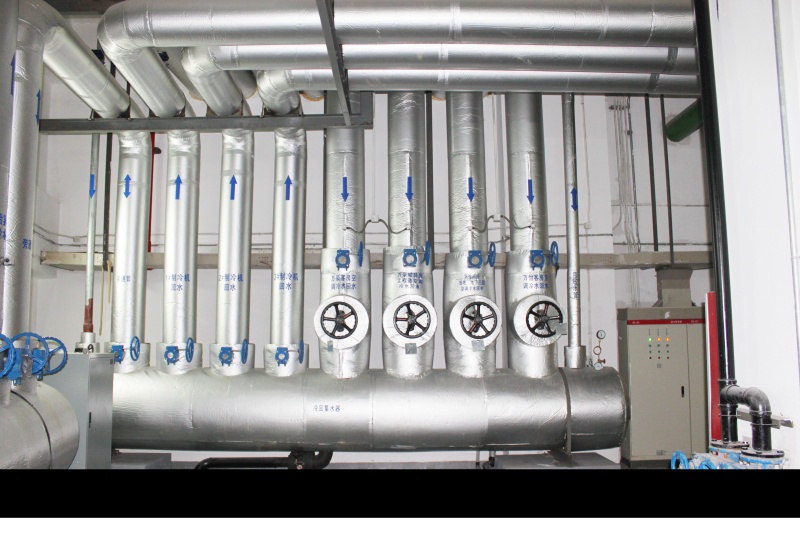
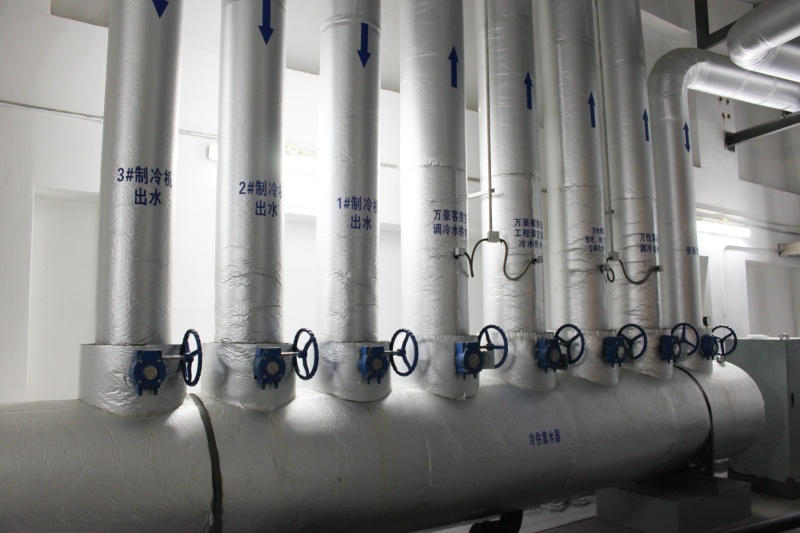
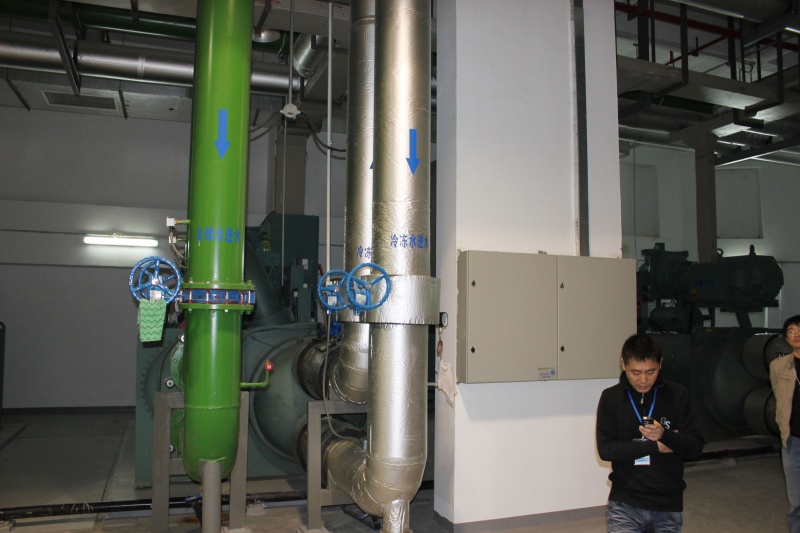
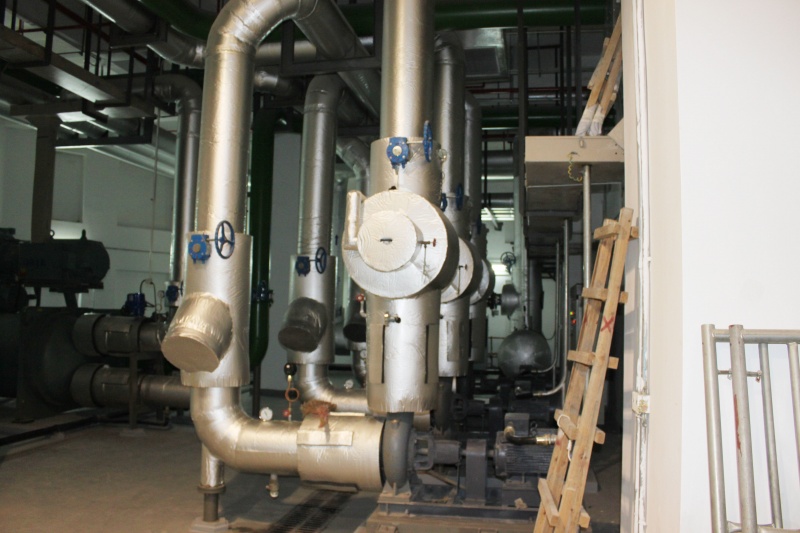
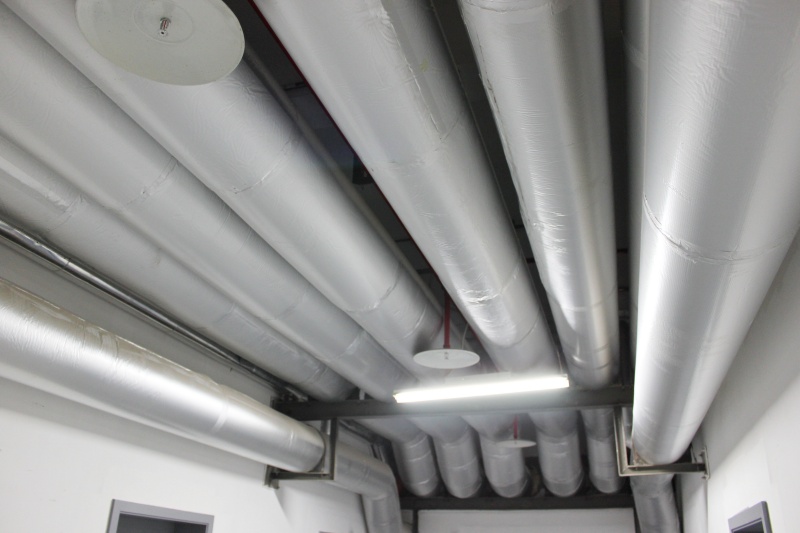
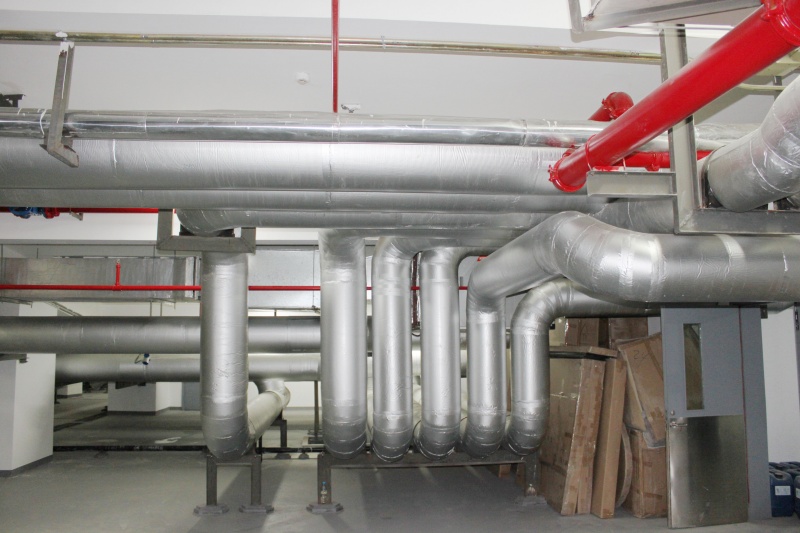
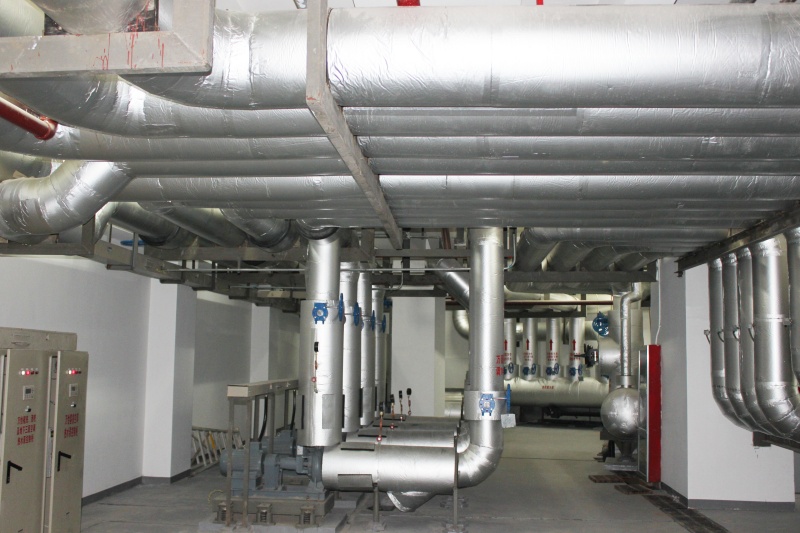
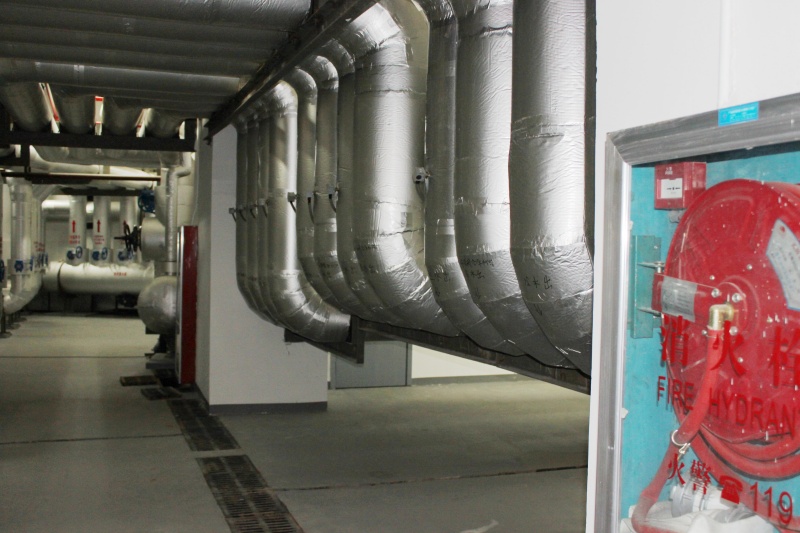
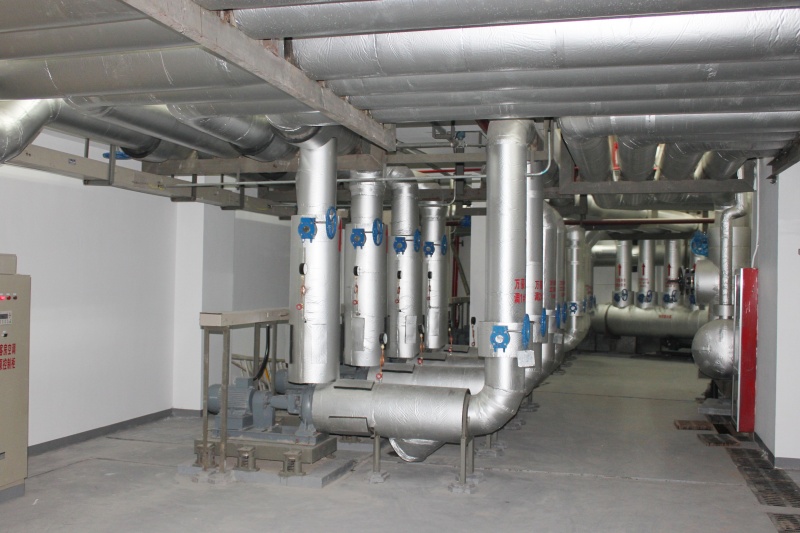
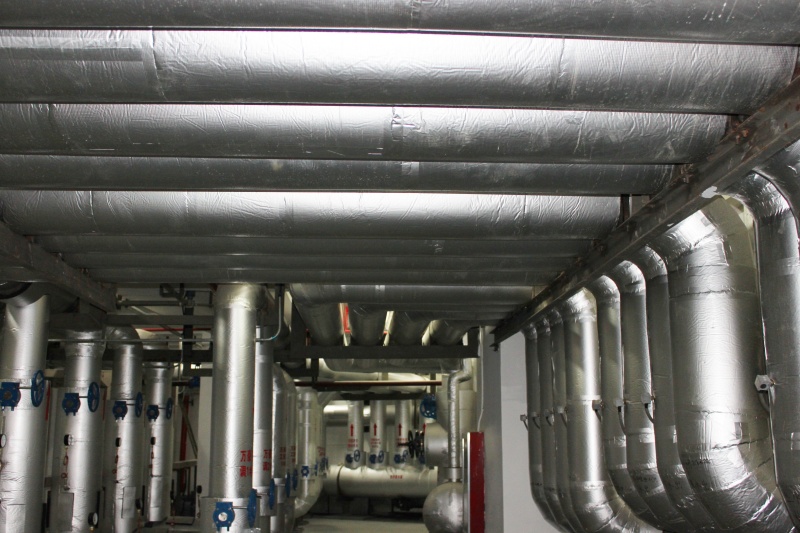
Acoustic and thermal insulation installations in construction, petrochemical plants, and commercial buildings.

An inside look at our 5 automated production lines, quality control, and shipping yards.


Critical insights on insulation physics, acoustic decoupling engineering, and fire compliance.
It is mainly used for HVAC ducts, air conditioning pipes, building thermal insulation, industrial pipeline cold insulation, and sound insulation. Its closed-cell structure makes it particularly effective in high-moisture environments, preventing condensation while dampening low-to-mid frequency vibrations in fluid-carrying conduits.
Yes, our rubber foam insulation is formulated with halogen-free flame retardants, allowing it to meet international building safety standards. It self-extinguishes upon fire exposure and minimizes flame spread and toxic smoke density, satisfying Class 0 and Class 1 standards (e.g., BS 476 Part 6/7, UL94 V-0).
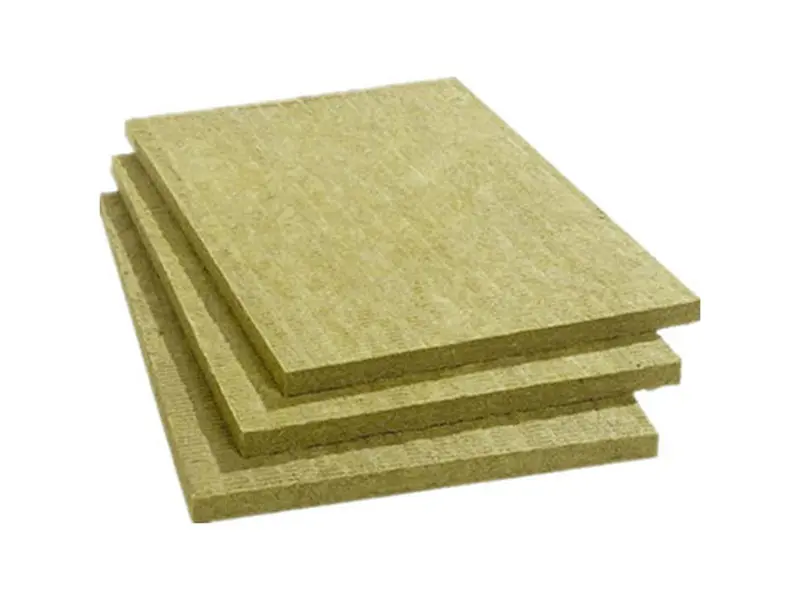
Rubber foam is flexible, closed-cell, and highly moisture-proof, making it ideal for HVAC, cold insulation, and space-constrained sound dampening. In contrast, rock wool is an open-cell fibrous material suited for high-temperature applications (exceeding 250°C to 1000°C) and structural fire walls. However, rock wool requires an external vapor barrier to prevent moisture absorption, which can compromise its performance.
Yes, we provide OEM and ODM services. We customize thickness, inner diameter, external cladding (such as aluminum foil or self-adhesive backings), and density profiles to match your structural or industrial design requirements.
Our products have passed BS 476, CE, REACH, RoHS, UL94, and ASTM testing, certified by international testing agencies to ensure full regulatory compliance across global commercial markets.
Yes. Every production run undergoes automated batch coding. We maintain digital archives of raw material inputs, curing temperatures, and quality assurance logs to enable full traceability from raw chemicals to finished products.
Our continuous automated extrusion and slicing lines produce sheet rolls in thicknesses ranging from 6mm to 50mm, maintaining precise tolerances of ±0.5mm.
When installed according to specifications, Kingflex products provide a service life of 10 to 15 years in typical indoor building services. For outdoor settings, we recommend adding aluminum foil cladding to shield the elastomer from UV degradation.
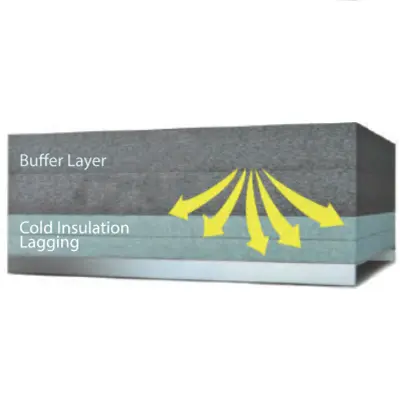
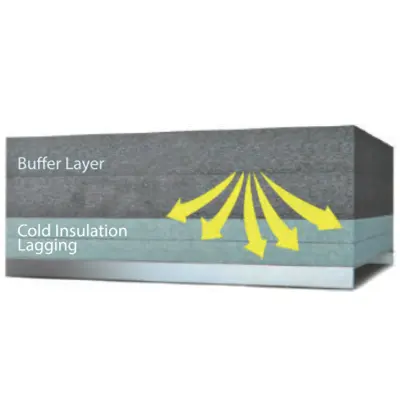
In plumbing acoustics, the rigid plastic or cast-iron pipe acts as the primary mass. The flexible, closed-cell Kingflex elastomeric foam operates as the "spring" (an acoustic decoupling layer that dampens vibration). Adding a high-density outer jacket creates a mass-spring-mass barrier, converting acoustic energy into thermal energy and significantly reducing airborne and structure-borne noise.
For cryogenic applications down to -200°C, Kingflex utilizes a specialized low-temperature synthetic elastomer. This formulation maintains flexibility at sub-zero temperatures, preventing cracking under thermal stress and protecting the line from moisture ingress and frost build-up.
Premium specialized materials including cryogenic elastic foam, self-adhesive foil systems, and acoustic open-cell configurations.
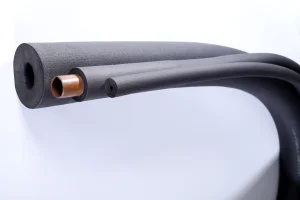
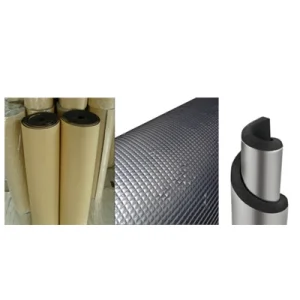
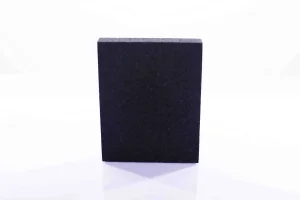
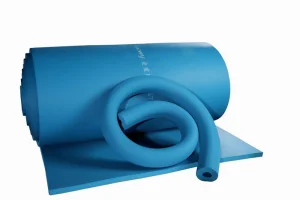
Explore our classic, proven insulation models engineered for long-term thermal resistance and structure-borne vibration dampening.
Our international operations division and support teams are committed to delivering reliable insulation solutions globally.

 Kingflex