High-efficiency systems designed to prevent condensation, minimize Boil-Off Gas (BOG), and withstand the rigorous marine environments of Portugal's deepwater ports.
Unlocking thermodynamic efficiency across Sines, Lisbon, and northern chemical hubs.
As Portugal accelerates its energy transition under the National Energy and Climate Plan (PNEC 2030), the country is consolidating its position as a critical European clean energy hub. The focal point of this transformation is the Port of Sines, which handles the import of Liquefied Natural Gas (LNG) and is rapidly scaling up to support liquid green hydrogen ($LH_2$) logistics. In these sub-zero environments, ranging from $-162^\circ\text{C}$ for LNG to $-253^\circ\text{C}$ for liquid hydrogen, standard insulation materials fail. Thermal contraction, ambient moisture ingestion, and mechanical stress require advanced engineering solutions.
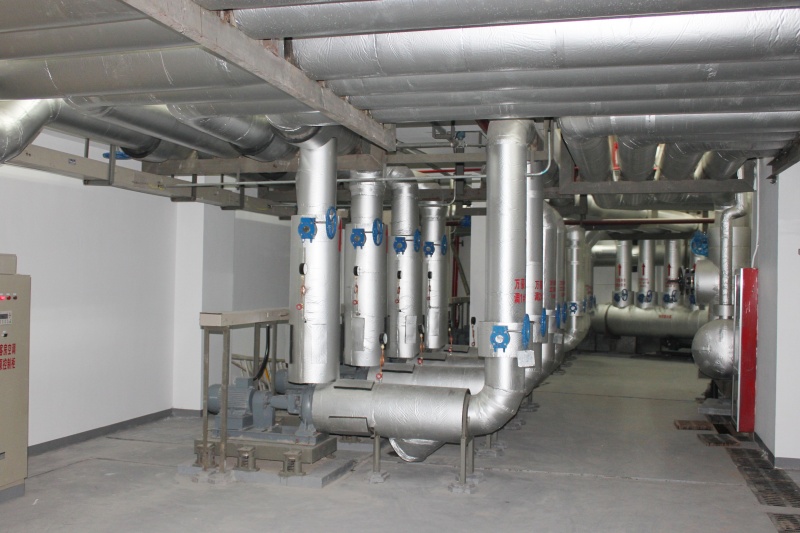
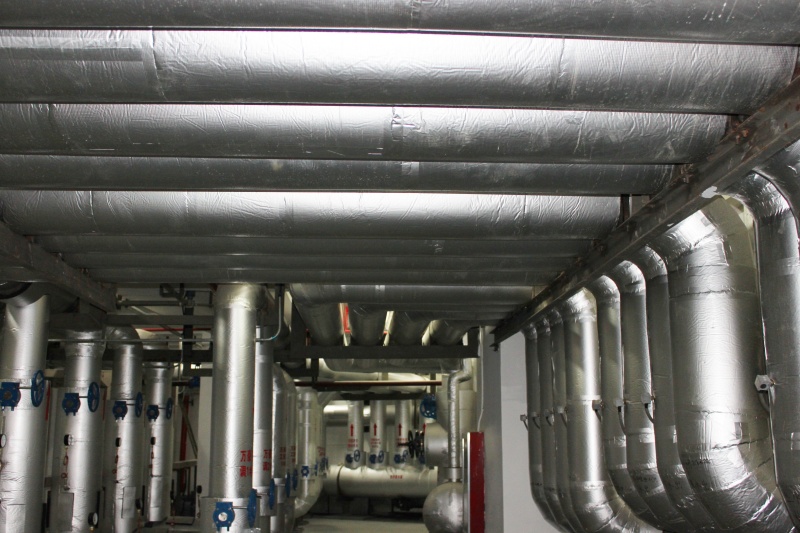
Coastal Portugal faces severe maritime corrosion risks. The high relative humidity and salinity in regions like Lisbon, Setúbal, and Leixões demand insulation systems that prevent Corrosion Under Insulation (CUI). Traditional rigid polyurethane (PUR) or mineral wool systems allow air gaps where moisture accumulates. Our closed-cell elastomeric foam insulation provides an integrated vapor barrier, with a water vapor diffusion resistance factor ($\mu$) exceeding 10,000, eliminating the primary driver of CUI and ensuring system lifespans of up to 15 years in corrosive marine environments.
Through our direct supply network, we equip Portuguese engineers, EPC contractors, and chemical plants in Estarreja and Matosinhos with cryogenic systems engineered to reduce Boil-Off Gas (BOG) rates, protect infrastructure assets, and lower operational energy consumption.
Thermodynamic benchmarks of Kingflex elastomeric systems versus conventional thermal solutions.
Developing cryogenic insulation systems requires balancing thermal conductivity ($\lambda$) and mechanical flexibility. Standard rubber foam materials undergo a glass transition phase at temperatures below $-50^\circ\text{C}$, rendering them brittle and prone to structural cracking from pipeline expansion and contraction. Kingflex’s proprietary cryogenic NBR/PVC matrix integrates specialized plasticizers and synthetic elastomers to maintain elastic properties down to $-200^\circ\text{C}$. This eliminates the need for complex expansion joints and multi-layered vapor barriers common in rigid glass systems.
| Parameter | Kingflex Cryogenic Elastomeric | Cellular Glass (CG) | Polyisocyanurate (PIR) | Test Standard Reference |
|---|---|---|---|---|
| Thermal Conductivity (at -160°C) | ≤ 0.035 W/(m·K) | ≤ 0.048 W/(m·K) | ≤ 0.038 W/(m·K) | ASTM C518 / ISO 8301 |
| Water Vapor Permeability | ≤ 1.96 × 10⁻¹¹ g/(m·s·Pa) | Impermeable (under zero stress) | ≤ 5.8 × 10⁻¹⁰ g/(m·s·Pa) | ASTM E96 / DIN EN 12086 |
| Service Temperature Limit | -200°C to +105°C | -268°C to +400°C | -180°C to +120°C | ASTM C534 / EN 14706 |
| Flexibility at Cryogenic Temps | Excellent (Non-brittle matrix) | Brittle (Requires expansion joints) | Brittle (High cracking risk) | Custom Cryo-Bending Test |
| Fire Classification | Class O / B-s3, d0 (Self-extinguishing) | Class A1 (Non-combustible) | Class B / C (Requires flame retardants) | BS 476 Part 7 / EN 13501-1 |
| Corrosion Prevention (CUI) | Active (No air gaps + low absorption) | Passive (Water can bypass joints) | Moderate (Prone to joint seal failure) | ASTM C1617 / ISO 19280 |
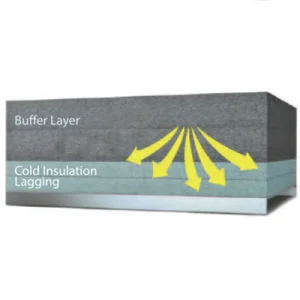
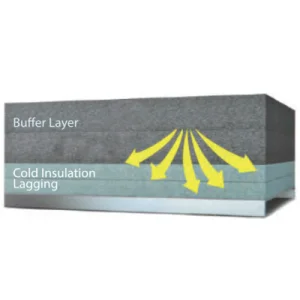
Moisture intrusion is the primary cause of cryogenic insulation failure. When moisture reaches cold surfaces, it freezes, expands, and destroys the insulation structure. Our closed-cell formulation ensures long-term vapor defense without relying on external foil barriers.
LNG pipelines and industrial compressors generate high-frequency mechanical vibrations. The viscoelastic properties of our NBR/PVC composite absorb these dynamic loads, preventing crack propagation and reducing environmental noise pollution.
Traditional cellular glass or PIR requires complex, multi-layered systems with protective metal cladding. Kingflex elastomeric sleeves and sheets slide onto pipework, reducing installation labor costs by up to 50% in Portuguese shipbuilding and industrial retrofit projects.
Kingflex Insulation: Bridging global production capacity with local industrial demands.
Established by the Jinwei Group, which boasts a heritage dating back to 1979 as the pioneer manufacturer of thermal insulation materials north of the Yangtze River, Kingflex Insulation Co., Ltd. has developed into an integrated manufacturing and trading powerhouse. Headquartered in Dacheng, China—the recognized capital of green building materials—our operations are built on the core principle of energy consumption reduction.
We provide full-lifecycle insulation support, including thermal consultation, custom formulation, ISO-standard production, localized installation guidance, and post-sale technical support. We are a designated production enterprise authorized by major global industrial bodies, serving energy sectors worldwide.
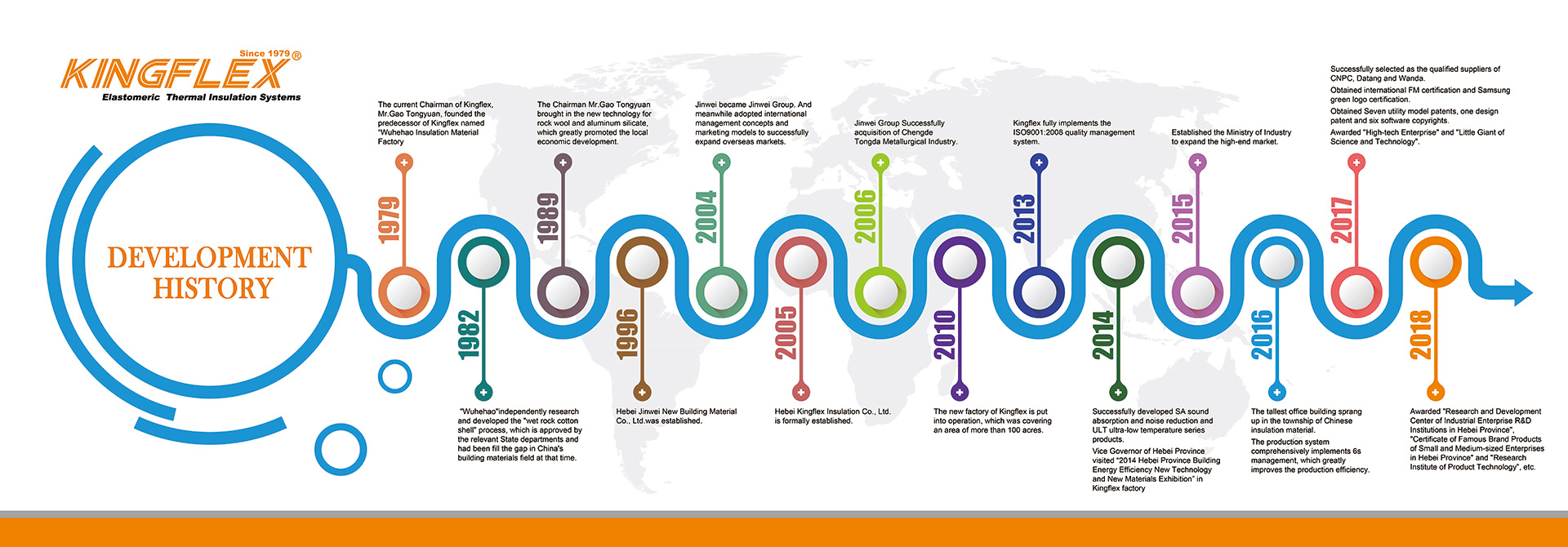
Established the region's first modern insulation materials plant, forming the foundation of our material research team.
Launched direct international exports, serving petrochemical and HVAC engineering operations in Europe, South America, and APAC.
Operating 5 automated production lines with an annual capacity exceeding 600,000 cubic meters, certified by international classification societies.
Our manufacturing capabilities are driven by a dedicated technical staff. Our team consists of 8 senior research and development engineers, 6 international logistics coordinators, and over 230 technicians and plant personnel.

Every batch of elastomeric foam undergoes rigorous testing before shipment, including thermal conductivity analysis, density checks, and fire retardancy validation.
Continuous material innovation to meet modern environmental and industrial performance demands.
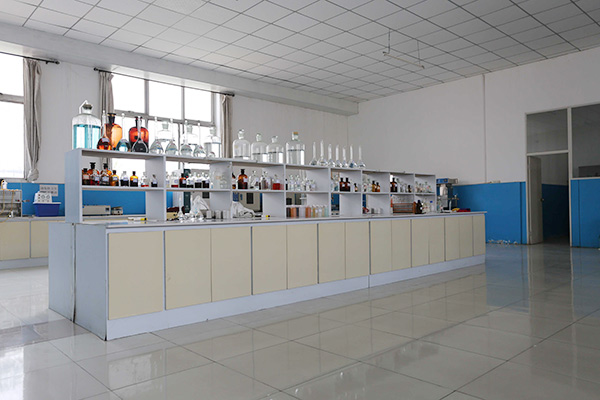
Microstructure Analysis Lab
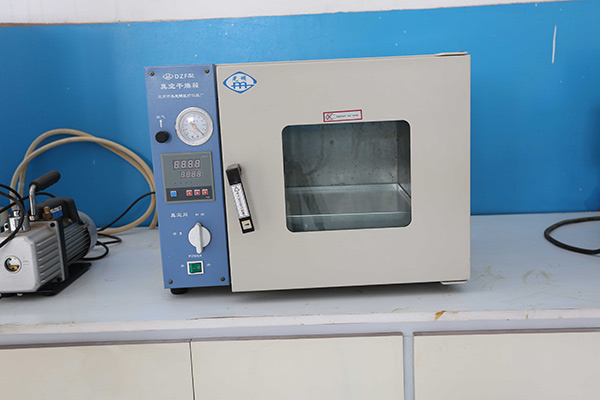
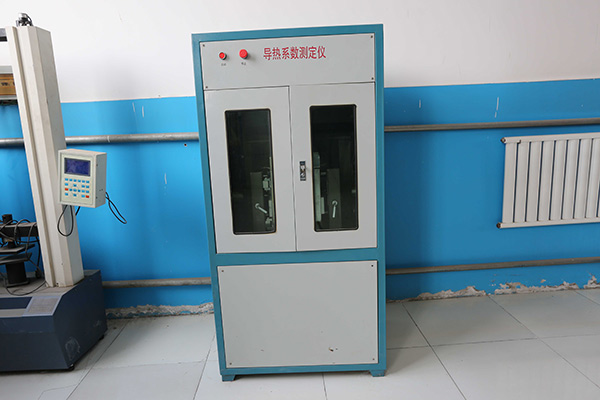
Thermal Conductivity Profiling
Production Quality Monitoring
Our material formulations are refined through our testing laboratories. By simulating real-world maritime environments, thermal shock profiles, and long-term aging cycles, we optimize the closed-cell structures of our products. This prevents cellular degradation under cyclic temperatures, maintaining high insulation value throughout the installation's lifespan.
Engineered solutions for Portugal's expanding logistics hubs, maritime networks, and process plants.
Designed for large-scale storage tanks, marine shipping terminals, and process loops at Sines. Minimizes Boil-Off Gas (BOG) rates to protect volatile liquids at sub-zero temperatures.
For vessel pipe insulation, LNG bunkering lines, and HVAC networks at Portuguese shipyards like Lisnave and West Sea. Protects against corrosion in high-salinity coastal environments.
Meets the demanding processing environments of industrial complexes in Estarreja. Provides fire-retardant, high-density insulation to safeguard critical process piping.
Fully certified insulation systems compliant with European Union building and maritime safety standards.
Compliance is critical in cryogenic and low-temperature engineering. Kingflex materials conform to strict EU directives and are certified under international testing systems. Every production run has full batch traceability, allowing engineers to track material properties from raw feedstock to final delivery.
Our products have passed CE, BS 476, REACH, ROHS, UL94, and ASTM certifications, verifying that they meet fire-safety, environmental, and thermal requirements for high-risk industrial projects.
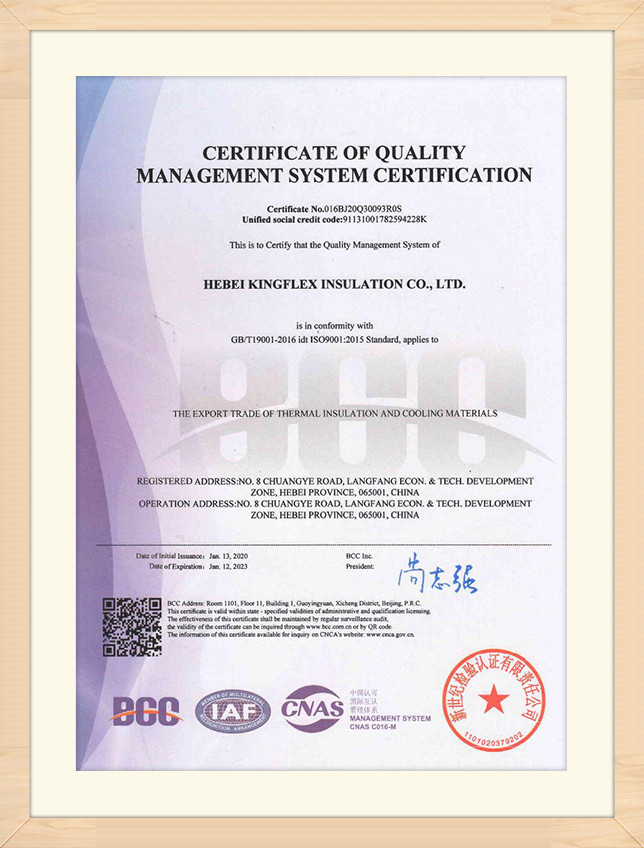
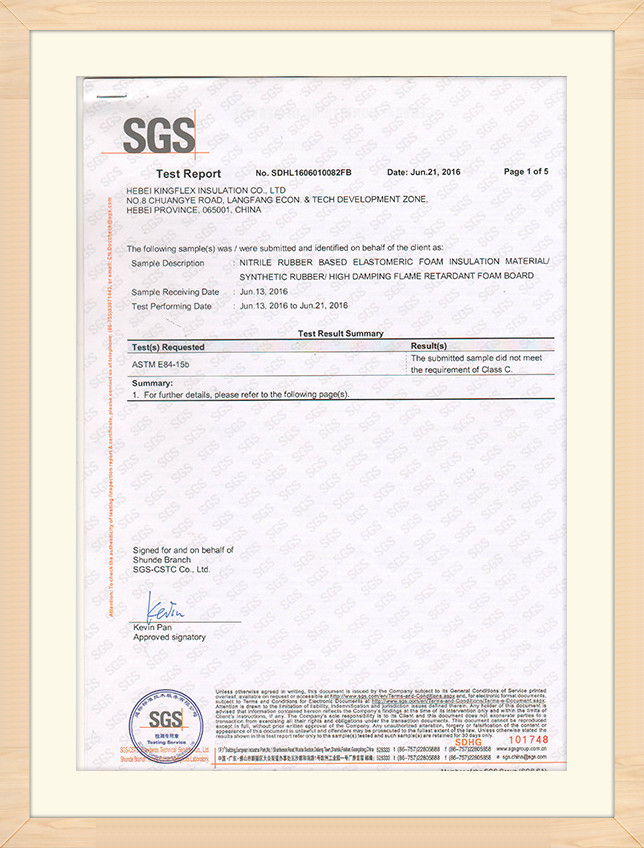
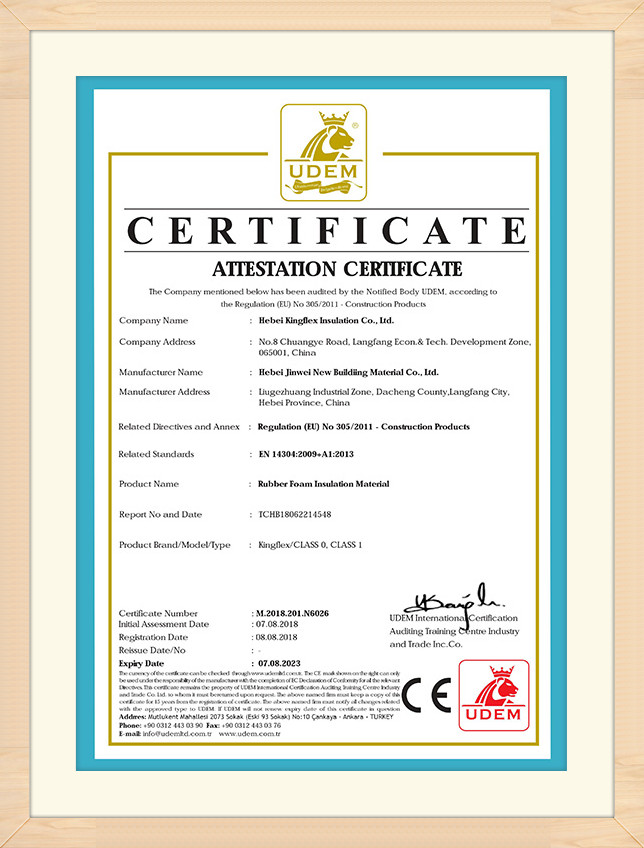
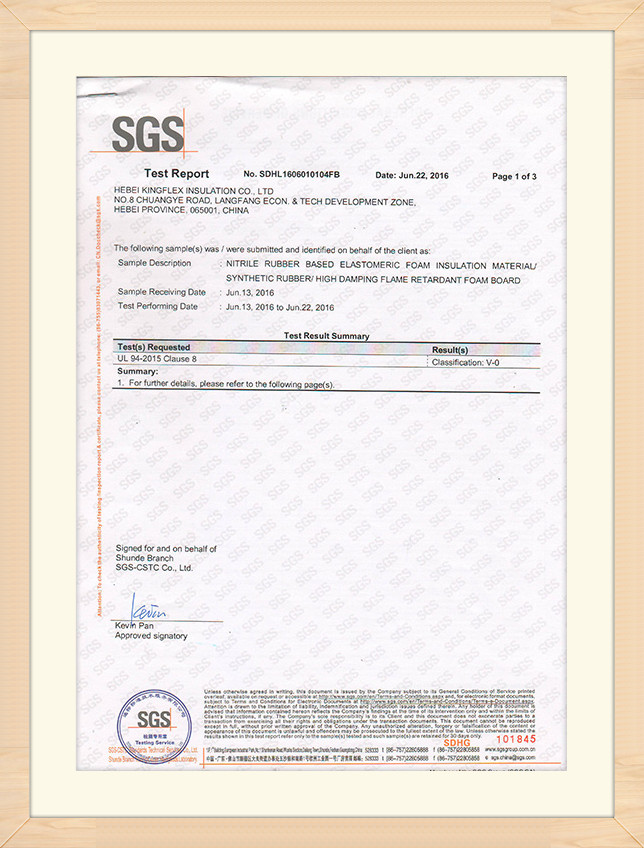
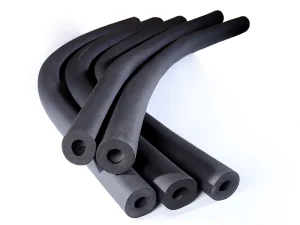
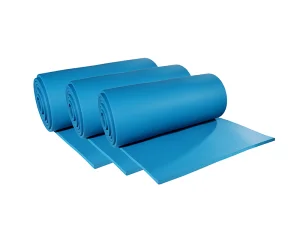
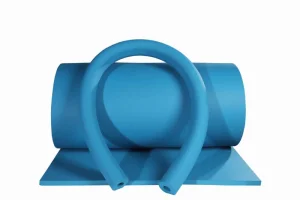
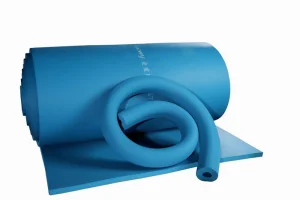
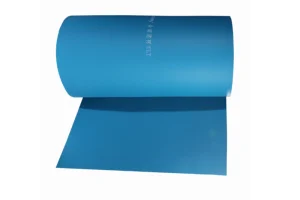
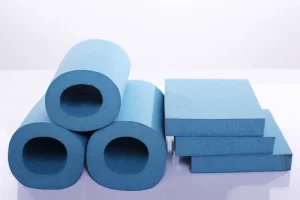
Select from our certified closed-cell sheets, tubing, and specialized rolls designed for conditions down to -200°C.
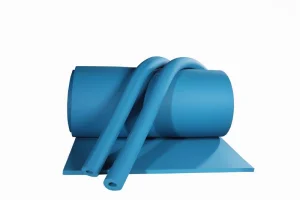
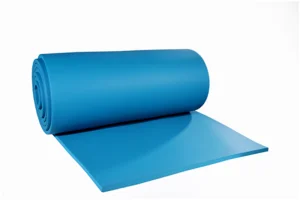
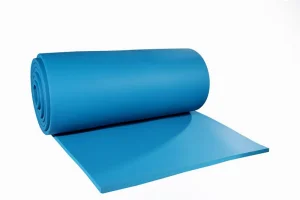
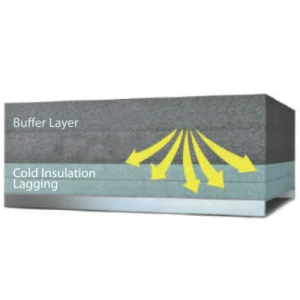
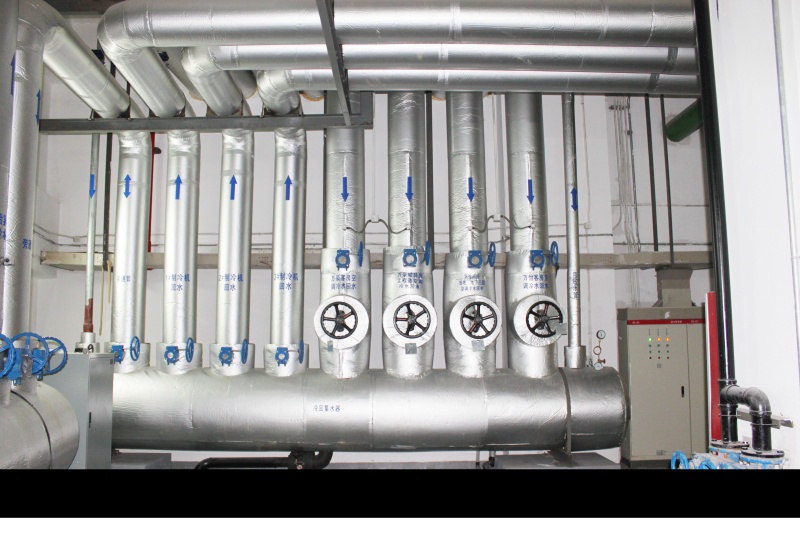
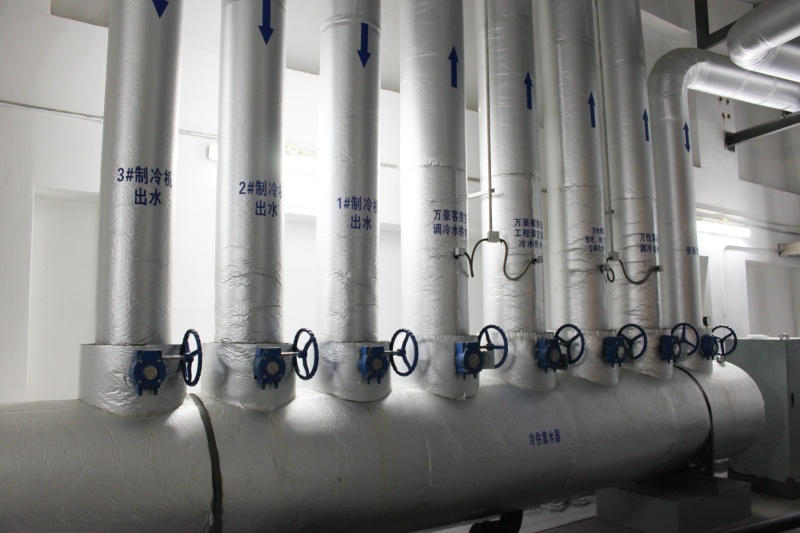
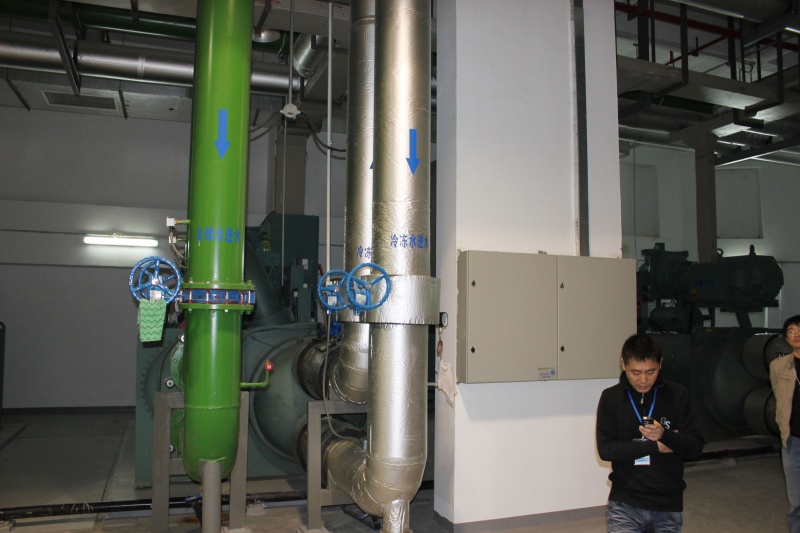
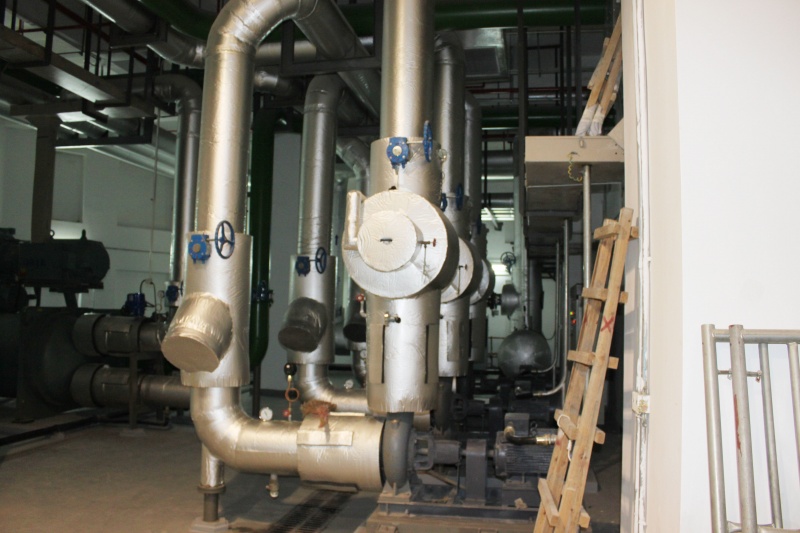
Integrating thermal insulation across international LNG infrastructure, industrial projects, and shipping lines.
Designed for pipeline bends, spherical storage fittings, and high-vibration LNG terminals. Ensures consistent insulation depth without air cavities, reducing the risk of frost formation on Sines LNG manifolds.
| Material Type | Nominal Density | Service Temp Range | Moisture Resistance |
|---|---|---|---|
| NBR/PVC Elastomeric | 40 - 55 kg/m³ | -40°C to +105°C (standard) | μ ≥ 10,000 |
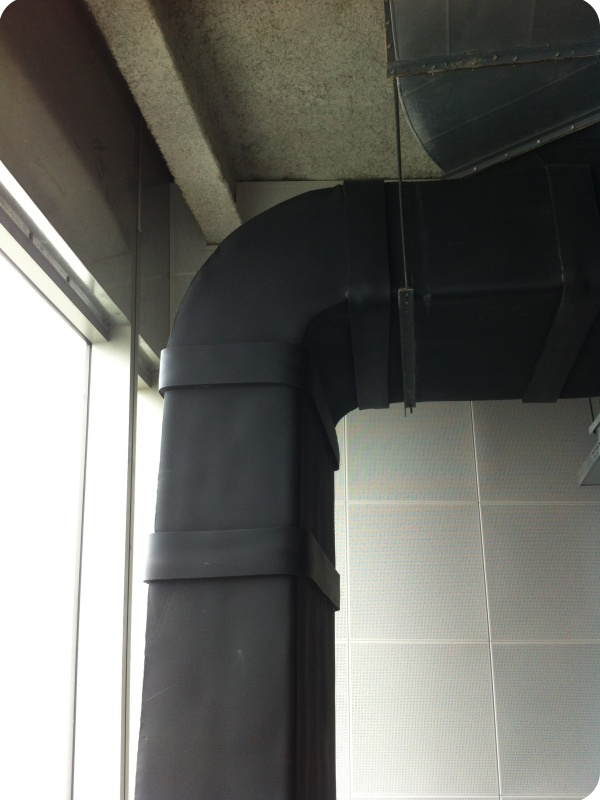

Optimized for rapid installation on processing lines, marine tankers, and urban district energy pipes. Reduces labor requirements and provides secure protection against external moisture damage.
| Wall Thickness | Inner Diameter (ID) | Vapor Seal Coating | Safety Index |
|---|---|---|---|
| 9mm to 40mm | 6mm to 114mm | Integrated closed cell | Class O BS 476 |
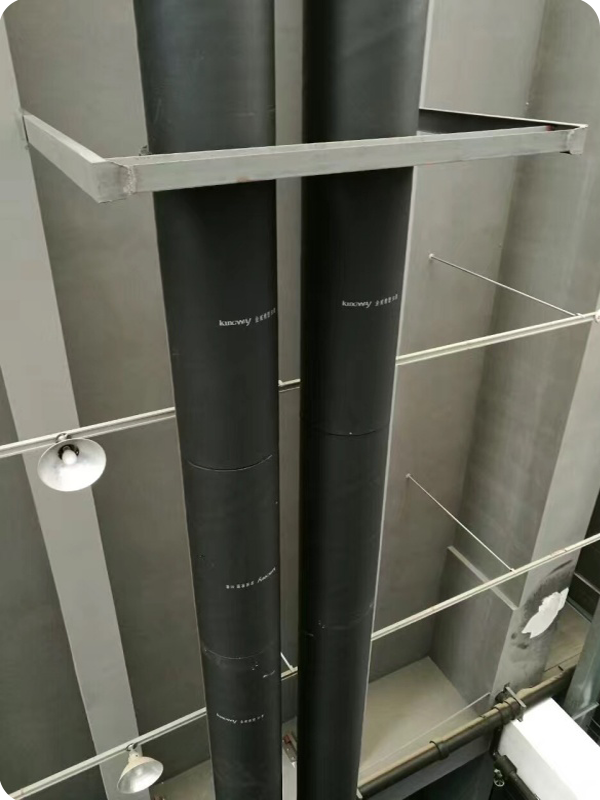
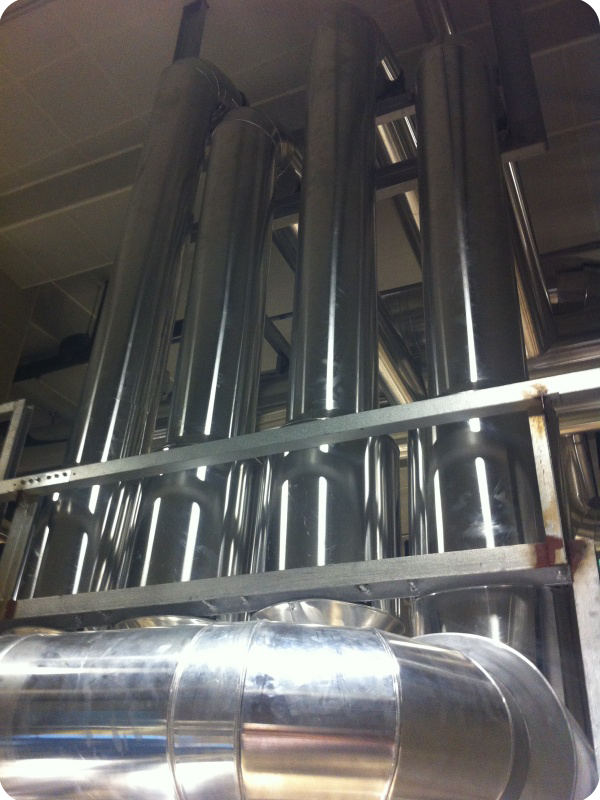


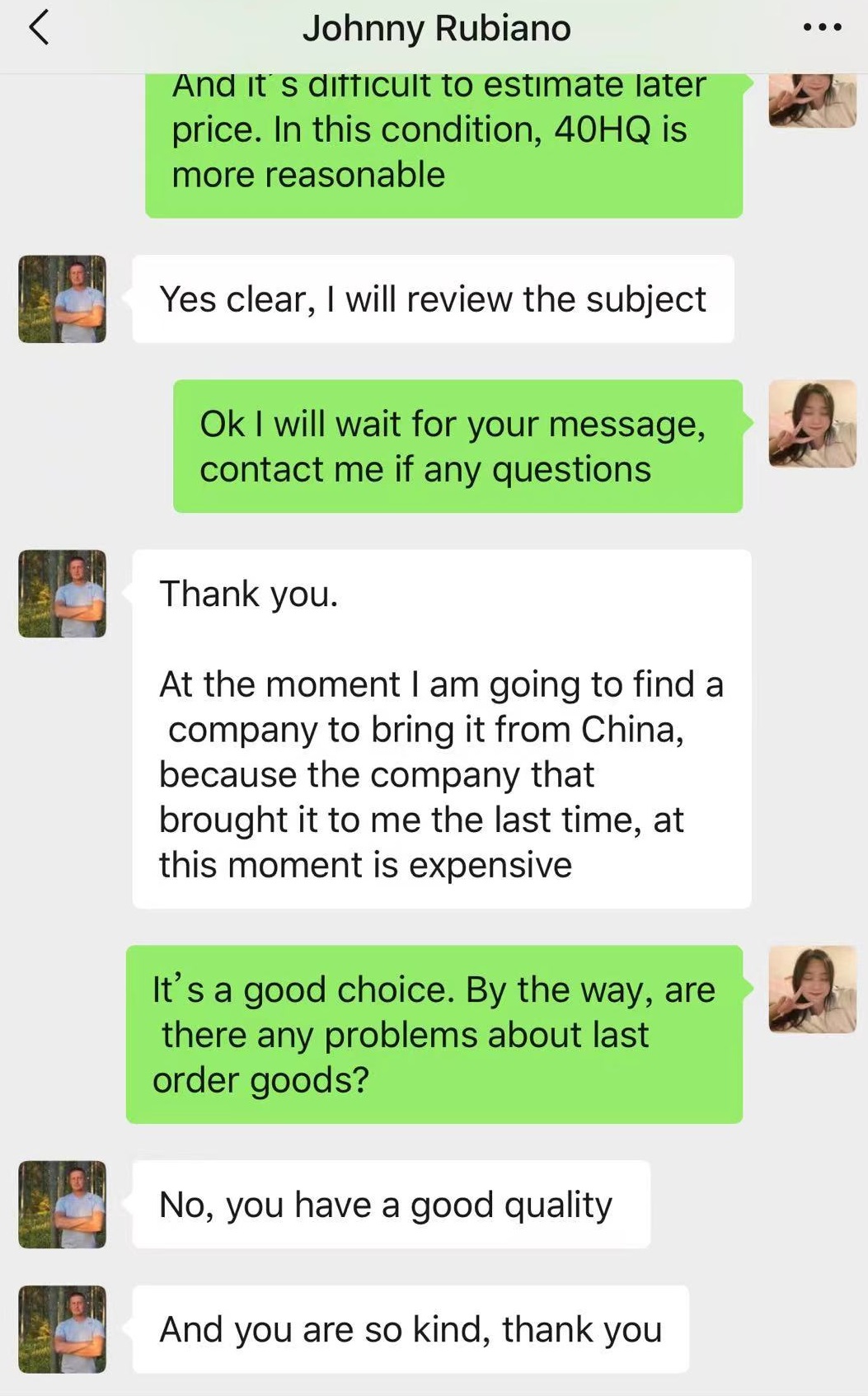
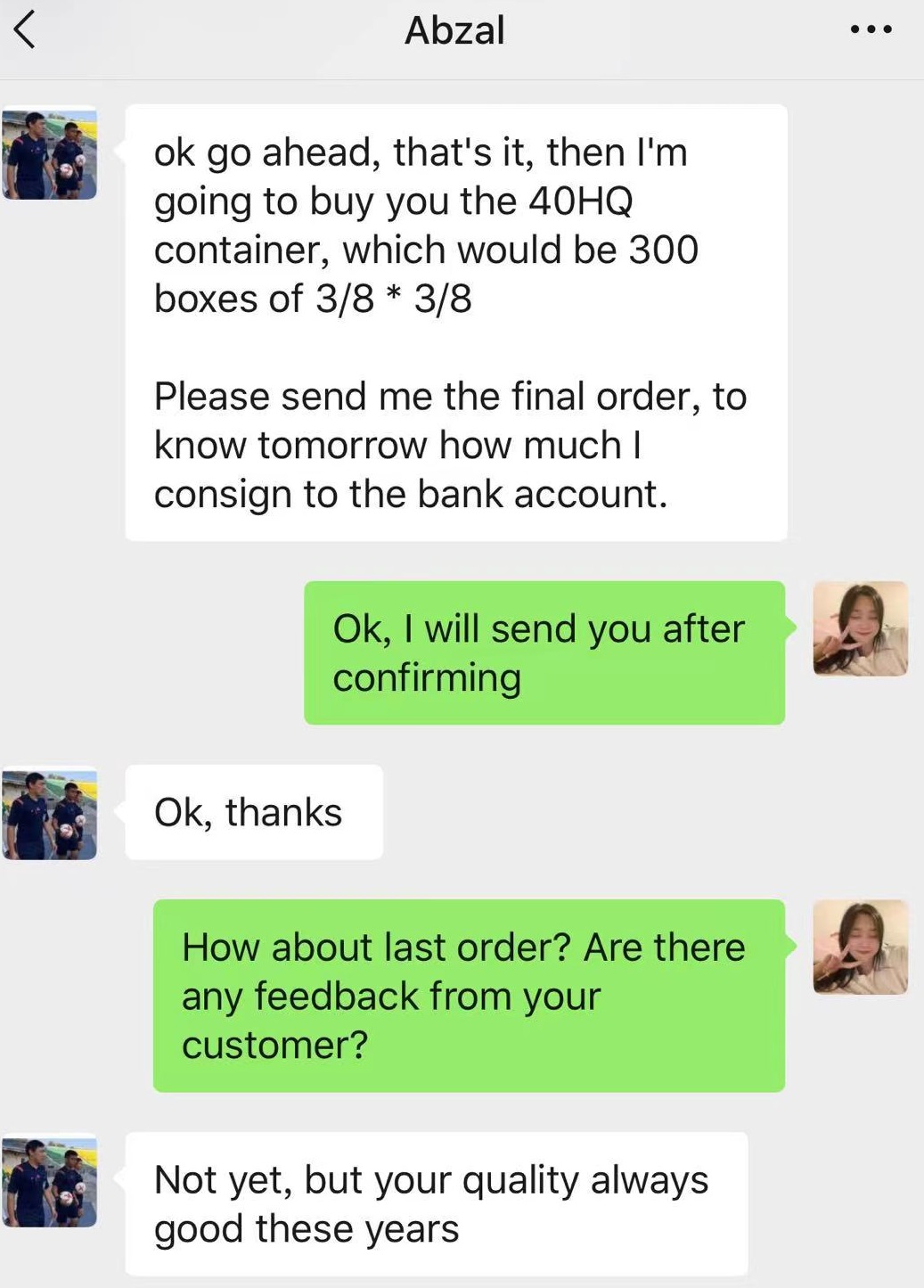
Transparent partnerships built on quality control, prompt shipping, and engineering support.


Expert insights addressing product design, compliance, and application performance.
Consult with our engineering team to select the right material thickness, density, and configuration for your low-temperature projects in Portugal.
Send Inquiry Now Kingflex