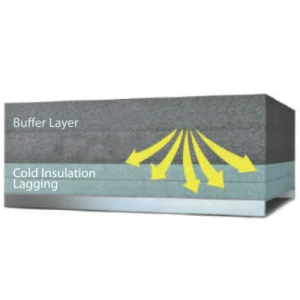
Advanced elastomeric foam structures engineered specifically for thermal barriers under severe Norwegian climate profiles
Norway is a global powerhouse in offshore energy, pioneering maritime transport, and carbon capture initiatives like the Northern Lights project. Operation in environments such as the Barents Sea and the North Sea demands thermal insulation materials that do more than prevent heat transfer. Systems must deliver absolute mitigation of Corrosion Under Insulation (CUI), maintain flexible structural integrity down to -200 °C, and withstand saline spray, heavy UV exposure, and mechanical vibrations.
Traditional open-cell insulation materials fail quickly in maritime conditions because they absorb atmospheric moisture, resulting in water vapor condensation, ice-lens formation, and accelerated pipe corrosion. Kingflex elastomeric closed-cell rubber foam addresses this challenge with a micro-cell structure that acts as an integrated vapor barrier. This ensures a constant, low thermal conductivity rating and helps protect critical cold-chain and LNG delivery infrastructures.
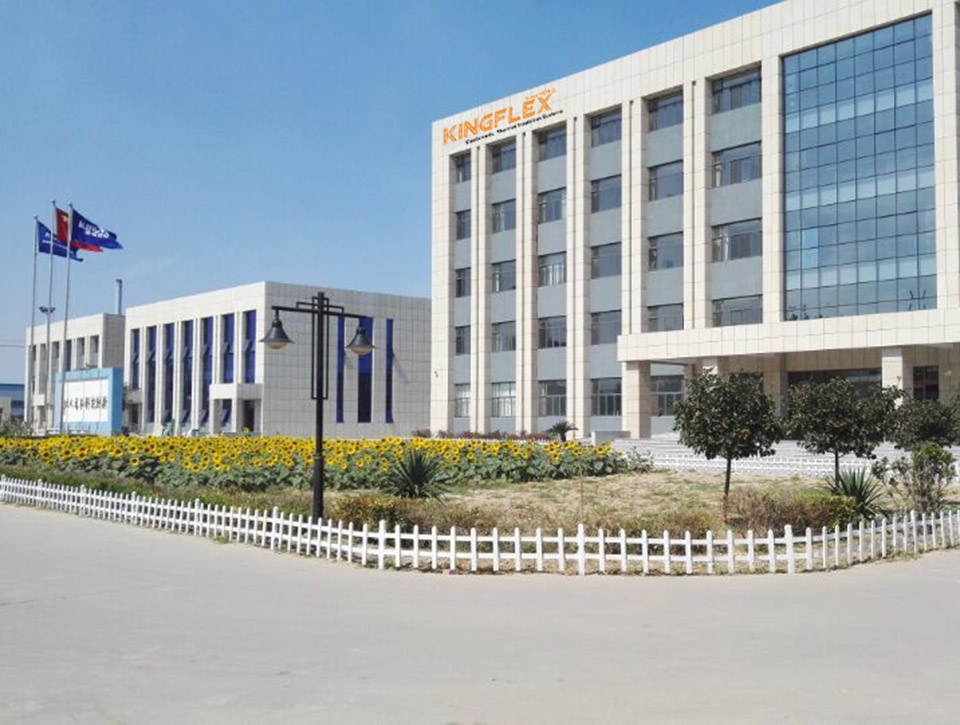
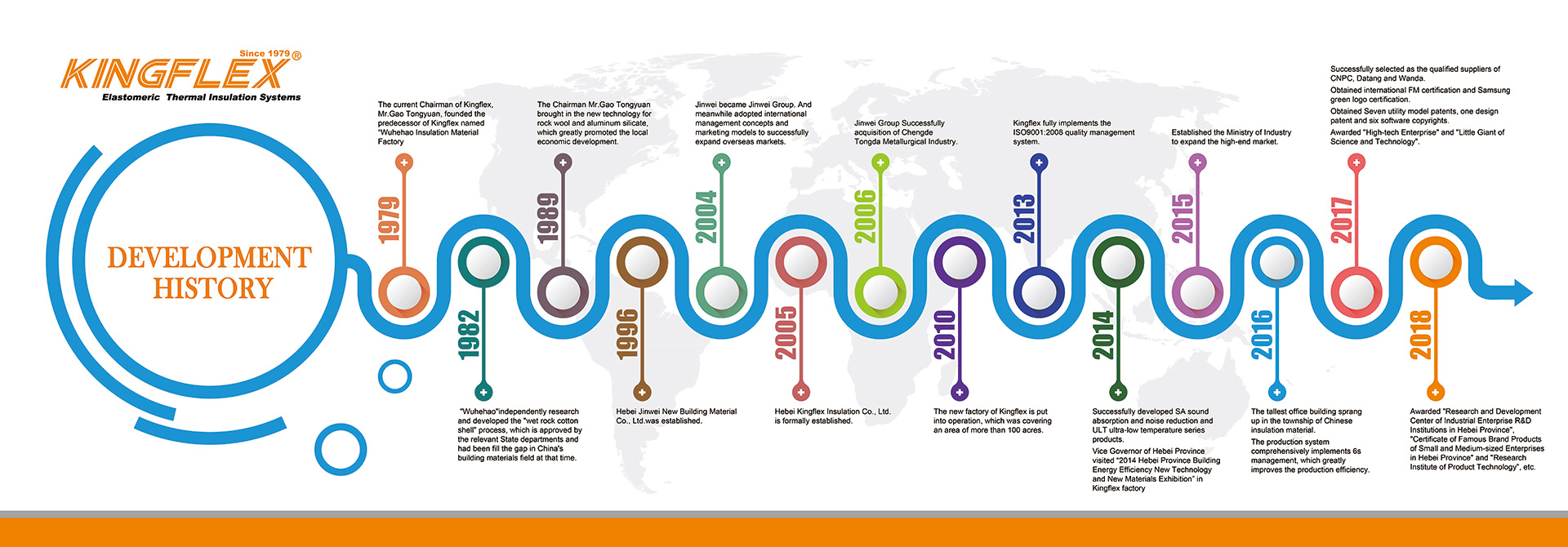
Founded by the Jinwei Group (which has a heritage dating back to 1979), Kingflex Insulation Co., Ltd. has grown to become a leading manufacturer of thermal and cold insulation systems. Based in Dacheng, China, we operate 5 large automatic assembly lines, delivering over 600,000 cubic meters of high-density insulation materials annually. This production capacity enables us to fulfill large-scale orders from the Ministry of Energy, Ministry of Chemical Industry, and international EPC partners on schedule.
By leveraging vertical raw material sourcing and automated, continuous vulcanization processes, Kingflex offers a cost-effective alternative to domestic European manufacturers without compromising on performance. Our products comply with European testing standards, including BS 476, CE, REACH, RoHS, UL94, and ASTM.
Engineered parameters for NBR/PVC closed-cell structures applied in extreme sub-zero applications
| Property | Kingflex Elastomeric Cryogenic Range | Standard Thermal Grade | Testing Standard Compliance |
|---|---|---|---|
| Operating Range | -200 °C to +105 °C | -40 °C to +105 °C | ASTM C534 / DIN EN 14706 |
| Thermal Conductivity | $\le 0.034$ W/(m·K) at 0 °C | $\le 0.038$ W/(m·K) at 0 °C | ASTM C518 / ISO 8301 |
| Water Vapor Permeability | $\mu \ge 10,000$ (Built-in Vapor Barrier) | $\mu \ge 7,000$ | BS EN 12086 / ASTM E96 |
| Closed-Cell Rate | >98% uniform structure | >92% | ASTM D2856 |
| Fire Safety Rating | Class 1 / Class 0 (Self-extinguishing) | Class 1 | BS 476 Part 7 / UL 94 V-0 |
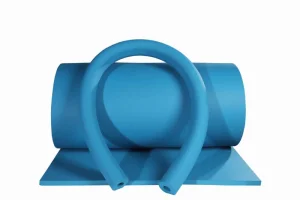
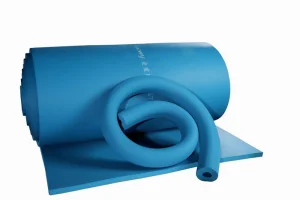
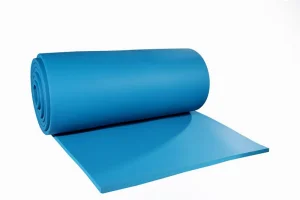
Comprehensive portfolio of sheets, rolls, and pre-formed tubes optimized for Norway's subsea and offshore structures
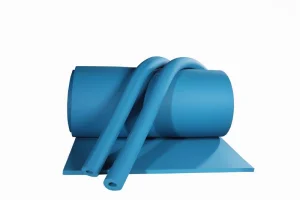
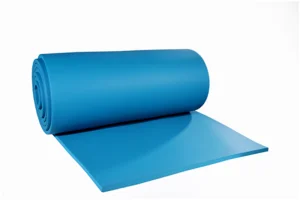
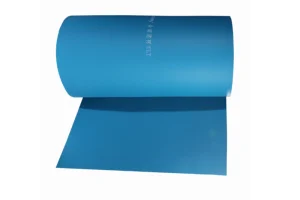
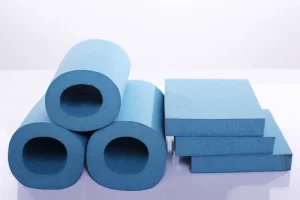
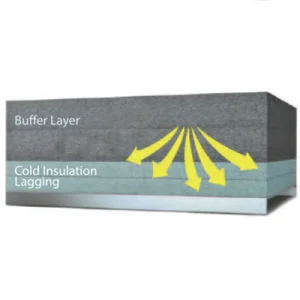
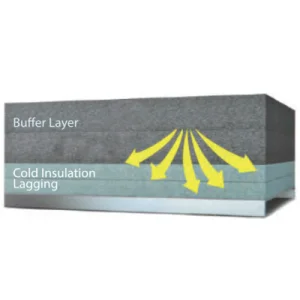
Corrosion Under Insulation (CUI) is a major driver of operational maintenance costs in offshore environments like Bergen, Stavanger, and Hammerfest. If moisture penetrates the insulation and contacts the metal pipe, corrosion can progress undetected beneath outer claddings.
Traditional insulation solutions rely on separate vapor barrier wraps. If these wraps tear during installation, moisture can enter the system. Kingflex's elastomeric foam formulation incorporates a closed-cell network where each cell acts as an independent water-resistant barrier. This design ensures that even if the outer surface is cut, the cell structure prevents moisture tracking along the pipe, maintaining long-term thermal performance.
Extreme thermal cycling from ambient temperature down to -162 °C causes metal pipes to contract. Brittle insulation materials can crack under this stress. Kingflex elastomeric materials remain flexible at sub-zero temperatures, accommodating pipe contraction without structural failure.

Rigorous laboratory analysis ensuring conformance to international standards
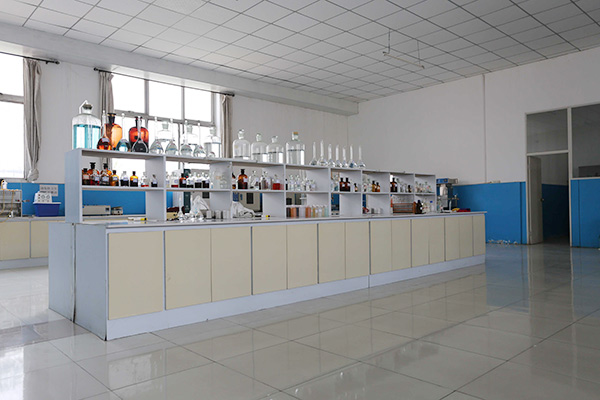
Continuous monitoring using heat flow meter apparatuses ensures each production run matches our certified lambda values.
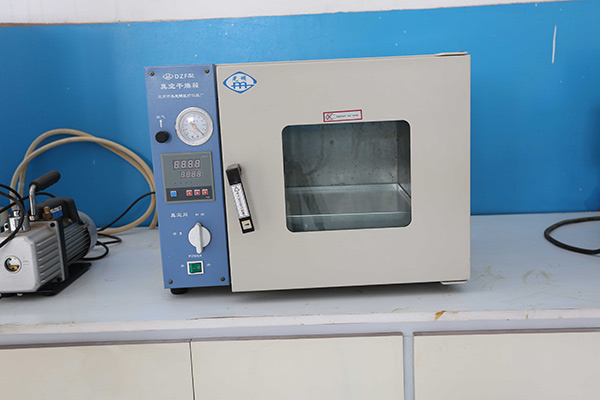
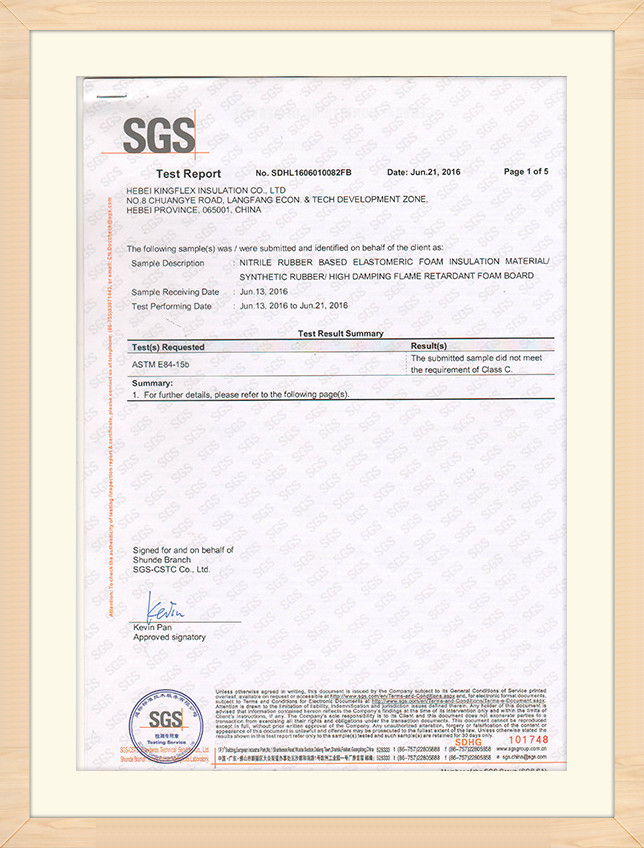
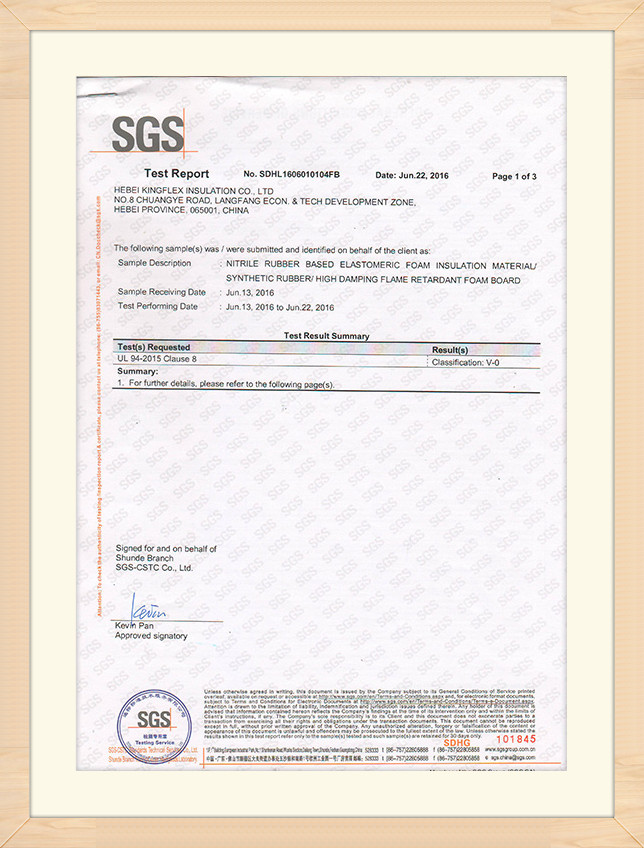
Testing in accordance with BS 476 Class 0 and ASTM E84 ensures self-extinguishing performance in marine engine rooms and processing units.
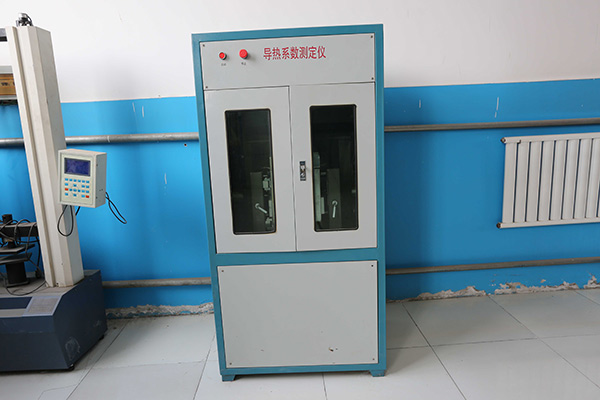
Testing flexibility down to -200 °C prevents cracking caused by vibration or thermal cycling in maritime and subsea applications.
Our materials are deployed across energy transport, refining, and industrial processing systems globally
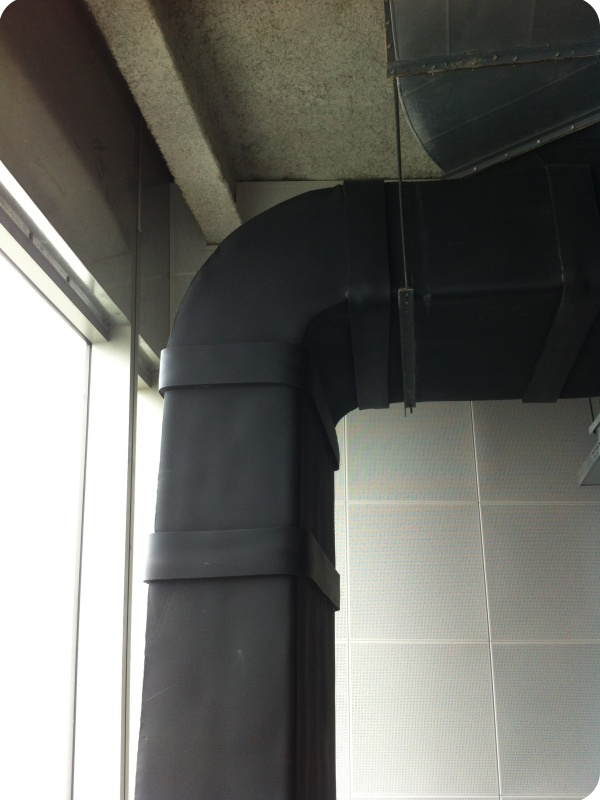
Insulating primary process piping and storage spheres at low temperatures to manage boil-off gas rates.

Providing fire protection and thermal insulation for offshore platforms operating in cold climates.
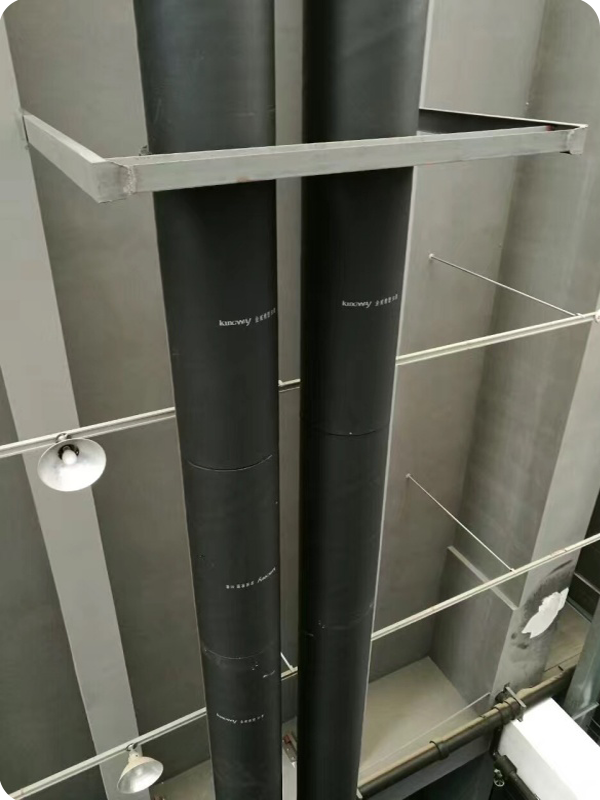
Insulating processing systems at chemical plants to maintain temperature control and prevent pipe freezing.
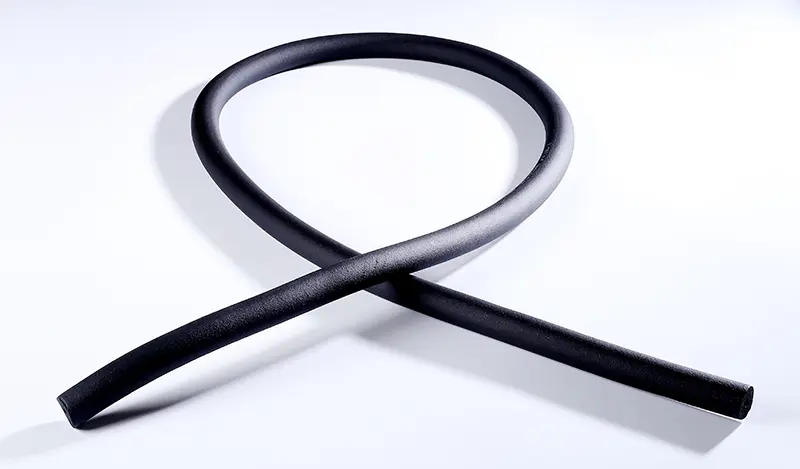
Standard pre-formed tubes for fast slip-on installation.
Request Info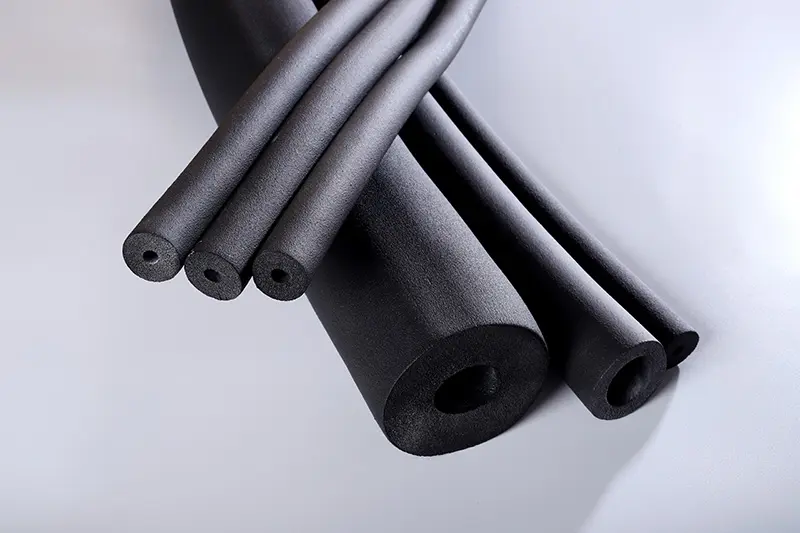
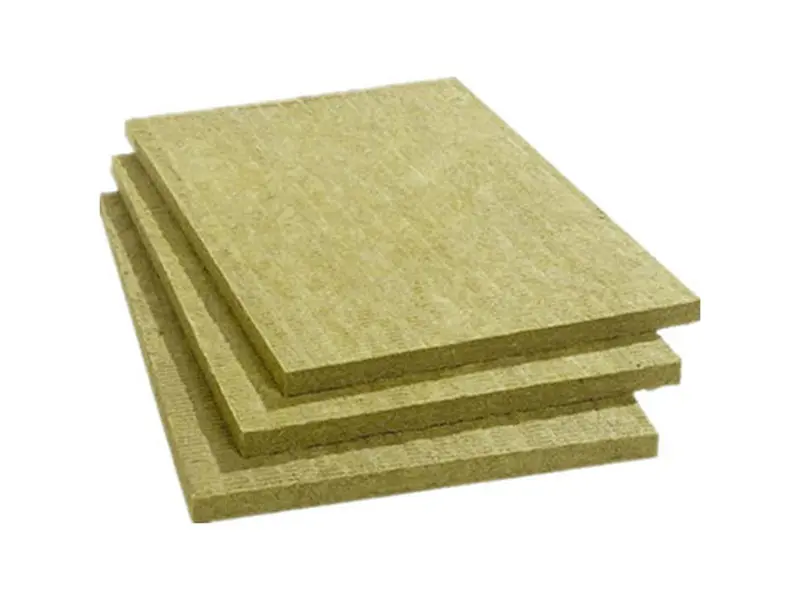
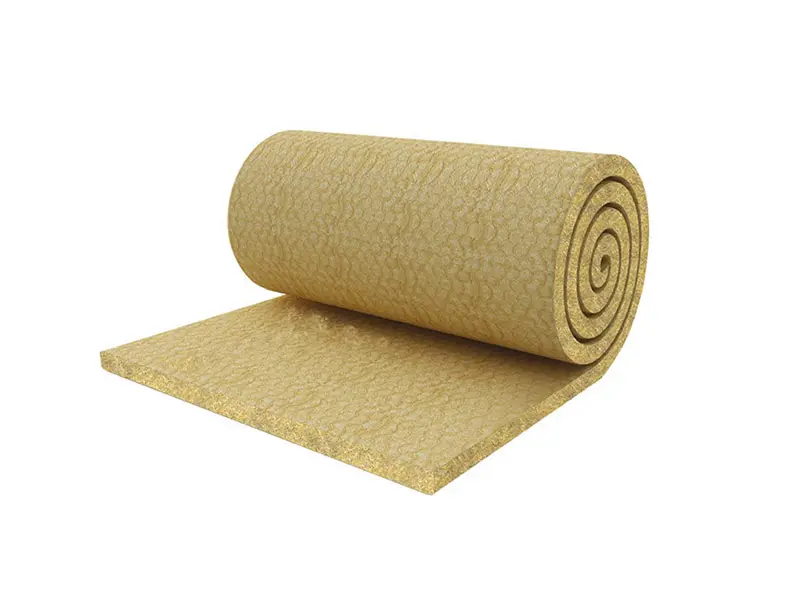
For high-temperature steam lines, mineral rock wool is often selected due to its thermal limits. However, in cold or cryogenic service (-40 °C to -200 °C), open-cell fibrous structures like rock wool are susceptible to moisture absorption. When water vapor enters the insulation, it condenses and freezes, compromising its thermal performance.
Kingflex closed-cell elastomeric foam prevents moisture ingress without requiring additional vapor barrier coatings. Its flexible structure also allows it to be cut and fitted around complex geometries, valves, and tees, reducing installation time on offshore hulls and pipelines.
Sourcing cryogenic insulation from Kingflex in China offers several advantages for large projects:
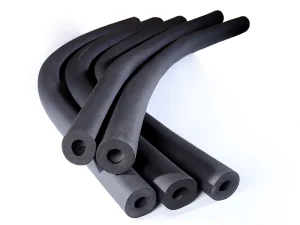
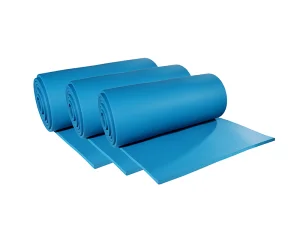
Black Rubber Foam Sheets & Rolls:
Elastomeric Pre-formed Piping:
Technical guidance and product support for engineering specifiers and buyers
It is mainly used for HVAC ducts, air conditioning pipes, building thermal insulation, industrial pipeline cold insulation, and acoustic insulation. In cryogenic service, it is applied to LNG pipelines, chemical process equipment, and cold-storage piping to prevent heat gain and condensation.
Yes. Our rubber foam insulation is formulated with flame retardants, allowing it to meet international fire standards including BS 476 Part 7 Class 1/Class 0, UL94 V-0, and GB/T 8624 Class B. It is self-extinguishing and does not produce flaming droplets under fire exposure.
Rubber foam is a flexible, closed-cell material with high moisture resistance, making it suitable for HVAC, cold-water, and cryogenic applications. Rock wool is a fibrous, open-cell material with high temperature resistance, suitable for high-temperature steam pipelines and acoustic insulation.
Yes. We offer OEM manufacturing to meet specific project specifications. This includes custom inner diameters, thickness profiles, sheet widths, and specialized self-adhesive backings or protective outer jackets.
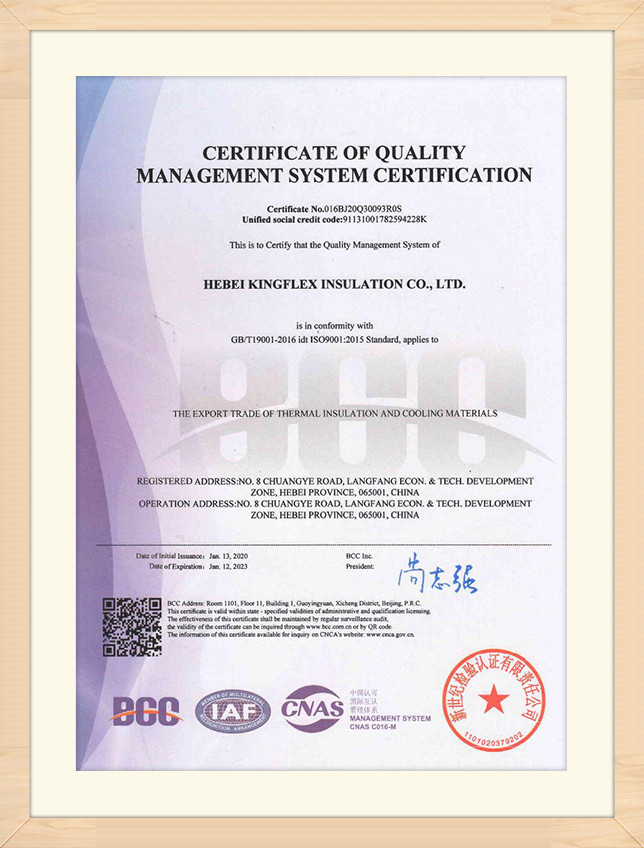
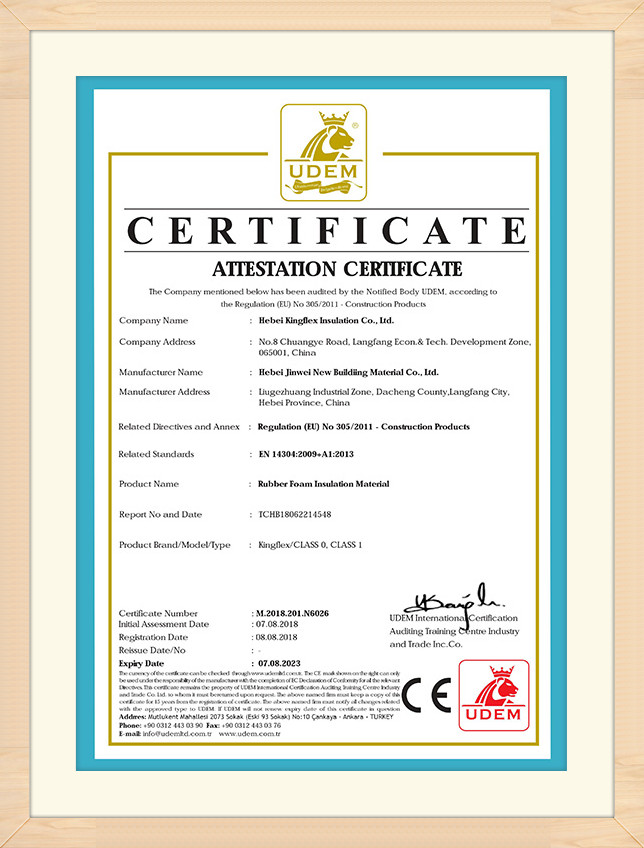
Our insulation products comply with BS 476, CE, REACH, RoHS, UL94, and ASTM standards. These certifications verify product safety, chemical compliance, and performance for international projects.
Yes. Every production run is marked with batch codes, order tracking references, and inspection stamps. Quality documentation and testing records are archived to provide full traceability from raw material to delivery.
We produce standard sheet rolls in thicknesses ranging from 6mm to 50mm. Multi-layer systems can be engineered for cryogenic applications requiring greater thicknesses.
Under typical operating conditions and with proper installation, Kingflex elastomeric materials have an expected service life of 10 to 15 years, maintaining consistent thermal performance due to their closed-cell structure.
Contact our technical support team for material samples, custom density specifications, ASTM fire test certifications, or pricing for delivery to Norwegian ports.
 Kingflex