Premium rock wool and elastomeric rubber insulation systems optimized for New England's cold weather envelopes and high-performance mechanical systems.
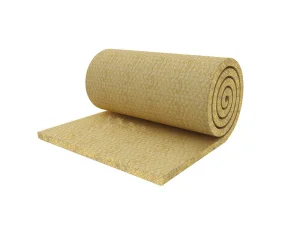
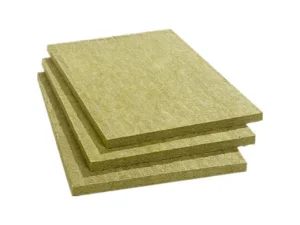
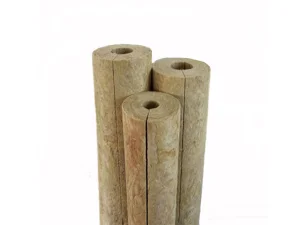
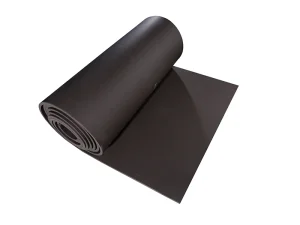
An expert guide on leveraging rock wool and high-density elastomeric materials for building envelope performance, ASHRAE compliance, and BERDO emissions reduction in New England.
The city of Boston is currently executing some of the most aggressive environmental and energy codes in the United States. With the enforcement of the Building Energy Reduction and Disclosure Ordinance (BERDO 2.0), owners of large commercial, residential, and industrial buildings are required to significantly lower their greenhouse gas emissions, eventually targeting net-zero operations. Meeting these aggressive regulatory hurdles requires a foundational upgrade to building thermal envelopes and mechanical systems. Insulation is no longer just a passive material selection; it is a critical engineering component designed to mitigate thermal bridging, limit parasitic heat loss in steam piping, and prevent moisture condensation in HVAC networks operating within high-humidity coastal climates.
Boston's unique geographic position in ASHRAE Climate Zone 5A means buildings undergo drastic temperature fluctuations. From sub-zero winter blasts to hot, humid summer days, insulation must cope with high water vapor pressures and significant freeze-thaw cycles. In historic district renovations, such as Back Bay and the South End, traditional brick facades cannot utilize exterior insulation, meaning mechanical systems, piping runs, and interior cavities must bear the burden of high-performance thermal barriers. Furthermore, the rising construction of biotech, laboratory, and high-rise pharmaceutical developments in East Boston and the Seaport district requires mechanical systems to carry critical low-temperature chilled water and clean steam, highlighting the necessity of closed-cell elastomeric foams and high-density rock wool materials.
For high-rise office towers and multi-family residential complexes, material fire safety is paramount. The Boston Fire Department enforces strict compliance with NFPA standards. Rock wool insulation remains the gold standard for passive fire containment. Originating from molten basaltic rock, rock wool boasts a melting point in excess of 2,150°F (1,177°C), which provides excellent fire blocking, zero flame spread, and zero smoke generation. In high-velocity HVAC duct applications, closed-cell NBR/PVC elastomeric rubber insulation provides the vapor barrier needed to eliminate mold development, while simultaneously meeting UL 94 V-0, Class 1 flame spread, and ASTM E84 25/50 ratings. Using a combined system—rock wool for high-temperature zones and core structural fire safety, and elastomeric foam for HVAC ductwork and low-temperature plumbing lines—ensures complete architectural compliance.
How Kingflex Insulation Co., Ltd. leverages state-of-the-art Chinese manufacturing lines to service critical mechanical and structural projects in Boston.
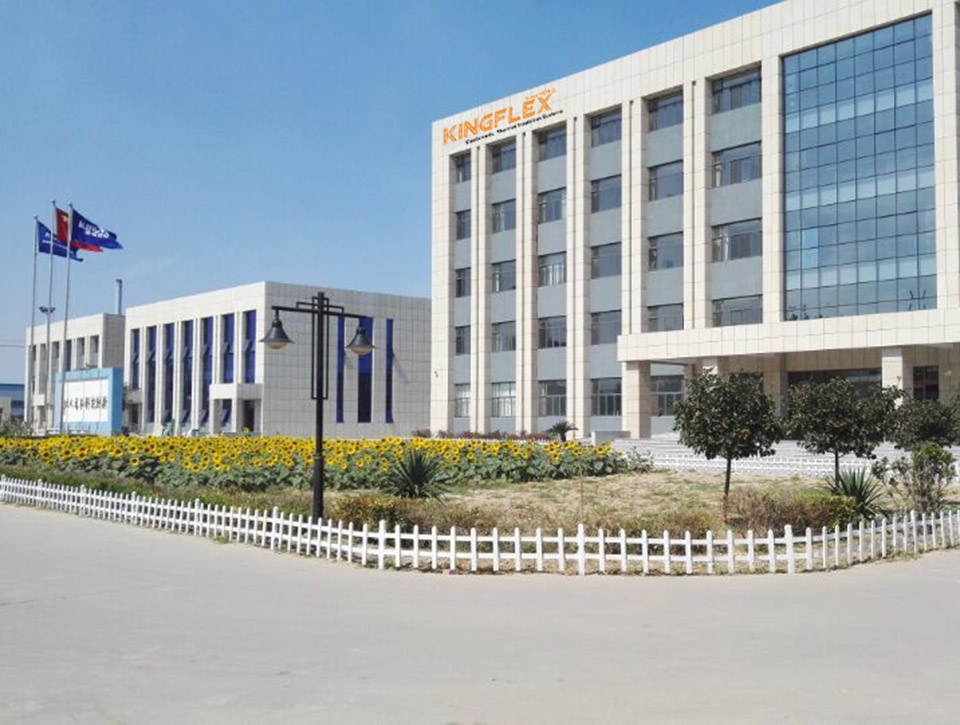
Kingflex Insulation Co., Ltd. is a leading global manufacturing and trading combo, focusing exclusively on green building materials, energy efficiency, and high-integrity thermal insulation. Headquartered in Dacheng, China—historically celebrated as the capital of energy-saving building materials—Kingflex integrates advanced scientific research, automated mass production, and direct shipping logistics. In operation, our core concept revolves around structural energy conservation, carbon footprint reduction, and turnkey engineering consultation. We provide localized solutions for the New England marketplace, guiding engineers from material submittals through to post-installation inspection.
Established under the Jinwei Group, which possesses a proud historical legacy spanning over 40 years since its founding in 1979, Kingflex holds the distinction of inheriting pioneered technical production methodologies. As the premier thermal insulation developer north of the Yangtze River, Jinwei Group's technology has set standards for low-temperature preservation, acoustic dampening, and industrial process heat retention globally.
To qualify for large municipal and institutional bids in Boston (such as school districts, research universities, and hospital infrastructure), products must be fully traceable. Kingflex enforces a comprehensive quality management system. Every batch of elastomeric rubber sheet, rock wool block, and pre-formed pipe insulation is tracked with unique manufacturing codes. Our research department employs 8 professional materials engineers who operate dedicated physical testing laboratories. With a workforce of 230 production specialists running 5 high-speed automatic assembly lines, our annual manufacturing volume surpasses 600,000 cubic meters. This massive manufacturing footprint guarantees structural supply chain security, preventing the project delays frequently caused by domestic raw material shortages.
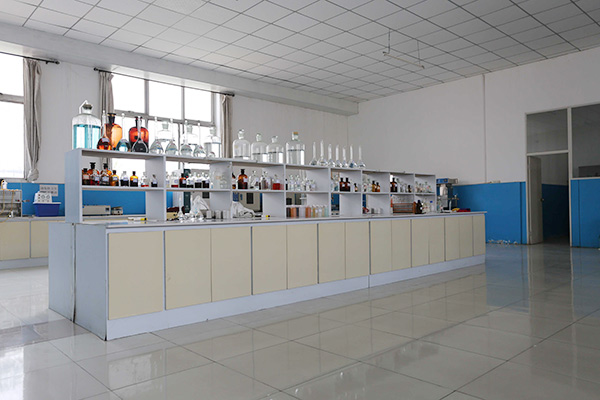
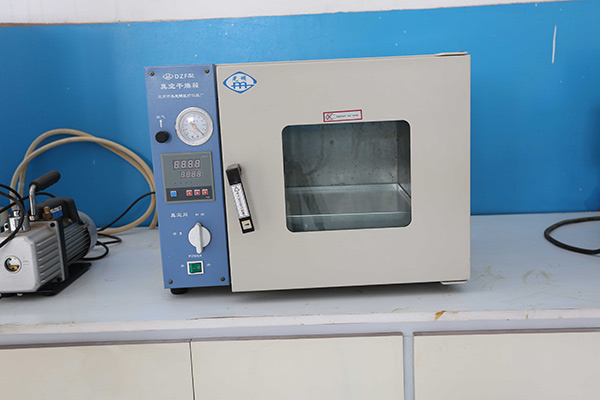
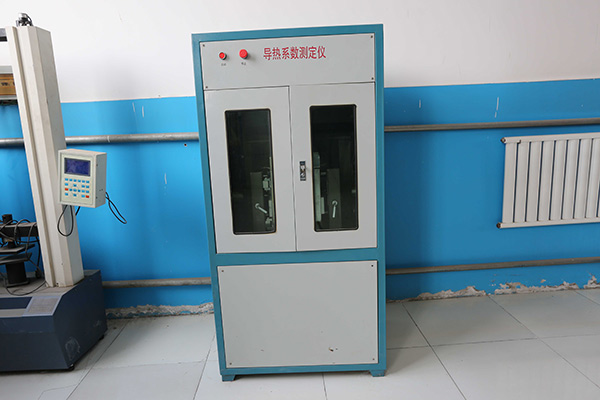
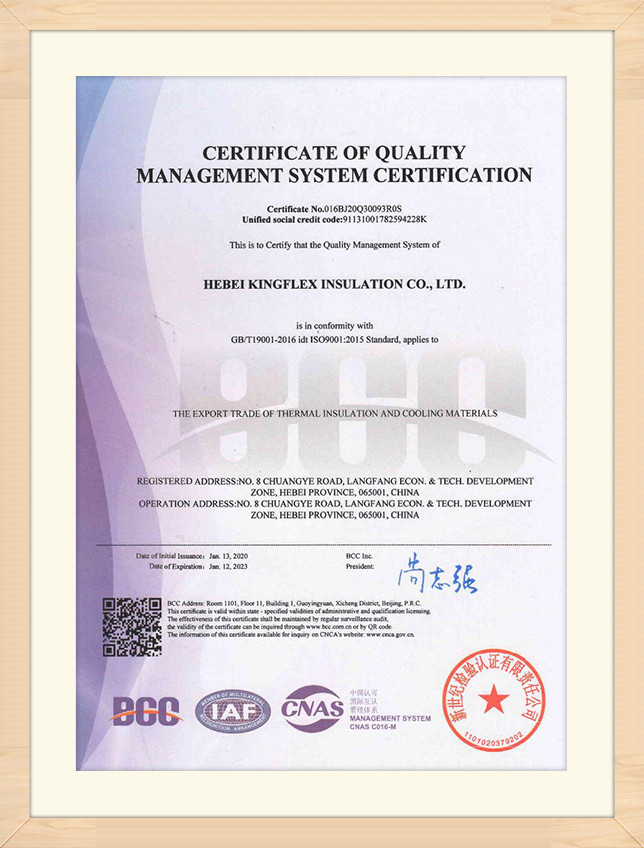
Our export capacity extends to 66 countries. Our materials comply with international standard benchmarks including BS 476, CE, REACH, RoHS, UL94, and ASTM. Contractors in Boston can request full product compliance certifications, raw material chemical analyses, and third-party laboratory reports to expedite approval by local structural engineers and building inspectors.
Standard parameters and dimension matrices for Kingflex elastomeric and rock wool insulation lines, optimized for architectural specification sheets.
| Insulation Material | Thermal Conductivity (W/m·K) | Max Service Temp | Vapor Permeability | Primary Boston Local Application |
|---|---|---|---|---|
| Rock Wool Board / Blanket | 0.038 - 0.042 | 1200°F (650°C) | Highly Permeable (Requires jacket) | Boilers, Steam lines, Curtain walls, Fire barriers |
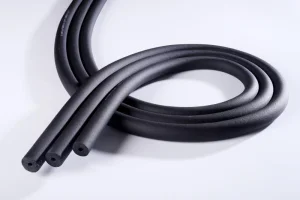
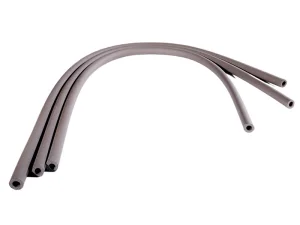
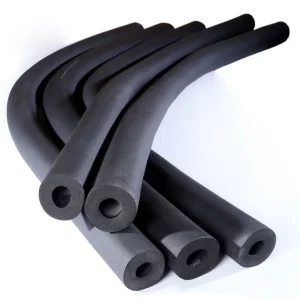
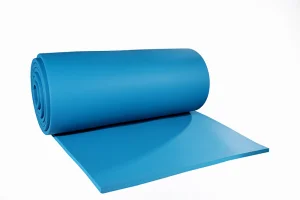
| Closed-cell Elastomeric Foam | 0.032 - 0.035 | 220°F (105°C) | Impermeable (Built-in vapor barrier) | HVAC, Chilled water lines, Refrigeration piping |
| Halogen-Free Elastomeric | 0.035 - 0.038 | 220°F (105°C) | Excellent moisture barrier | Biotech cleanrooms, Marine insulation, Shipyards |
| Cryogenic Rubber Foam | 0.028 - 0.032 | -328°F (-200°C) | Ultra-high resistance | LNG facilities, Cryogenic laboratories, CO2 systems |
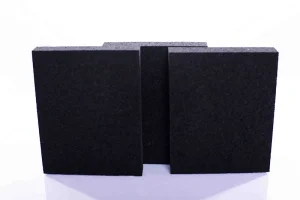
Access our complete inventory of industrial-grade insulation materials. Direct factory logistics and volume-based pricing available for local Boston commercial projects.
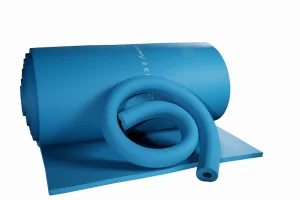
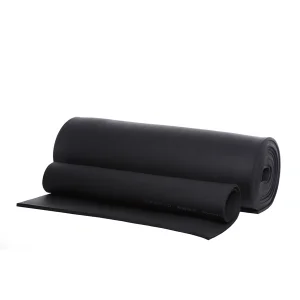
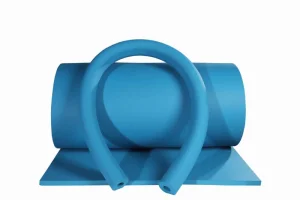
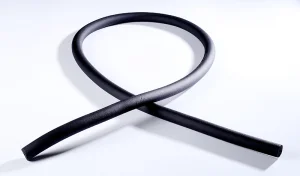
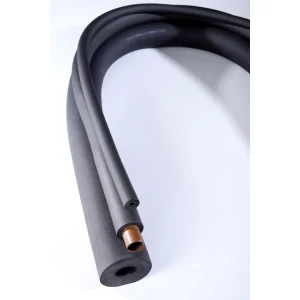
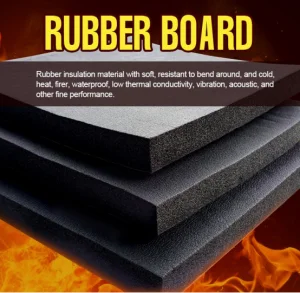
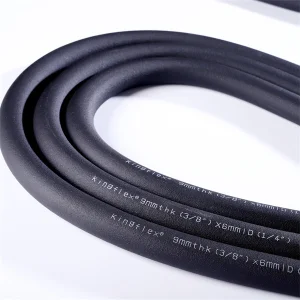
A look at structural design principles, thermal performance optimization, and project references implementing Kingflex energy systems.
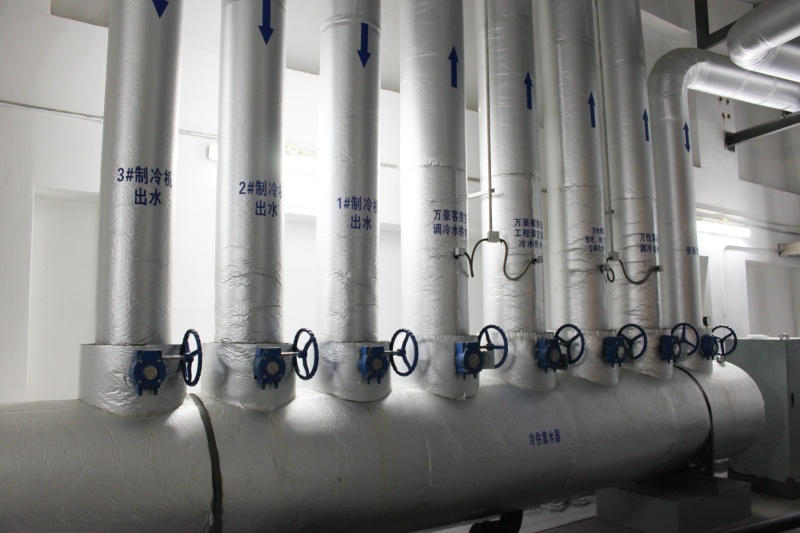
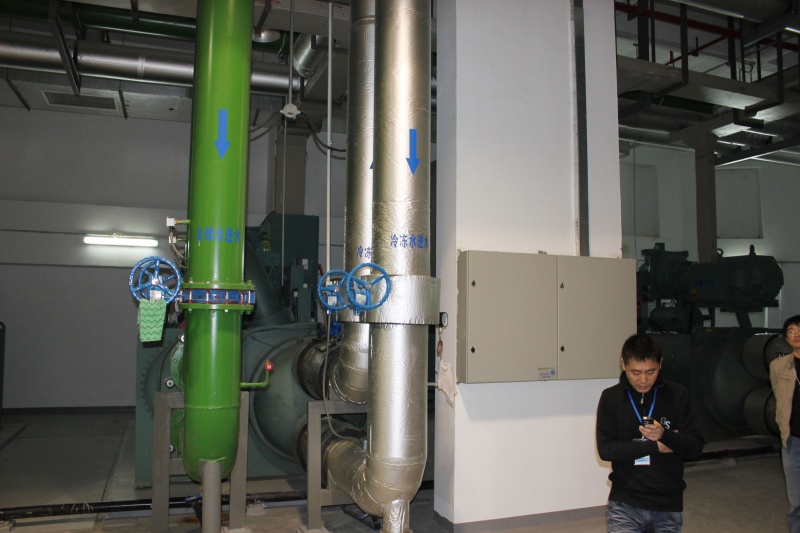
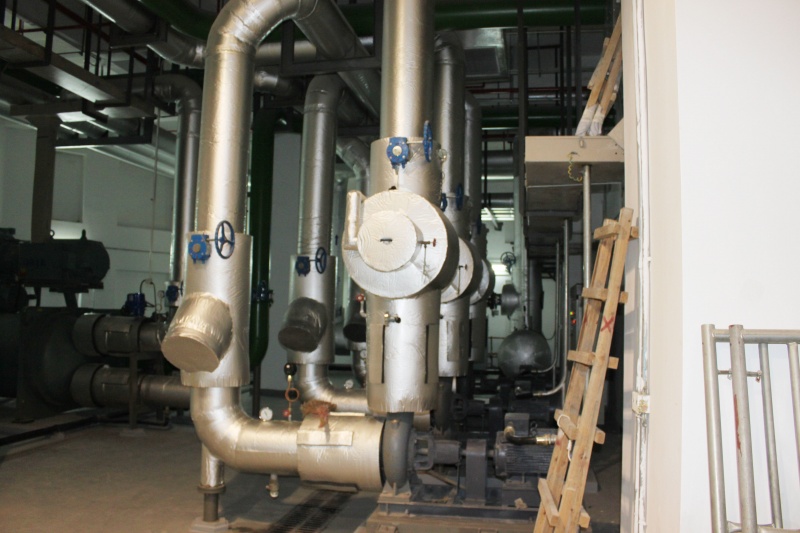
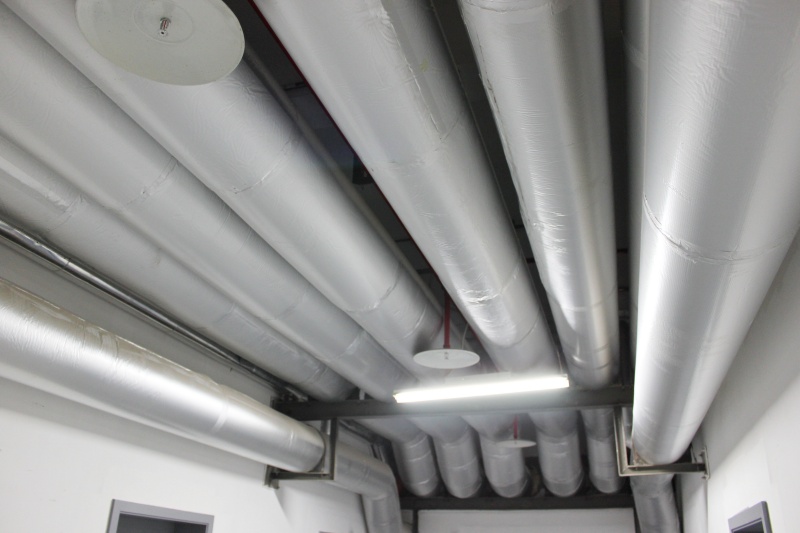
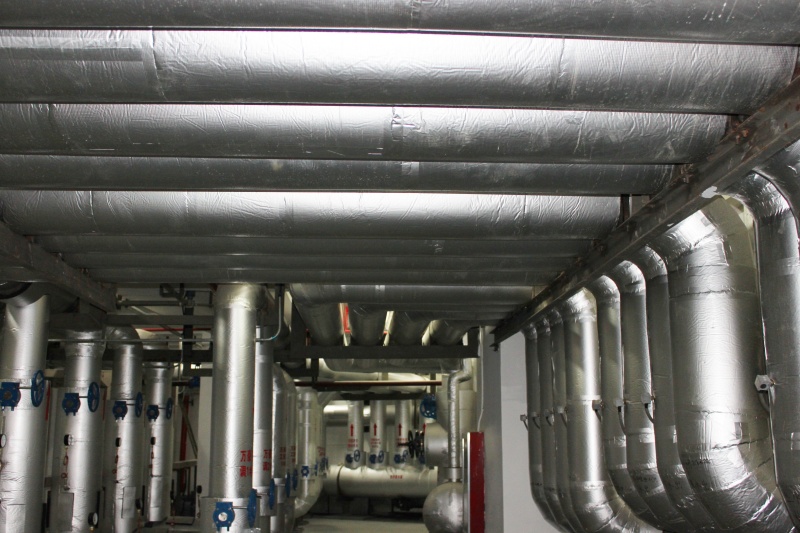
Chilled water systems in Boston are prone to condensation issues, particularly in high-humidity areas near the coast. When warm, humid air contacts cold piping, water vapor condenses, leading to pipe corrosion, ceiling damage, and mold growth. Our closed-cell elastomeric insulation prevents this via its non-porous structure. The internal gas cells contain dry, trapped air, keeping the outer surface temperature above the ambient dew point.
For high-pressure steam distribution systems, rock wool insulation boards and pre-formed pipe casings are recommended. Capable of withstanding continuous operational temperatures up to 1,200°F (650°C), rock wool isolates intense thermal energy, keeping mechanical spaces safe and preventing temperature drift inside complex buildings.
Calculated values for chilled water lines at 42°F (5.5°C) in a typical Boston summer environment (85°F ambient, 75% RH):
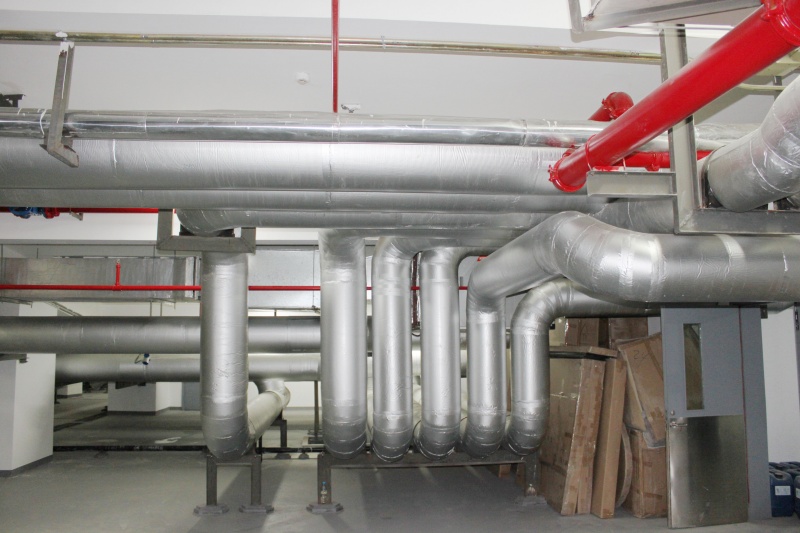
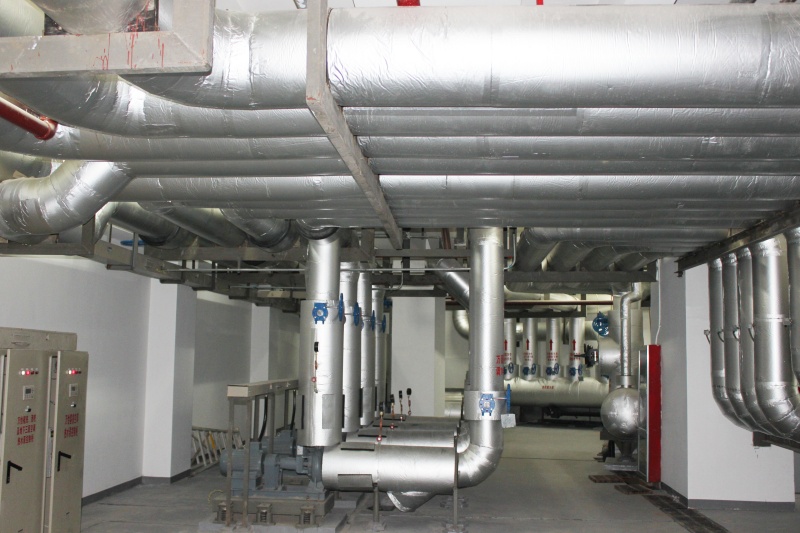
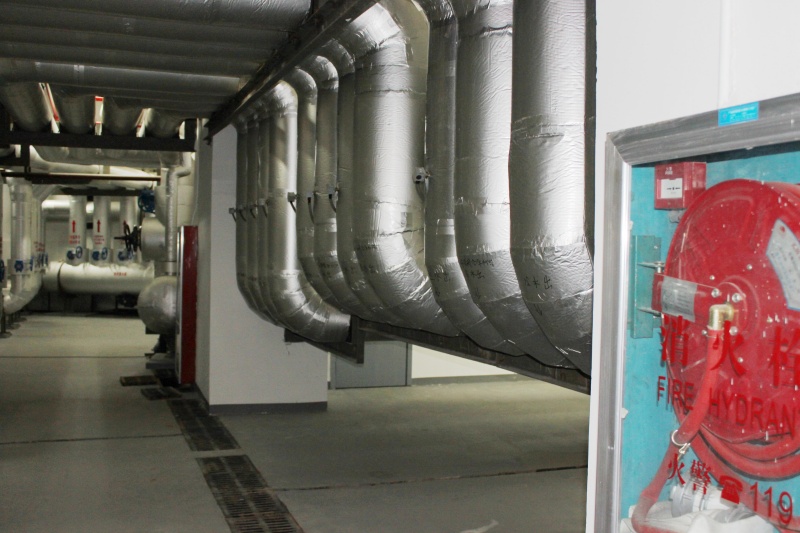
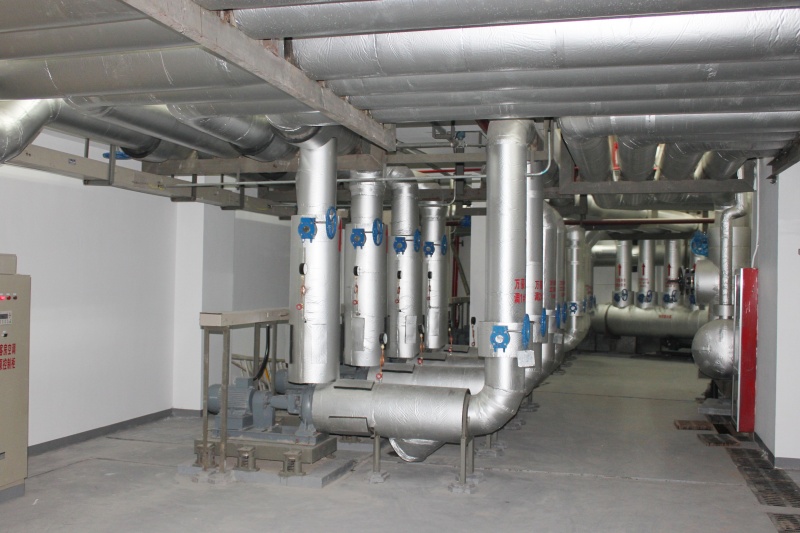
Kingflex insulation products are supplied to major commercial projects across the Greater Boston area. Our materials are routinely specified for mechanical rooms, exterior building envelopes, and HVAC systems in local hospitals, corporate headquarters, and high-efficiency multi-family complexes.
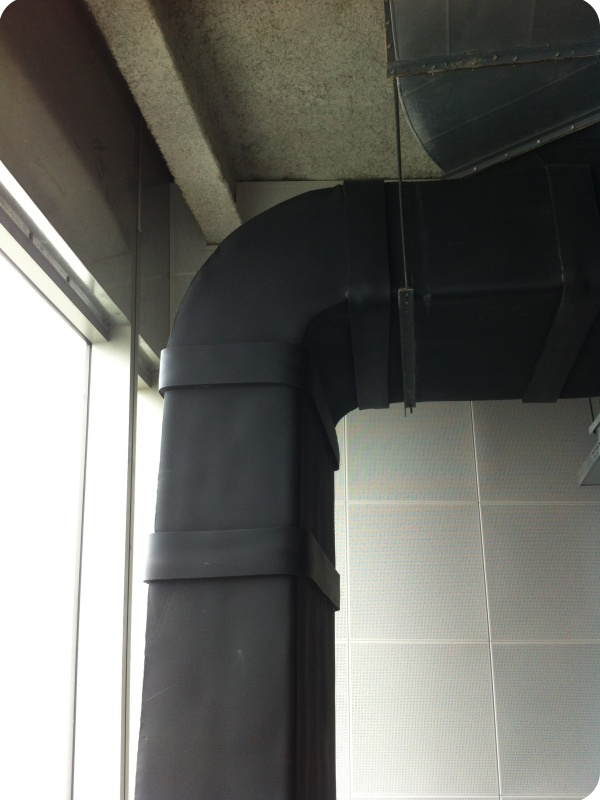

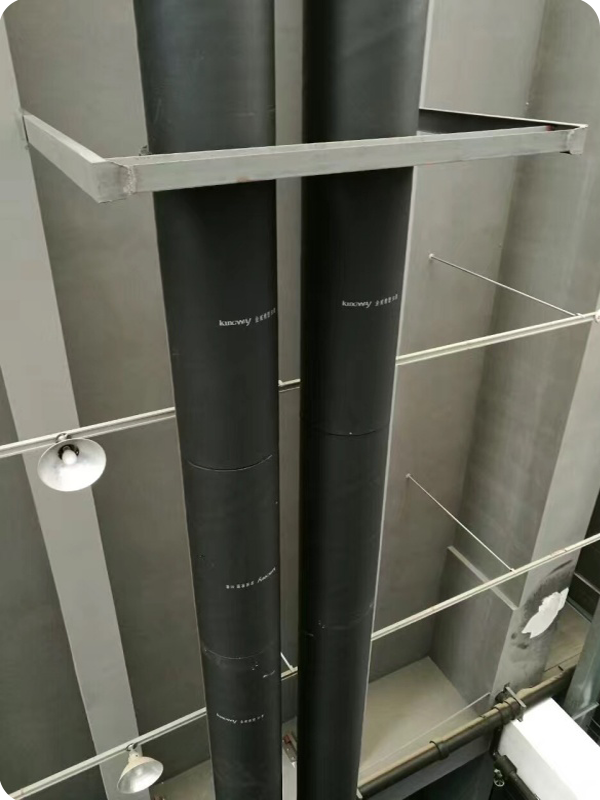
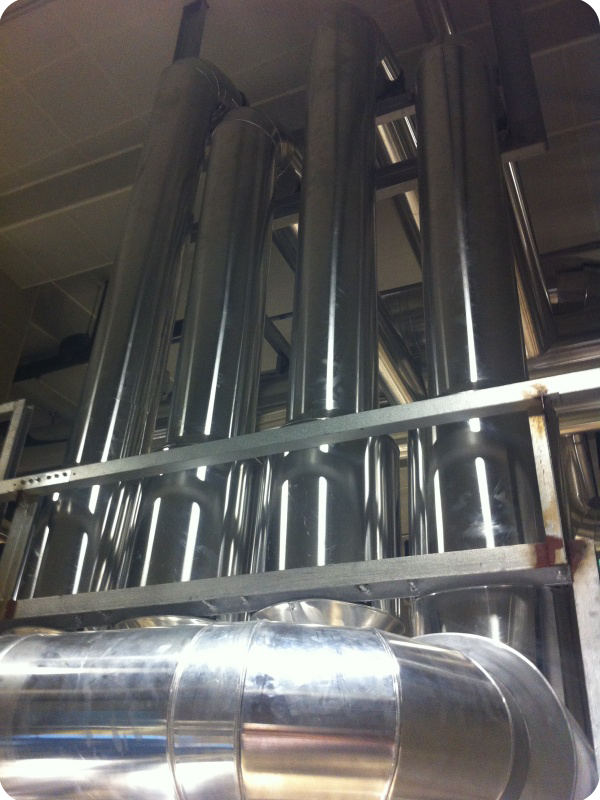
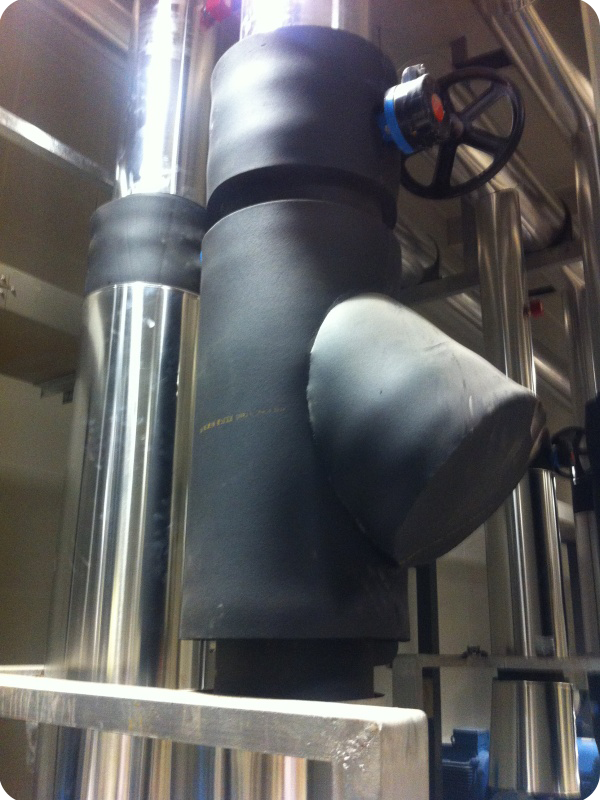
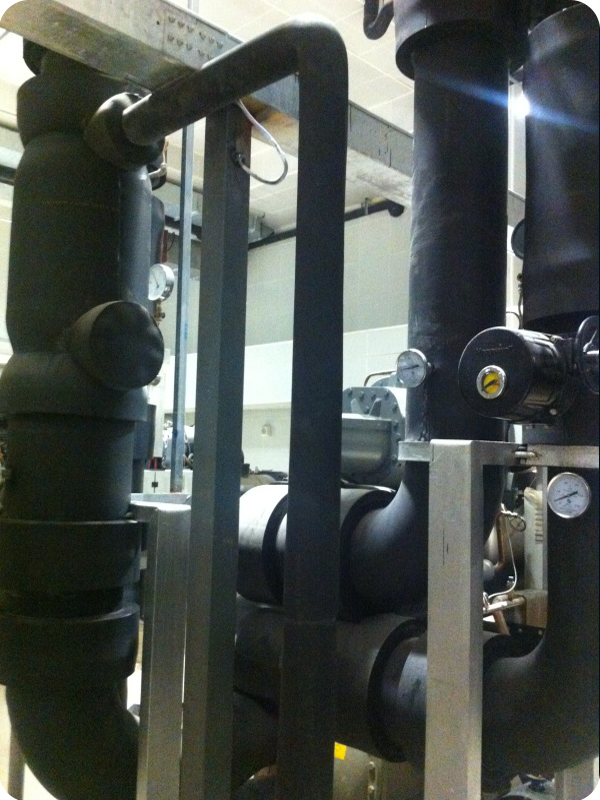

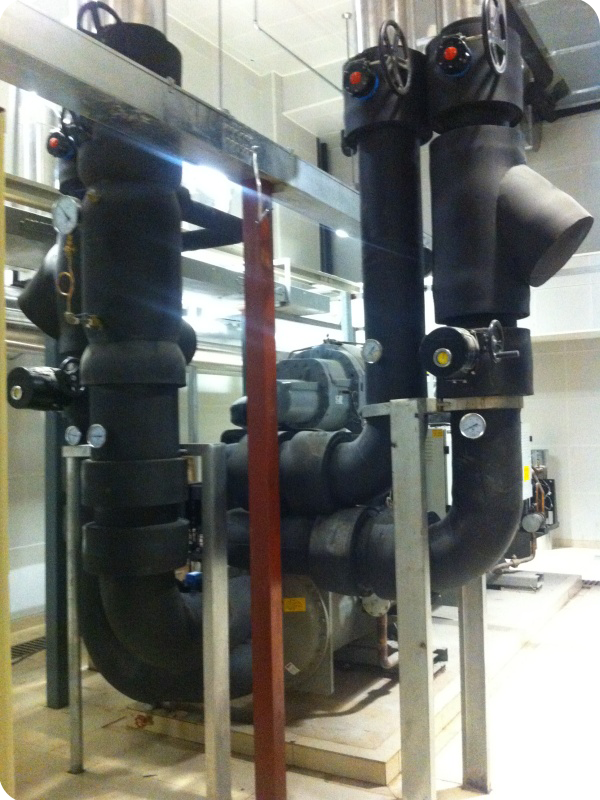
Take a look inside our high-capacity factories where our insulation products undergo testing, extrusion, and preparation for containerized ocean freight.
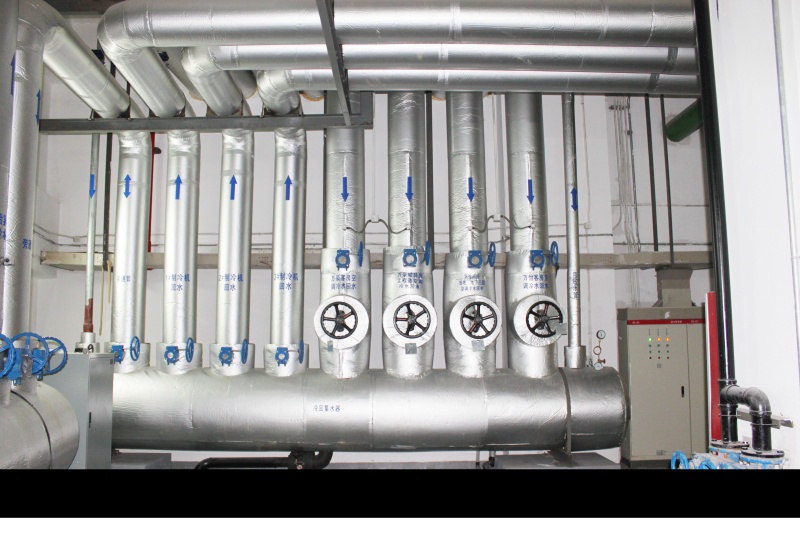


Our products hold multiple international certifications to meet building code and environmental standards in the US, Europe, and Asia.
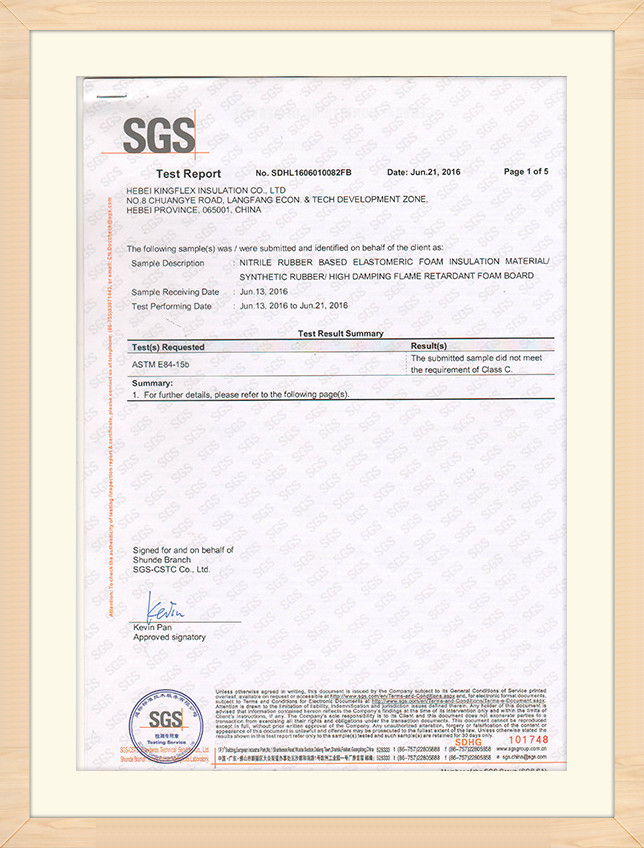
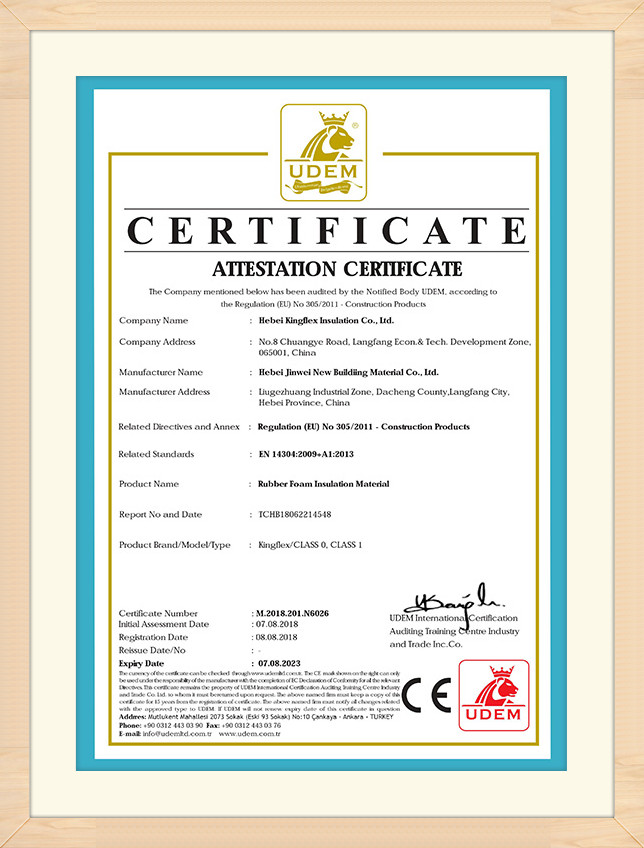
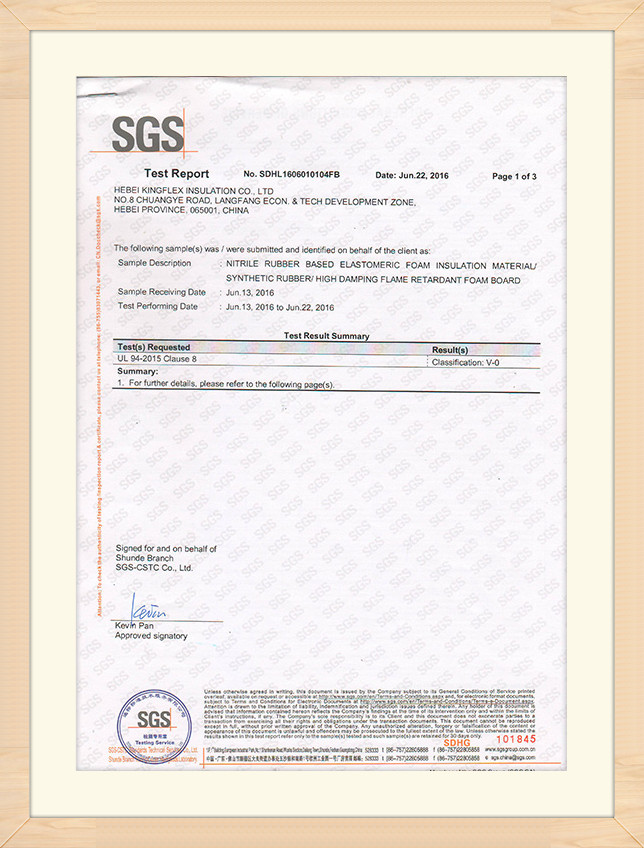

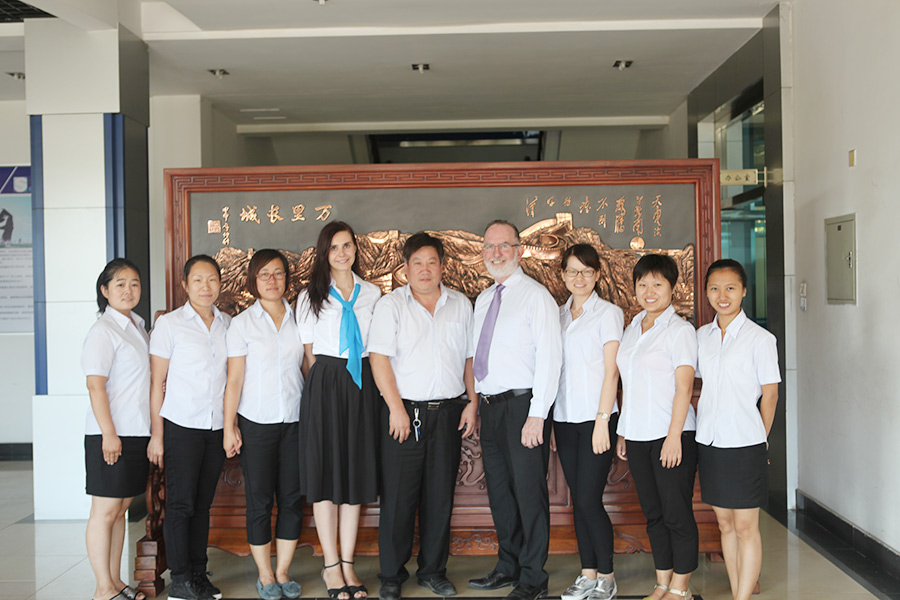
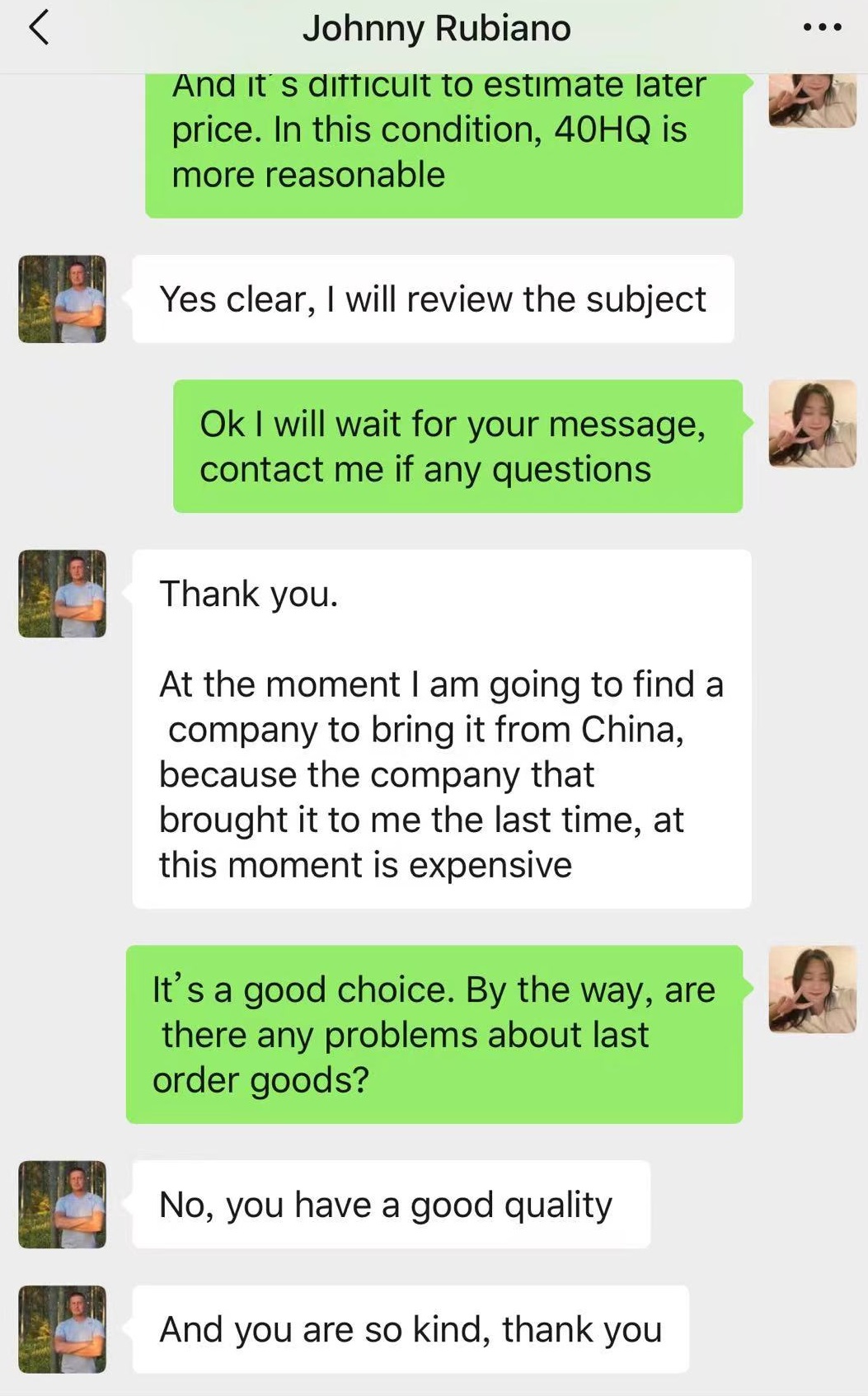
Transparency and continuous customer communication. Real-time validation of materials, order parameters, and logistics coordination with clients.




Integrating thermal management into next-generation smart cities and low-energy construction projects in New England.
As Boston moves towards strict carbon neutral status by 2050 under the BERDO framework, insulation systems are transitioning from passive safety accessories to key components of intelligent building energy profiles. Traditional insulation design is shifting toward total system performance. Thermal insulation works in conjunction with smart building systems to optimize energy use. For example, pre-insulated hydronic piping networks with built-in leak monitoring allow building engineers to detect thermal bridging and moisture ingress in real-time, preventing energy loss and system degradation.
Material development is also moving toward non-halogenated, zero-VOC formulations. Architects in Boston designing projects to meet LEED V4 Gold or Platinum certification are choosing halogen-free elastomeric foams to protect indoor air quality. Kingflex's halogen-free range is designed specifically for green construction, releasing no hazardous smoke in fire conditions and minimizing corrosion on stainless steel and copper piping. Through material research and manufacturing upgrades, Kingflex is helping shape the future of high-performance commercial construction.
Get expert answers to common questions about thermal insulation codes, selection, and local deployment in New England projects.
Partner with Kingflex for direct factory pricing, comprehensive technical data sheets, and dedicated logistics support for projects in Boston and New England.
 Kingflex