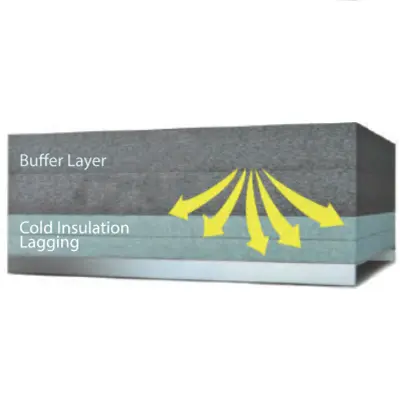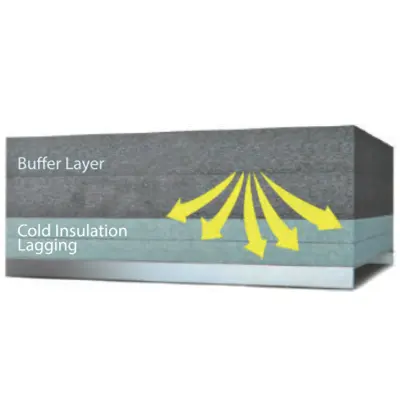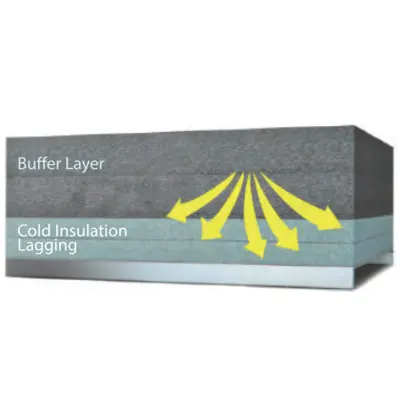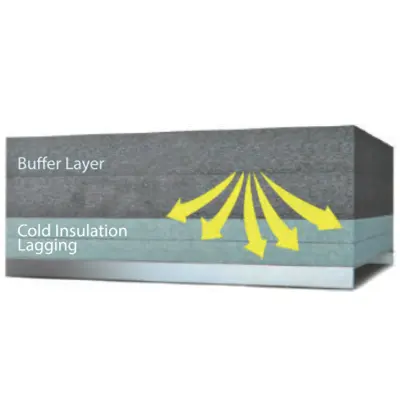
Nigeria's rapidly expanding commercial construction, manufacturing, and petrochemical sectors face a silent but aggressive structural challenge: high ambient temperatures coupled with extreme relative humidity. From the coastal expanse of Lagos and Port Harcourt to the northern industrial nodes of Kano and Kaduna, mechanical engineering designs require insulation systems that can withstand the dual threats of massive thermal heat transfer and rapid condensation buildup. Without high-specification insulation, HVAC air ducts, chiller lines, and industrial process piping quickly become vectors for energy loss, structural corrosion (CUI - Corrosion Under Insulation), and toxic mold proliferation.
This technical whitepaper explores the critical performance parameters of NBR/PVC elastomeric rubber foam insulation within the Nigerian HVAC, industrial, and energy landscapes. As a premier global manufacturer, we dissect the thermodynamic necessities of choosing closed-cell rubber foam insulation, outline local project standards, and provide a direct roadmap for global procurement agents, project engineers, and mechanical consultants seeking to optimize cost-efficiency and technical integrity.
In regions like Lagos, where the relative humidity frequently climbs above 85% and temperatures exceed 32°C, the dew point of the surrounding air is exceptionally close to the dry-bulb temperature. When cold fluids flow through copper refrigeration lines or chilled water steel pipes, the surface temperature drops far below this dew point. If the insulation material has a low water vapor resistance factor (μ-value), moisture penetrates the insulation body. This leads to water saturation, immediately rendering the insulation ineffective since water's thermal conductivity is roughly 25 times higher than that of dry air.
In high-density commercial developments across Lagos Island, Ikoyi, and Abuja, building safety laws require building products to meet high fire resistance ratings. Kingflex NBR/PVC products are engineered using custom flame-retardant blends that limit surface spread of flame, do not generate flaming droplets, and minimize toxic smoke emissions.
| Property | Test Standard | Kingflex Premium Specification Value | Engineering Benefit for Nigeria Projects |
|---|---|---|---|
| Thermal Conductivity (λ) | ASTM C518 / ISO 8301 | ≤ 0.034 W/(m·K) at 0°C | Minimizes BTU/hr heat gains, reducing central HVAC operational costs. |
| Water Vapor Diffusion (μ) | BS EN 12086 / ASTM E96 | ≥ 10,000 | Zero external vapor barrier required; prevents CUI on chilled lines. |
| Fire Performance Class | BS 476 Part 7 / BS 476 Part 6 | Class 1 / Class 0 | Complies with local Fire Safety standards for high-rise buildings. |
| Temperature Range | - | -40°C to +105°C | Perfect for solar hot water piping and industrial steam processes. |
| Density | ASTM D1622 | 40 - 55 kg/m³ | Optimal balance between physical durability and thermal resistance. |
| Ozone/UV Resistance | ASTM D1171 | Excellent performance (with paint/jacket) | Resists degrade from intense direct solar UV in tropical zones. |
Importing building materials into Nigeria demands absolute alignment with the regulations set by the Standards Organisation of Nigeria (SON). Kingflex provides comprehensive export documentation support to ensure your shipments clear customs at Apapa Port, Tin Can Island Port, or Onne Port without costly delay.
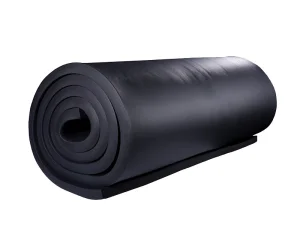
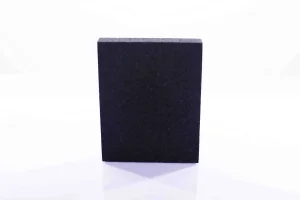
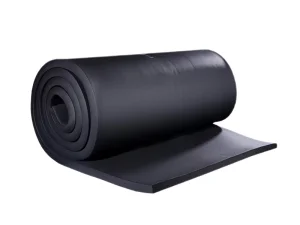
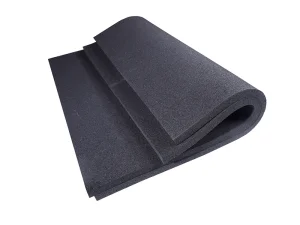
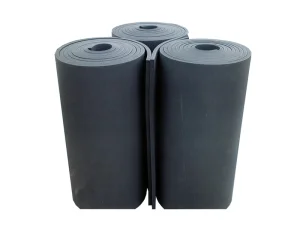
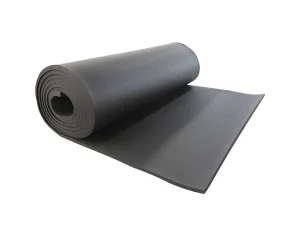
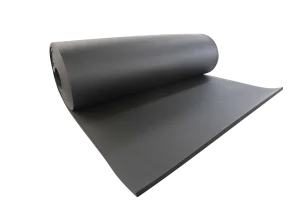
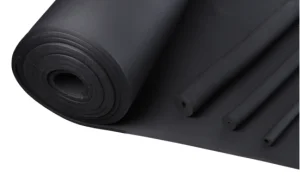
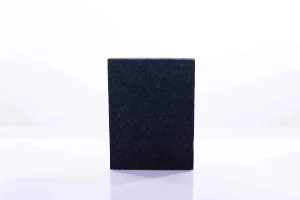
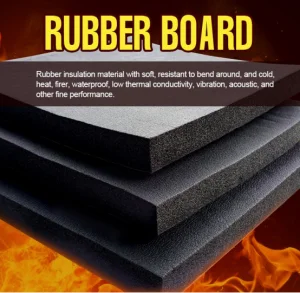
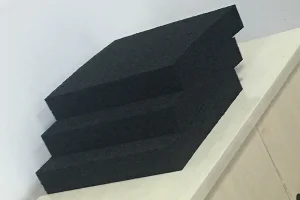
Specifically designed for flat surfaces, large diameter pipes, and rectangular HVAC duct wrapping. Its flexibility allows it to conform to complex structural shapes without cracking, eliminating gaps where condensation might form.
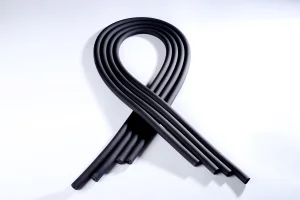
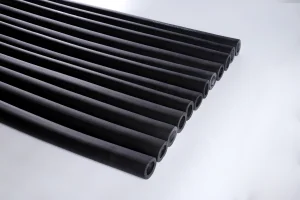
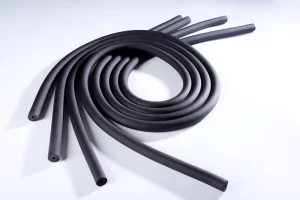
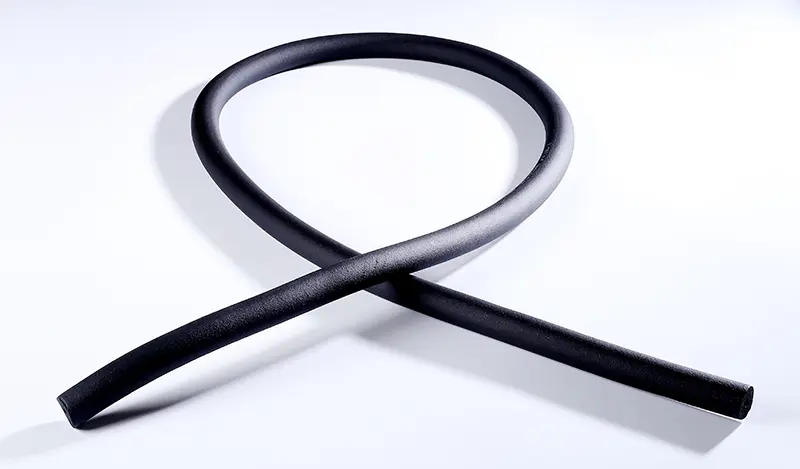
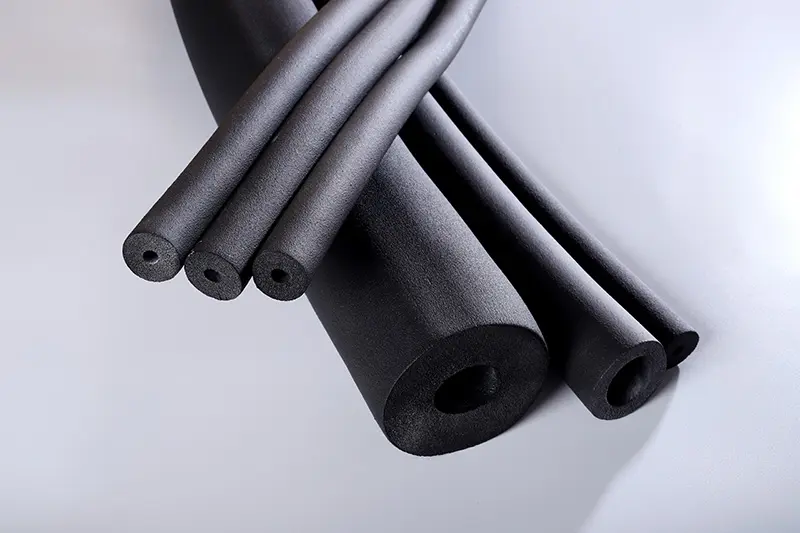
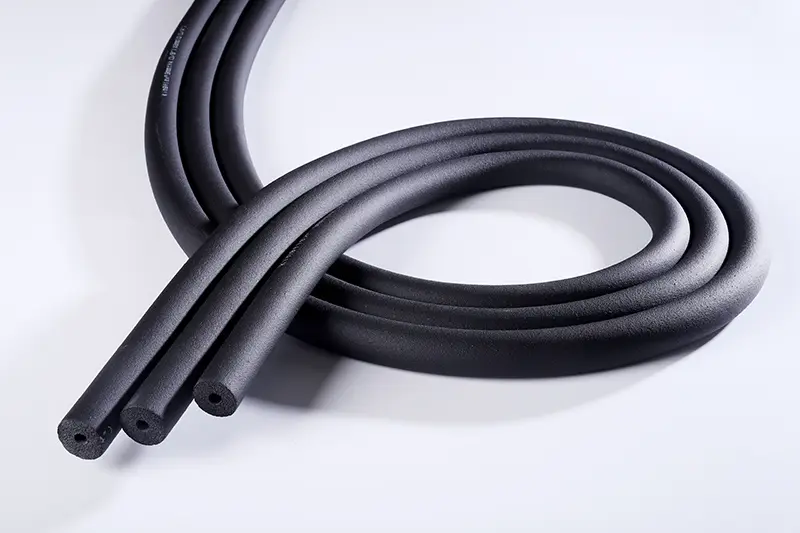
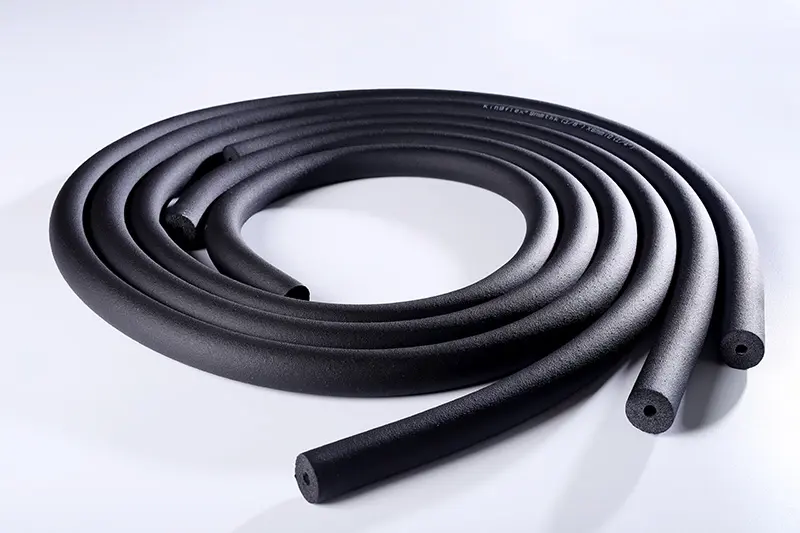
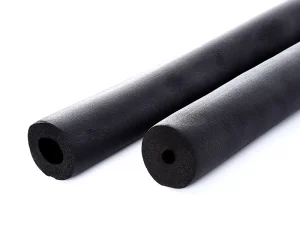
Pre-formed tubes designed to fit snugly over copper tubes, carbon steel pipes, and stainless steel lines. Widely specified in VRF air conditioning installations and process line piping.
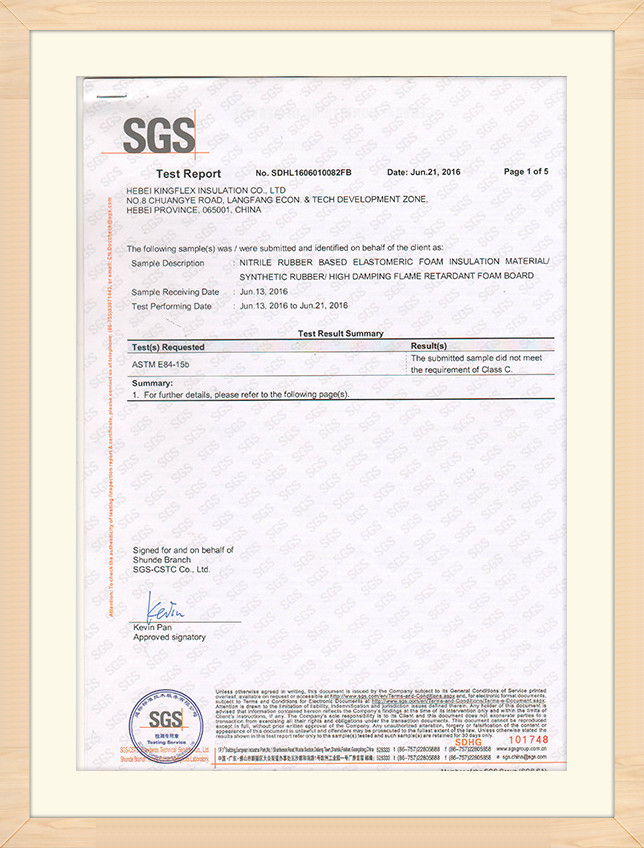
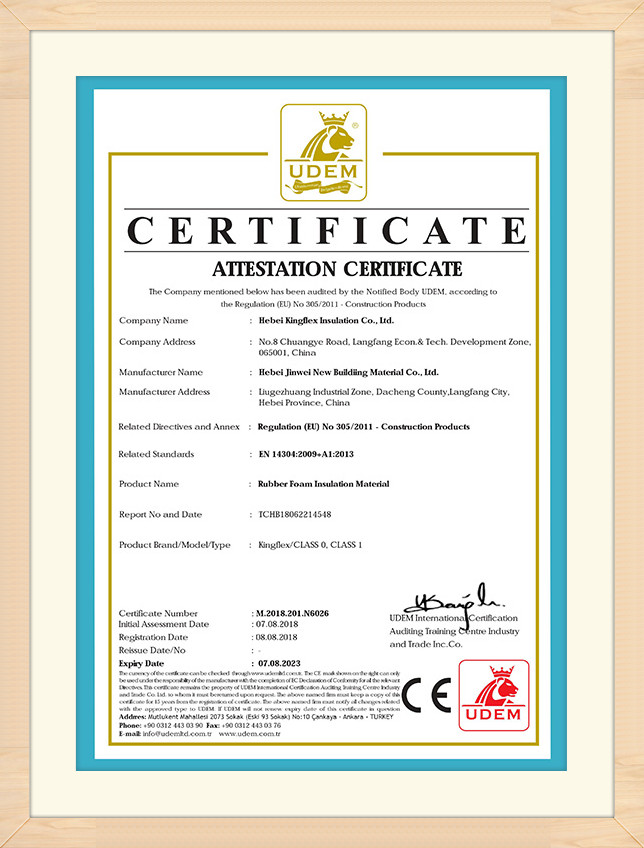
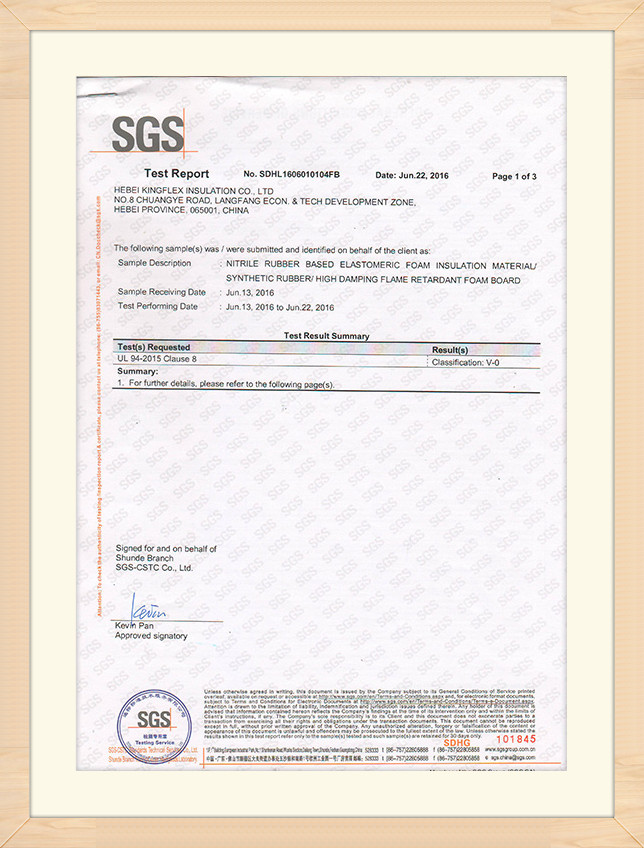
From the initial design stage to installation support on the ground, Kingflex provides project support to MEP contractors across West Africa. We supply customized sizes, fast shipping timelines, and detailed test reports required by engineering consultants.



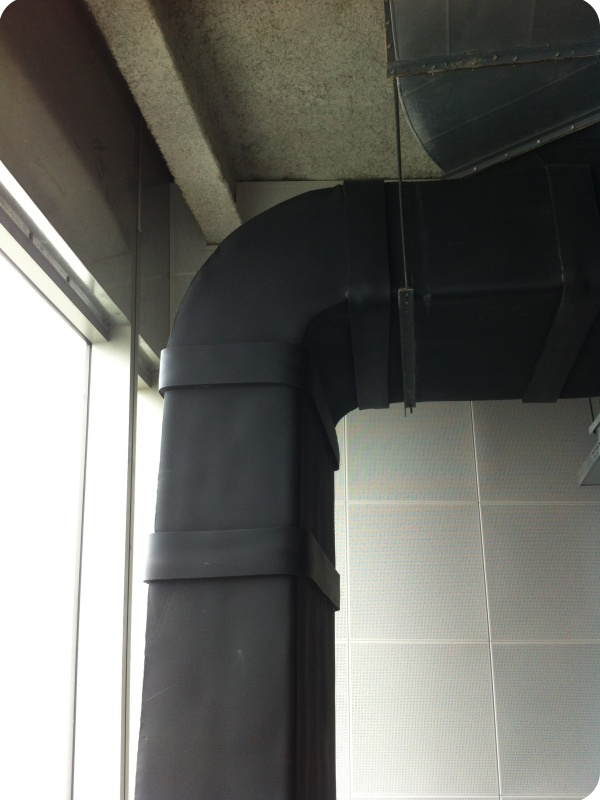
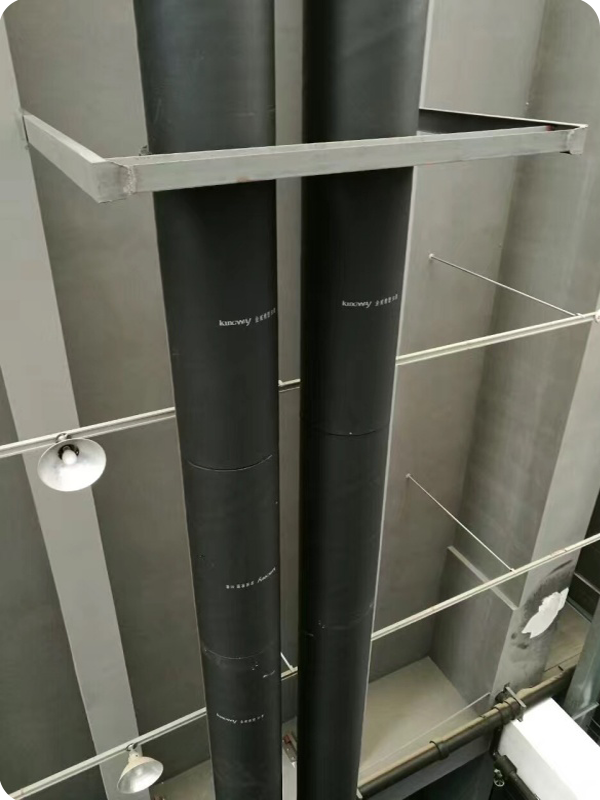
See Kingflex elastomeric closed-cell rubber foam insulation sheets and pre-formed pipe tubes applied across multiple commercial HVAC lines and large-scale industrial projects.

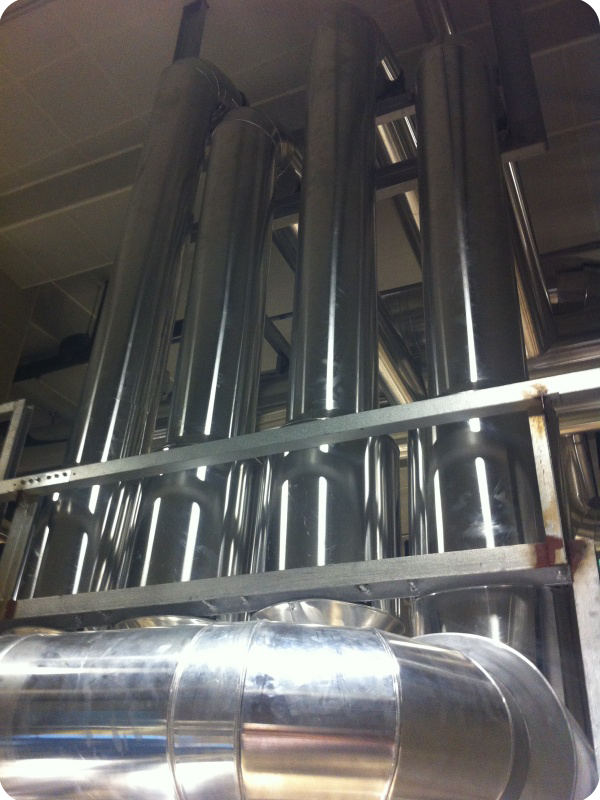
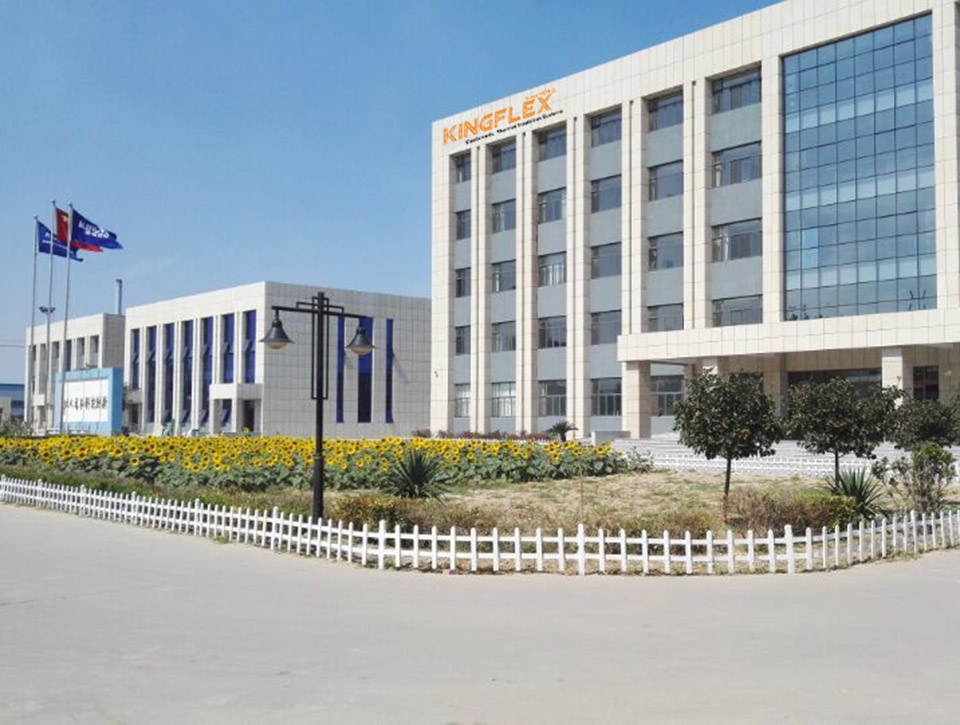
Our factory uses high-speed automated extrusion lines, computer-controlled vulcanization chambers, and high-precision slitting units to guarantee uniform foam density and precise dimensions for all NBR/PVC insulation rolls and tubes.
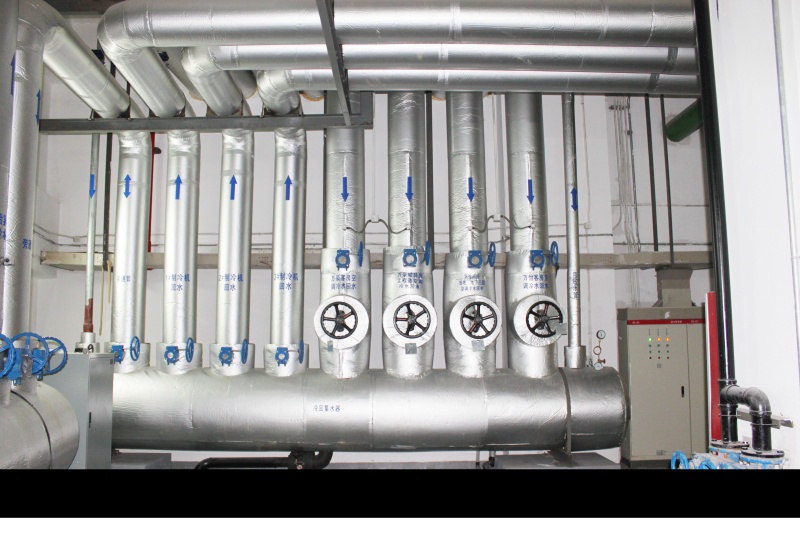
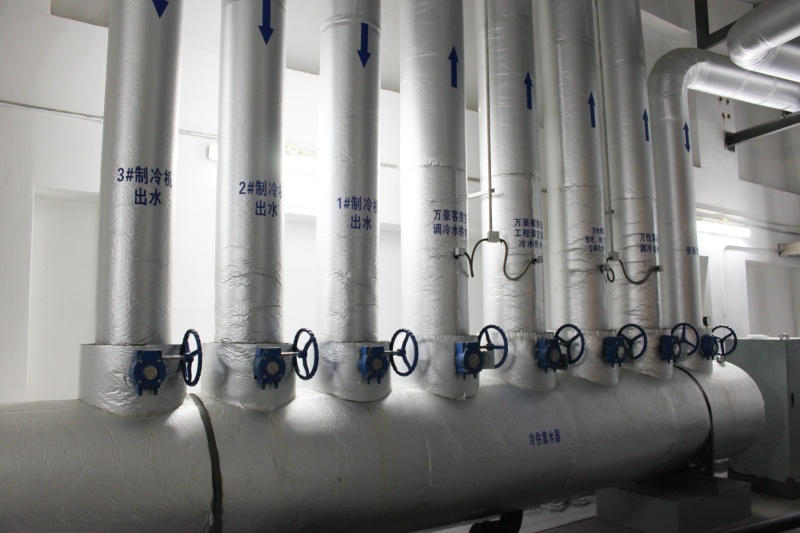
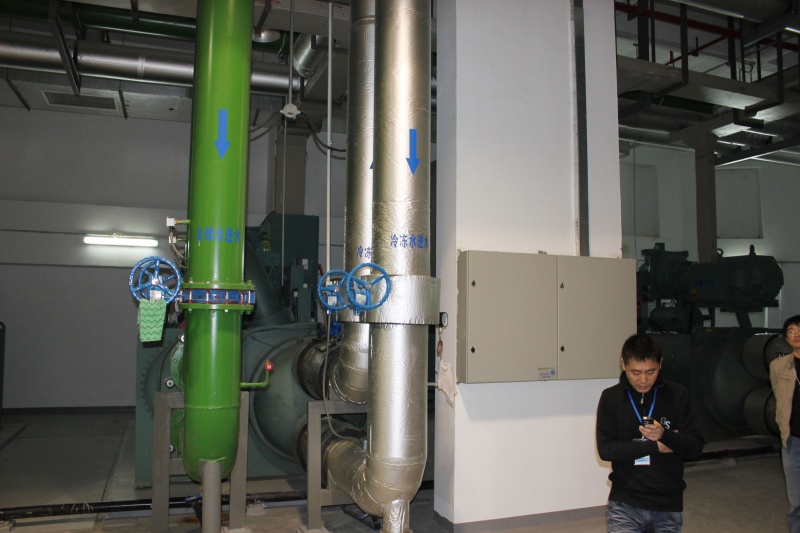
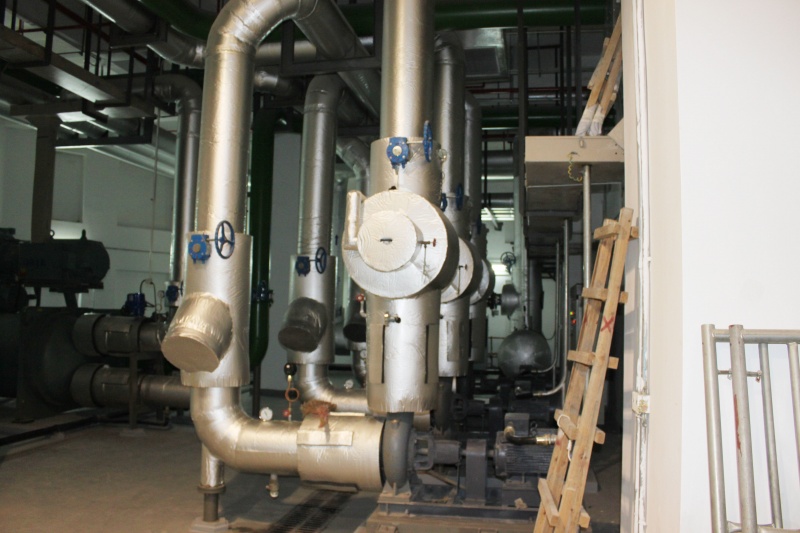
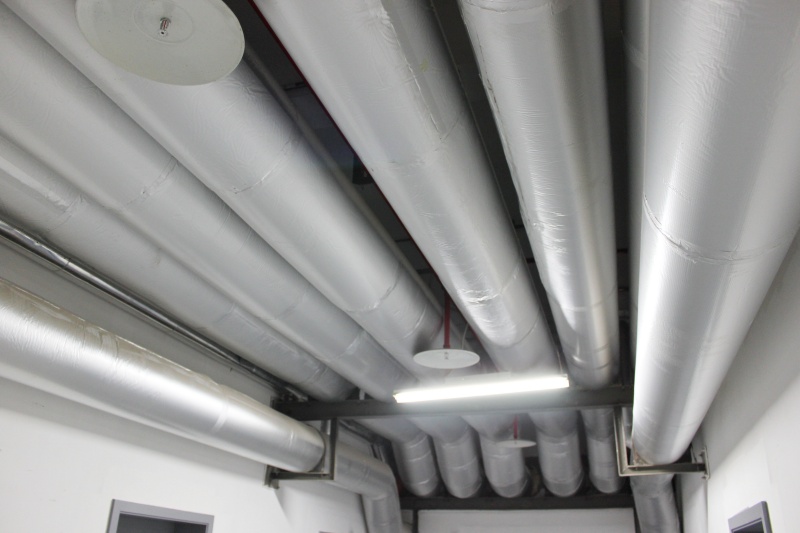

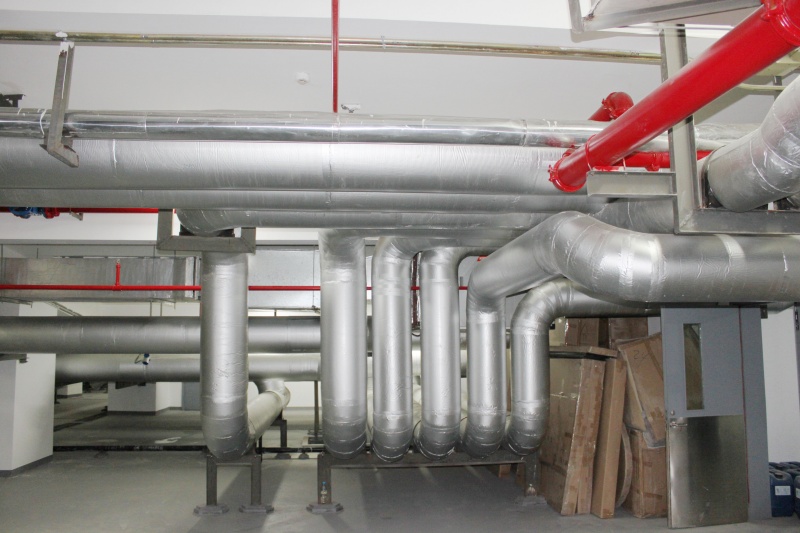

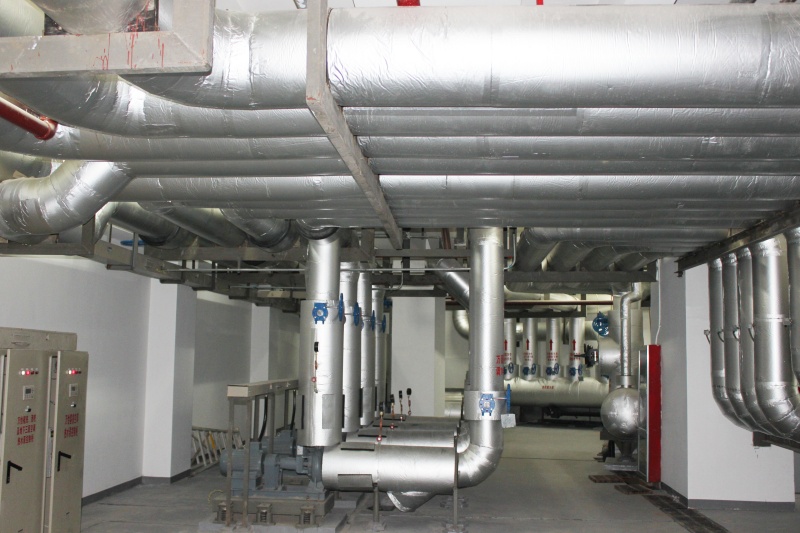
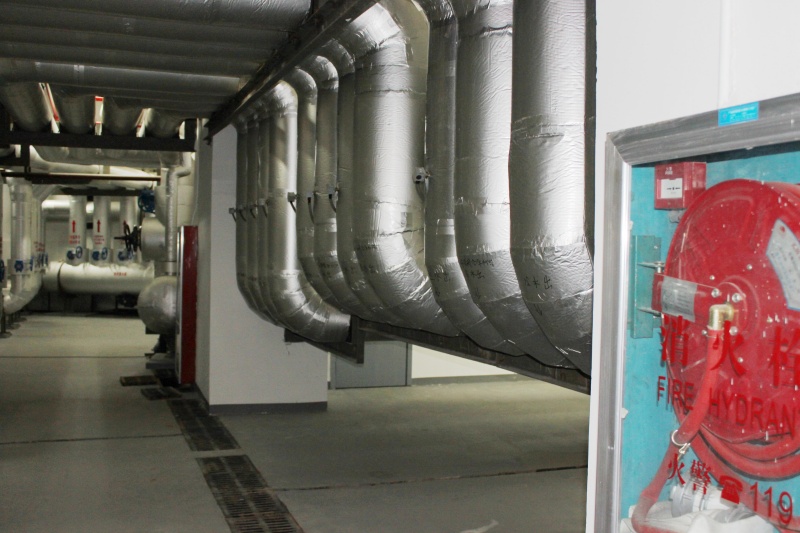
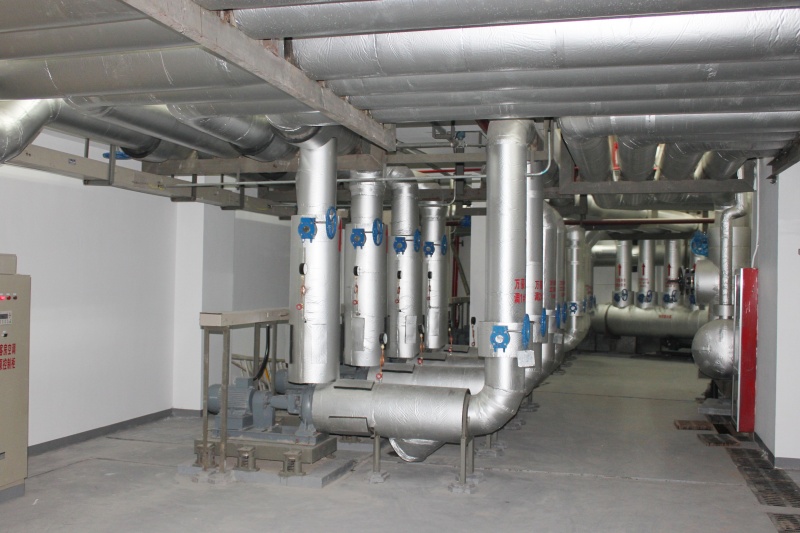
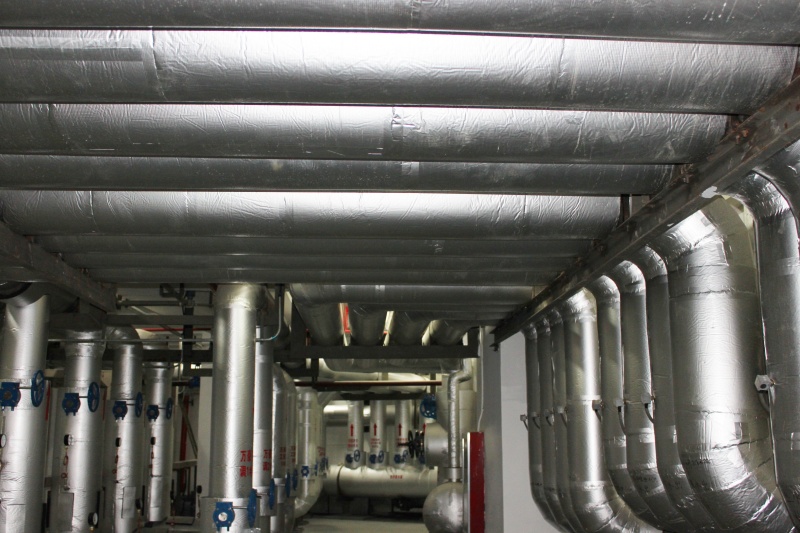
It is mainly used for HVAC ducts, air conditioning pipes, building thermal insulation, industrial pipeline cold insulation, and acoustic sound insulation. Its closed-cell structure is particularly effective at preventing condensation on chilled water pipes and refrigeration lines.
Yes, our rubber foam insulation products are flame retardant, meeting BS 476 Part 6 & Part 7 (Class 0 and Class 1) safety standards for construction and industrial projects. They are self-extinguishing when exposed to fire.
Rubber foam is flexible, closed-cell, and moisture-proof, making it ideal for HVAC and condensation control on cold pipes. Rock wool is a fibrous material with high-temperature resistance and fireproofing properties, better suited for high-temperature industrial pipelines and hot steam systems.
Yes, we provide full OEM and ODM services. We can adjust the thickness, roll lengths, internal pipe diameters, and add specialized outer laminations (such as aluminum foil or fiberglass glass-cloth wraps) to match specific project requirements.
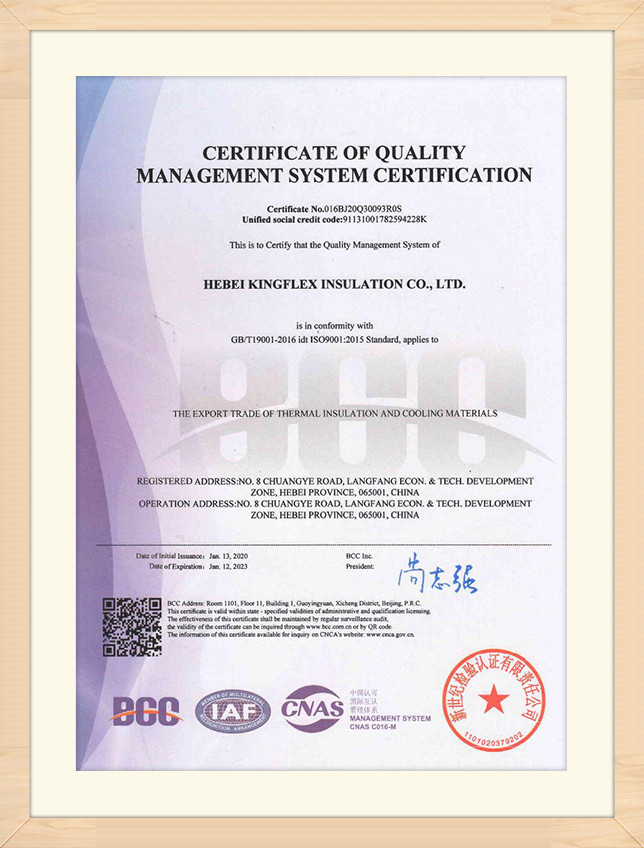
Our products hold certifications including BS 476, CE, REACH, ROHS, UL94, and ASTM. This ensures compliance with international building standards and engineering specifications worldwide.
Yes, every production run is stamped with a batch number. We maintain records from raw materials to final packaging, allowing for full quality tracking.
We produce a range of thicknesses from 6mm up to 50mm, allowing you to select the correct specification to prevent condensation under varying humidity and temperature levels.
When installed correctly and maintained according to standards, Kingflex NBR/PVC insulation products have a service life of approximately 10 to 15 years in typical indoor building environments.
Contact our technical engineering department today for custom product inquiries, container loading configurations, and direct factory pricing.
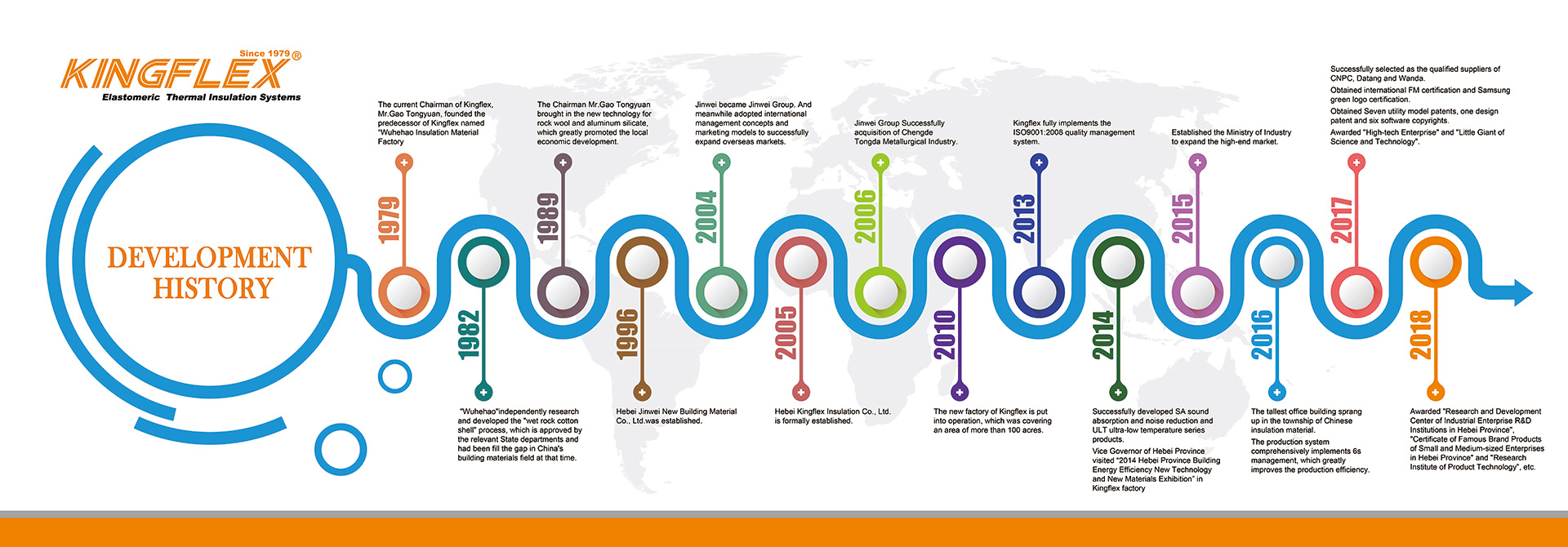
 Kingflex