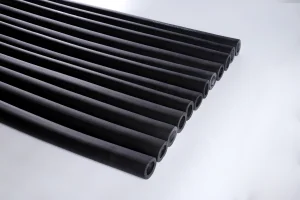
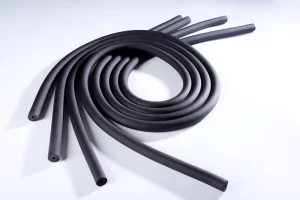
High-durability elastomeric insulation solutions engineered for commercial, industrial, and sub-zero HVAC configurations across Canada.
Canada's building sector and industrial manufacturing landscapes operate under some of the most unforgiving climate conditions on earth. With winter temperatures plunging below -40°C in Northern and Prairie regions, and hot, humid summer spikes in Southern Ontario and Quebec, the thermal envelope of any structure is subjected to extreme thermal expansion and contraction. Traditional insulation systems frequently fall short under these violent temperature swings, leading to moisture ingress, thermal bridging, and the costly hazard of Corrosion Under Insulation (CUI).
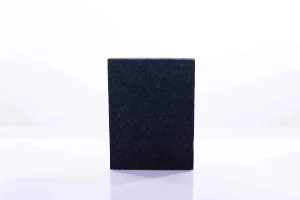
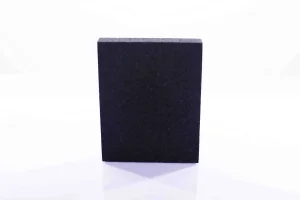
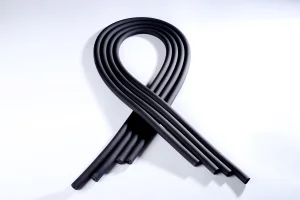
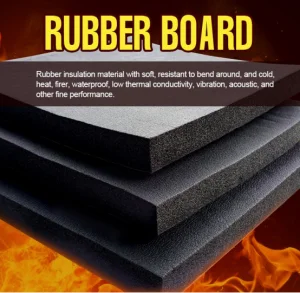
This comprehensive technical whitepaper explores the physical properties, localized application matrices, regulatory requirements, and supply chain strategies for Elastomeric Rubber Foam Insulation Products. We analyze why closed-cell NBR/PVC structures have transitioned from a specialty option to a baseline specification for Canadian HVAC, refrigeration, acoustic, and cryogenic infrastructure. As engineers and procurement heads strive to meet Canada's Net-Zero Emissions by 2050 mandate, selecting the right high-performance insulation becomes a core strategic pillar.
Information Gain Highlight: Closed-cell elastomeric rubber foam presents an absolute vapor barrier integrated within the material structure. Unlike open-cell products or fibrous materials (such as fiberglass or rock wool), NBR/PVC foam requires no secondary protective vapor jacket to maintain its thermal conductivity rating (K-value) in humid or condensing environments, significantly reducing long-term maintenance overheads.
Canada’s energy policy is shifting rapidly under the Federal Pan-Canadian Framework on Clean Growth and Climate Change. High-efficiency building envelopes, low greenhouse gas emissions, and minimized electrical draws on mechanical systems are legal imperatives. Commercial projects in cities like Toronto, Montreal, Vancouver, and Calgary are adhering to increasingly stringent energy codes, such as the National Energy Code of Canada for Buildings (NECB) and ASHRAE 90.1.
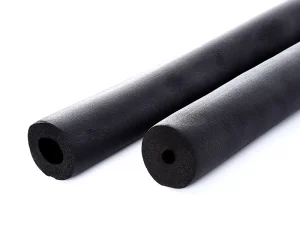
Within this regulatory framework, HVAC/R systems account for up to 45% of a commercial building’s energy footprint. Improperly insulated chilled water systems or refrigeration lines lose extensive cooling capacity, forcing compressors to cycle more frequently. Elastomeric rubber foam, characterized by an exceptionally low thermal conductivity (typically λ ≤ 0.034 W/(m·K) at 0°C), functions as a highly efficient barrier, minimizing heat gain in chilled lines and preventing cold energy dissipation. This translates directly to reduced carbon tax liabilities and lower electricity utility expenditures for building owners.
Applying generic insulation methods in Canada often leads to localized points of failure due to distinct indoor-outdoor differentials. The following scenarios demonstrate where elastomeric rubber foam delivers unparalleled performance:
In highly humid summer zones like Southern Ontario, ambient moisture instantly condenses on cold pipe surfaces (-40°C glycol lines or 4°C chilled water lines). Standard open-fiber glass saturated with water loses its insulation value entirely. Closed-cell rubber foam forms a completely impervious layer, keeping moisture out and maintaining stable insulation parameters year-round.
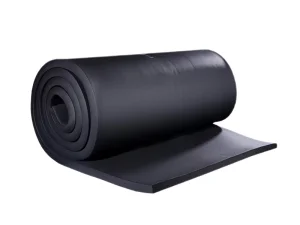
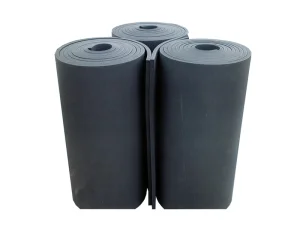
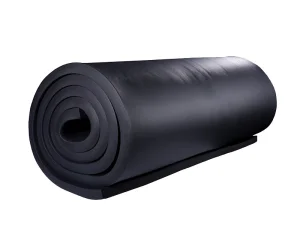
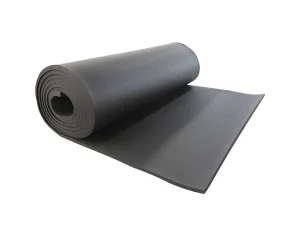
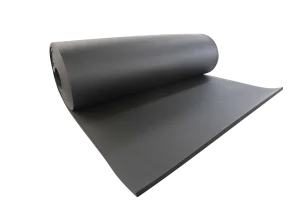
Rooftop units (RTUs) across Canada are subjected to wind, UV radiation, sleet, and massive snow accumulation. Kingflex elastomeric sheet rolls, applied with high-temperature adhesives and weather-resistant finishes, protect ducts from freezing while withstanding heavy structural vibrations and mechanical flexing without cracking.
Hockey rinks, curling sheets, and commercial cold storage facilities require steady, sub-zero liquid circulation. The low service temperature limit of Kingflex products (-40°C to 105°C) is ideal for preventing energy transfer between the ambient sub-level air and the sub-zero brine or glycol distribution pipes, preventing structural frost-heave.
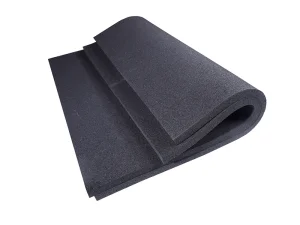
Urban high-rises in Vancouver and Toronto place mechanical systems adjacent to living spaces. Open-cell sound-absorption sheets and dual-structured elastomeric rolls decouple structure-borne noise from drainpipes, waste lines, and high-velocity ventilation ducts, satisfying the strict acoustic metrics of municipal bylaws.
The formulation chemistry of elastomeric insulation is undergoing significant innovation. Traditionally a blend of Nitrile Butadiene Rubber (NBR) and Polyvinyl Chloride (PVC), the modern material matrix must meet strict environmental goals. The next generation of Kingflex insulation is moving toward a technical roadmap focused on:
1. Low VOC and Zero-Halogen Formulations: Green building standards like LEED v4.1 reward products that do not release volatile organic compounds or use halogens (chlorine, bromine) in their flame-retardant matrices. Standardizing Halogen-Free Flame Retardant (HFFR) systems within rubber-foam structures minimizes smoke toxicity during building fires, which is critical for safety in enclosed spaces like tunnels and high-occupancy hospitals.
2. Bio-Based Plasticizers and Recycled Raw Materials: Reducing dependence on petrochemical bases by utilizing bio-based alternatives and incorporating recycled post-industrial rubber feedstocks. This directly lowers the embodied carbon footprint of the materials, helping Canadian engineers achieve Net-Zero targets starting from the building material level.
3. Advanced Anti-Microbial Infusions: Because HVAC ducts often recirculate moisture-laden air, incorporating an integrated anti-microbial agent throughout the foam matrix prevents the growth of mold, mildew, and bacteria. This structural protection helps maintain Indoor Air Quality (IAQ) and keeps buildings compliant with CSA Z317.2 health facility standards.
Global supply chain volatility has highlighted the necessity of partnering with well-established manufacturers. As a prominent industrial hub located in China’s green building materials capital (Dacheng), Kingflex Insulation Co., Ltd. leverages several core competencies to ensure reliable, high-volume supply to the Canadian market:
In Canada, safety is heavily monitored by building inspectors, fire marshals, and municipal engineering departments. The primary fire performance metric for insulation materials in Canada is governed by CAN/ULC-S102 (Standard Method of Test for Surface Burning Characteristics of Building Materials and Assemblies).
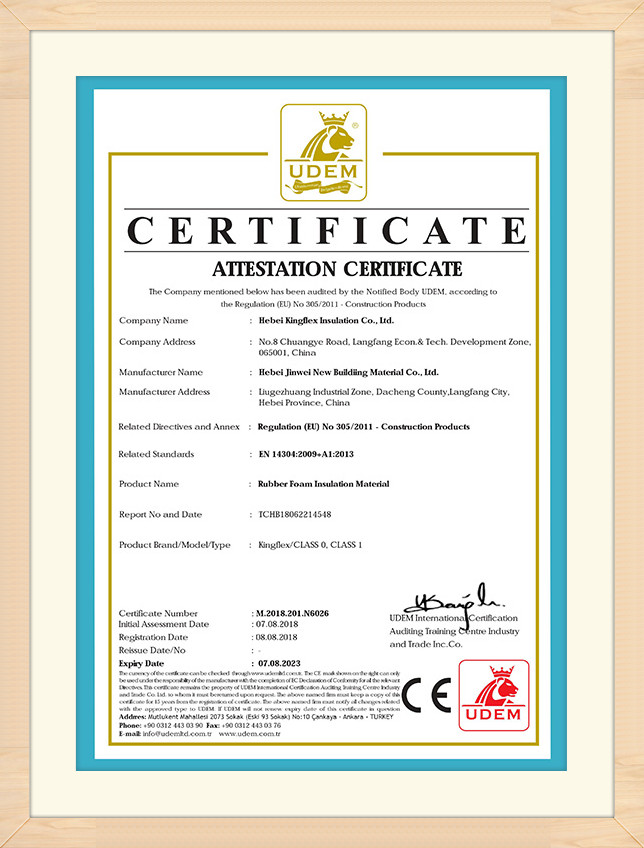
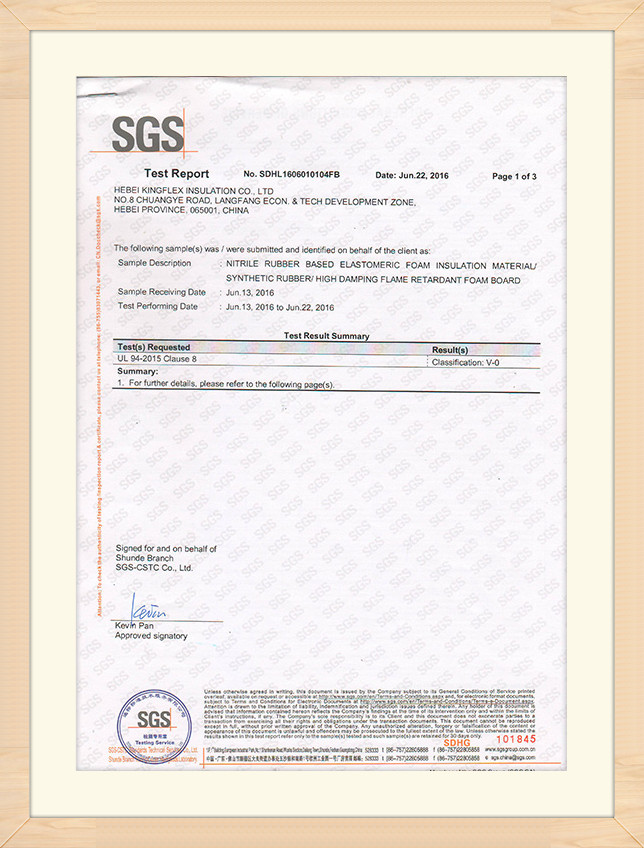
Kingflex elastomeric products are developed and continually tested to comply with international equivalents like ASTM E84, UL 94, and BS 476, ensuring the material meets the Flame Spread Index (FSI) ≤ 25 and Smoke Developed Index (SDI) ≤ 50 parameters mandated for air plenums and high-occupancy structures. Furthermore, our products carry certifications like CE, REACH, and RoHS, showing our commitment to eliminating hazardous substances and providing safe, long-lasting performance for all applications.
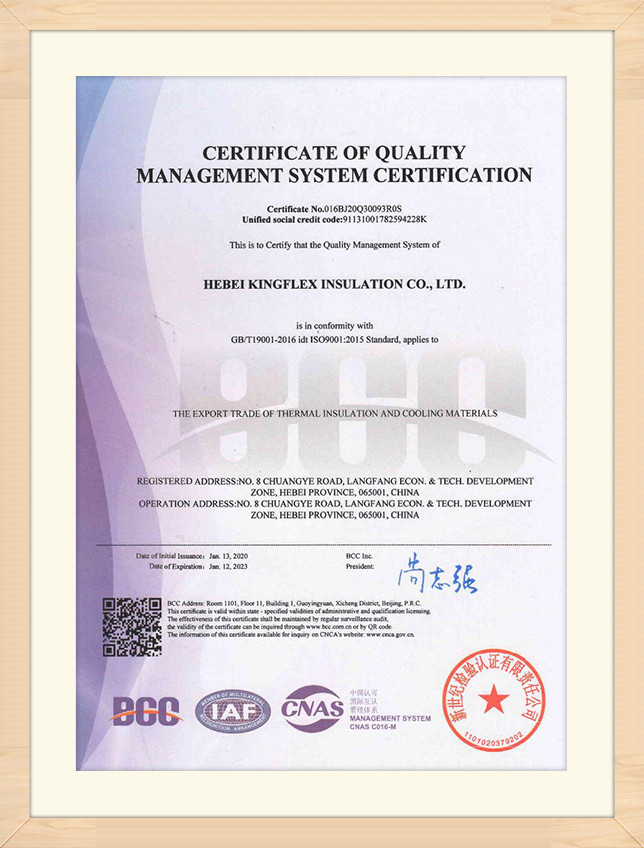
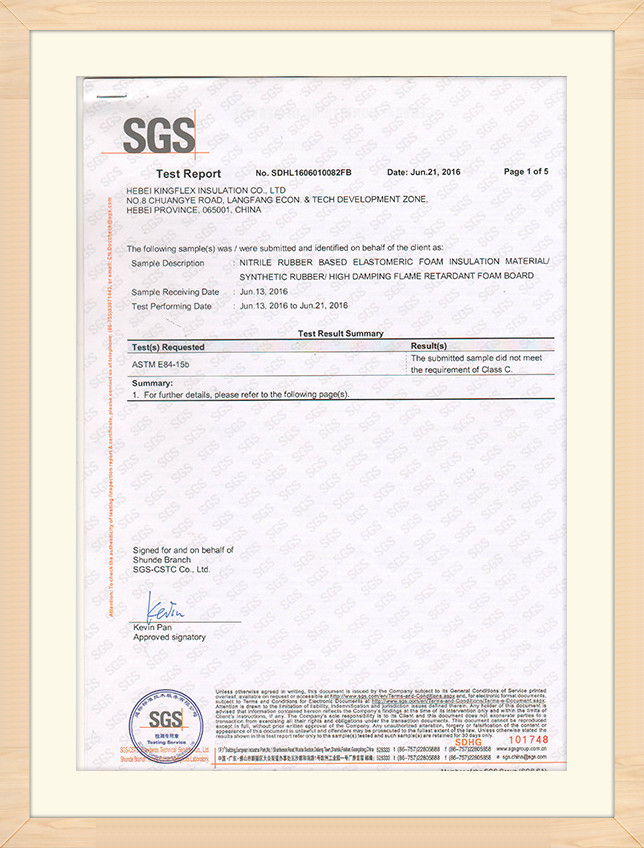
Learn more about the history, R&D capabilities, and manufacturing footprint of Kingflex Insulation Co., Ltd.
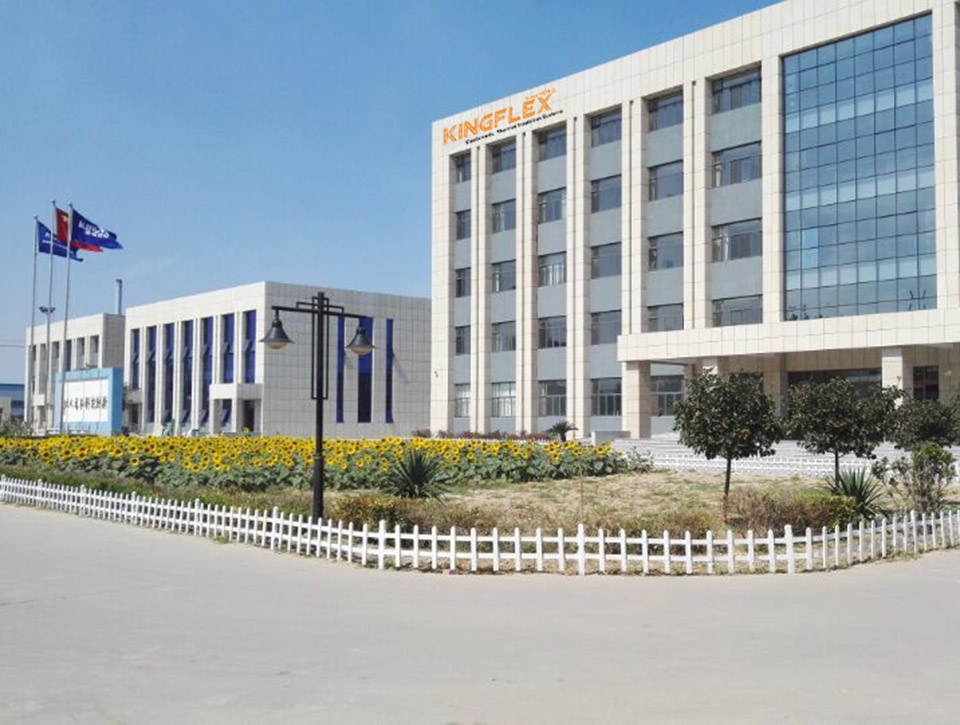
Kingflex Insulation Co., Ltd. is a professional manufacturing and trading combo specializing in premium thermal insulation products. Located in Dacheng, China—a hub for green building materials—we focus on energy conservation and environmental protection, integrating R&D, manufacturing, and technical sales under one roof. We help shape modern building environments through custom consulting, advanced manufacturing, and comprehensive post-sale support.
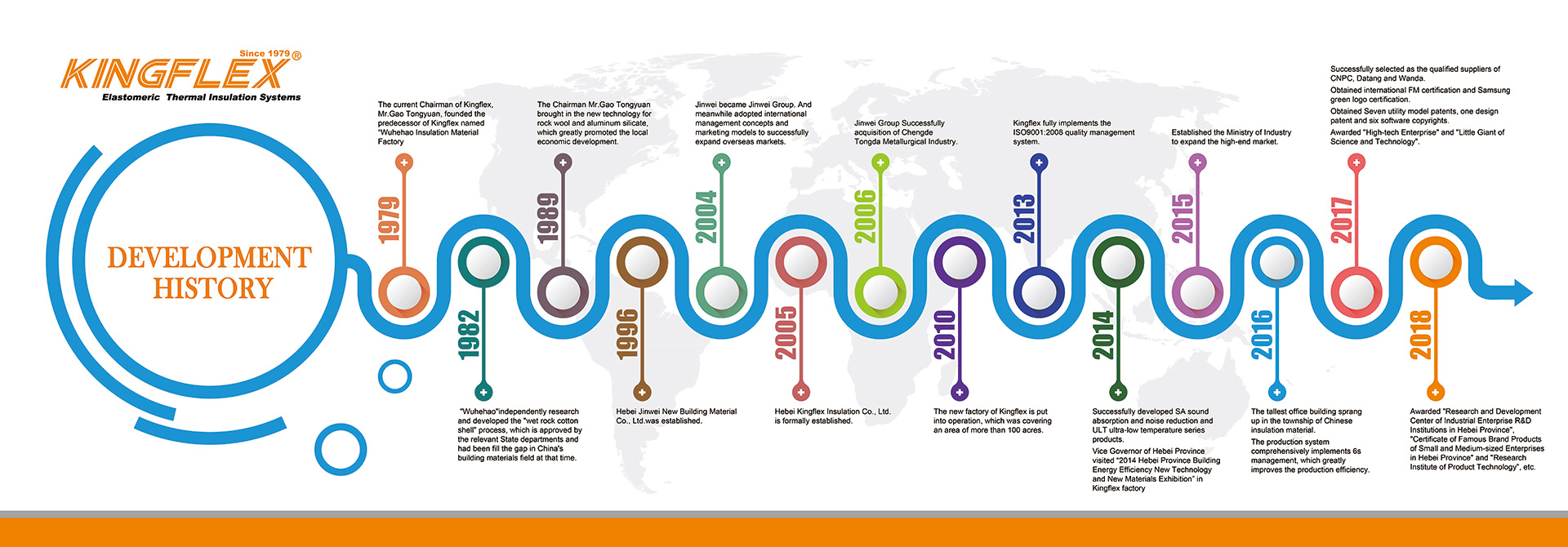

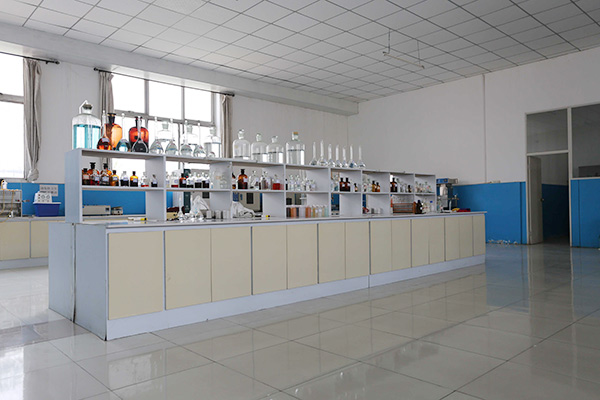
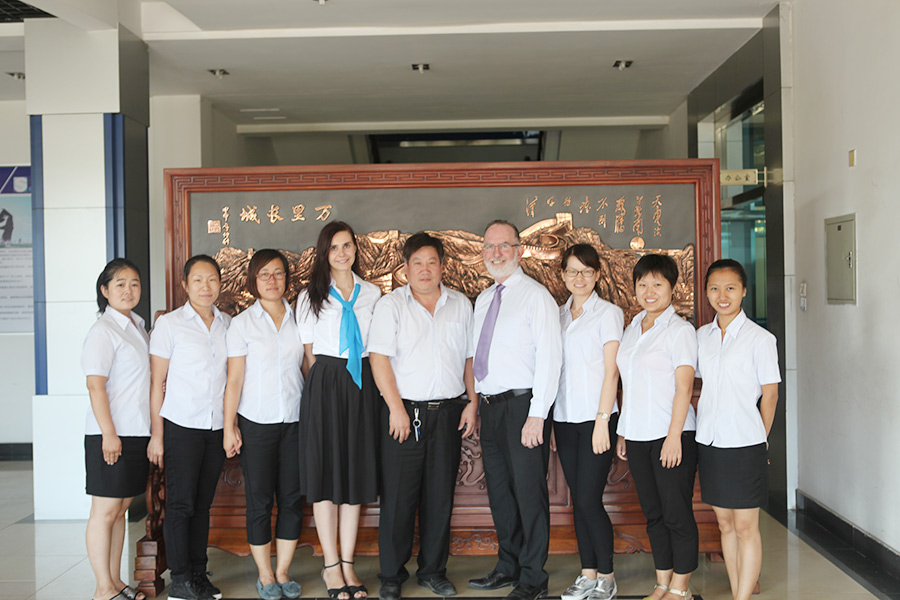
Established by the Jinwei Group, which has over 40 years of history since its founding in 1979, Kingflex stands on a foundation of long-term technical experience. As the first thermal insulation material manufacturer north of the Yangtze River, the group has led advancements in closed-cell formulation chemistry. Our team of 230 manufacturing specialists, 8 professional R&D engineers, and 6 international trade representatives coordinates seamlessly to deliver high-performance products worldwide.
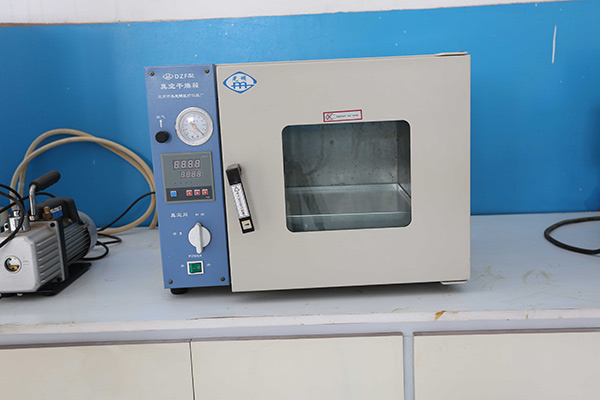
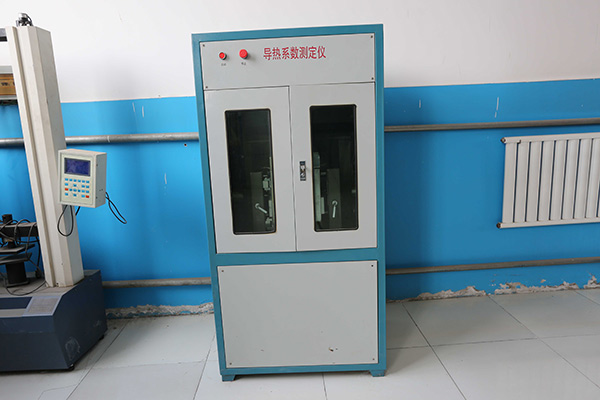

Our modern factory features 5 fully automated assembly lines, giving us an annual capacity of over 600,000 cubic meters. This production scale has earned Kingflex designation as a key supplier for state energy, power, and chemical industry projects. Today, our products serve diverse applications in commercial construction, oil and gas processing, power generation, aerospace, and cold chain shipping across 66 countries.
Verifying our real-world success through project applications and transparent customer interactions.





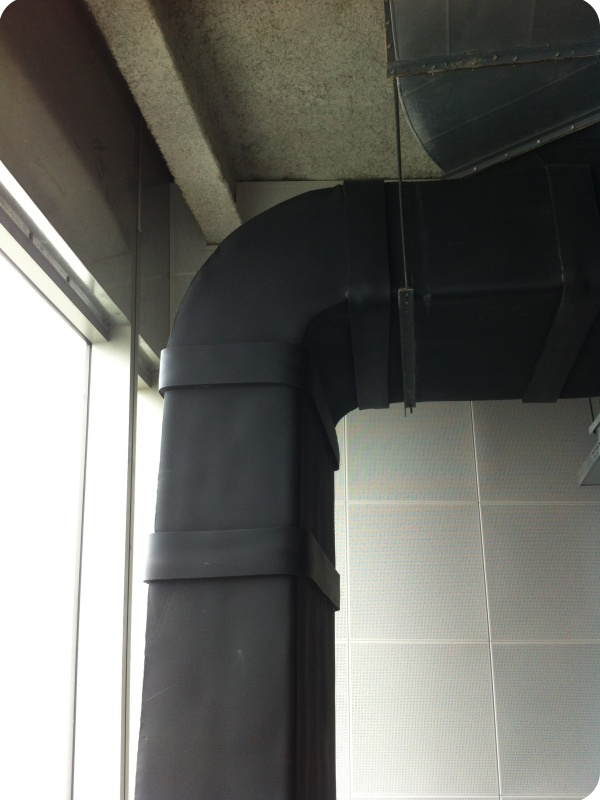
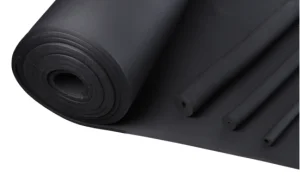
Explore our full line of elastomeric foam rolls, sheets, tubes, and accessory solutions for Canada.
 Kingflex