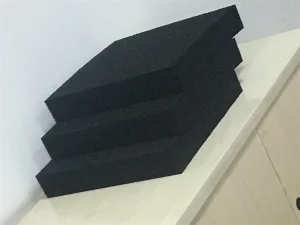
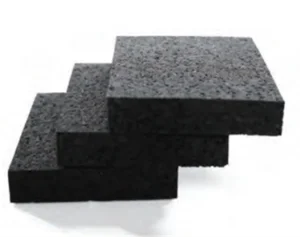
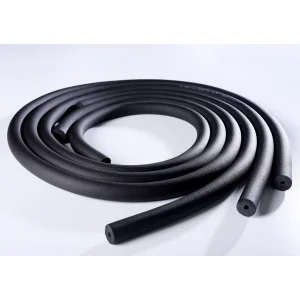
Sound Absorption Insulation Products
Supplier & Pricelist in the Manila Market

High-performance NBR/PVC elastomeric thermal and acoustic solutions optimized for Philippines' tropical industrial & commercial HVAC specifications.

Request Manila Pricelist Now

Adapting Insulation Engineering to Manila's High-Humidity Climate

In Metro Manila's tropical climate—characterized by persistent relative humidity exceeding 80% and elevated ambient temperatures—thermal and acoustic insulation systems face structural performance challenges.

Standard insulation material without engineered vapor-barrier controls fails due to interstitial condensation. When moisture permeates the insulation structure, the thermal conductivity (K-value) rises exponentially, causing HVAC cooling losses, structural pipe corrosion (CUI), and fungal growth that degrades Indoor Air Quality (IAQ) in office spaces across Makati, BGC, and Ortigas Center.

To counter these regional challenges, Kingflex provides advanced NBR/PVC elastomer formulas featuring a closed-cell density of 40–55 kg/m³ and a high water vapor diffusion resistance factor (μ ≥ 10,000). This eliminates the need for separate external vapor barriers, maintaining sound-dampening qualities and thermal stability over a lifespan of 10 to 15 years.
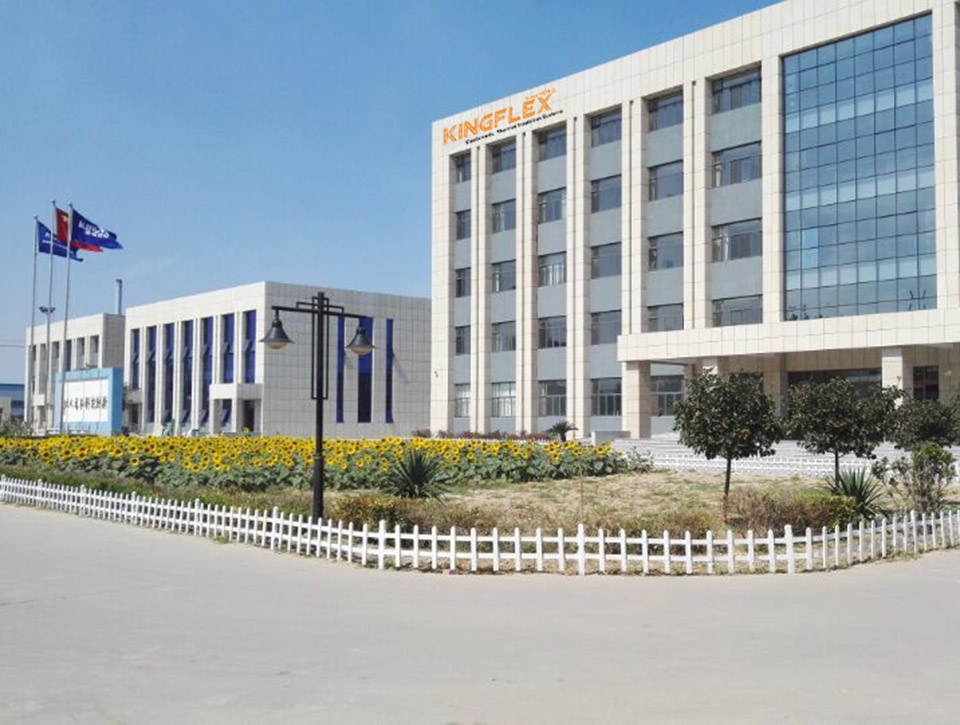
Kingflex Factory Production of Elastomeric Insulation Materials

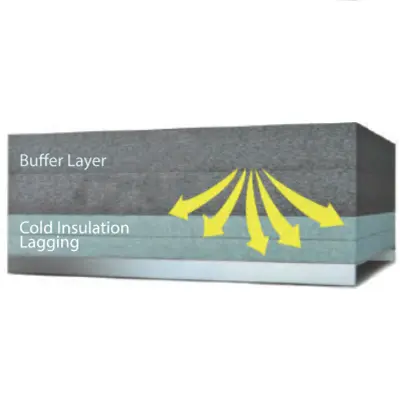
Acoustic Attenuation & Noise Control

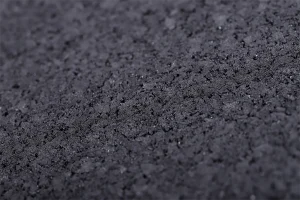
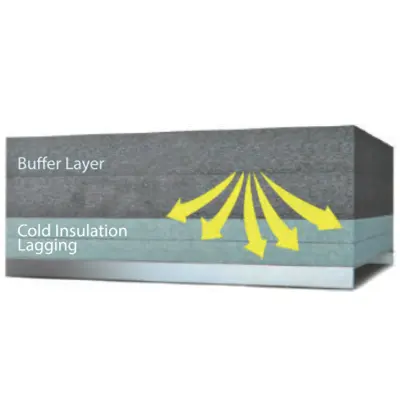
Designed with open-cell micro-structures that effectively trap and absorb high-frequency equipment hums and airflow friction noises in mechanical plenum spaces.

Condensation Prevention Engineering

The closed-cell configuration prevents the ingress of humid tropical air, maintaining dry conditions around pipework operating at sub-ambient temperatures.

Strict Building Standard Compliance

Meets fire and safety codes across the Philippines (BS 476 Class 0, UL94 V-0 flame rating), providing low smoke toxicity and zero flame spread characteristics.
Kingflex Manufacturing Line and High Capacity Machinery
Global Manufacturing Excellence

Over 40 Years of Thermal & Acoustic Engineering History

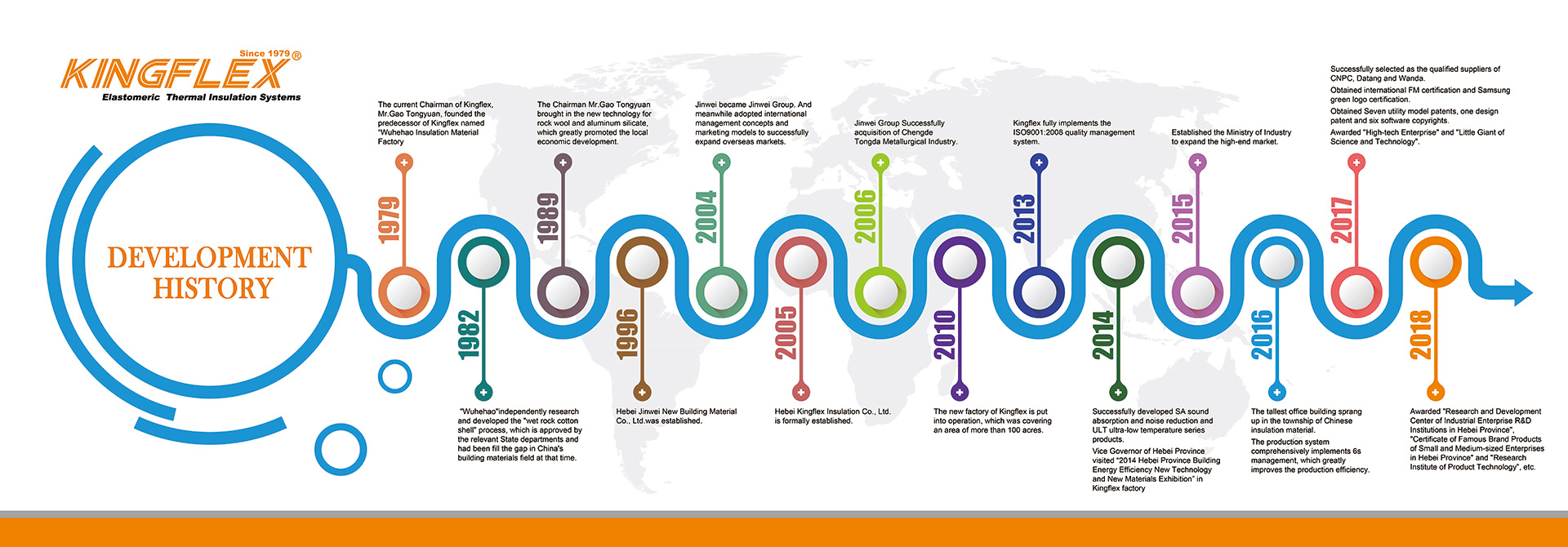
Established by the Jinwei Group, which dates back to 1979, Kingflex is a premier industrial thermal insulation combo in Asia.

Our primary research and production complex in Dacheng, China, occupies the capital district of green building materials. Focused on energy conservation, we deliver holistic consult-to-commission services, covering customized material compounding, installation guidelines, and post-sale performance audits.

Currently, Kingflex runs 5 high-speed automated extrusion lines, exporting to more than 66 countries and delivering critical insulation packages to petrochemical, commercial, and HVAC industrial sectors.

600K+ m³
Annual Production Capacity
40+ Yrs
Group Technical Experience
66+
Export Destination Countries
8 Specs
International Quality Certifications

Thermal & Acoustic Engineering Technical Specifications

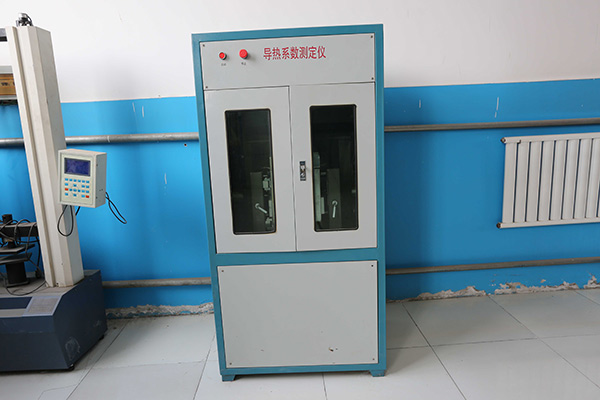
Our elastomeric foam insulation materials undergo comprehensive testing to meet global building standards. When designing cooling networks or sound insulation solutions in Manila, mechanical engineers can leverage these key performance indicators:

Kingflex Elastomeric Rubber Specifications:
  • Chemical Base: Nitrile-Butadiene Rubber & Polyvinyl Chloride (NBR/PVC) blend.
  • Foam Density: 40 to 55 kg/m³ for optimal flexibility and compression resilience.
  • Service Temperature Limit: Wide range of -40°C to 105°C, preventing thermal cycling issues.
  • Thermal Conductivity (K-Value): ≤ 0.035 W/(m·k) at 0°C, maintaining energy efficiency.
  • Moisture Resistance: Highly closed-cell configuration (>98% closed cells) with μ value ≥ 10,000.
  • Fire Performance: Complies with Class 0 (BS 476 Parts 6 & 7), flame-retardant and self-extinguishing.
  • Ozone & Weathering Resistance: Good durability against UV degradation in tropical outdoor settings.

Manila Project Application Matrix

Our insulation materials are designed for specific engineering applications, maintaining performance under high pressure and humidity:
Key Installation Systems:
  • Central AC Ductwork: Acoustic lining and exterior insulation for ventilation systems in commercial spaces.
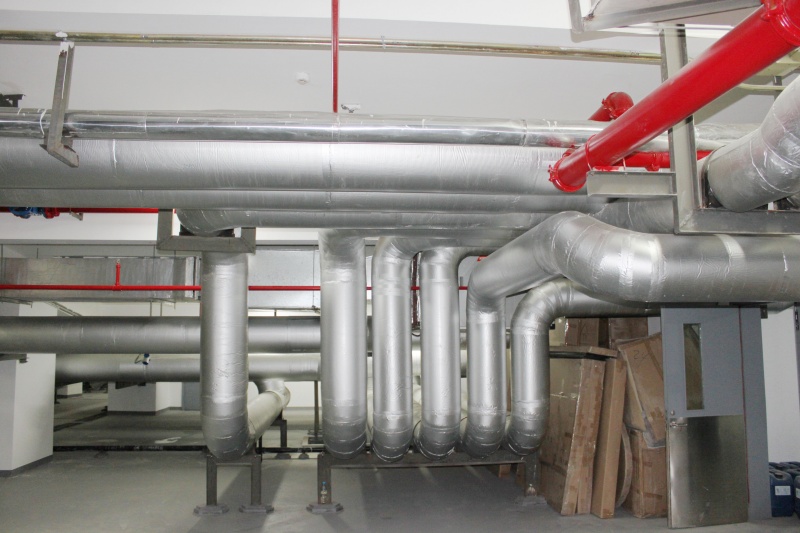
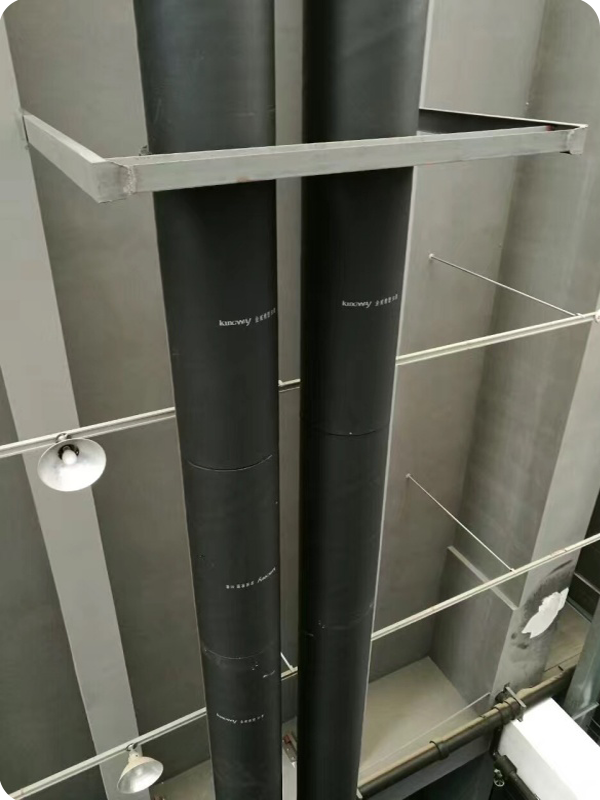
  • Chilled Water Pipelines: Prevents condensation on cold process piping in commercial malls and data centers.
  • Drywall Stud Cavities: Provides acoustic dampening inside gypsum board walls for offices and apartments.
  • Industrial High-Temperature Steam: Used for steam-pipe cladding and energy preservation in processing facilities.
  • Cryogenic Engineering: Specialized cold insulation systems designed for liquid gas pipelines.
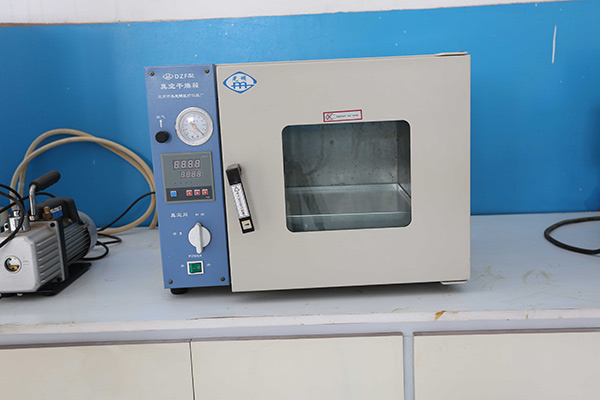
Elastomeric Foam Sheet Production Testing
Closed Cell Structure Microscope Quality Assurance

Product Category Analysis & Advantages

We provide two primary categories of flexible insulation designed for structural engineering projects in the Philippines.

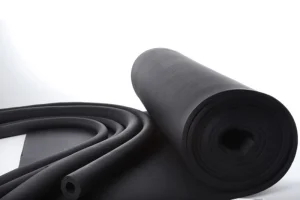
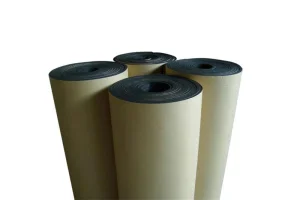
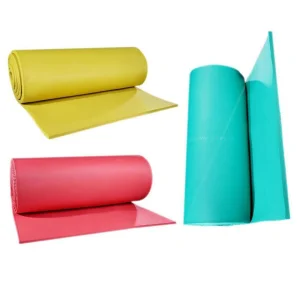
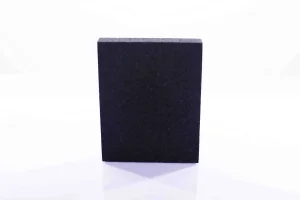
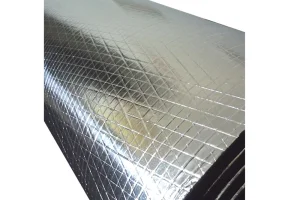
1. Black Rubber Foam Insulation Sheet Roll

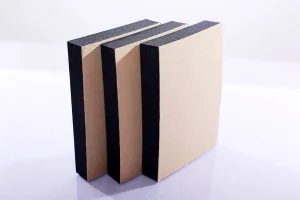
A high-density insulation sheet that can be backed with self-adhesive liners or reinforced aluminum foil to simplify installation and protect against mechanical wear.

Standard Sheet Parameter Matrix:
  • Material Blend: High-performance NBR/PVC elastomer.
  • Production Thickness: From 6mm up to 50mm based on structural requirements.
  • Target Density: 40 to 55 kg/m³.
  • Operational Limit: -40°C up to 105°C.
  • Acoustic Rating: Noise Reduction Coefficient (NRC) up to 0.85 (open-cell version).
  • Flame Index: Self-extinguishing off-fire, low toxicity index.
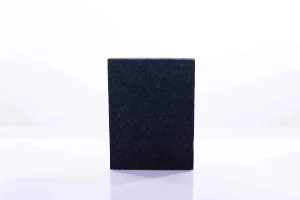
Black Rubber Foam Insulation Sheet Roll Specification
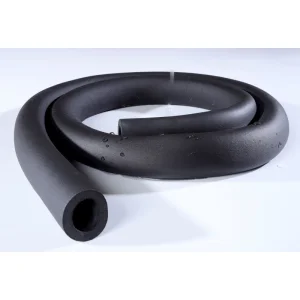
Black Rubber Foam Insulation Pipe Detail

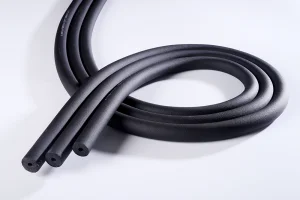
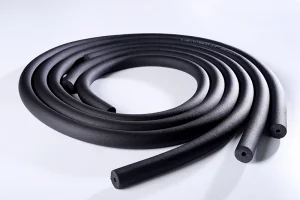
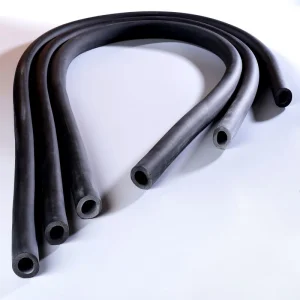
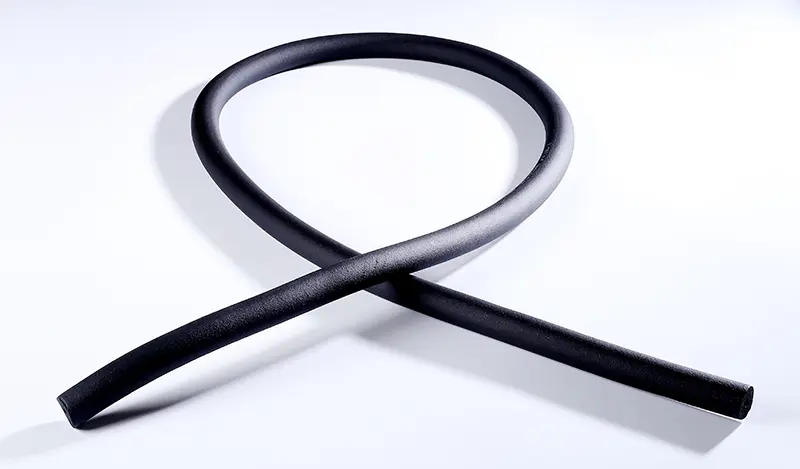
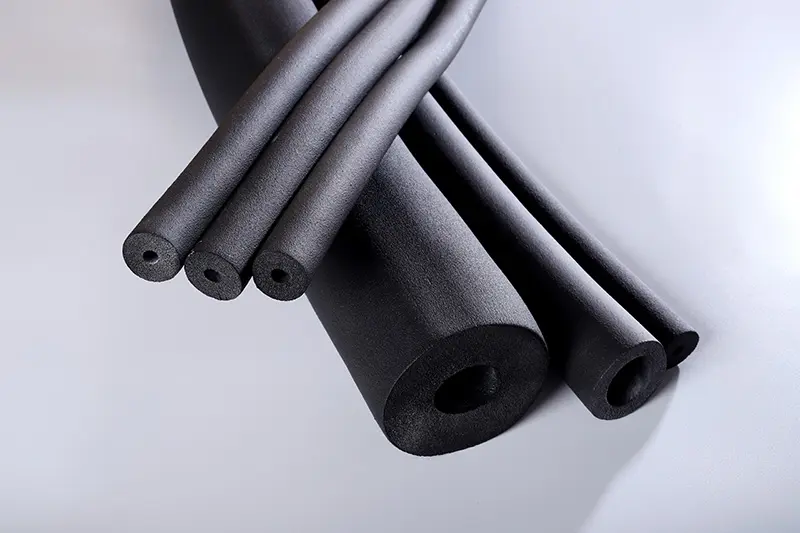
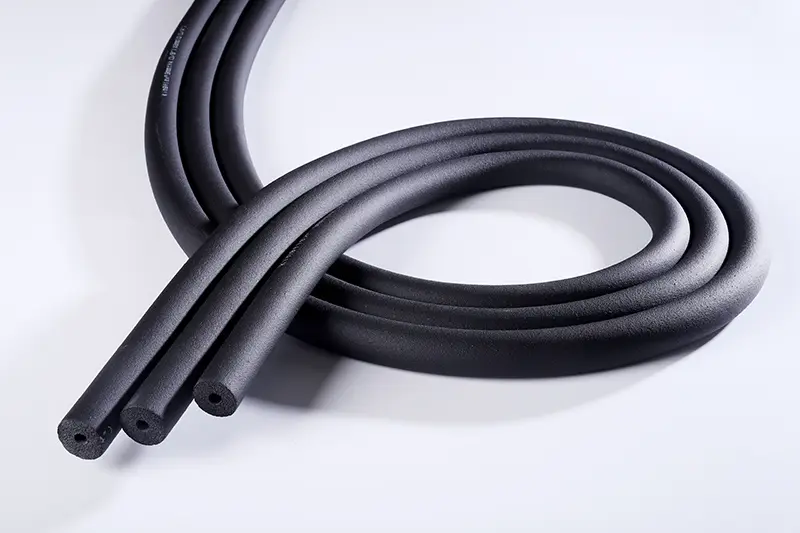
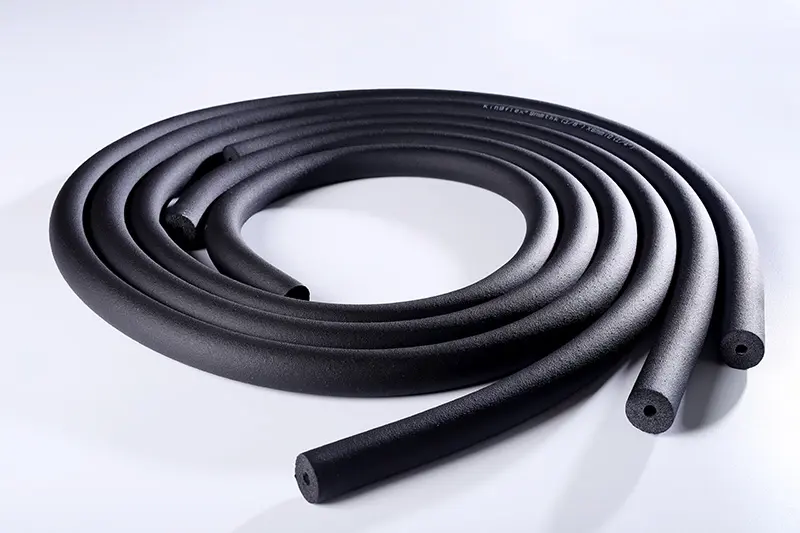
2. Black Rubber Foam Insulation Pipe / Tube

Pre-molded, highly flexible sleeves designed for rapid installation on copper air-conditioning lines, carbon steel hot water pipes, and stainless steel chilled lines.

Standard Pipe Parameter Matrix:
  • Inner Diameter (ID) Range: 6mm to 114mm to fit standard pipe sizes.
  • Wall Thickness Range: 9mm to 40mm to meet regional dew-point requirements.
  • Moisture Transmission: High resistance to prevent condensation and pipe corrosion (CUI).
  • Flexibility Index: >80% compression recovery for easy installation around tight pipe elbows.
  • Thermal Barrier: Stabilized thermal conductivity helps maintain chiller plant energy efficiency.

Direct-Factory Supply Chain to the Port of Manila

We optimize the shipping process from our manufacturing base directly to our customers' storage yards or project sites in Metro Manila.

Direct Factory Pricing

By sourcing directly from our factory floor, procurement managers bypass intermediary markups, lowering material costs for major infrastructure bids.

Standard Compliance Assurance

We provide compliance documentation for local agencies, including testing certificates for BS 476, CE, REACH, ROHS, UL94, and ASTM.

Optimized Port Logistics

We handle bulk shipping to the Port of Manila (North/South Harbor) and coordinate customs clearance to meet project timelines.
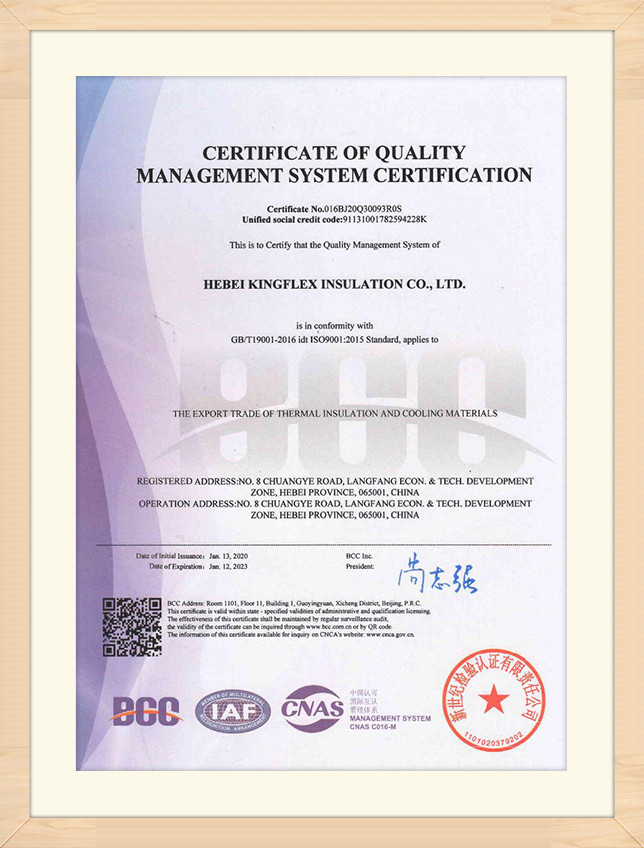
Kingflex Quality Certificates and Test Reports

Technology Roadmap: High Performance Green Insulation

Driven by global carbon reduction mandates and local guidelines like the Philippine Green Building Code, Kingflex continues to advance its material technologies.

Our R&D efforts focus on optimizing the cell structure of NBR/PVC matrices. By integrating high-density cell structures, we aim to lower the thermal conductivity (K-value) to ≤0.031 W/(m·k) at 0°C, helping reduce operational energy requirements for chillers in warm tropical climates.

Additionally, we are developing zero-ODP (Ozone Depletion Potential) and ultra-low GWP (Global Warming Potential) chemical blowing agents to help projects qualify for LEED v4 and BERDE green building certifications.

Next-Gen Material Goals:
  • Low-Emissions Formulations: Significantly reduces VOC emissions during indoor installations.
  • Built-in Antimicrobial Resistance: Inhibits mold growth on HVAC surfaces without secondary biocide treatments.
  • Enhanced UV Cladding: Integrated weather-resistant outer skins to extend service life when exposed to tropical sunlight.
  • Improved Low-Temp Elasticity: Maintains flexibility in cryogenic and refrigeration applications down to -200°C.

Verified Partner Operations & Communications

We maintain transparent communications and work closely with international distributors and engineering groups.
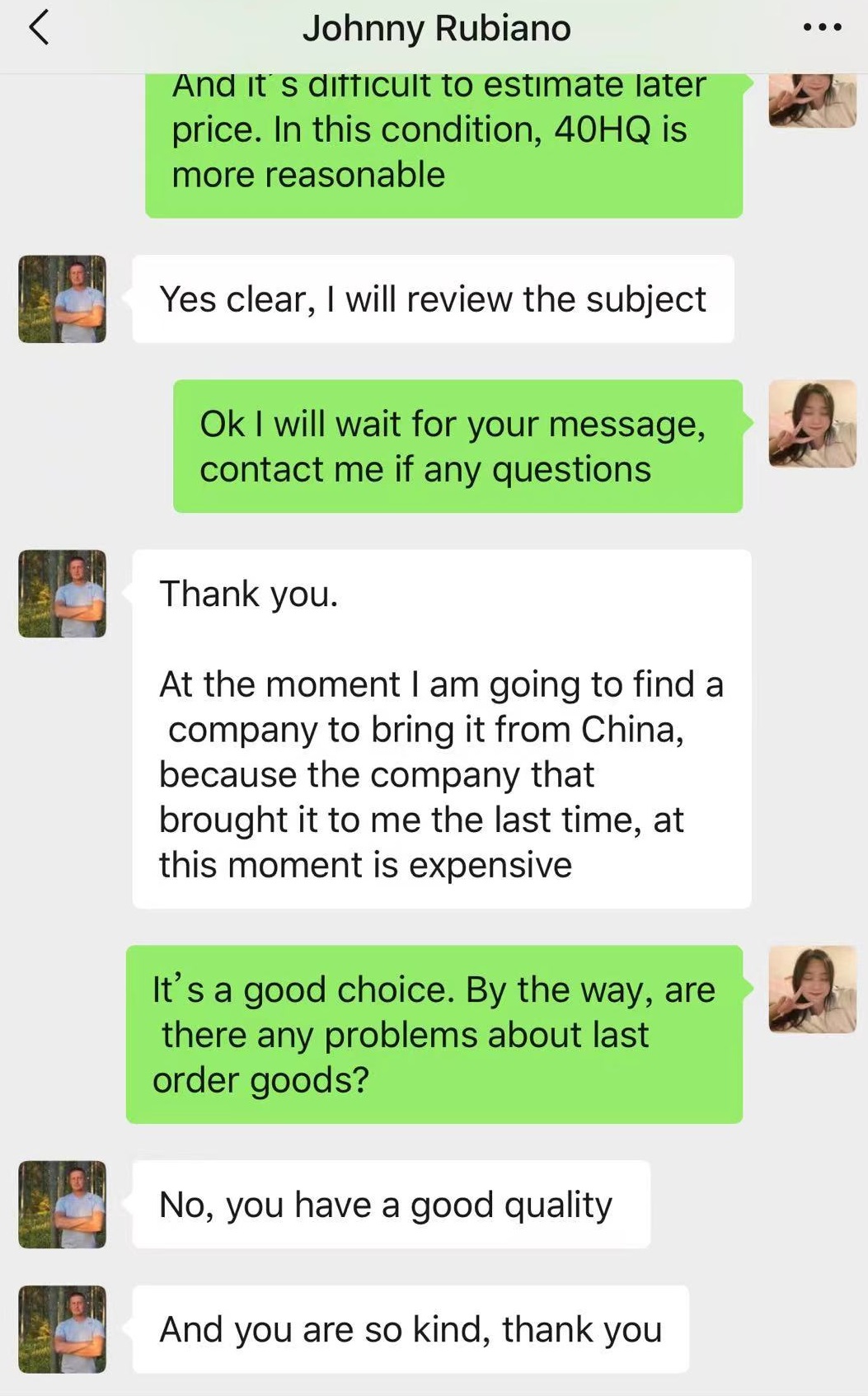
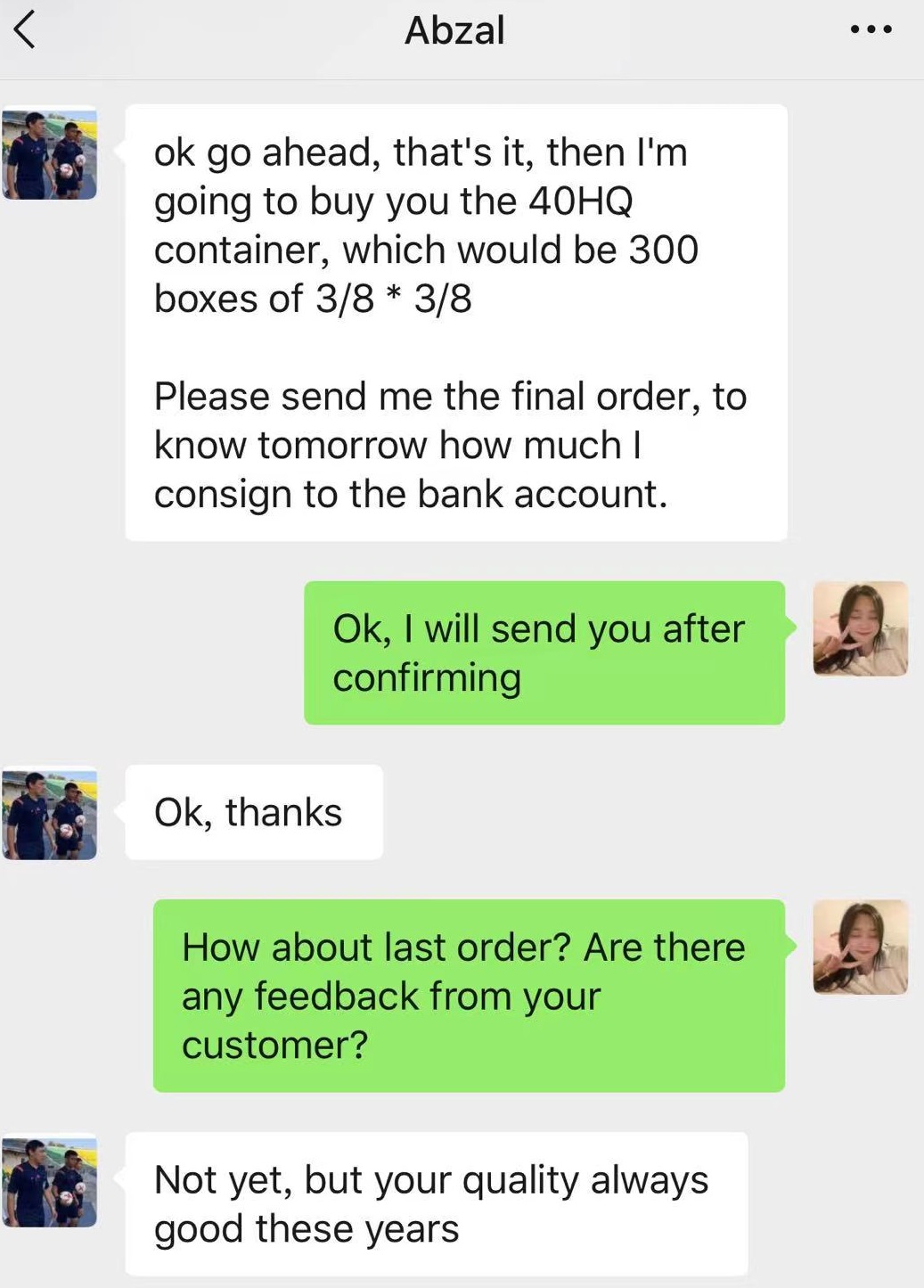
Engineering Team Negotiation Screenshot
Material Specification Agreement Screenshot
Logistics Shipment Planning Chat
Direct Client Quality Signoff

Manila & International Projects Reference Case Studies

Explore how our insulation systems perform in operational settings, from high-rise office towers to complex industrial facilities.
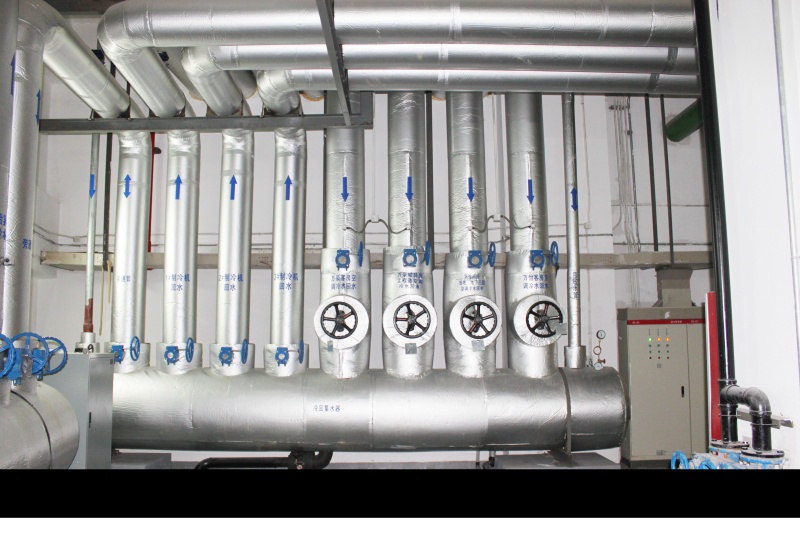
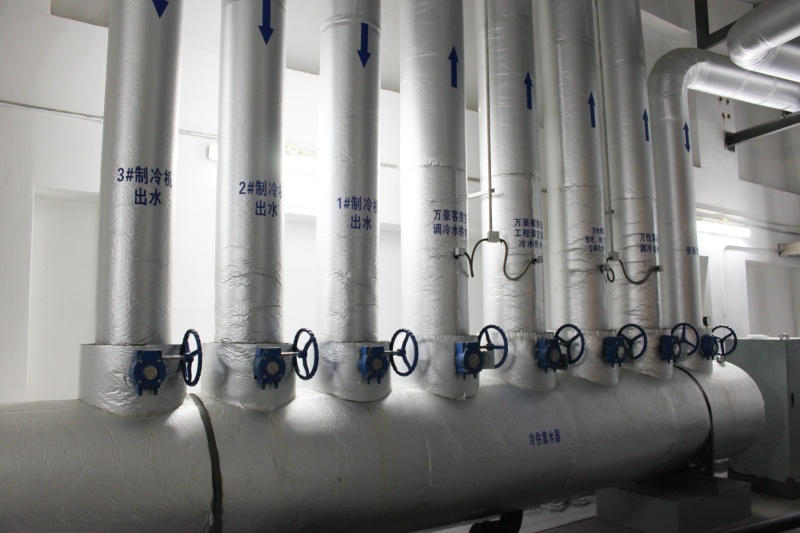
Commercial Building Chilled Pipe Project

Commercial Chilled Water Network

Insulated using 25mm closed-cell NBR pipes, controlling condensation under high relative humidity.
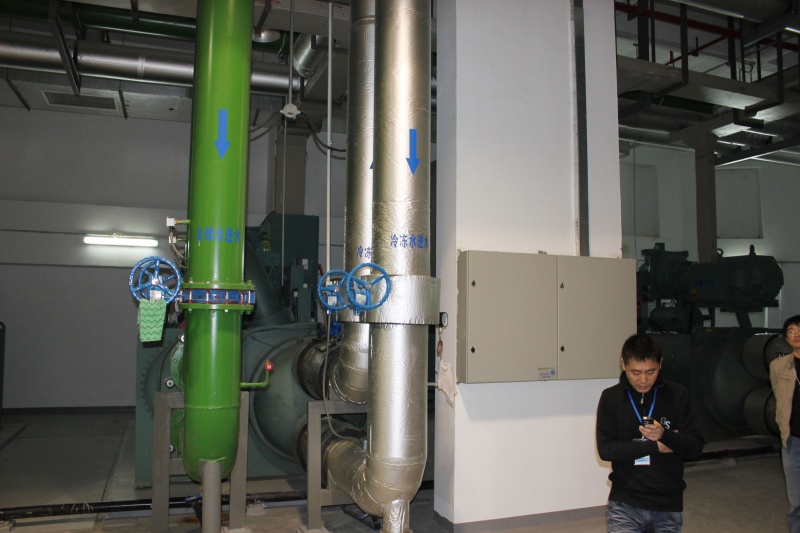
Industrial Steam Pipeline Project

High-Pressure Steam Plant

Features composite elastomeric systems designed to reduce heat loss in steam lines.
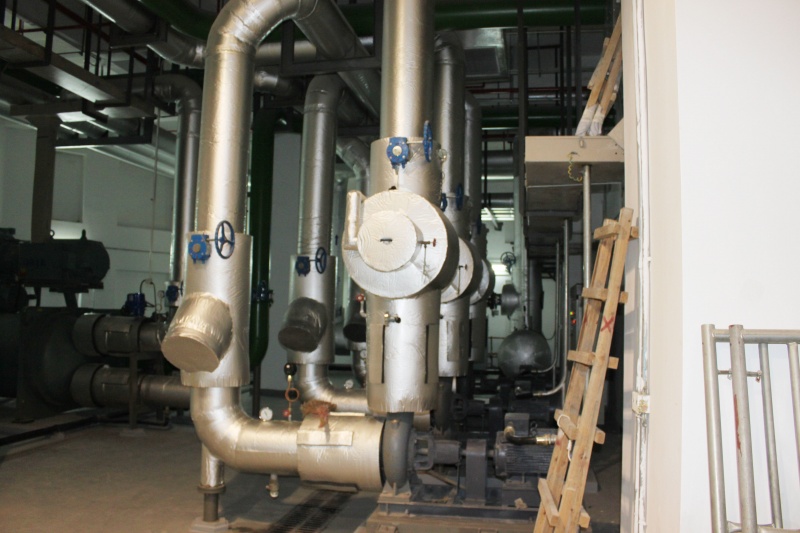
Air Ventilation Soundproofing Project

Data Center Acoustic Lining

Lined with open-cell acoustic panels to absorb high-frequency fan noise.
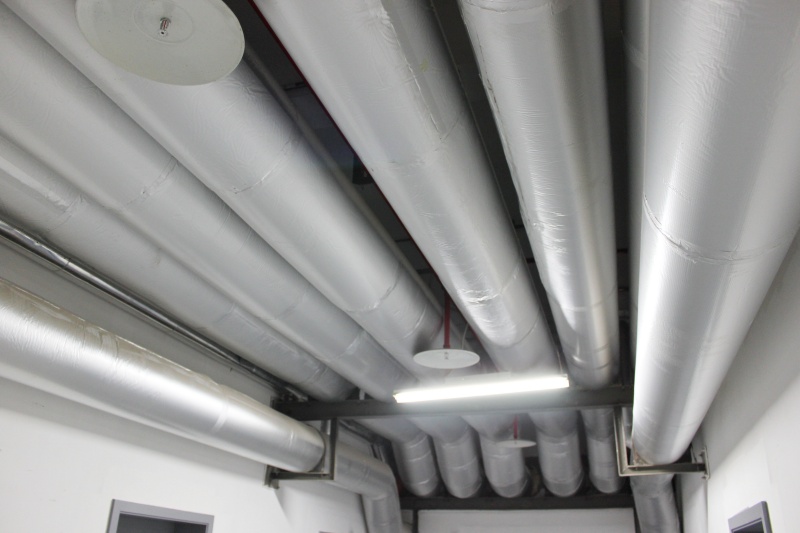
Offshore Process Insulation Project

Marine Chilled Piping System

Uses foil-faced insulation boards to protect against salt-water corrosion.
Chilled Water System Insulation
HVAC Ductwork Wrapping
Cleanroom Ventilation Piping
Cryogenic Pipe Section Insulation

Acoustic & Thermal Insulation Technical FAQ

Common technical questions regarding the selection, installation, and performance of elastomeric insulation in the Philippines.

Q1: What are the primary applications of elastomeric rubber foam insulation?
Elastomeric rubber foam is primarily used to insulate HVAC ductwork, chilled water pipes, split-system air conditioning lines, and industrial process piping. Its low thermal conductivity and high moisture resistance help control condensation and absorb operational noise in commercial and industrial settings.
Q2: Is Kingflex rubber foam insulation fire retardant?
Yes. Our insulation materials meet international fire safety standards, achieving Class 0 classification under BS 476 Parts 6 & 7. They are engineered to be self-extinguishing and exhibit low smoke toxicity in the event of a fire.
Q3: How does rubber foam compare to rock wool insulation?
Rubber foam features a flexible, closed-cell structure with built-in resistance to moisture vapor, making it suitable for cold systems and HVAC applications where moisture control is critical. Rock wool is a fibrous material with high temperature resistance, making it suitable for high-temperature industrial pipelines and fire-rated assemblies.
Q4: Are custom-dimension insulation products available?
Yes. We support custom dimensions, thicknesses, and configurations (including self-adhesive backings and aluminum cladding) to meet specific design requirements. Contact our engineering team to discuss your project needs.
Q5: What quality and safety certifications do your products hold?
Our product range is certified to meet standards including BS 476, CE, REACH, RoHS, UL 94, and ASTM. This documentation supports project submittals and compliance requirements for local building authorities.
Q6: Are Kingflex insulation shipments traceable?
Yes. Every production batch is coded to ensure full traceability from raw materials through manufacture to delivery at the Port of Manila, helping maintain consistent quality standards.
Q7: What thickness range can you produce for rubber foam sheet rolls?
We produce elastomeric rubber foam sheets in thicknesses ranging from 6mm to 50mm, allowing engineers to specify the exact dimensions required to prevent condensation based on local humidity levels.
Q8: What is the typical service life of your NBR/PVC insulation boards and pipes?
Under typical operating conditions and with proper installation, our elastomeric insulation materials have an expected service life of 10 to 15 years, maintaining consistent thermal and acoustic performance.

Secure Direct-Factory Pricelist for Manila

Get in touch with our engineering team for a customized quote, material samples, or specific technical advice for your next project.

Send Inquiry Now