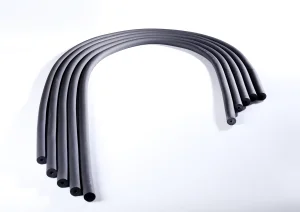
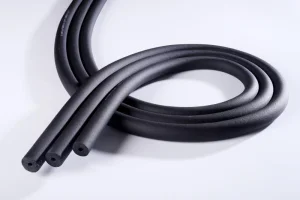
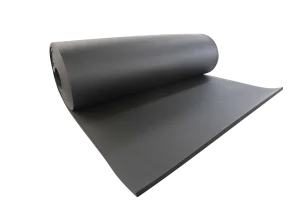
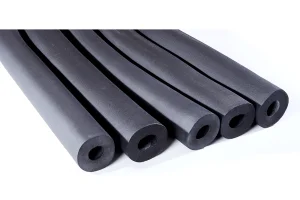
Explore our premium closed-cell NBR/PVC foam insulation line engineered to prevent condensation, control energy losses, and eliminate thermal bridging.
An in-depth analysis of engineering requirements, materials science, and economic dynamics driving modern HVAC insulation procurement.
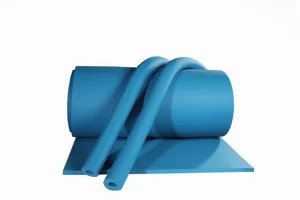
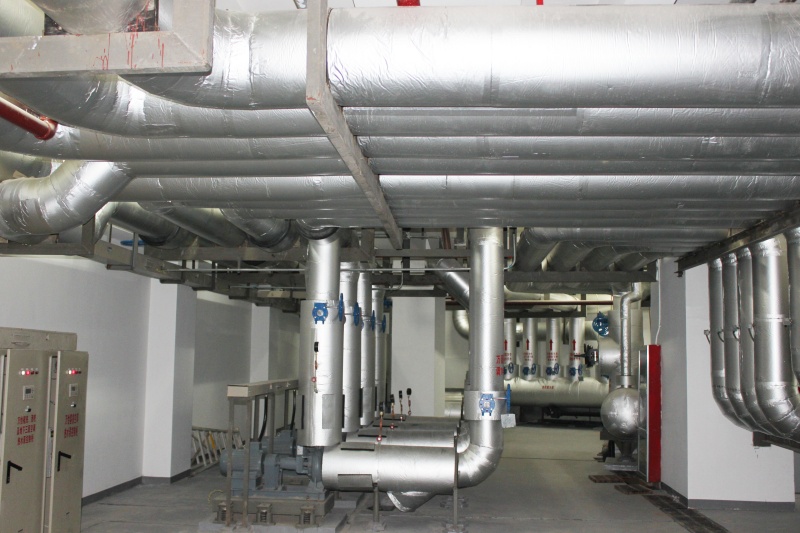
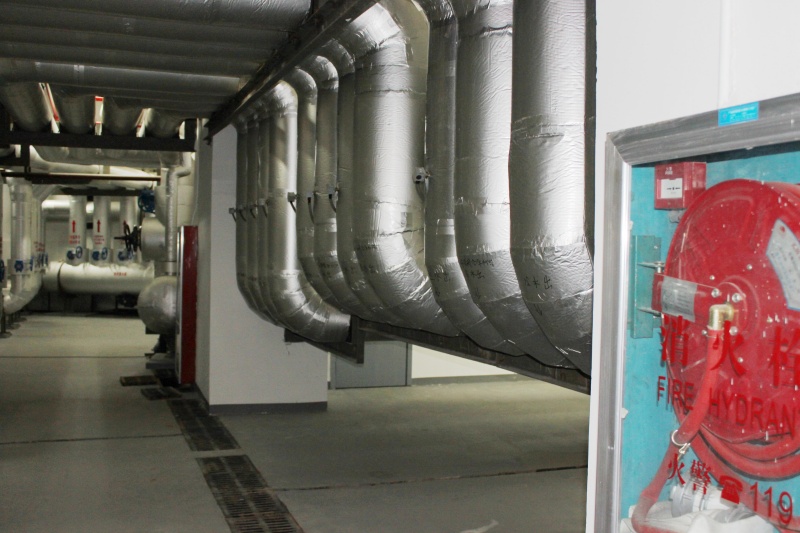
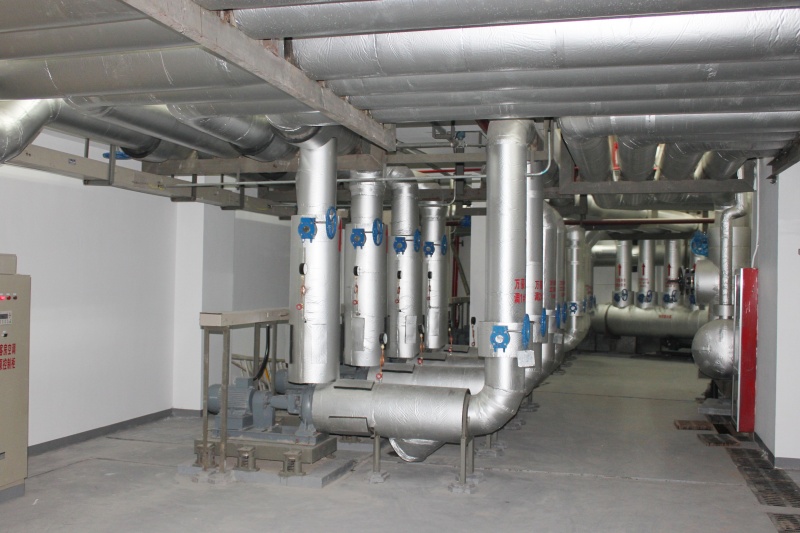
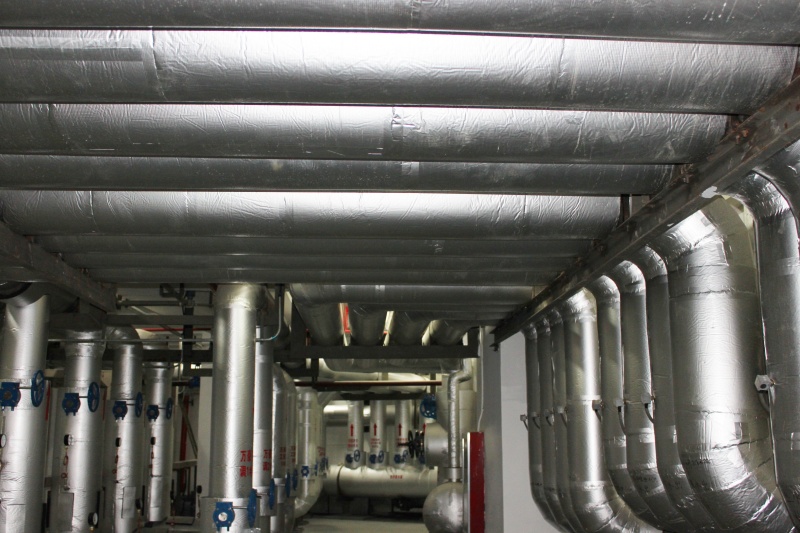
Condenser water pipelines operating in high-humidity HVAC environments represent a significant operational risk if left uninsulated or improperly sealed. Chilled water flowing through these conduits causes the exterior metal temperature to drop below the ambient dew point. Condensation forms on the outer pipe wall, initiating galvanic and localized corrosion. Our elastomeric NBR/PVC foam structures, possessing a closed-cell rate of over 98%, create a high-resistance barrier to water vapor transmission ($\mu \ge 10,000$), ensuring the thermal conductivity remains stable at $\le 0.034 \text{ W}/(\text{m}\cdot\text{K})$ even in extreme environments.
For MEP (Mechanical, Electrical, and Plumbing) contractors, EPCs, and industrial facility developers, sourcing insulation materials from China presents a compelling cost-to-benefit ratio. Buying directly from high-volume manufacturers like Kingflex allows developers to reduce bulk procurement costs by 30% to 50% compared to local distribution networks. Procurement managers must look past basic unit price and evaluate structural integrity, compliance certifications (such as BS 476 Part 7 and ASTM E84), and logistic capability. Our Dacheng facility manages logistics routes that minimize supply chain disruption across more than 66 countries.
A rigorous comparative breakdown of elastomeric NBR/PVC rubber foam versus traditional rock wool and glass wool insulation systems.
| Performance Characteristic | Kingflex Closed-Cell Rubber Foam | Traditional Rock Wool | Fiberglass / Glass Wool |
|---|---|---|---|
| Thermal Conductivity (at 0°C) | $\le 0.034 \text{ W}/(\text{m}\cdot\text{K})$ (Excellent) | $\approx 0.040 \text{ W}/(\text{m}\cdot\text{K})$ (Moderate) | $\approx 0.038 \text{ W}/(\text{m}\cdot\text{K})$ (Good) |
| Moisture Resistance Factor ($\mu$) | $\ge 10,000$ (Impermeable) | $\approx 1$ (High absorption risk) | $\approx 1.2$ (Requires external barrier) |
| Operating Temperature | -40°C to +105°C | Up to +650°C | -18°C to +400°C |
| Corrosion Under Insulation (CUI) | Negligible (Prevents moisture contact) | High (Retains moisture near steel) | High (Fibrous structure holds water) |
| Acoustic Decoupling | Excellent (Closed-cell vibration damping) | Good (Sound absorption) | Moderate (High frequency damping) |
| Service Life Expectancy | 10 - 15 Years (Highly stable) | Requires regular cladding replacement | Prone to sagging and settling |
Positioning high-density insulation at the center of low-emission green architecture and ultra-high-efficiency HVAC design.
Decarbonization frameworks like LEED, BREEAM, and DGNB require comprehensive building envelope performance audits. HVAC systems represent up to 40% of building energy use. Installing Kingflex closed-cell insulation on condenser lines mitigates sensible heat gain/loss in complex loops, minimizing system strain and optimizing overall Coefficient of Performance (COP).
Modern data centers and district cooling systems require highly integrated insulation strategies. Continuous operation profiles demand materials that resist aging and constant mechanical vibrations. Our high-density NBR matrix protects structural joints from dynamic fatigue while offering long-term dimensional stability.
For applications down to -40°C and below, standard elastomeric foam can become brittle. Kingflex has developed specialized alkadiene rubber formulations and multi-layer cryogenic configurations. These systems retain structural flexibility under severe thermal stress, protecting complex pipelines in liquified gas facilities and cold-chain hubs.
A global leader in the development, manufacturing, and distribution of advanced thermal insulation systems.
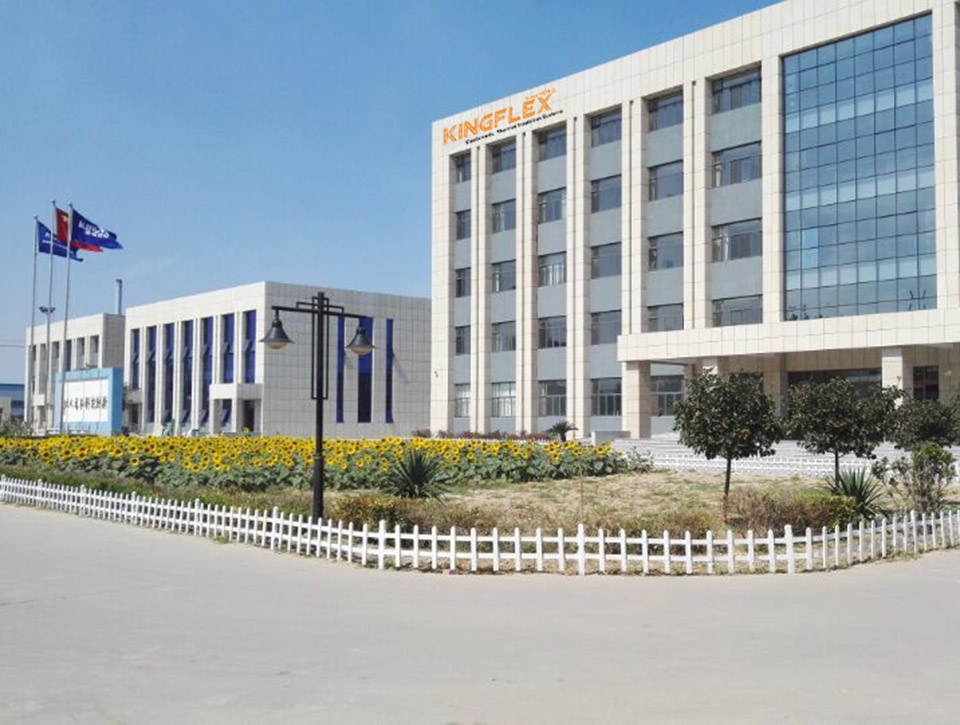
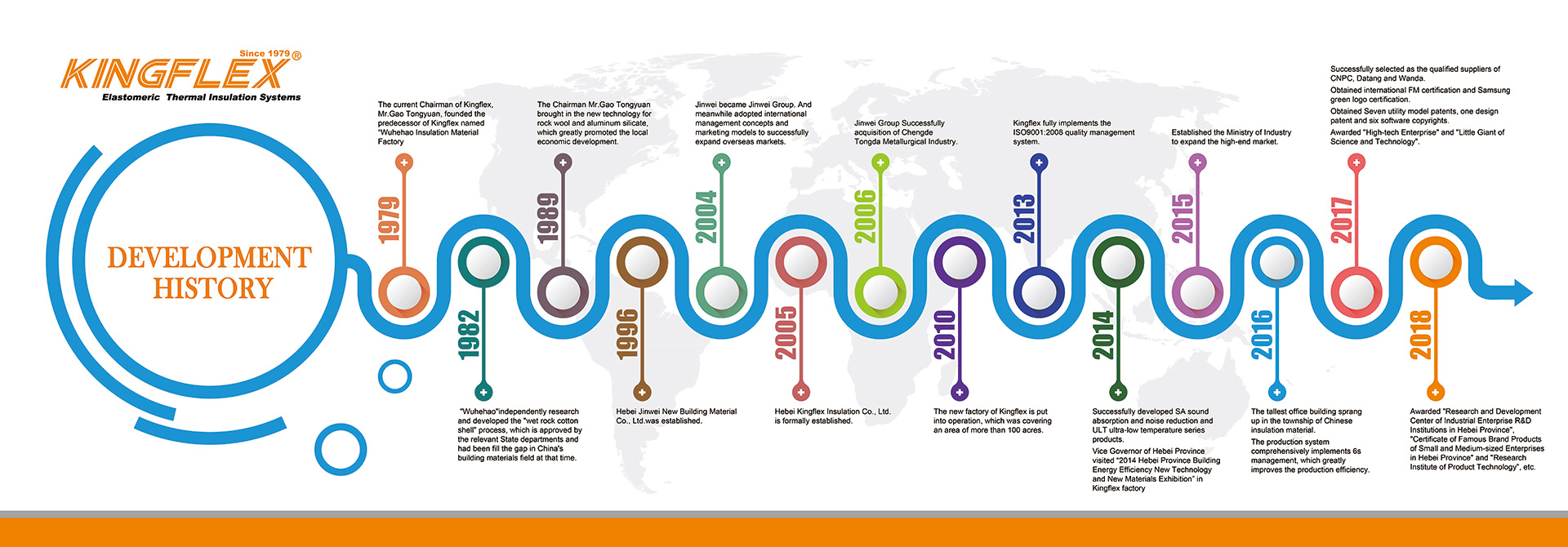
Established by the Jinwei Group, which boasts over 40 years of industry history (established in 1979 as the first thermal insulation manufacturer north of the Yangtze River), Kingflex operates a state-of-the-art facility located in Dacheng, China—a region globally recognized as the capital of green building materials.
Our infrastructure includes 5 fully automated assembly lines yielding an annual production capacity exceeding 600,000 cubic meters. This operational capability makes Kingflex a designated partner for the Ministry of Energy, the Ministry of Electric Power, and the Ministry of Chemical Industry in China.
Skilled Operators
R&D Engineers
Export Countries


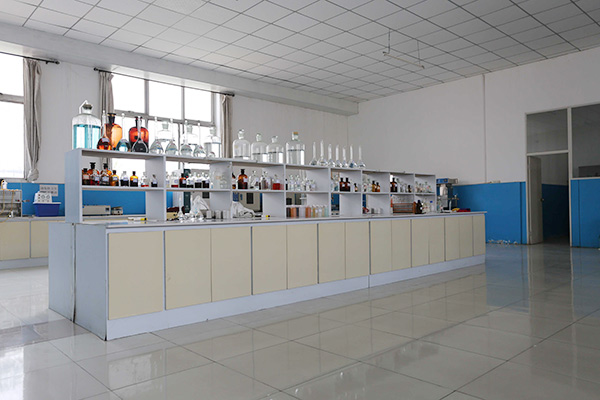
Our raw materials and finished elastomeric systems undergo systematic validation in our testing labs.
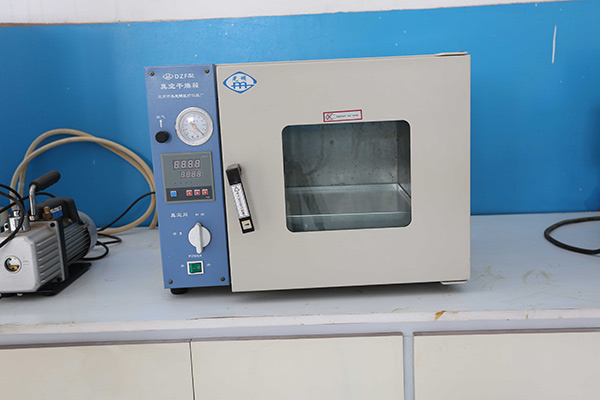
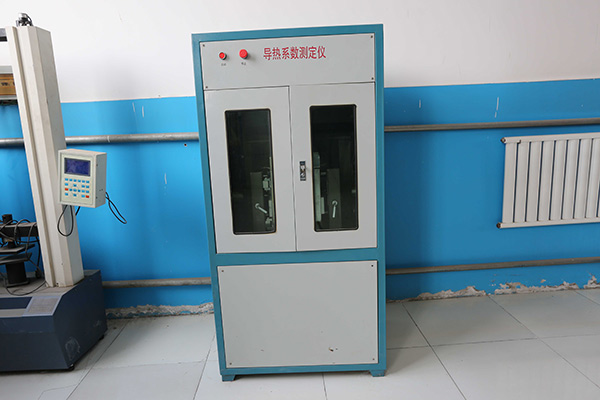
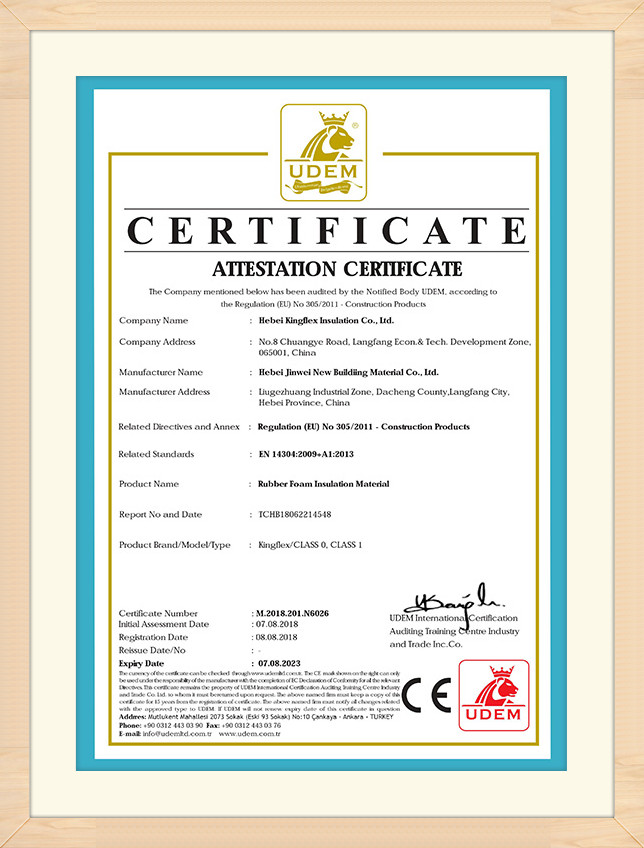
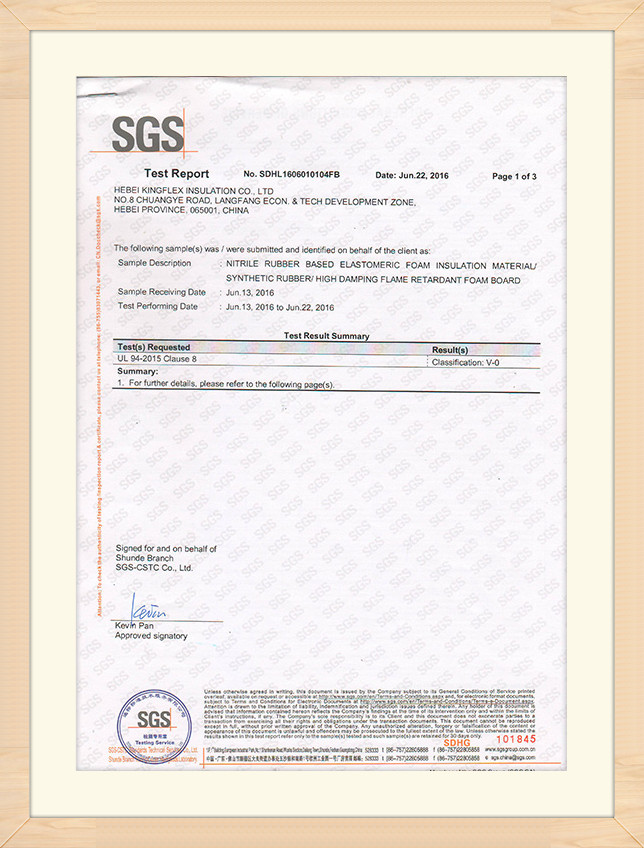
Kingflex maintains international standards across all product lines. Every batch of rubber foam insulation can be traced back to its raw material component feed. Our systems are verified by third-party laboratories and conform to safety standards around the globe:
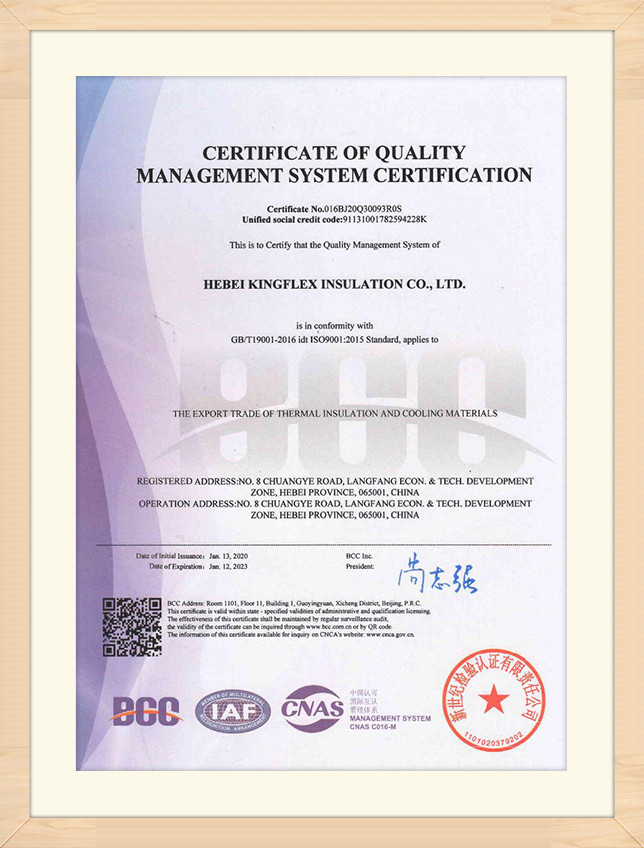
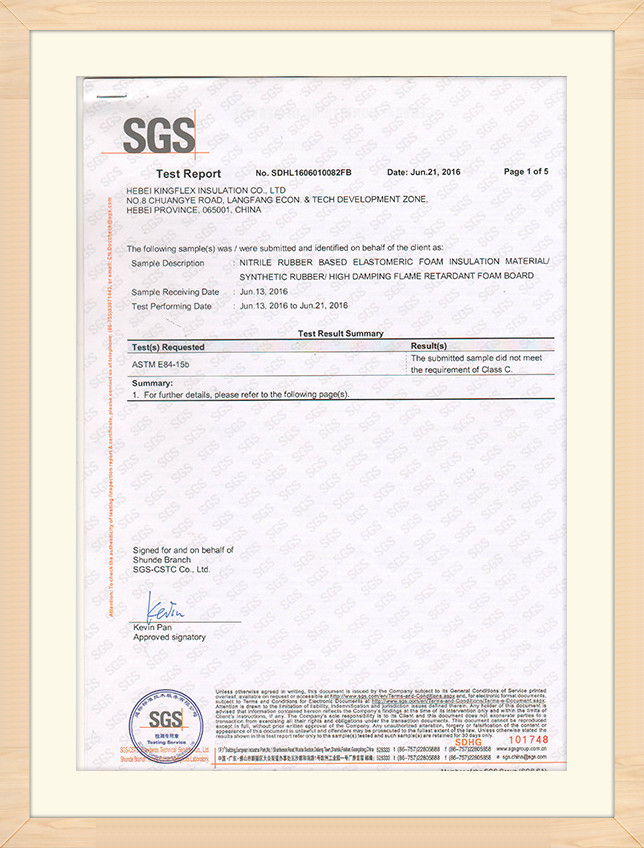
Review the specific dimension, thickness, density, and thermal limitations of our primary product forms.
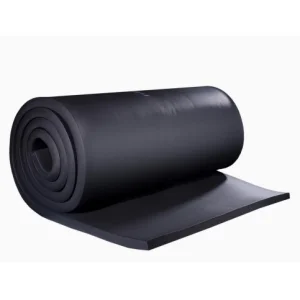
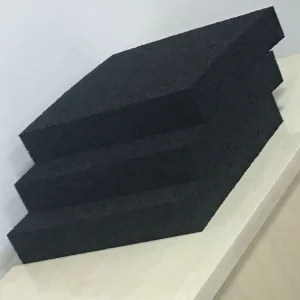
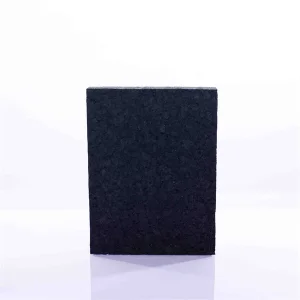
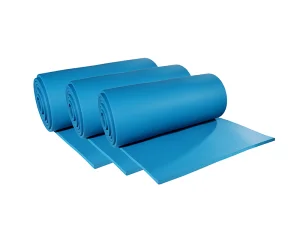
Designed for large-diameter pipelines, ventilation ducts, and storage tanks.
| Material | NBR/PVC Elastomeric Foam |
| Thickness | 6mm to 50mm |
| Density | 40 - 55 kg/m³ |
| Service Temp. | -40°C to +105°C |
| Advantage | Closed-cell rate over 98%, excellent compression resilience (>80%), self-extinguishing. |
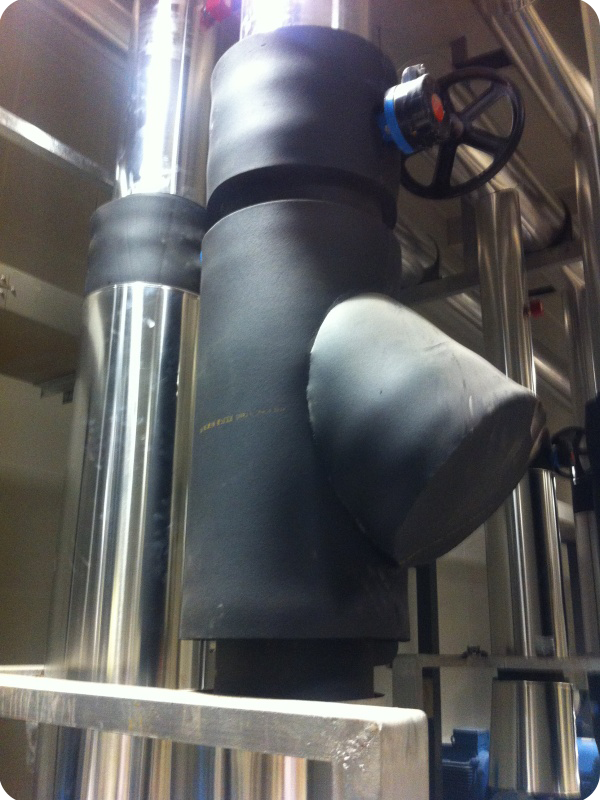
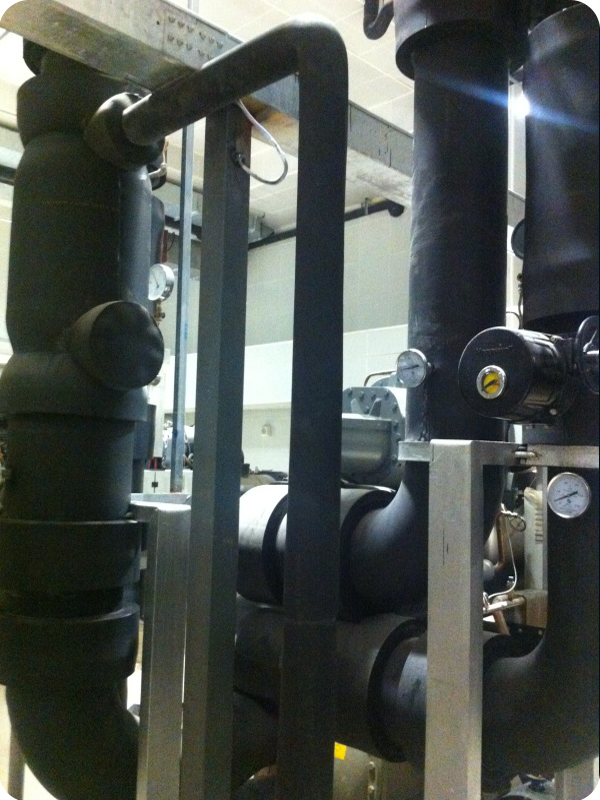

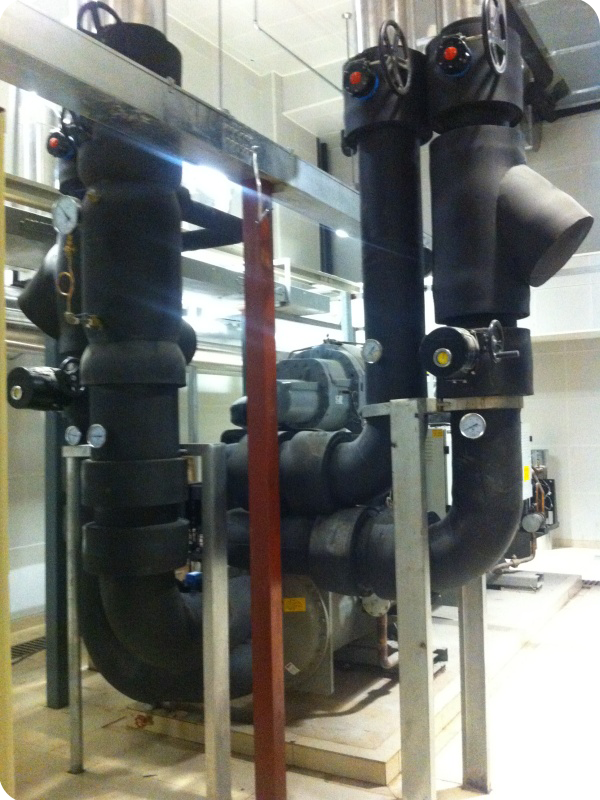
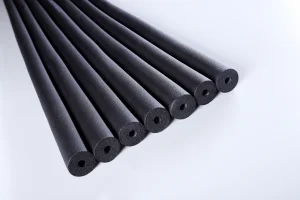
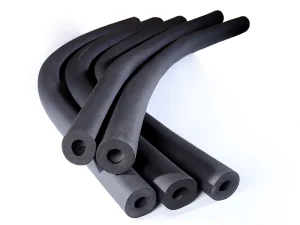
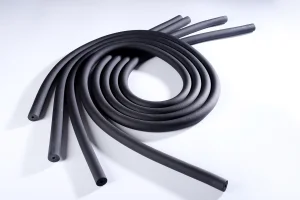
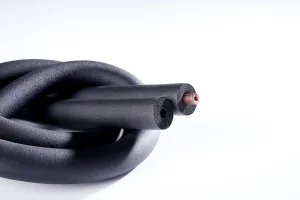
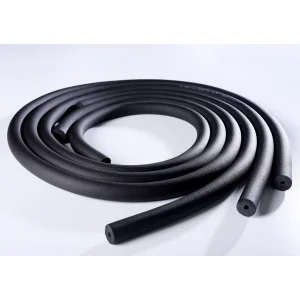
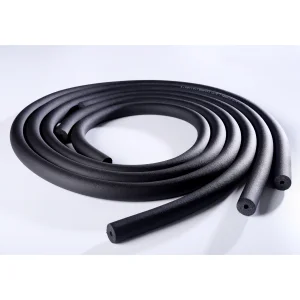
Designed for easy slip-on or slit-and-glue installation on condenser water lines.
| Material | NBR/PVC Elastomeric Foam |
| Thickness | 9mm to 40mm |
| Inner Diameter (ID) | 6mm to 114mm |
| Density | 40 - 55 kg/m³ |
| Service Temp. | -40°C to +105°C |
Our professional pipe extrusion and spraying equipment ensures uniform wall thickness and concentric cell distribution, protecting lines from cold spots and surface condensation.
Explore verified installations of Kingflex insulation systems and actual commercial communications from satisfied clients.
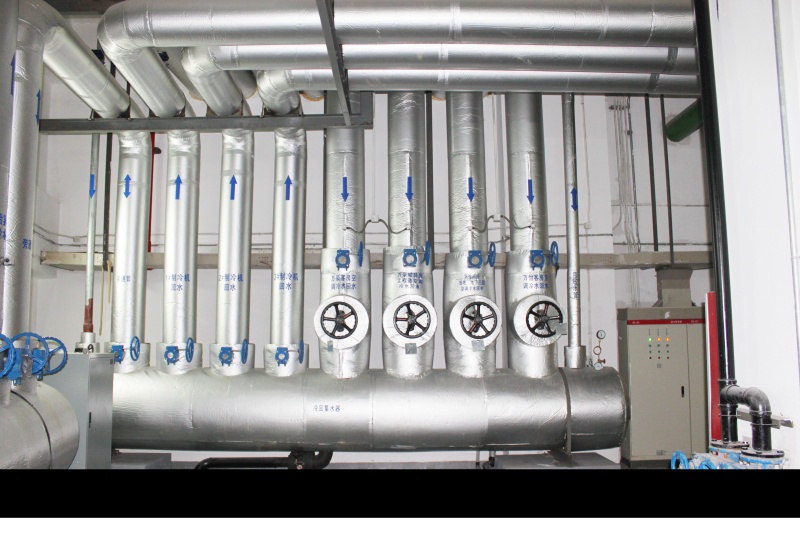
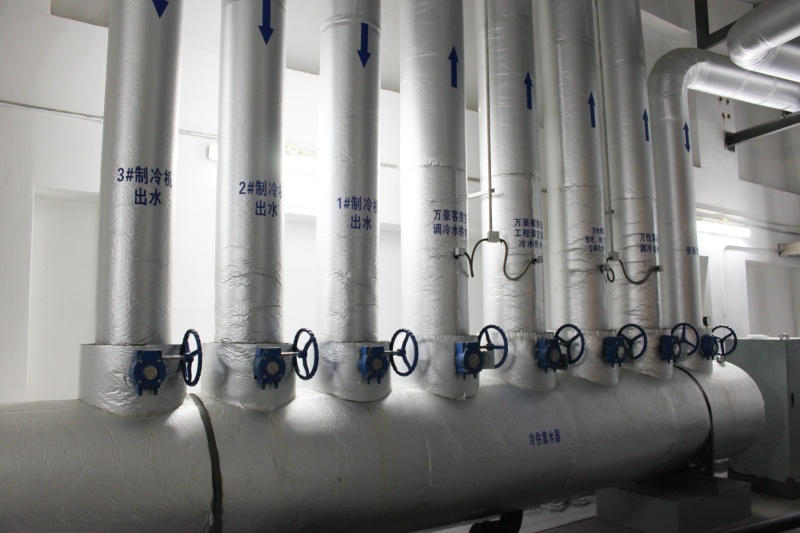
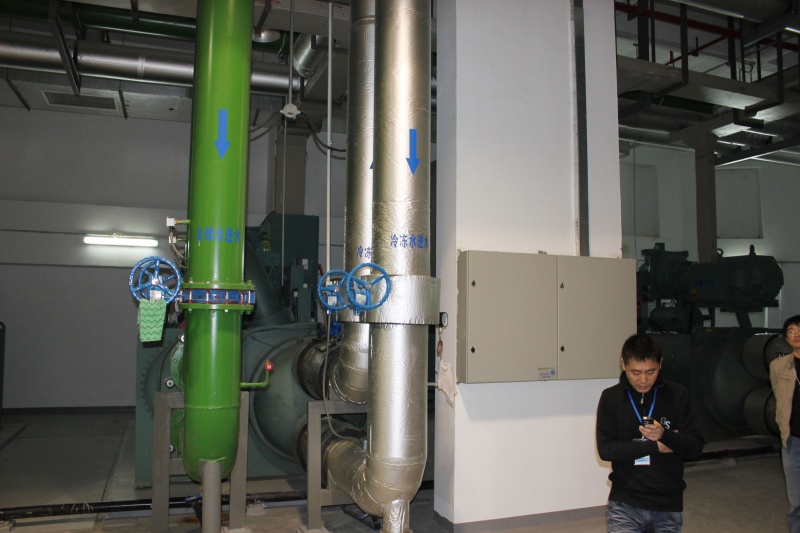
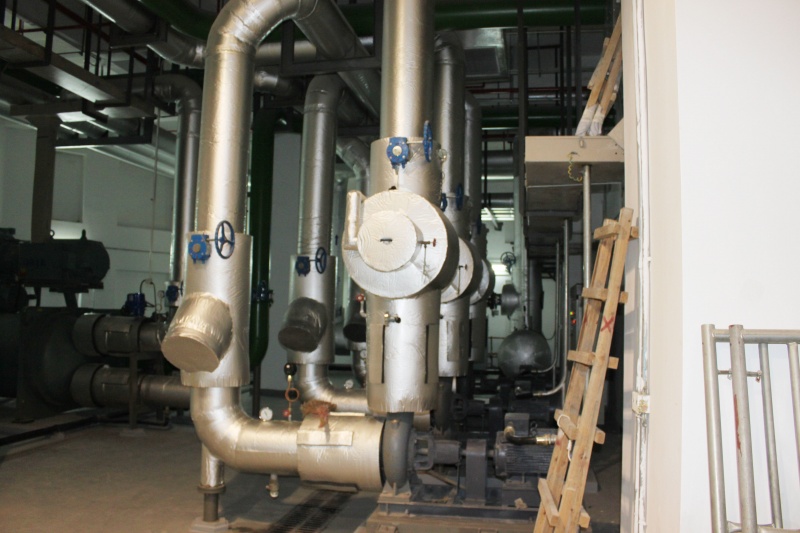
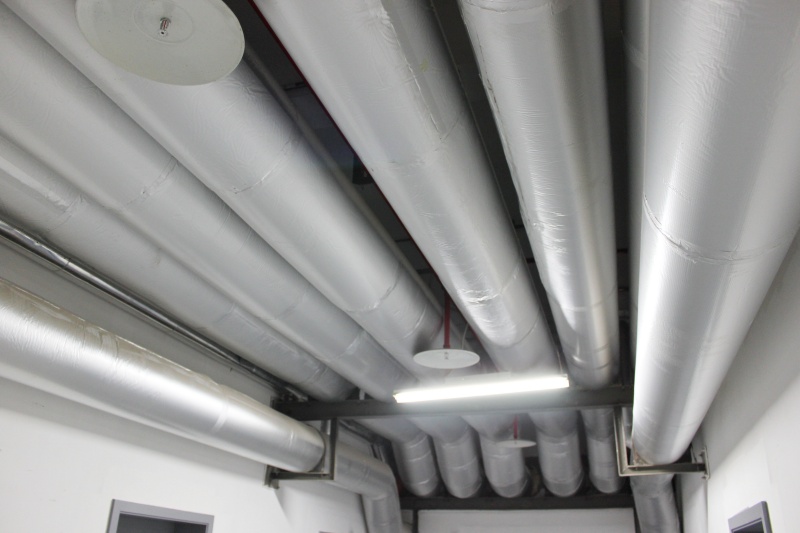
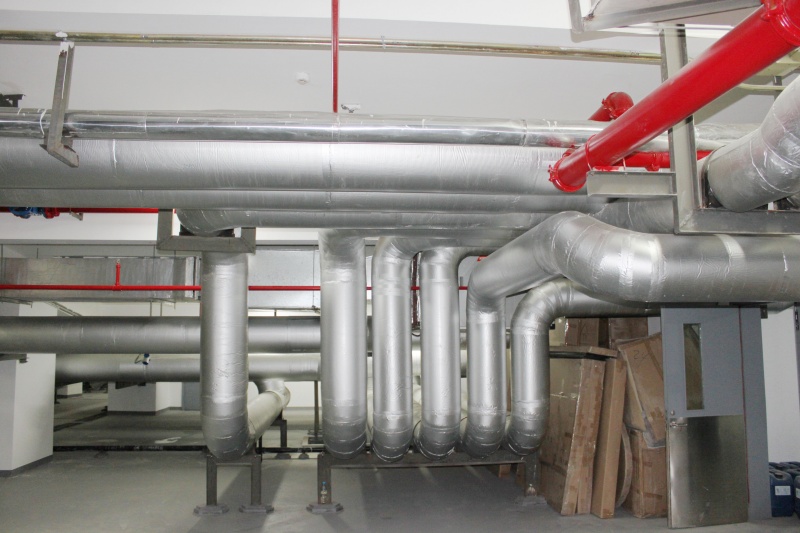
Our solutions protect HVAC loops, machinery rooms, and critical processing pipelines globally. Below are projects where our NBR/PVC elastomeric insulation manages heavy condensation profiles:
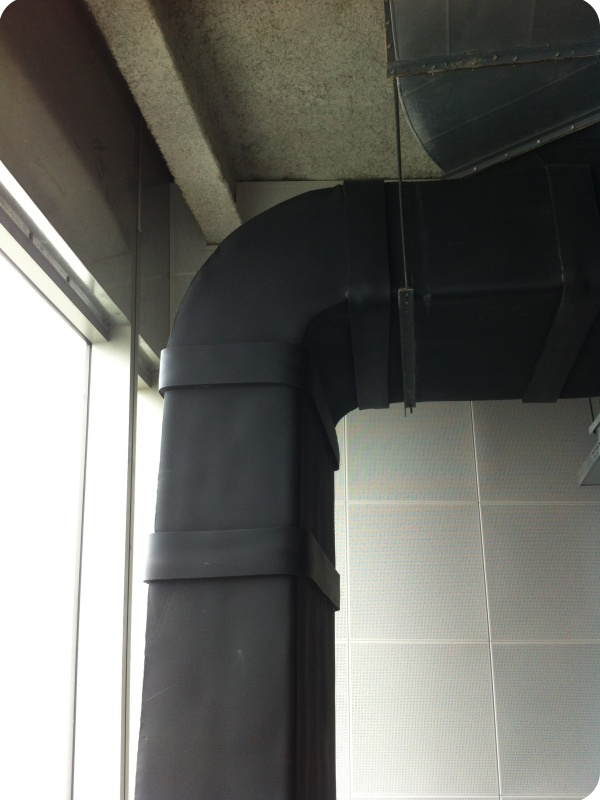

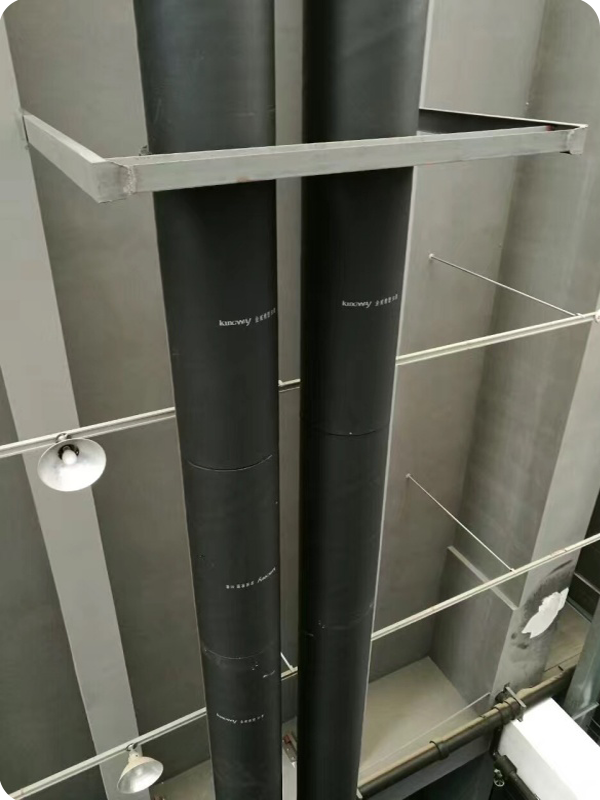
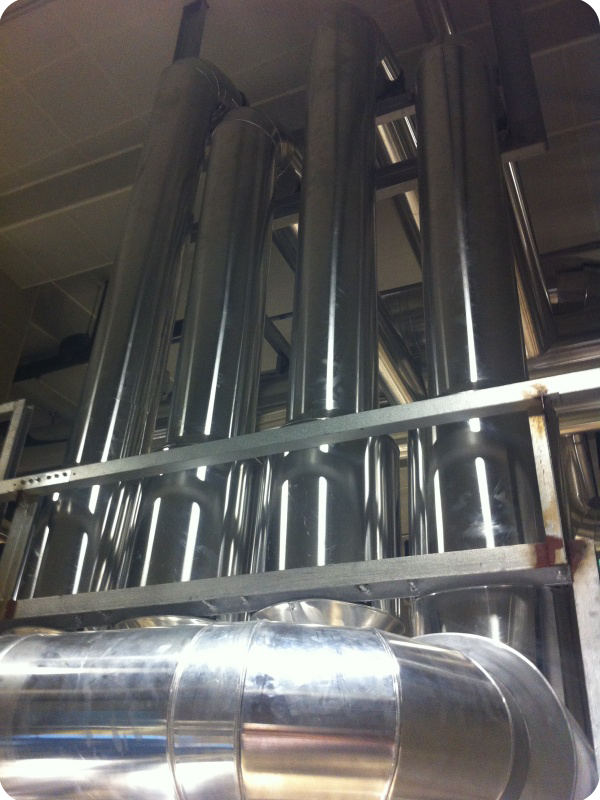
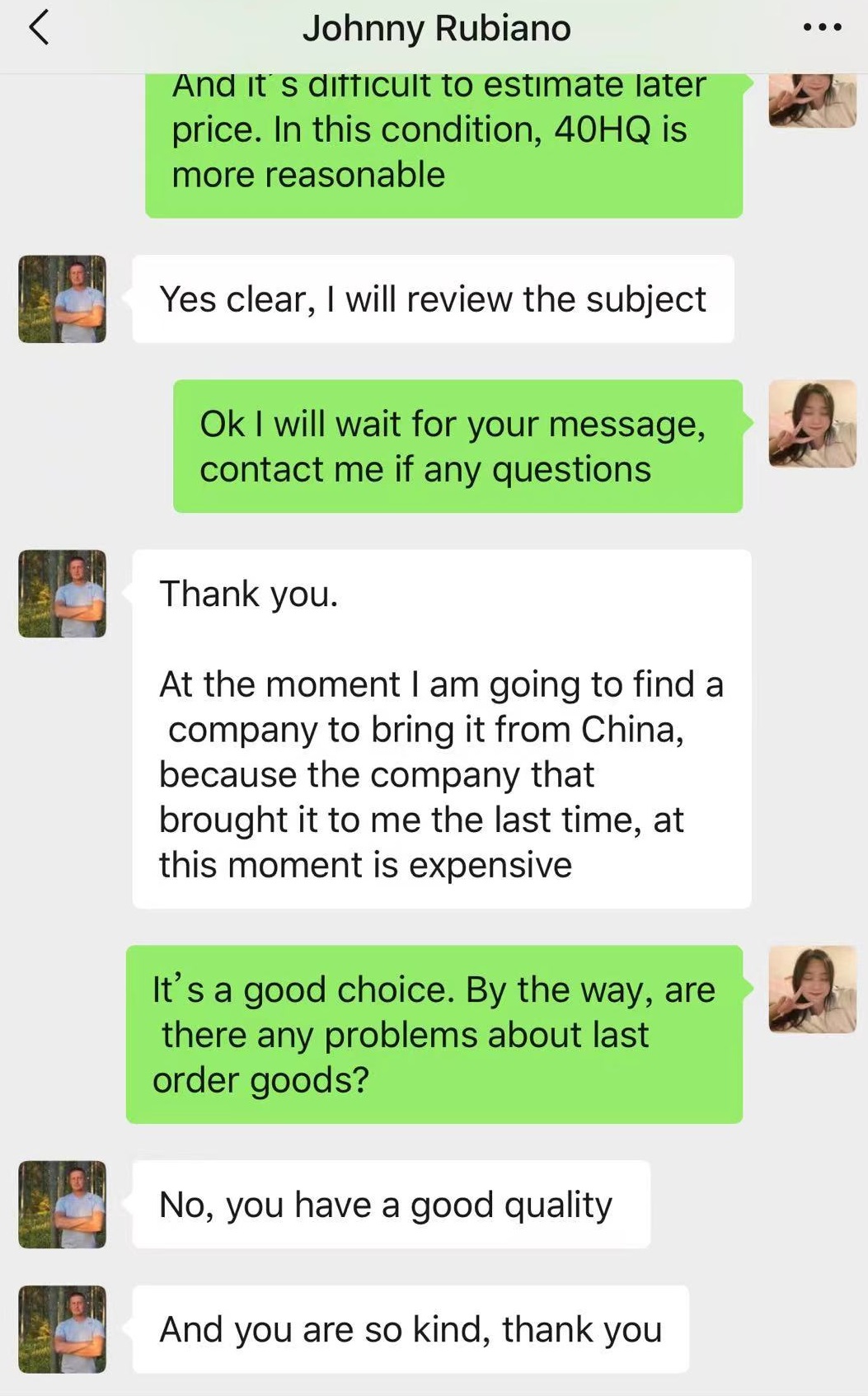
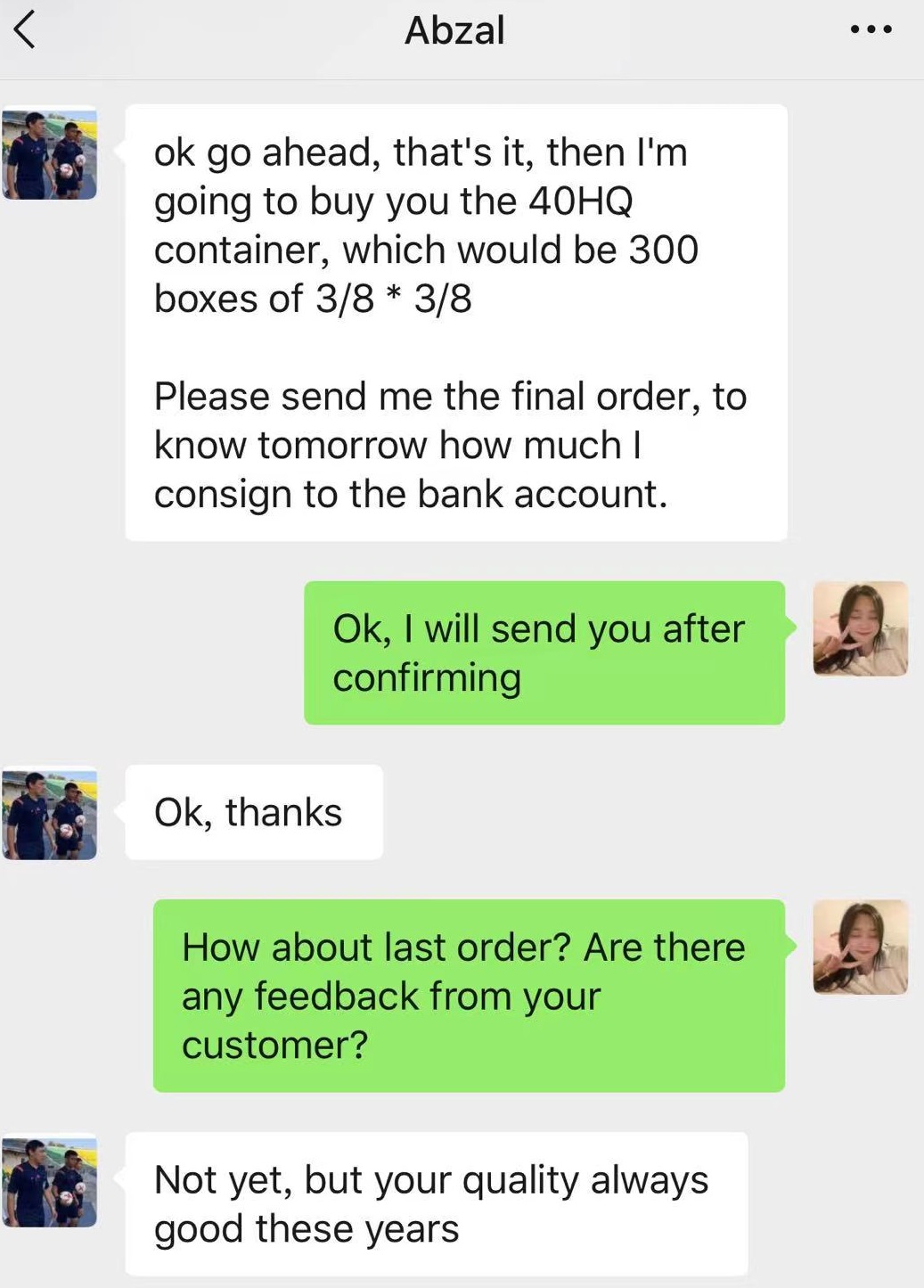
We work closely with global buyers, ensuring transparent communication and traceable operations. Check out these actual transaction and feedback snapshots from our partners:



A closer look at the advanced mechanical systems, extrusion lines, and storage capacity that ensure stable global supply chains.


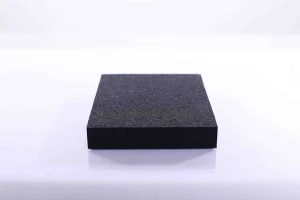
Select from specialized thermal barrier sheets, soundproof open-cell panels, and cryogenic-ready elastomeric rolls.
Crucial information, specifications, and selection guidance for HVAC engineers and procurement teams.
 Kingflex