In modern building physics, Glass Wool Insulation Felt with FSK (Foil-Scrim-Kraft) facing represents the pinnacle of multi-layered thermal defense. Glass wool itself is composed of long, inorganic glass fibers bonded by a high-temperature thermosetting resin. By vaporizing and spinning molten raw materials, our factory produces a uniform, lightweight matrix of microscopic air cells.
However, the integration of FSK facing elevates this material to an architectural benchmark. FSK stands for Foil-Scrim-Kraft—a composite laminated protective outer layer. The aluminum foil faces outwards to reflect up to 97% of radiant heat, while the fiberglass scrim grid layout ensures extreme tensile strength. The kraft paper backing anchors the lamination, preventing internal thermal drift and providing a rugged surface resistant to construction tearing.
| Performance Paramater | Typical Value / Specification | Testing Standard |
|---|---|---|
| Density Range | 16 kg/m³ to 48 kg/m³ | ASTM C167 |
| Thermal Conductivity (λ at 24°C) | ≤ 0.035 W/(m·K) to 0.041 W/(m·K) | ASTM C518 |
| Combustibility Classification | Class A / Non-combustible | BS 476 Part 4 / EN 13501-1 |
| Water Vapor Permeability (FSK Facing) | ≤ 1.15 ng/P·s·m² (0.02 Perms) | ASTM E96 |
| Service Temperature Limit | -120°C to +400°C (Base fiber limit) | ASTM C411 |
| Acoustic NRC (50mm thickness) | 0.75 - 0.85 | ASTM C423 |
Operating out of Dacheng, China—historically recognized as the capital of green building materials—Kingflex Insulation Co., Ltd. leverage a dense geographic cluster of raw materials, optimized glass recycling infrastructure, and high-efficiency energy grids. This local dynamic allows us to scale production efficiently and run five state-of-the-art automatic assembly lines concurrently.
Our manufacturing capacity exceeds 600,000 cubic meters annually, ensuring stable lead times even during seasonal demand spikes. By centralizing raw material sourcing (silica sand, soda ash, dolomite) and combining the process with high-temperature gas melting techniques, we deliver premium performance at a competitive total cost of ownership (TCO) for international distributors and contractors.
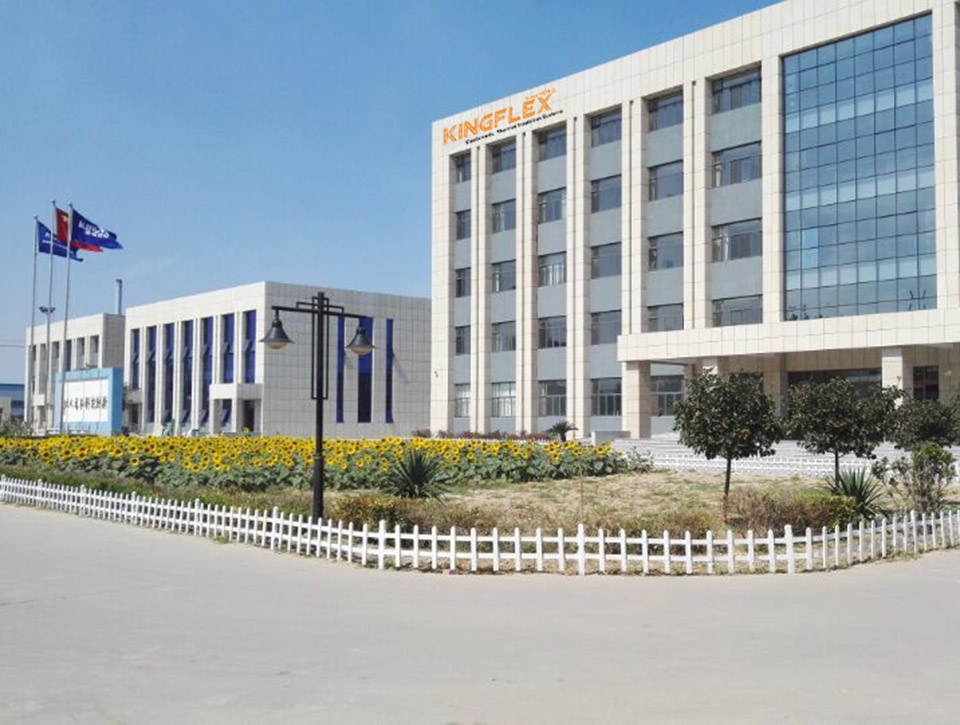
At Kingflex, we understand that structural insulation is a long-term safety and liability investment. Different jurisdictions enforce distinct fire safety and chemical trace limitations. Our R&D division ensures all Glass Wool Insulation Felt with FSK conforms strictly to key localized construction codes worldwide.
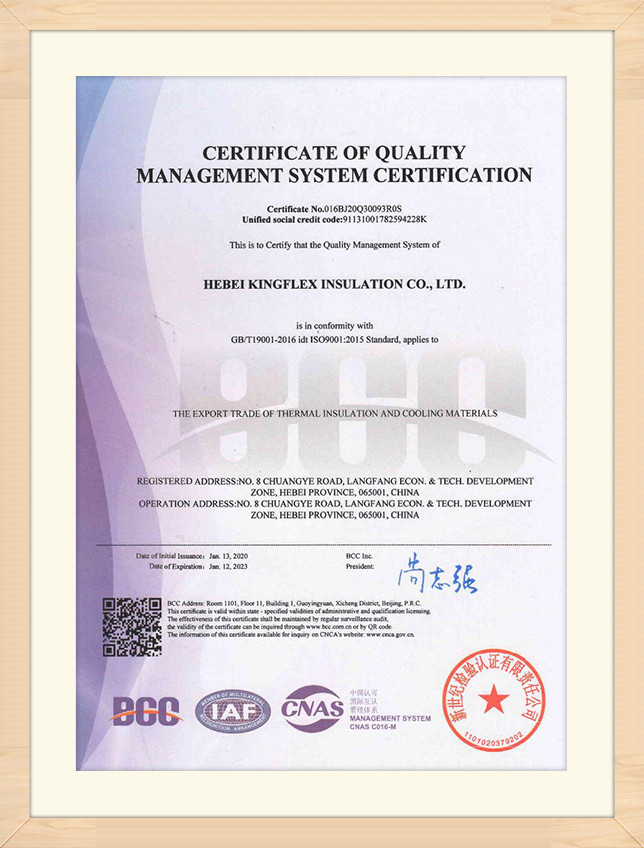
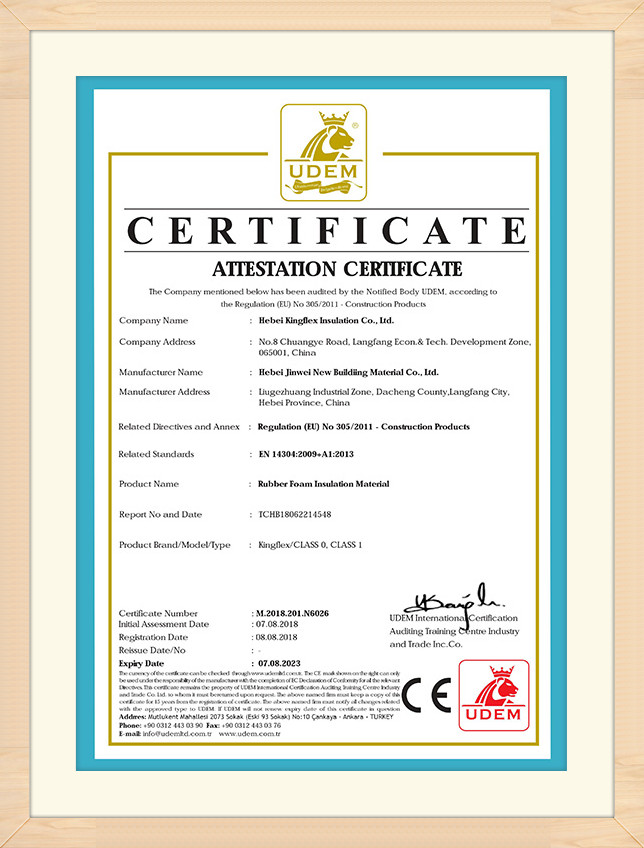
Full compliance with BS 476 (Part 6 & 7) fire tests, assuring Flame Spread Index Class 1. CE marked to certify adherence to EN standards for mechanical resilience and bio-solubility.
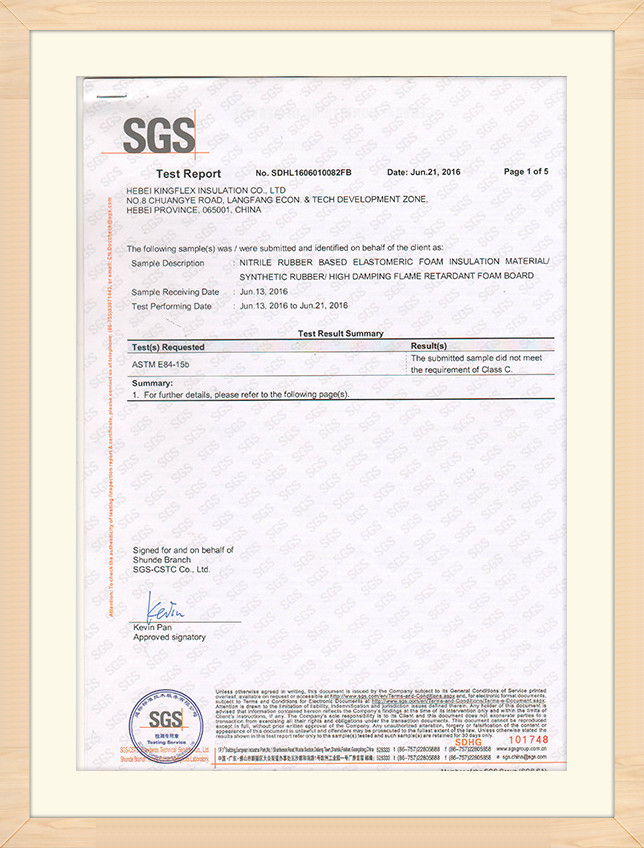
Formulated to comply with ASTM C553 (Felt specifications) and ASTM E84 (Surface Burning Characteristics), establishing a low flame spread rating of <25 and smoke development rating of <50.
Manufactured under strict ISO 9001, ISO 14001, and ISO 45001 management protocols. Materials are REACH and RoHS compliant, utilizing non-formaldehyde organic binders.
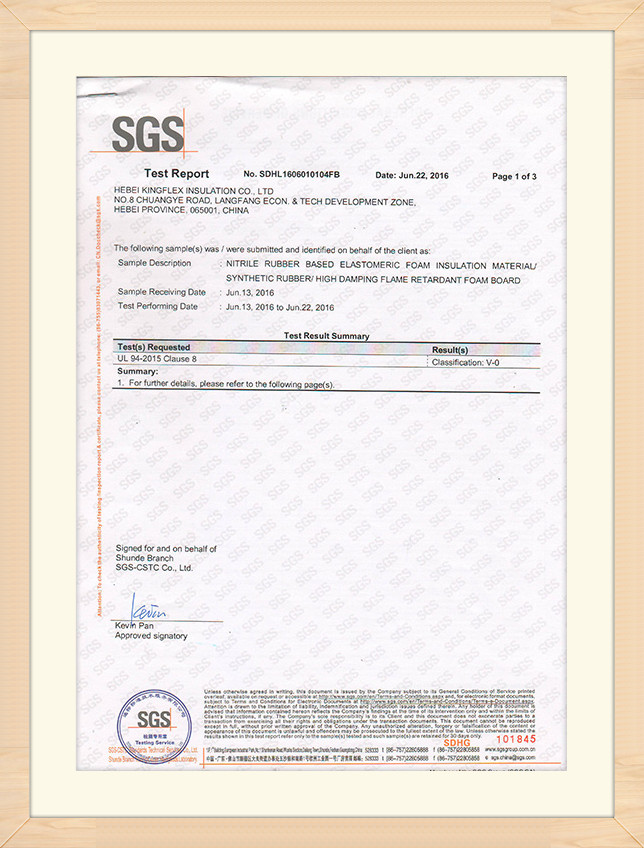
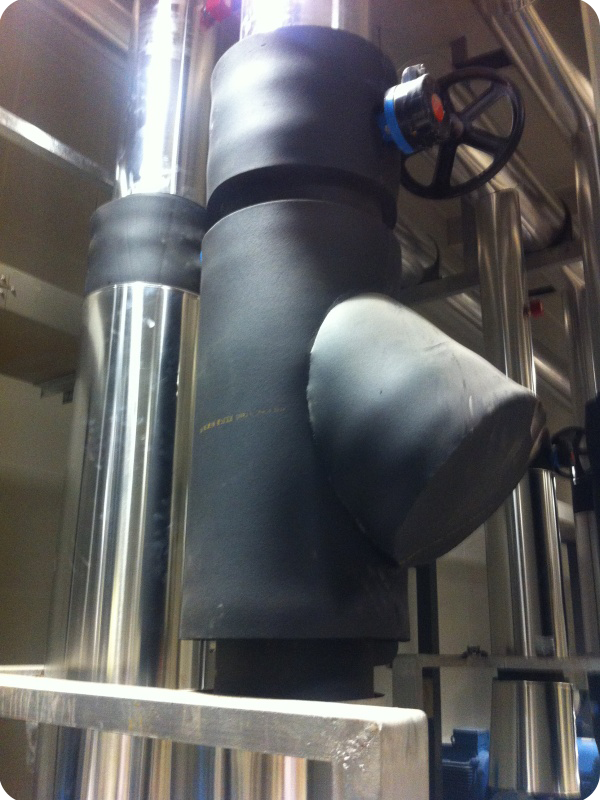
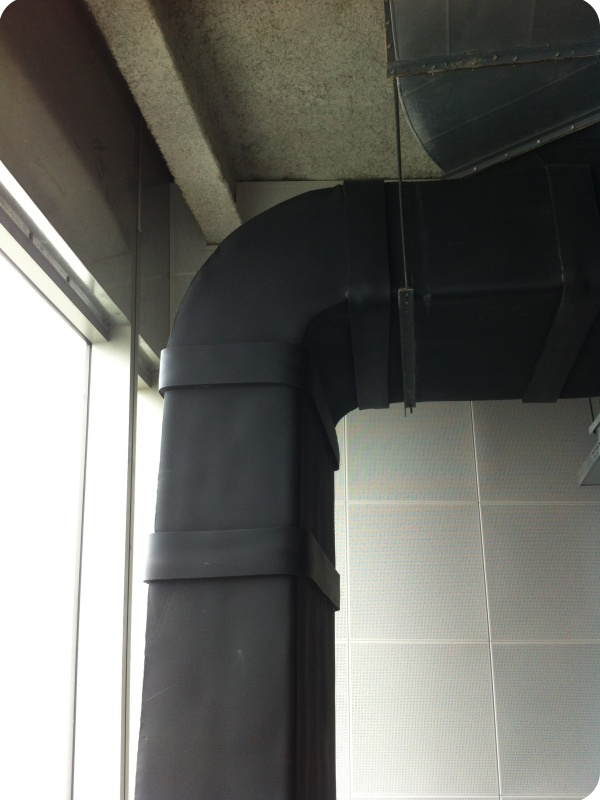
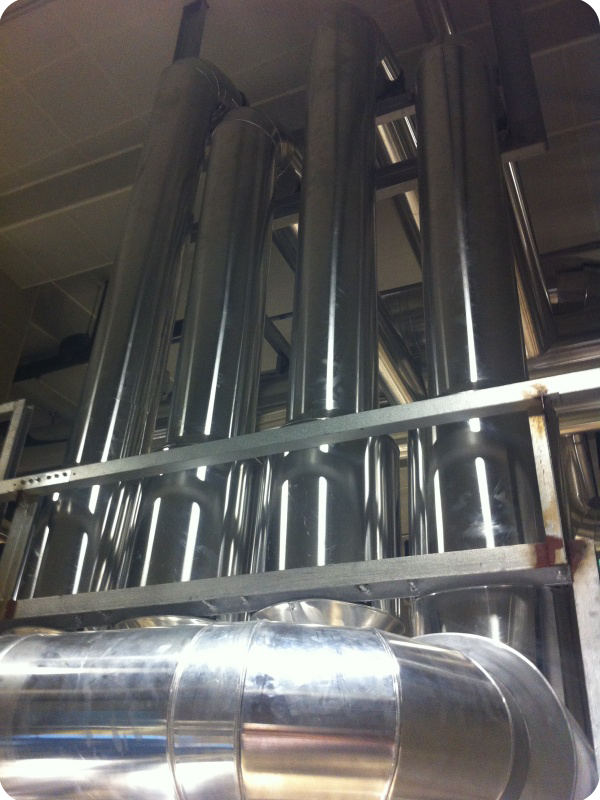
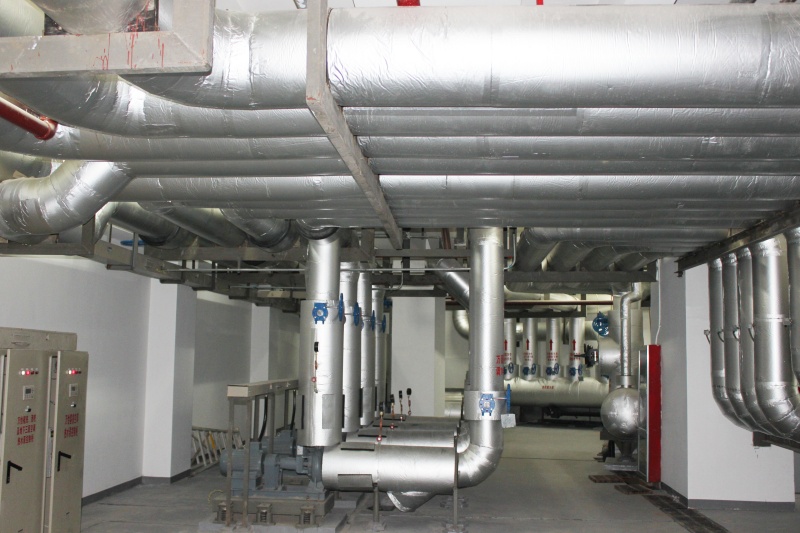
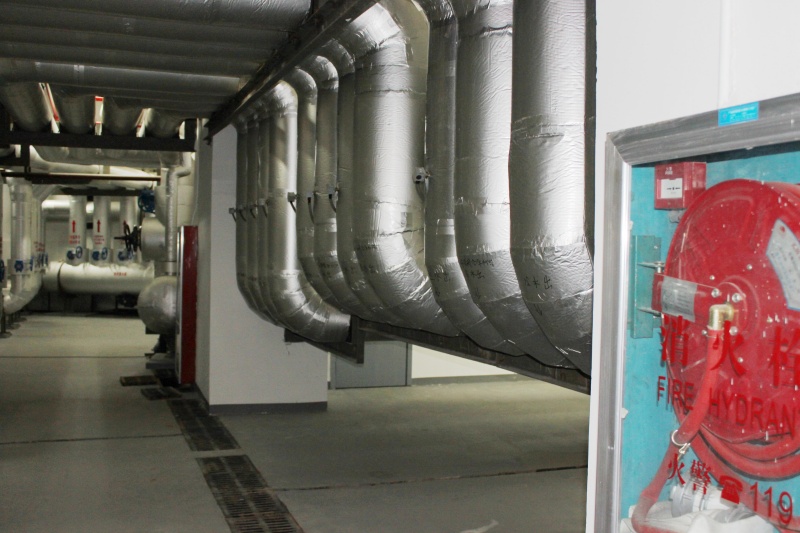
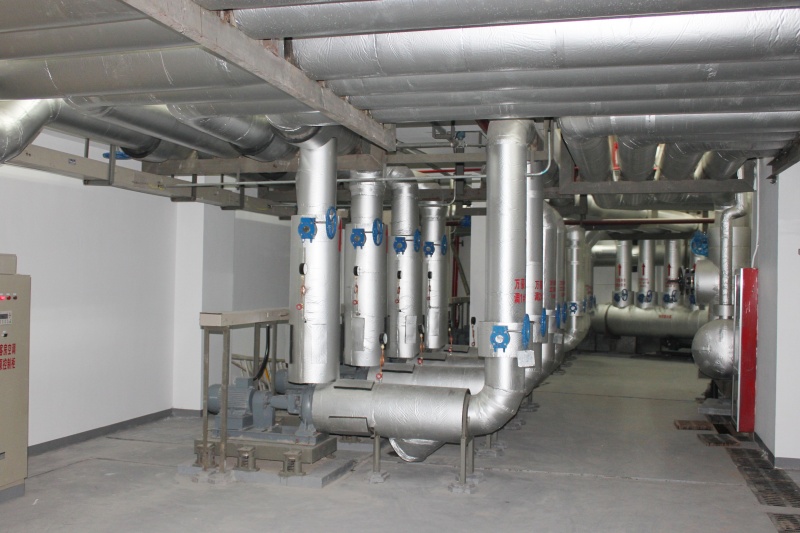
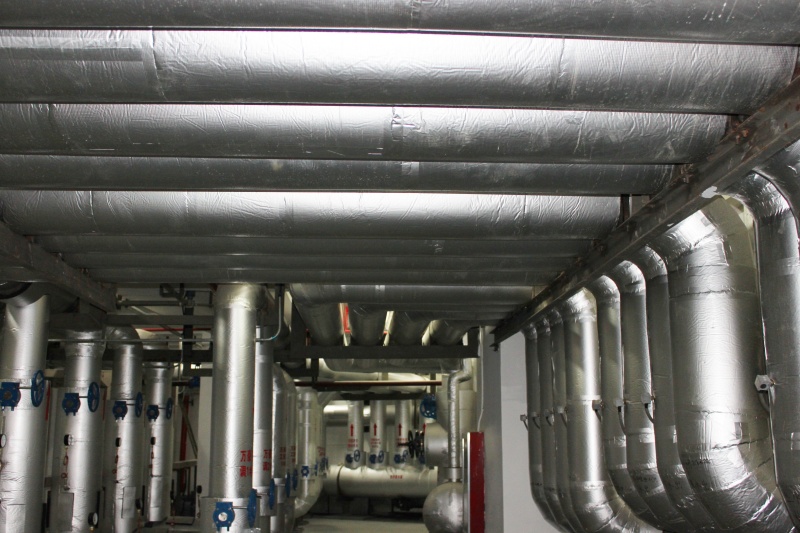
Applied externally on rectangular and round air ducts. The FSK facing limits radiant heat exchange and provides the necessary vapor barrier protection to prevent outer casing condensation in warm, humid regions.
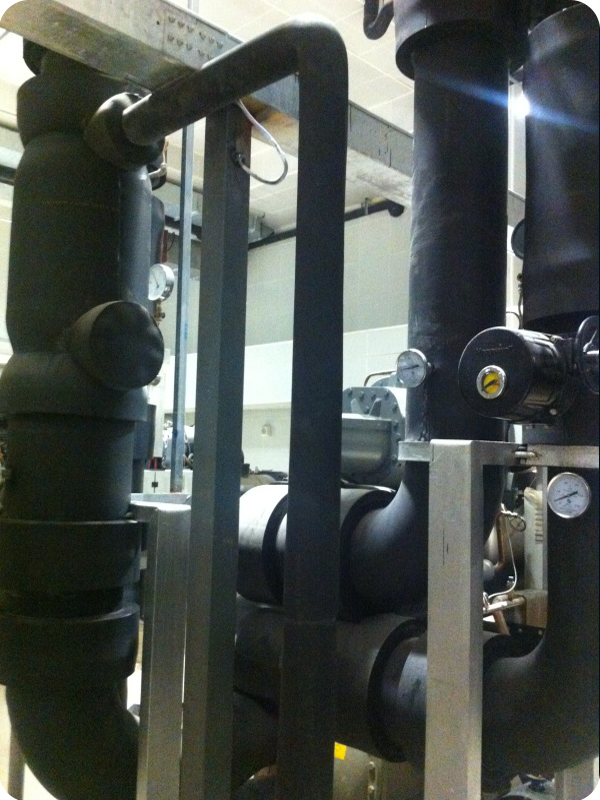
Ideal for modern steel structures, warehouse roofs, and logistics centers. Rolls of glass wool felt with FSK are laid over purlins before fastening exterior metal panels to achieve structural thermal efficiency.

Frequently utilized inside partition drywalls of recording studios, auditoriums, and machine rooms. The high porosity of glass wool captures mechanical sound vibrations, dampening echo effect.

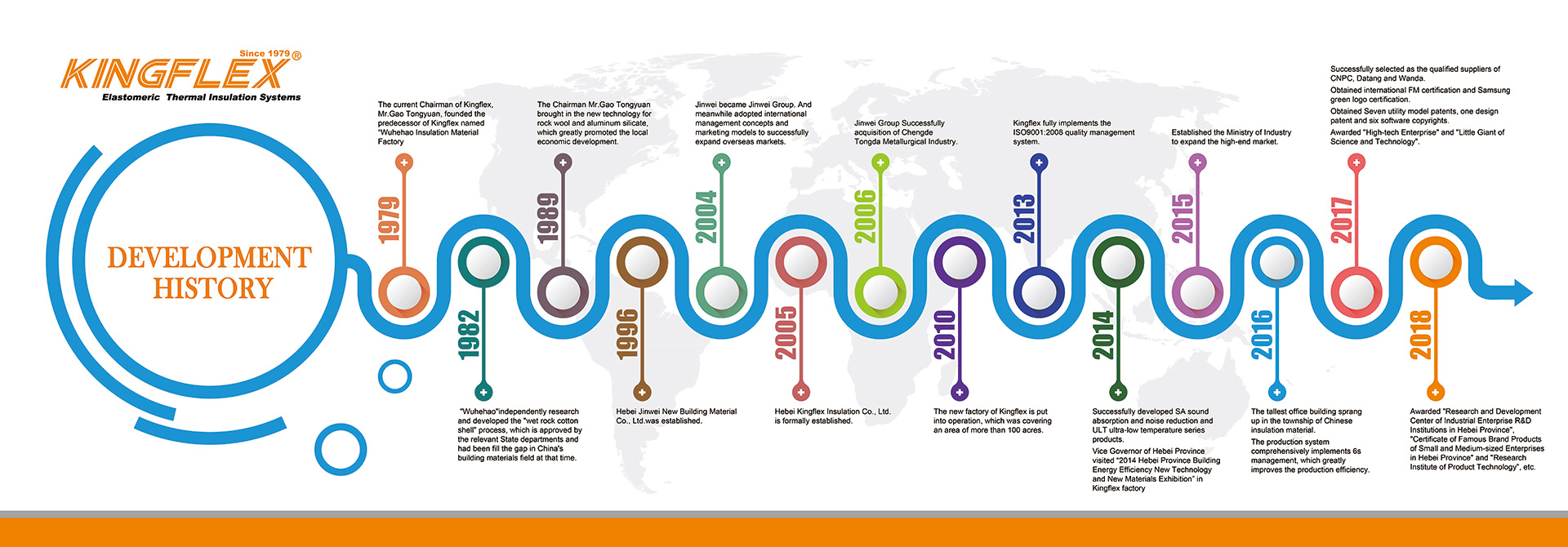
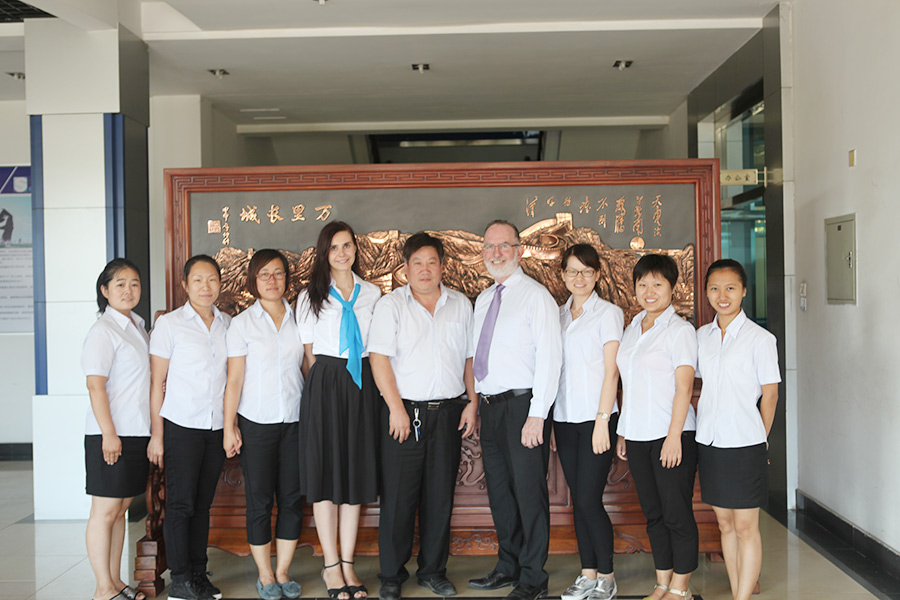
Established under the Jinwei Group—which possesses over 40 years of manufacturing history since its foundation in 1979—Kingflex was built upon a dedication to industrial research and material science. We boast a specialized staff of 8 professional engineers in our R&D Department, 6 international customer support representatives, and 230 highly trained operators on the production floor.
Our core mission is to supply fully integrated thermal, cryogenic, and acoustic solutions. Whether consulting on thermal design margins or guiding installation methods on site, our team works to deliver high performance values. Our R&D testing facilities ensure that from the raw material incoming inspection stage down to the finished FSK lamination adhesive bonding force test, quality is monitored at every checkpoint.

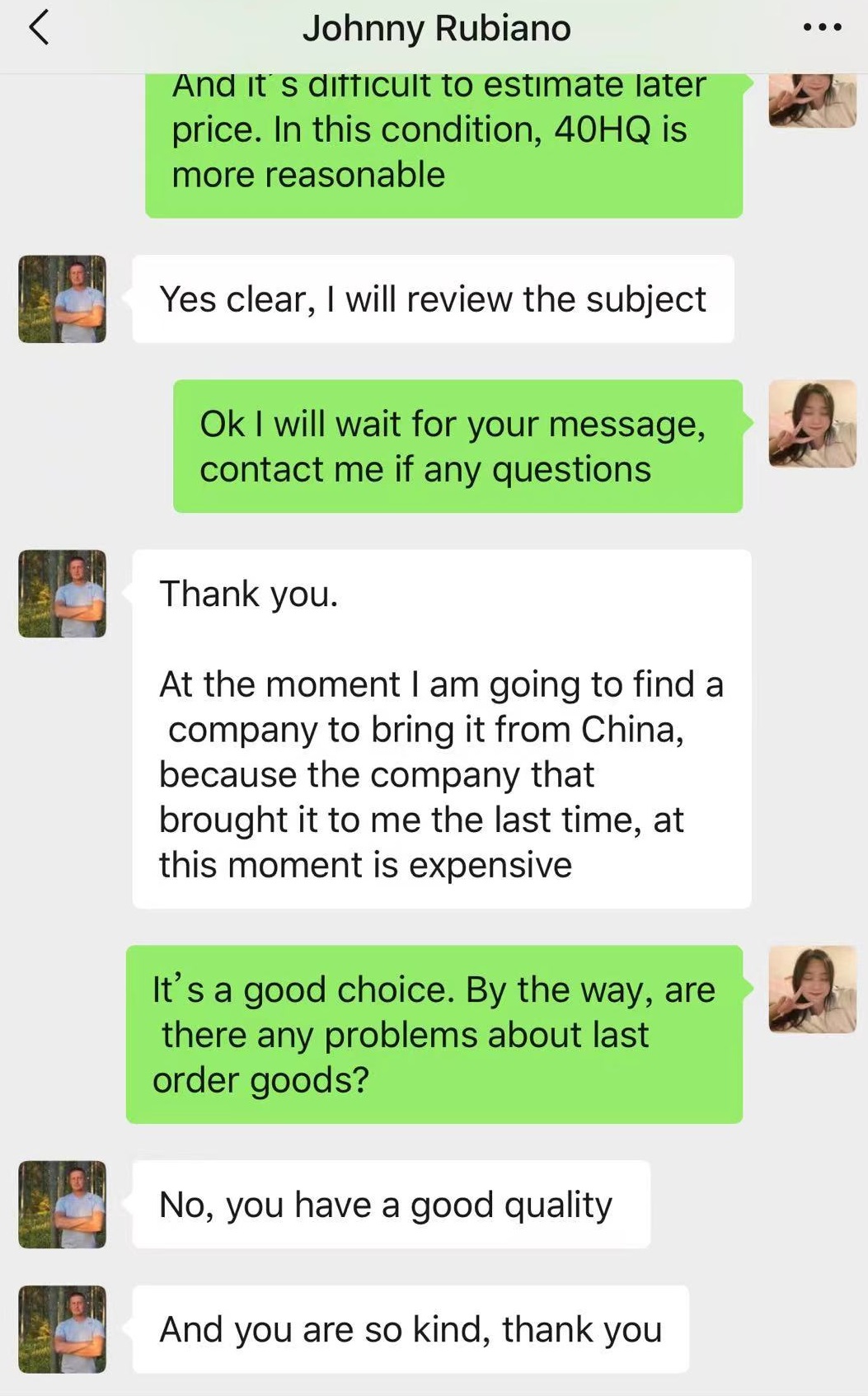
We believe that trust is built on consistency. Our team maintains transparent communication and full batch traceability. From initial purchase order down to container seal tracking, clients receive high-frequency updates. Below are screenshots illustrating daily active technical communication, quality approvals, and customer check-ins across Europe, Southeast Asia, and the Americas:




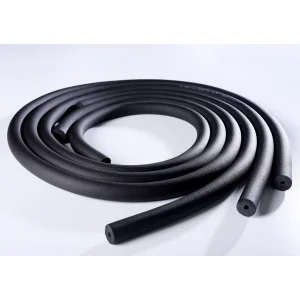
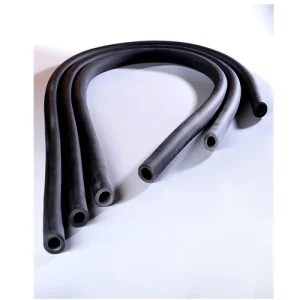
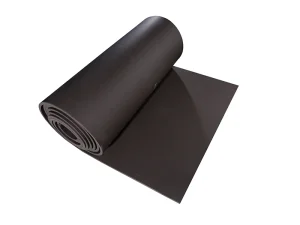
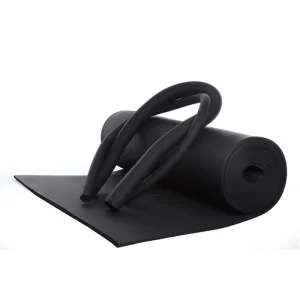
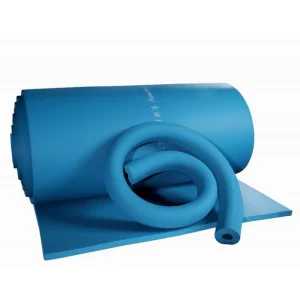
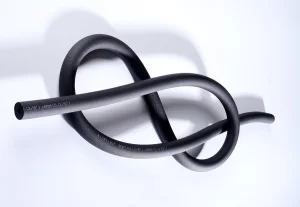
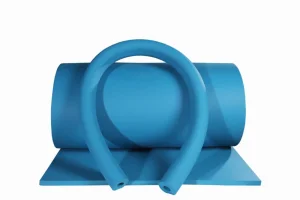
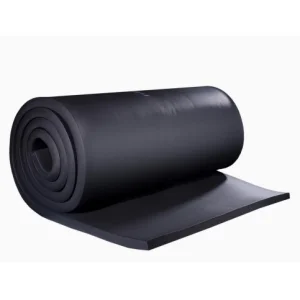
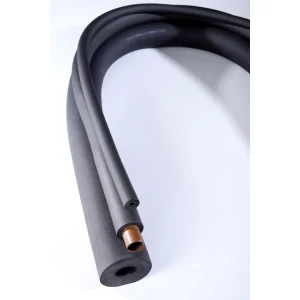
Building projects frequently require multiple insulation types. Understanding the optimal use case for elastomeric rubber foam versus glass wool is key to preventing system failures. Our facility manufactures both lines, offering unbiased technical consultation:
| Insulation Type | Key Advantages | Optimal Temperature range | Ideal Applications |
|---|---|---|---|
| FSK Faced Glass Wool | Incombustible, lightweight, cost-effective, high acoustic mitigation | -120°C to +400°C | HVAC external air ducts, metal roofs, partition wall fillings |
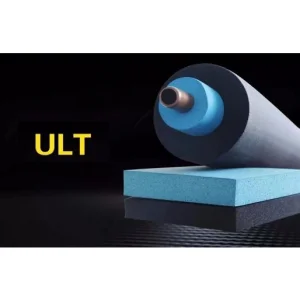
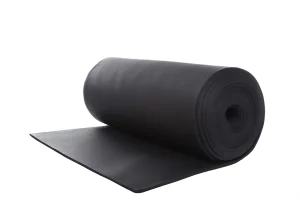
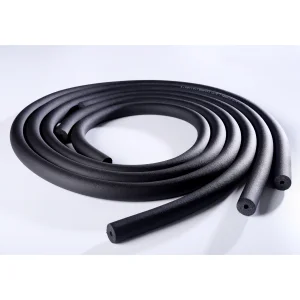
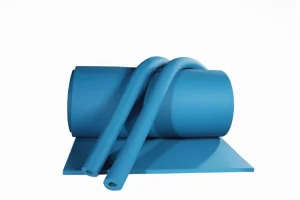
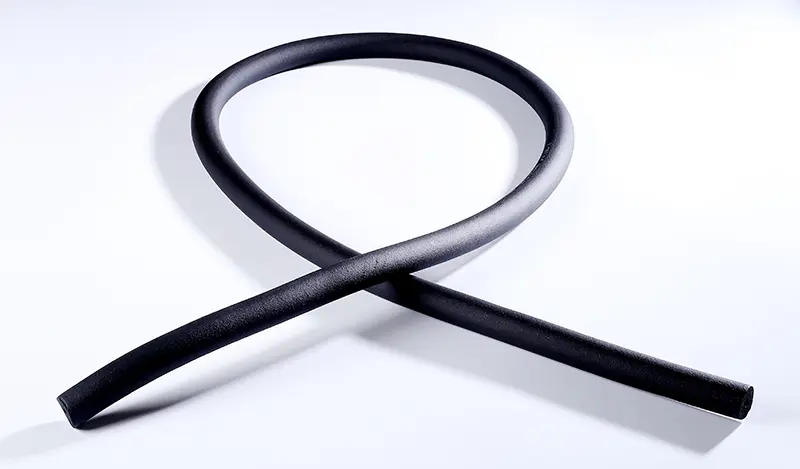
| Elastomeric Rubber Foam | Closed-cell, extreme moisture resistance, high flexibility | -40°C to +105°C | Chilled water piping, HVAC cooling coils, cryogenic setups |
| Rock Wool Materials | Extreme heat resistance, fire structural barrier protection | Up to +1000°C | Power plant furnace boilers, industrial piping systems |
When purchasing Glass Wool Felt with FSK, choosing the correct density is crucial. Lower densities (e.g., 16-24 kg/m³) are highly compressible and cost-effective, ideal for lay-in ceilings or inside double-skin metal panels.
Higher densities (e.g., 32-48 kg/m³) provide greater structural integrity, making them the preferred choice for exposed duct installations in technical corridors. They offer better resistance to puncture and collapse when wrapped around sharp angles.
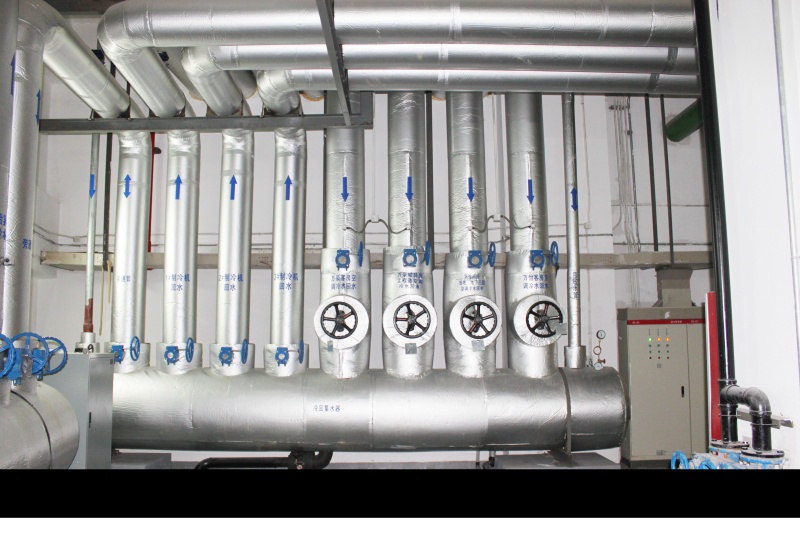
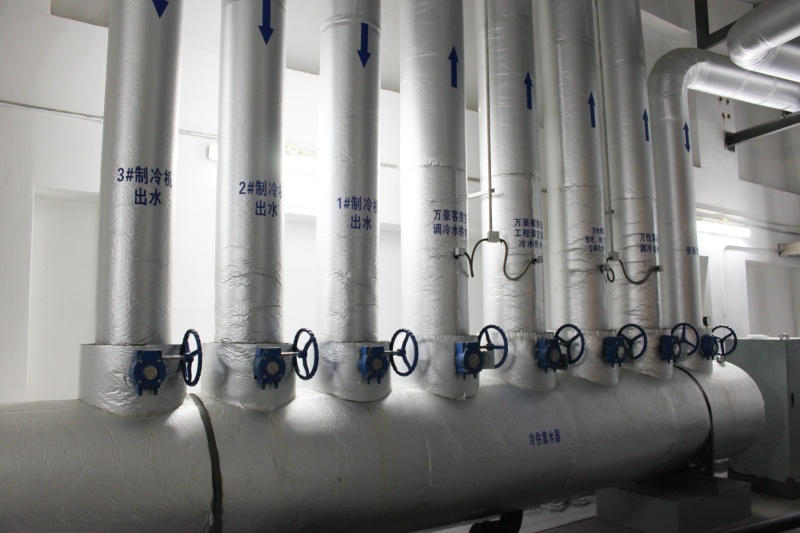
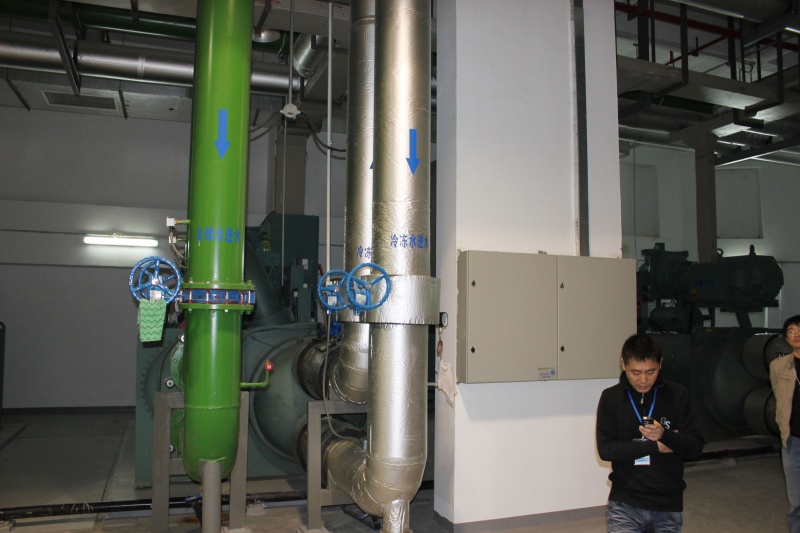
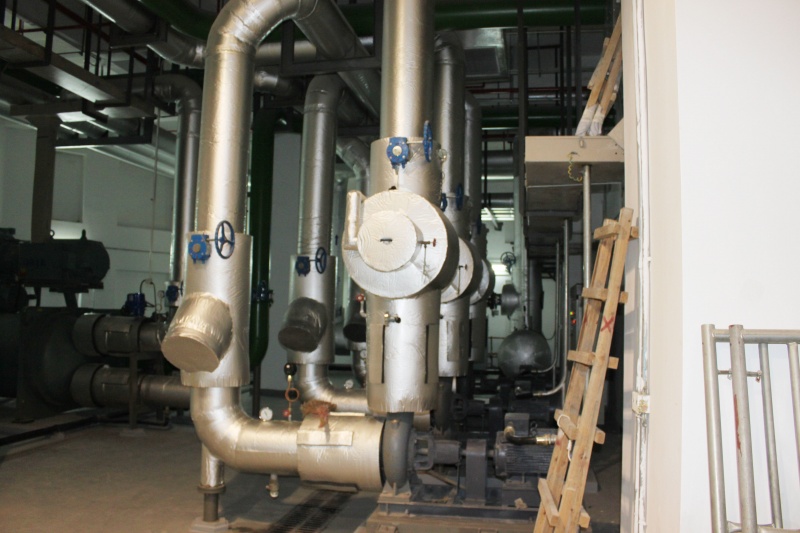
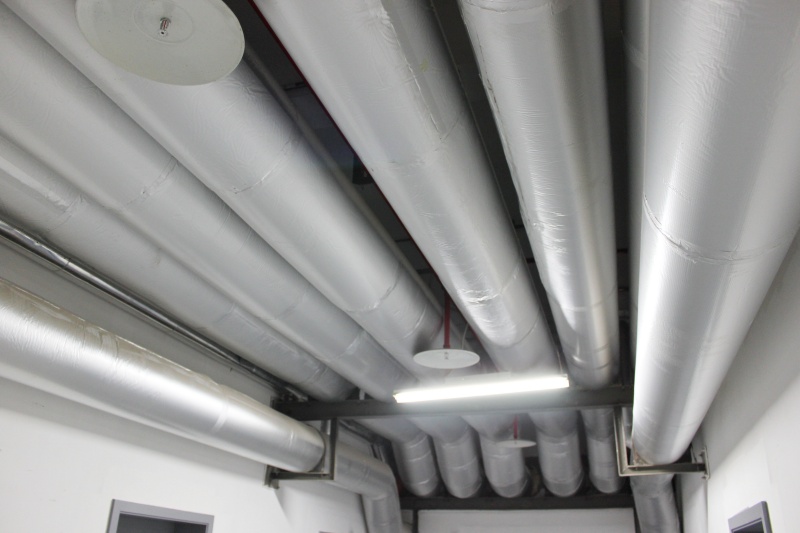

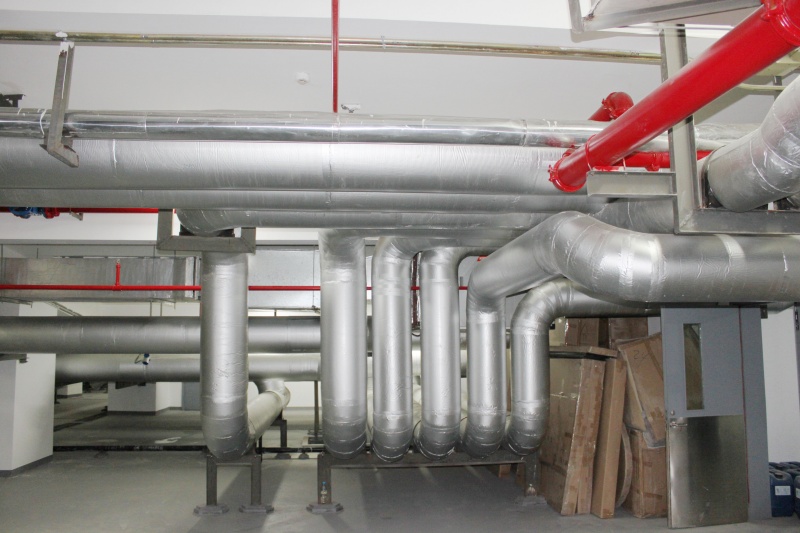

Glass wool felt provides high thermal resistance (low thermal conductivity) and superior acoustic absorption. The addition of FSK (Foil-Scrim-Kraft) facing provides a highly reflective radiant barrier and serves as a low-permeance vapor seal, preventing condensation in humid HVAC environments.
Glass wool is lightweight, highly compressible, and cost-effective, making it ideal for HVAC ducts and metal building envelopes. Rock wool exhibits higher density and temperature limits (up to 1000°C), suited for structural fire protection. Elastomeric rubber foam features a closed-cell structure with built-in moisture protection, making it highly effective for cold-water and cryogenic pipelines where space is constrained.
Our products have passed BS 476 (Parts 6 & 7) flame-spread tests, achieving a Class 0 rating in the UK. They also meet EN 13501-1 Euroclass A rating for non-combustibility and are verified under ASTM E84 testing for North American building projects.
Yes, we provide full OEM and customization services. We manufacture glass wool felts in thicknesses ranging from 25mm to 100mm, with roll widths of 1.2m and lengths customizable up to 30m, matching the exact engineering profiles required by overseas contractors.
Under regular operating conditions and with properly taped, sealed seams, our FSK faced glass wool maintains its physical structure and thermal properties for 15 to 20 years without settling or vapor barrier degradation.
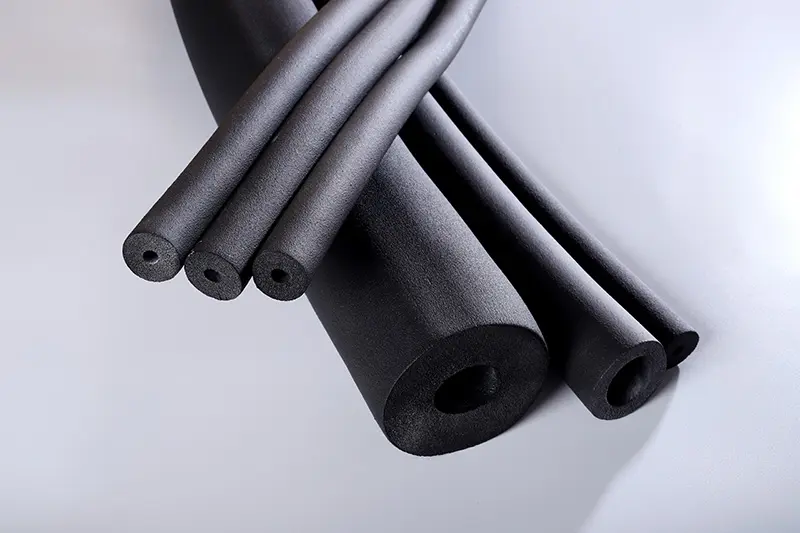
Specially formulated closed-cell elastomeric tube resistant to aggressive chemical cleaners and salt vapor environments.
Learn More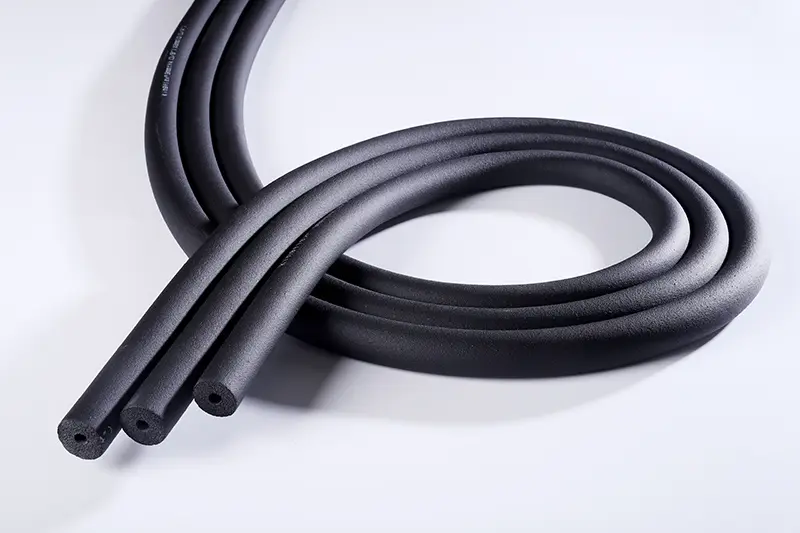
Highly flexible, thermal-efficient closed-cell elastomeric piping insulation for fast slip-on installation.
Learn More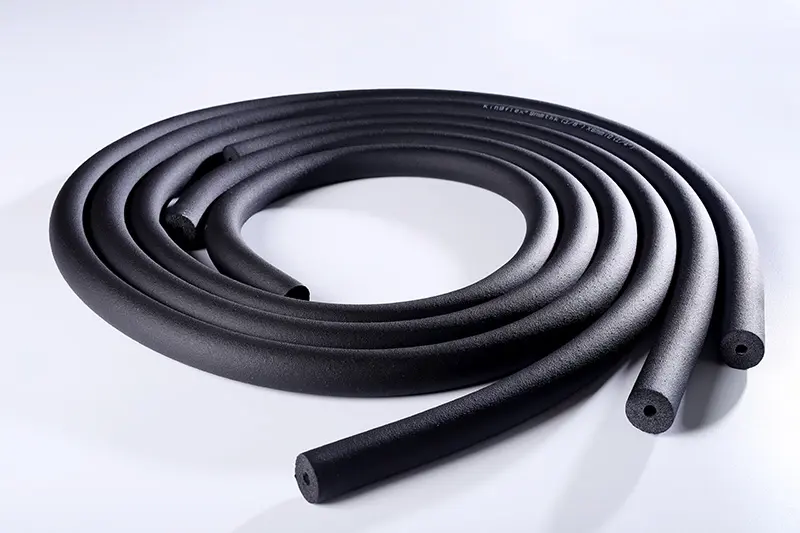
Our standard thermal and condensation control sleeve for refrigeration, commercial air conditioning, and sanitary lines.
Learn More
A resilient elastomeric insulation tube designed specifically for localized split air conditioner plumbing setups.
Learn More
Premium density tube providing fire-retardant values to protect systems inside complex architectural drop-ceilings.
Learn More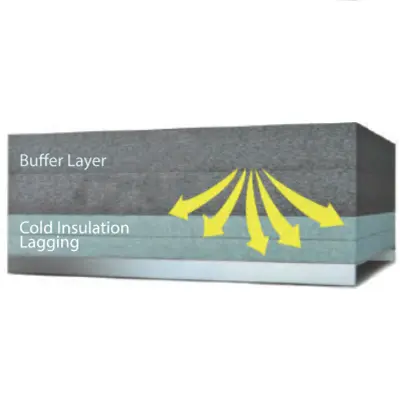
Multi-layered, heavy-duty industrial cladding system for low-temperature machinery and chemical tanks.
Learn More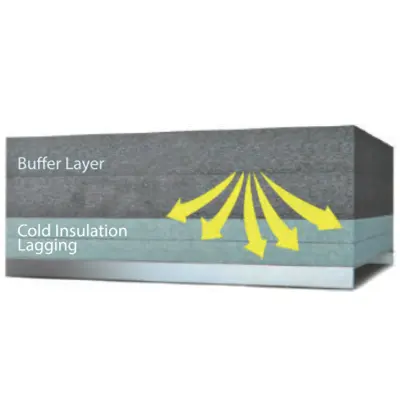
Flexible cold containment sheeting system designed for liquid natural gas (LNG) and cryogenic pipeline applications.
Learn More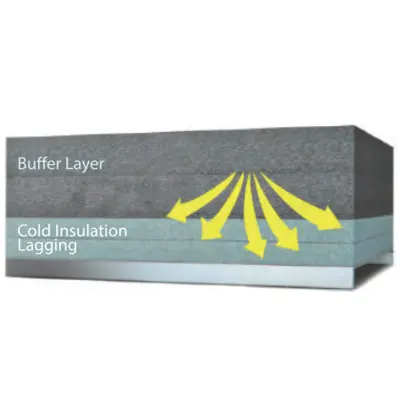
Specially engineered foam formulated to maintain physical flexibility at sub-zero temperatures, resisting stress cracks.
Learn More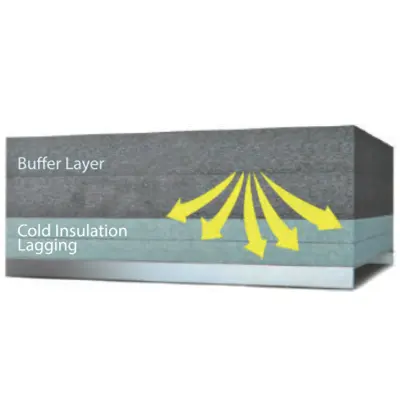
High-density cryogenic barrier system engineered to prevent condensation in extreme ambient temperatures.
Learn More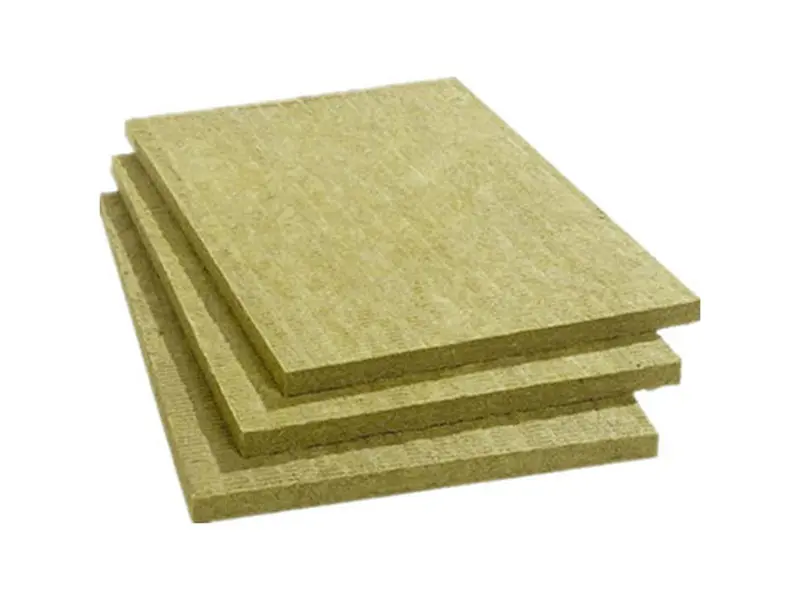
Rigid mineral fiber panels for furnace backing, boiler shells, and structural industrial wall systems.
Learn More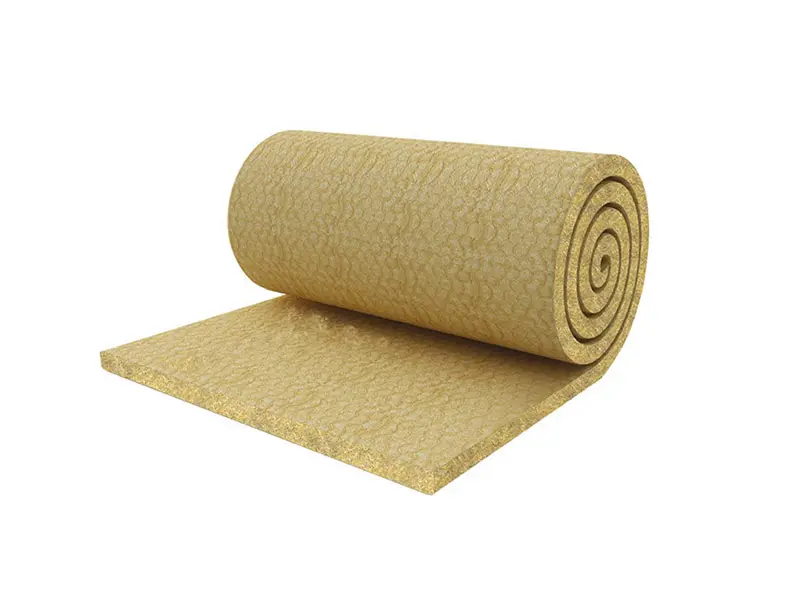
Flexible, high-temperature wire-mesh stitched rock wool blanket for large industrial pipeline wraps.
Learn More




 Kingflex