High-performance elastomeric synthetic foam tubes, rolls, and customized insulation panels engineered for extreme temperatures.
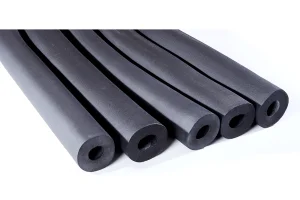
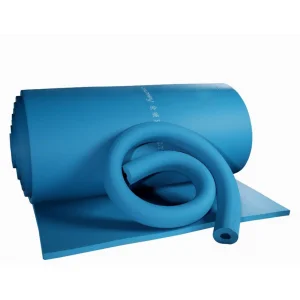
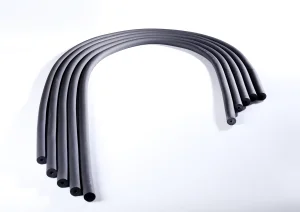
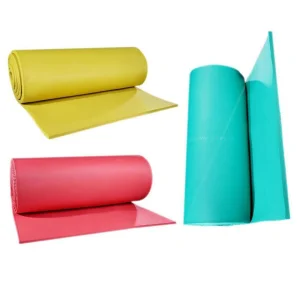
Achieving high-accuracy thermal estimates for billing, energy profiling, and material optimization in global pipelines.
For industrial piping engineers, mechanical project evaluators, and system installation companies, executing a precise insulation area calculation for pipe systems is fundamental. Calculating the exact surface area is crucial for generating accurate pricing quotes, optimizing procurement volume, reducing logistical waste, and ensuring the system meets stringent thermodynamic and anti-condensation targets.
When measuring the surface area of a cylinder (the pipe) after applying an insulation layer, standard flat-surface calculations will fail. The thickness of the insulation material increases the overall diameter, which correspondingly increases the outer surface area that must be protected, sheet-wrapped, or calculated for external cladding. This requires a mathematically precise cylindrical scaling model.
To accurately calculate the structural surface area of complex pipeline configurations, engineers must account for extra surface space around elbows, tees, valves, and flanges. These elements expand the required surface area. Historically, standard margins added 10% to 15% for waste. However, today’s smart building designs require precise formulas to prevent cost overruns and gaps in thermal barriers.
For standard 90-degree long-radius elbows, the surface area factor can be estimated by calculating the centerline arc length. In highly precise applications, engineers use equivalent linear lengths to scale individual fittings:
How distinct climates, local codes, and industrial sectors shape thermal insulation requirements.
In liquefied natural gas processing plants and marine shipping networks, operating temperatures drop below -160°C. Elastomeric closed-cell structures protect against moisture penetration, prevent ice formation, and preserve volatile gases during transport.
High ambient heat (up to 50°C) coupled with high humidity demands robust protection against condensation. Accurate calculations ensure that insulation thicknesses prevent surface condensation without adding unnecessary material weight.
Refineries, pharmaceutical plants, and chemical processing facilities require fire-safe, durable, and highly chemical-resistant thermal barriers. NBR/PVC closed-cell materials provide dual protection, insulating systems while minimizing risk of corrosion under insulation (CUI).
Globally, industrial piping projects face strict regulations on energy efficiency and thermal envelope compliance. Designers rely on standards like ASTM C585 (Standard Practice for Inner and Outer Diameters of Rigid Thermal Insulation for Nominal Sizes of Pipe and Tubing) and ISO 12241 (Thermal insulation for building equipment and industrial installations). Compliance with these standards guarantees that heat loss calculations and surface area designs match real-world installation measurements.
Backed by 40+ years of manufacturing experience, providing high-efficiency solutions to over 66 countries.
Kingflex Insulation Co., Ltd. is a leading manufacturer and trading group specializing in energy-saving thermal insulation materials. Located in Dacheng, China—a hub for green building material manufacturing—Kingflex operates as an eco-friendly enterprise integrating research, development, and sales.
Established by the Jinwei Group (founded in 1979 as the first thermal insulation manufacturer north of the Yangtze River), Kingflex has grown to support advanced global projects. We provide complete solutions, including initial technical consultation, high-precision thermodynamic layout calculation, custom material fabrication, and global post-sale service.
Our dedicated team includes 8 professional R&D engineers, 6 international sales consultants, and 230 skilled production workers. Our state-of-the-art facilities are designated suppliers for the Ministry of Energy, Ministry of Electric Power, and Ministry of Chemical Industry, demonstrating our reliability for national-level infrastructure projects.
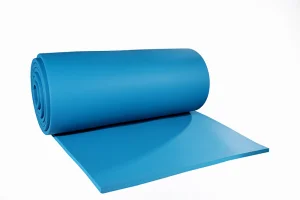
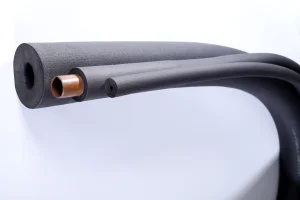
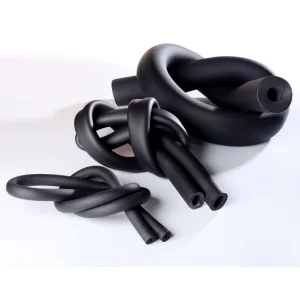
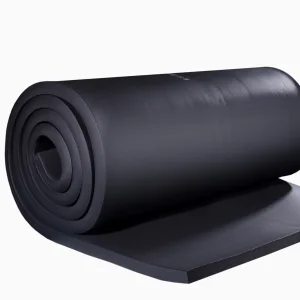
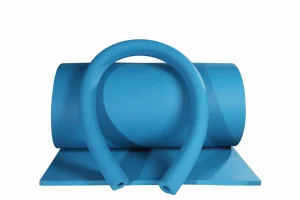
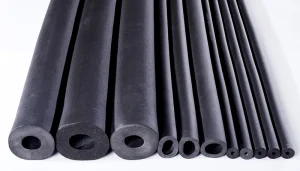
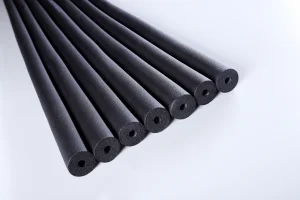
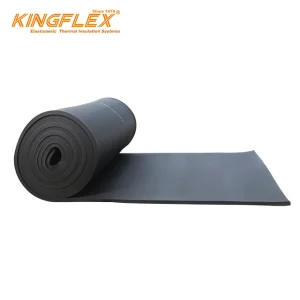
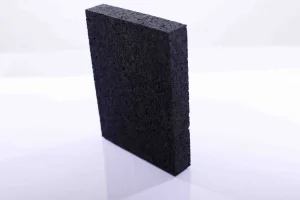
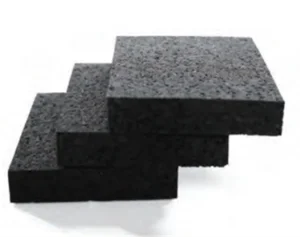
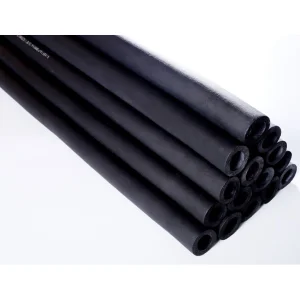
Comparing elastomer structures for rubber foam sheet rolls and pre-formed piping tubes.
| Parameter | Black Rubber Foam Sheet Roll | Black Rubber Foam Pipe Tube |
|---|---|---|
| Material Base | Premium Nitrile Butadiene Rubber (NBR) / PVC Blend | Premium Nitrile Butadiene Rubber (NBR) / PVC Blend |
| Standard Thickness | 6 mm to 50 mm | 9 mm to 40 mm |
| Internal Diameter (ID) | N/A (Flat Roll) | 6 mm to 114 mm |
| Foam Structure | Closed Cell Ratio > 98% | Closed Cell Ratio > 98% |
| Density Range | 40 to 55 kg/m³ | 40 to 55 kg/m³ |
| Service Temp. Range | -40°C to +105°C | -40°C to +105°C |
| Compression Resilience | > 80% recovery rate | > 80% recovery rate |
| Key Applications | AC Ducting, Large Tanks, Walls, Acoustic Panels | HVAC Chilled Water, Industrial Steam, Anti-freezing |
Verified manufacturing processes, quality checks, and international certificates.
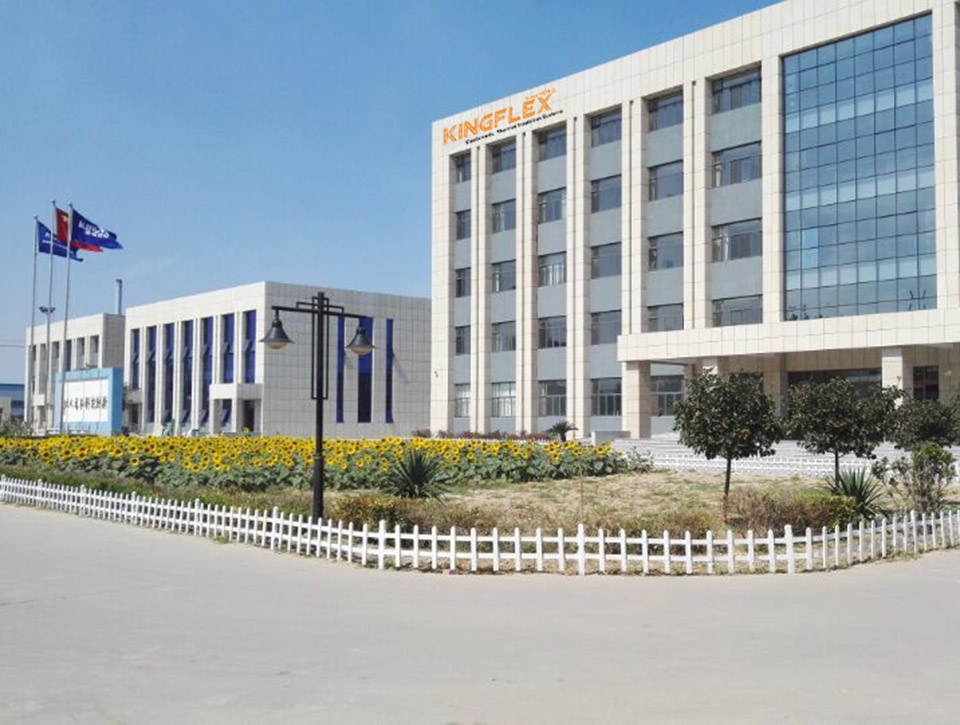
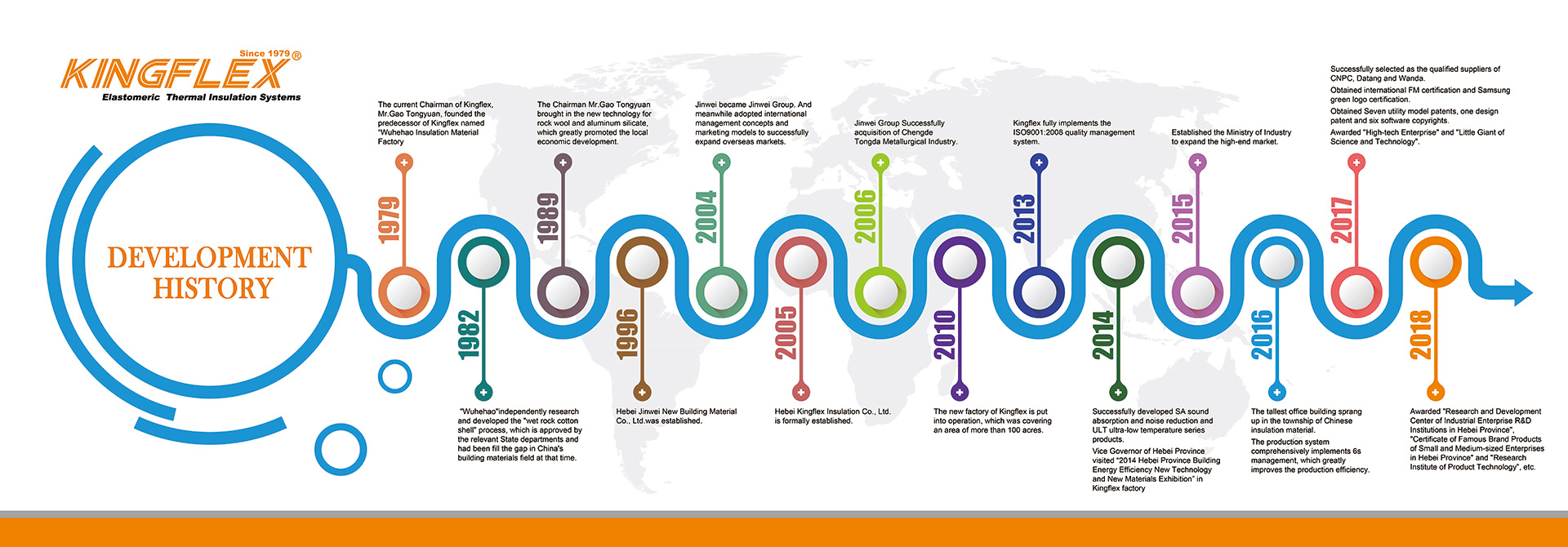

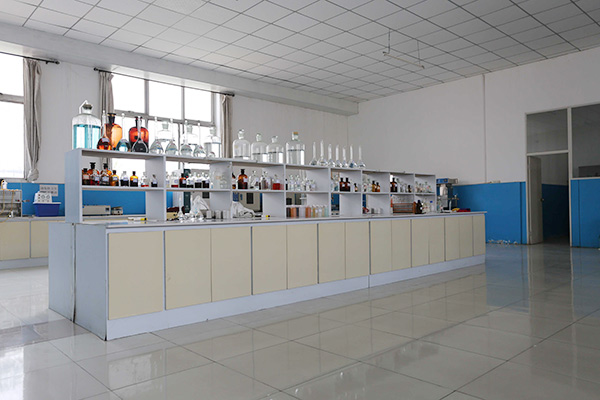
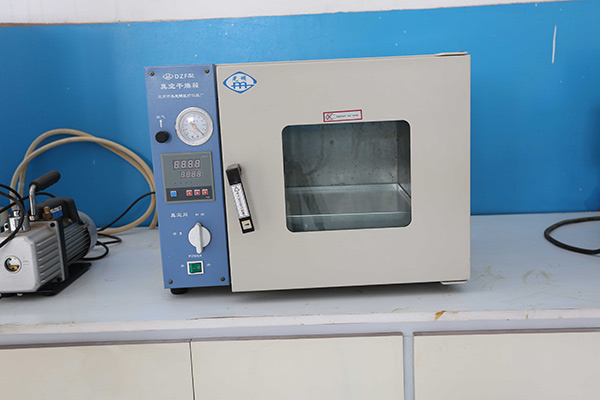
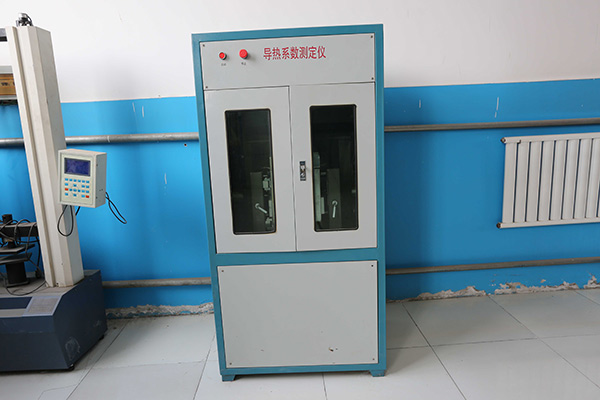
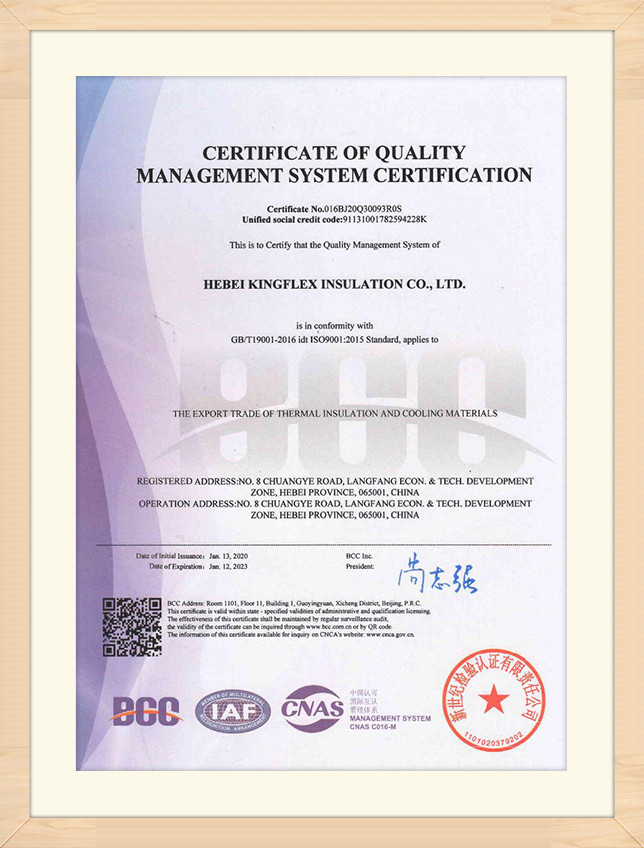
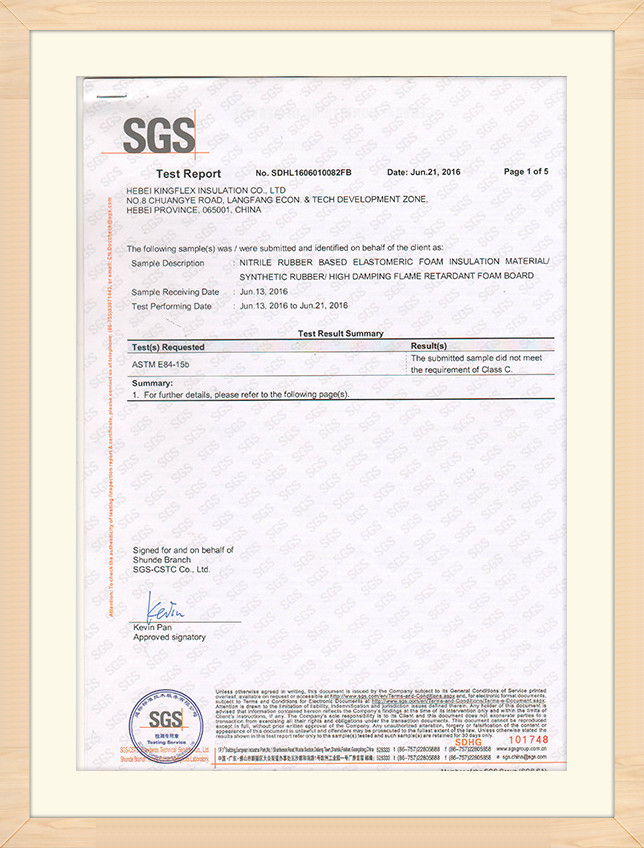
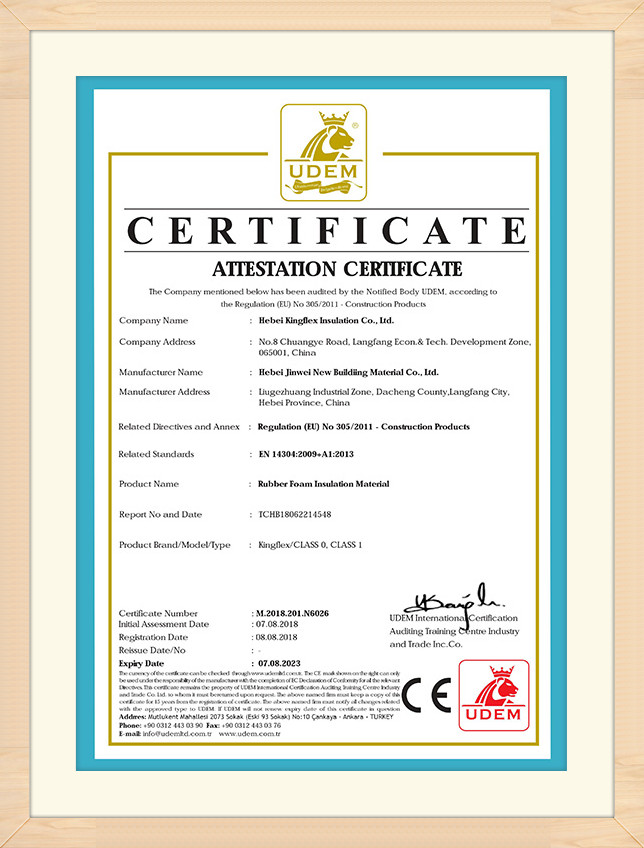
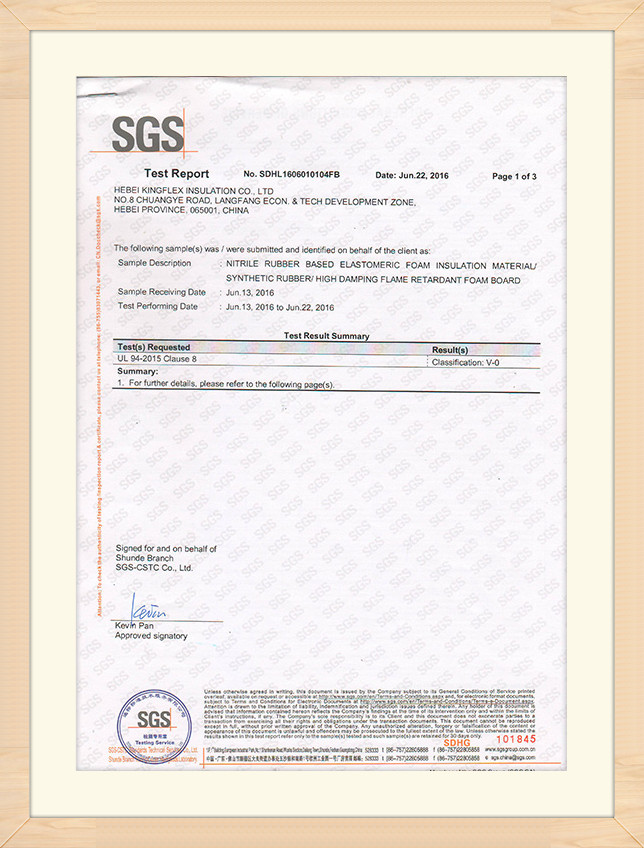


Our raw materials and finished products undergo testing at multiple stages to ensure performance. We maintain traceability records, linking production batches directly to raw material lots. Kingflex products comply with key international standards: BS 476, CE, REACH, RoHS, UL94, and ASTM.
Transparent communication and project tracking with global partners.





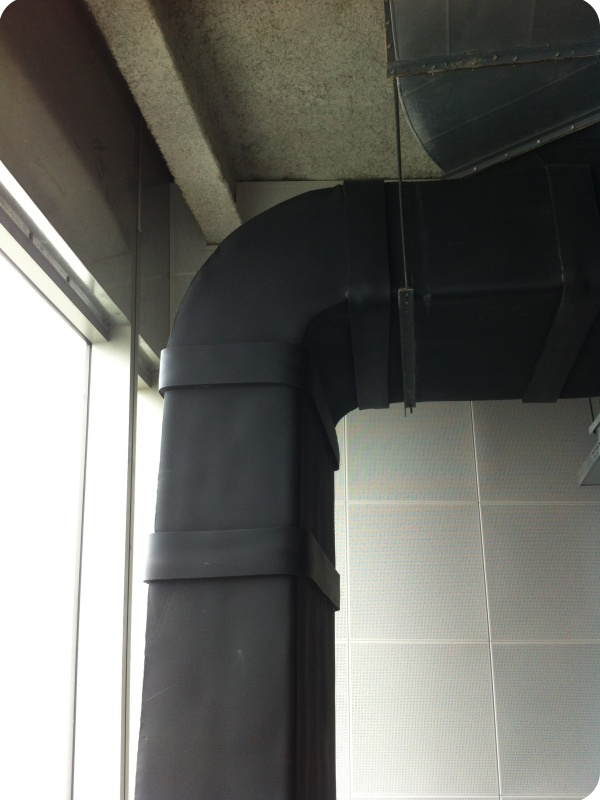

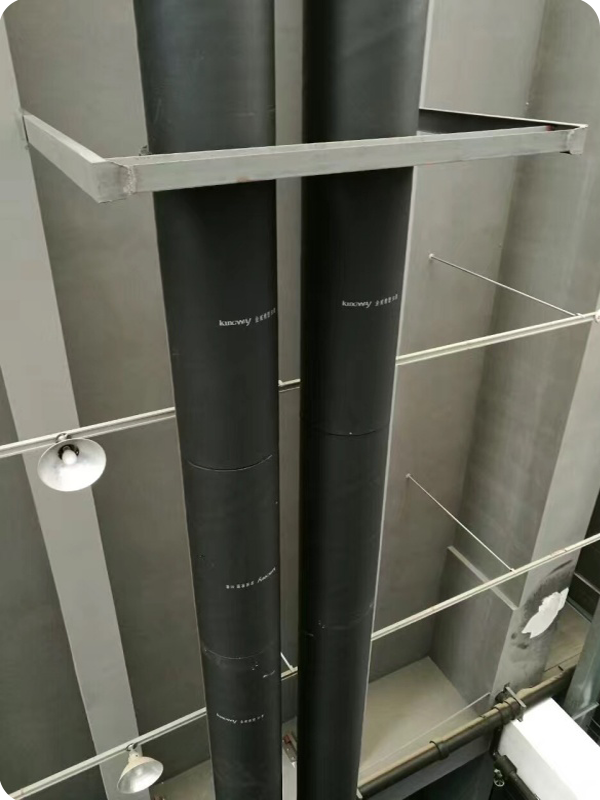
We work closely with project teams around the world, providing engineering support from calculation to delivery. Using active coordination and real-time updates, we ensure materials are custom-cut and packaged to arrive on schedule. This collaboration reduces project delays and ensures accurate product trace histories, supporting overall project compliance.
Technical responses regarding application, performance limits, calculations, and sourcing.
Select the right technical formulation for your climate, temperature range, and acoustic specifications.
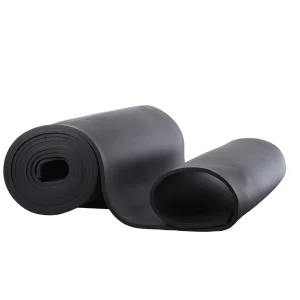
 Kingflex